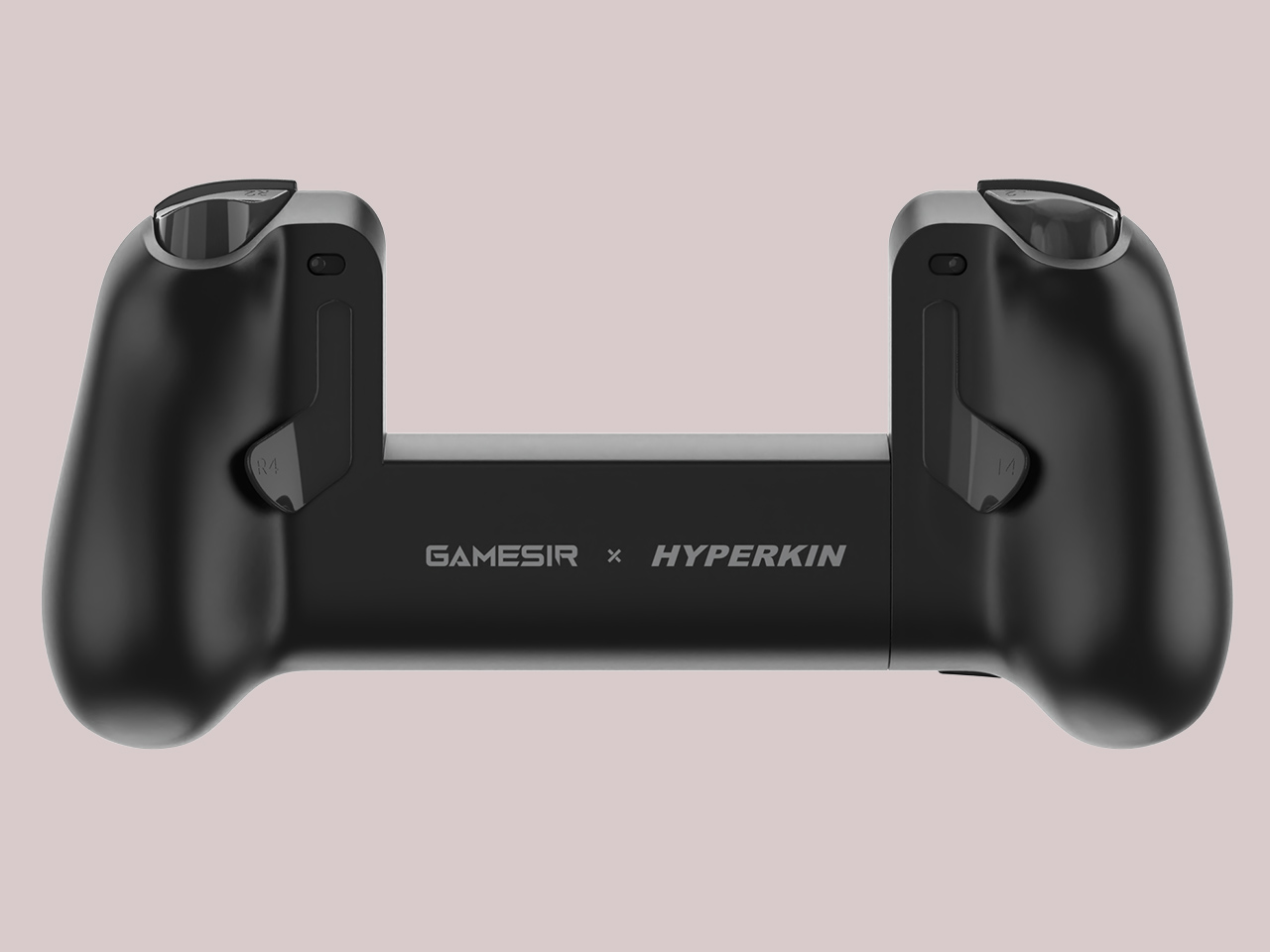
GameSir x Hyperkin modular controller could be the endgame accessory for mobile gamers

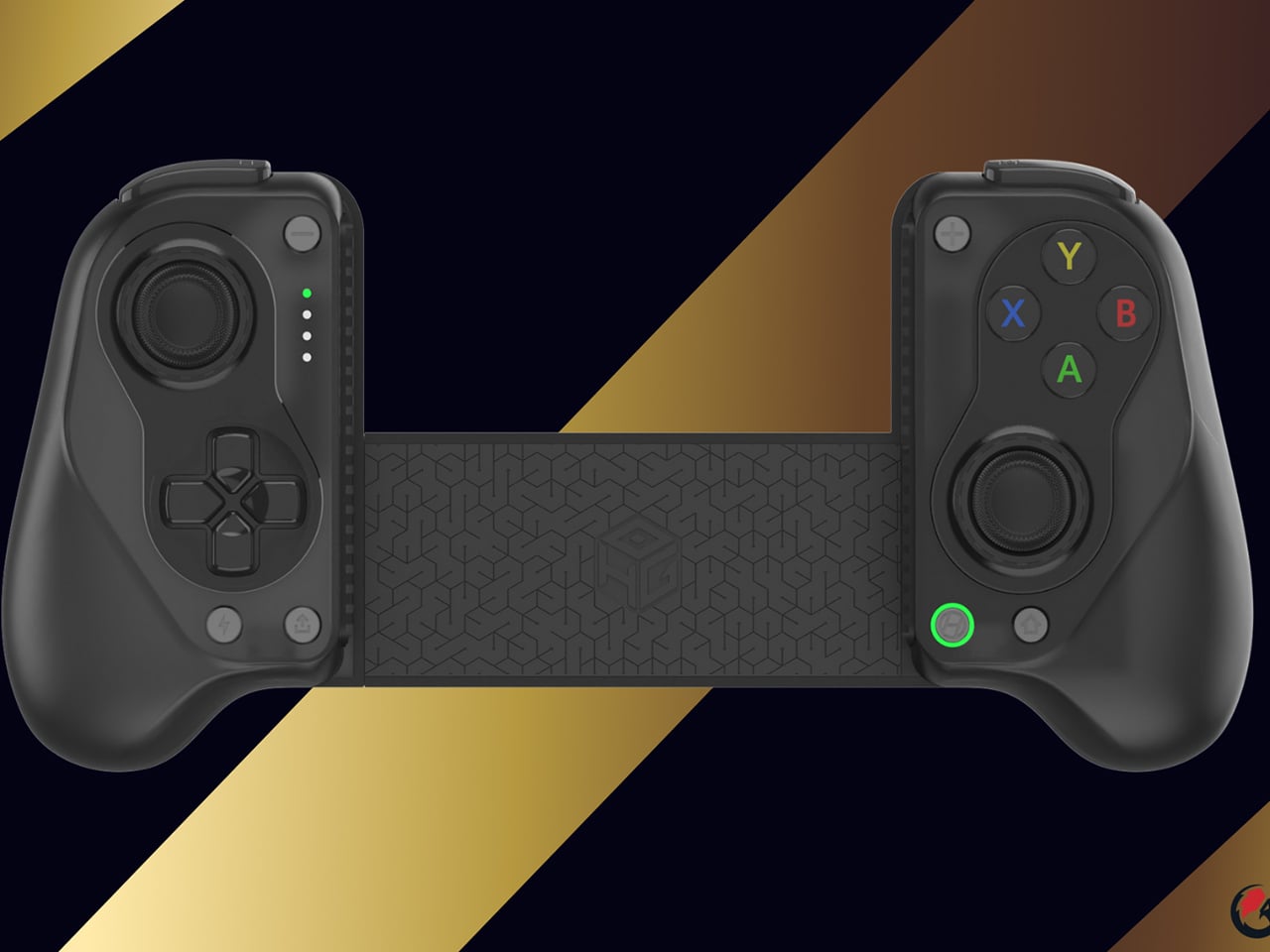
Hype around mobile gaming controllers is not going away any time soon. More people are gaming on mobile, and controllers that make it possible are in demand. GameSir very well understands the needs of gamers who play on multiple devices and platforms, and they’ve brought a transforming controller to CES 2026 in collaboration with Hyperkin, which will have you sold for good.

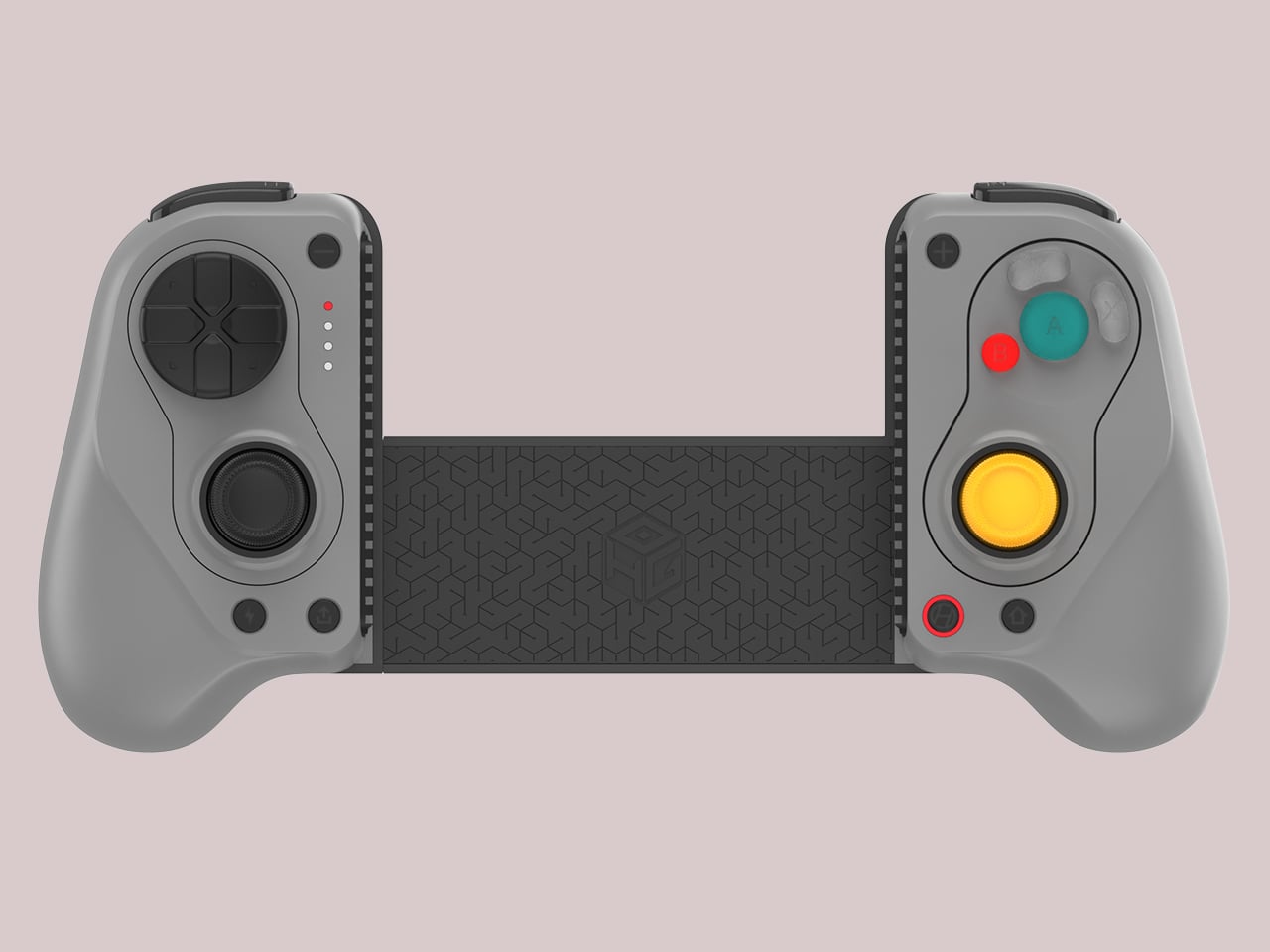
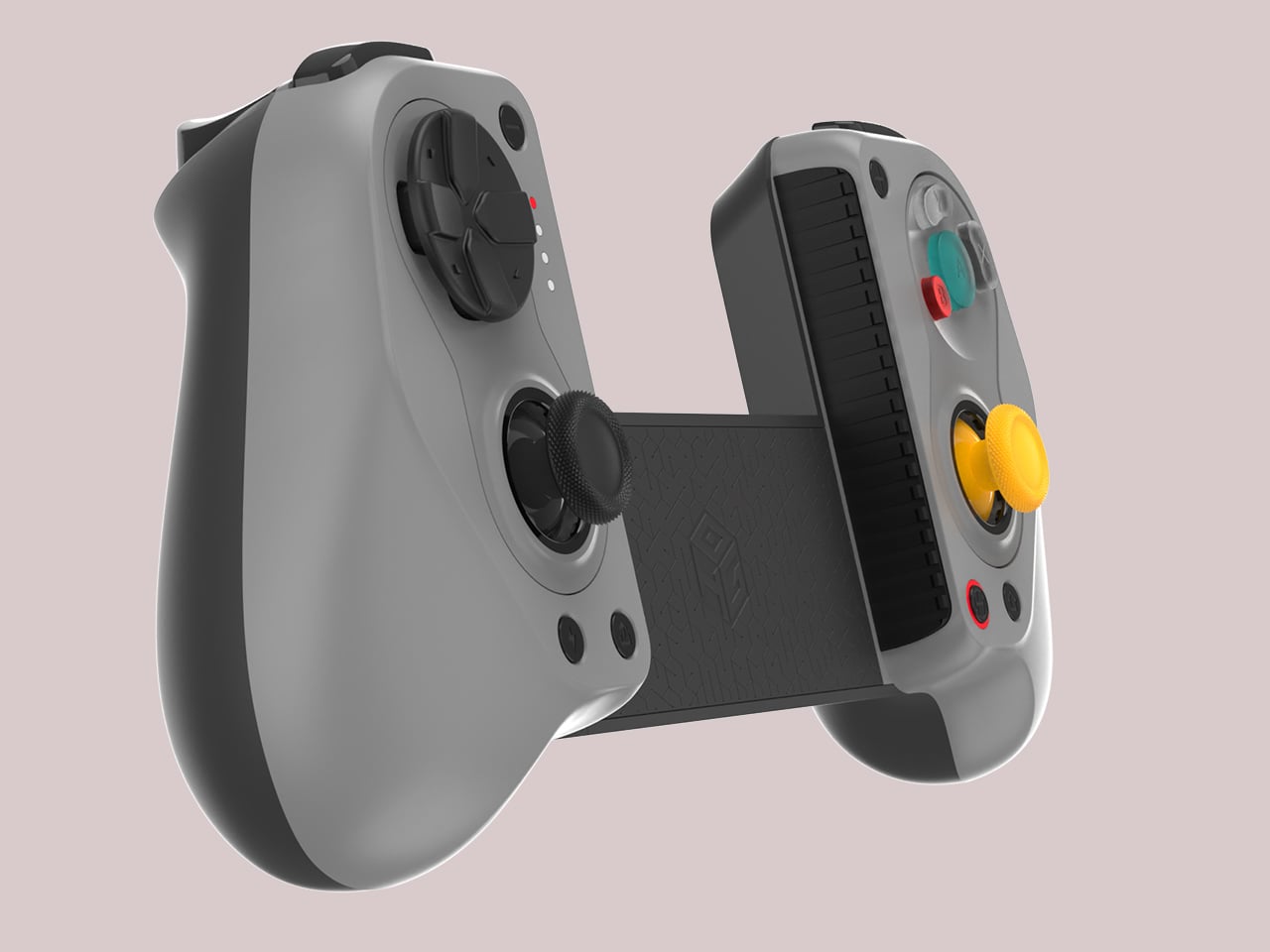
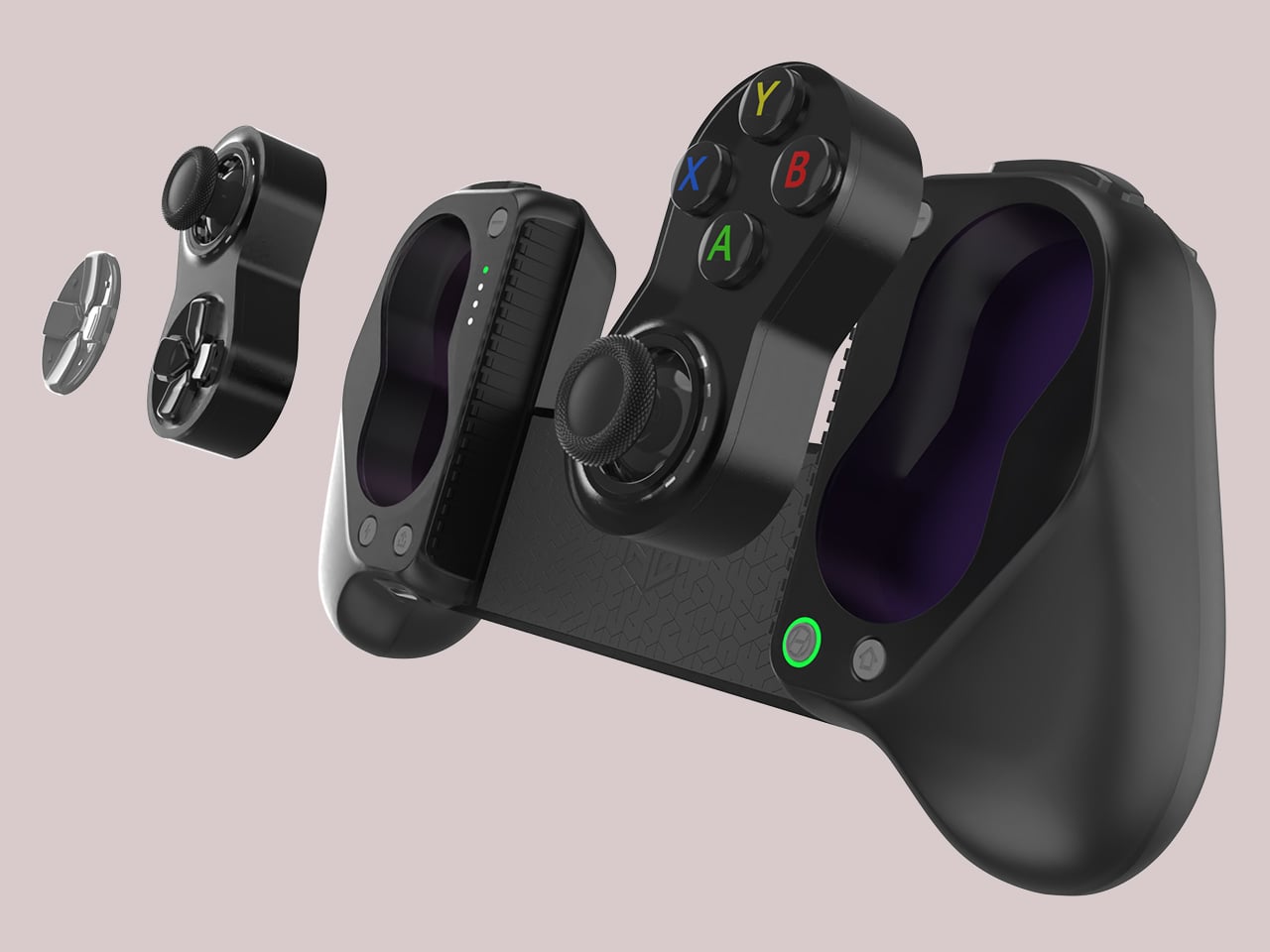
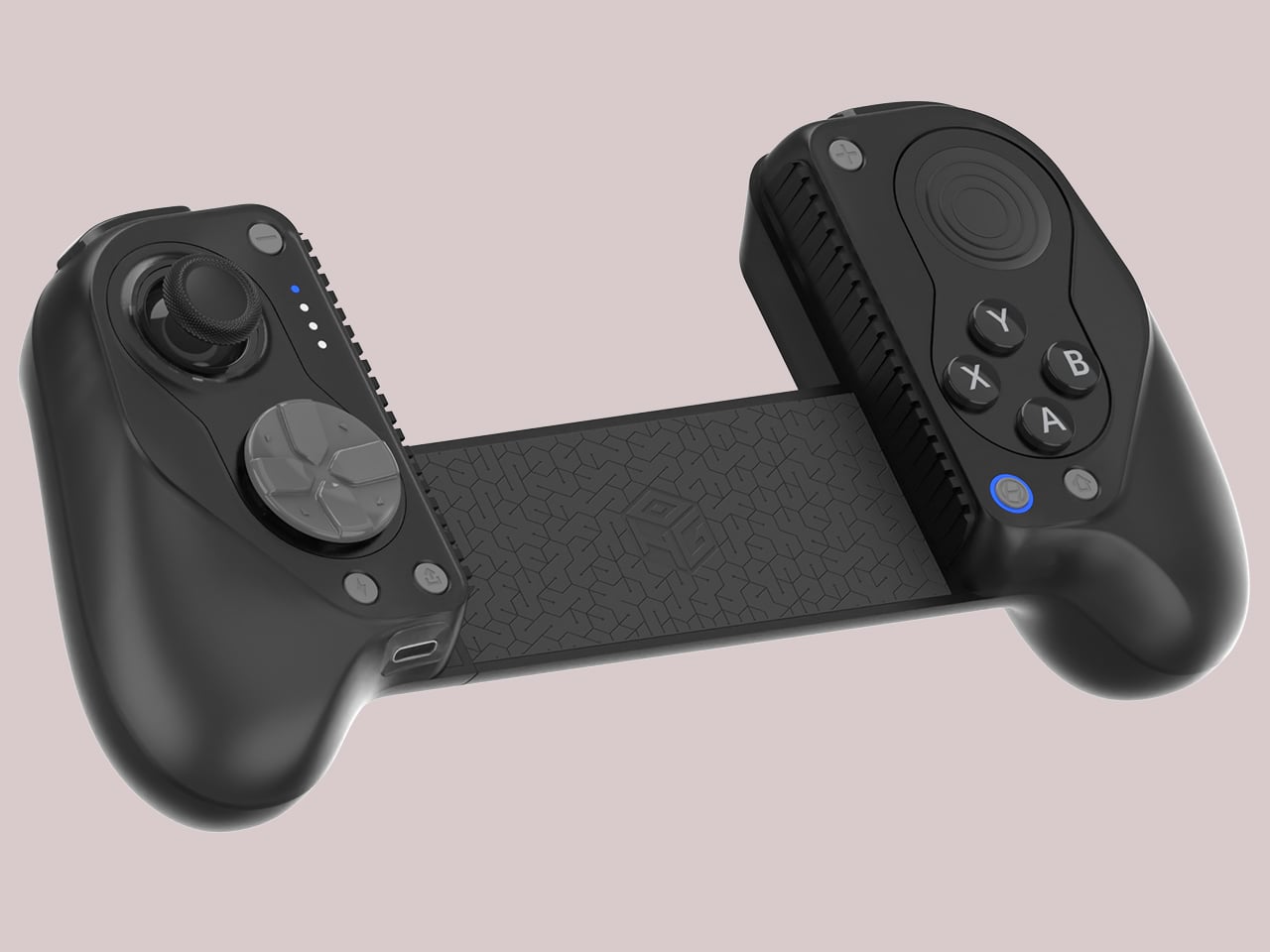
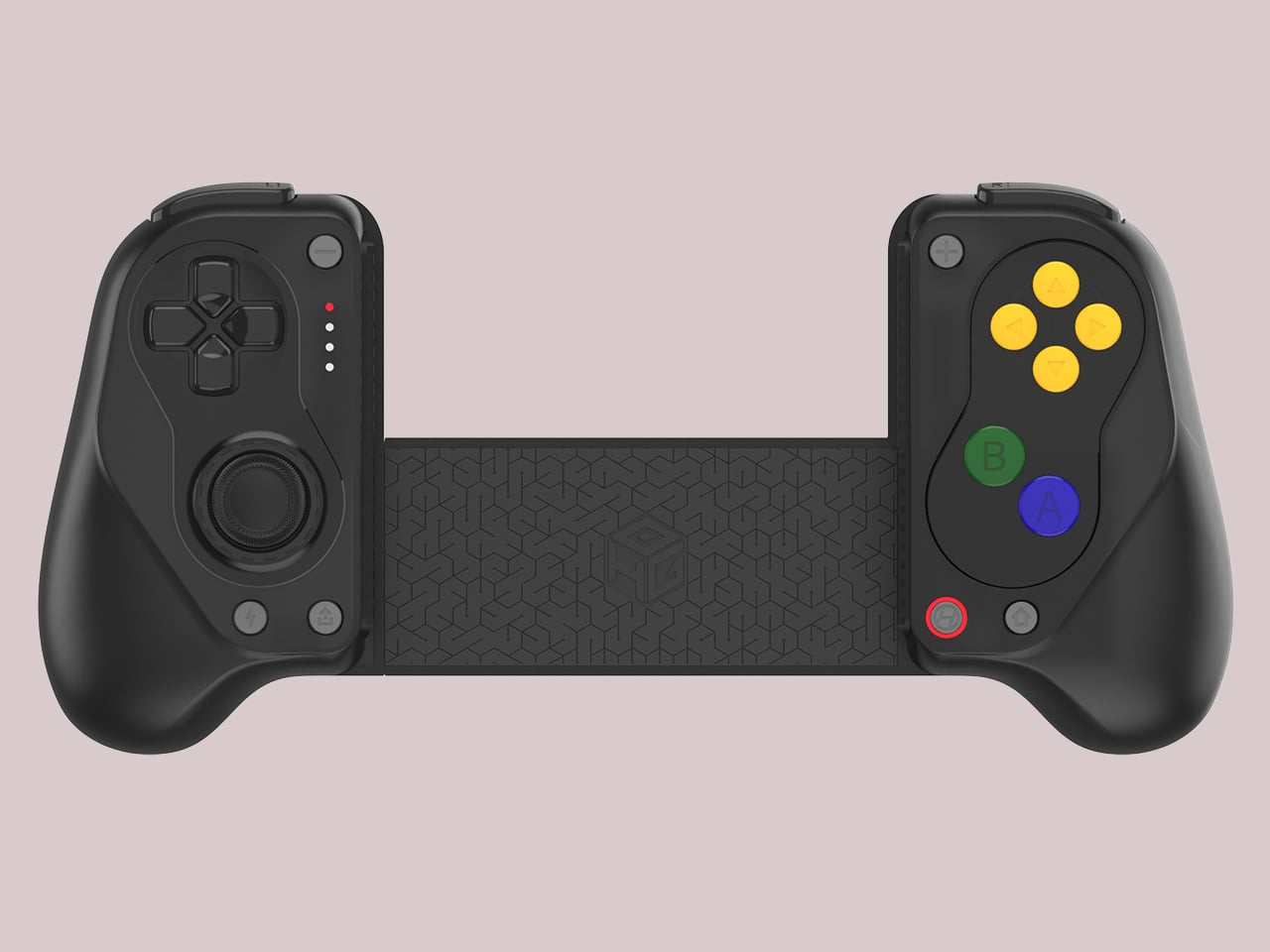
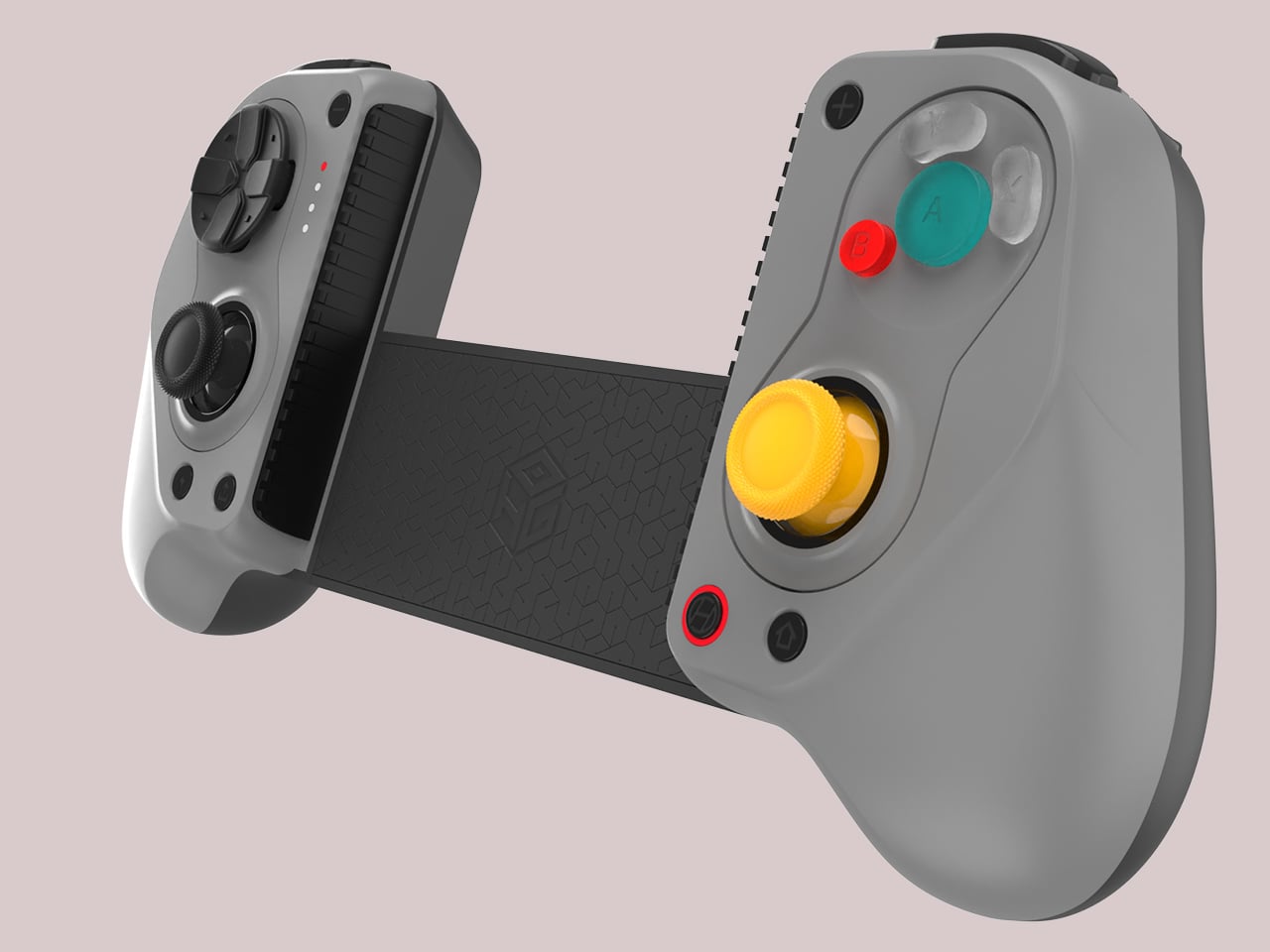
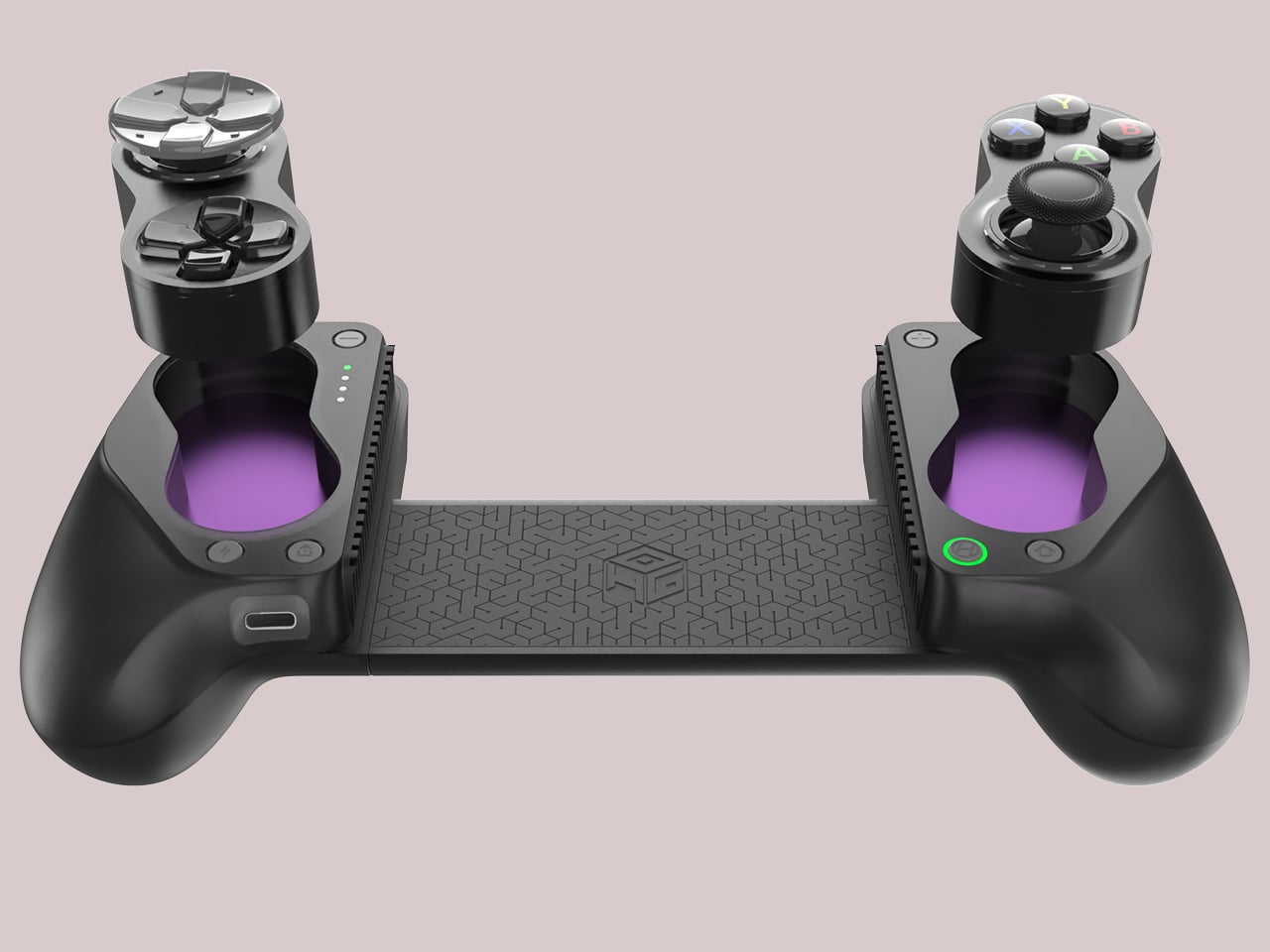
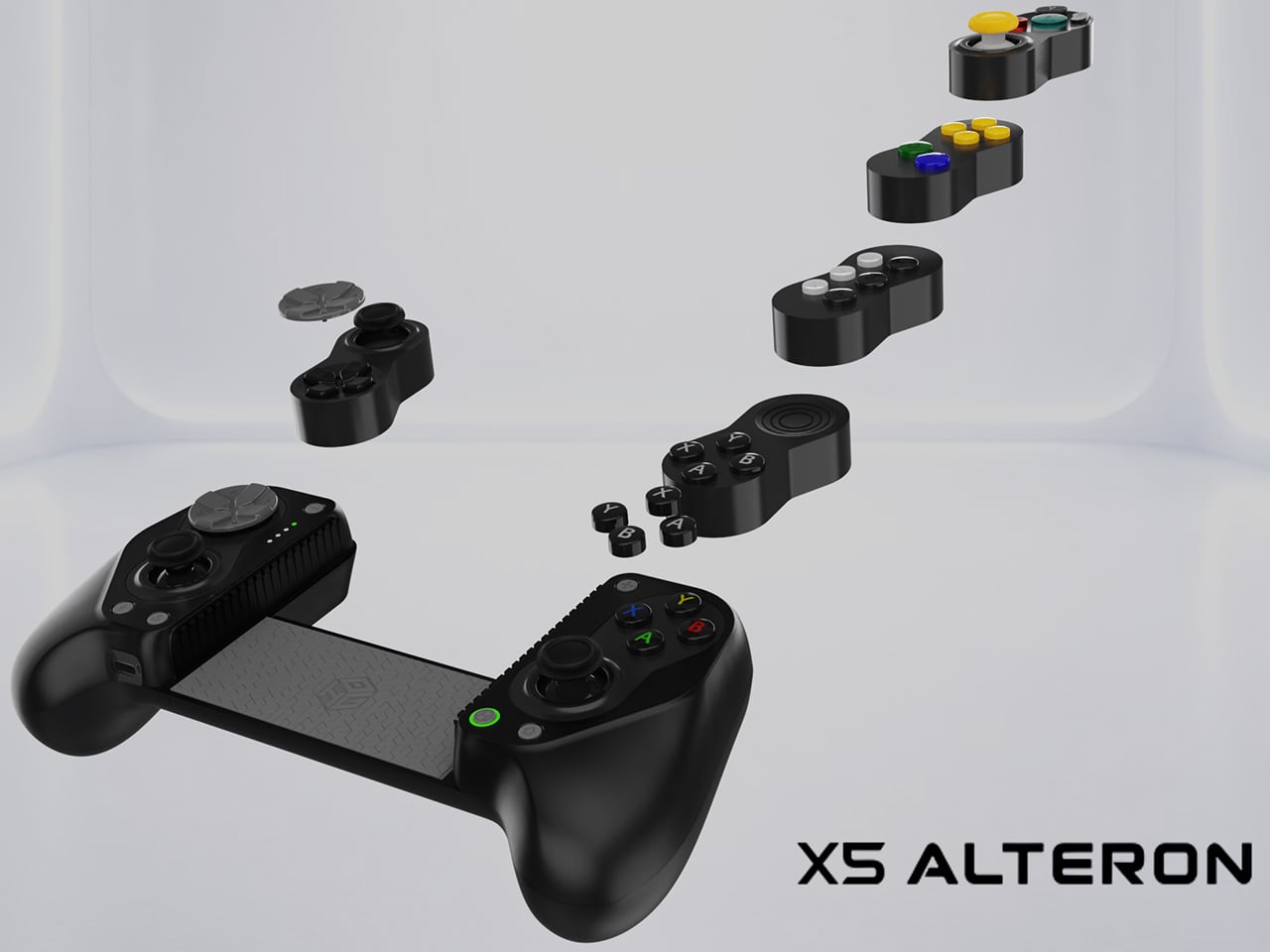
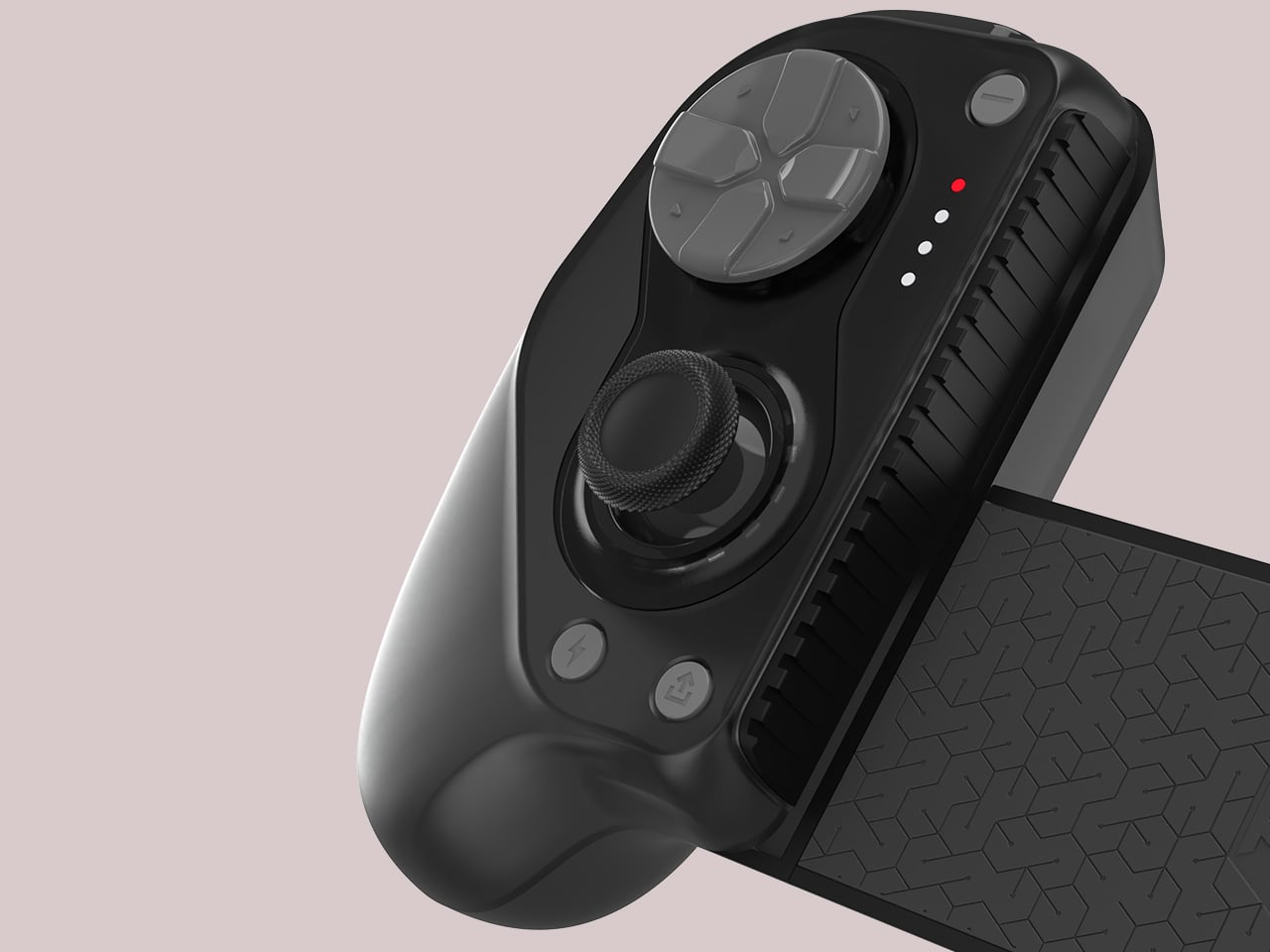
The X5 Alteron controller gets the best of both worlds: GameSir’s ergonomic engineering that makes it the first choice for gamers, and Hyperkin’s knack for designing retro controllers. What sets the modular controller apart is the swappable module system that allows gamers to completely change the layout from symmetrical to asymmetrical thumbsticks, to changing the D-pad and face buttons.

Designer: GameSir and Hyperkin

This level of customization gives mobile gamers the option to carry just one controller, whether playing on Switch, Android, PC, iPhone, or iPad. The ability to swap and replace buttons, or add the mouse-level precision trackpad (yes, this controller can do that), gives you tactical advantage in all genres of games like racing, strategy, RPGs, and, in particular, FPS titles. GameSir already impressed at CES with the Swift Drive controller, and the X5 Alteron is even better. The gamepad is a literal transformer of the gaming controllers world, as it changes shape, style, and size depending on what device you are playing it with.

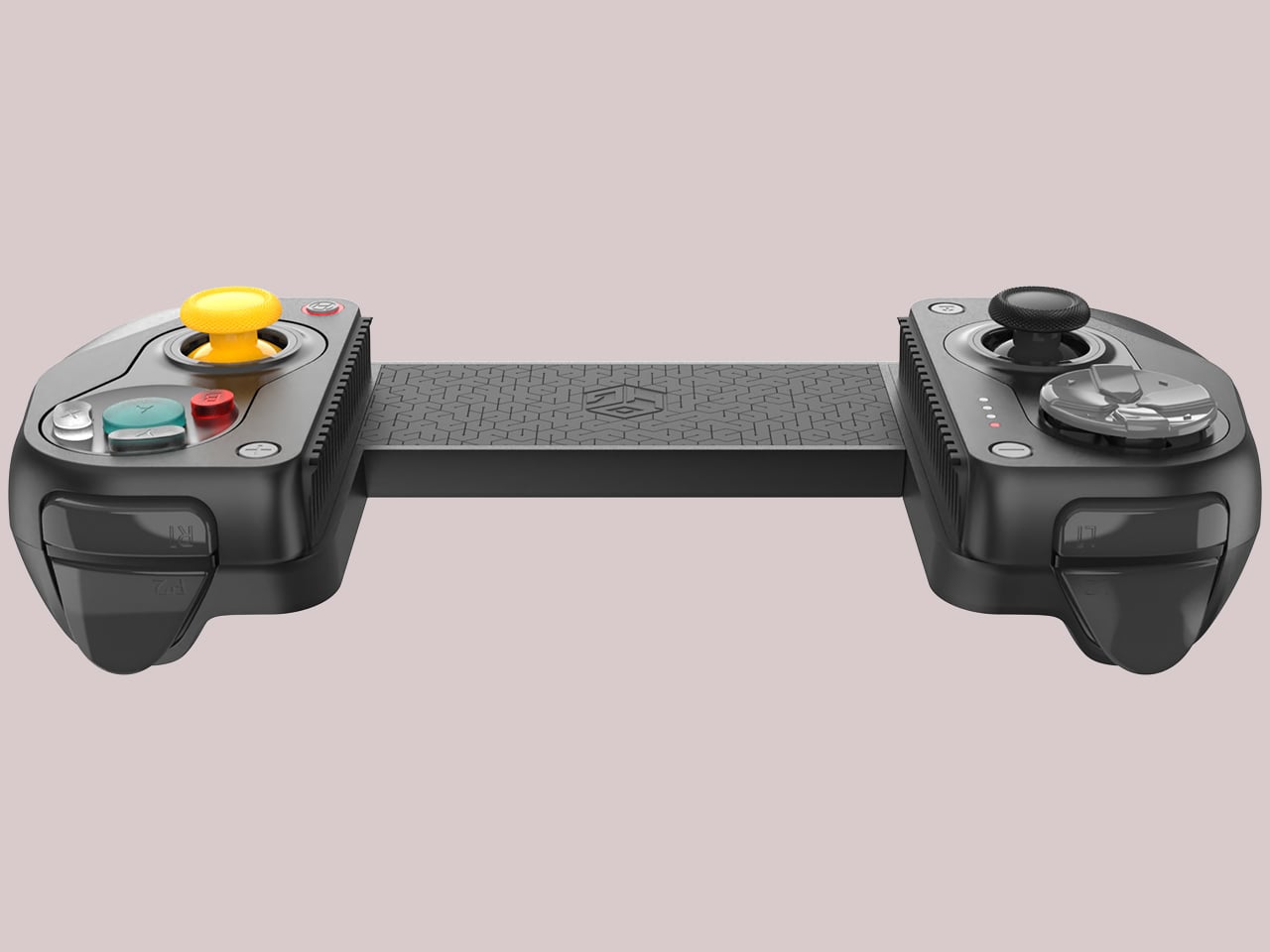
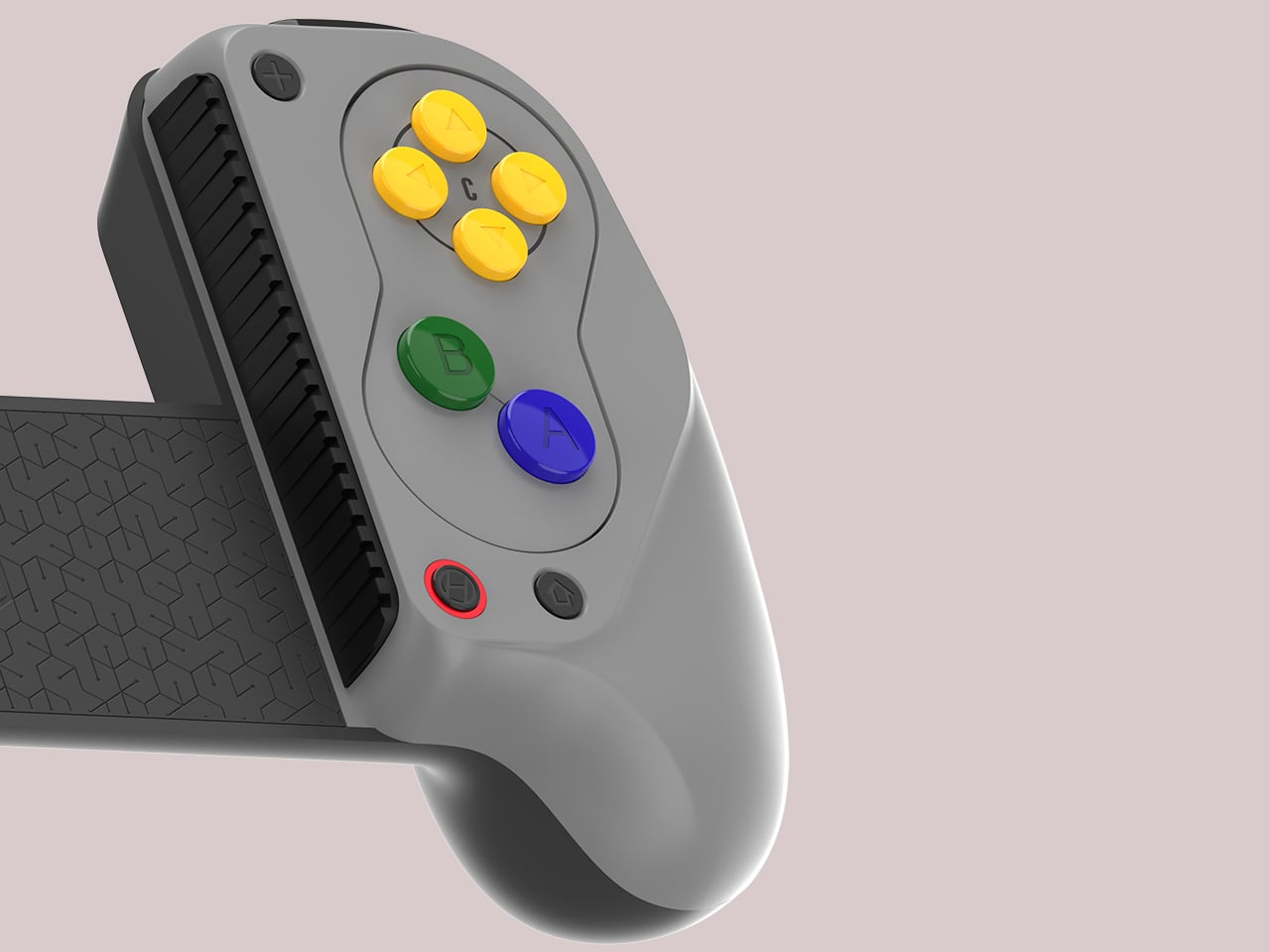
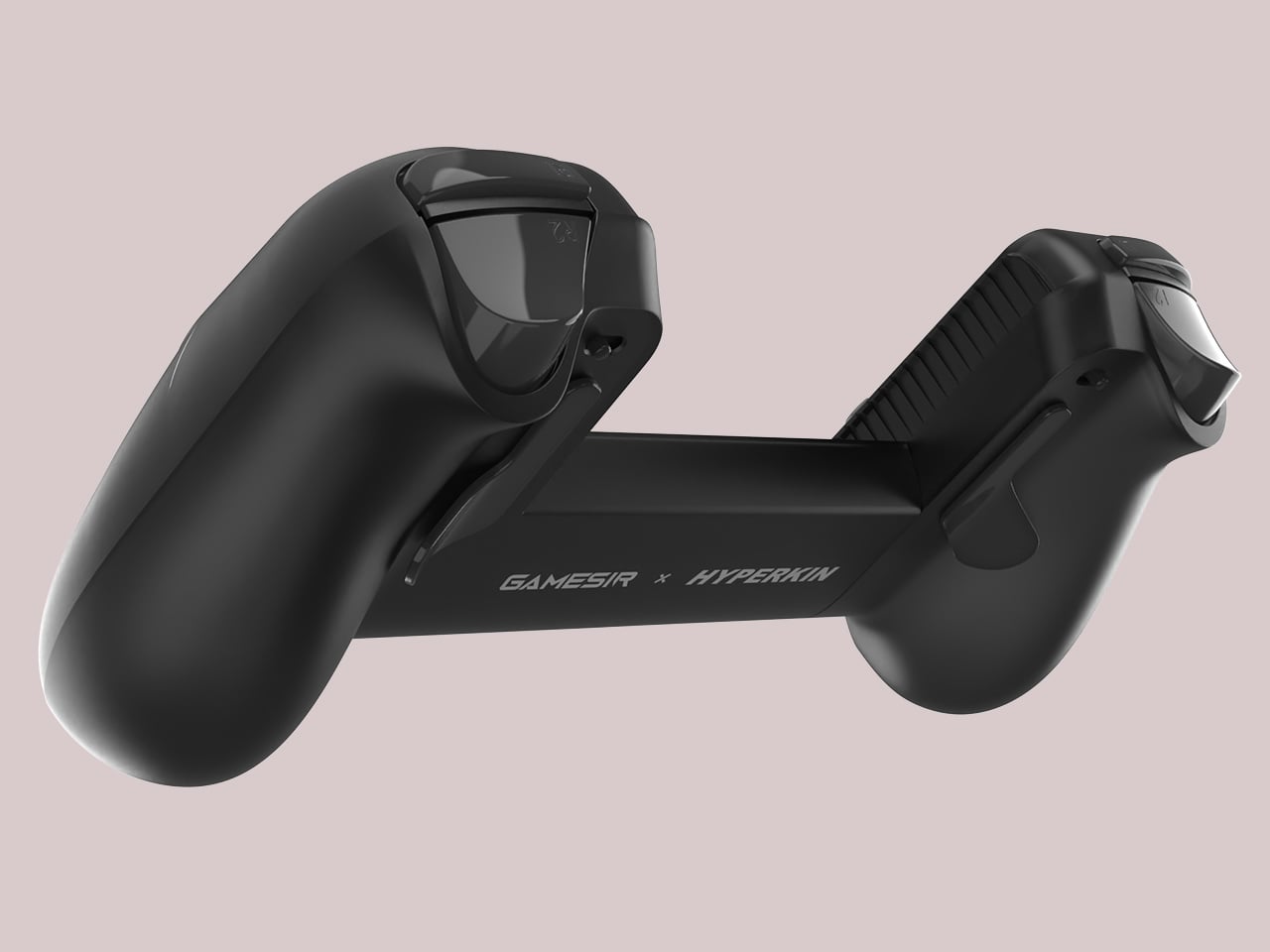
Want the Xbox-style layout, or the feel of the N64 controller setup? The modular controller makes quick work of that. It even has a module dedicated to fighting titles for maximum precision. The possibilities are endless as the controller sets a new yardstick for customizable gaming hardware. Of course, it has all the essentials of a gaming controller intact while doing this. There are Hall effect triggers and capacitive sticks for zero stick drift, mouse click, rumble motors, and hot swappable ABXY buttons. Transformable D-Pad and much more. Alteron can be extended to 213mm to fit all devices you throw at it.

The gaming accessory charges via USB-C port, and the connectivity with the devices is made via Bluetooth 5.2. Latency should not be a worry as GameSir and Hyperkin optimize their accessories very nicely. The GameSir x Hyperkin X5 Alteron controller will be released in the coming months, but there is no detail about pricing yet. Given how GameSir controllers are tactically priced, this one should be right there in the sweet zone. Could it replace all your controllers going forward for a one-stop solution? It pretty well can be the prime contender!

The post GameSir x Hyperkin modular controller could be the endgame accessory for mobile gamers first appeared on Yanko Design.

GameSir x Hyperkin modular controller could be the endgame accessory for mobile gamers

Hype around mobile gaming controllers is not going away any time soon. More people are gaming on mobile, and controllers that make it possible are in demand. GameSir very well understands the needs of gamers who play on multiple devices and platforms, and they’ve brought a transforming controller to CES 2026 in collaboration with Hyperkin, which will have you sold for good.

The X5 Alteron controller gets the best of both worlds: GameSir’s ergonomic engineering that makes it the first choice for gamers, and Hyperkin’s knack for designing retro controllers. What sets the modular controller apart is the swappable module system that allows gamers to completely change the layout from symmetrical to asymmetrical thumbsticks, to changing the D-pad and face buttons.

Designer: GameSir and Hyperkin

This level of customization gives mobile gamers the option to carry just one controller, whether playing on Switch, Android, PC, iPhone, or iPad. The ability to swap and replace buttons, or add the mouse-level precision trackpad (yes, this controller can do that), gives you tactical advantage in all genres of games like racing, strategy, RPGs, and, in particular, FPS titles. GameSir already impressed at CES with the Swift Drive controller, and the X5 Alteron is even better. The gamepad is a literal transformer of the gaming controllers world, as it changes shape, style, and size depending on what device you are playing it with.

Want the Xbox-style layout, or the feel of the N64 controller setup? The modular controller makes quick work of that. It even has a module dedicated to fighting titles for maximum precision. The possibilities are endless as the controller sets a new yardstick for customizable gaming hardware. Of course, it has all the essentials of a gaming controller intact while doing this. There are Hall effect triggers and capacitive sticks for zero stick drift, mouse click, rumble motors, and hot swappable ABXY buttons. Transformable D-Pad and much more. Alteron can be extended to 213mm to fit all devices you throw at it.

The gaming accessory charges via USB-C port, and the connectivity with the devices is made via Bluetooth 5.2. Latency should not be a worry as GameSir and Hyperkin optimize their accessories very nicely. The GameSir x Hyperkin X5 Alteron controller will be released in the coming months, but there is no detail about pricing yet. Given how GameSir controllers are tactically priced, this one should be right there in the sweet zone. Could it replace all your controllers going forward for a one-stop solution? It pretty well can be the prime contender!

The post GameSir x Hyperkin modular controller could be the endgame accessory for mobile gamers first appeared on Yanko Design.

Samsung’s Retro OLED Cassette and Turntable Concepts Are Pure Nostalgia

If you’ve lived long enough on this earth, you probably sometimes still long for those days when music was tangible. Whether you experienced putting in a cassette tape or placing a vinyl record on your turntable or even plopping in a CD, you probably miss the sound and feel of “physical music”. That’s why we have several devices that are banking on this nostalgia factor and it seems like Samsung is not immune to this trend.

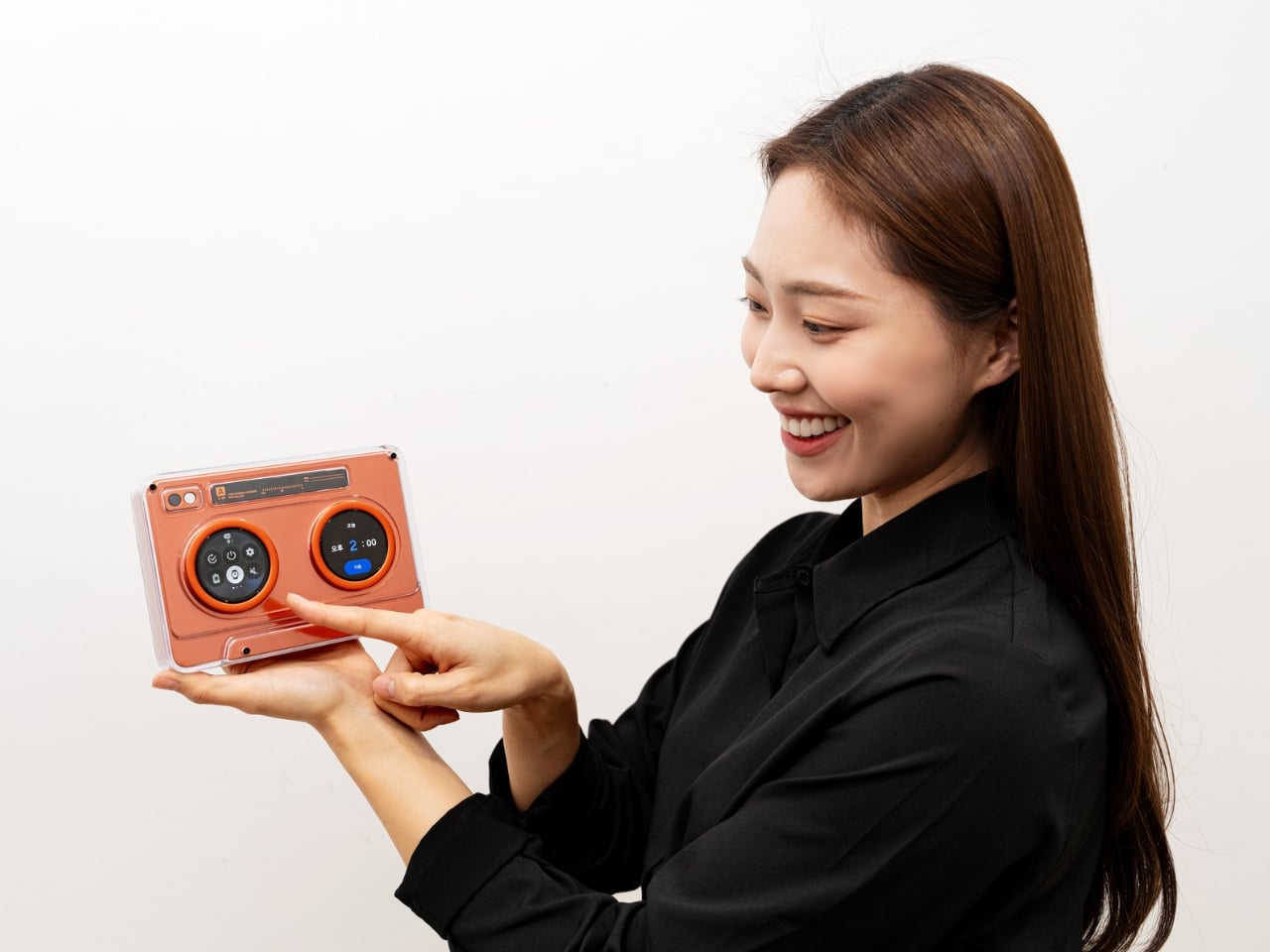
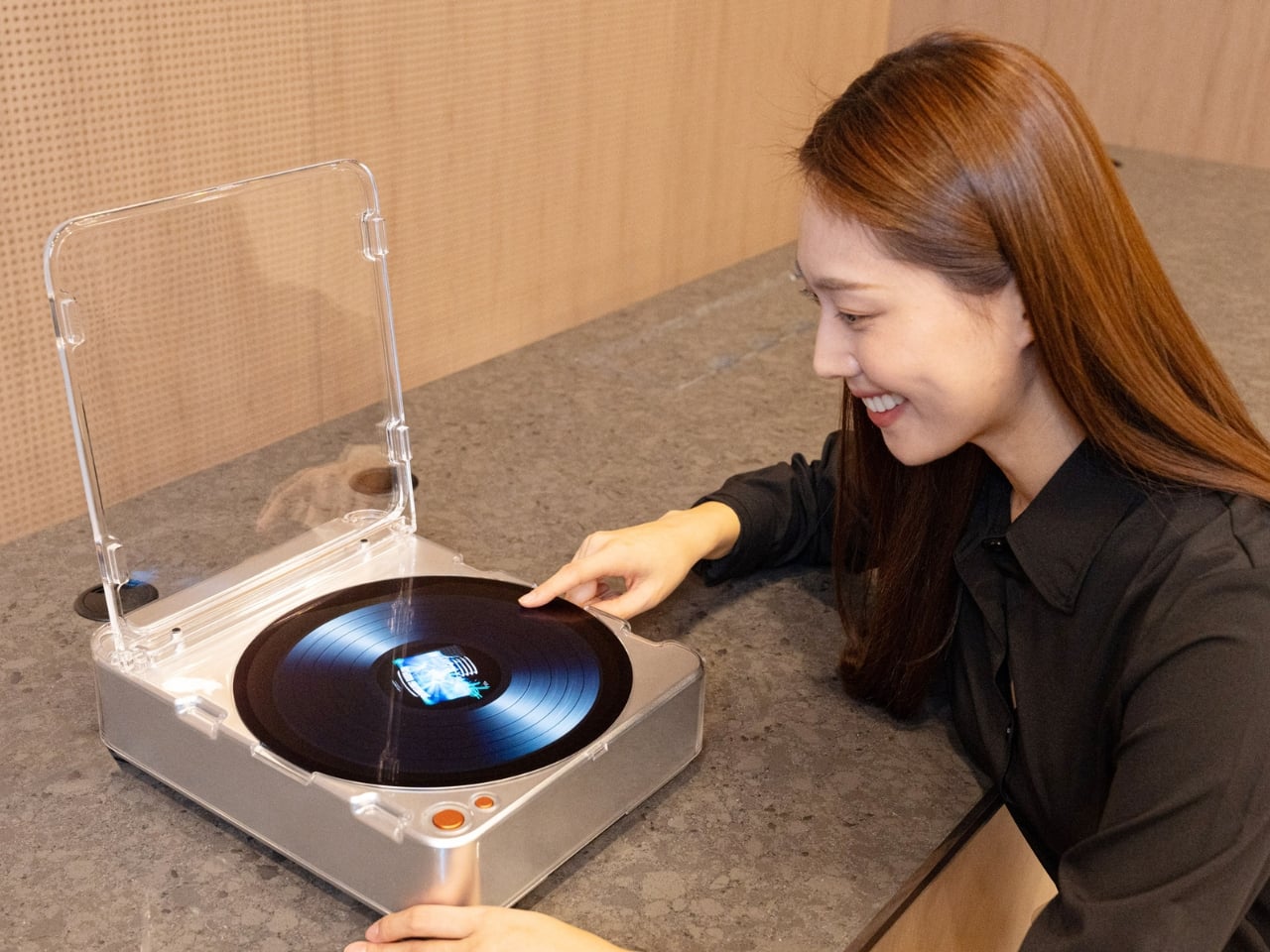
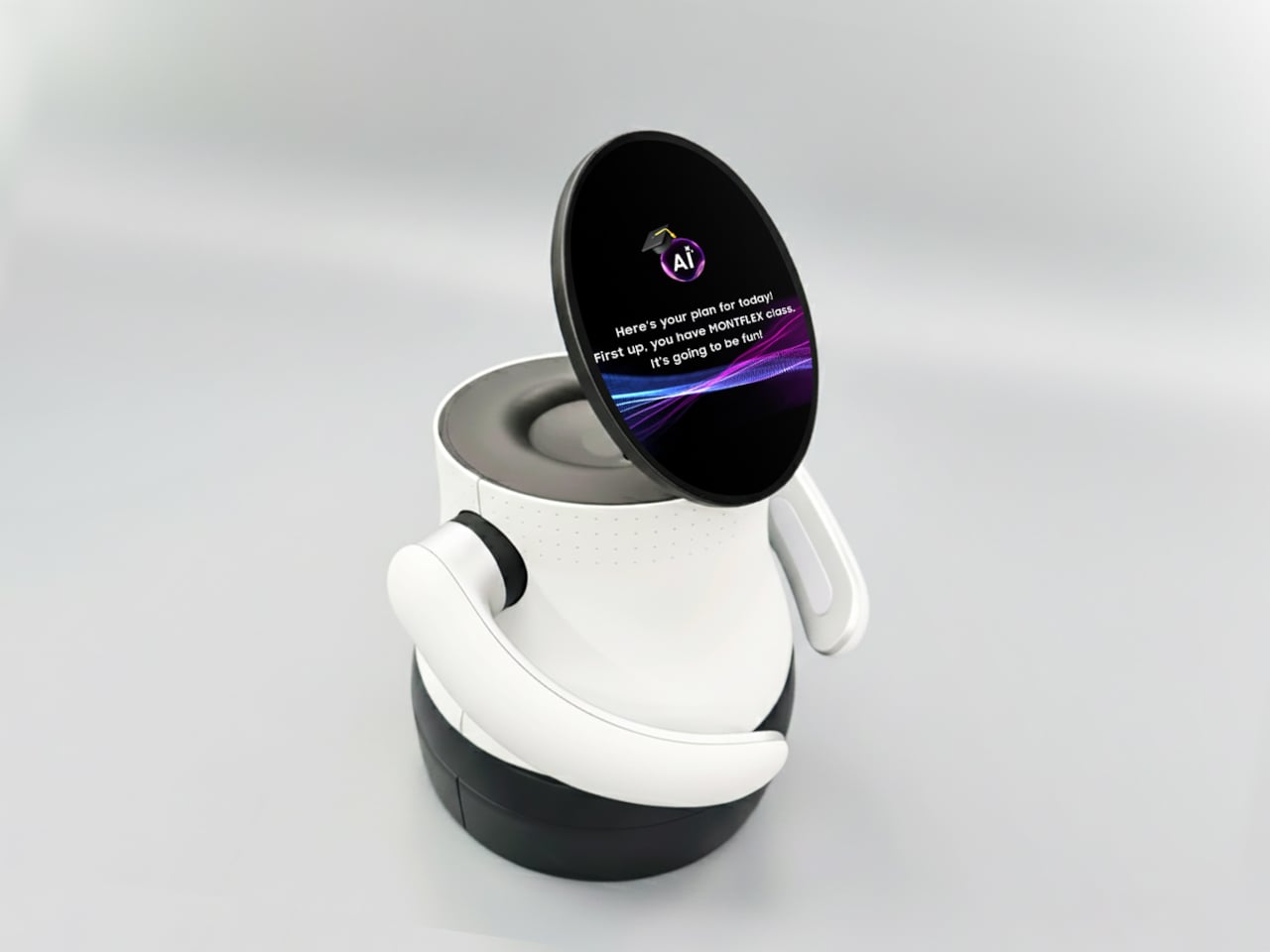
Samsung Display has unveiled two intriguing concept devices at the ongoing CES 2026: the AI OLED Cassette and the AI OLED Turntable. While they’re not yet products that you can actually buy tomorrow, this “creative flex” for their circular OLED technology may inspire other manufacturers or even get Samsung to actually produce it or something similar in the future.

Designer: Samsung Display

The AI OLED Cassette is a throwback for those who experienced this kind of music back in the day. It takes the classic tape deck design and turns it into a smart speaker with two tiny 1.5-inch circular OLED displays. They’re in that place where the spinning reels used to be, since this isn’t exactly a cassette player. On the left, you get the playback controls and on the right side, you get a digital waveform or equalizer. Both screens are touch-sensitive, letting you interact directly with the device without constantly reaching for your phone.

It’s not just a usual Bluetooth speaker, though, as you get AI-powered music recommendations built into the device. That means you can discover new music, select what you want to hear, and control everything directly on the cassette itself. You get a touchscreen display as well so you don’t need an external device to control it. This standalone functionality sets it apart from traditional Bluetooth speakers that rely heavily on phone connectivity. There’s also a lozenge-shaped display that doubles as a virtual tuning dial, adding another layer of interaction that feels surprisingly intuitive for something so retro-inspired.

Going further back in the nostalgia trip, the AI OLED Turntable is a 13.4-inch circular OLED touchscreen that looks like an actual vinyl turntable. The turntable display can actually display images and videos to add to the ambience in your space while playing the tunes. Imagine hosting friends and having your turntable show ambient visuals that match the vibe of your playlist. It’s part music player, part art installation, part conversation starter. The large circular display becomes the centerpiece of whatever room you place it in, commanding attention in a way that most modern tech tries to avoid.

AI OLED Bot

These two device concepts actually blur the line between technology and home decor, standing out from the usual, minimalist smart speakers that are on the market. By embracing retro aesthetics and then adding cutting-edge OLED technology, they turn these functional devices into design statements as well, letting them blend into your living space while giving you the music that you want at a particular time.

The timing couldn’t be better either. We’re living through a massive vinyl resurgence, with record sales hitting levels not seen since the 1990s. Cassette tapes are even making a comeback among collectors and indie musicians. There’s clearly an appetite for music experiences that feel more intentional, more physical, more there. Samsung seems to understand that people don’t just want convenience anymore. They want connection to their music and their spaces.

However, before you start dreaming about these devices adorning your living room, remember that they’re still concept devices and may never be manufactured by Samsung Display. These showcases are essentially Samsung demonstrating what’s possible with their circular OLED technology and showing other manufacturers what could be built. They might never produce these exact products themselves.

RGB OLEDoS Headset

Still, as concepts, they’re a vision for how technology can exist while still celebrating personality and nostalgia, rather than generic, robotic looks. Whether you’re a design enthusiast who appreciates the aesthetic, a tech geek fascinated by flexible OLED displays, or a pop culture lover drawn to the retro vibes, there’s something genuinely appealing about these devices. Sometimes the best concepts aren’t about predicting the future. They’re about reimagining how the past and present can play together.

The post Samsung’s Retro OLED Cassette and Turntable Concepts Are Pure Nostalgia first appeared on Yanko Design.

FLIR iXX: An App-Based Thermal Camera for the Deskless Office

Traditional thermal inspections are messy. Technicians capture images, transfer them from SD cards to laptops, manually enter notes into spreadsheets, and spend hours back at the office generating reports. Around 60% of maintenance teams report a shortage of skilled thermographers, which makes the problem worse. Reporting alone can eat up half a technician’s time, turning straightforward inspections into documentation marathons.

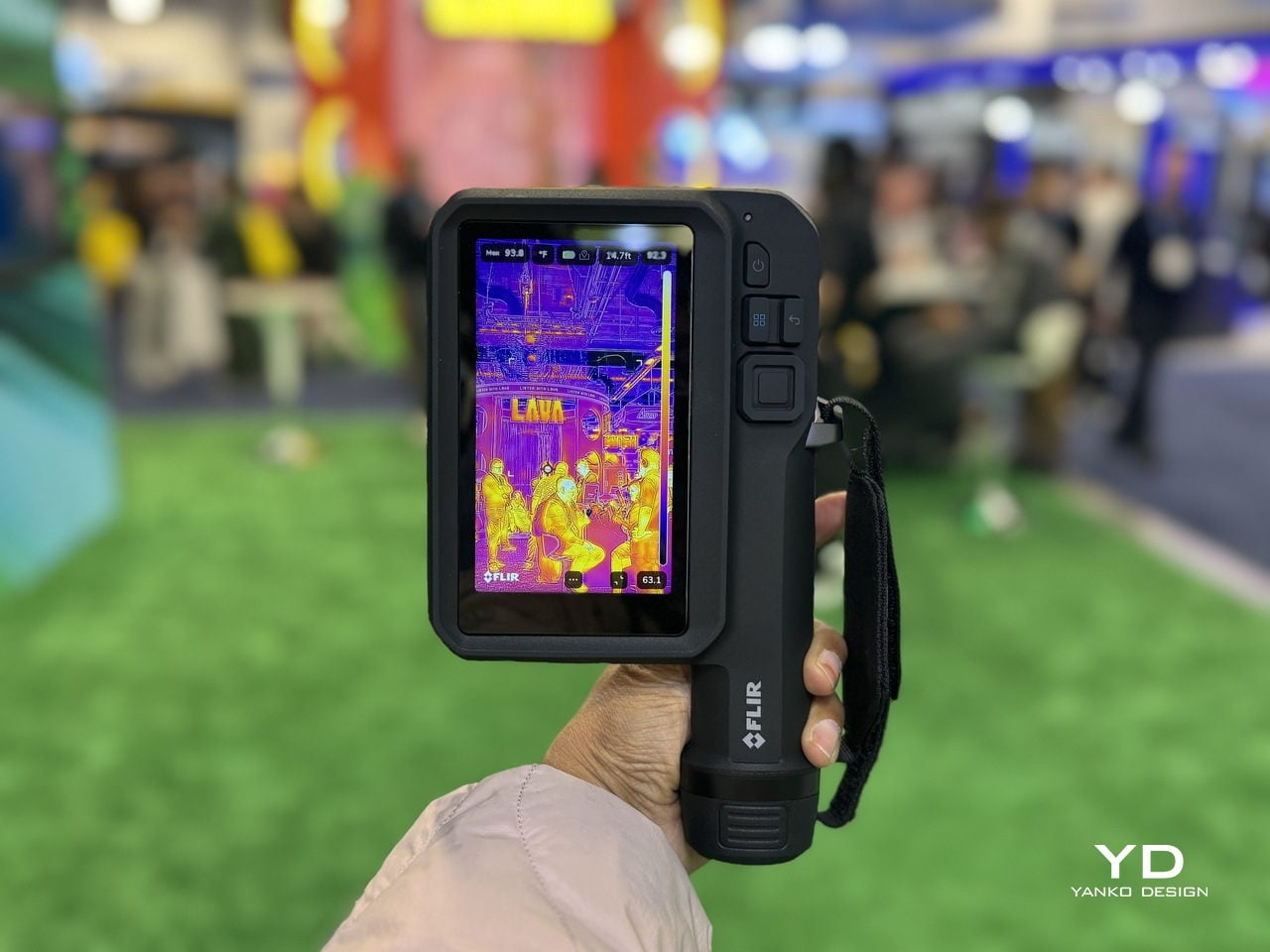
FLIR’s iXX-Series is a response to that reality. It’s a handheld thermal imaging camera that behaves more like an app-enabled platform than a single-purpose tool. Built on FLIR’s ACE operating system, the iXX combines high-performance thermography with smartphone-style connectivity and an open app ecosystem. It’s designed for what FLIR calls the “deskless office,” where technicians need their camera to be rugged and smart.

Designer: FLIR

From Camera to App-Driven Platform
The iXX-Series comes in four models, i34, i35, i64, and i65, with thermal resolutions up to 480 × 640. Sensitivity sits under 40 mK at 30 °C, and accuracy hits ±2 °C or ±2%. Those specs matter as the foundation for structured, cloud-connected workflows that didn’t exist on older cameras.

According to the FLIR team, the focus is on “the importance of the deskless office, making sure data can flow in a seamless and customized way according to our customer needs.” That shift from hardware-first to workflow-first changes what the device is for. It’s about getting usable data into the right systems immediately.
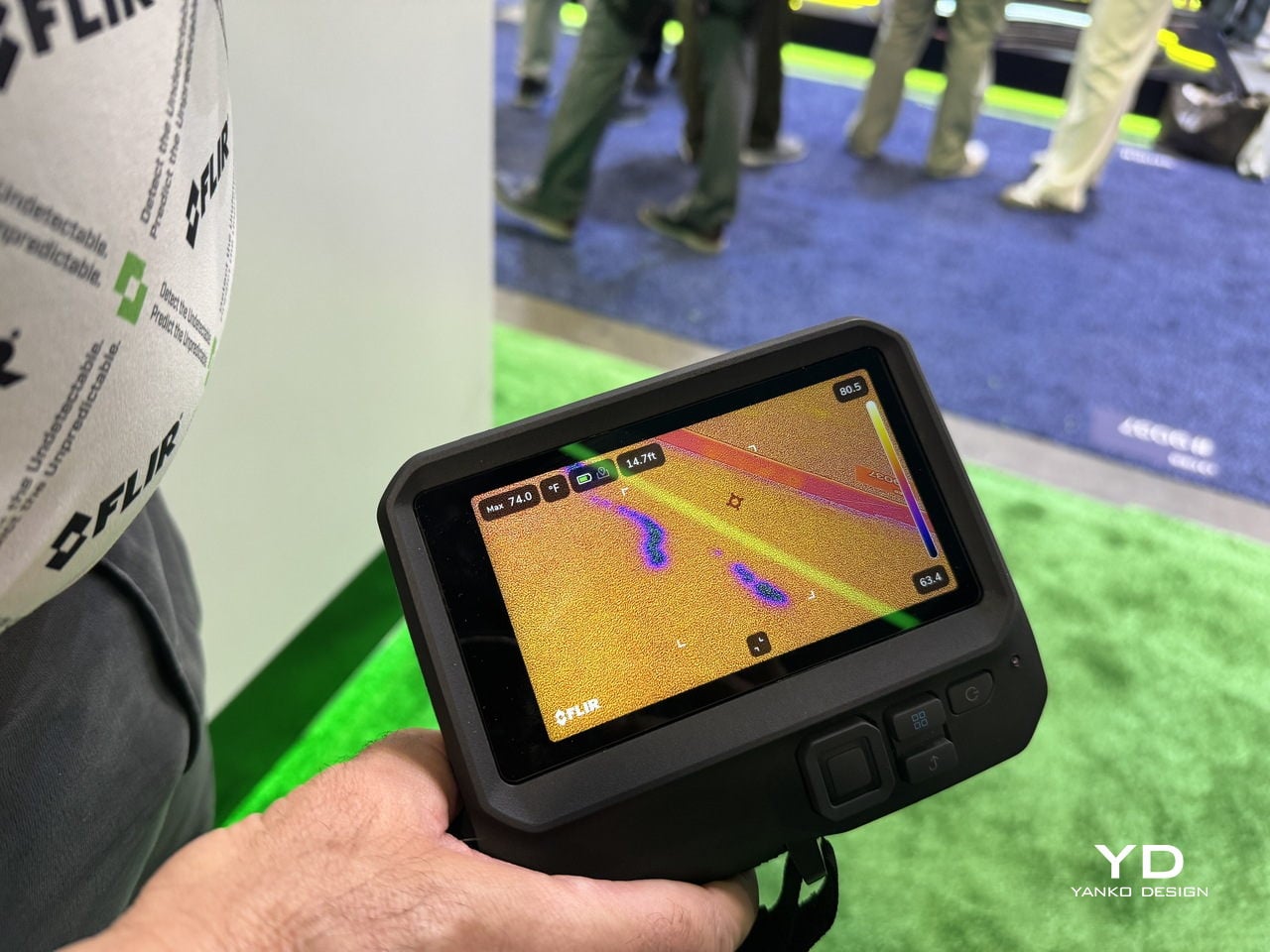
The iXX integrates directly with FLIR Assetlink and Ignite, cloud systems that link thermal images to specific assets. Capture an anomaly on a motor, and it tags to that motor in your system, complete with trend data and inspection history. Reporting time, which traditionally consumes up to 50% of a technician’s day, can drop to nearly zero.

One electrical testing company using the iXX with the Condoit app cut their reporting from eight to 12 hours down to under five minutes for large jobs. That’s the kind of time savings that changes how teams actually work.

Designed for the Deskless Office

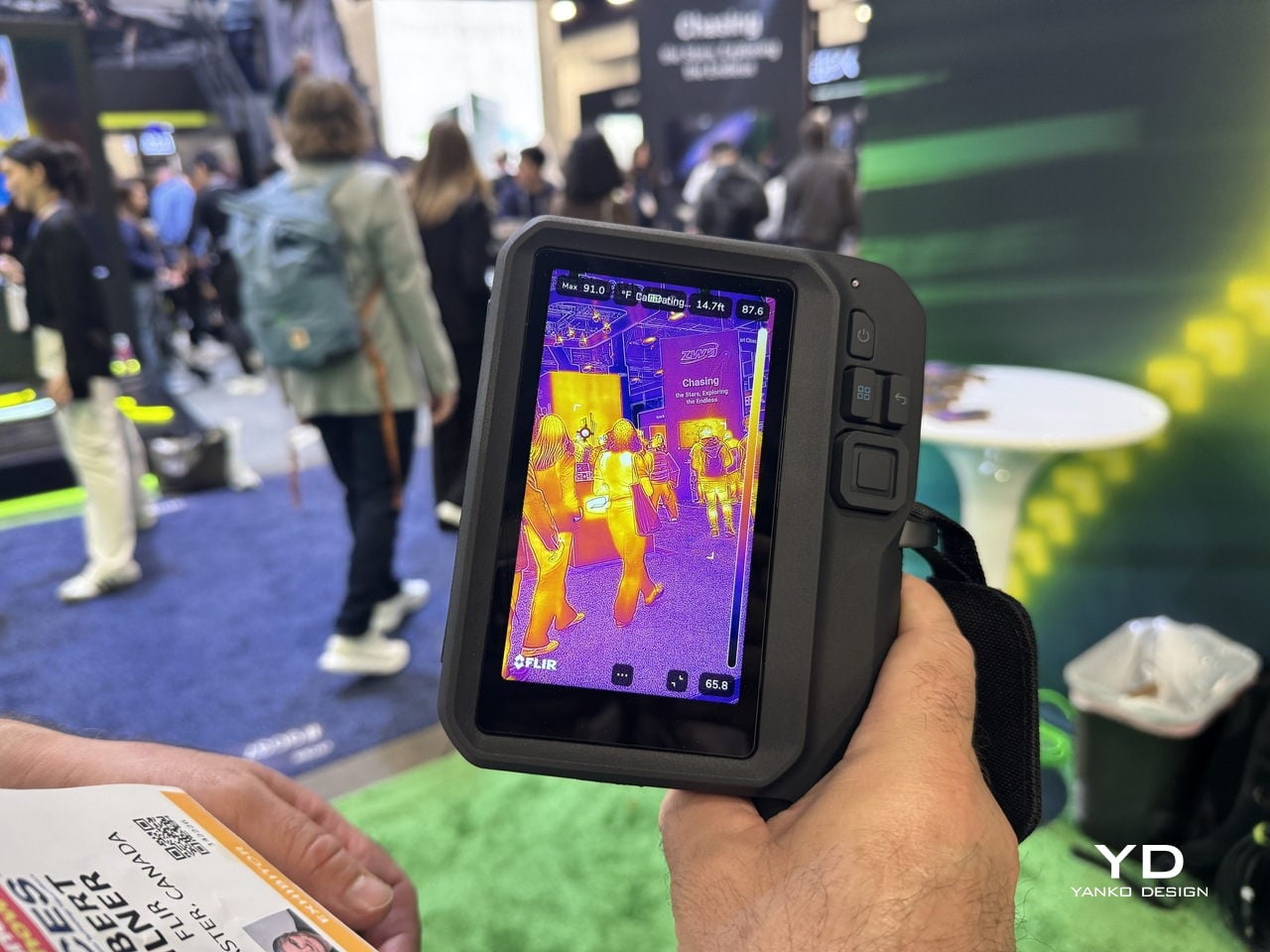
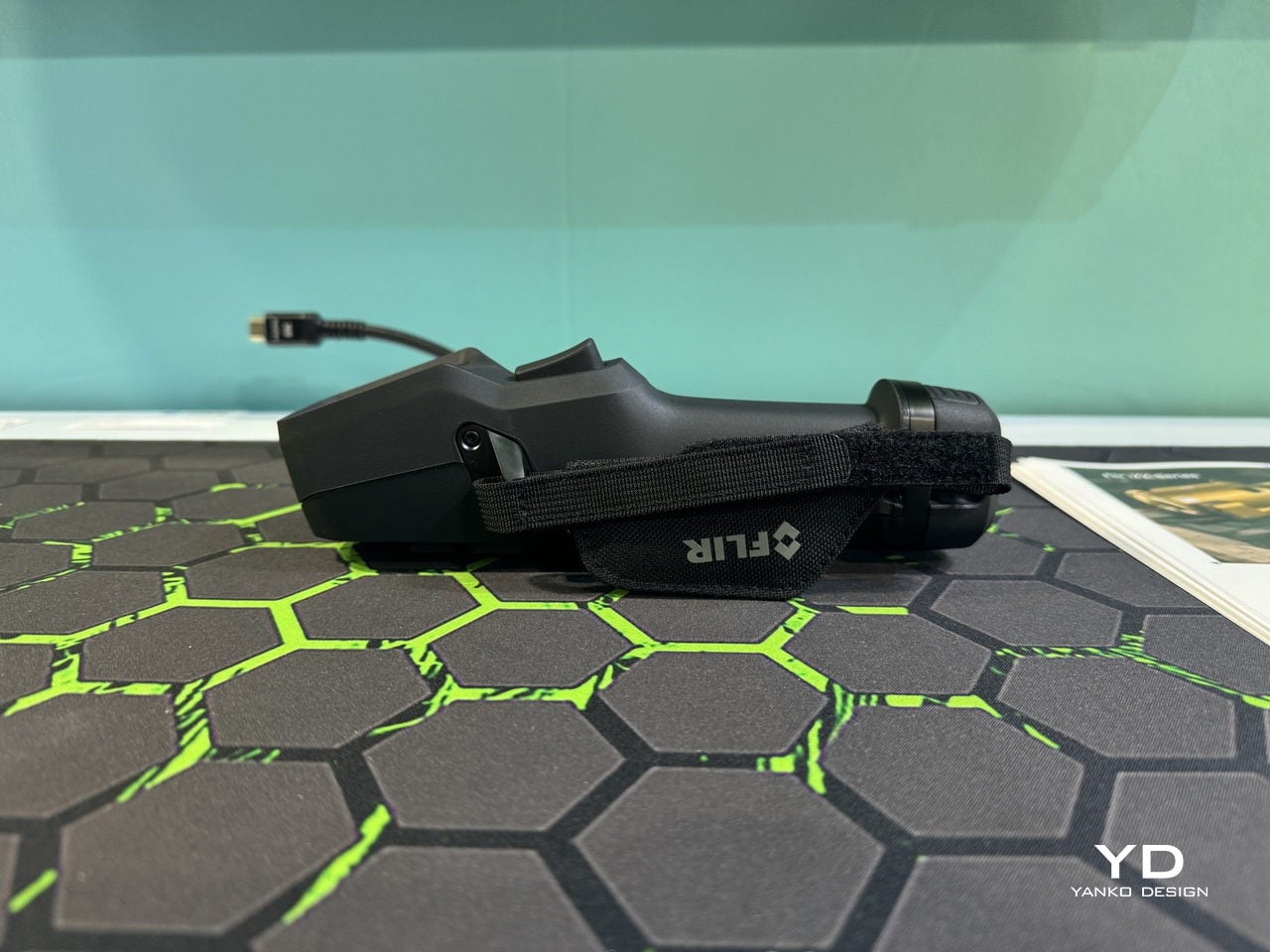
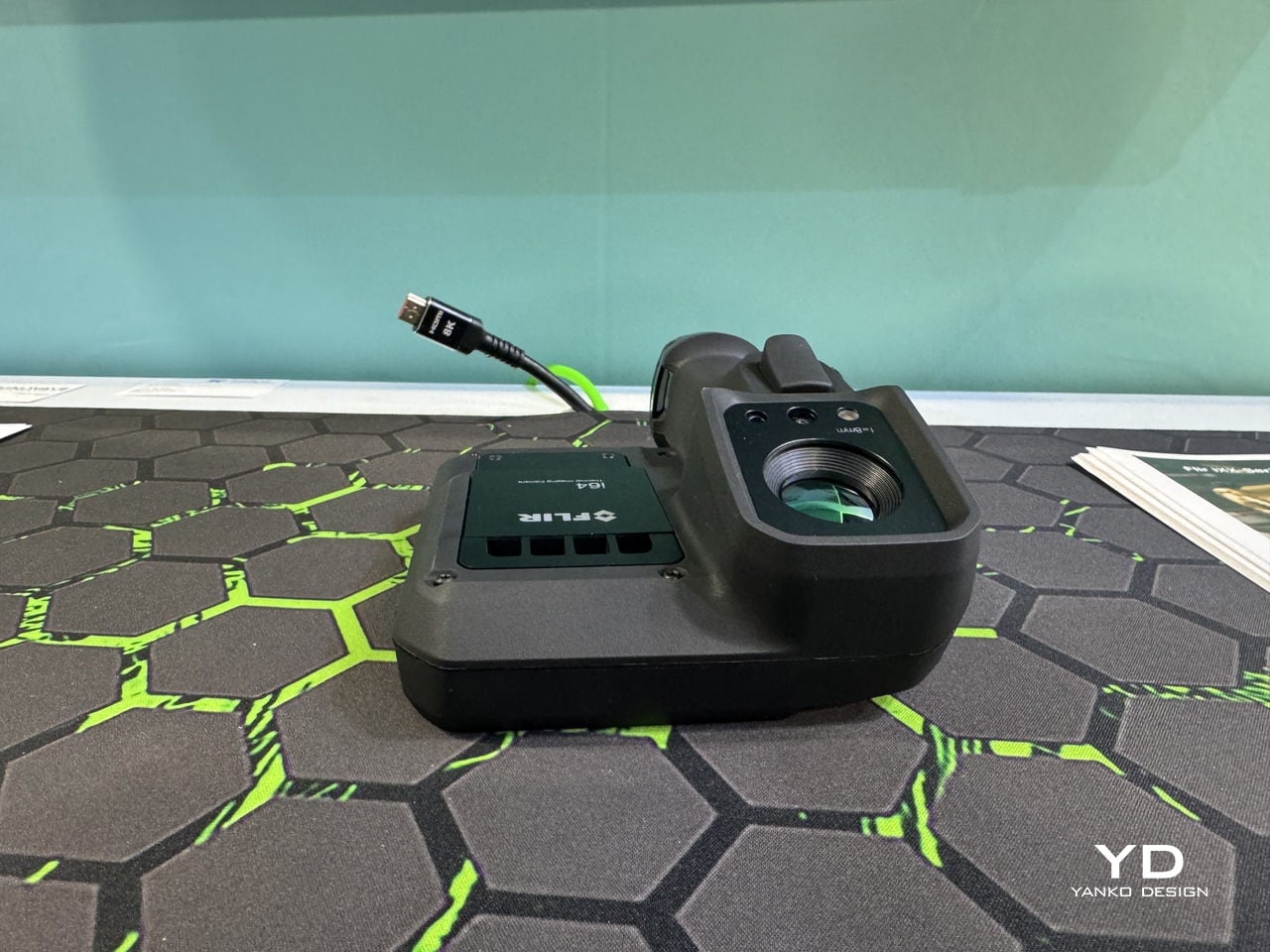
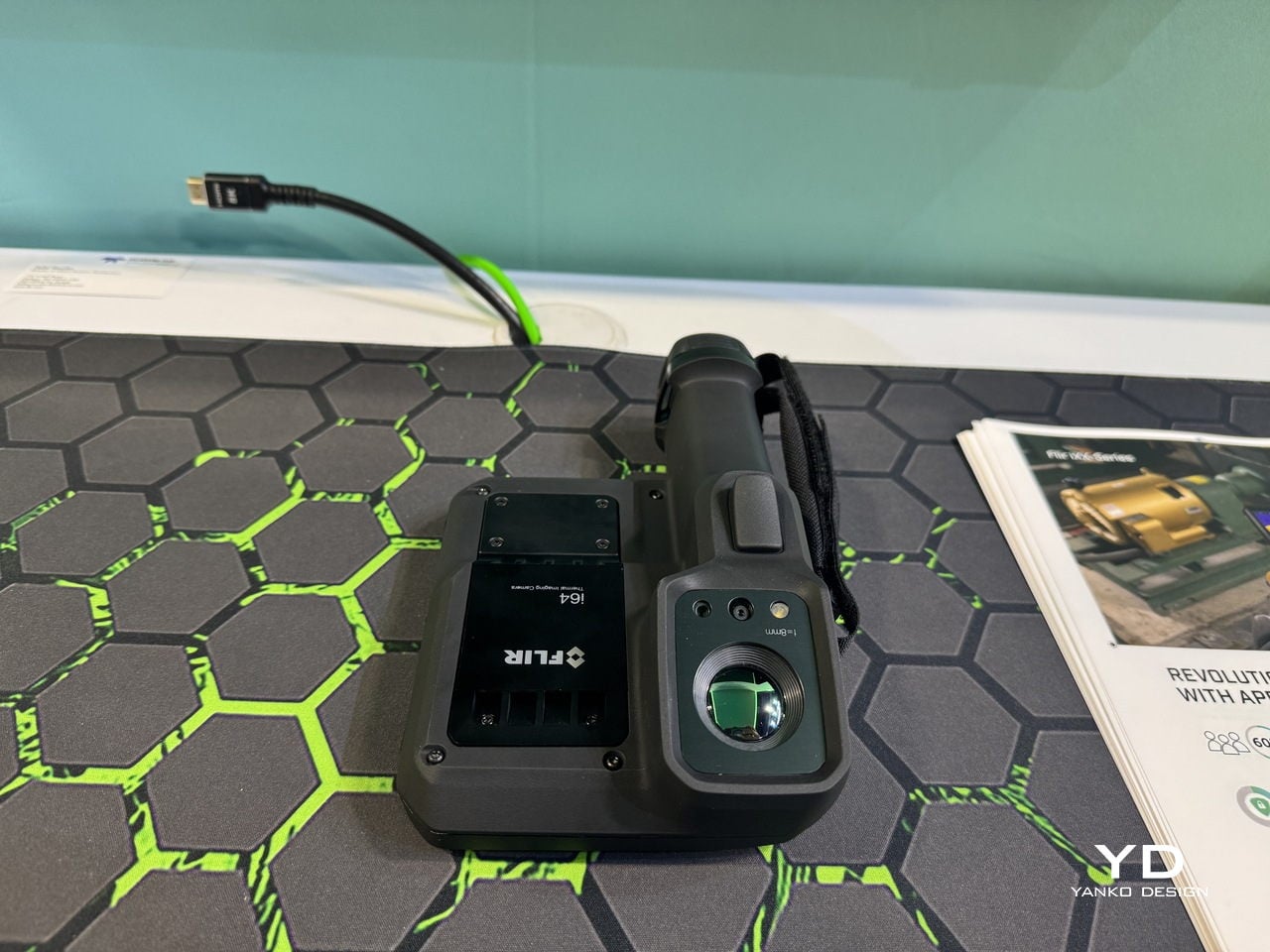
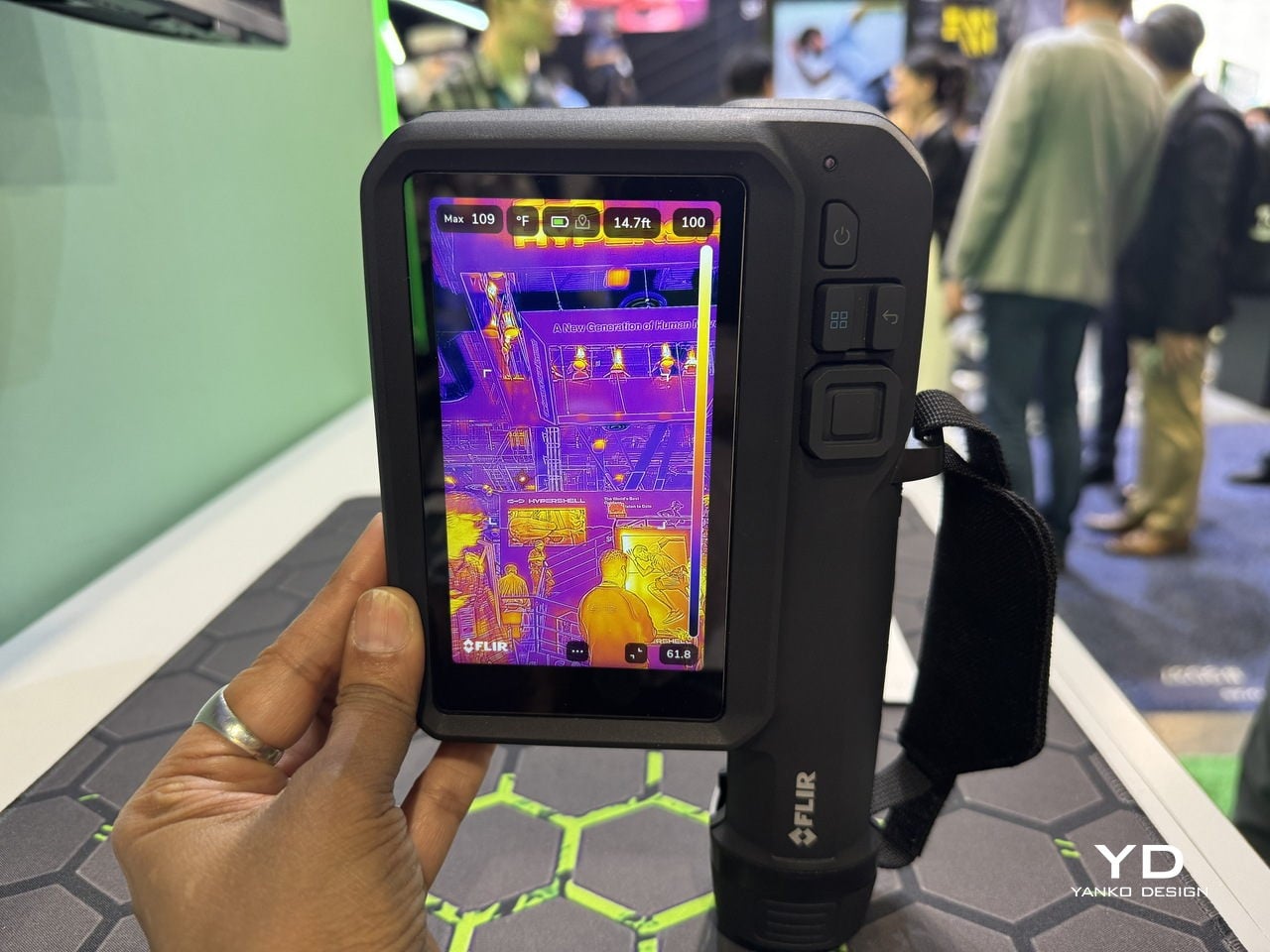
The hardware is built to survive. IP54 rating, 2 m drop test, 0.8 kg body, and a 5-inch touchscreen that works with gloves. Operating range runs from -15 °C to 50 °C. The battery lasts around four hours with quick charging. It’s industrial-grade housing with a consumer-grade interface layered on top.
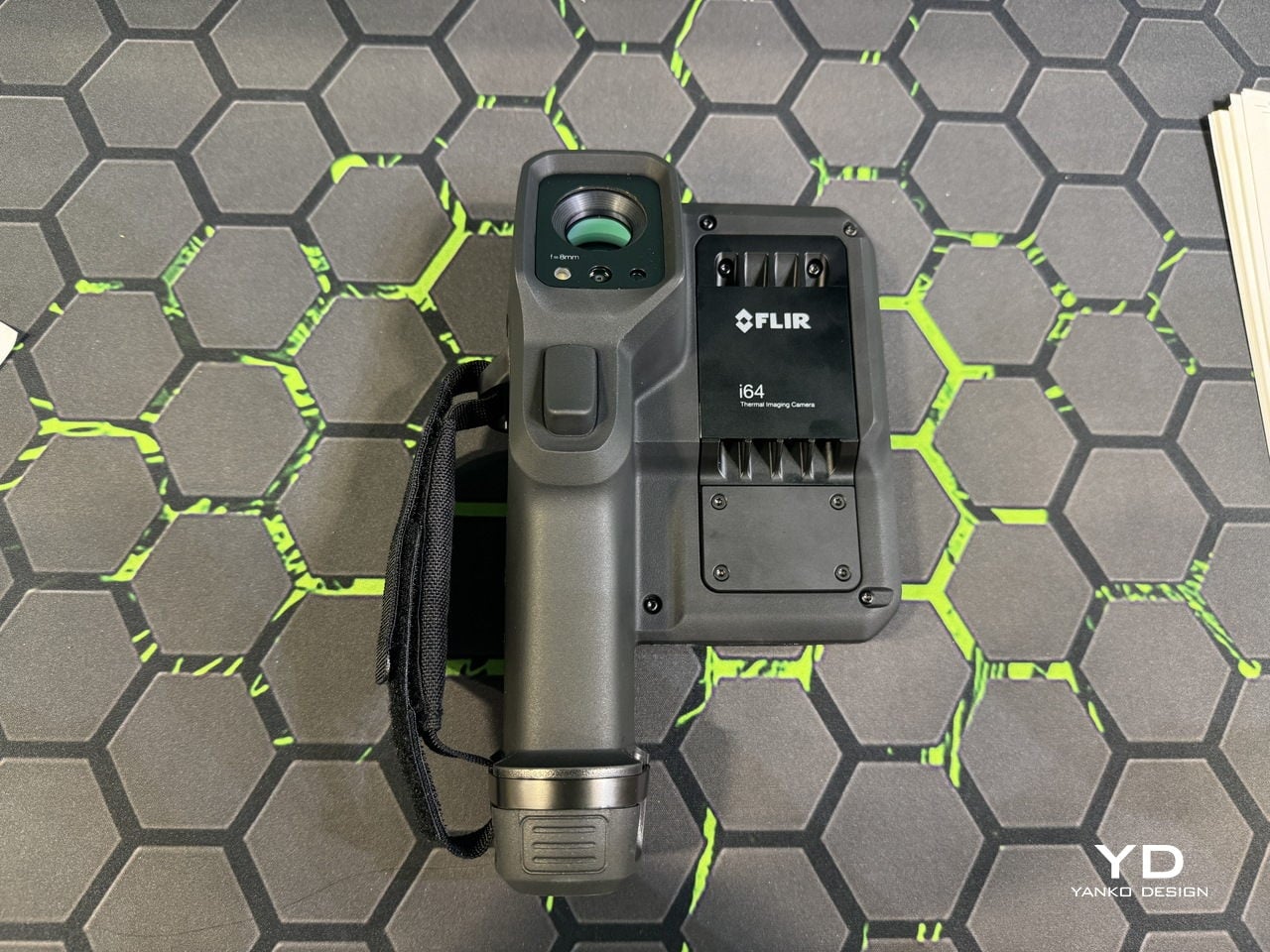
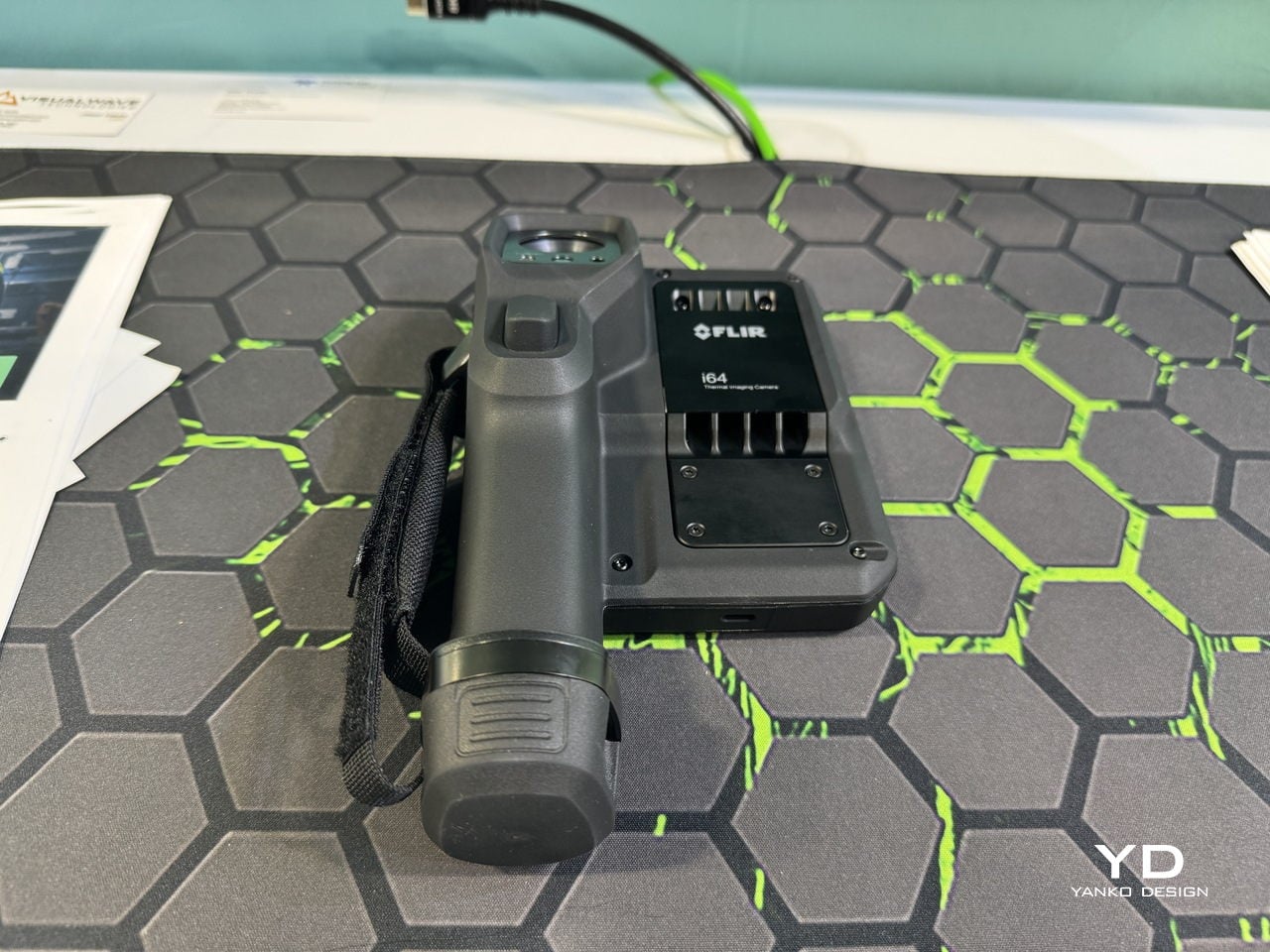
The FLIR team explains that “with ergonomics and usability in focus as always for FLIR, it is a balance to address multiple different customer needs and applications with different levels of expertise.” You can hand this to a senior thermographer or a junior tech, and both will find it usable, just configured differently.

You also get an 8 MP visible camera, MSX image enhancement, a work light, and a laser pointer. These let a technician capture context and document conditions without juggling three devices. The touchscreen and app model make the iXX feel closer to a field computer than a traditional instrument.

Open Apps and Tailored Workflows

Where the iXX really diverges is the app ecosystem. It supports FLIR apps, third-party apps, and private apps built by customers. According to FLIR, “having the open approach is critical… now making sure it is easy for anybody to develop something tailored for their use case is a success factor.”
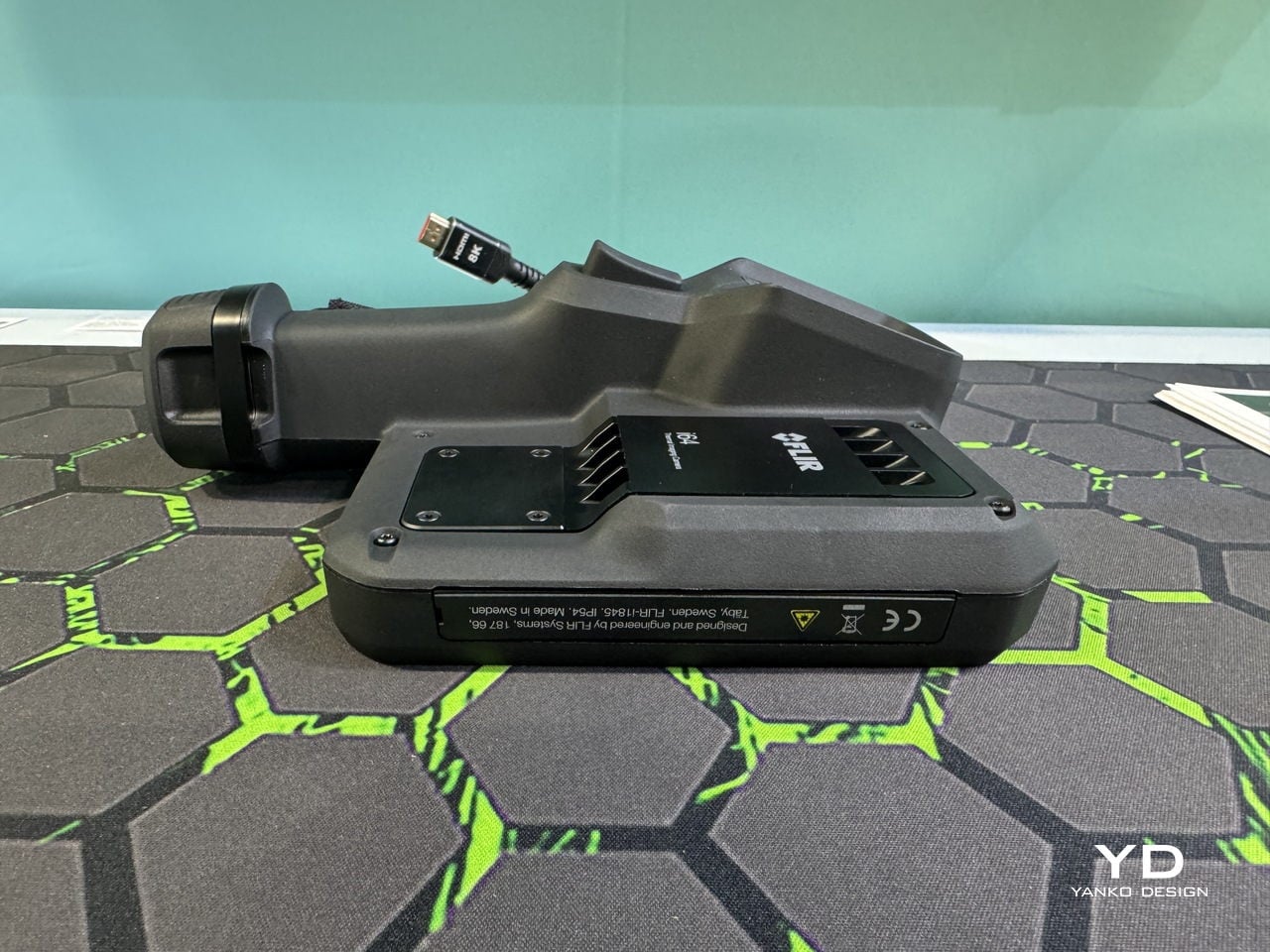
No two plants or facilities run inspections the same way, so the camera should adapt to the team. Apps can guide inexperienced technicians step by step, auto-link images to asset hierarchies, generate work orders with one tap, or enforce security policies. There’s definitely flexibility built into the platform.

A technician walking through a data center can scan electrical distribution gear, flag temperature anomalies, and sync everything to the cloud before leaving the room. By the time they’re back in the truck, the office team already has the data and dashboards updated automatically.

Always-Connected Inspections

Connectivity is built in via Wi-Fi across the line, and certain models, the i35 and i65, include LTE. The FLIR team notes that “a safer and more stable connection is key for having all the data at hand out in the field for taking correct and quick decisions, which can be time critical where cellular connectivity is crucial.”
Many outdoor or industrial sites don’t have Wi-Fi, making LTE the only option. With LTE, technicians can send images, messages, and video calls directly from the device. A junior tech scanning a substation can loop in a senior engineer via video without leaving the site. Office teams see data appear in dashboards in real time.

Inspections stop being isolated tasks and start looking more like live, collaborative workflows. That’s a pretty significant shift for teams used to working solo in the field.

Growing with the Platform and Closing the Skills Gap

Longevity is baked into the design. FLIR emphasizes that it’s “very important in our design decisions, from material choices to how to assemble and disassemble for service purposes… with the capability of growing with the platform and constantly increasing functionality through software updates and also with the app ecosystem where new functionality and features will be added by FLIR and others.”

The camera you buy today isn’t frozen. It’s a platform that keeps evolving through firmware updates and new apps. That also helps close the skills gap through app-guided workflows, onboarding tools, and configurable interfaces.
“With the ability to tailor for any customer needs, the data collections are made easier… and the fact that you as a user can choose what apps to download or even develop yourself makes it suitable for anyone, no matter the level of experience,” FLIR explains. A senior thermographer can load advanced apps while a junior tech follows a guided workflow.

The iXX-Series represents a shift in how handheld inspection tools are designed. It’s a connected, app-driven platform built for the deskless office, where technicians need their tools to be rugged, smart, and collaborative. If this is the future of inspection devices, hardware and software are finally being designed together from the start.

The post FLIR iXX: An App-Based Thermal Camera for the Deskless Office first appeared on Yanko Design.
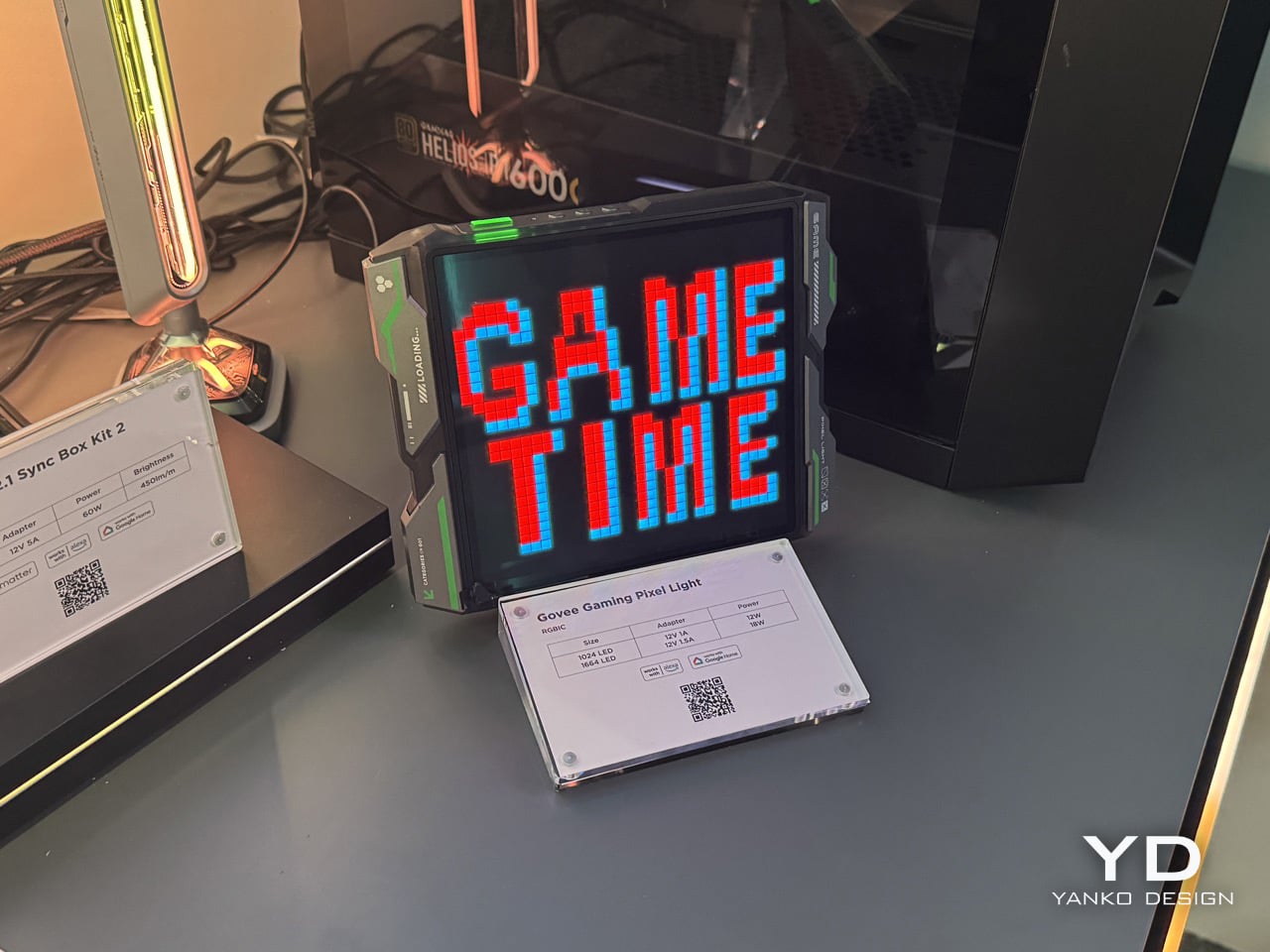
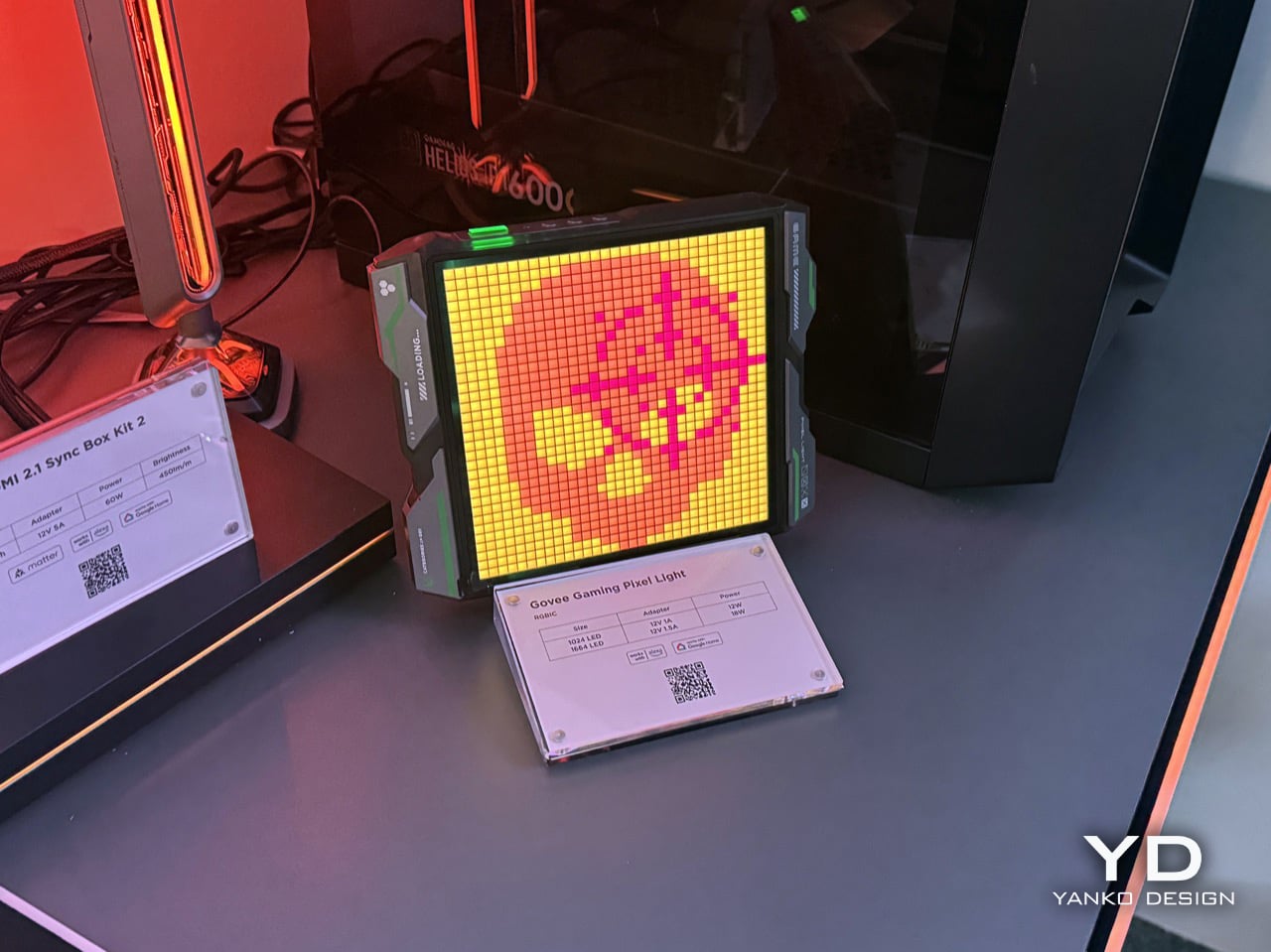
Govee’s Gaming Pixel Light now lets you generate 8-bit animated GIFs using AI Prompts: Hands-on at CES 2026

We have quickly grown accustomed to asking AI to write our emails or create stunning headshots for our LinkedIn. This incredible interaction has lived almost exclusively on our computer and phone screens, a fascinating but ultimately contained experience. The real question has always been when this creative AI would break free from the flat display and start interacting with our physical environment. That moment appears to be arriving now, and it is starting with, of all things, a desk lamp that can generate its own art.

Govee’s implementation of its AI Lighting Bot 2.0 in products like the Gaming Pixel Light is a clever and surprisingly practical application of generative AI. It transforms a simple smart light into an intelligent art creator that anyone can use. The ability to generate custom GIF animations just by typing what you want to see is a game-changer for ambient lighting and personalization. This technology moves far beyond simple color cycling or pre-programmed scenes, offering a clear glimpse into a future where our smart devices are not just responsive, but genuinely creative partners.

Designer: Govee

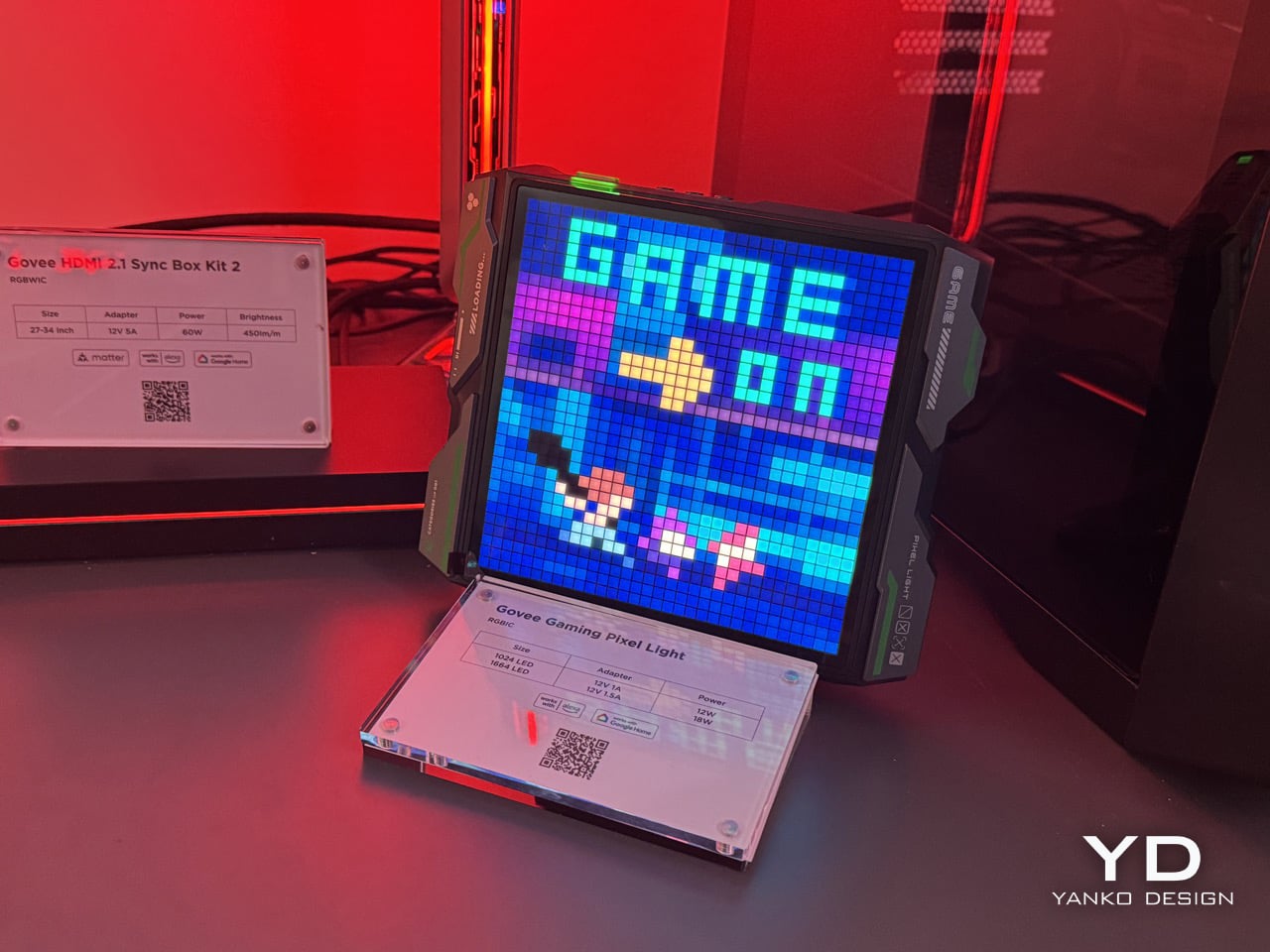
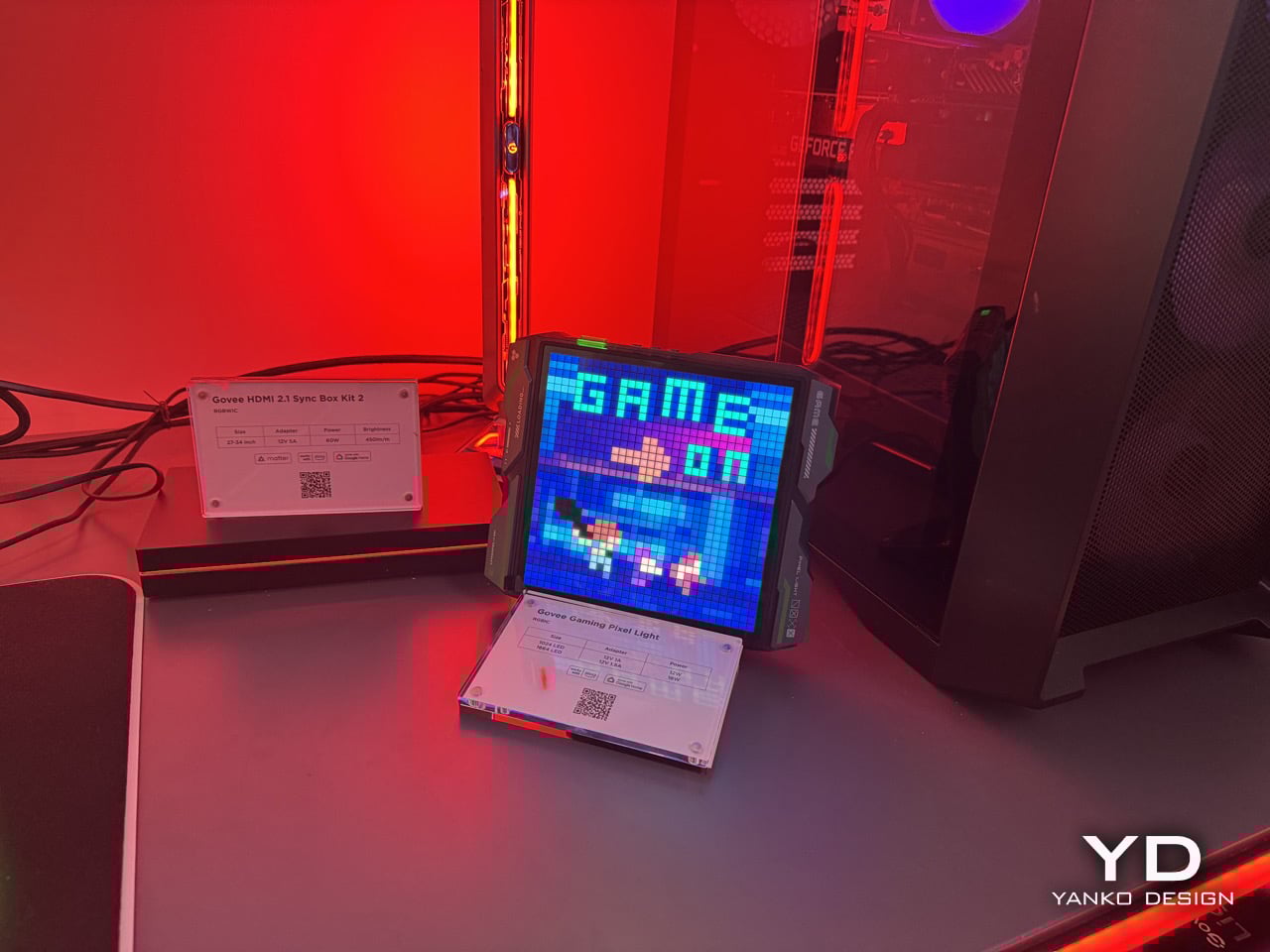
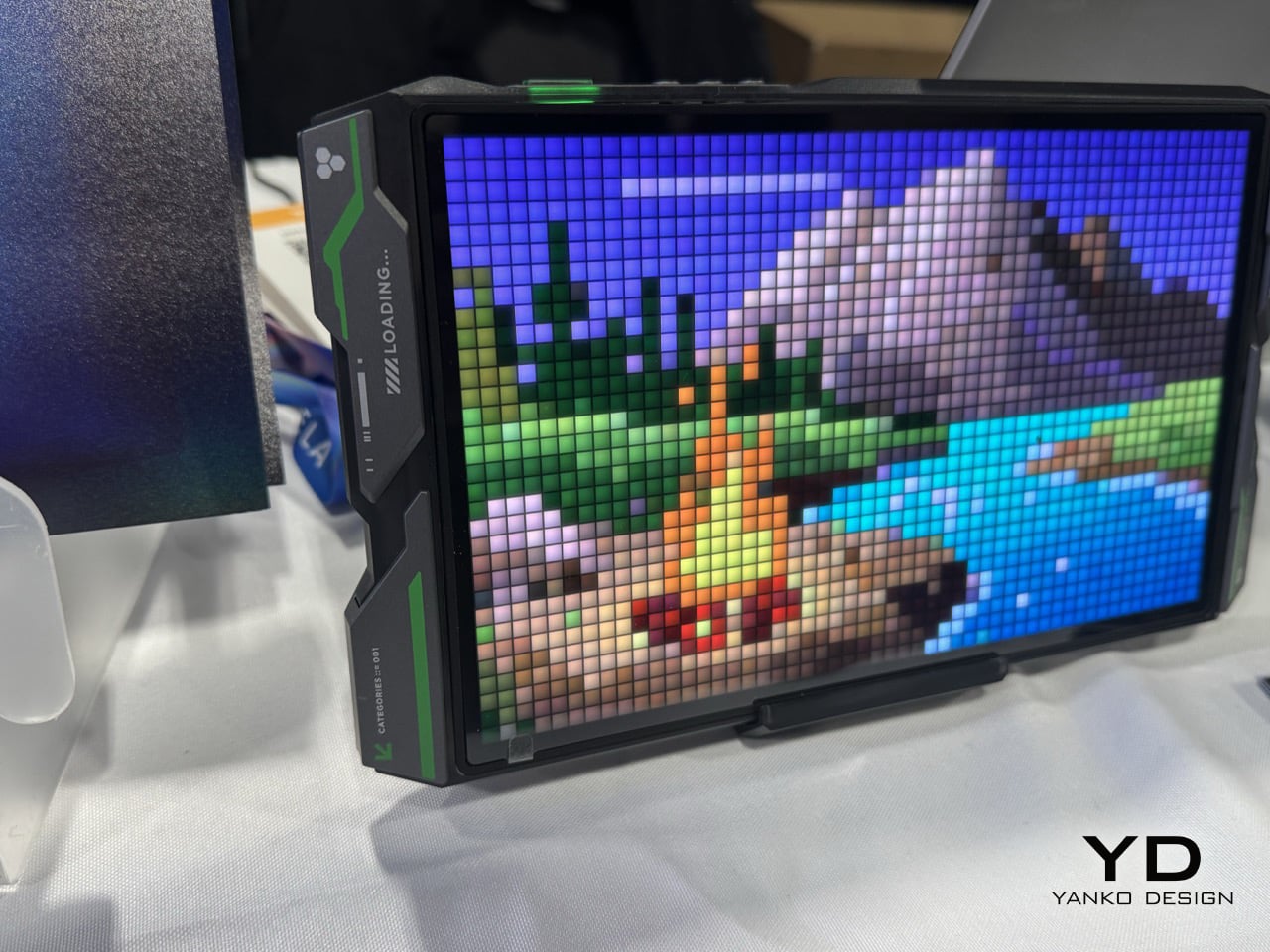
And let’s be honest, the idea initially sounds a bit like a solution searching for a problem. But the hardware itself makes a compelling case. The Gaming Pixel Light is a dedicated 52 by 32 pixel canvas, which is a perfect, low-stakes resolution for the kind of quirky, lo-fi art that generative models excel at creating. It is not trying to render a photorealistic scene; it is built for the exact brand of retro, 8-bit nostalgia that defines so many gaming setups. The fact that it can run these animations at a smooth 30 frames per second means your text prompts result in genuinely dynamic visuals, not some clunky, stuttering slideshow. Govee’s dual-plane pixel engine even allows for layered designs, so the AI has a surprisingly deep toolkit to play with.

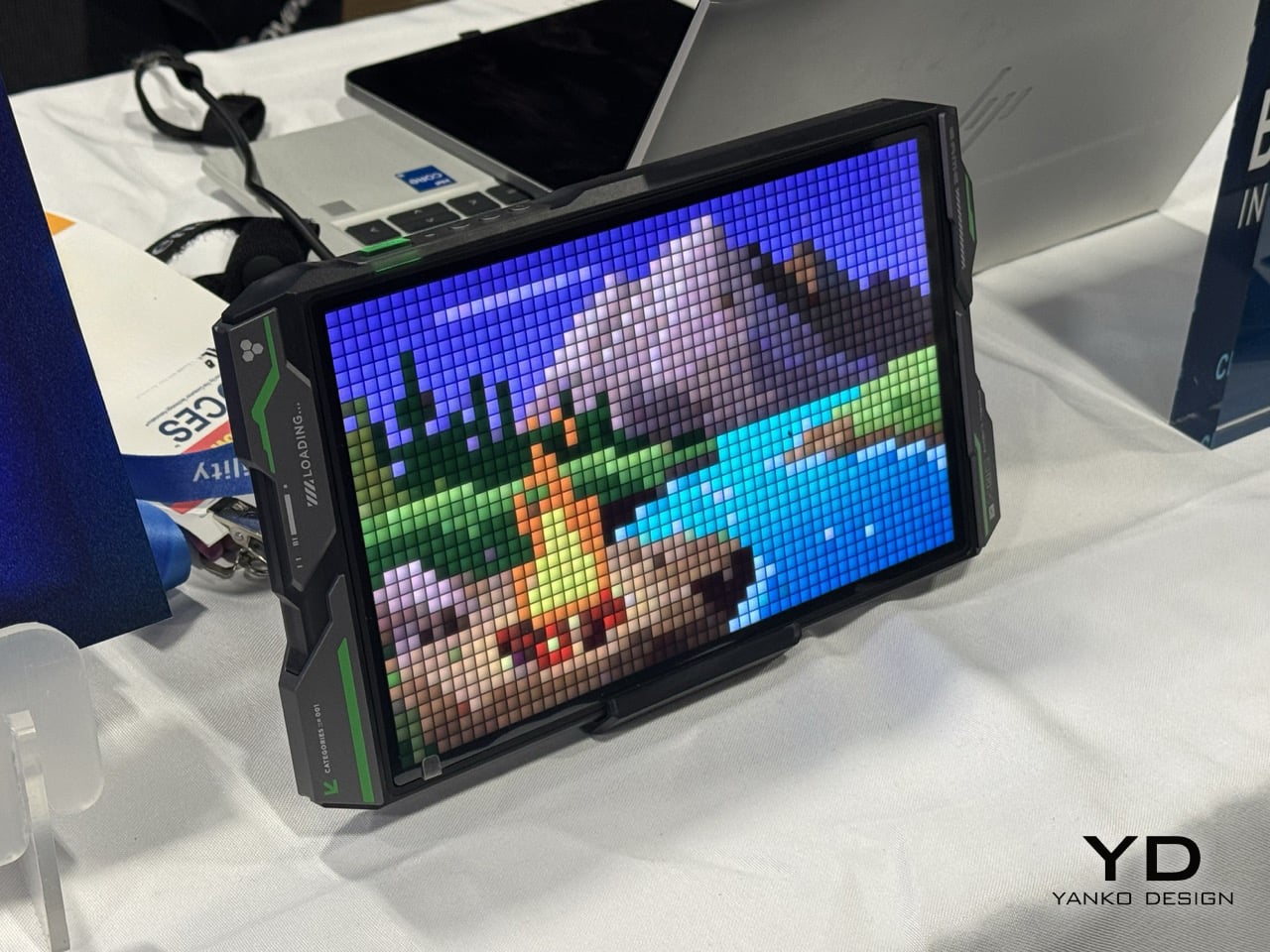
We saw a demo of a campfire GIF on the Gaming Pixel Light and it really did look like something out of a Game Boy Color or an 8-bit game come to life. We even tested the feature on Govee’s curtain lights although the Gaming Pixel Light’s compact form factor (and targeting towards a gaming audience) made it a perfect canvas for this feature. All you do is enter a prompt and Govee’s AI Lighting Bot 2.0 not only creates the image, it renders an animation, and applies it to the lights seamlessly. Everything happens through an app, and for the most part, there are certain limitations/censorships in place so that you don’t generate images that are offensive or inappropriate. Govee hasn’t capped the number of generations per month, but they did mention that future versions will allow iterative tweaking of the GIFs. For now, it’s very WYSIWYG and an image that’s generated can’t be ‘edited’. Govee’s tip, however, is to be as thoroughly detail-oriented with your prompting.

What makes this system particularly interesting is how Govee has tailored the AI interaction to the hardware. For graphic displays like this pixel light, it is a “single-turn” interaction: you type a prompt, you get a GIF. It is direct, fast, and avoids the conversational baggage that would feel tedious for a purely visual output. This is a smart distinction from how the AI works with their linear strip lights, which allows for more complex, multi-turn conversations about mood and color. It shows a level of thoughtful design that recognizes different products demand different interfaces. This is the kind of ambient computing that actually feels useful, turning a passive decorative object into an active, personalized art station that constantly evolves with your imagination.

The post Govee’s Gaming Pixel Light now lets you generate 8-bit animated GIFs using AI Prompts: Hands-on at CES 2026 first appeared on Yanko Design.

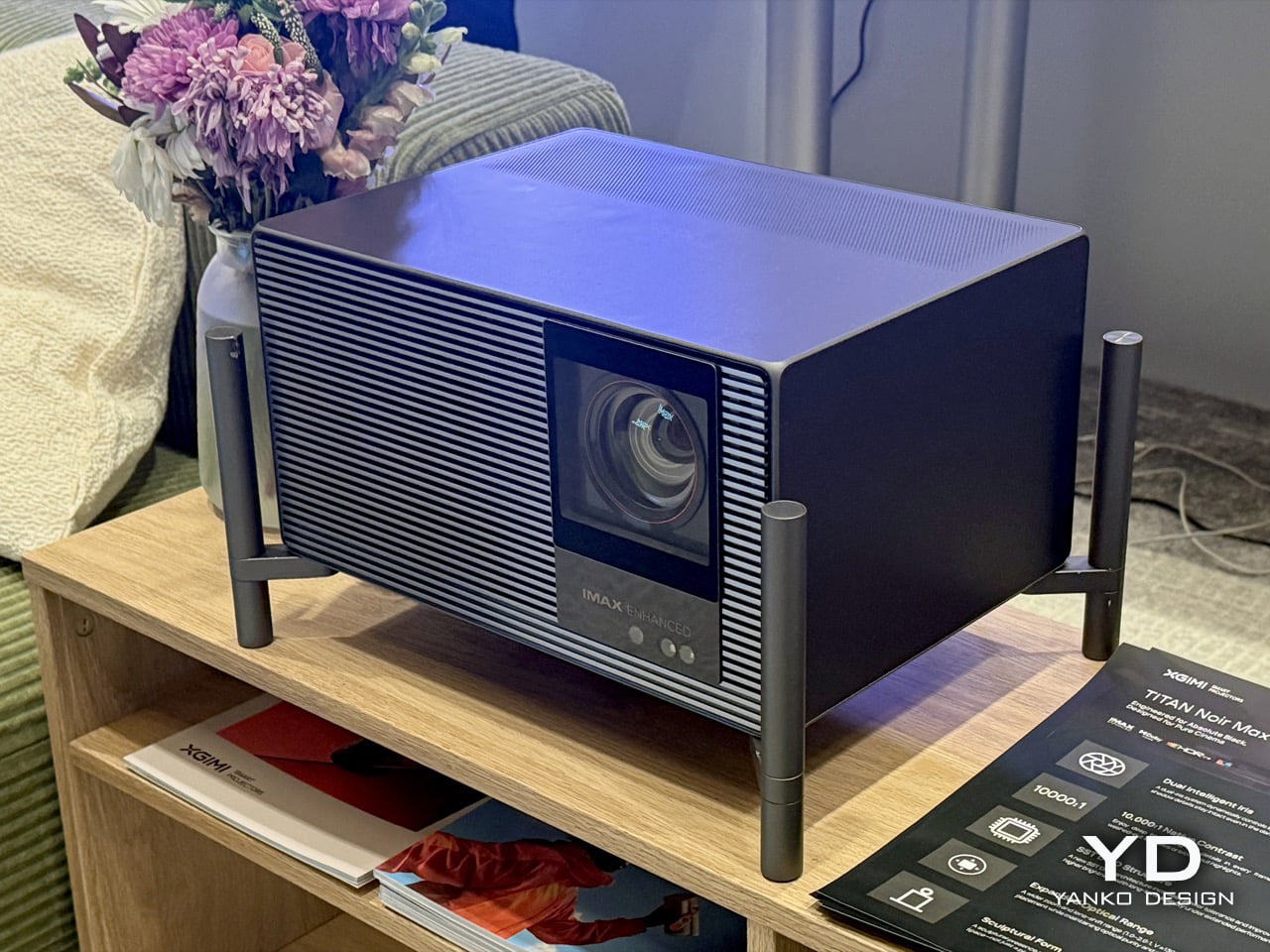
Forget Brightness Wars, XGIMI’s Titan Noir Max at CES 2026 is starting the ‘Projector Contrast War’

Let’s be honest, “Titan Noir Max” sounds less like a piece of home theater equipment and more like the star of a gritty graphic novel adaptation. You can almost picture him now: a hulking silhouette perched on a gargoyle, rain dripping from his ridiculously oversized collar, muttering about how the city is a cesspool that needs cleansing. The “Max” suffix implies he’s the even darker, even moodier version of the original Titan Noir, who was probably already too grim for the Saturday morning cartoon lineup. He’s the hero you call when the regular Titan just isn’t feeling angsty enough to solve the case.

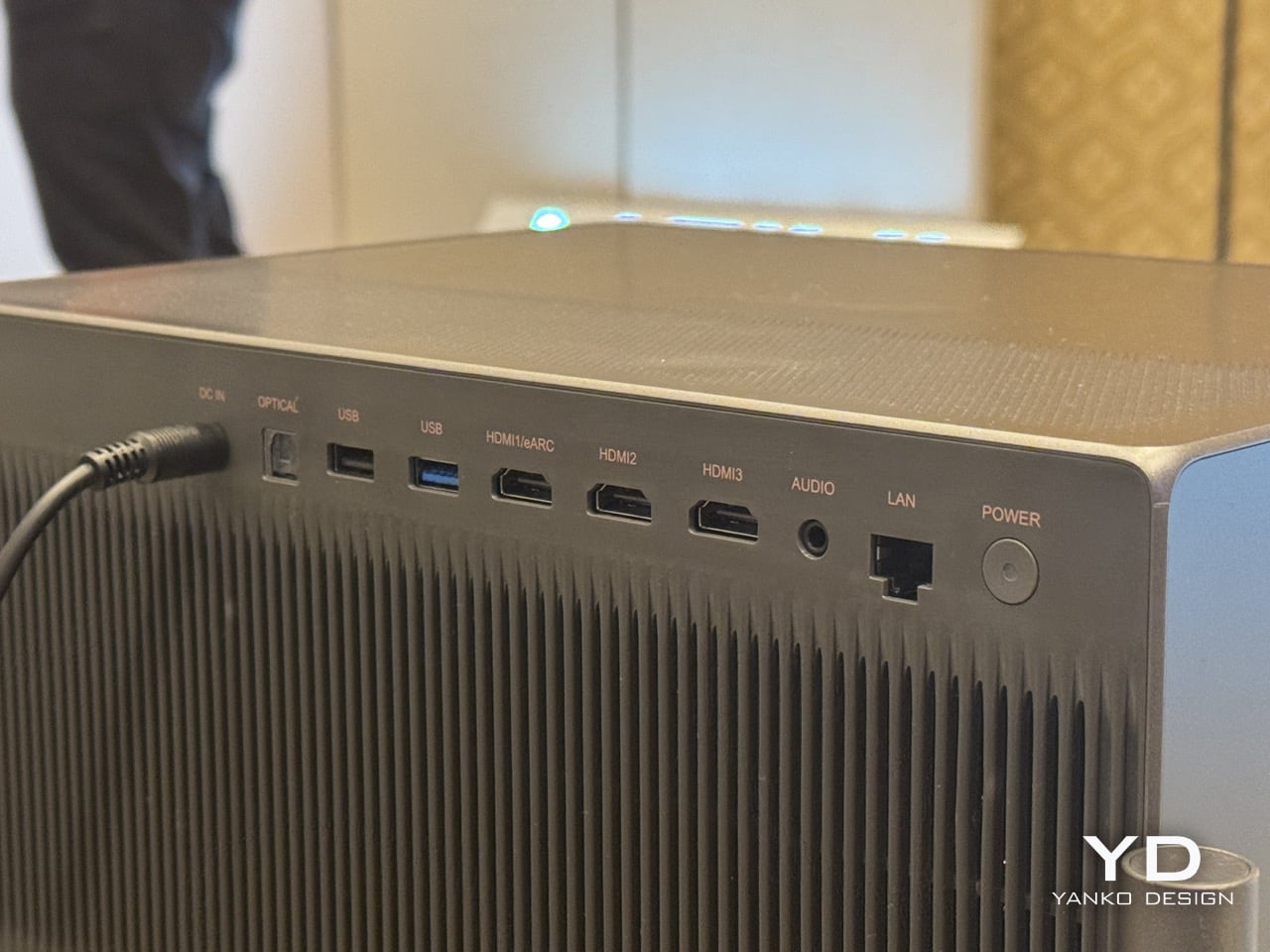
As it turns out, that wonderfully over-the-top name is surprisingly appropriate, because Xgimi’s latest creation is a hero in the fight against one of home cinema’s greatest villains: the washed-out, milky gray that so many projectors try to pass off as “black.” Unveiled at CES 2026, the Titan Noir Max is a 4K laser projector built with a singular mission to deliver truly deep, dark black levels. It accomplishes this with a dual iris system, a piece of hardware usually found in much more expensive equipment, allowing it to hit an impressive 10,000:1 native contrast ratio. So while it might not fight crime on rain-slicked streets, it is engineered to bring that perfect, cinematic darkness right into your living room.

Designer: Xgimi

That dual iris is perhaps the most crucial key to why this small projector performs so much better than its larger sibling, the Titan from last year. For years, the projector market has been locked in a pointless arms race for brightness, with manufacturers bragging about lumens while completely ignoring the other side of the equation. Xgimi is making a statement by building a machine around contrast. A 10,000:1 native ratio, with a dynamic contrast that reaches 100,000:1, means this projector can modulate its light output with incredible precision. This allows it to render deep shadows in a dark scene without crushing all the detail, and then immediately pivot to a bright scene without blowing out the highlights. It’s the kind of performance that separates a good image from a truly cinematic one.

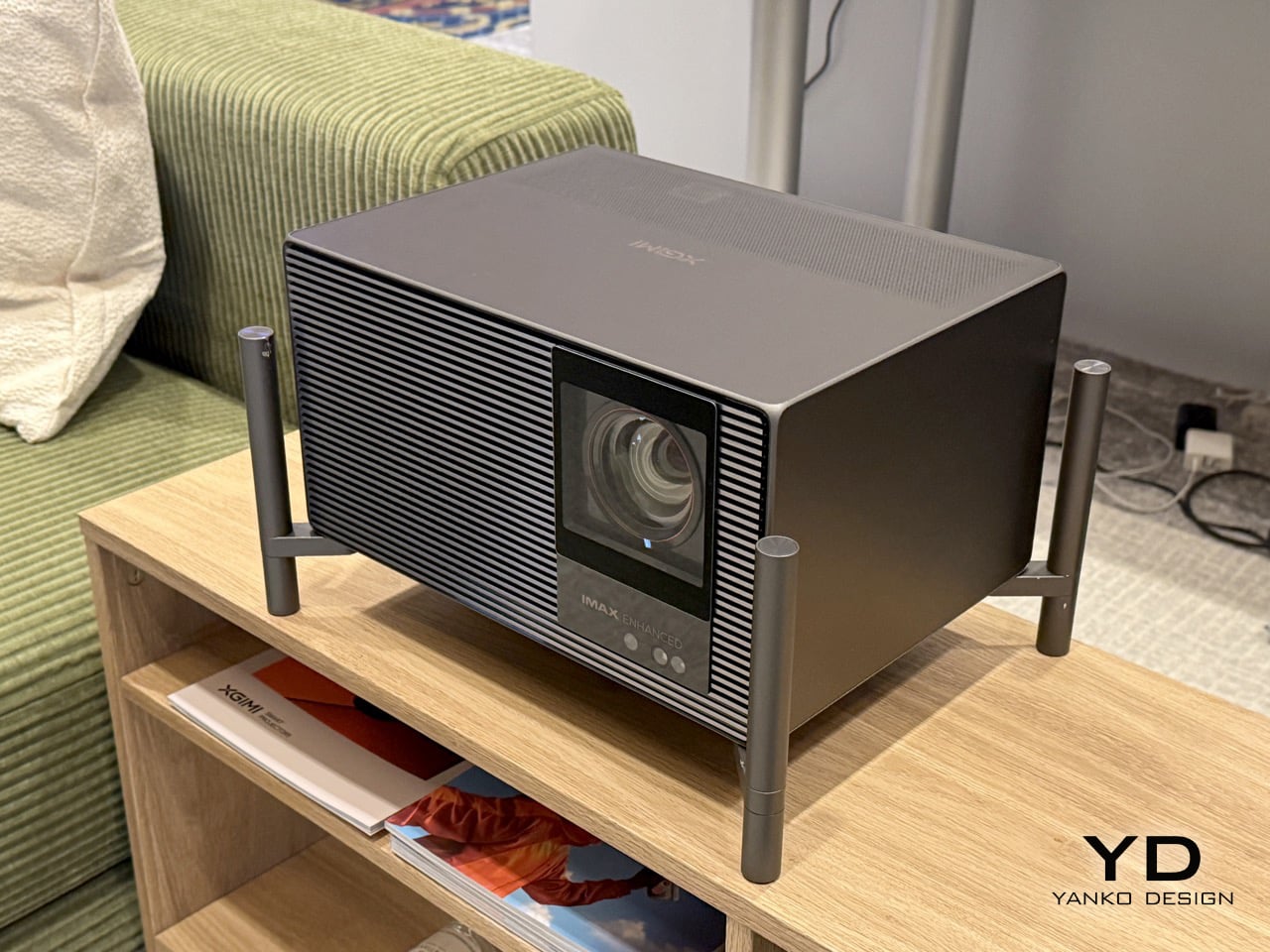
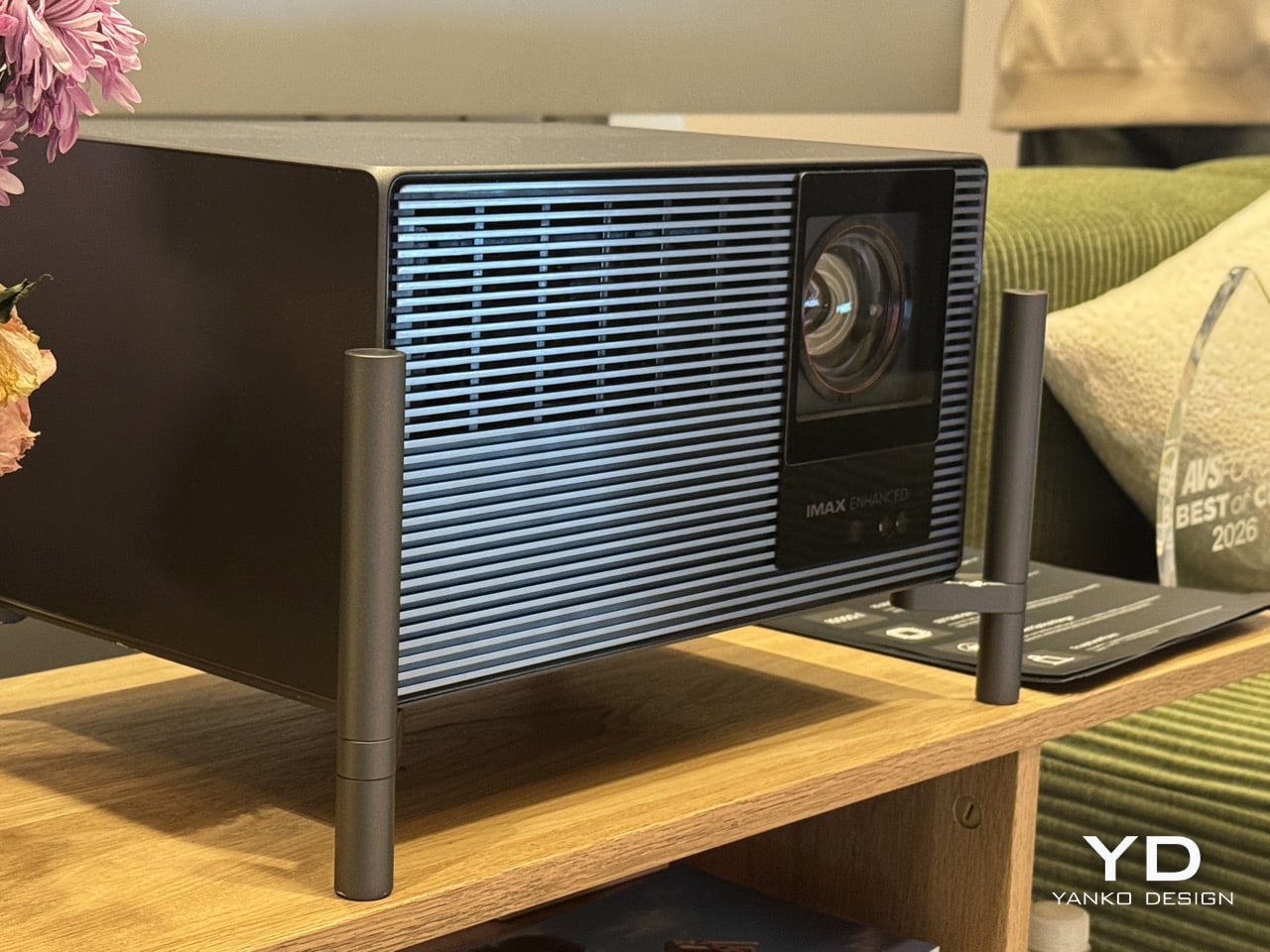
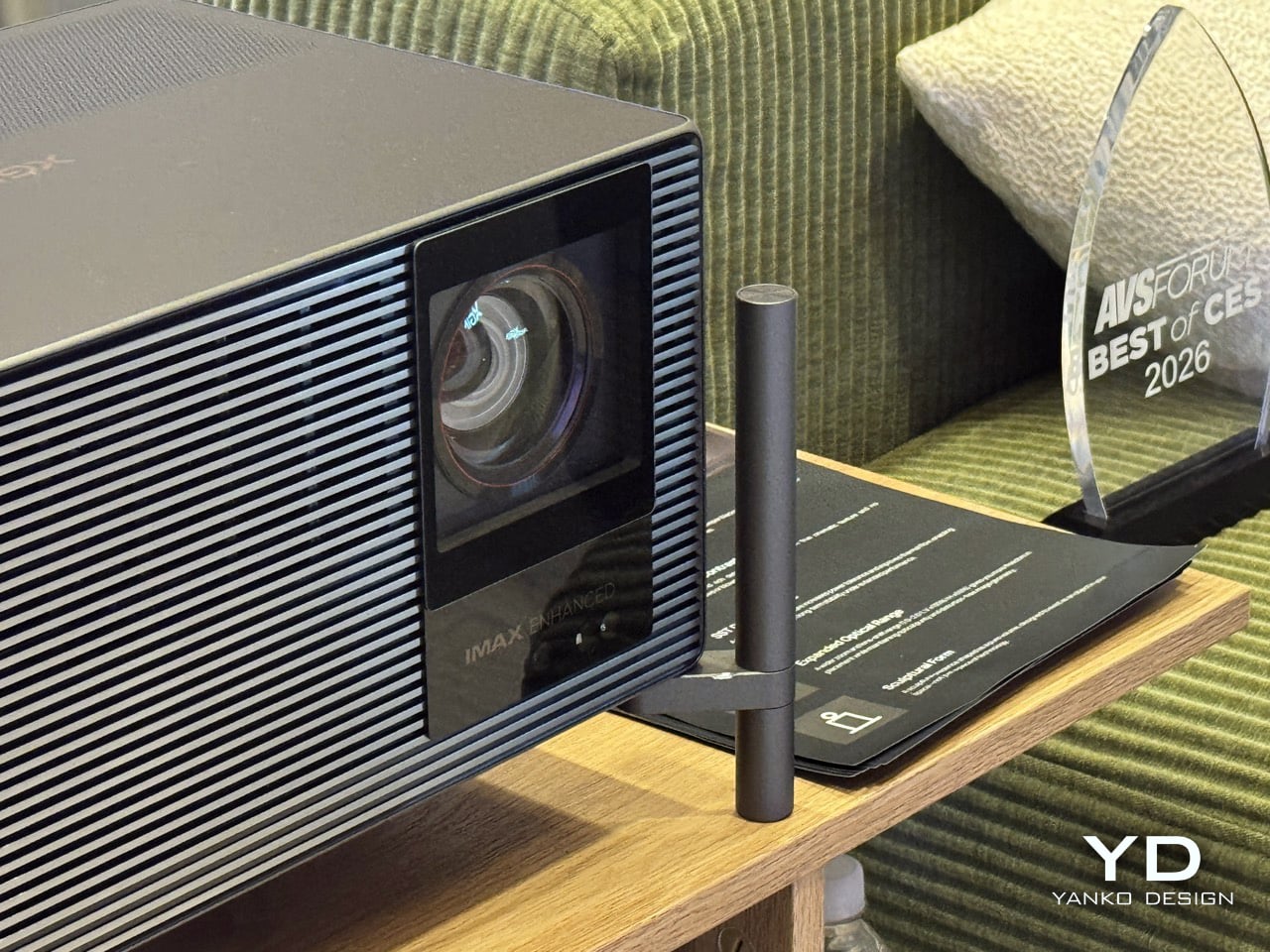
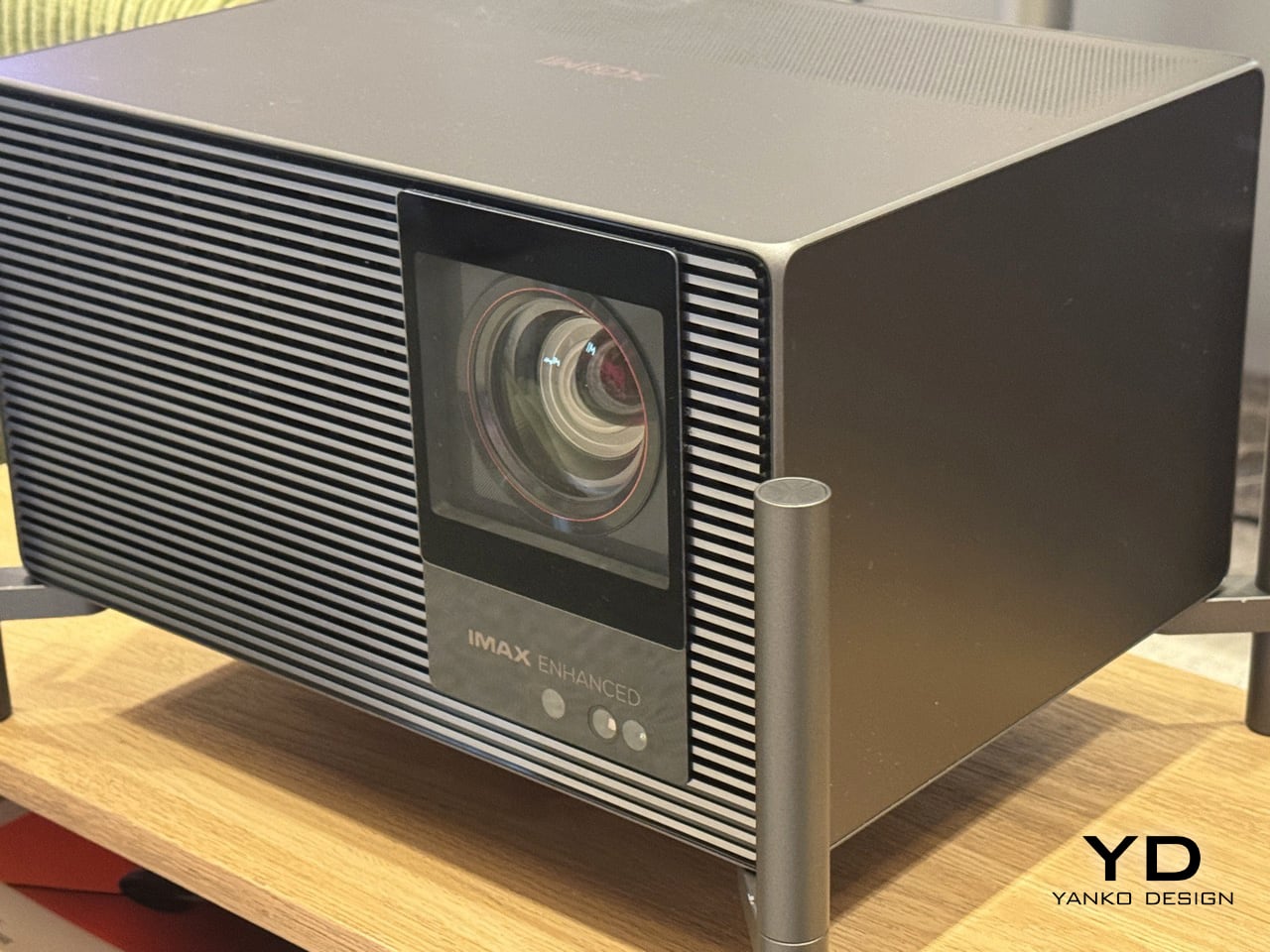
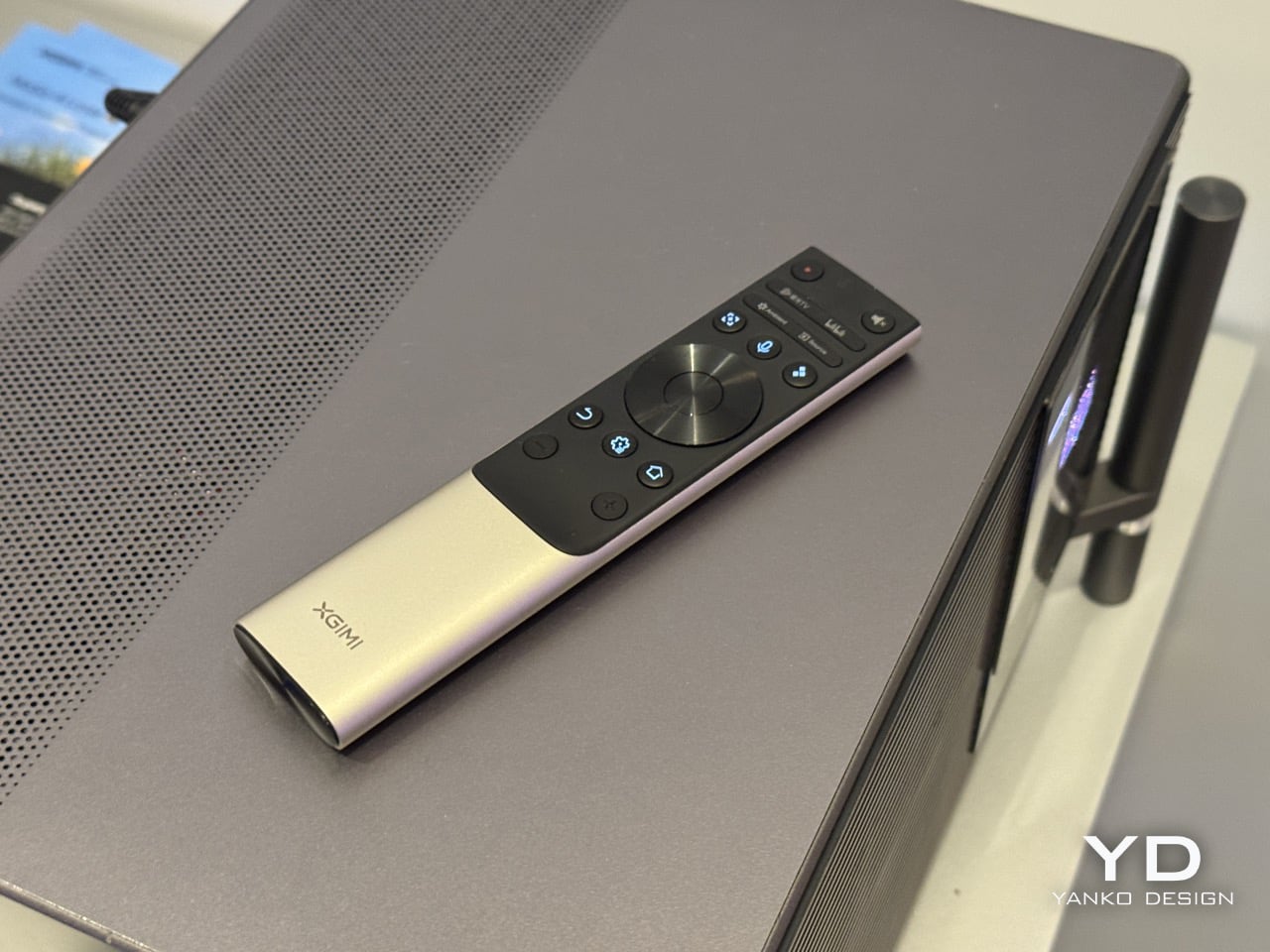
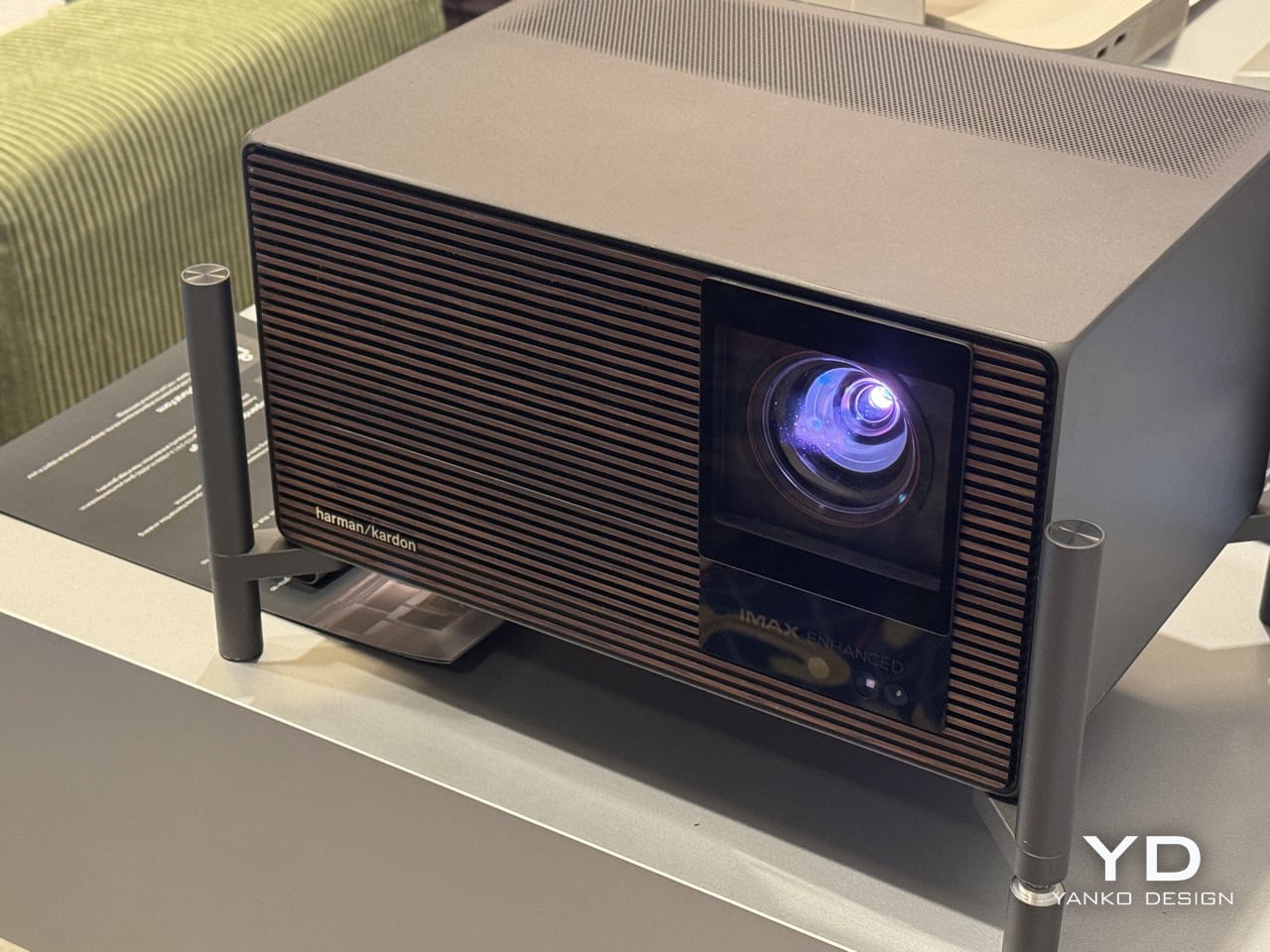
The physical design also signals that this isn’t just another lifestyle gadget meant to blend in. The Titan Noir Max has a taller, squared-off profile with a refined industrial grille that looks purposeful. It stands on four metal legs, giving it a strange, almost creature-like stance that some have compared to a robot dog. This is a confident piece of hardware that doesn’t apologize for being a machine. It’s a welcome departure from the endless parade of rounded white boxes, suggesting that its performance is just as serious as its appearance. The metal finish and multiple colorways give it a premium feel that matches its professional ambitions.

Of course, none of that contrast matters if the optics can’t keep up. Xgimi is using a new Single Springtip Torsional, or SST, DMD chip inside, which is engineered to handle a higher density of light without losing sharpness or creating artifacts. This is crucial when you’re working with a laser light source and a dynamic iris that are constantly adjusting the image. While the company hasn’t confirmed if it’s using the same large 0.78-inch DMD from the original Titan, the new optical system is clearly designed for precision. It’s a complex dance between the light source, the iris, and the chip, and it seems Xgimi has choreographed it to maintain 4K clarity from corner to corner.

Projector placement is the bane of many home theater setups, but the Titan Noir Max offers a massive range of adjustment. You get a vertical lens shift of plus or minus 130 percent and a horizontal shift of plus or minus 50 percent. Those are numbers you typically see on dedicated installation projectors, and it means you can place the unit well off-center without resorting to digital keystone correction that degrades the image. Paired with a 1.0 to 2.0:1 throw ratio, this projector gives you an enormous amount of freedom to get the perfect picture in almost any room.

Internally, it’s running on an MT9681 SoC with 4GB of RAM and 64GB of storage, which is more than enough to handle its smart features and interface smoothly. The support for up to 240Hz output is also a nice touch, opening the door for high-refresh-rate gaming if the input lag is low enough. Add in the built-in Harman Kardon speakers and IMAX Enhanced certification, and you have a complete package that doesn’t demand a separate audio system for a great experience. It’s a well-rounded machine that understands its audience wants both performance and convenience. The big question remains the price, which Xgimi is keeping quiet about until pre-orders open later this quarter, but this feels like a genuine contender for the best high-end projector of the year.

The post Forget Brightness Wars, XGIMI’s Titan Noir Max at CES 2026 is starting the ‘Projector Contrast War’ first appeared on Yanko Design.

IKEA’s Viral Donut Lamp Just Got a $100 Smart Upgrade

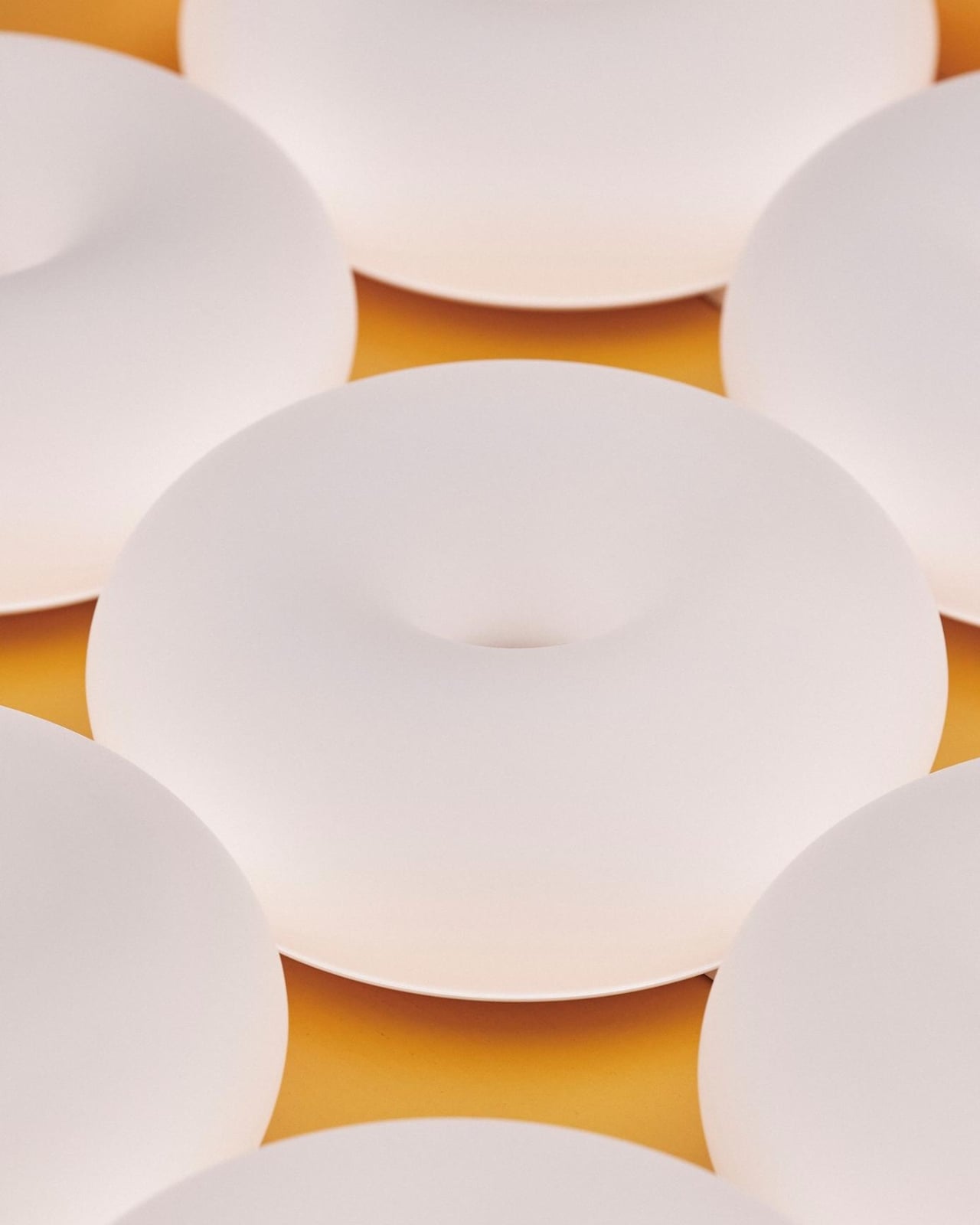
Whenever I pass by IKEA, one of the things that always catches my eye are their minimalist lamps (well, a lot of their items are minimalist of course). They look simple, elegant, and something that would fit right into my space. Probably one of their most popular lamps is the VARMBLIXT donut lamp designed by renowned Dutch artist Sabine Marcelis, which is, as its name suggests, a donut-shaped lamp.

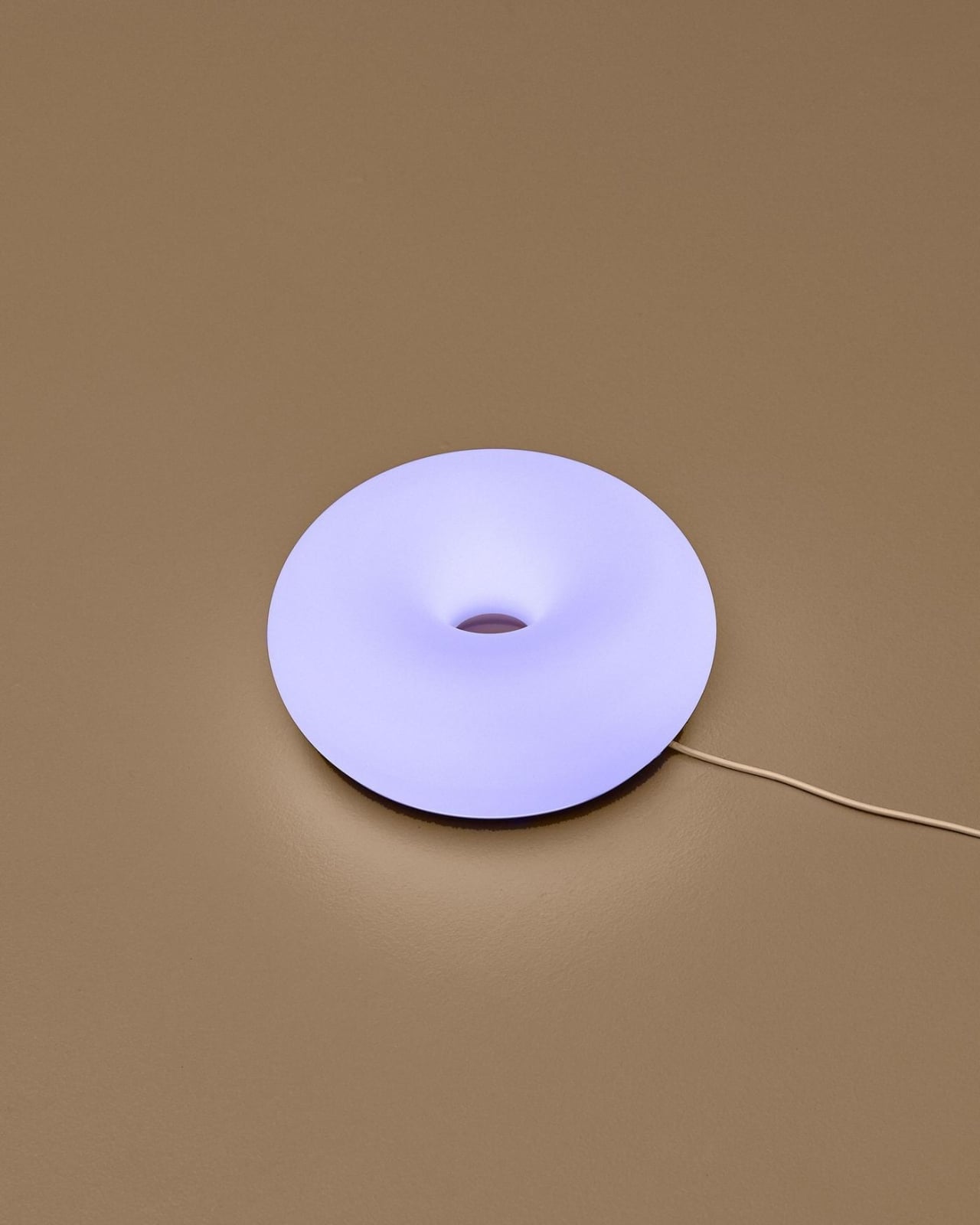
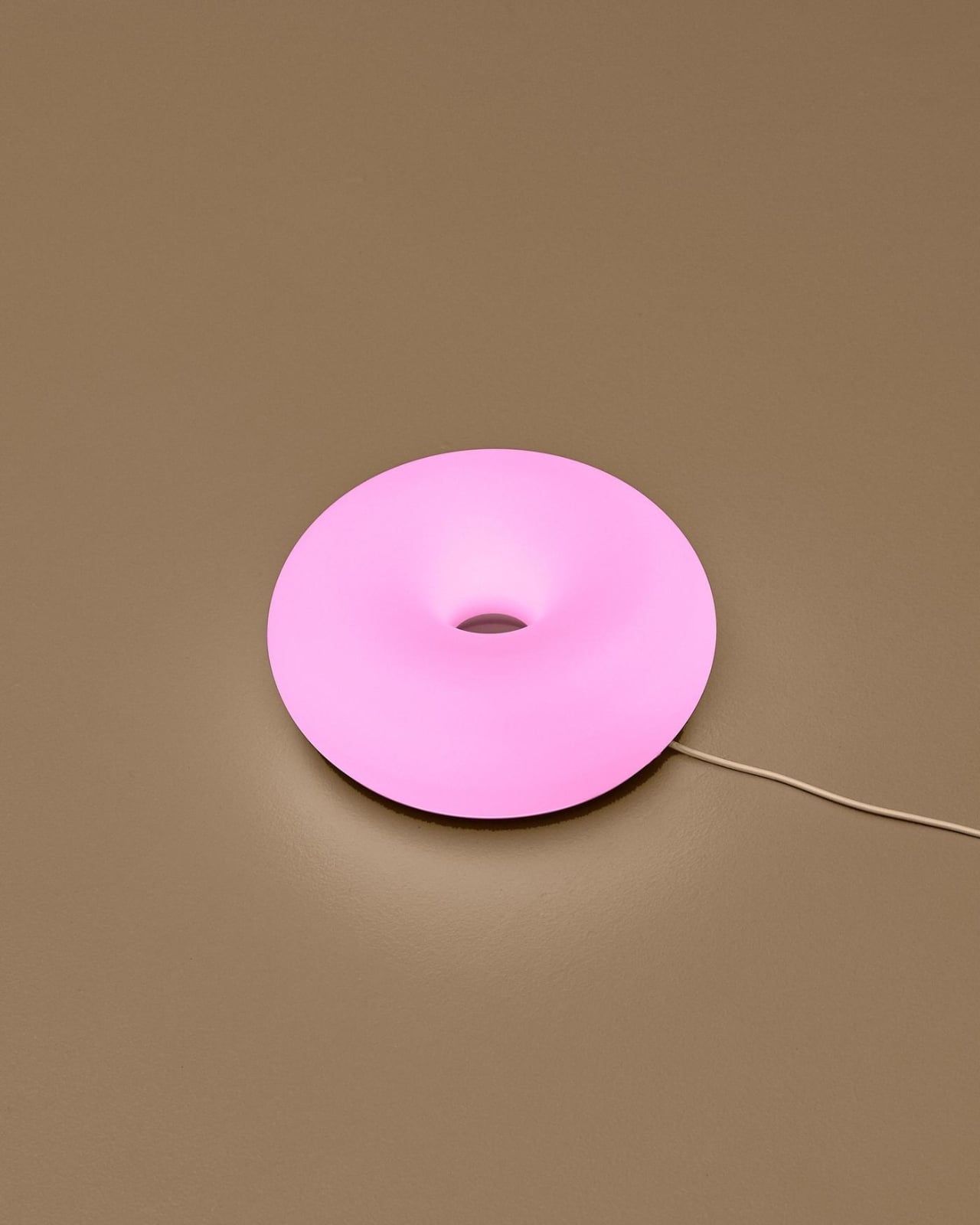
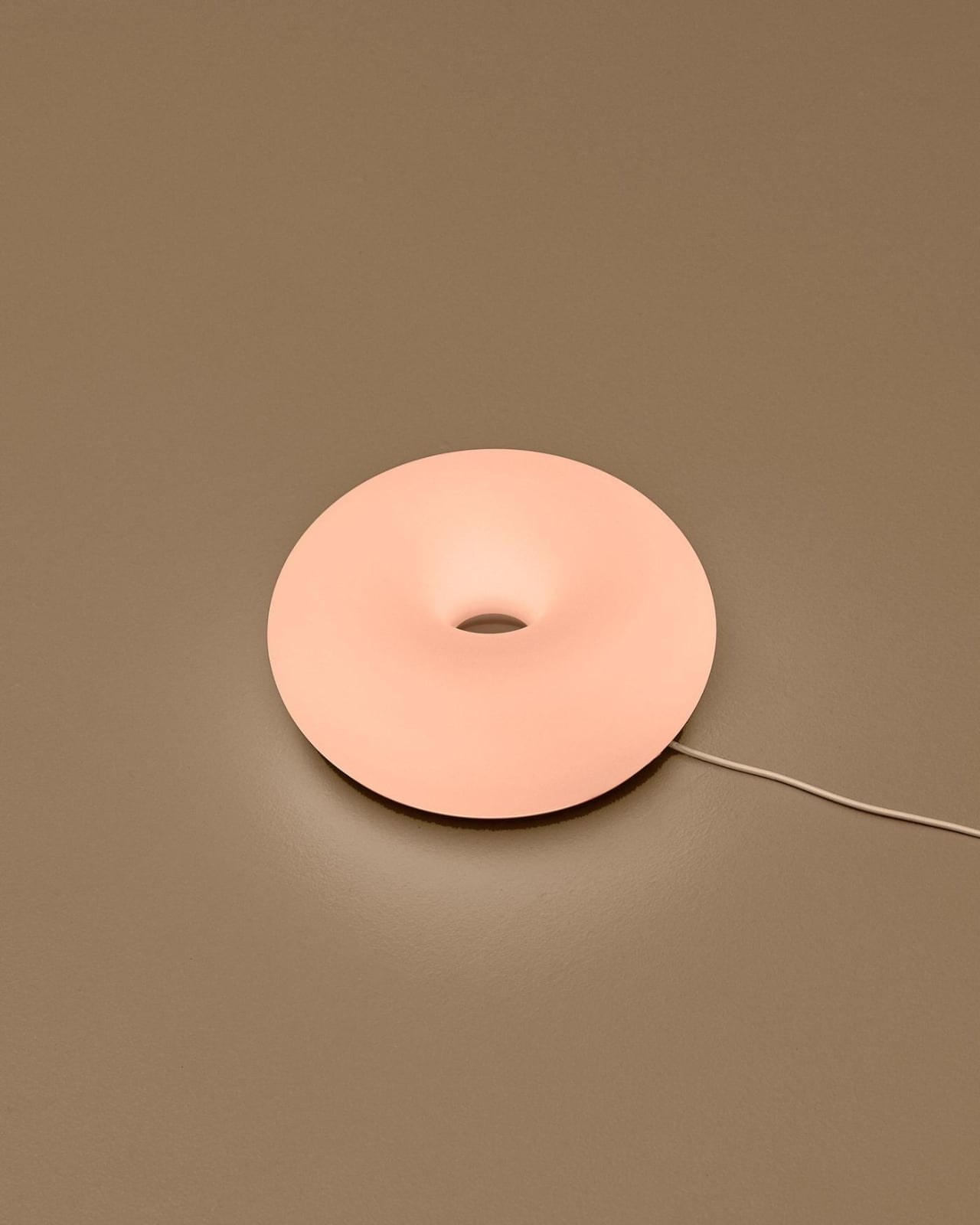
Now this lamp is seeing a 2026 upgrade with the new VARMBLIXT smart donut lamp that still keeps the popular sculptural but playful form intact but adds a smarter component. The light now radiates from the inside with its matte finish instead of the previous version where external light reflected and bounced off on its glossy surface. This shift from glossy to matte white glass fundamentally changes how you experience the lamp – instead of being a reflective object, it becomes a glowing light source that creates ambiance from within.

Designer: Sabine Marcelis for IKEA

The difference in the design, specifically the material, allows the lamp to create a different atmospheric experience. For those that love more colorful ambience lighting, you now get 12 preset colors that were personally curated by the designer herself. The colors also transition smoothly through the different hues so that there is no abrupt change to your environment. You get different temperatures of white light to glowing amber and warm red to soft pink to cool lavender and turquoise to gentle yellow tones and finally back to white light. Marcelis designed these transitions to be subtle and natural, so the shifts feel organic rather than jarring.

When you connect the lamp to the IKEA Home Smart app through DIRIGERA, you get the “full colour spectrum with more than 40 shades” to play with, giving you even more control over your lighting mood. The VARMBLIXT lamp comes with the BILRESA remote so you can start cycling through the colors without any complicated setup. But it is built on the Matter standard so you can integrate it with your smart home system including Apple Home, Siri, and other compatible platforms.

Just like the original donut lamp, you can use this smart version as a table lamp or you can also mount it on your wall if you need this to be part of your wall decor. You get flexibility on how you want this sculptural piece to be displayed in your space, whether to blend in with your aesthetic or to be the centerpiece decoration while providing ambient light. At $99.99, it hits that sweet spot of designer quality at an accessible price point.

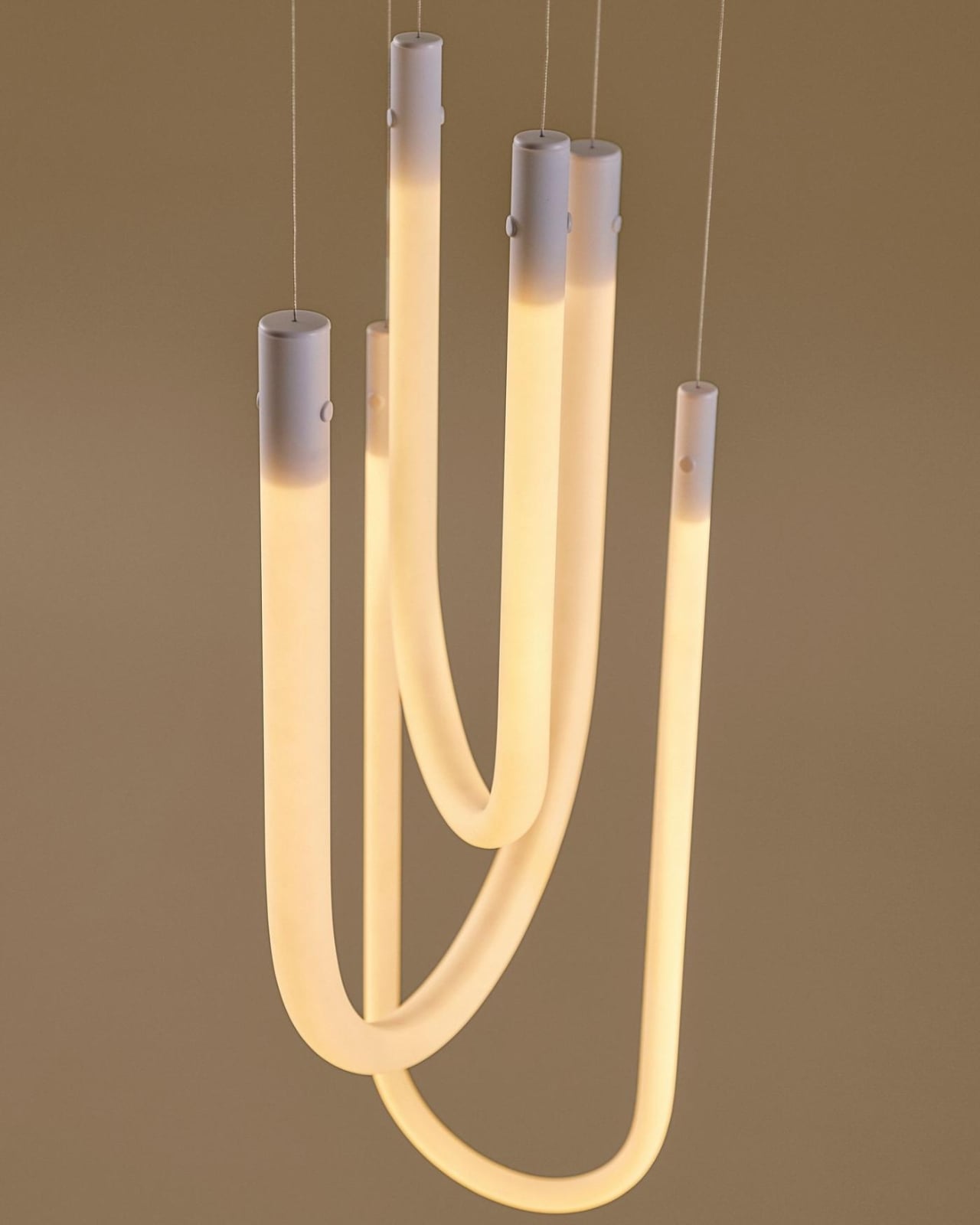
IKEA is also launching a VARMBLIXT smart pendant lamp which focuses mostly on how white light can move from cool daylight to the yellow glow that mimics candles when it gets darker. Its design is a cluster of curved tubes made from frosted white glass that creates a sculptural presence even when turned off. When illuminated, those frosted tubes transform into a magical piece of light engineering, casting a soft, diffused glow. You can also use it with the included remote or connect it to your smart home system. The pendant is priced at $149.99.

Both lamps will be available starting in April 2026, and they represent more than just a product upgrade. They’re part of IKEA’s ongoing collaboration with Sabine Marcelis, with another collection already planned for 2027. For collectors and design enthusiasts, this makes the VARMBLIXT pieces part of an evolving story worth following.

What I love most about these smart upgrades is that IKEA didn’t sacrifice the design integrity that made these lamps iconic in the first place. They’ve simply enhanced what was already working beautifully, adding functionality that feels intuitive rather than overwhelming. Whether you’re drawn to the playful personality of the donut lamp or the refined elegance of the pendant, both pieces prove that smart lighting can be sculptural, affordable, and genuinely beautiful.

The post IKEA’s Viral Donut Lamp Just Got a $100 Smart Upgrade first appeared on Yanko Design.
Roborock’s New Flagship Line Brings Sculpted Design to Smart Cleaning at CES 2026

The idea of a smart home has long been defined by individual devices, each designed to solve a single task in isolation. But modern homes no longer operate in clean lines. Multi-level layouts, pets, kids, and yards that stretch from kitchen tile to sloped grass create environments where a single device rarely finishes the job. At CES 2026, Roborock is using that complexity as a design brief, especially for households across North America where scale and texture demand more than one kind of intelligence.

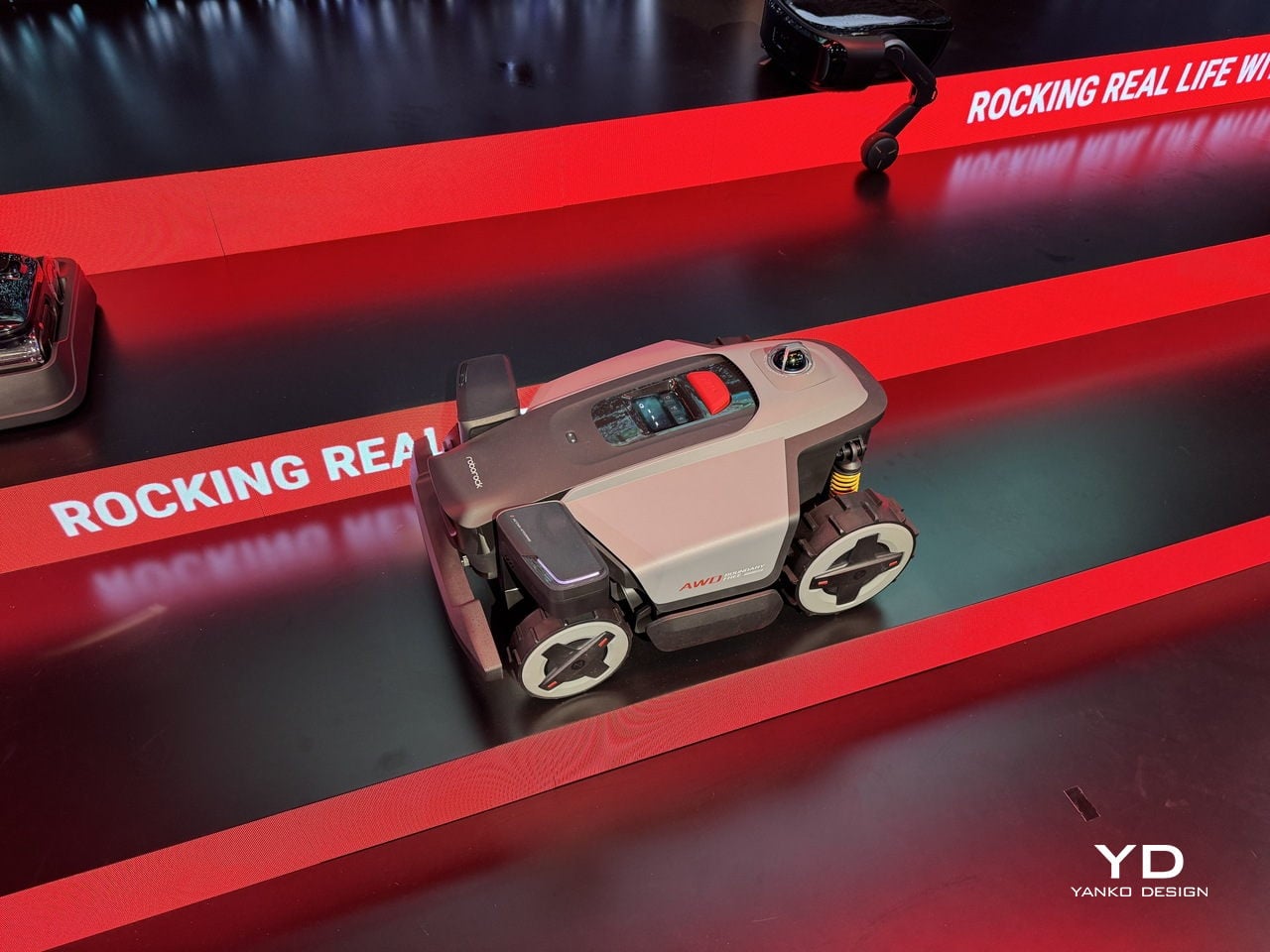
Roborock’s “The Greatest Meeting the Greatest” theme frames this as a meeting between world-class engineering and the realities of everyday living. This year’s lineup is less about one hero product and more about a family of specialists, from a flagship robot that can see and adapt in three dimensions, to a one-pass floor-care robot, a foam-based floor washer, and an AWD mower that treats the yard as part of the home.

Designer: Roborock

Click here to know more.

Greatness in Intelligence

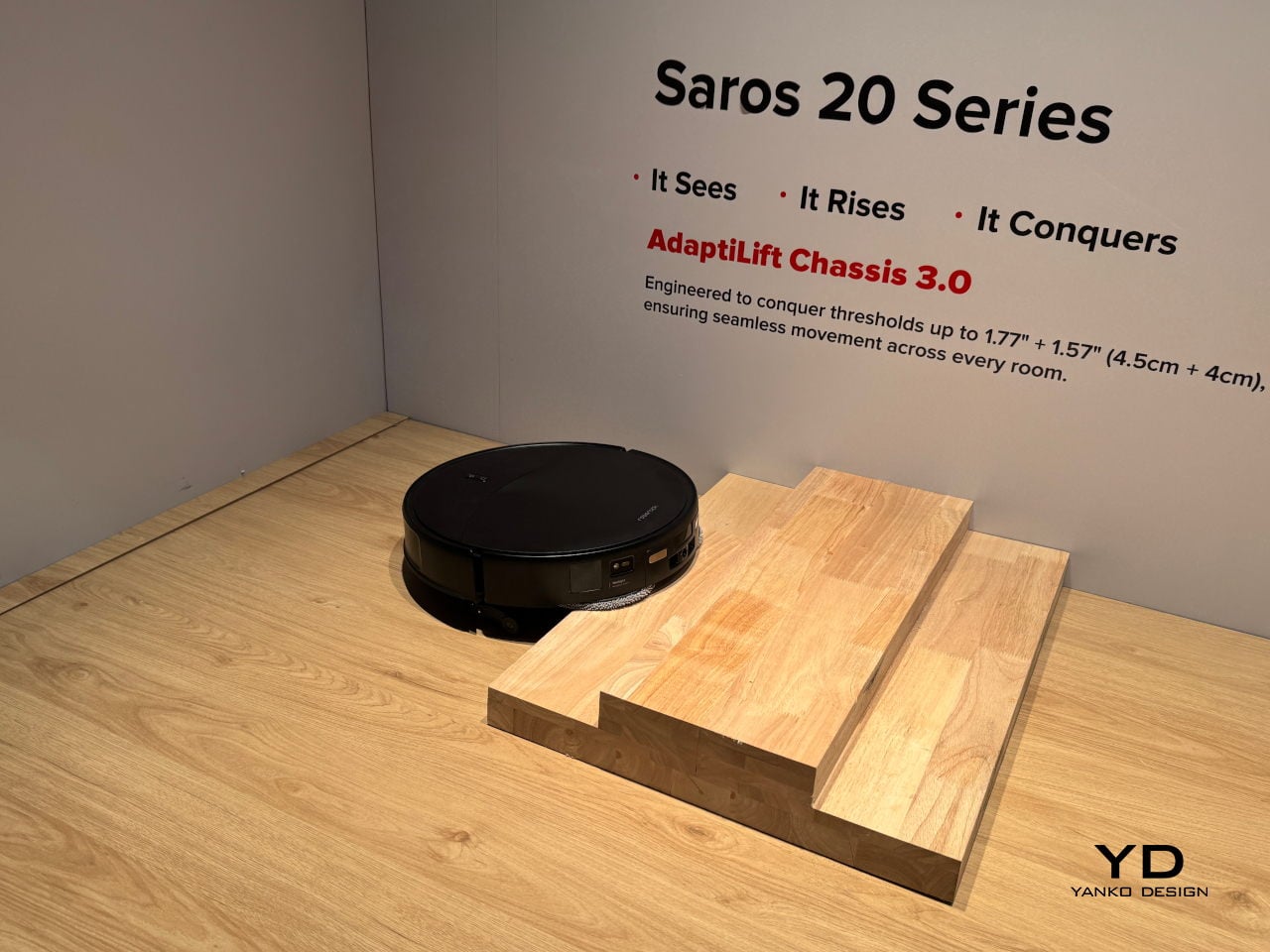
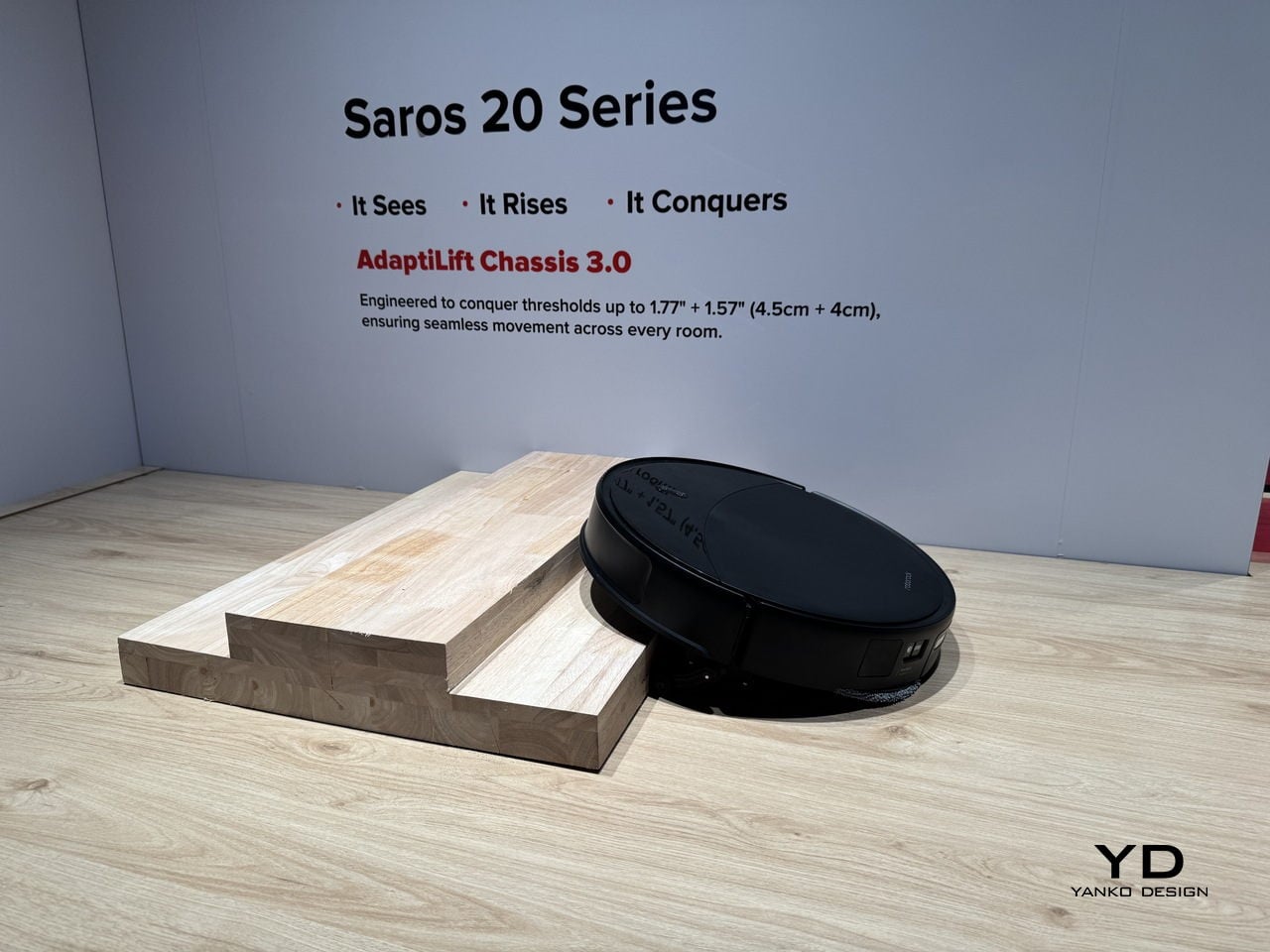
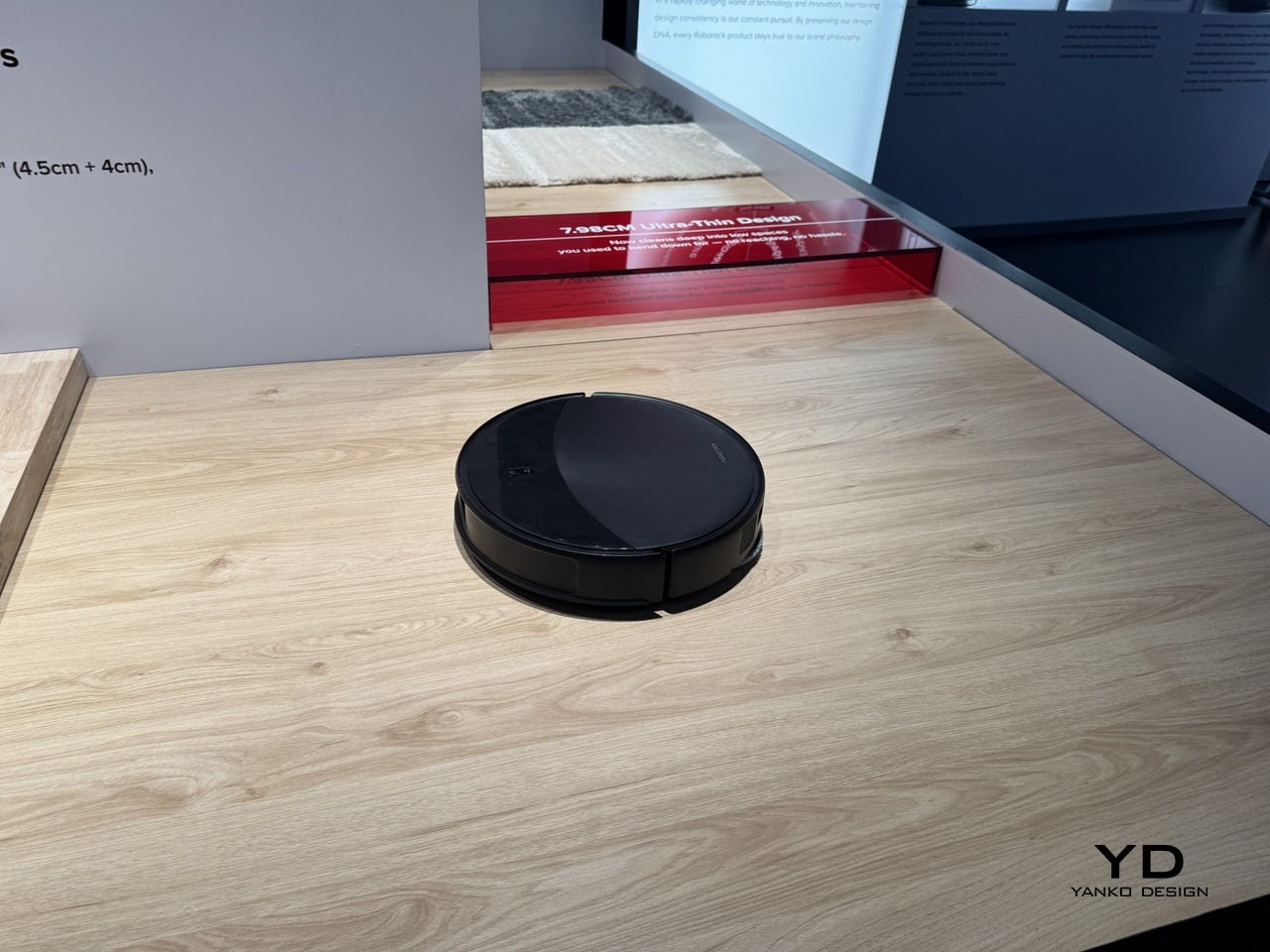
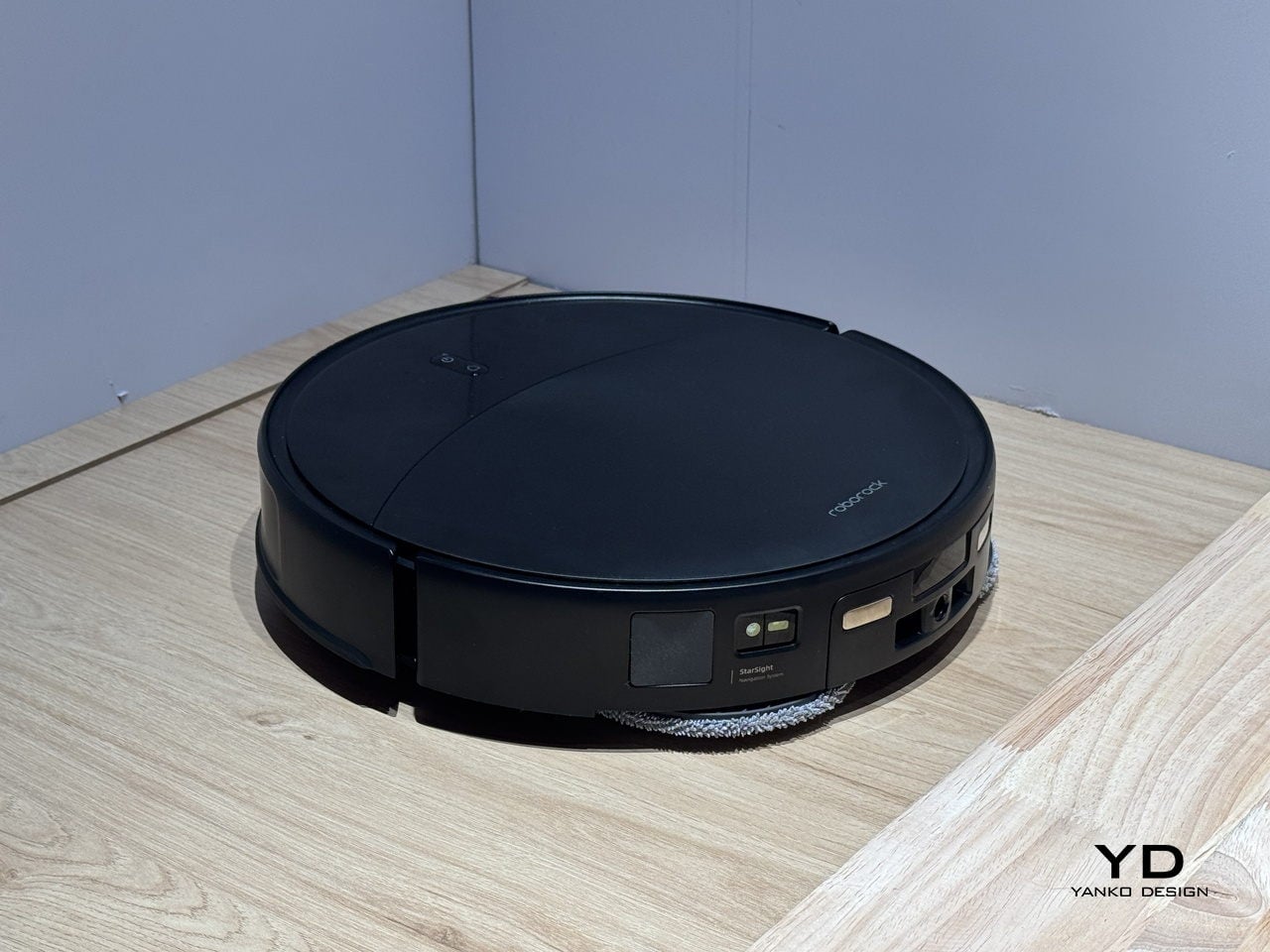
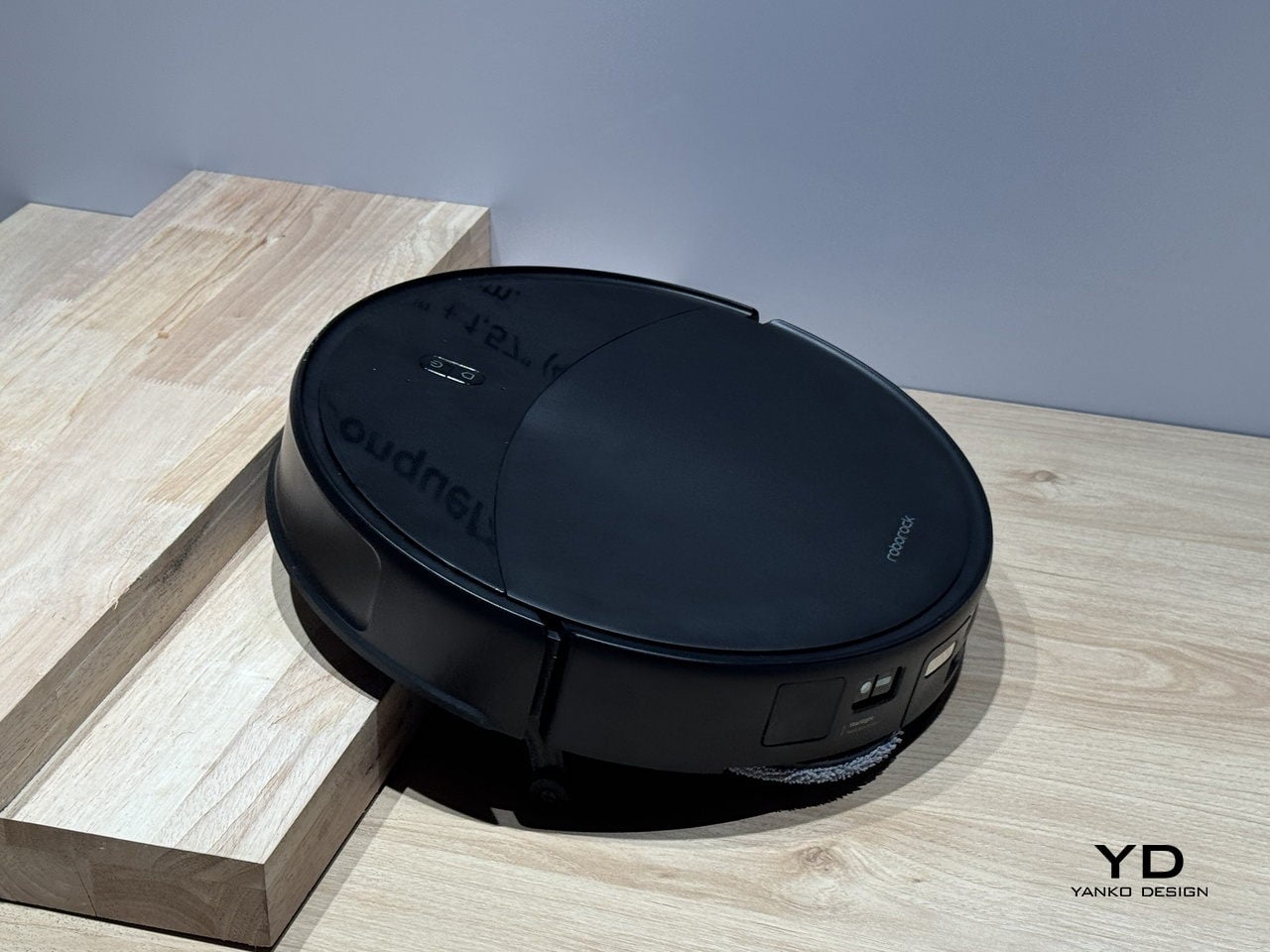
Intelligence in a home context means mastering complexity without constant supervision. The Saros 20, the brand’s flagship product for 2026, introduces StarSight Autonomous System 2.0, with dual-transmitter 3D time-of-flight LiDAR and 21,600 sensor points. This innovation allows the Saros 20 to map spaces, recognize over 200 obstacle types, and distinguish cables from socks or pet bowls, making it even smarter than the previous-gen Saros 10R flagship. At 7.98 cm tall, it slides under low furniture while understanding the space in three dimensions, which matters in homes with layered messes and tight clearances.

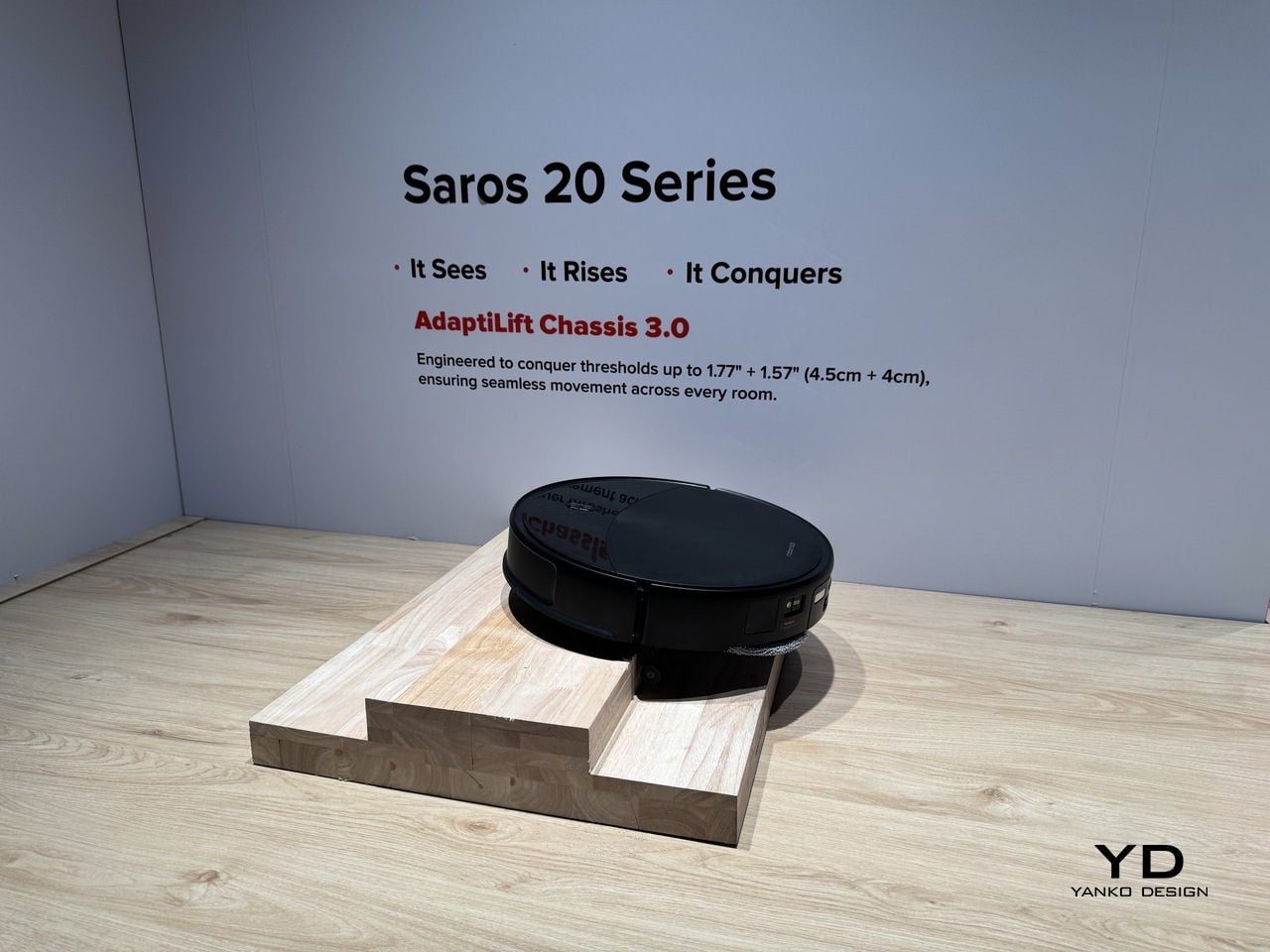
AdaptiLift Chassis 3.0 is the mechanical side of that intelligence, lifting and adjusting three wheels independently to cross double-layer thresholds up to 8.5 cm tall, climb onto carpets as thick as 3 cm, and free itself when stuck. Layouts where balcony lips, thick rugs, and split-level transitions trap lesser robots become manageable terrain. Saros 20 learns the best way to cross each threshold and remembers it, treating obstacles as solvable puzzles rather than dead ends.

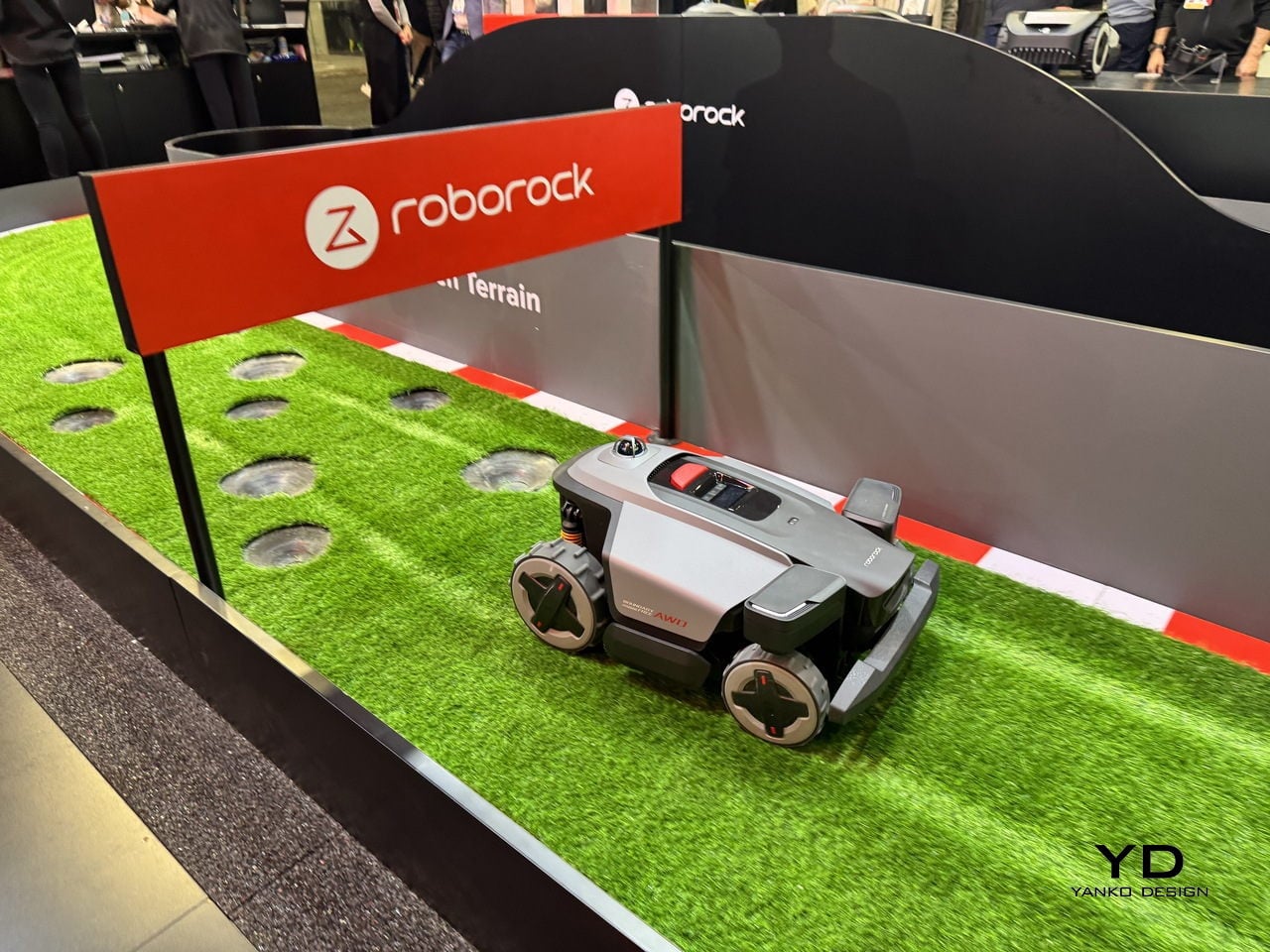
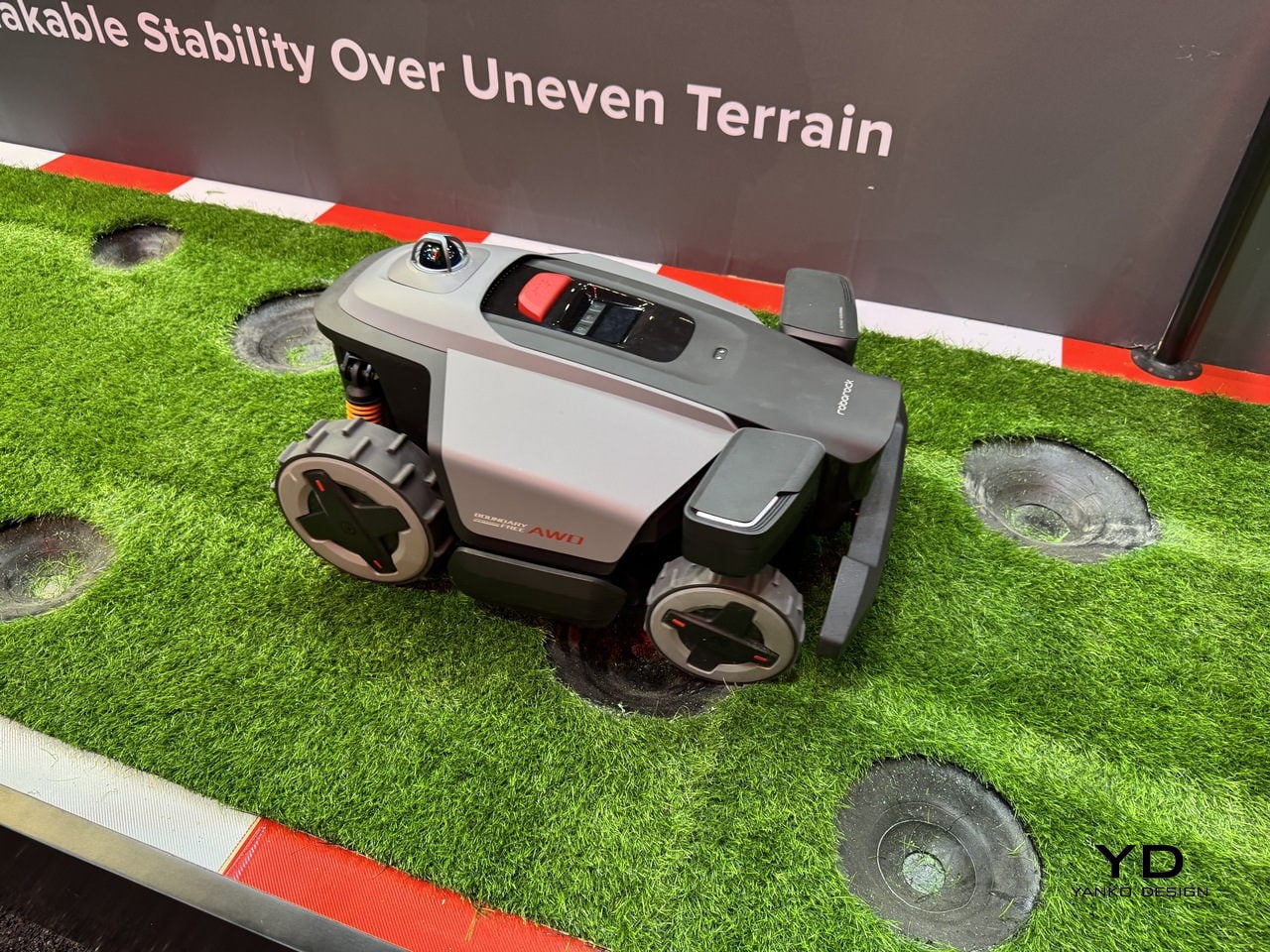
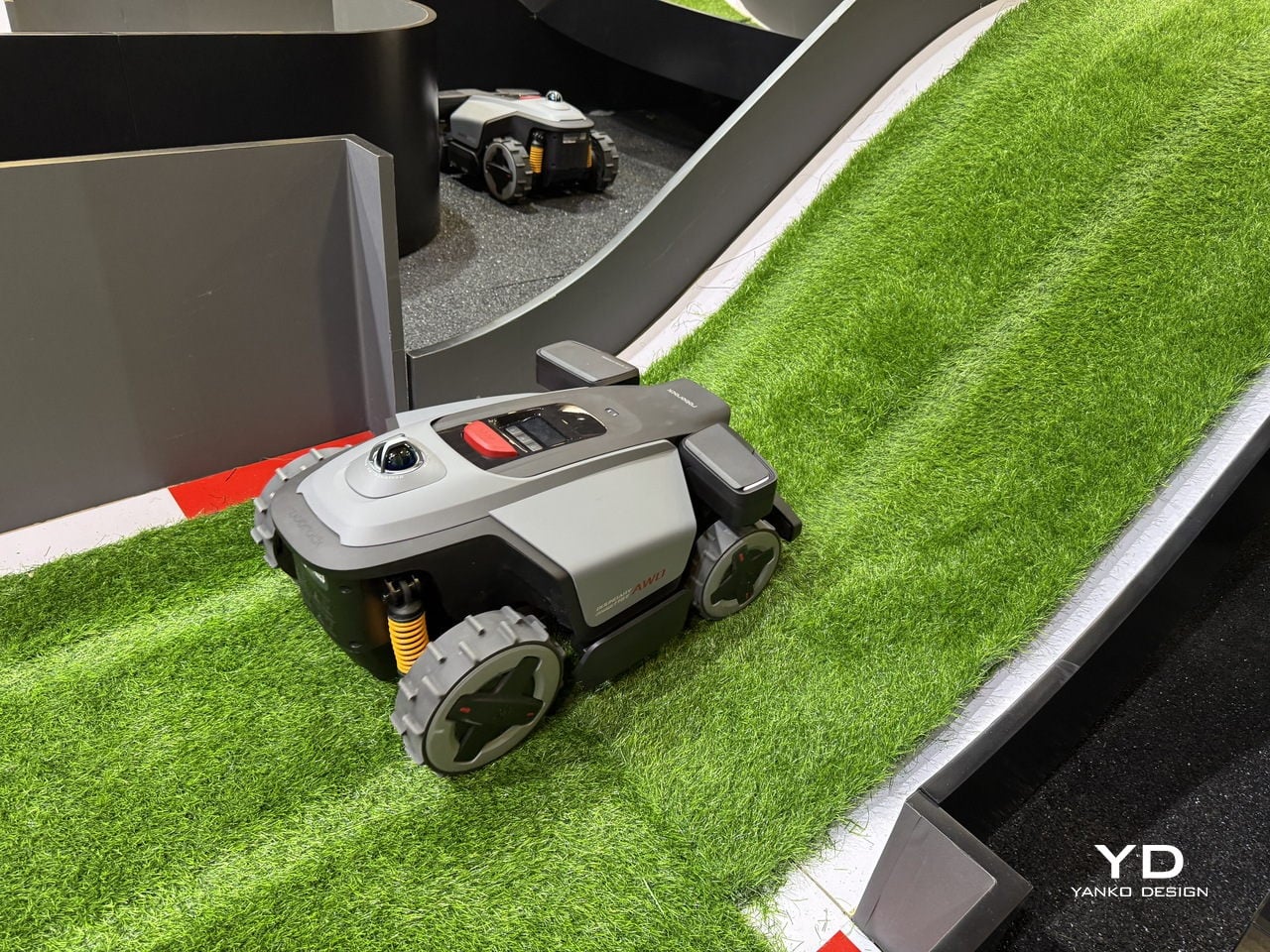
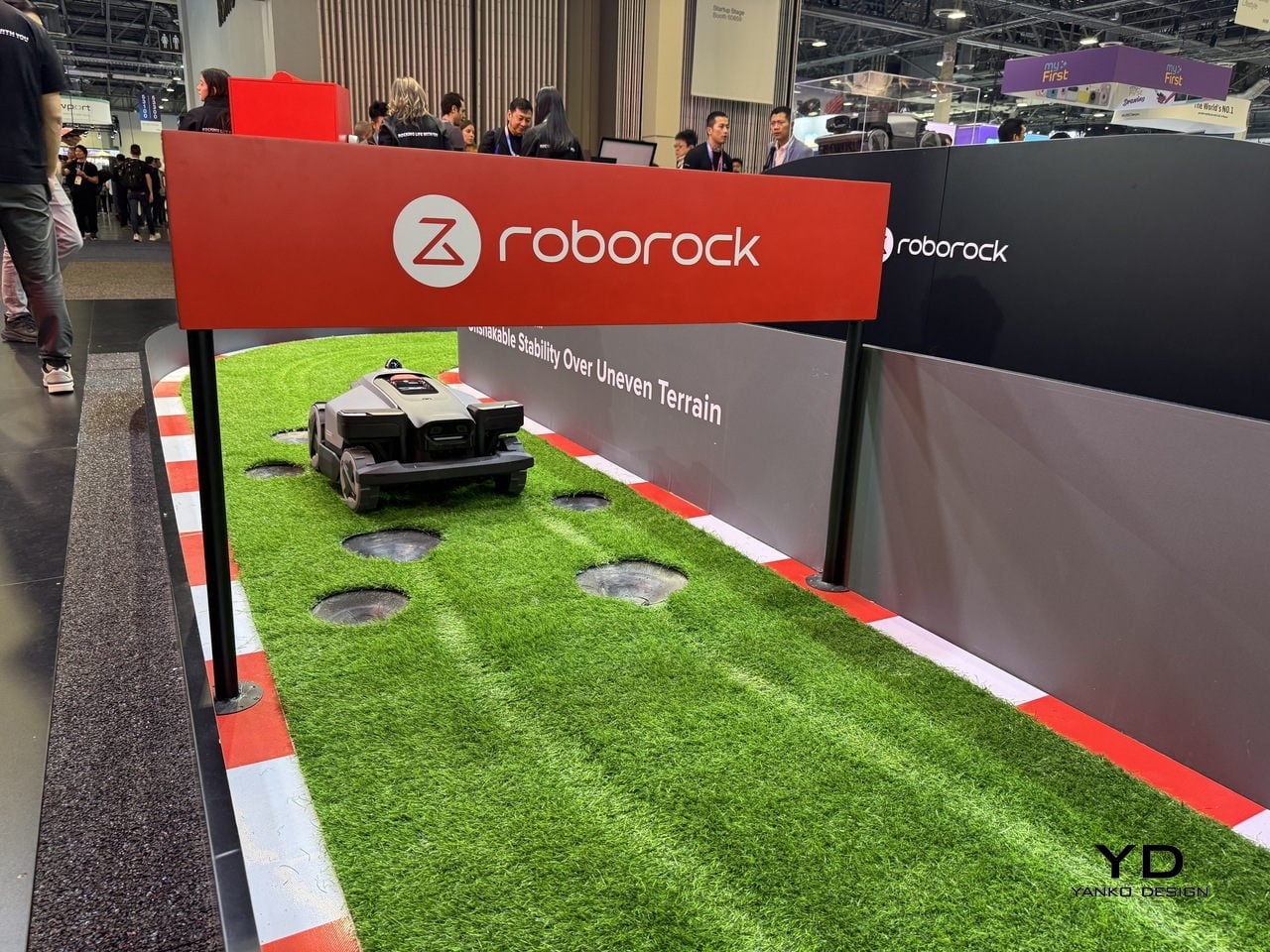
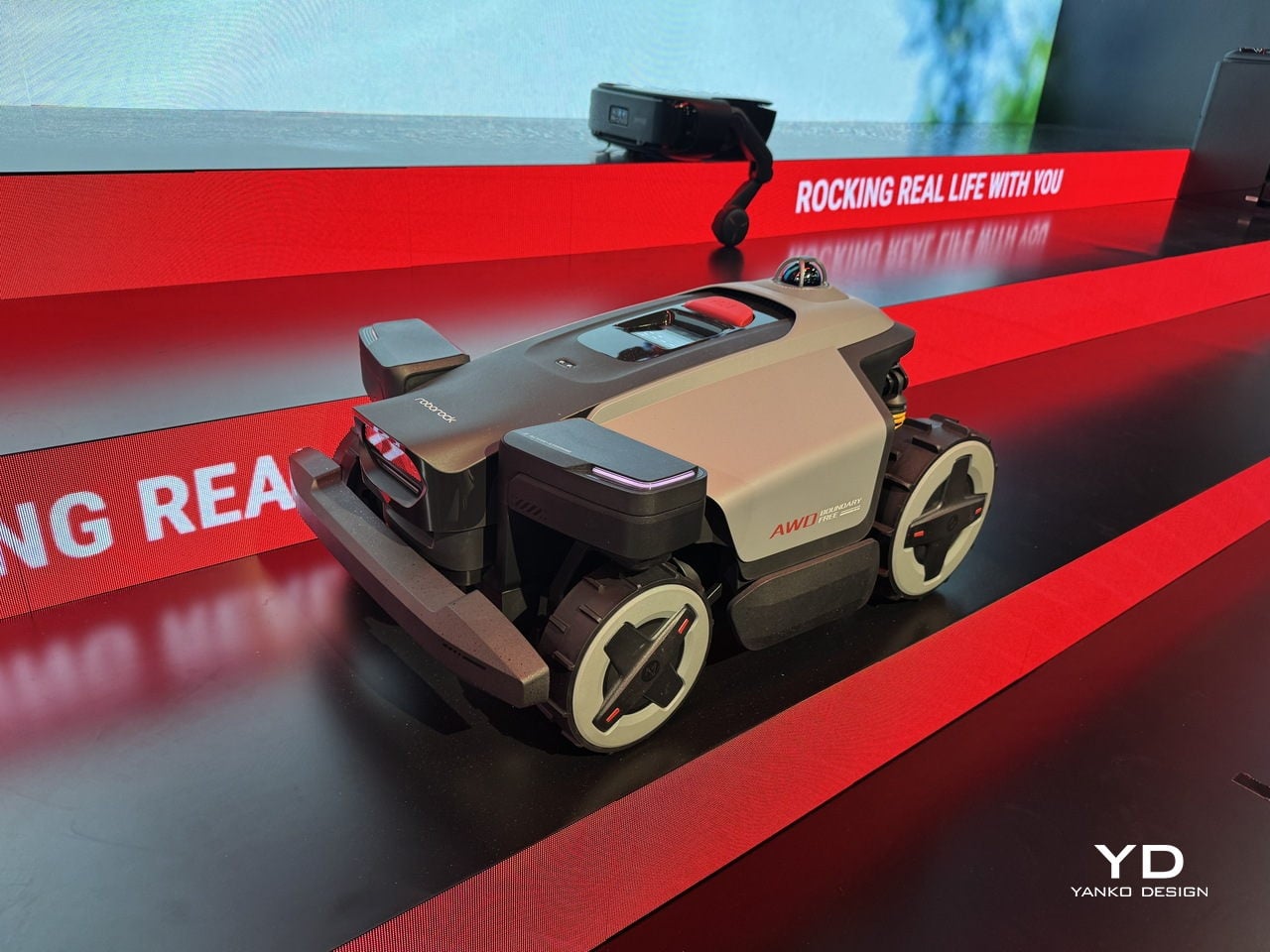
That philosophy extends outdoors with RockMow X1 LiDAR, Roborock’s first-ever lawnmower for the US market, using 360-degree mechanical LiDAR and dual-camera fusion to map properties up to two acres with trees, slopes, and visually sparse patches. Centimeter-level accuracy and AWD traction let it handle uneven terrain and stay oriented in yards where GPS or boundary wires struggle. It understands a yard the way Saros 20 understands a living room, identifying obstacles and terrain changes autonomously.

Greatness in Performance

Performance shows up as power that delivers consistent results when the mess is layered or the surface changes mid-run. Saros 20’s 35,000 Pa HyperForce motor and dual anti-tangle system, the DuoDivide main brush and FlexiArm Arc side brush, pick up hair and debris without wrapping. Dual spinning mops with up to 13 N downward pressure handle dried stains, managing pet hair in thick carpets, kitchen crumbs, and seasonal grit.

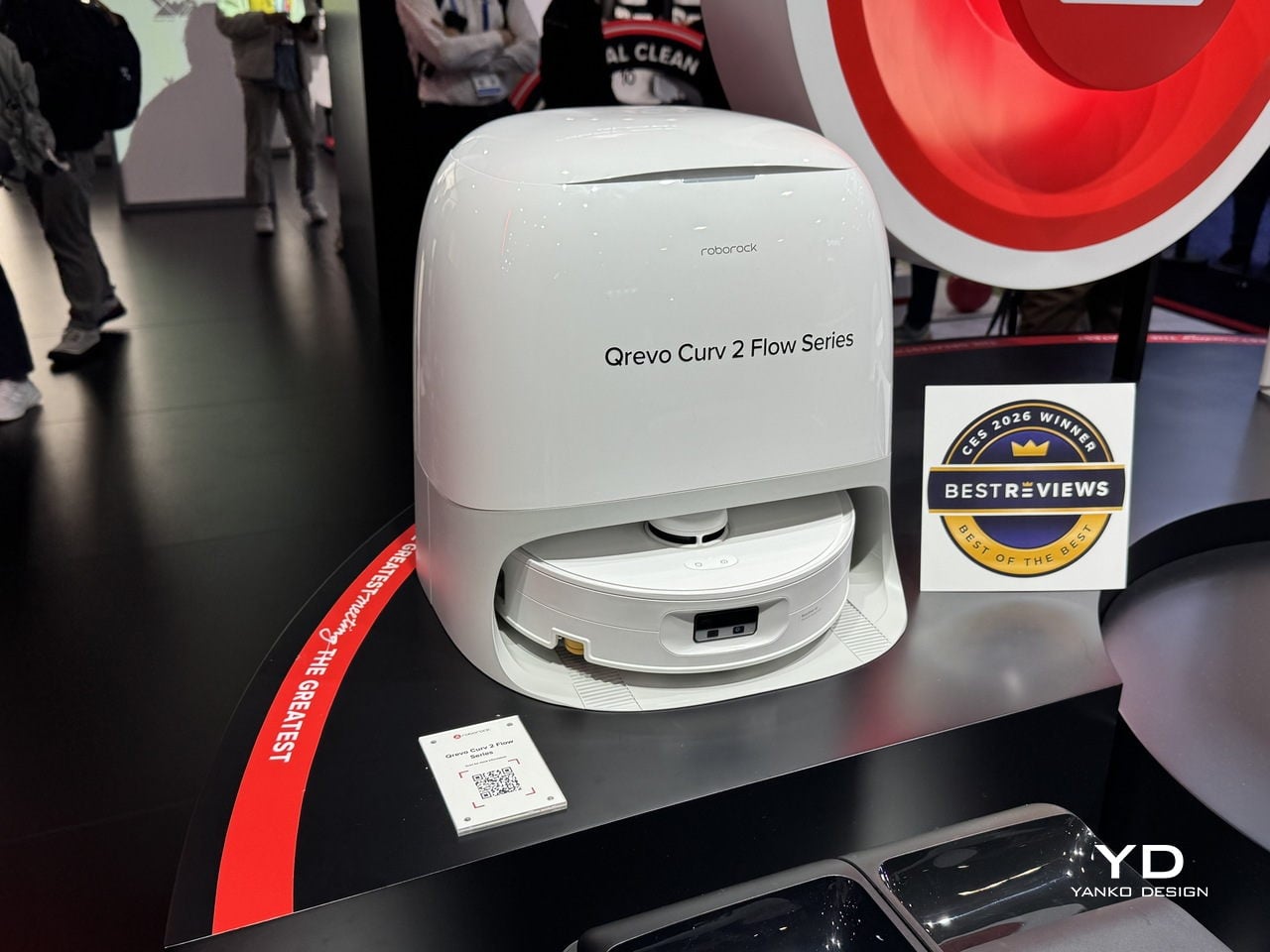
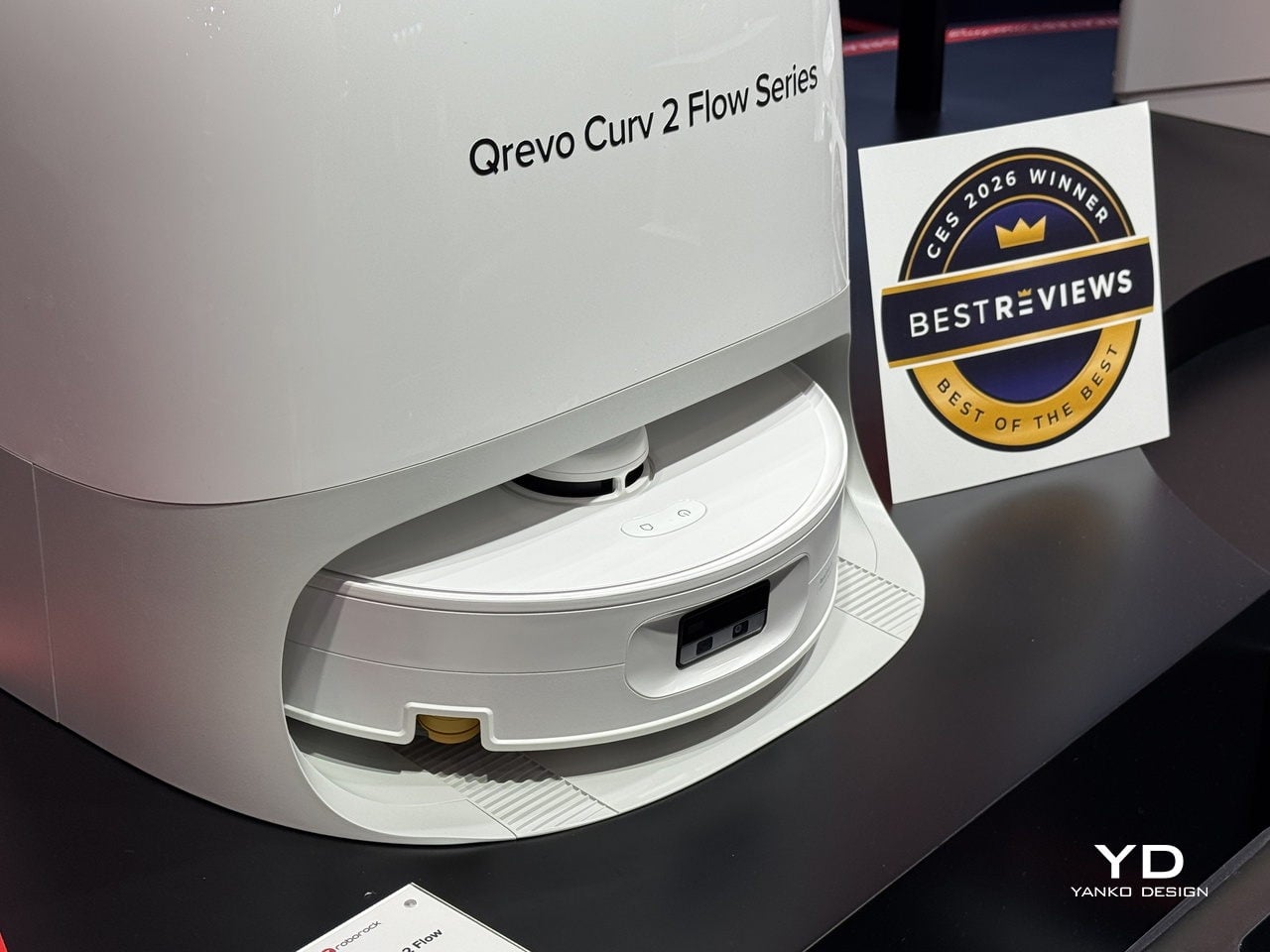
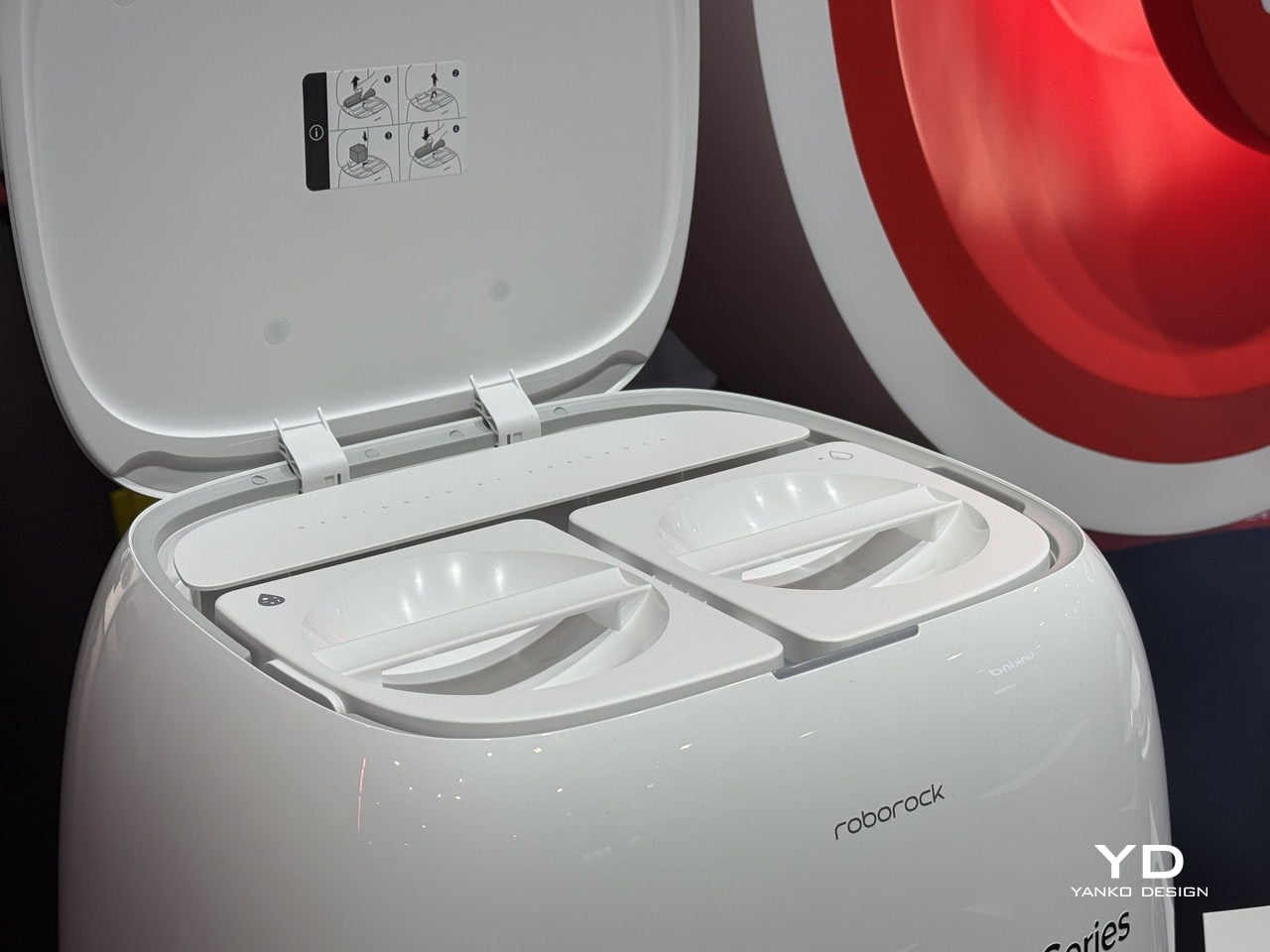
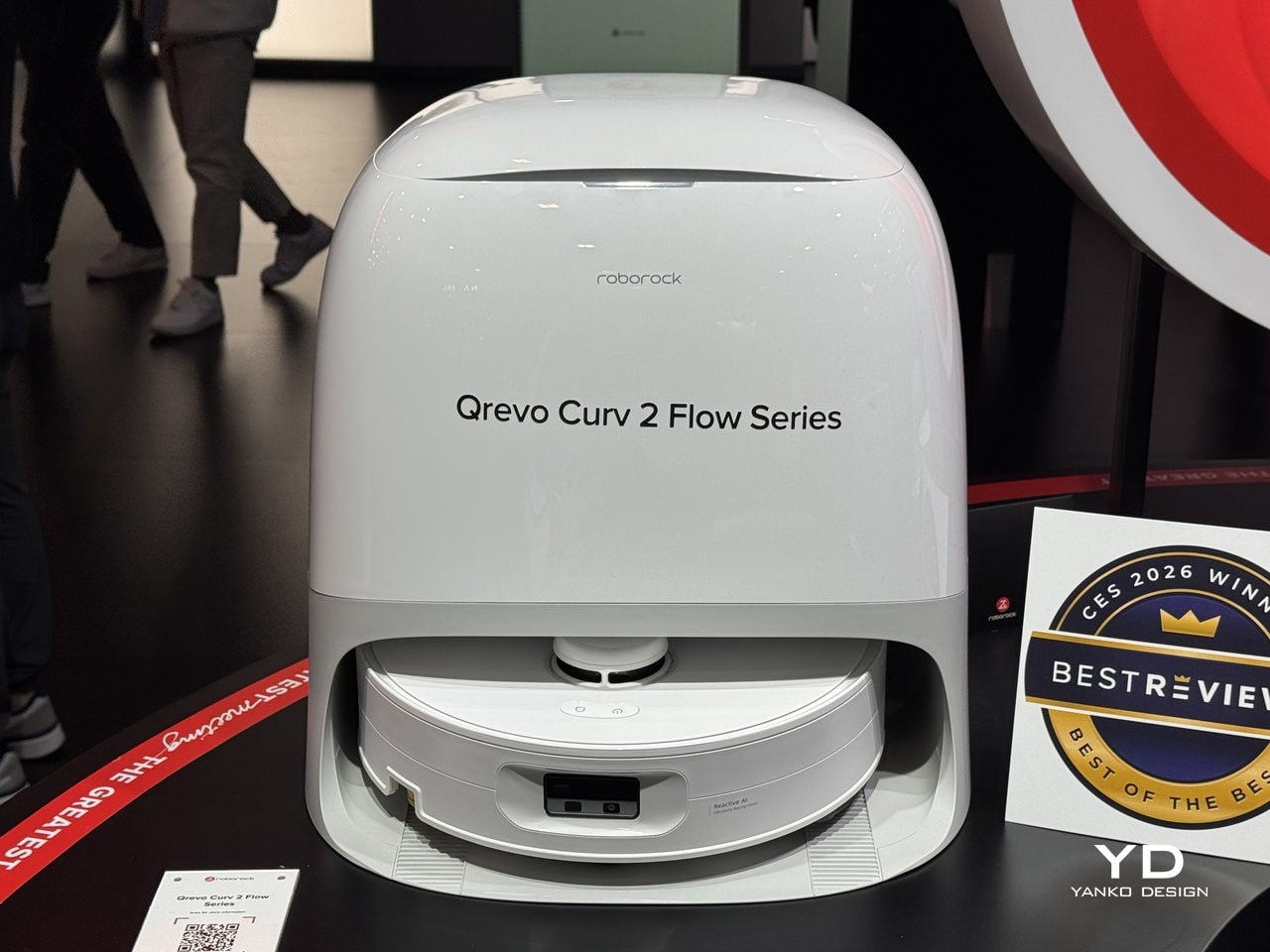
Qrevo Curv 2 Flow is positioned as a one-pass floor-care specialist. Its 270 mm extra-wide roller, 15 N downward pressure, and 220 RPM scrubbing cover more ground in a single sweep. The Roller Shield lifts and covers the mop before carpets, preventing damp spots, while the Edge-Adaptive roller mop gets within 10 mm of baseboards and furniture legs, handling mixed flooring without constant re-passes or wet carpets.

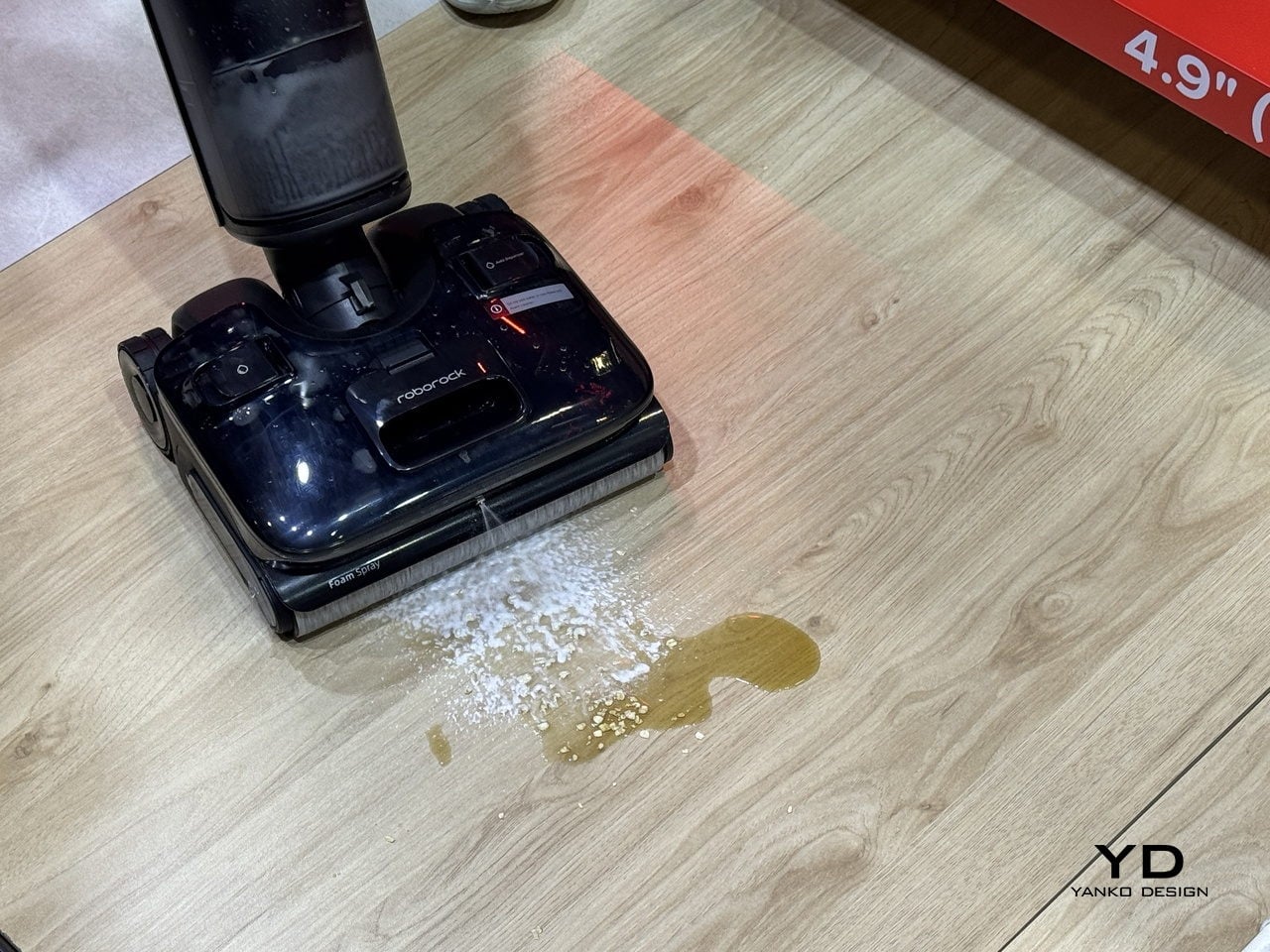
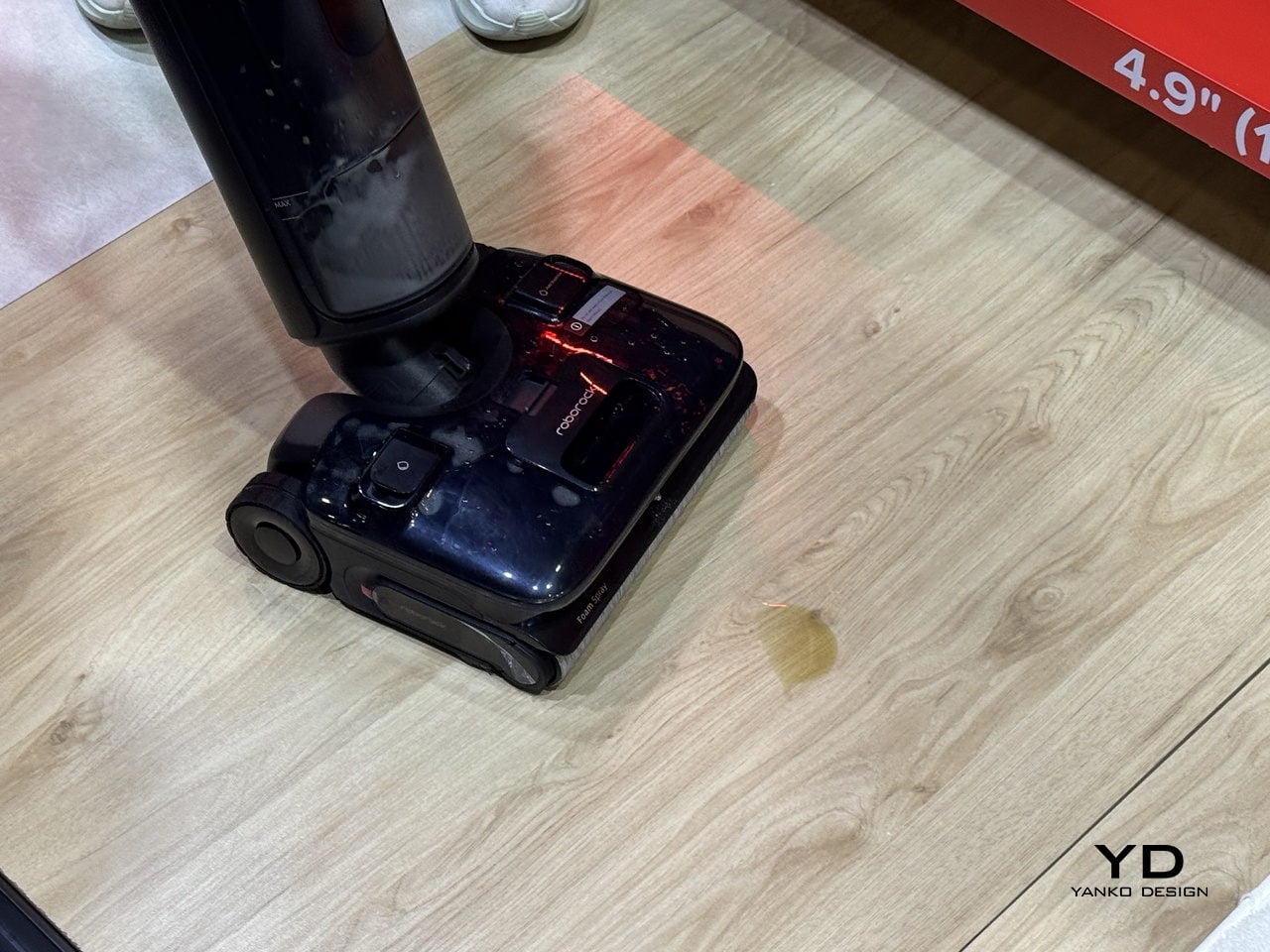
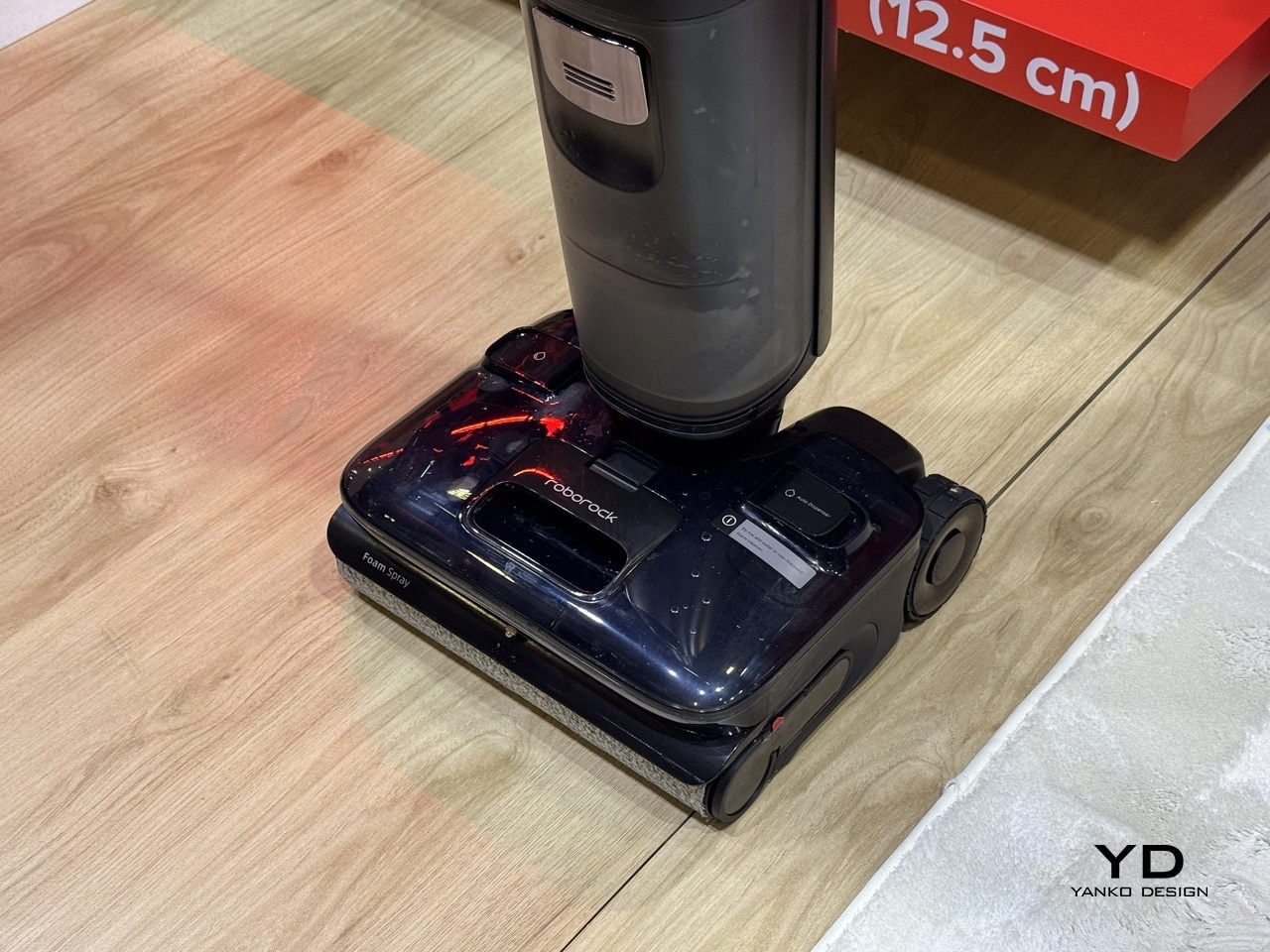
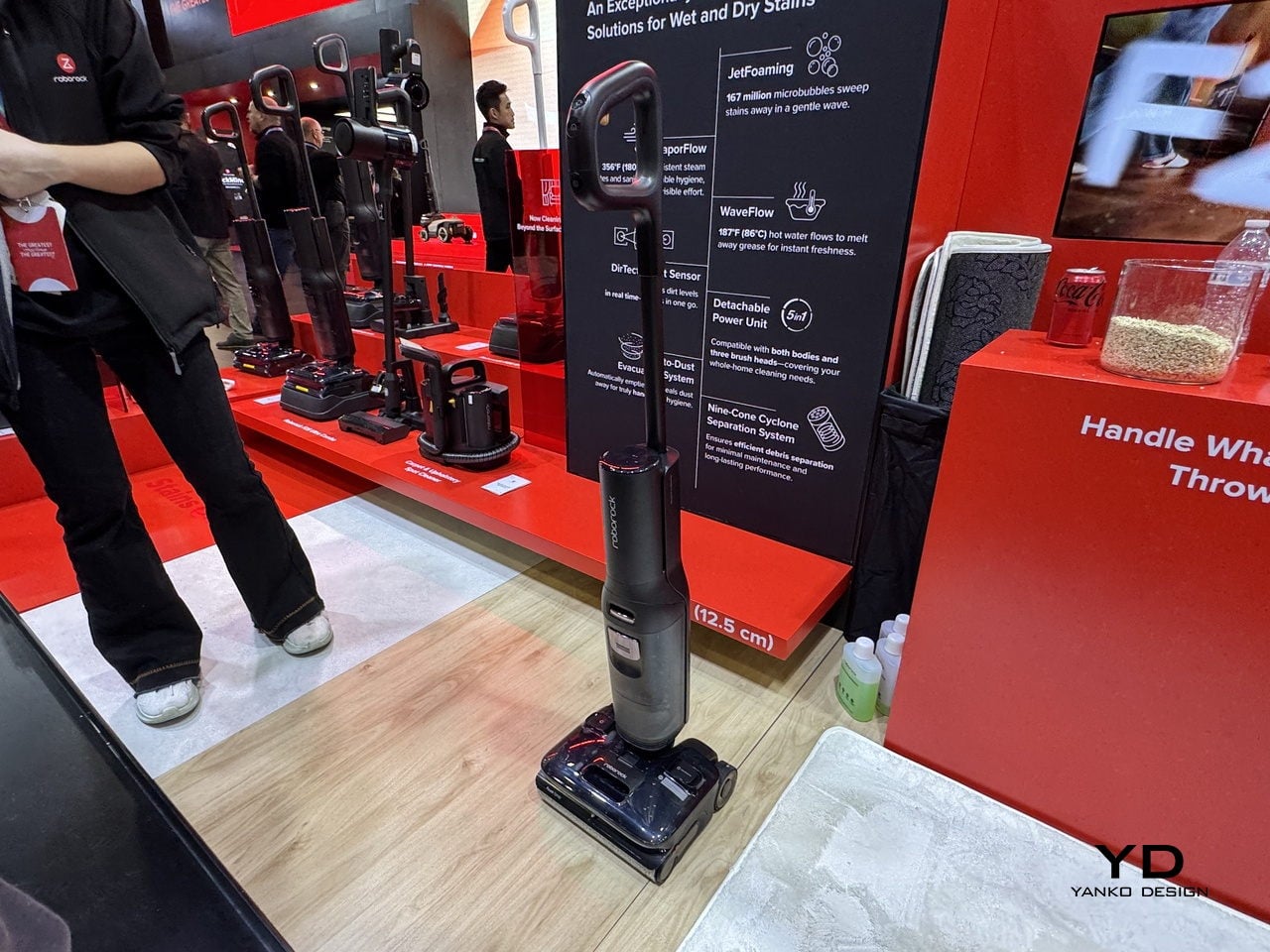
F25 Ace Pro brings foam chemistry to wet-dry cleaning. JetFoaming technology turns 1 ml of Foam Cleaning Solution into 167 million microbubbles that cling to grease and dried spills, softening and encapsulating them before 25,000 Pa suction, 30 N pressure, and 430 RPM scrubbing lift them away. This is designed for kitchens with oil splatter, entryways with mud, and pet zones where layered messes need more than just water.

Greatness in Design & Everyday Living

Fitting into daily life means handling hygiene and maintenance without becoming another source of work. Qrevo Curv 2 Flow’s self-cleaning dock separates clean and dirty water, washes the roller at 75 °C, and dries it with warm air. The dock handles sticky spills and pet zones without turning into another thing that needs scrubbing every weekend, keeping the system fresh and ready without manual intervention.

F25 Ace Pro’s ergonomics focus on the moments when you are holding the device. FlatReach 2.0 lets it lie flat at 180 degrees to reach under furniture at 12.5 cm height, while SlideTech 2.0 uses AI-powered wheels to sense push and pull strength and assist movement, making it feel lighter and more responsive. The 0 mm edge cleaning on three sides and 95 °C self-washing and drying keep the roller fresh.

Saros 20’s RockDock and app ecosystem extend that design philosophy. The dock uses 100 °C hot water to wash mops, bi-directional scrubbing and soaking modes, heated air drying, and auto mop removal before carpets. The Roborock app’s SmartPlan 3.0 learns room types and habits, while pet-friendly intelligence, built-in “Hello Rocky” voice control, and Matter support help the system blend into routines rather than adding another app to babysit.

Greatness Beyond the Room

RockMow X1 LiDAR handles the seasonal realities of yard maintenance. AWD traction and 8 cm obstacle clearance manage wet spring grass, summer growth, and autumn leaves, with a 24 cm cutting width and 40-90 mm cutting range tuned for common lawn types. It is built for properties with trees, slopes, and visually sparse patches where GPS alone would struggle, using LiDAR and cameras to stay oriented across terrain that changes throughout the year.

RockMow represents a broader shift from room-by-room cleaning to full-property autonomy. While Saros 20 and Qrevo Curv 2 Flow handle floors and carpets, and F25 Ace Pro tackles kitchens and hard floors, RockMow extends that philosophy to the yard. The result is a set of tools that treat the home as a continuous environment, indoors and out, rather than a collection of disconnected chores that each require their own app, setup, and maintenance schedule.

Roborock’s CES 2026 lineup feels less like a handful of new gadgets and more like a coordinated attempt to match the scale and texture of modern living. Intelligence, performance, and design show up differently in a kitchen, a living room, and a sloped backyard, but the throughline is the same across North America and beyond: systems that adapt to the mess, the layout, and the people, instead of asking households to adapt to them.

Click here to know more.

The post Roborock’s New Flagship Line Brings Sculpted Design to Smart Cleaning at CES 2026 first appeared on Yanko Design.
Mudita Minimalist Phone and Alarm Clocks Design a Calmer Day at CES 2026

The day often begins and ends with a smartphone, from checking notifications before getting out of bed to scrolling in the dark when you should be asleep. Even people who care about design and well-being end up with glowing rectangles on every surface, and that constant presence quietly shapes attention, sleep, and mood more than most of us like to admit. The usual fix is another app that promises to help you use your phone less, which is like asking the problem to solve itself.

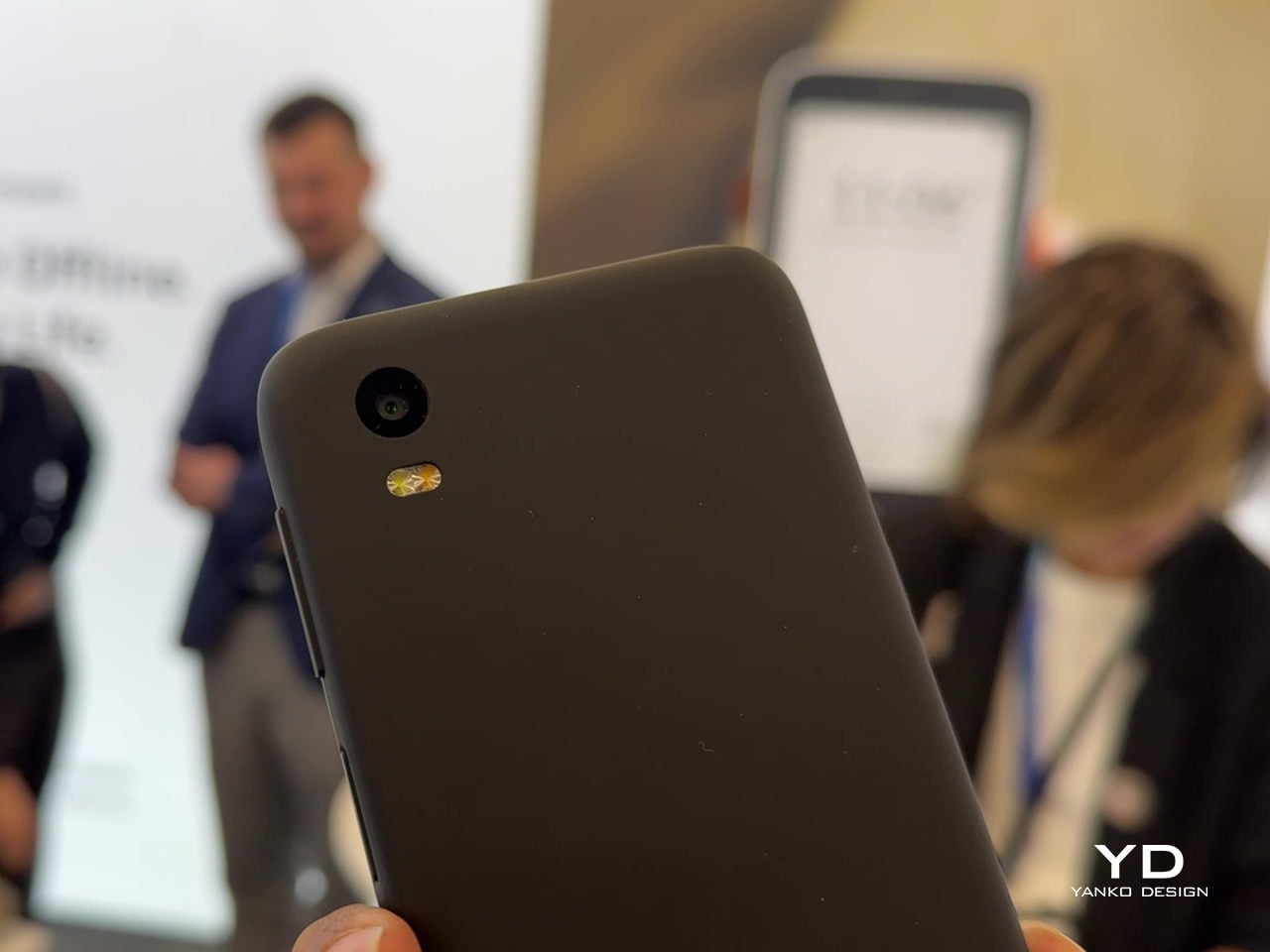
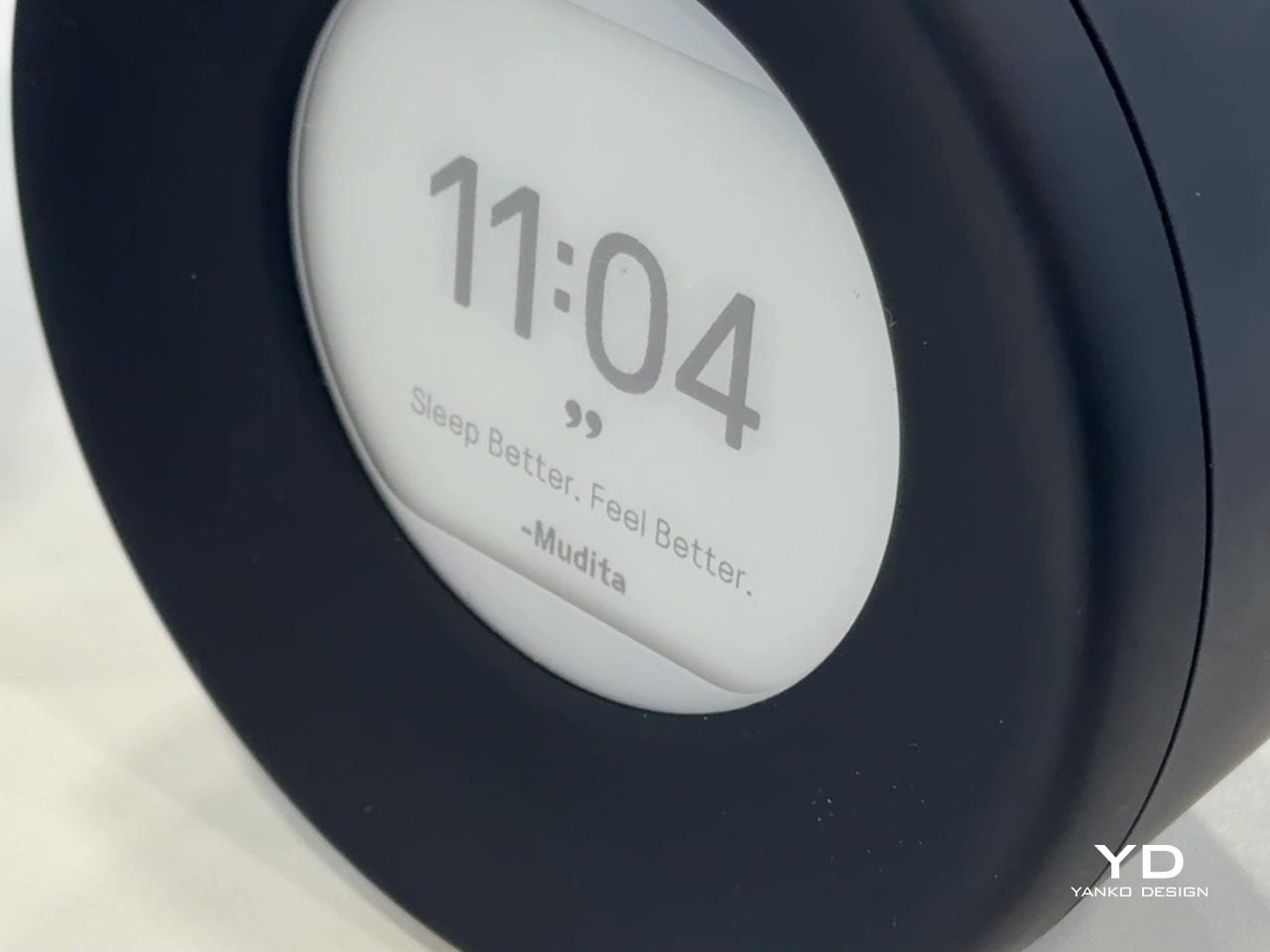
Mudita has been quietly building devices meant to step in where traditional smartphones can cause the most trouble. At CES 2026, that takes the form of three products: Mudita Kompakt, a minimalist E Ink phone, Mudita Harmony 2, a mindful alarm clock with an E Ink display, and Mudita Bell 2, an analog-style alarm clock with a few carefully chosen digital tricks. Together, they sketch out a different way to move through a day, keeping connections and routines intact while pushing screens out of the moments where you may choose to be “disconnected.”

Designer: Mudita

Mudita Kompakt: A Phone That Does Less on Purpose

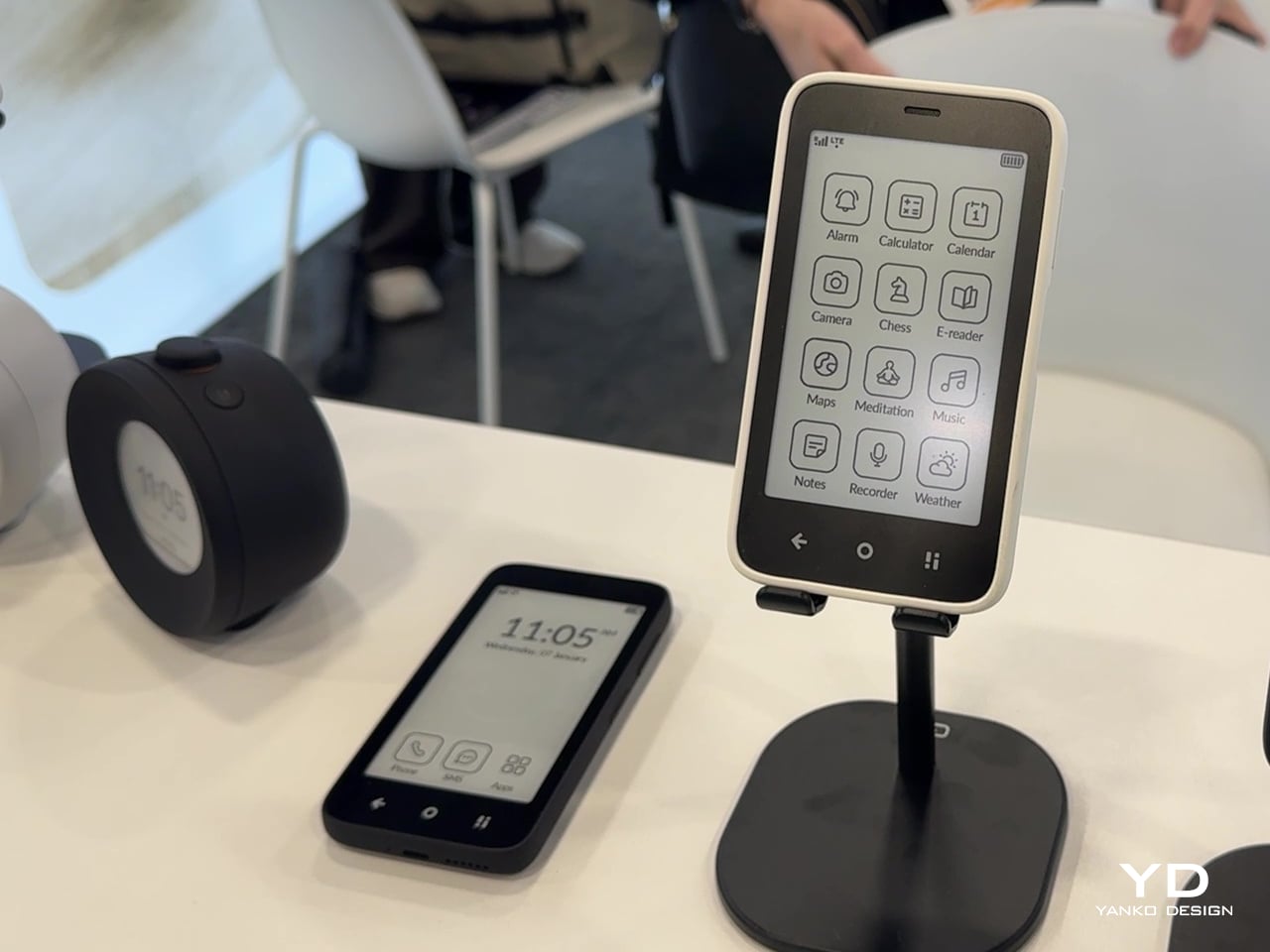
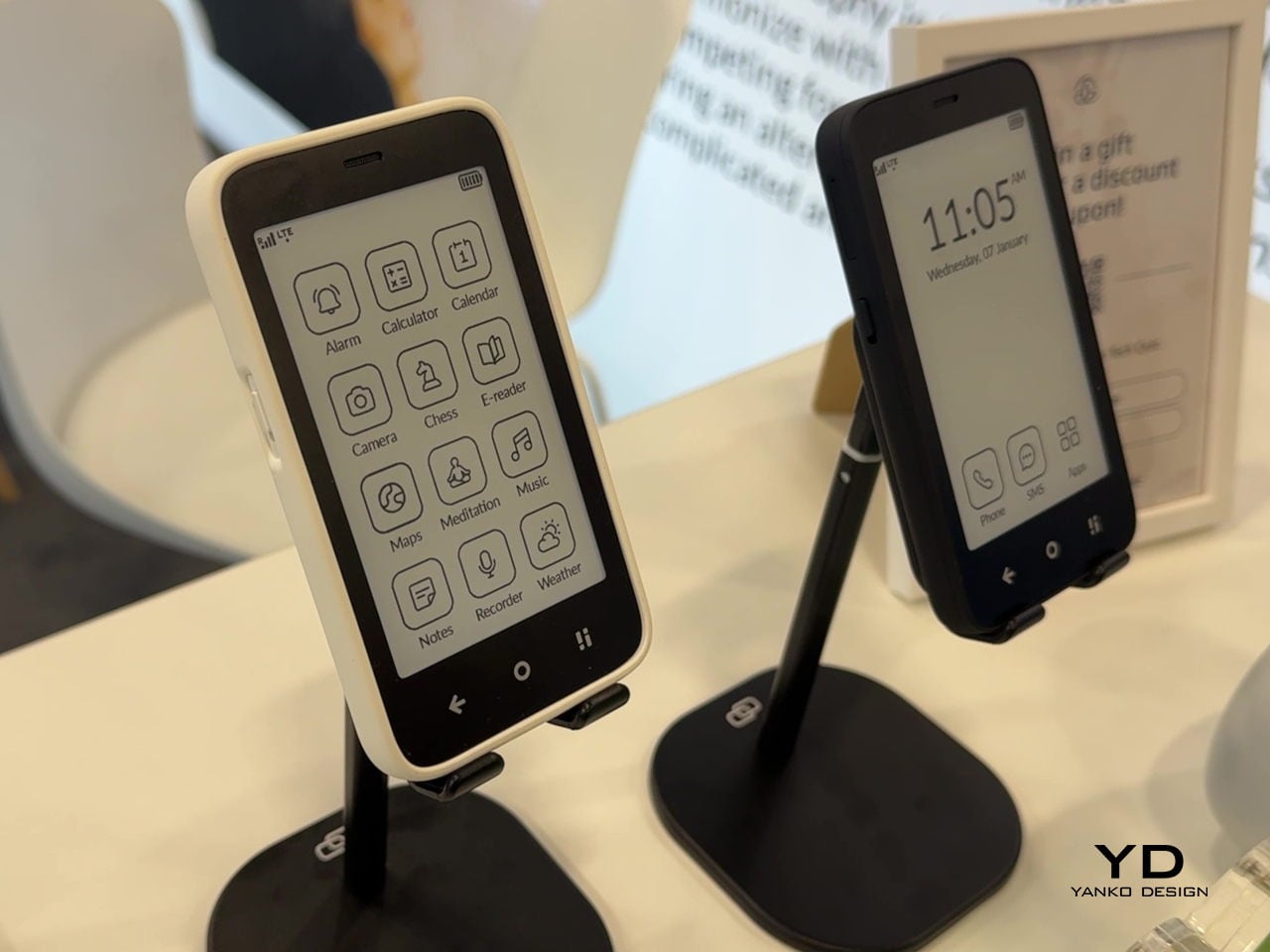
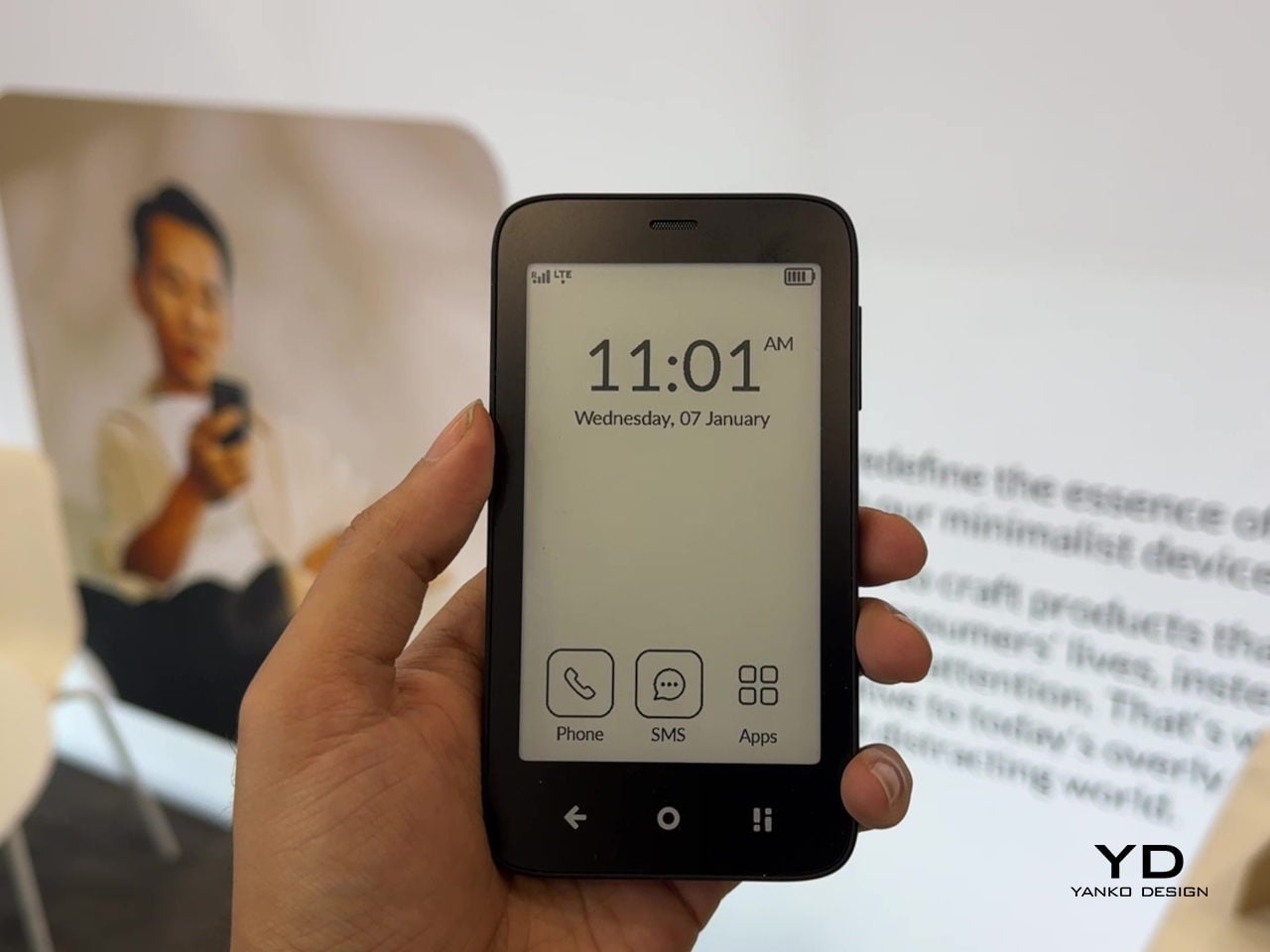
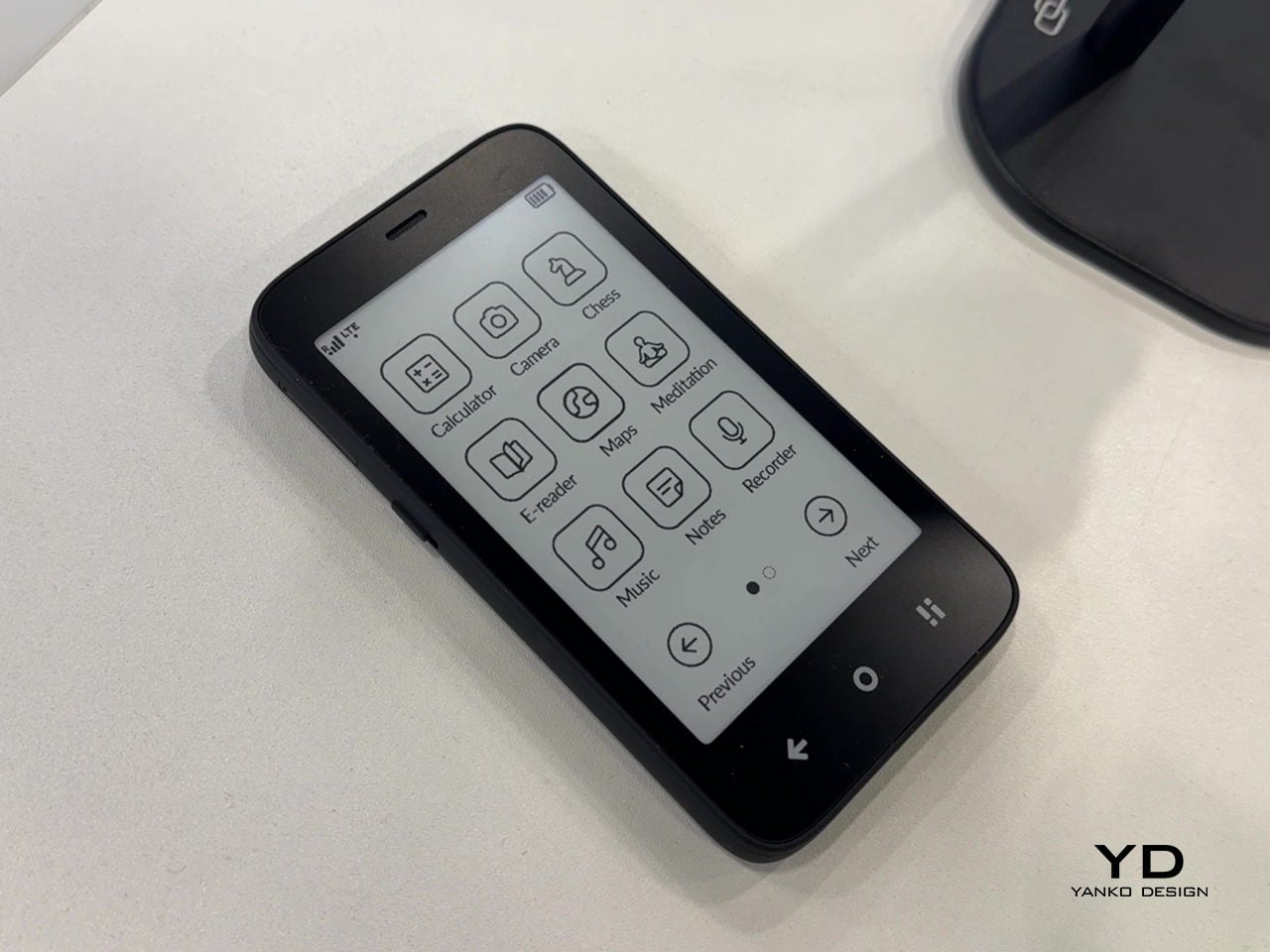
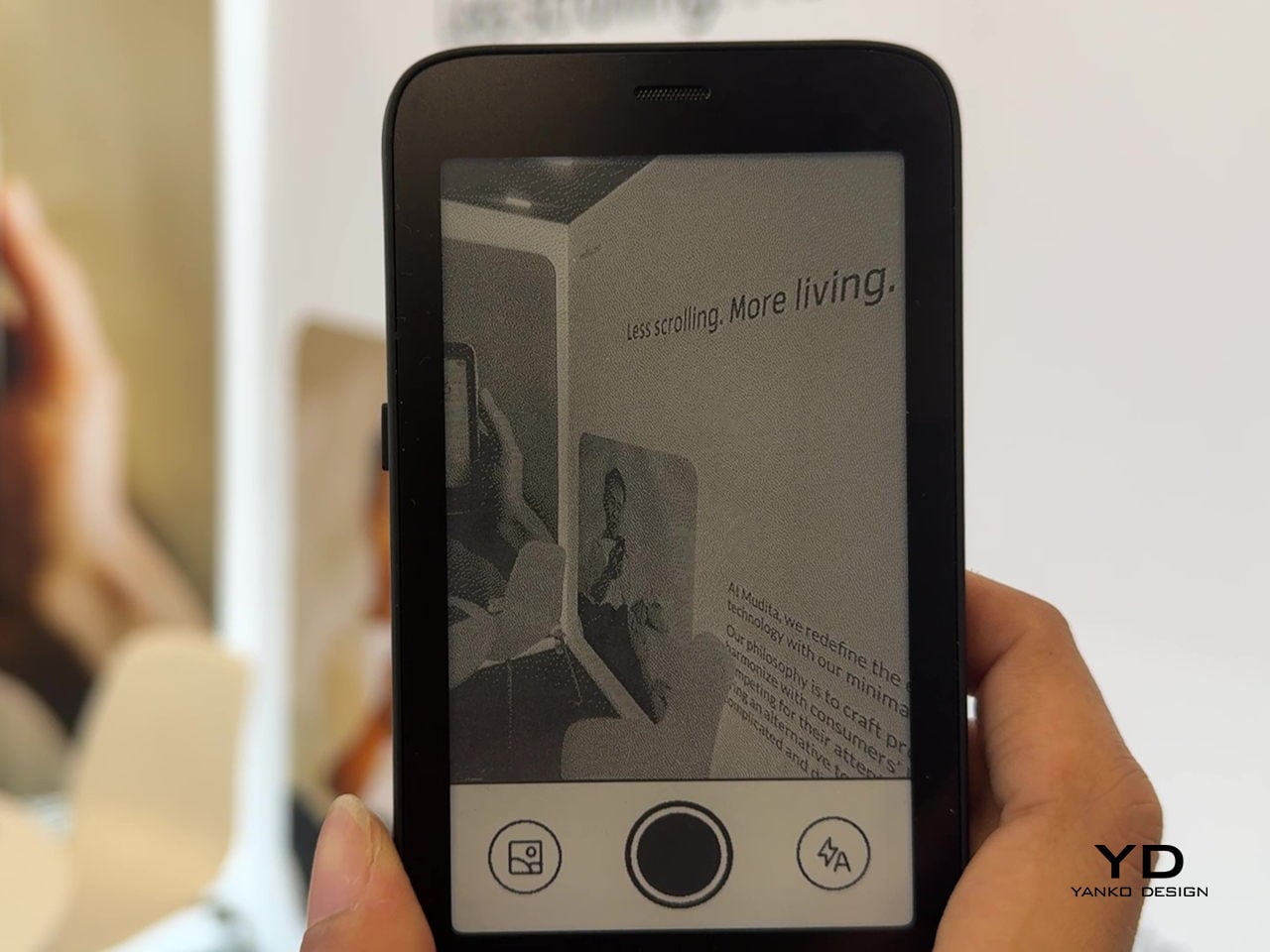
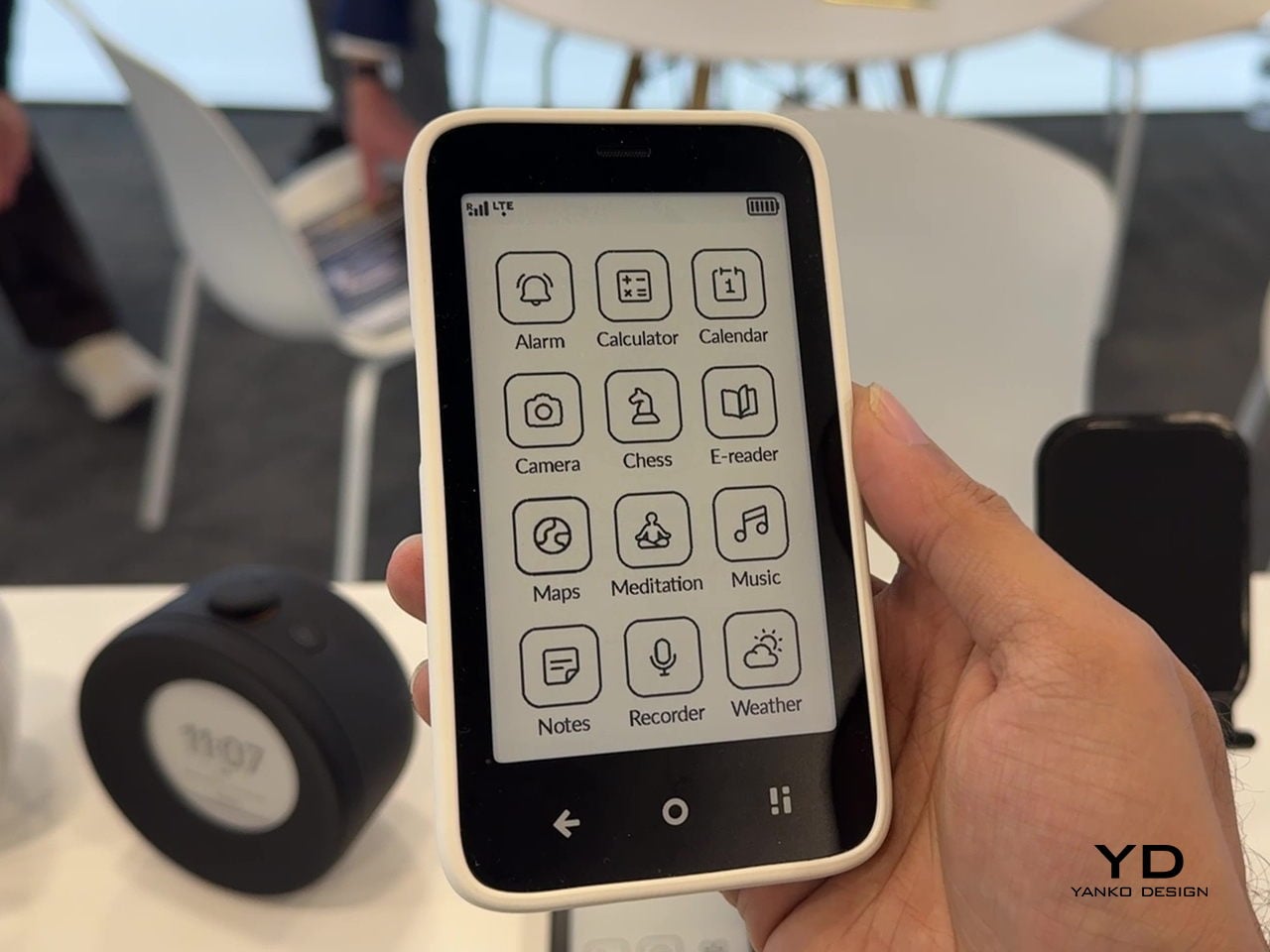
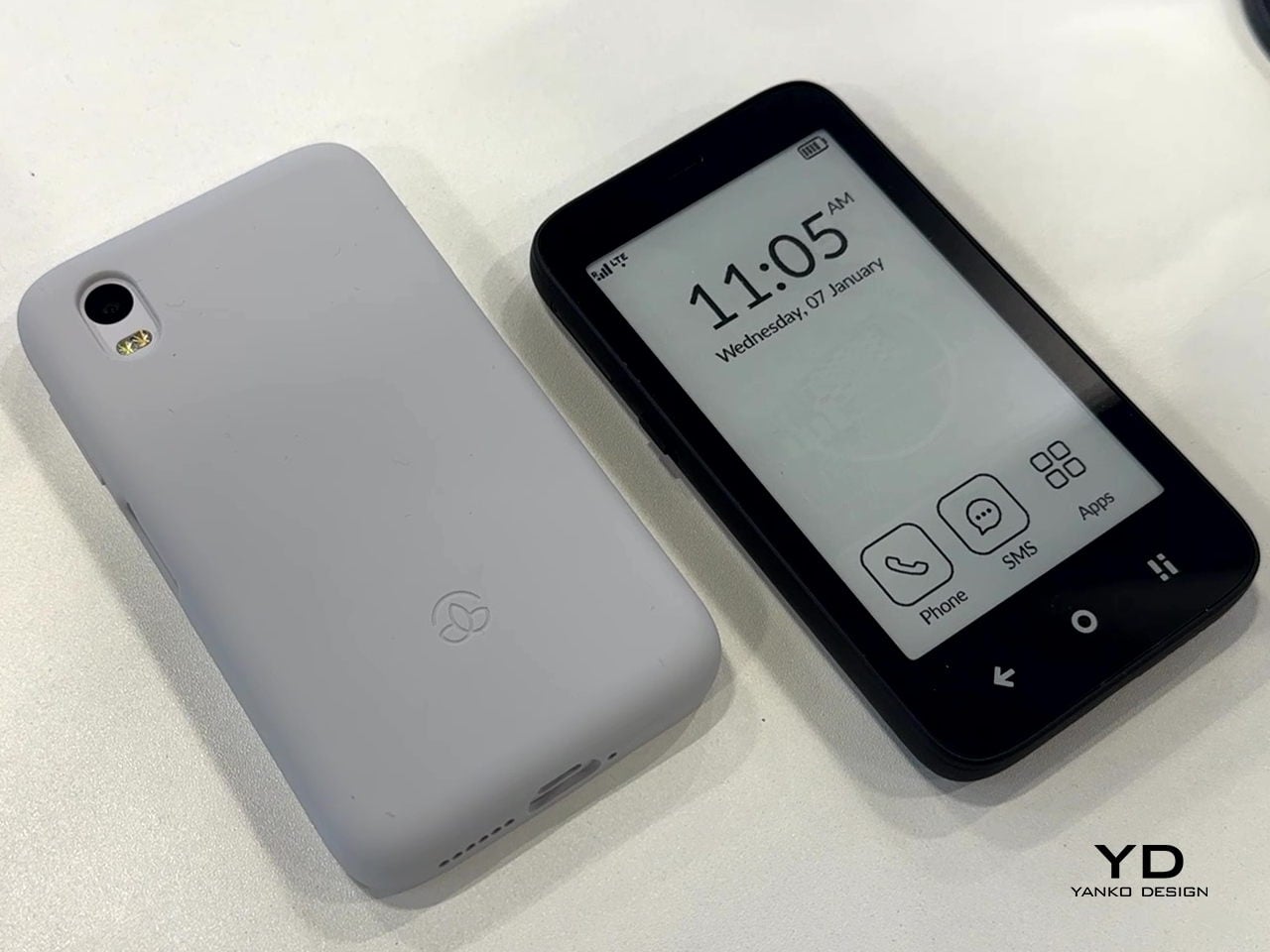
Kompakt looks more like a small e-reader than a slab of glass, built around a 4.3-inch E Ink screen that is paper-like, glare-free, and easy on the eyes. It runs MuditaOS K, a de-Googled operating system based on AOSP, with only essential tools on board: calls, SMS, offline maps, calendar, up-to-date weather forecasts, music, notes, a meditation timer, and an e-reader. There is no app store by design, keeping the interface focused on what you planned to do instead of what a feed wants to show you next. But if you do need some very specific functionality, your favorite apps are just a sideload away.

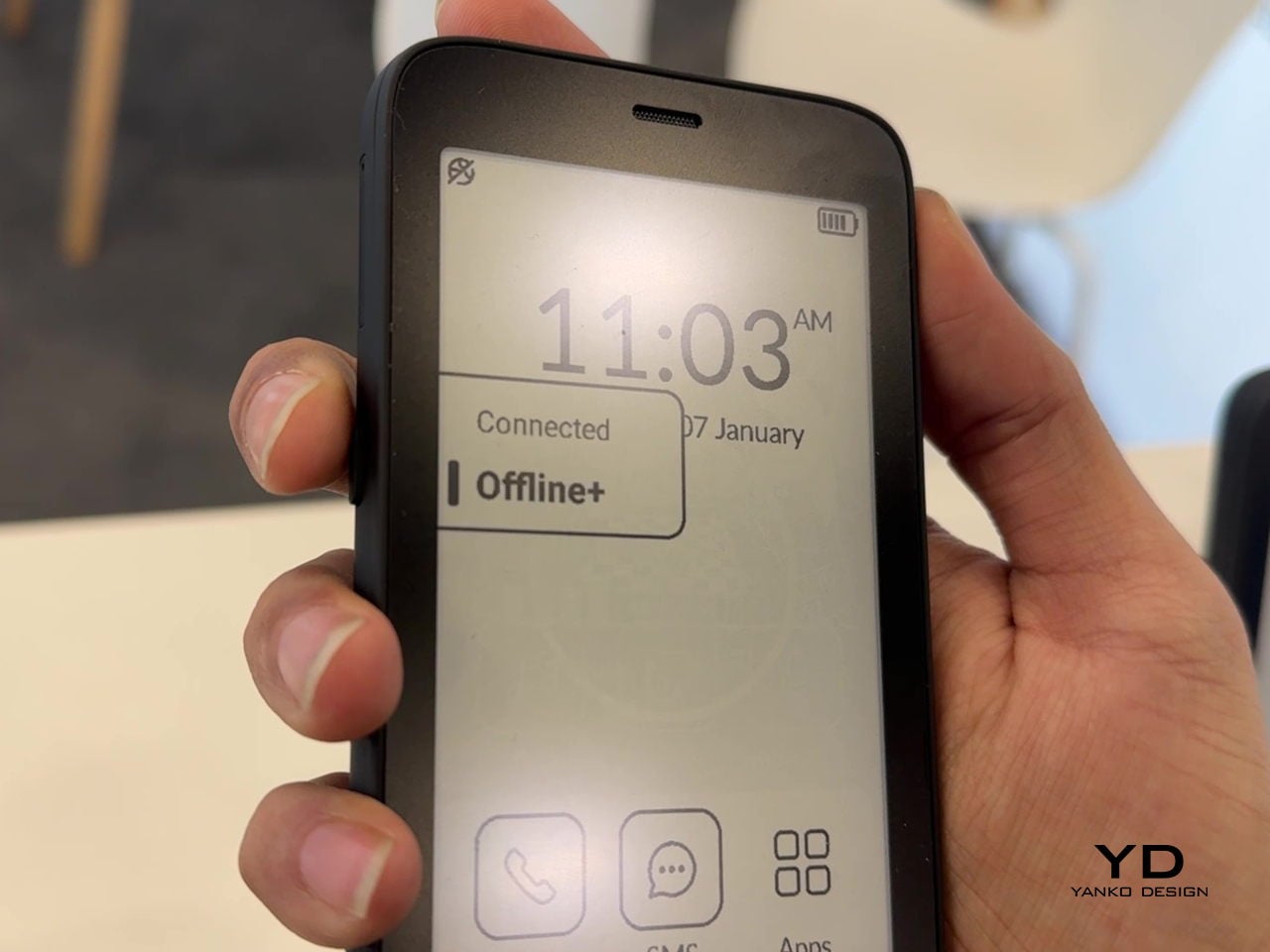
Offline+ Mode physically disconnects the GSM modem and microphones, while also disabling Wi-Fi, Bluetooth, and the camera, turning Kompakt into a sealed, offline device when needed. That hardware-level privacy goes beyond airplane mode, which matters when you want verifiable disconnection. Long battery life, up to six days on a charge, and both USB-C and wireless charging mean it can live on a desk or in a bag without constant topping up.

A dedicated Mudita Center desktop app handles contact syncing, music, and file transfers from a laptop, keeping the phone itself simple and uncluttered, its user experience reflecting its mission. As a primary phone for someone stepping away from feeds, it keeps communication and navigation intact while stripping away most reasons to pick it up mindlessly. As a secondary focus phone for anyone who wants to disconnect from the hustle of a smartphone, it can handle calls and texts without the usual app notifications to help nurture balance and peace of mind.

Mudita Harmony 2: A Bedroom Without a Smartphone Glow

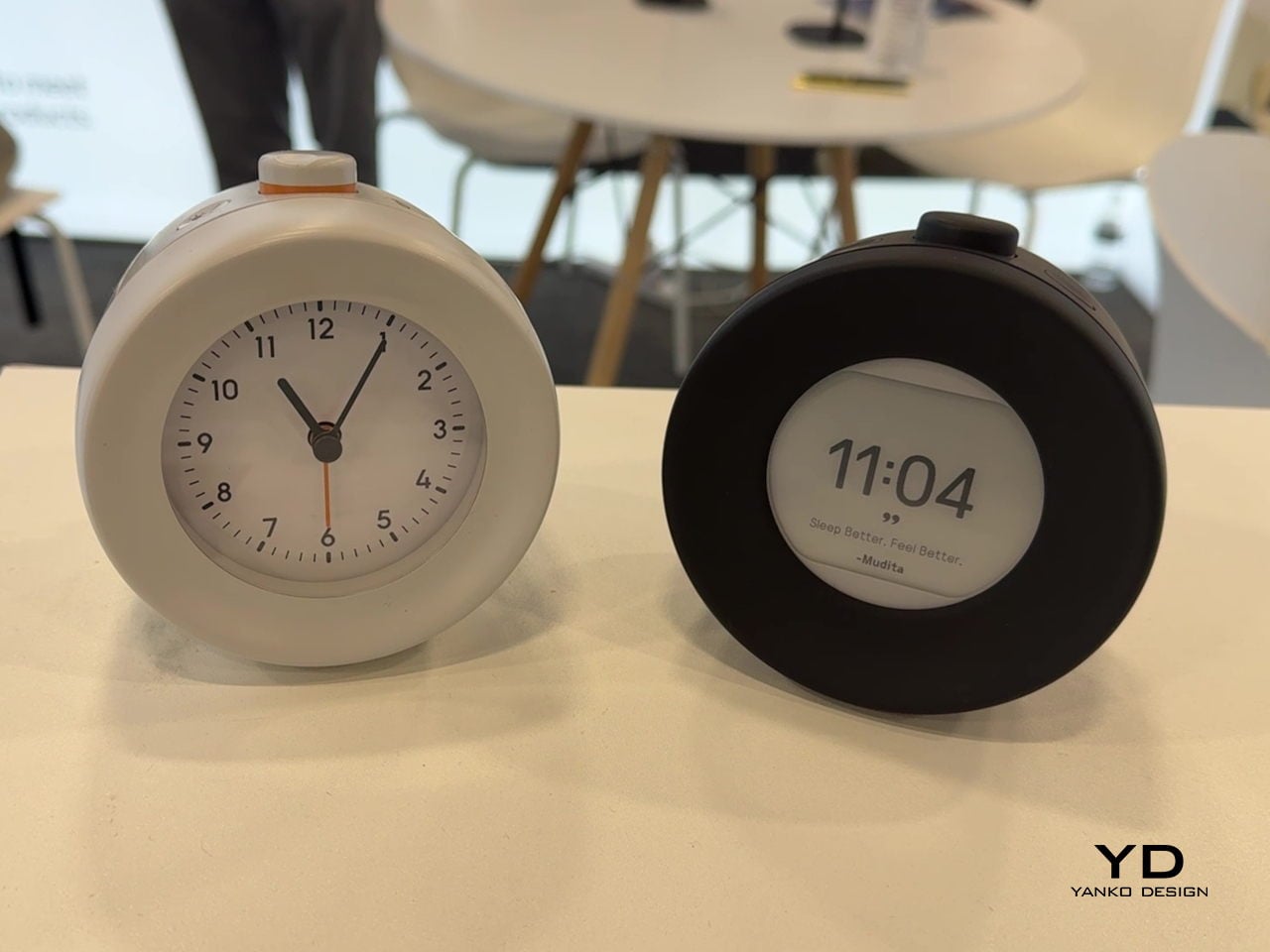
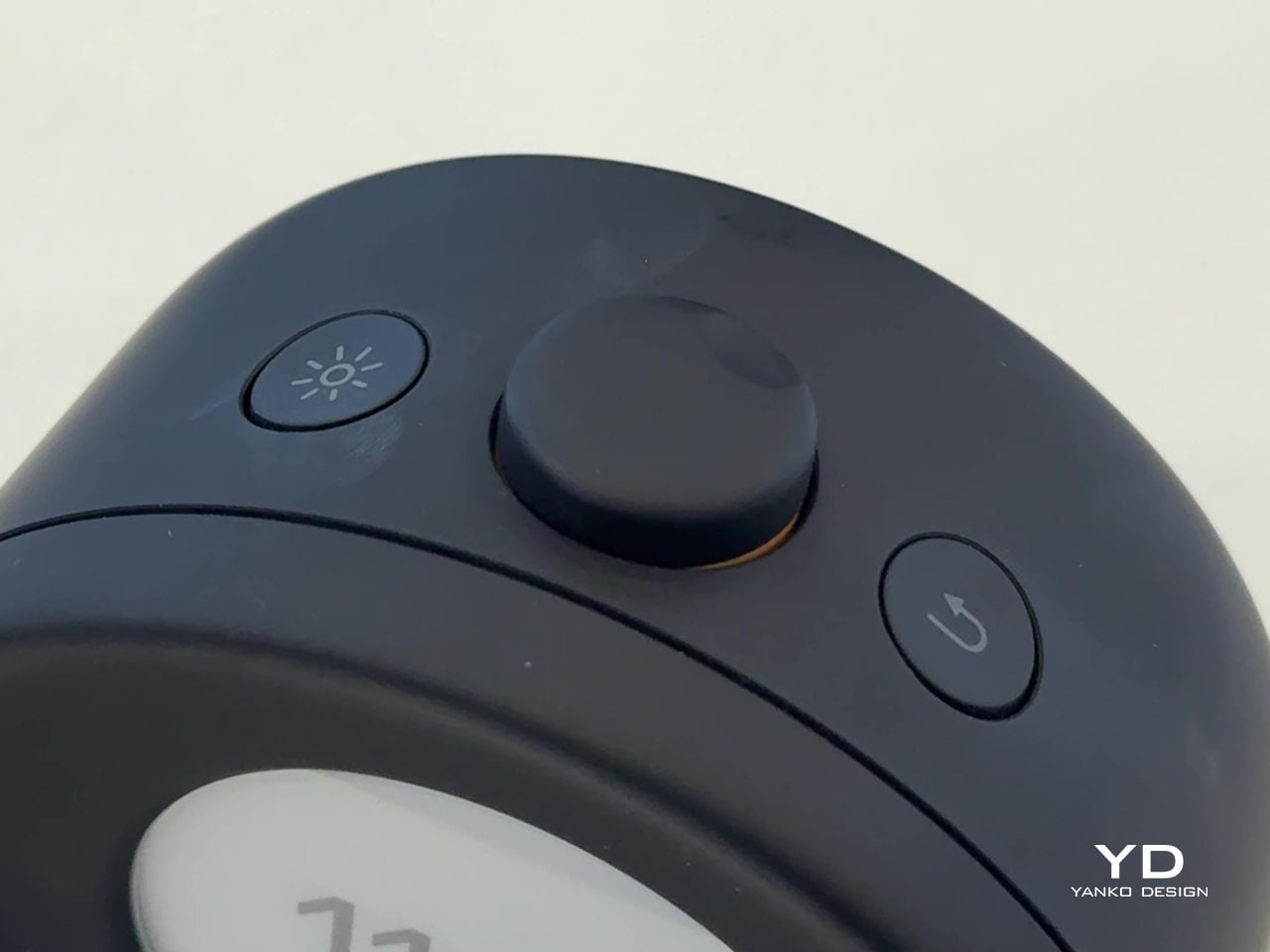
Harmony 2 is an E Ink alarm clock with three physical knobs on top for light, volume, and alarm settings, designed to live where a phone usually sits on a nightstand. The E Ink display is easy to read and uses an adjustable warm backlight that minimizes blue light, so you can check the time at night without a blast of white light or the temptation to swipe through notifications that make it harder to fall back asleep.

The wake-up experience is built around a gradual, ascending alarm that starts softly and increases in volume, paired with a pre-wake-up light that mimics a sunrise by slowly brightening five to fifteen minutes before the main alarm. Harmony 2 offers seventeen melodies, including real nature sounds, and lets you enhance alarms with light or upload custom audio via the Mudita Center app. The goal is to make waking feel less like an interruption and more like a natural transition.

Extra features support a phone-free bedtime, Relaxation mode with customizable sounds and white noise, a Bedtime Reminder to nudge you into a consistent routine, a Meditation Timer with gong sounds, and a Power Nap Mode. With over forty days of battery life and USB-C charging, Harmony 2 can stay on a nightstand without becoming another device you plug in every night, reinforcing the idea that the bedroom can be a low-tech space.

Mudita Bell 2: Analog Mornings with a Few Smart Tricks

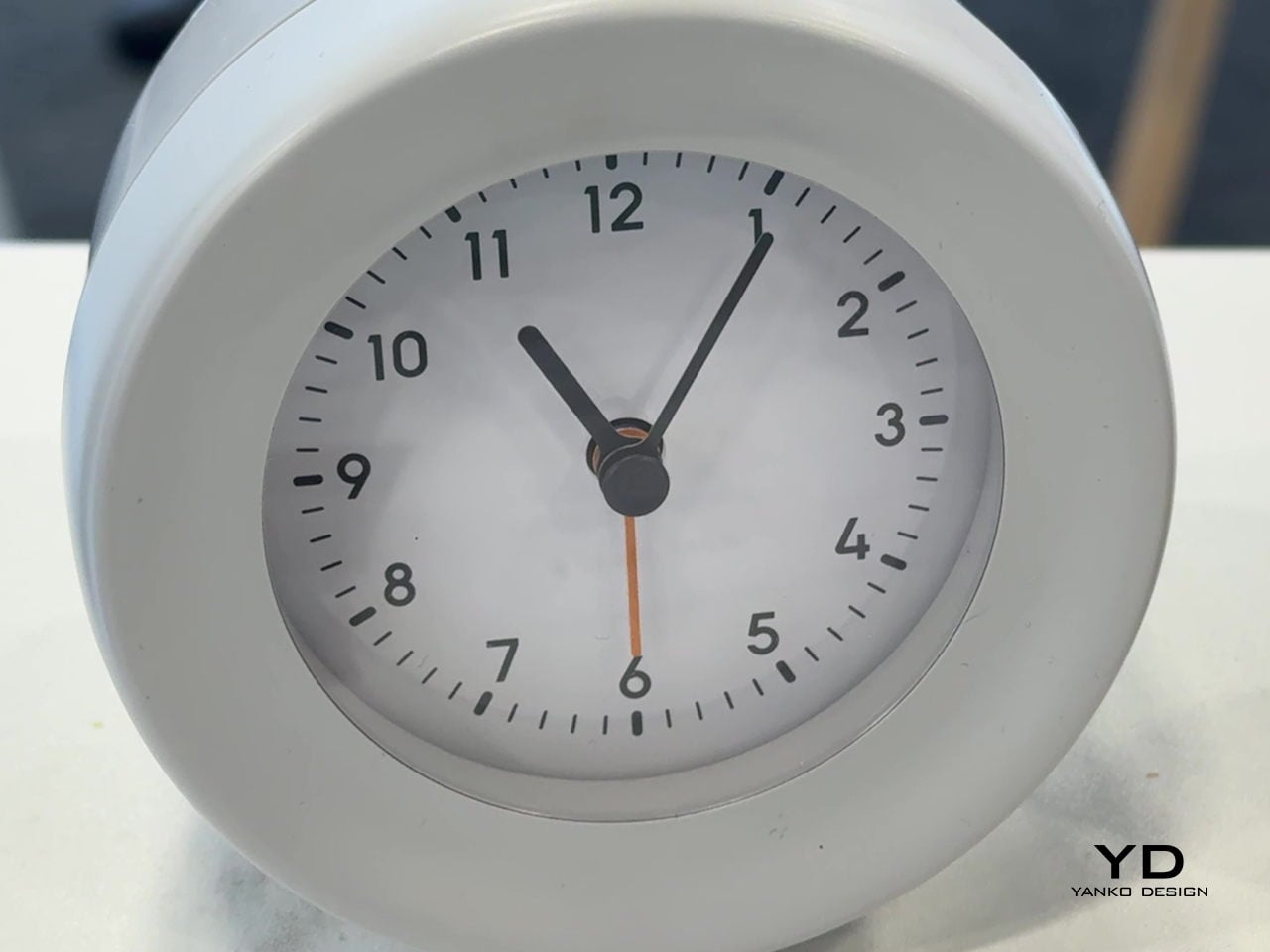
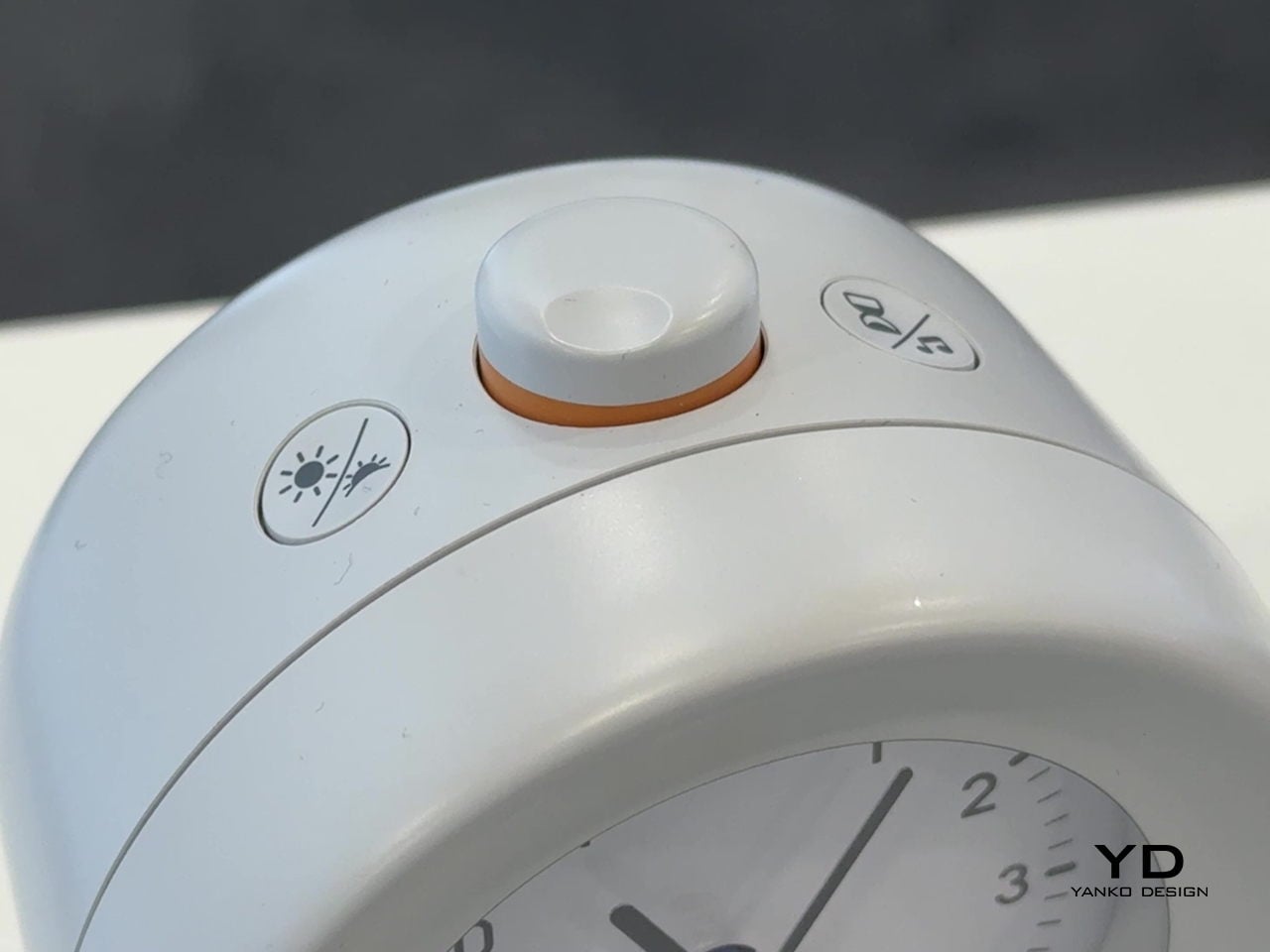
Bell 2 is the more analog-leaning sibling, an alarm clock with a clear, minimalist dial and an internal quartz mechanism, but also an E Ink display and a light-enhanced gradual alarm. It offers nine gentle melodies and a pure-tone alarm that starts quietly and grows to a set volume, plus a warm wake-up light that can be activated before the alarm to mimic sunrise, easing you out of sleep without a harsh jolt.

A built-in meditation timer starts and ends sessions with a gong, and the deliberate absence of Wi-Fi or Bluetooth means Bell 2 does not compete for attention or add to the ambient connectivity load in the room. It runs on a 2,600 mAh rechargeable battery that can last up to six months on a full charge, with USB-C for the rare times it needs topping up. It is designed to be set and then mostly forgotten.

Bell 2 has been awarded a Platinum Calm Technology Certification, recognizing products that respect attention and promote well-being. Available in charcoal black and pebble gray, it is meant to blend into different interiors while still feeling like a considered object. In a home shaped by Kompakt and Harmony 2, Bell 2 completes the picture: a simple, focused object that reflects Mudita’s belief that technology can be present without being intrusive.

Mudita at CES 2026: Technology for Mindful Living

Together, Kompakt, Harmony 2, and Bell 2 create intentional, screen-free moments throughout the day; focused time on the go with Kompakt, a calmer evening and wake-up routine with Harmony 2, and a simple, analog-leaning start to the morning with Bell 2. None of these is meant to replace a smartphone entirely. Instead, they offer a considered alternative for the moments when a screen adds little value. This is an approach that stands out at CES, where innovation is often defined by more features, rather than more thoughtful use.

The post Mudita Minimalist Phone and Alarm Clocks Design a Calmer Day at CES 2026 first appeared on Yanko Design.
An’An at CES 2026: Biomimetic Wool Panda That Responds to Your Hugs

Loneliness quietly settles into homes where older adults live alone, where families are spread across cities, and where evenings can stretch out with no one to talk to. Technology has tried to fill that gap with video calls and smart speakers, but those tools are still built around tasks and commands, around asking for something rather than simply being there when someone needs company or a gentle reminder that they are not forgotten.

An’An is a robot less interested in showing off and more interested in listening, remembering, and responding gently over months and years. It is a panda-shaped companion designed from the fur inward to offer long-term, stigma-free emotional support for people who might never ask for help directly, treating emotional care as something that can happen quietly through touch, voice, and the kind of daily rituals that build trust without demanding much in return.
Designer: Mind With Heart Robotics

A Panda Built for Feelings, Not Tricks

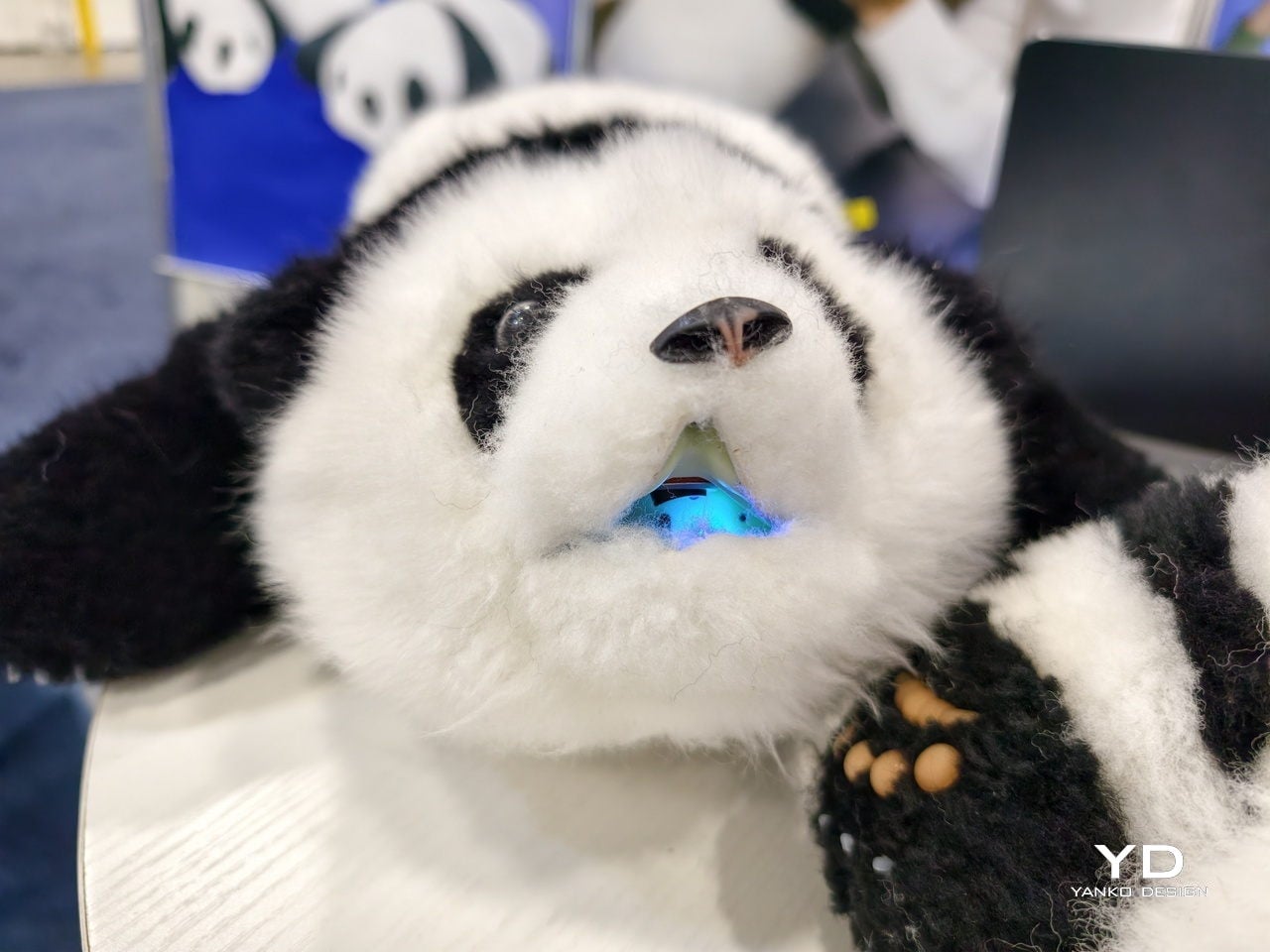
An’An is a biomimetic panda cub companion built around the simple idea that people relax more easily around animals than around machines. Its body is handcrafted from Australian wool and sheepskin for natural tactile comfort, inviting stroking, hugging, and lap-holding in a way that cold plastic or silicone never could. The form factor is intentionally soft and low-key, closer to a plush toy than a science fiction robot.

An’An is not designed to juggle, dance, or navigate obstacle courses. Its job is to be present, to respond to touch with gentle, lifelike behavior, and to make it feel safe to express emotion without judgment. The panda shape, the weight, and the way it settles into a lap are all tuned to trigger nurturing instincts, especially for older adults who may miss the feeling of holding a pet or a grandchild who has moved to another state.

This focus on emotional comfort extends to how An’An fits into a home. It can rest on a sofa, bed, or desk without looking like medical equipment, which matters when someone is already sensitive about needing support. The goal is to make companionship feel natural and dignified, not clinical, so people will actually reach for the robot when they feel low rather than hiding it in a drawer or treating it like another gadget they were supposed to use but never really warmed to.

Emotional Intelligence Under the Fur

Under the fur, An’An is a dense network of sensors and affective AI. A full-body tactile sensing system with more than 10 sensor suites recognizes how and where it is being touched, distinguishing between a gentle stroke, a firm squeeze, or being picked up. That information feeds into an emotional AI engine that also listens to voice patterns and tracks interaction habits over time, building a model of who you are and how you prefer to communicate.

An’An’s long-term memory allows it to personalize responses as it learns. Over weeks and months, it can adapt to a user’s routines, noticing when someone tends to be quiet, when they like to talk, and what kinds of interactions seem to lift their mood. The hybrid offline-online architecture, with four to five hours of continuous battery life and USB-C charging, keeps core functions running even when connectivity is limited or when someone prefers not to share everything with the cloud.

This combination of multimodal sensing and memory means An’An can move beyond scripted novelty. Instead of repeating the same phrases, it can vary its behavior, initiate interaction during long periods of inactivity, and gradually build a relationship that feels more like a familiar presence than a toy. Preliminary studies suggest that this sustained, personalized engagement can measurably improve mood, which is the metric that matters most when the goal is helping someone feel less alone.

From Living Rooms to Care Facilities

In a private home, An’An can simply be a companion that is always available. It can offer gentle conversation, respond to touch, and provide a sense of being seen and heard without the stigma some people feel around therapy or medication. For older adults who may not want to bother their families with every worry, having something that listens without judgment can make a surprising difference to how a day feels, especially during the long stretches between calls or visits.

In eldercare settings, An’An takes on an additional role. A clinical version can capture objective interaction data, such as touch patterns, conversation cues, and changes in engagement, and surface those trends to authorized clinicians through secure dashboards. That gives caregivers another lens on cognitive and emotional status, helping them notice when someone is withdrawing, agitated, or unusually quiet without relying solely on brief check-ins or self-reported surveys that people might downplay.

Because An’An delivers clinical-grade capabilities at roughly one-fifth the cost of traditional therapeutic robots, it becomes more realistic for care homes and institutions to deploy multiple units rather than a single shared device. The unified affective AI platform, backed by more than 30 patent filings and 18 granted patents, is designed to scale across different environments while keeping the core promise the same: emotionally meaningful companionship over time.

A Different Kind of Robot

When it appears at CES 2026 as an Innovation Awards Honoree in the Artificial Intelligence category, An’An represents a quiet shift in what people expect from robots. Instead of another on-stage demonstration of agility or speed, it offers a case study in emotionally intelligent, human-centered design, showing how biomimetic form, tactile materials, and affective AI can come together to support people who need comfort more than spectacle, and companionship more than commands, at a scale and cost that makes it a viable part of everyday care rather than a research curiosity.

The post An’An at CES 2026: Biomimetic Wool Panda That Responds to Your Hugs first appeared on Yanko Design.