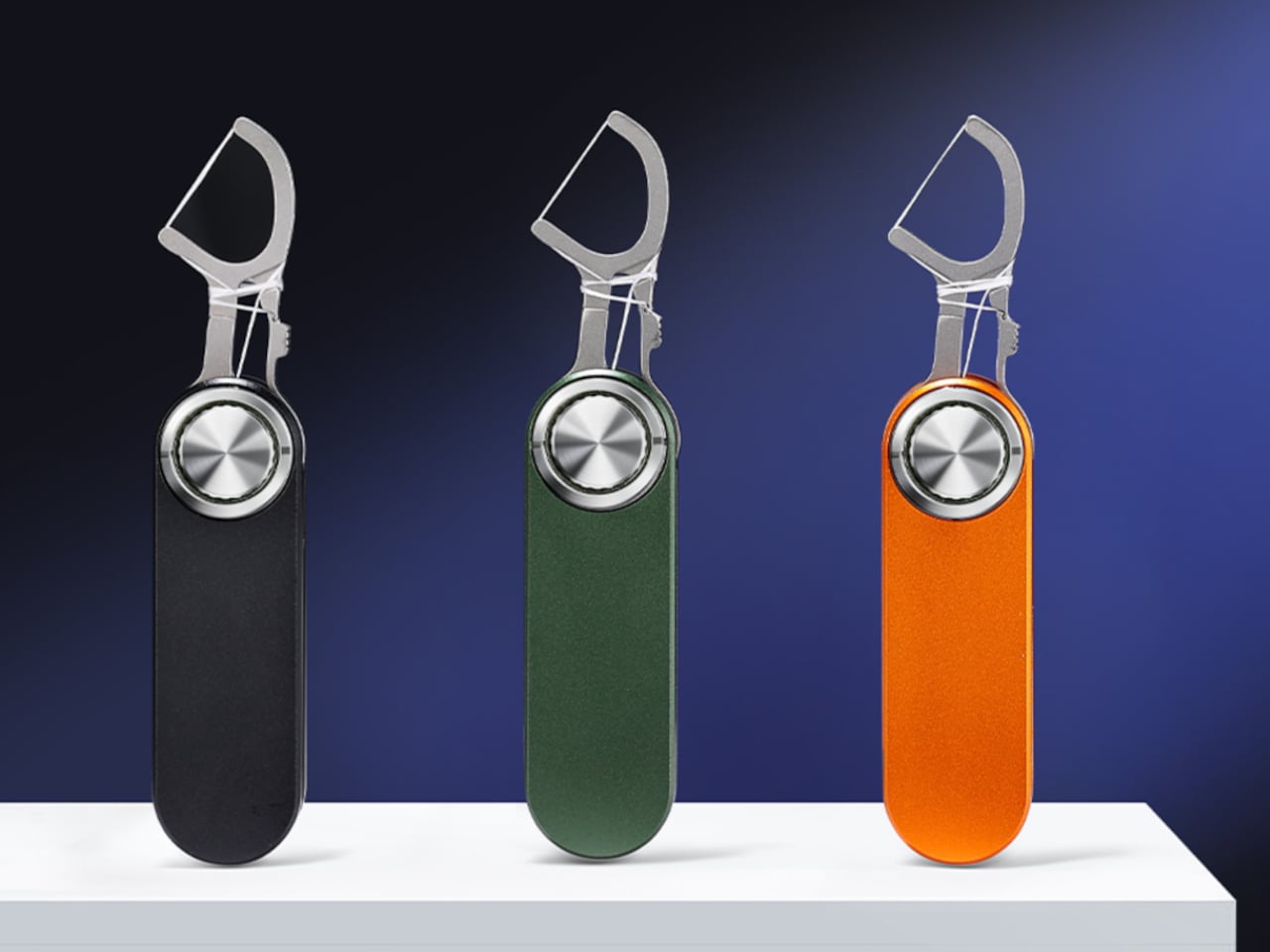
Olight Oclip Pro S is a palm-sized clip-on EDC flashlight for every task

There’s a quiet shift happening in the world of everyday carry, wherein single-purpose tools are steadily giving way to compact, multi-functional companions that adapt as quickly as the situations they’re pulled into. The modern EDC kit isn’t about excess anymore; it’s about efficiency and versatility. In that context, the Olight Oclip Pro S doesn’t just arrive as another flashlight, it is a small but capable lighting system designed to keep up with unpredictable, fast-moving routines.

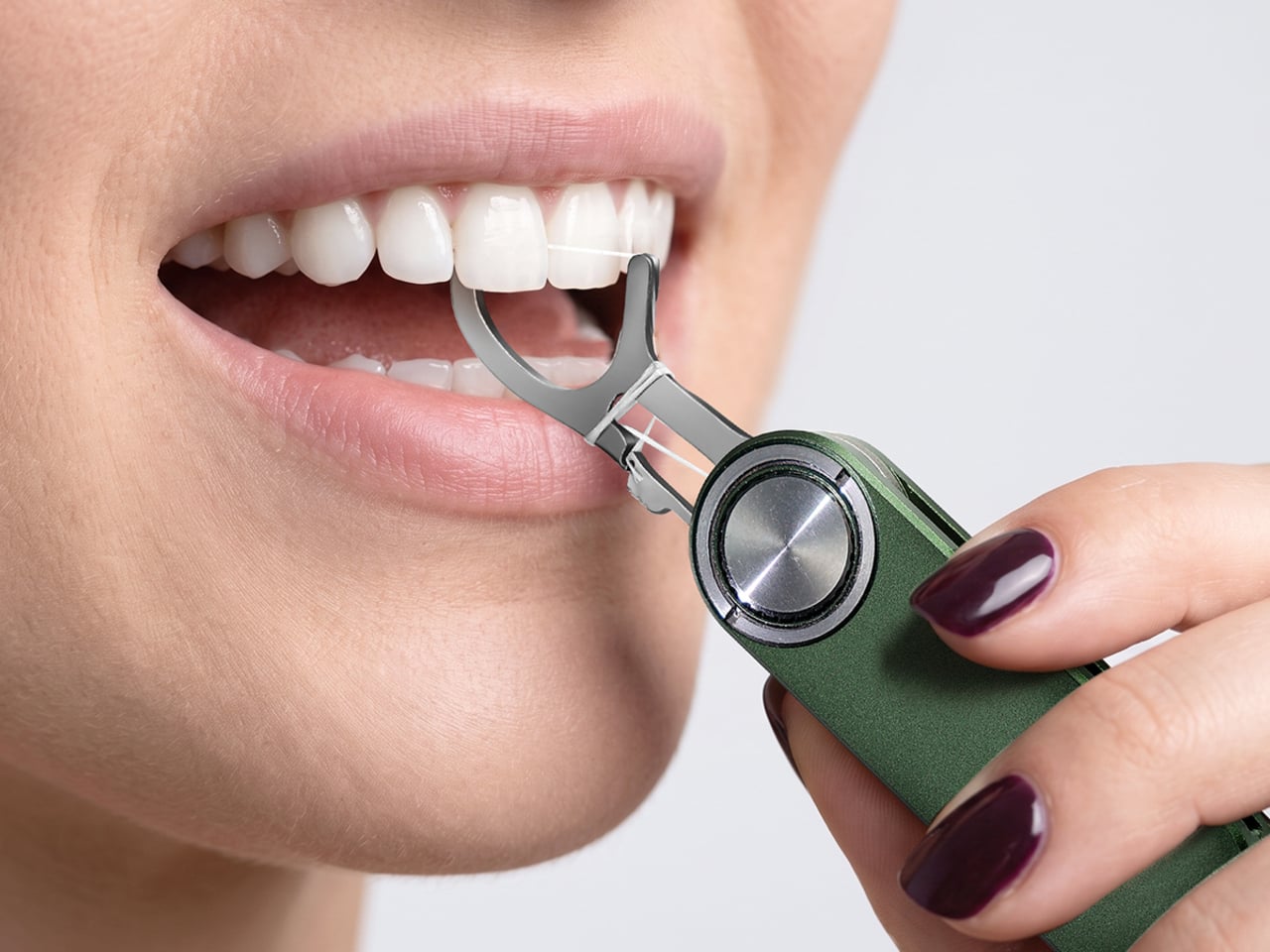
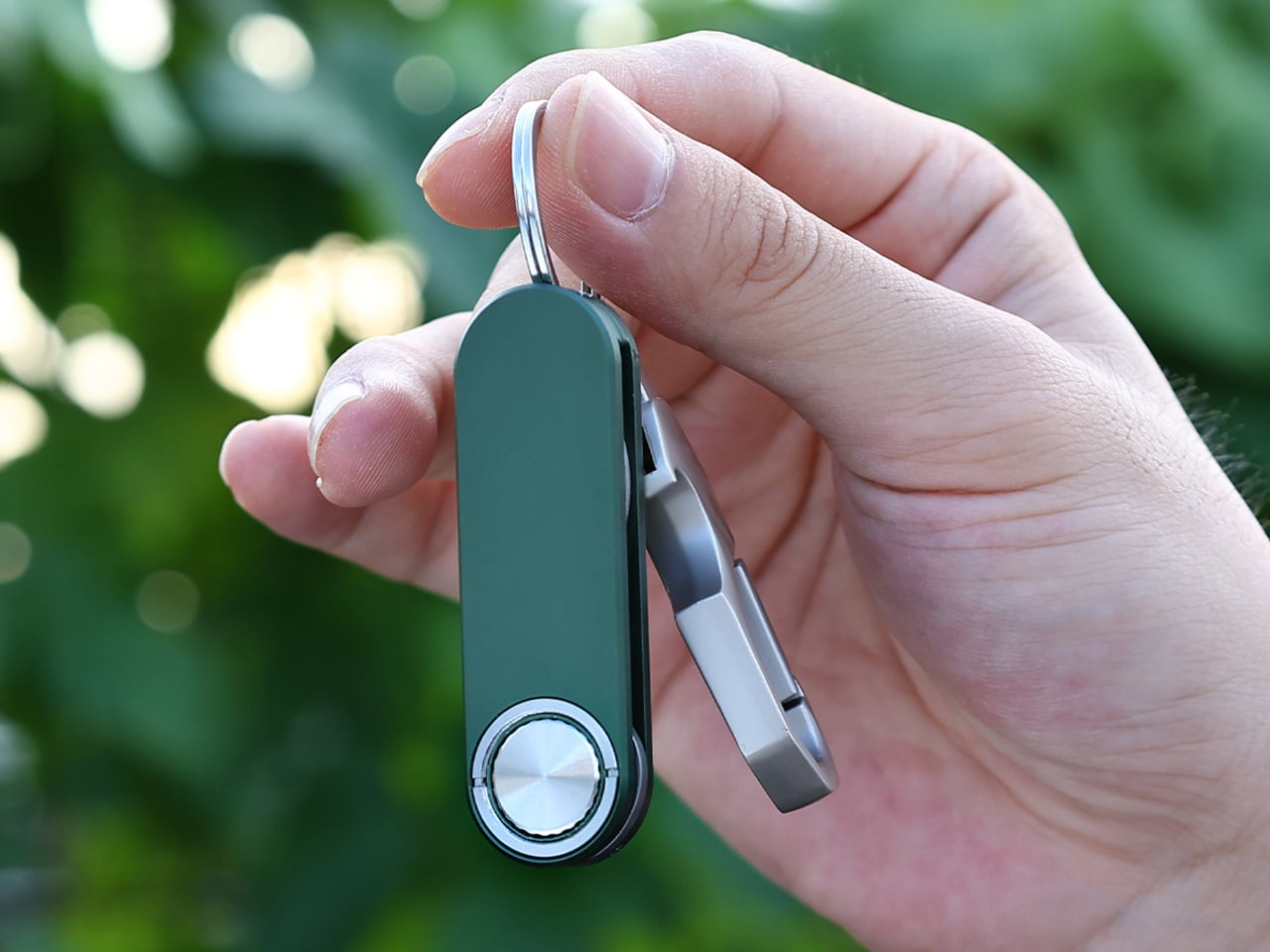
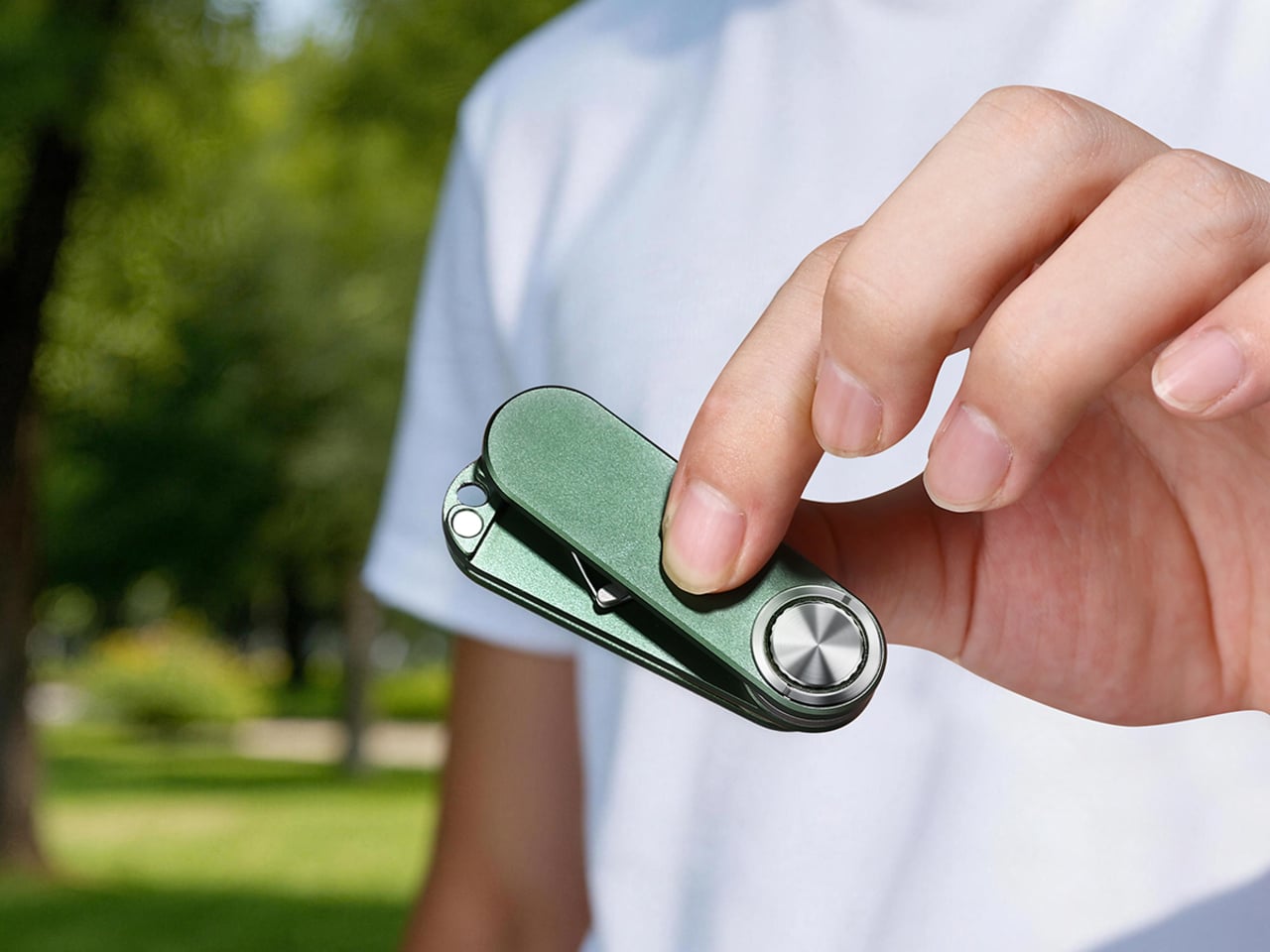
At first glance, the palm-sized Oclip Pro S feels almost understated. Its compact body, measuring just 57 × 28 × 27 mm and weighing around 53 grams, is designed to disappear into your pocket or clip unobtrusively onto your gear. Yet that minimal footprint is precisely what makes it so effective. The integrated clip, combined with the ability to hang or magnetically attach the device, allows it to transition effortlessly between a handheld light and a hands-free tool, whether you’re navigating low-light environments or tackling everyday tasks.

Designer: Olight

Where the Oclip Pro S begins to stand apart is in how much it manages to pack into that small frame. Instead of relying on a single beam, it integrates a 5-in-1 lighting system that combines white light, RGB illumination, and a UV light source. The primary white LED delivers up to 600 lumens, providing ample brightness for general use, with a beam distance reaching up to 80 meters. This is paired with both floodlight and spotlight modes, giving users the flexibility to switch between wide, ambient lighting and more focused illumination depending on the situation.

The addition of RGB lighting expands its role beyond simple visibility. With red, green, and blue modes, the device becomes a practical signaling tool as much as a flashlight. Whether used for nighttime visibility, marking a location, or adding a layer of safety in low-light conditions, these color options introduce a level of adaptability that feels increasingly essential in modern EDC gear. The lighting system also supports flashing patterns, further extending its functionality in dynamic or emergency scenarios.

Perhaps the most unexpected inclusion is the 365 nm UV light, which quietly transforms the Oclip Pro S into a utility tool for specialized tasks. From detecting counterfeit currency to identifying fluorescent materials or checking cleanliness in certain environments, this feature adds a layer of capability that goes beyond what most users would expect from a device of this size.

Powering all of this is a built-in battery that supports USB-C charging, aligning the device with current charging standards and making it easy to top up alongside other everyday electronics. Depending on usage, the flashlight can run for up to 144 hours in its lowest brightness mode, while higher output levels are intelligently managed to balance performance and heat.

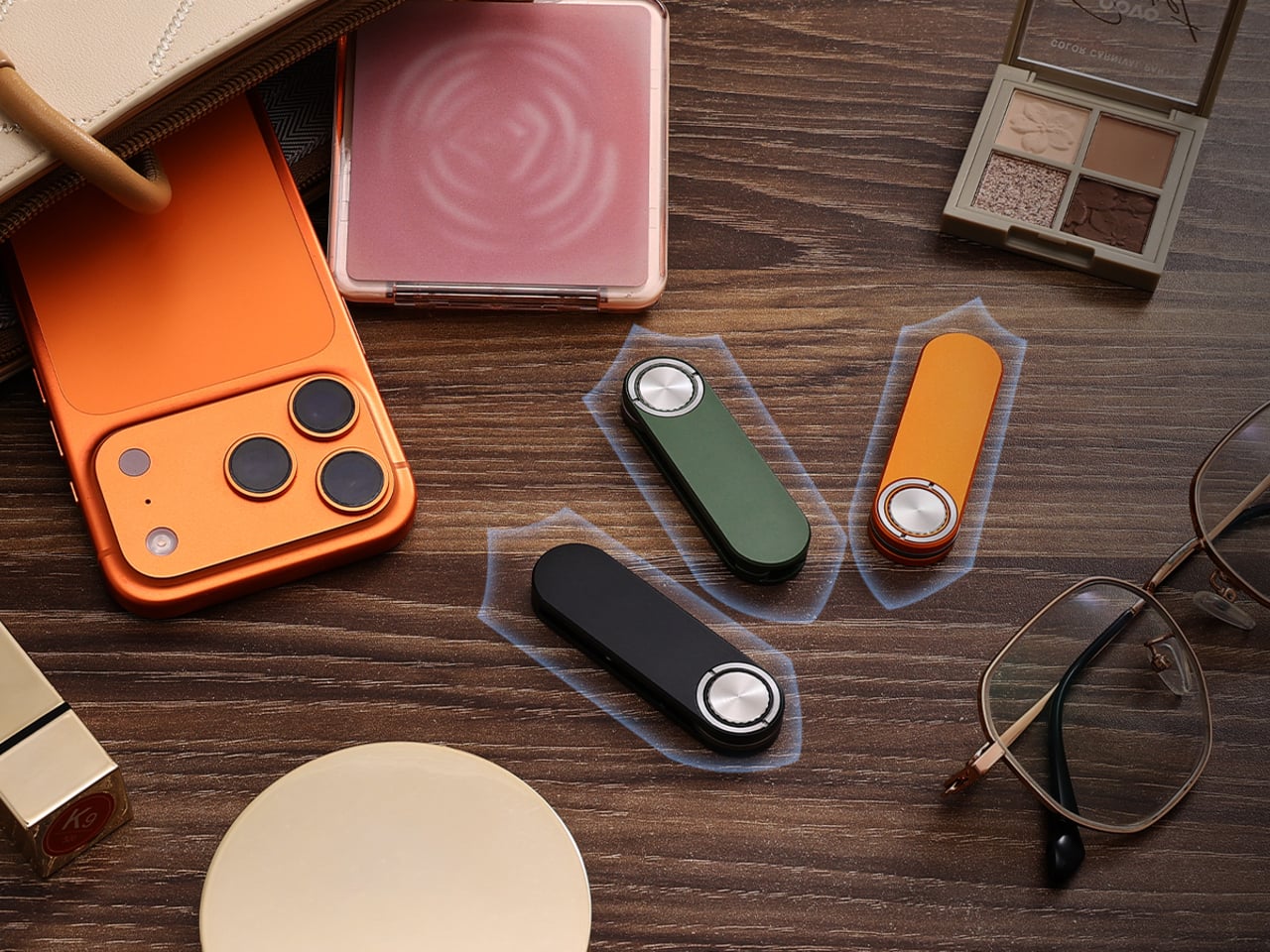
The interface is equally streamlined, centered around a side dial that allows users to quickly toggle between white, RGB, and UV modes. This intuitive control scheme avoids unnecessary complexity, ensuring that the right light is always just a quick adjustment away. Priced at around $40 and available in a variety of finishes, the Oclip Pro S is positioned as both a functional tool and a subtle personal accessory.

The post Olight Oclip Pro S is a palm-sized clip-on EDC flashlight for every task first appeared on Yanko Design.

5 Portable Work Setups That Work Outdoors, in Parks And Even Beaches

The line between work and home has blurred into an architectural dialogue. Today’s hybrid living isn’t about working from the kitchen counter but about rethinking how domestic spaces support productivity and calm. Designers now aim to create environments that balance efficiency with ease, where furniture performs multiple roles without sacrificing elegance or comfort.

For high-net-worth homeowners, this shift is about investing in experiences that enhance their lifestyle and property value. Portable chairs and adaptive workstations have evolved into design essentials, dynamic and ergonomic, fluid enough to move with the rhythms of daily life, redefining how we live and work within our spaces.

1. Ergonomic Intelligence and Wellness Value

The strength of any portable workspace lies in its ergonomic foundation. Temporary, low-quality setups often lead to long-term strain and reduced focus. True wellness ROI comes from minimizing physical fatigue through design that supports the body’s rhythm, integrating temperature-responsive materials, balanced support, and kinetic flexibility rather than relying on surface aesthetics alone.

When selecting furniture, prioritize chairs with dynamic lumbar support and workstations with seamless height adjustment. The ideal setup becomes a biophilic cocoon, comforting, adaptive, and attuned to your natural movement, ensuring that even during long digital sessions, productivity and physical harmony remain perfectly aligned.

The Sayl concept chair by Charley reflects the changing ways we live, work, and play. As homes have evolved into hybrid offices, gyms, social spaces, and relaxation zones, our furniture needs have changed too. Charley even considers the hours we spend gaming or binge-watching, recognizing that chairs today must support multiple activities while remaining comfortable and functional. Designed by Herman Miller, the Sayl chair combines high-end design with practical usability, allowing users to maximize their space without sacrificing luxury or ergonomics.

The chair’s muted grey tones ensure it blends effortlessly into any interior, while bright orange accents draw attention to pivotal touchpoints, making it intuitive to use. A foot pedal mechanism allows the chair to collapse easily, providing a convenient, space-saving solution for modern homes. In the post-pandemic era, furniture design has shifted towards modular, flexible, multifunctional, and compact solutions. The Sayl chair embodies all these qualities, offering a versatile, stylish, and practical seating option for today’s hybrid lifestyle.

2. Aesthetic Integrity and Material Authenticity

Every portable unit should carry a strong aesthetic value that complements its architectural surroundings. Materials must feel genuine and timeless, like solid wood, brushed metal, and high-performance textiles that reveal craftsmanship rather than conceal it. This honesty of composition creates visual depth and emotional connection, reinforcing the idea that beauty lies in authenticity, not imitation.

The design should remain sculptural yet understated, integrating seamlessly into curated interiors. Its finish must align with the home’s palette, allowing it to coexist gracefully within the space. When not in use, it should rest as a quiet architectural accent rather than a workplace intrusion.

Working from home has spared many from long commutes and office distractions, yet it has also made work feel more solitary. Sitting by the same wall each day, even in a well-designed home office, can feel disconnected from the world beyond virtual meetings. While folding furniture remains popular for its space-saving benefits, stackable, all-weather alternatives are emerging as a smarter choice. Industrial designer Gökçe Nafak introduces the uuma, a portable table-and-chair combo designed as a single stackable unit that transitions effortlessly between indoor and outdoor settings.

Perfect for those who enjoy working in the garden, on the balcony, or in flexible spaces, the uuma blends convenience with creativity. Made from fibreglass, it is lightweight, durable, and sustainable. Its modular design features a height-adjustable metal frame and detachable parts that assemble easily. The chair transforms into a table within moments, offering comfort, portability, and style in three vibrant, modern colors.

3. Spatial Flow and Footprint Efficiency

The effectiveness of any modern workstation depends on how well it manages spatial flow. In compact urban homes, every inch counts, making footprint reduction a key design priority. A thoughtfully designed system should retract or fold away seamlessly, minimizing its physical presence while supporting the need for adaptable, multi-functional living spaces that evolve throughout the day.

Mobility and refinement define its usability. Tables and desks should transition effortlessly from work to leisure, enabling a quick shift from boardroom mode to family dining. Silent, non-marking wheels and intuitive movement reflect superior engineering and respect for interior balance.

In a shared workspace like WeWork, or a peaceful spot under a tree, flexibility defines modern work culture. Industrial designer Matan Rechter responded to this shift with Shelly, a personal outdoor workspace that combines privacy, shade, and portability for those who prefer working outside. Inspired by the remote work movement, Shelly was designed to bring focus and comfort to outdoor environments like public parks.

Its name comes from its shell-like canopy that folds in and out with ease. Built from lightweight aluminium profiles and durable Cordura fabric, Shelly shields users and electronics from harsh UV rays. The canopy’s retractable design, reminiscent of an armadillo’s shell, provides instant shade and convenience. Compact and portable, Shelly transforms outdoor work into a comfortable, productive, and stylish experience anywhere, anytime.

4. Technological Integration and Power Autonomy

A modern hybrid workstation should function as a self-sufficient ecosystem, anticipating digital needs without visual clutter. True design intelligence lies in seamless connectivity, like built-in charging, concealed wiring, and intuitive access that keeps the workspace both elegant and efficient. Power autonomy ensures independence from fixed outlets, supporting the growing demand for mobility and flexibility in home environments.

Features such as integrated induction charging pads, hidden cable channels, and optional battery packs transform furniture into an adaptive tool. These enhancements merge aesthetics with performance, allowing users to remain connected, productive, and untethered within any architectural setting.

Another standout example is Worknic, a portable desk developed through the Samsung Design Membership program, sponsored by Samsung Electronics. Designed for flexibility, Worknic allows users to set up a functional workspace anywhere, whether in a home, park, or even on the beach, giving them the freedom to change their environment whenever needed.

The desk is built on wheels, making it easy to move and position in the ideal spot. Once in place, it unfolds to reveal a worktable, stands, and a built-in power source, while a pull-out stool completes the setup. Although details about battery life, weight, and additional features are limited, the concept prioritizes mobility, convenience, and adaptability. Worknic offers a creative solution for those who want a portable, fully equipped office that keeps productivity and inspiration in balance.

5. Design Resilience and Longevity Investment

For discerning homeowners, longevity defines true value. A well-crafted workstation should possess design resilience, built to endure daily use while retaining its original elegance and performance. This durability ensures a higher return on investment, setting it apart from fast furniture options that quickly lose both form and function.

Choosing established design houses and proven construction techniques guarantees structural integrity and timeless appeal. A five-to-ten-year warranty offers assurance that the piece is not just a purchase but a long-term architectural companion, blending endurance with refined craftsmanship for years of dependable, sophisticated use.

For those constantly on the move, finding a comfortable place to rest or work can be challenging. Cities often lack public resting areas beyond cafés and restaurants, making it tempting to carry a portable chair, though the idea quickly loses appeal due to its bulk and inconvenience. Recognising this need, designer Tejash Raj created the OmniSeat, a compact and ergonomic seating concept designed for people who stay productive while travelling, commuting, or working outdoors.

The OmniSeat features a lightweight frame, built-in storage, and device holders, all folding neatly into a slim form that fits in a backpack or attaches to a bike rack. A detachable tray accommodates laptops or tablets, with cable clips to keep cords tidy. Combining portability, comfort, and function, the OmniSeat offers a glimpse into the future of mobile workspaces.

The high-design portable workstation redefines the boundaries of work and home, merging productivity with tranquillity. It transforms interiors into fluid, balanced spaces where focus meets ease. Its true value lies in the freedom to work anywhere, capturing sunlight, inspiration, and connection without sacrificing comfort or creativity.

The post 5 Portable Work Setups That Work Outdoors, in Parks And Even Beaches first appeared on Yanko Design.

This E Ink Foldable Phone Concept Punishes Doomscrolling by Design

Most smartphones are designed to be impossible to put down. The screen faces up on every table, the display lights up for every notification, and the cost of checking it one more time is exactly zero. That’s not an accident. The hardware removes friction from compulsive use because removing friction is what makes these devices feel indispensable. The tinyBook Flip concept asks a different question entirely: what if the phone were designed to get out of the way?

The tinyBook Flip is a vertical foldable phone concept built around a 6.1-inch E Ink display. Closed, it collapses into a compact, near-square form with rounded corners and a matte white finish, something closer in proportion to a folded notecard than a smartphone. The screen disappears entirely when the device is closed shut. No glowing rectangle sitting face-up on the desk, no ambient reminder that there are things to check. Just a small, quiet object.

Designer: Pixel Dynamics

That folded form is doing more work than it might seem. Opening the phone requires a deliberate physical action, and that small added step changes the behavioral math. A reflexive grab becomes a conscious decision. The friction is minimal in absolute terms, maybe two seconds, but two seconds of resistance is often enough to interrupt the loop. The concept treats that interruption as a design feature, which puts it in genuinely different territory from most phones.

The E Ink display adds a second layer of resistance, and this one is less subtle. E ink refreshes slowly, renders in grayscale or muted colors, and handles fast-moving content poorly. Social media feeds become tedious. Short-form video becomes unwatchable. Anything built around color, motion, and rapid visual feedback stops working the way it was designed to. This is precisely the point. The screen’s limitations aren’t engineering compromises left over from an earlier era of display technology; they’re structural properties that make certain behaviors genuinely unpleasant to sustain.

What E Ink handles well is a shorter list, but a coherent one. Text reading, messaging, calendars, and static interfaces are all comfortable at E Ink’s native pace. The renders of the tinyBook Flip show a UI built around exactly these strengths: a large clock face, a calendar widget, and a grayscale illustrated wallpaper. The interface doesn’t reach for capabilities the display can’t support. The phone isn’t trying to do everything; it’s trying to do a narrower set of things without apology.

Foldable E Ink panels aren’t a speculative technology. The hardware exists at the component level and has already appeared in experimental e-readers, though no consumer phone has shipped with one in any meaningful volume. The tinyBook Flip isn’t imagining impossible components; it’s proposing a form factor that manufacturers haven’t yet committed to producing. The distance between those two things is largely commercial, not technical.

There’s also something worth noticing about how the device reads as a physical object in social space. Closed, the tinyBook Flip looks like almost nothing. No visible screen, no status indicators, no glow. A phone that carries no visual weight when it’s not in use sends a different signal than one that’s always broadcasting its presence. Putting it down means it actually disappears from the environment, not just from your hand.

That said, the concept leaves some real friction points unaddressed, and not the intentional kind. E Ink handles camera use, live navigation, video calls, and authentication apps poorly. A foldable hinge adds mechanical complexity and thickness that clean renders tend to obscure. The tinyBook Flip looks resolved in this form, but a production version would have to make tradeoffs that these images don’t show and the concept doesn’t acknowledge.

Still, the more interesting question isn’t whether this specific device could ship. It’s whether a phone that makes itself harder to misuse is a reasonable design goal at all, or whether that’s just a way of describing a phone that most people wouldn’t actually want. The tinyBook Flip lands firmly on one side of that question. Whether the market agrees is a different problem entirely.

The post This E Ink Foldable Phone Concept Punishes Doomscrolling by Design first appeared on Yanko Design.

QPearl Just Replaced Your Shampoo Bottle With One Pearl

When a product wins a design award, the first instinct is to assume it looks incredible. That’s usually the point: sleek lines, a bold color story, a form factor that photographs well. QPearl does look beautiful, but what makes it genuinely worth paying attention to isn’t the way it sits on a shelf. It’s the audacity of what it’s replacing.

Designed by Severin Andrei under CAHM Europe, a Romania-based company, QPearl took home the Top Design honor in the ECO DESIGN/Sustainable: Packaging Design Products category at the European Product Design Award 2025. That’s a mouthful of a category name, but the product itself is almost impossibly simple: a small, luminous pearl that is your shampoo and body wash. No bottle. No pump. No cap you lose in the first week of owning it.

Designer: Severin Andrei

Here’s where it gets interesting. Each QPearl holds a 95.7% water-free concentrated body wash formula, encapsulated in a patented Smart BioMaterial that dissolves under warm running water. The outer layer is made from a chain of proteins derived from sources like maize, milk, or fish — no synthetic polymers, no plastic, nothing that’s going to sit in a landfill for the next four hundred years. The whole thing is double-patented and reportedly reduces CO₂ emissions by approximately 99% per pearl compared to conventional liquid bath products. Per pearl. That number is hard to absorb at first.

I’ll admit, the first time I came across this, I was skeptical. We’ve seen a wave of “sustainable” beauty products over the past few years that are more marketing than material innovation. Shampoo bars with palm oil in the ingredients list. Refillable bottles that require you to drive to a specialty store. Concentrated tablets that clump before you ever get to use them. The bar for what counts as sustainable has been so muddied that any new claim in that space feels suspicious.

But QPearl seems to be doing something structurally different. The design isn’t asking consumers to change their behavior in inconvenient ways. You still shower. You still hold something in your hand. The ritual is familiar; only the waste is removed. That’s a kind of design thinking that’s genuinely hard to execute, because it means working backward from how people actually live instead of forward from how we wish they would.

The product comes in a QPearl box, and there is also a tray holder and a hotel dispenser version, which points to an interesting commercial direction. Hotels are one of the biggest contributors to single-use toiletry waste globally, so the dispenser angle feels less like an afterthought and more like a strategic bet on where the real volume opportunity lives. If the hospitality industry moves on this, the impact scales quickly.

What I keep coming back to is how the form mirrors the concept. The pearl shape isn’t random. It’s the kind of design choice that communicates purity and precision without saying a word. You hold it in your hand and you immediately understand that it’s not a pill, not a tablet, not a capsule in the pharmaceutical sense. It’s something closer to a ritual object, and I think that distinction matters. Beauty has always been partly ceremonial, and QPearl leans into that instead of fighting it.

Whether QPearl becomes a mass market staple or remains a design darling is still an open question. It’s currently in the process of obtaining formal plastic-free certification, and sample ordering is available through the website, which suggests it’s still in a relatively early commercial stage. But the design recognition from a serious European awards platform signals that the industry is watching.

Good design doesn’t always mean the prettiest object in the room. Sometimes it means asking the most uncomfortable question about the object that’s already there. In this case, that question is: why are we still shipping water in plastic bottles? QPearl doesn’t just ask it. It dissolves the premise entirely.

The post QPearl Just Replaced Your Shampoo Bottle With One Pearl first appeared on Yanko Design.

This Aluminum Pill Organizer Was Designed to Sit on a Restaurant Table

Most pill organizers share the same silent agreement with their owners: get used and get out of sight. The plasticky snap-lid boxes that dominate pharmacy shelves were built around a kind of shame arithmetic, where function was traded for discretion, and discretion meant disappearing into a drawer or the bottom of a bag. bovii, a modular aluminum pill organizer, refuses that arrangement entirely.

The design premise is unusually direct for a healthcare accessory. Taking pills or supplements daily is a fact of life for a growing number of people, yet the objects designed for that routine communicate apology. bovii was built to sit on a restaurant table without anyone feeling the need to explain it, a standard that immediately separates it from the category it nominally belongs to.

Designer: Rudolph Schelling Webermann for curio studio

What makes that ambition credible rather than just a marketing position is the material choice. An aluminum casing with a circumferential ribbed texture runs across the surface of each box, giving it the tactile weight and finish vocabulary of an everyday carry item rather than a medical aid. The push-to-open mechanism at the front face adds a satisfying mechanical interaction, the kind of considered detail that signals the object has been thought through beyond its functional minimum.

Inside, soft silicone inserts hold the tablets quietly in place, a feature that addresses one of the more underrated problems with standard pill cases: the rattling. Anyone who has walked into a quiet meeting with a pill box in their jacket pocket knows the sound. The rattle-reduction system is patent-pending, which suggests the solution is more engineered than it first appears, though the specific mechanism is not publicly detailed.

The modularity is where the product’s logic really opens up. Each box measures 105mm x 55mm x 14mm and weighs 80g, with built-in magnets allowing multiple units to stack in precise alignment without accidentally popping open inside a bag. The Weekender set combines three boxes into a 48mm stack at 240g total; the OneWeek set stacks seven boxes to 94mm at a little over half a kilo. Compartment configurations run to either two or three adjustable inner sections per box, accommodating once-, twice-, or three-times-daily dosing schedules.

One honest limitation worth naming: bovii is optimized for tablets and hard capsules only. Gel capsules are explicitly excluded because they can block the internal mechanism. That narrows the product’s compatibility for anyone whose supplement routine leans toward softgels, which is a meaningful portion of the market. For that group, the design is genuinely attractive but practically unusable.

The question bovii leaves open is whether the stigma it’s designed to counter is widespread enough to justify a premium aluminum pill organizer in a category historically defined by low-cost convenience. The design makes a convincing case that it should be. That’s a different argument from proving that it already is, and how much the market agrees will likely determine how far this idea travels.

The post This Aluminum Pill Organizer Was Designed to Sit on a Restaurant Table first appeared on Yanko Design.

This Blue Light Toothbrush Whitens Teeth 2.7x Brighter in 14 Days

Most bathroom counters tell a story of good intentions. There’s the electric toothbrush, the whitening strips half-squeezed out of their foil, maybe a tray or a pen that got used twice before disappearing behind the moisturizer. Whitening has always been a separate ritual, something you commit to on top of brushing, which is exactly why most people don’t stick with it. The Bixdo W60 is built around a simpler idea: that the best whitening routine is the one you’re already doing.

The W60 is a sonic electric toothbrush with a built-in 460 nm blue-light whitening system, designed to whiten and clean in a single three-minute session. No trays, no strips, no extra step to talk yourself out of skipping. It’s the kind of consolidation that sounds obvious once someone makes it, but actually took real engineering to pull off.

Designer: Bixdo

Getting stable light output from a toothbrush handle all the way to a tooth surface is not straightforward. Bixdo solved it with a patented energy-delivery system paired with Perlon® filaments, a fiber type chosen for how well it transmits light. These route the 460nm output directly where it needs to go, while separate Tynex® filaments handle the cleaning. One brush head, two jobs running at the same time.

The whitening agent is PAP, or phthalimidoperoxycaproic acid, a peroxide-free compound that breaks down stain molecules without the free radicals that cause sensitivity. It’s gentle enough for daily use, which matters because the whole point is building it into a habit rather than rationing it out once a week. The 460nm blue light activates the PAP in Bixdo’s Active Oxygen Whitening Toothpaste directly at the enamel surface, with the two working together to speed up stain breakdown. Third-party testing across 32 participants found up to 2.7 times brighter-looking teeth in 14 days using the brush with Bixdo’s Active Oxygen Whitening Toothpaste.

The rest of the package is well put together. Four brushing modes cover most situations: WHITEN+ for the full session, FAST for a quick two-minute morning clean, DEEP for a thorough three-minute scrub, and SOFT for sensitive days. A handle display gives real-time brushing guidance, and the base flashes orange if you’re moving too quickly between quadrants. Battery life is up to 180 days on a single charge, which is a pleasant surprise for this category, and a one-touch travel lock stops it from switching on inside a bag.

The W60’s real argument is a behavioral one. Whitening works when it happens consistently, and consistency is much easier when it’s attached to something you’re already doing every day. Brushing is the existing habit, and the W60 is designed to fold into it rather than sit beside it as another thing to remember. The blue light, the PAP chemistry, the smart brushing feedback, none of it requires a separate session, a separate product, or a separate place on the bathroom counter. They all just come along for the ride.

The post This Blue Light Toothbrush Whitens Teeth 2.7x Brighter in 14 Days first appeared on Yanko Design.

IKEA’s SOLUPPGÅNG Turns Outdoor Living Into a Design Statement

Most camping gear looks like it was designed for someone who thinks color theory is for the weak. It’s all neon-trimmed polyester and tactical buckles that somehow cost as much as a plane ticket. IKEA, of all brands, just called the bluff on that entire category.

The Swedish giant’s new SOLUPPGÅNG collection arrived this month, and it is genuinely one of the more interesting product drops to come out of the outdoor space in a while. The name translates to “sunrise” in Swedish, and the design philosophy follows that same unhurried logic: slow mornings, good light, fresh air, minimal fuss.

Designer: IKEA

Designer Darja Nordberg of IKEA of Sweden drew from two very distinct wells. The first is friluftsliv, the Norwegian concept of open-air living that encourages outdoor time as a normal, everyday rhythm rather than a special event. The second is Japanese urban-outdoor culture, where city dwellers treat a quick weekend hike with the same thoughtfulness as a full expedition. The result is a collection that sits somewhere between a Muji catalog and a boutique camping outfitter, except it starts at $4.

That price point keeps coming up, and for good reason. The gear community has long operated on the assumption that beautiful outdoor equipment costs a fortune. Brands like Snow Peak have built entire identities around titanium cookware and minimalist camp furniture that sits firmly in the “aspirational” column of most budgets. SOLUPPGÅNG essentially covers the same aesthetic ground for a fraction of the spend, and the range of items is broader than you might expect from a first drop.

The furniture pieces anchor the collection. A folding stool with eucalyptus legs and a canvas seat comes in at $25, and a matching folding table at $39.99. Both are the kind of things that look considered without looking precious. The woven bamboo cooler basket at $34.99 follows the same logic: it functions well, travels easily, and looks like it belongs on an editorial shoot rather than a campsite supply list.

The cooking and dining side of the collection is where IKEA gets unexpectedly specific. The cast iron grill at $80 is compact, portable, and genuinely attractive in a way that cast iron grills rarely are. Enamel steel mugs come in at $5 or less, and the bamboo serving bowls, sold as a set of two for $24.99, have the kind of quiet material honesty that tends to photograph very well. The spork is worth singling out too. Rather than the standard fork-spoon hybrid that never fully commits to either identity, this one has a fork on one end and a spoon on the other, which sounds like a small detail until you realize how much more useful that actually is. It comes in at $4.

Beyond the cooking gear, the collection extends into territory that most camping lines don’t bother with. A dimmable LED lantern for $24.99 handles ambiance as much as function. A quilted throw at around $20 and cushion covers at $6.99 make the case that comfort outdoors shouldn’t feel like a compromise. A multi-pocket tote bag at $16.99 with a drawstring closure handles practicality, and a wide-brim cotton hat at $7.99 that folds flat rounds out the wearable end of things.

What makes all of this cohere is the palette. Off-whites, warm browns, deep greens, nothing is trying to be seen from a distance. It all looks like it belongs outside without screaming “outdoors,” and that restraint is harder to pull off across an entire collection than it sounds. SOLUPPGÅNG is also smartly non-prescriptive. None of these pieces demand a trailhead or a tent. They work equally well in a park, at the beach, in a backyard, or on a balcony. The idea is that a more considered relationship with being outside doesn’t require a grand occasion to justify it.

The collection is available now in the US, with broader rollout to stores in April 2026. Prices start at $4, which makes the barrier to entry lower than the cost of a flat white. The outdoor gear world has needed a credible mid-tier for a while. SOLUPPGÅNG makes a confident first argument for what that could look like.

The post IKEA’s SOLUPPGÅNG Turns Outdoor Living Into a Design Statement first appeared on Yanko Design.

This Planter Fits the One Balcony Spot Every Other Pot Ignores

Most balcony railings do exactly one thing: keep people from falling off. The corners, in particular, tend to collect nothing more useful than rust and pigeons. Rephorm, a Berlin-based furniture brand, has a different idea about what that corner could be doing, and the result is a planter that fits where no standard pot ever has.

The Eckling is designed specifically for balcony corners, addressing a gap that rectangular window boxes and round hanging pots have never managed to fill. Most railing planters sit along a straight stretch of rail, so corners get skipped entirely. An L-shaped recess cut into the base of the hemispherical bowl allows it to rest squarely on two railing legs at a corner junction, no extra hardware required.

Designer: Michael Hilgers

This is actually the second generation of Rephorm’s thinking on railing planters. The brand’s original Steckling pot, developed in 2006, introduced the idea of a planter that simply drops onto the rail rather than clipping or hanging. The Eckling borrows that logic and extends it to corner placement. Two plastic cable ties hidden beneath the bowl add security in wind, and the design fits railing stock up to 80mm wide across flat steel, round, and rectangular profiles.

At roughly 44cm in diameter, the Eckling offers about double the planting area of a standard round railing pot. The bowl holds approximately 16 liters of soil, nearly three times the capacity of a typical balcony planter. For anyone who has watched a small pot dry out in a single July afternoon, that volume difference matters. More soil means deeper root runs and longer intervals between watering, practical for herbs or compact perennials filling the wide, shallow bowl.

The material is recyclable polyethylene with a wall thickness Rephorm claims is two to three times that of budget planters from hardware stores. At approximately 2.5kg unfilled, the bowl is noticeably heavier than thin-walled alternatives, and that weight is part of the structural argument. Frost resistance is built into the formulation, so the pot stays through winter rather than being hauled inside each autumn. The matte surface reads closer to coated ceramic than the hollow appearance most balcony planters carry.

One real limitation is worth knowing before ordering. If corner posts project above the top rail line, the L-shaped recess cannot seat properly. The geometry only works when corner posts are flush with or below the horizontal rail, common in modern flat-steel and tube railings but less so in older ornamental ironwork, where vertical elements continue past the handrail. That’s a non-starter for a number of older apartment balconies, so it is worth measuring the railing before committing.

The Eckling is made in Germany, and the design is by Berlin-based architect Michael Hilgers, whose broader practice around what he calls “pragmatic design” tends to focus on modest objects that improve existing infrastructure without replacing it. A balcony corner is about as modest a canvas as it gets.

The post This Planter Fits the One Balcony Spot Every Other Pot Ignores first appeared on Yanko Design.

LEGO Gave Away This Record Player Set: Now It Sells for $50

There’s a certain kind of person who loves the idea of vinyl records without necessarily owning a turntable. They appreciate the artwork, the ritual of flipping a side, the warm analog aesthetic that streaming services have spent years trying to replicate with album art thumbnails and animated soundwave graphics. For that person, and honestly for plenty of actual vinyl collectors too, LEGO quietly released one of its more charming sets of 2024, and a lot of people missed it entirely.

The LEGO 40699 Retro Record Player wasn’t sold in stores. It was a gift-with-purchase exclusive during LEGO Insiders Weekend in November 2024, meaning you had to spend $250 or more on LEGO.com within a two-day window to take one home. That’s a steep entry point for a 310-piece set that fits in the palm of your hand. Unsurprisingly, it’s now showing up on secondary markets for around $50, which tells you more about how people actually feel about it than the promotional circumstances suggest.

Designer: LEGO

What makes it interesting as a design object isn’t the scarcity. It’s the details LEGO chose to include for a freebie that most buyers would have been happy to receive with far less effort. Every single element in the set is printed, no stickers anywhere, including new tile pieces featuring equalizer bars and musical note graphics that were debuted specifically for this set.

The needle swivels and can be tucked behind a small antenna piece when not in use. Flip it around, and there are printed red, white, and grey ports on the back representing stereo channels, details that nobody asked for and that audio enthusiasts will immediately clock. A hidden gear underneath lets the record actually spin, which is either a delightful touch or a reminder that LEGO designers genuinely cannot help themselves.

The set slots into a growing line of brick-built nostalgia objects LEGO has been developing with some consistency. The Retro Radio, the Typewriter, the Polaroid OneStep Camera, each one picks a specific object from cultural memory and asks whether it still means enough to someone to sit on a shelf. The record player fits that pattern, though its scale is more playful than faithful. Closed, it measures about 1.5 inches high and 6 inches wide, so it’s not pretending to be a replica. It’s more like a knowing nod to the thing, compressed into something you can place next to a real turntable or a stack of records and let it be what it is.

The timing of its renewed attention is interesting. Search interest in record players has spiked noticeably in early March 2025, and the LEGO set has moved with it, picking up momentum in trend data well after its promotional window closed. That’s a pattern worth watching with this category of LEGO set. They’re not designed to chase a specific cultural moment. They’re designed around objects durable enough in people’s memories to stay relevant across multiple ones.

Whether a 310-piece brick turntable that doesn’t play music belongs in the same conversation as the real vinyl revival is a fair question. What’s harder to dismiss is that a set distributed as a promotional freebie is generating genuine collector interest months later, and that LEGO apparently left enough room in the design for people to discover details they weren’t expecting to find.

The post LEGO Gave Away This Record Player Set: Now It Sells for $50 first appeared on Yanko Design.

This Wall Speaker Lets You Decorate Your Room with Music and Art

The must-have for your home used to be a choice: a speaker or a digital frame. Good audio gear fills a room with sound but rarely does anything worth looking at. Digital frames look considered and calm on a wall but go completely silent the moment you need them to do something else. It seems obvious, in hindsight, that someone would eventually stop treating these as separate problems.

Monar is that someone. The Monar Canvas Speaker brings both together in a single framed wall piece that plays Hi-Fi audio while displaying art on a built-in screen, and the two functions are genuinely connected. When music plays, the display responds in real time, generating visuals that shift and react to the track. It fills your home with sound. It decorates your wall with art. It does both at once.

Designer: Monar

Click Here to Buy Now: $799 $1299 ($500 off). Hurry, only 122/150 left! Raised over $55,000.

The design draws its visual logic from classical oil painting. Traditional canvas proportions, the kind that have framed masterworks for centuries, informed the 4:5 portrait ratio of the panel, a deliberate departure from the widescreen format most screens default to. That historical reference is not decorative. It is the reason the Monar reads like framed art on a wall rather than a screen that someone forgot to put away.

The outer frame is interchangeable across eight options: premium ABS plastics, natural linen, and brushed aluminium, with one ABS option styled after Mondrian’s primary color geometry. Swapping the frame is a practical feature rather than a gimmick, since the object is permanent décor. If your interior changes, the frame can too.

The audio side makes bold claims for an enclosure that is only 4.9cm deep. Six drivers handle the load: 2 titanium tweeters, 2 midranges using a golden ratio cone geometry, and full-size subwoofers running through a 2.2-channel amplifier. The 20Hz to 20kHz frequency response is ambitious for a chassis this thin, and one definitely worth hearing.

Where the product earns genuine interest is in the everyday texture of using it. Put on an album, and one of 12 lyric display themes animates the words in sync with the music. Switch to the World Gallery and the screen cycles through more than 50,000 digitized artworks, from Van Gogh to Hokusai. Activate Meditation Mode and the visuals shift to ambient scenes timed to calming audio. When no music is playing, it displays personal photos or videos, so it never really goes blank or dormant.

The generative AI tools go further still. Monar’s AI Studio lets you create original artwork through text prompts, uploaded images, or even a musical concept. The result displays on screen, making it possible to have genuinely new wall art on demand without touching a single frame nail. These features run on a points system, with a free tier offering 100 points per month. The World Gallery and Meditation Mode cost nothing extra, regardless.

Paid AI tiers range from $9.90 to $39.90 per month for heavier creative use, and the free allocation covers casual experimentation comfortably. What makes the pricing structure interesting is what it says about the product underneath it: even without touching a single AI feature, the Monar already delivers a fully functional Hi-Fi speaker system and a complete digital frame in one object. That combination alone is something no single product category had managed to pull off before it came along.

A speaker that becomes a painting, a gallery that plays music, a frame that reacts to sound: the Monar pulls off a combination that no single product category has figured out before it. The real question worth sitting with is not whether it works, but how much your walls have been missing something like it.

Click Here to Buy Now: $799 $1299 ($500 off). Hurry, only 122/150 left! Raised over $55,000.

The post This Wall Speaker Lets You Decorate Your Room with Music and Art first appeared on Yanko Design.