Amazon gives Apple's product pages the special treatment and keeps them relatively clear of unrelated ads, signifying an arrangement between the companies, according to Insider. When the Federal Trade Commission filed an antitrust lawsuit against the e-commerce retailer in September, it accused Amazon of "deliberately increasing junk ads that worsen search quality." However, Insider found that the pages for Apple products, such as "iPhone" and "iPad," show a clean page layout with no ads or recommendation. Meanwhile, products from rival brands, including Samsung Galaxy and Microsoft Surface, show multiple banner ads and several sponsored recommendations from other brands.
We tried it out ourselves and did find that Apple's product pages do look cleaner. Microsoft Surface Pro's, however, showed a carousel of sponsored listings "4 stars and above," along with products related to the specific item and multiple banner ads. Insider says Apple asked Amazon to keep its product pages free of ad clutter back in 2018, based on an email shared by the House Judiciary Committee. "We understand that Apple does not want to drive sales to competing brands in search or detail pages," Jeff Wilke, who was then Amazon's retail CEO, reportedly wrote.
Apple has admitted to the publication that it has some sort of an agreement with Amazon that prevents other companies from buying ads for "specific Apple-related brand queries" on the latter's marketplace. They can still buy ads for key phrases with an Apple name, say "iPad keyboard case," but not for "iPad" itself. "Apple's goal for the Agreements was to create the best possible customer experience, and others are free to do the same," Apple's representative said in a statement. They added that the deal was also meant to address the company's issues with counterfeit products on the platform, because it used to send Amazon "hundreds of thousands of take-down notices" before then.
While it's not clear whether money exchanged hands between the two companies, the email shared by the House talked about a potential financial deal. Amazon reportedly turned down Apple's request at first, but Wilke wrote in the email: "We cannot alter our organic search algorithm to return only Apple products in the search results when an Apple team is searched... Apple would need to purchase these placements or compensate Amazon for the lost ad revenue."
This article originally appeared on Engadget at https://www.engadget.com/amazon-reportedly-blocks-junk-ads-on-apple-product-pages-045018125.html?src=rss
AC coupling capabilities make the Anker Solix F3800 a revolutionary next step in sustainable home power, but paired with its massive 6,000W output, wide range of connections, and expandable capacity, this power station is the most future-proofed on the market.
Almost three years ago, a winter storm blew through my town, knocking out power lines and rendering roads impossible to navigate. As a result, my family and I spent a full week (well, five days) rummaging around for crackers and water, lighting candles, and wrapping ourselves in blankets for simple warmth through the duration of the total blackout. Despite keeping a decent fire going in our backyard for a couple of days, it was impossible to stay focused on anything, and working in those conditions wasn’t viable. Enduring those freezing temperatures would’ve been far more convenient with a backup power source, and I wish I’d had Anker’s newest portable power station: the Anker SOLIX F3800, which — despite being the very first of its kind I’ve ever owned — is clearly a revolutionary next step in the growing landscape of backup power solutions. It features a maximum 6000W AC output, 120V/240V dual-voltage (meaning it can do what a gas generator does, power several appliances at the same time, and even power a house!). It even supports AC coupling when pairing with the Anker SOLIX Home Power Panel, and, used sparingly, its 3.8kWh (expandable up to 53.8kWh) capacity would’ve been just enough to sustain a handful of comforts through the winter freeze.
Before we get started with the nitty gritty details about the Anker SOLIX F3800, it’s worth mentioning Anker provided a functional prototype to Yanko Design for the purpose of this review. It includes all the features of the official launch product, but its appearance and craftsmanship does not reflect the final build quality, which is supposed to be much better than the prototype shown in this review.
For a modular power station designed to provide backup power storage for homes and RVs, make solar power more accessible for all, and potentially replace gas generators — the Anker SOLIX F3800 is relatively compact. It’s also quieter than any regular gas generator, and since it doesn’t emit any smoke, you can safely run it indoors. Because of a sizable but effective fan system, you’re going to hear a little noise, around 45dB if you’re standing within a meter, but it’s no louder than a PlayStation 4 running on full blast. YMMV, but I imagine it’ll be a better fit for regular outdoor use during non-emergency situations — particularly, once summer rolls back around and I can use it to power indoor gadgets like musical instruments and gaming consoles underneath the patio rather than inside the house.
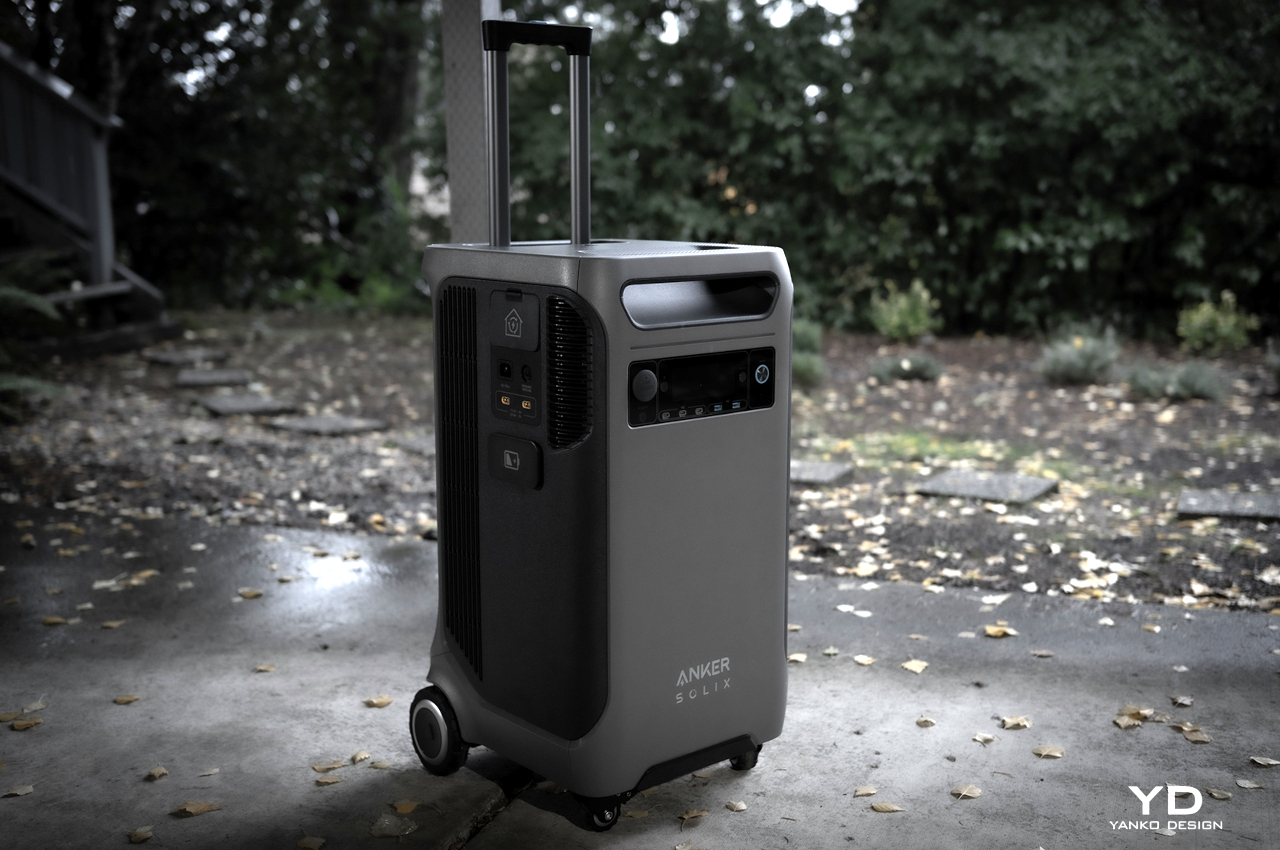
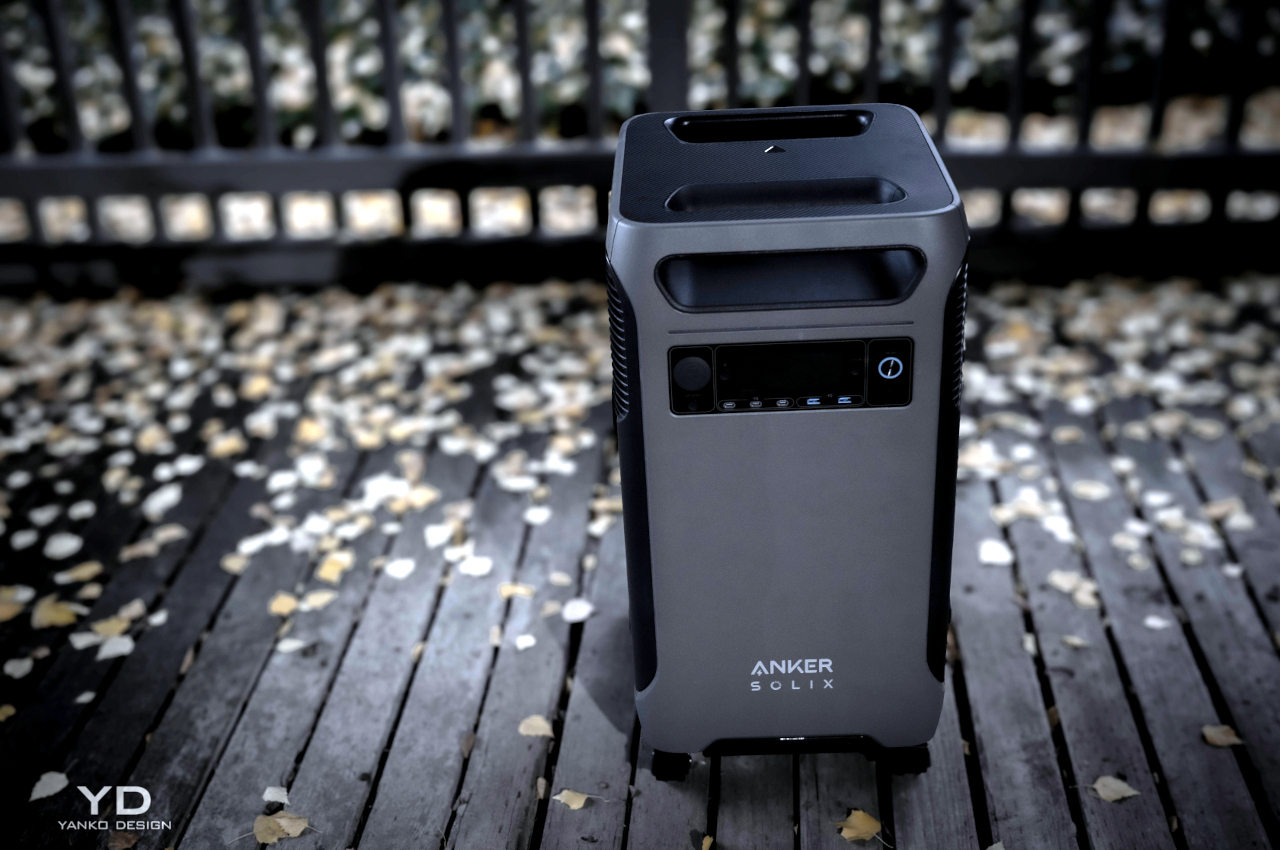
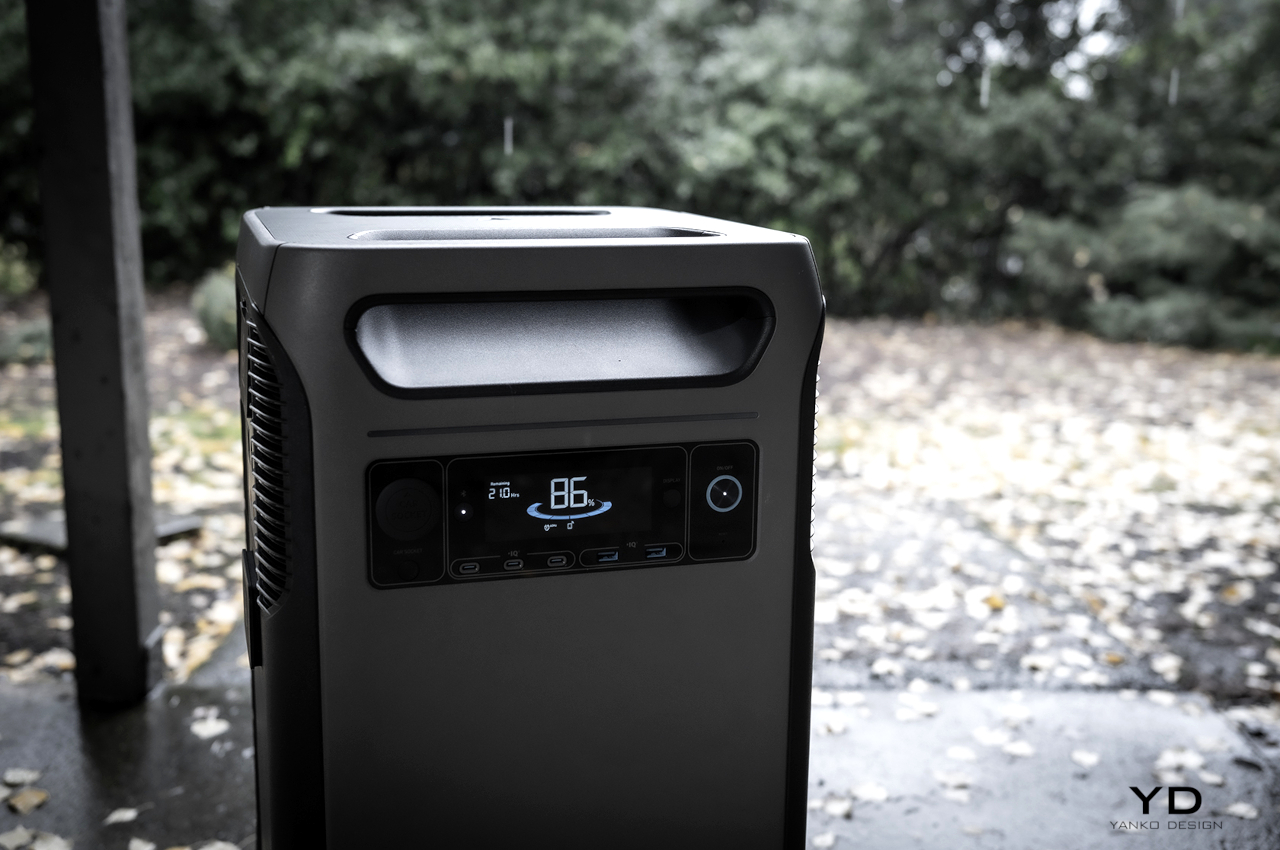
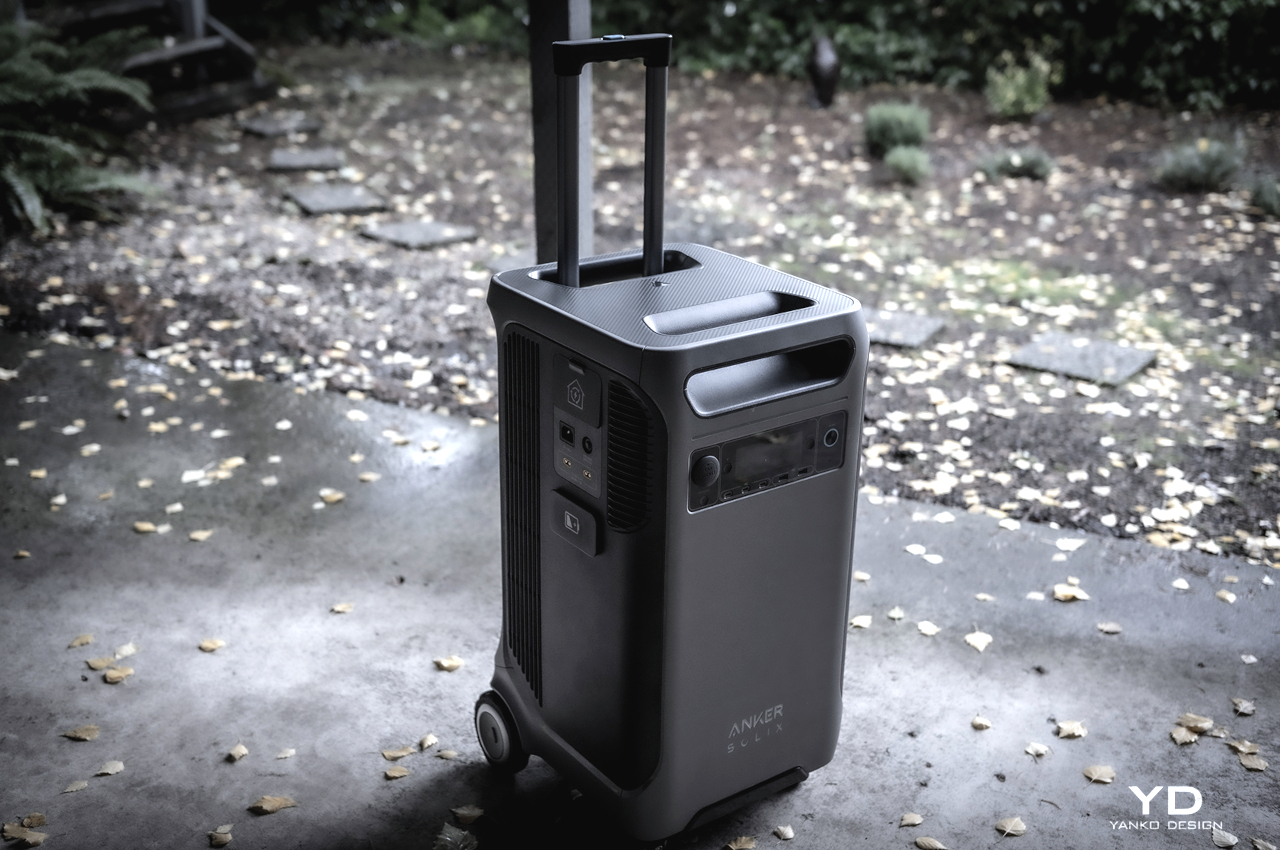
The F3800’s subdued aesthetic style — it being a big gray rectangular box on wheels with an LCD display, a pull-out handle, and visible outlets on the front and both sides — allows it to blend in naturally with other electrical equipment, but it may get in the way of any aesthetic style not complementary to dark gray. I wouldn’t stick it in a kitchen, though it’s an attractive addition to a garage, and you might get away with planting it in your office.
After all, it’s essentially a big suitcase full of electrical equipment. No, it’s not as compact as, say, the Anker 767 Portable Power Station. But it still gets the job done, and it doesn’t take up all that much space. Right now, my SOLIX F3800 is tucked in-between a coat rack and a couple of shelves in my office, where it’ll stay until I need to stroll it back out again, and I genuinely love how easy it is to set up.
Utilitarian design pervades the layout of the Anker SOLIX F3800, and, I mean, yeah — you’re definitely not getting a $3,999 power station to make a fashion statement — but what it lacks in artistic appeal, it more than makes up for in functional design. Its predominantly matte finish, easy-to-navigate exterior, exposed fan grills, and conveniently-placed handles and wheels make it exude a sense of durability and reliability.
Ergonomics/Comfort
I had a rough time getting the SOLIX F3800 off my porch and into an area where I could comfortably unbox it, set it upright, and wheel it around. Granted, I’ve been needing to hit the gym lately so my inability to carry it around without immediately wanting to place it back on the ground again could be a “me” issue. But, just so you know, this thing is an absolute unit. It’s rated to weigh 132 lbs, though the package mine arrived in was a bit heavier than that — around 143 lbs in total. If you’re planning to order one of these to your house from Anker’s online store, make sure you have a pallet or some sort of luggage dolly on standby, as well as a second pair of hands to help you transport/set it up.
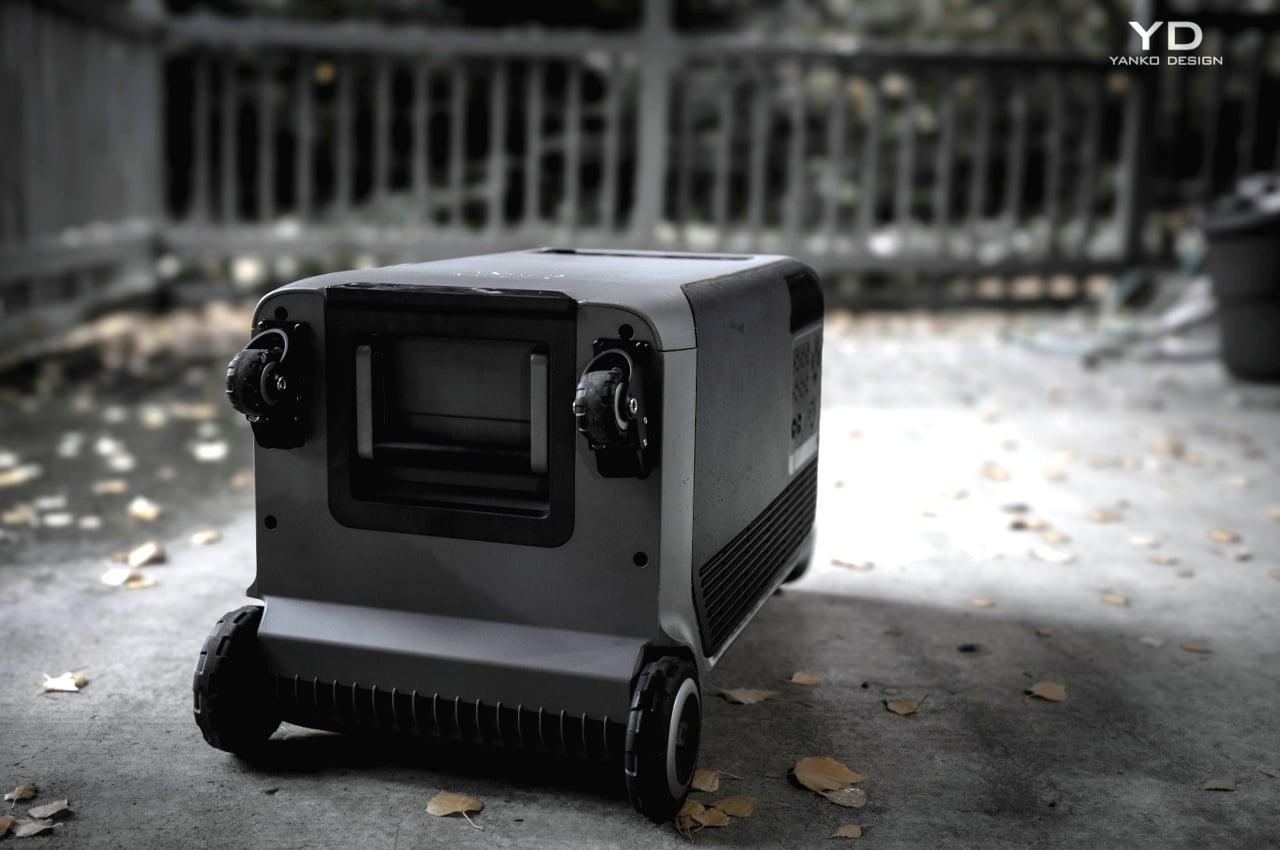
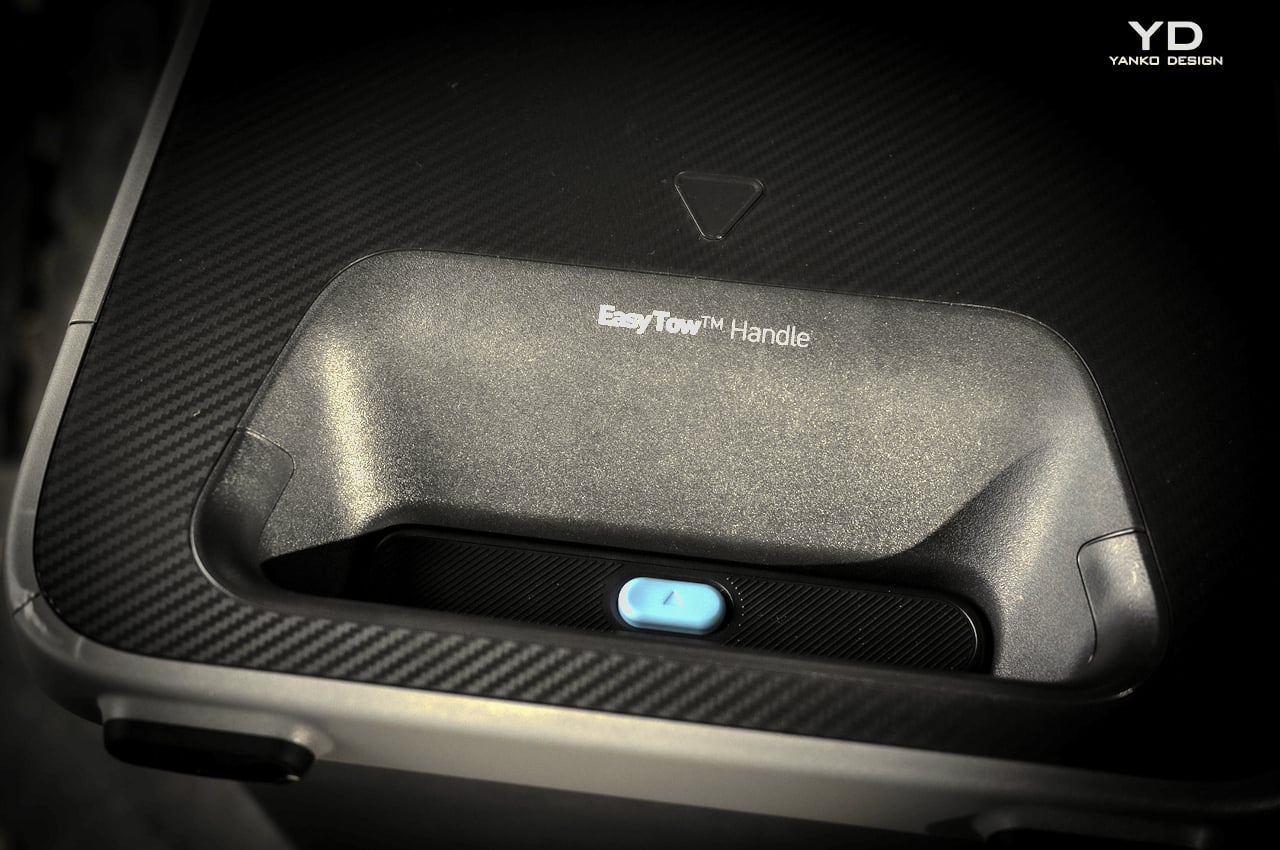
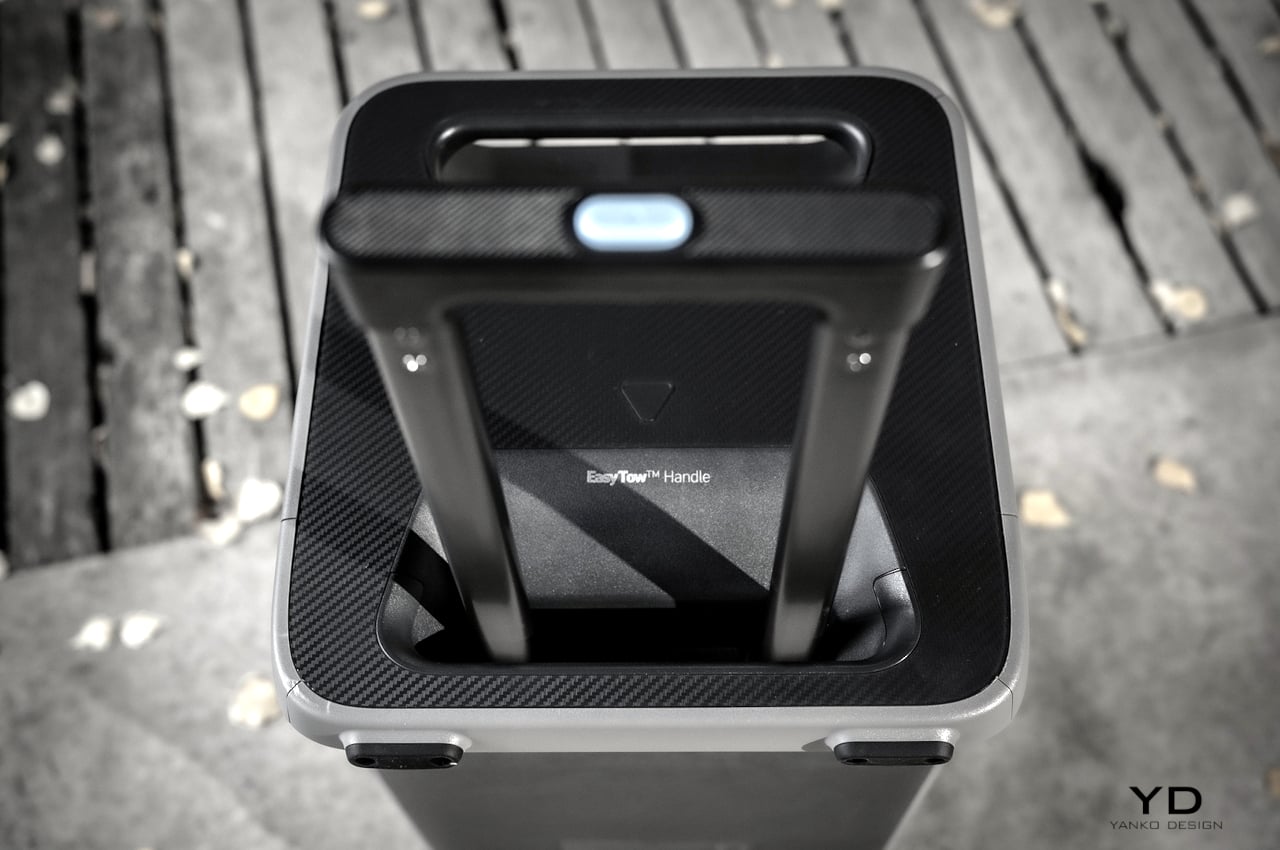
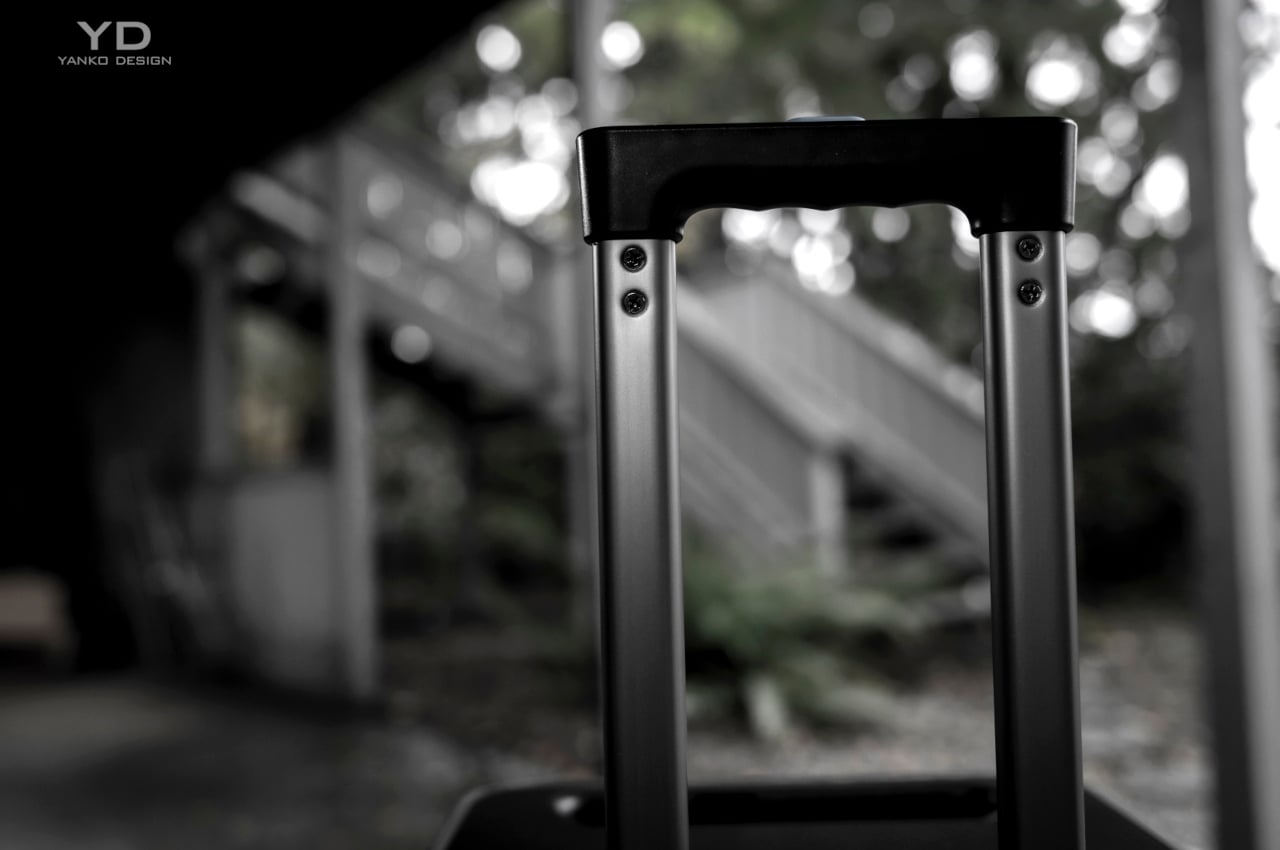
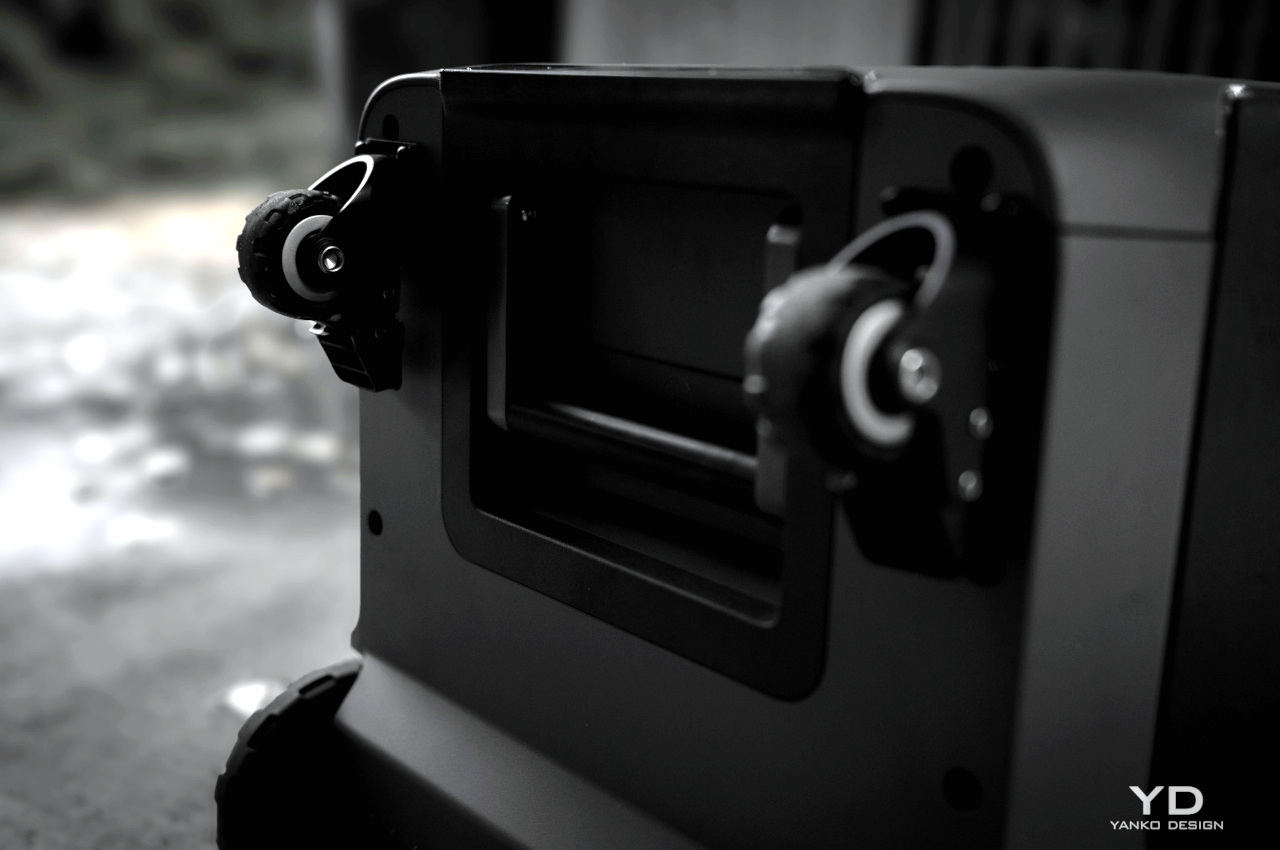
At least there’s a solid handle built into the SOLIX F3800’s chassis, as well as a pull-out trolley handle that unfolds with the tap of a bright blue button. Once the pull-out trolley handle came out, this thing suddenly became a lot easier to maneuver around. This is because its 65 mm back wheels and additional front wheels are more than sufficient to push and pull the thing around on smooth surfaces, and it even seemed to have no trouble with some rocky terrain as well. If you wanted to carry the Anker SOLIX F3800 around like a cooler (if you have the physical strength, that is), you’d be in luck; there is an additional handle located on the bottom, allowing you to two-hand-carry it.
Everything important information-wise is located on the front LCD panel, though you can also connect your smartphone to the device via the Anker App. It’s a simple enough process getting it set up; all you need is an Anker account and a smartphone with Bluetooth, and you can tell the app to sync with the SOLIX F3800 as long as it’s powered on, and as long the Bluetooth mode is activated. You can do that by tapping the Bluetooth button on the front of the device itself, neatly located right next to the display. Once it’s all set up, you can watch the flow of energy coming into and going out of the SOLIX F3800 directly from the Anker App. This is a neat and convenient way to stay on top of your energy usage, especially when you need to conserve energy during a blackout.
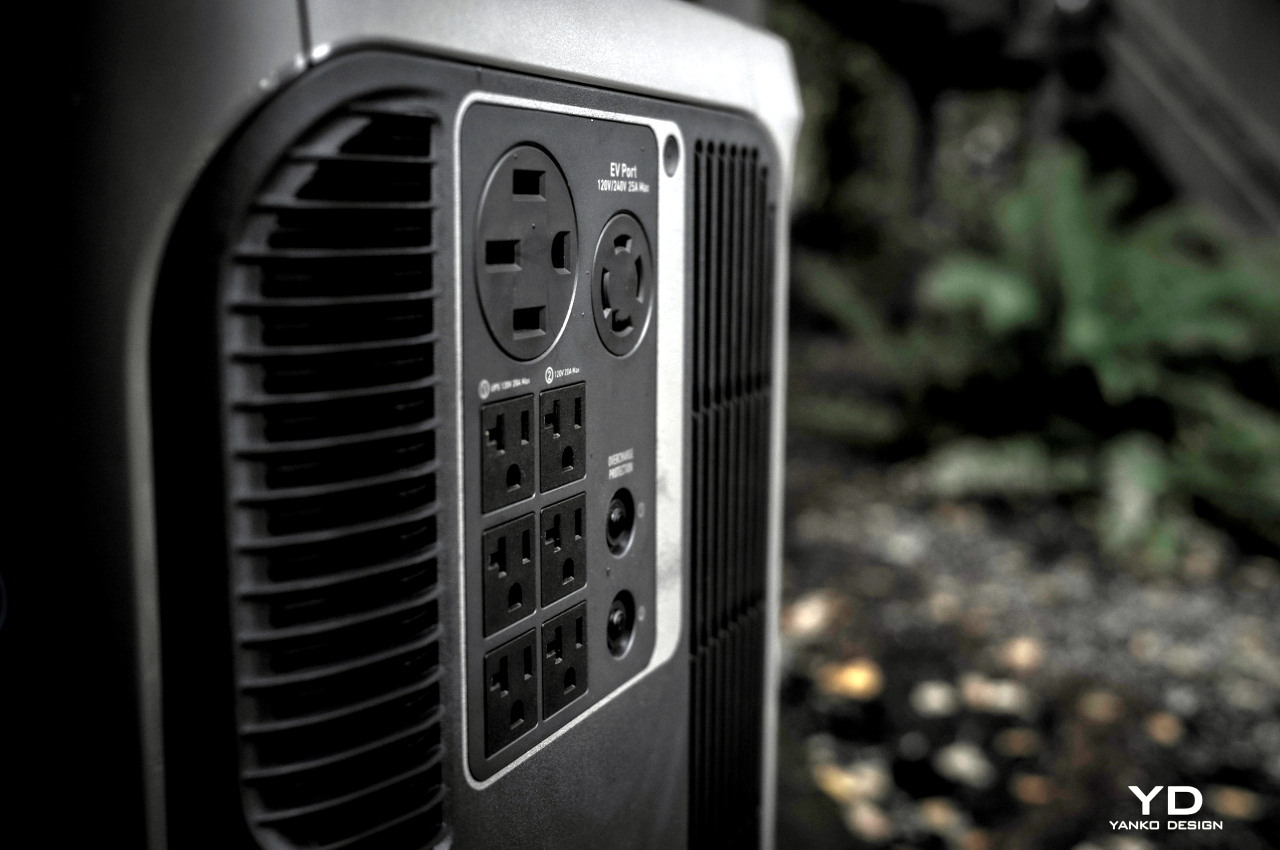
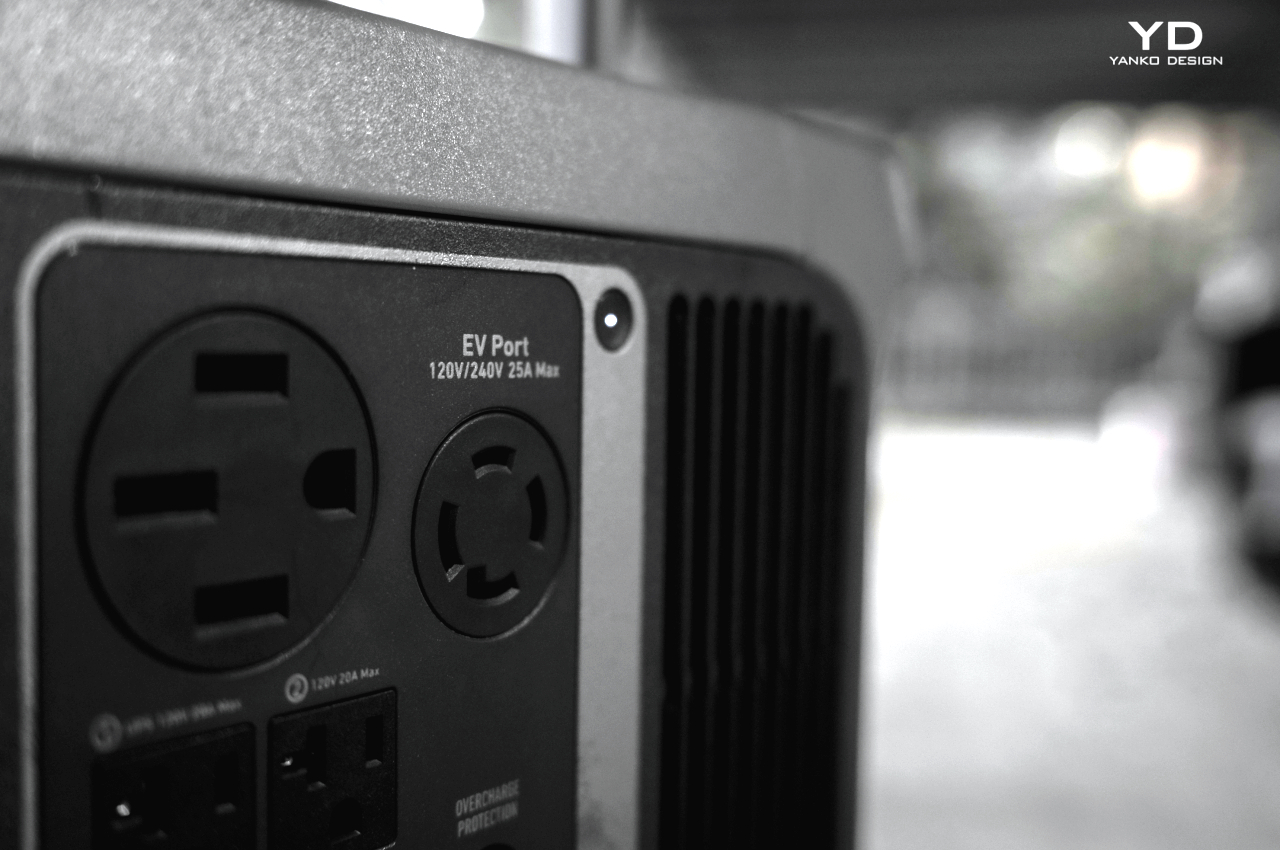
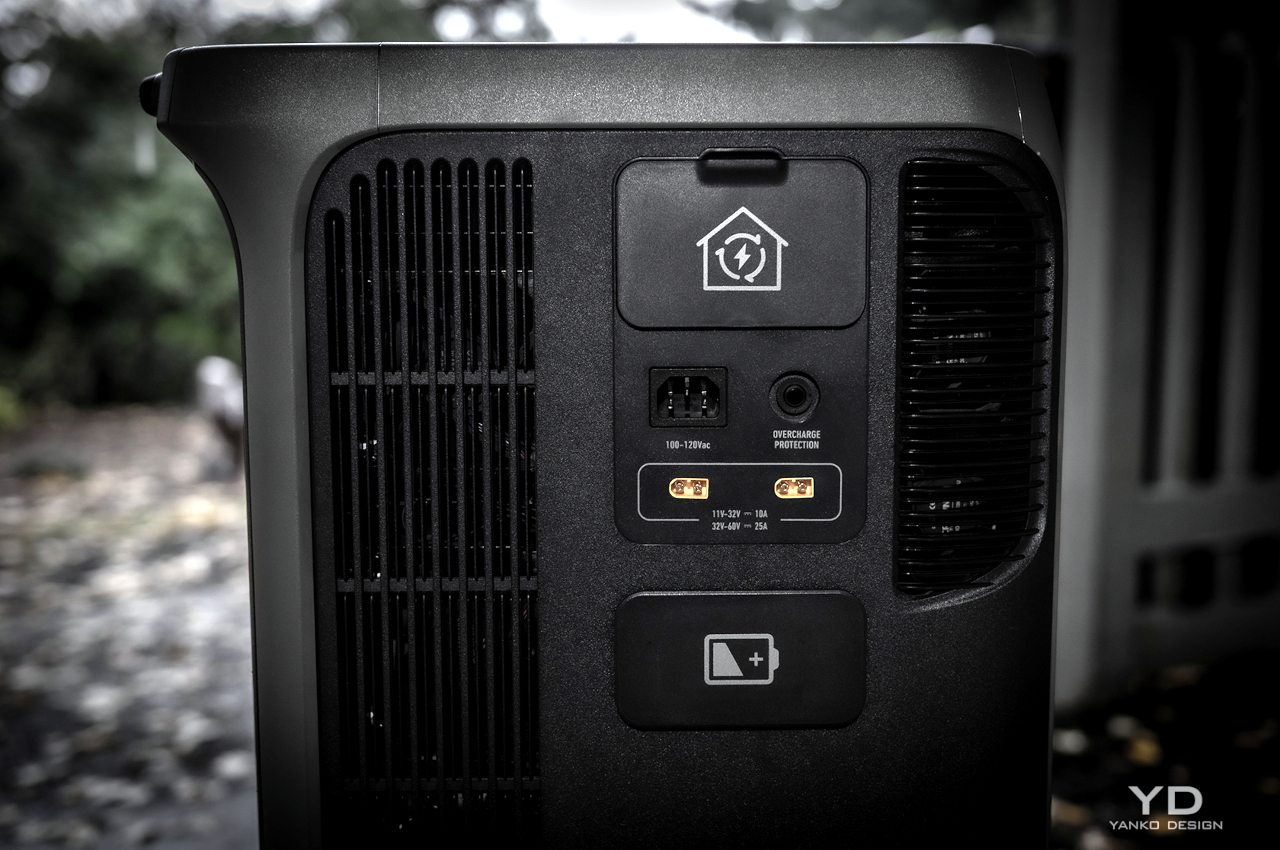
One thing I love is how easy it is to get the Anker SOLIX F3800 set up and going as a portable generator. Plugging it into my wall outlet, getting it fully charged, and powering on the unit itself was a really simple and rather quick process. On paper, it will take less than 3 hours to charge the power station to full from a wall outlet, as long as it is getting full power and not charging under extreme temperatures. Once I was ready to use it, I only had to tap two buttons: the power button on the front of the power station next to the display, and a separate AC outlet button on its right side (conveniently located next to its array of six 120V 20A outlets and two 240V 25A plugs).
Performance
From a performance standpoint, the Anker SOLIX F3800 breaks through the ceiling and into a whole new tier. Electric portable power stations simply don’t do what the Anker SOLIX F3800 does, and before now, there’s been little reason to get rid of the gas generator altogether. If you want to use it as a backup generator, you can. If you want to expand it with the Solix Home Power Panel and make it the storage battery in a far more sophisticated power setup that balances grid and rooftop solar power through the main electrical panel, you can set it up that way as well; and it’s made even easier to manage if you use the Anker App.
Boasting a power load capacity ranging from 6,000 to 12,000 watts (the latter is only possible if you hook up a second F3800), it flies high above other portable power stations from EcoFlow or Jackery — as well as anything Anker has ever placed onto the market previously. Its 240V 25A NEMA 15-40 outlets grant it the ability to power RVs and recharge electric vehicles, making it extraordinarily versatile, and common sense indicates that if you need to power something, you probably can. This alone makes the SOLIX F3800 the heaviest-hitting portable electric power station around. The question is whether or not you can power something for a long time.
Luckily, the Anker SOLIX F3800 is also one of the most scalable power stations in existence. It comes with a base storage capacity of 3.8kWh, which is generally enough to power a 1500W space heater for about two and a half hours. Of course, that’s not enough to sustain heat throughout a multiple-day blackout like the one I experienced, but unlike other power stations, this device can be upgraded to 26.880kWh with all six expansion batteries installed. That’s at least enough to power the same heater for over a day.
If you wanna go even further and reach a staggering 53.8kWh of power storage capacity, you can go all-in and connect a second Anker SOLIX F3800 via the Anker SOLIX Double Power Hub. Alternatively, you can link two F3800 units together via the Home Power Panel. That sets the F3800 apart from its predecessor, the F2000, which had a comparatively meager capacity of 2kWh with only one slot for an expansion battery, totaling 4.09kWh. Just note you’ll need to invest in 12 expansion batteries to make the most of this system, and that could run you well into the tens of thousands.
Sustainability/Repairability/Durability
Anker is a respectable brand with a lot going for it, and that’s because it’s constantly pushing out high-quality, durable power banks and power stations. Its LiFePO4 (lithium iron phosphate) battery makes it notably longer-lasting than conventional lithium ion-based batteries used in older portable power tech; Anker promises at least 3,000 charge cycles up to 80% before this thing starts to die. That also enhances its sustainability rating by avoiding the use of cobalt and nickel. Plus, when you compare it to much larger and more expensive home power systems, it’s obviously a far more sustainable choice.
The need for separate hardware and additional batteries to get the absolute best utility out of the F3800 could absolutely be considered a drawback in terms of sustainability. But again, that’s not such a big deal when you realize a fully-upgraded Anker SOLIX F3800 system wouldn’t do nearly as much harm to the environment as legacy solutions with the same power output.
In terms of repairability, the F3800’s construction is complex and full of parts I don’t understand, and so I wouldn’t attempt to service it myself during a system failure. There are a few silver linings here: it comes with a 5-year warranty and is rated to work for 10 years or longer. Plus, it’s advertised as being simple for an electrician to set up and work with when coupling it with a house.
Value for Money
I’m iffy about making a hard call on the SOLIX’s value for its $3,999 MSRP (though there is currently a substantial discount of up to 35% off on Kickstarter on a number of Anker SOLIX F3800 deals — dropping the price of the standalone unit to $2,599, and giving excellent value on bundles including Anker’s 200W and 400W solar panels). On one hand, it’s pricier than the smaller generators, even though having the Anker SOLIX F3800 in my possession opens up more lifestyle options. The other reason is solar panels are still not widespread enough, even though you don’t really need solar panels to get the maximum value out of the F3800. Going in on an Anker SOLIX F3800 is making an investment into the future — especially since its heaviest-hitting feature is its ability to store a large quantity of solar power and convert that power into 240V AC output for home, RV, and EV usage.
While its initial price is eye-watering (at least, for me), the potential benefit of saving money over a much longer time with a fully-equipped SOLIX system, solar panels and all, could make the expenditure worthwhile. Especially for those actually living in RVs and tiny homes where utilities are significantly more important to stretch out. And, even in the much shorter term for a suburban house dweller like myself, the SOLIX F3800 is a sturdy backup power source — its base 3.8kWh storage capacity and 6,000W AC output are enough to make camping trips and natural disasters more bearable.
Even if there’s no emergency need for power, and even if you don’t plan to upgrade your Anker SOLIX F3800 with all the extra bells and whistles, you can still roll it outside during a sunny day and use it like any portable generator. Plus, you don’t necessarily need a fully-equipped SOLIX system (with the home power panel and all) to recharge the F3800 with solar energy either. The home power panel is just a tool to help the F3800 access larger rooftop solar panels, and you don’t even need that to make good use of the SOLIX system. In fact, if you bring the F3800 outdoors, as long as you also bring a portable solar panel to recharge it, you can have sustainable green power to do virtually anything you’d use power for. This is because the F3800 can be recharged by connecting to almost any rigid or portable solar panel available on the market.
Verdict
The Anker Solix F3800 is a revolutionary next step in sustainable home power, though it may not become a daily power source until you start buying solar panels. Thankfully solar is getting cheaper, and that’s certainly not the only reason you’d want to get one. This is the most future-proofed portable power station on the market right now, thanks both to its incredible portability for a home power system as well as its overwhelmingly strong performance. I love its 6,000W~12,000 and 120/240V AC output capabilities, its 53.8kWh maximum power capacity, and its ability to recharge itself via solar panels (up to 2,400W via XT-60 input) and then channel that same power into a house, an RV, an electric vehicle, or just about any appliance I can think of. That all means it meets the electricity needs of many day-to-day users, and its ability to provide a large dose of backup power during a disaster makes it a critical piece of equipment to have around. Plus, it’s simple and easy to use — requiring zero technical knowledge to charge it from a wall outlet or begin using it as a portable backup power generator. That all represents a meaningful push into the future, especially considering its first-in-class 240V AC power coupling makes it a direct competitor to home power systems that weigh significantly more and are significantly less portable. But when you want to use it like a portable backup generator, you can power it with any electricity source and it produces no emissions. That makes it a standout choice for homeowners seeking a reliable backup power source that’s both portable and versatile.
Netflix’s new prestige sci-fi show is delayed until March 22, 2024. 3 Body Problem was originally scheduled to debut in 2023, before being pushed back to January 2024, and now March. Just as the initial delay was accompanied by a teaser trailer, so too is this one:
3 Body Problem is being adapted by David Benioff and D.B. Weiss (who created HBO's Game of Thrones) alongside screenwriter Alexander Woo. The new trailer gives us our first look at the series’ key “video game,” Three-Body, which involves a nebulous and extremely shiny VR headset. According to John Bradley’s character Jack Rooney, the headset has "no screen... no headphone jack... not even a charging port." Donning the headset transports Rooney to a hyper-realistic world, before he’s swiftly ejected and the trailer ends.
The show's source material is The Three-Body Problem, the first novel in Liu Cixin’s Remembrance of Earth's Past series. Originally released in the mid ’00s in China, it gained international recognition and a Hugo award when Tor Books published an English-language translation in 2014. Netflix’s ill-grammared take on the book was announced in 2020, and stars Benedict Wong, Eiza González and several Game of Thrones alums including Jonathan Pryce and the aforementioned Bradley.
This article originally appeared on Engadget at https://www.engadget.com/netflixs-new-3-body-problem-trailer-reveals-a-delay-to-march-2024-004430208.html?src=rss
Netflix’s new prestige sci-fi show is delayed until March 22, 2024. 3 Body Problem was originally scheduled to debut in 2023, before being pushed back to January 2024, and now March. Just as the initial delay was accompanied by a teaser trailer, so too is this one:
3 Body Problem is being adapted by David Benioff and D.B. Weiss (who created HBO's Game of Thrones) alongside screenwriter Alexander Woo. The new trailer gives us our first look at the series’ key “video game,” Three-Body, which involves a nebulous and extremely shiny VR headset. According to John Bradley’s character Jack Rooney, the headset has "no screen... no headphone jack... not even a charging port." Donning the headset transports Rooney to a hyper-realistic world, before he’s swiftly ejected and the trailer ends.
The show's source material is The Three-Body Problem, the first novel in Liu Cixin’s Remembrance of Earth's Past series. Originally released in the mid ’00s in China, it gained international recognition and a Hugo award when Tor Books published an English-language translation in 2014. Netflix’s ill-grammared take on the book was announced in 2020, and stars Benedict Wong, Eiza González and several Game of Thrones alums including Jonathan Pryce and the aforementioned Bradley.
This article originally appeared on Engadget at https://www.engadget.com/netflixs-new-3-body-problem-trailer-reveals-a-delay-to-march-2024-004430208.html?src=rss
Building intricate little LEGO structures was one of my favorite hobbies as a kid. I would love sitting and spending hours building the adorable little builds. I’m sure most of us have nostalgic and heartwarming memories associated with LEGO blocks from our childhood, as well as the not-so-heartwarming ones of stepping on them with our feet and feeling an insane amount of pain shoot up our legs. Despite these wonderful childhood memories, LEGO is no longer considered child’s play! Master builders, artists, and LEGO enthusiasts all over the world are creating impressive LEGO builds that’ll blow your minds away. They are a result of their hours of dedication, attention to detail, hard work, and creativity. And we’ve put together some mindblowing LEGO builds that recently took our breath away! From a LEGO T-Rex to a LEGO Popcorn Machine – these LEGO builds are gonna get LEGO lovers drooling over them.
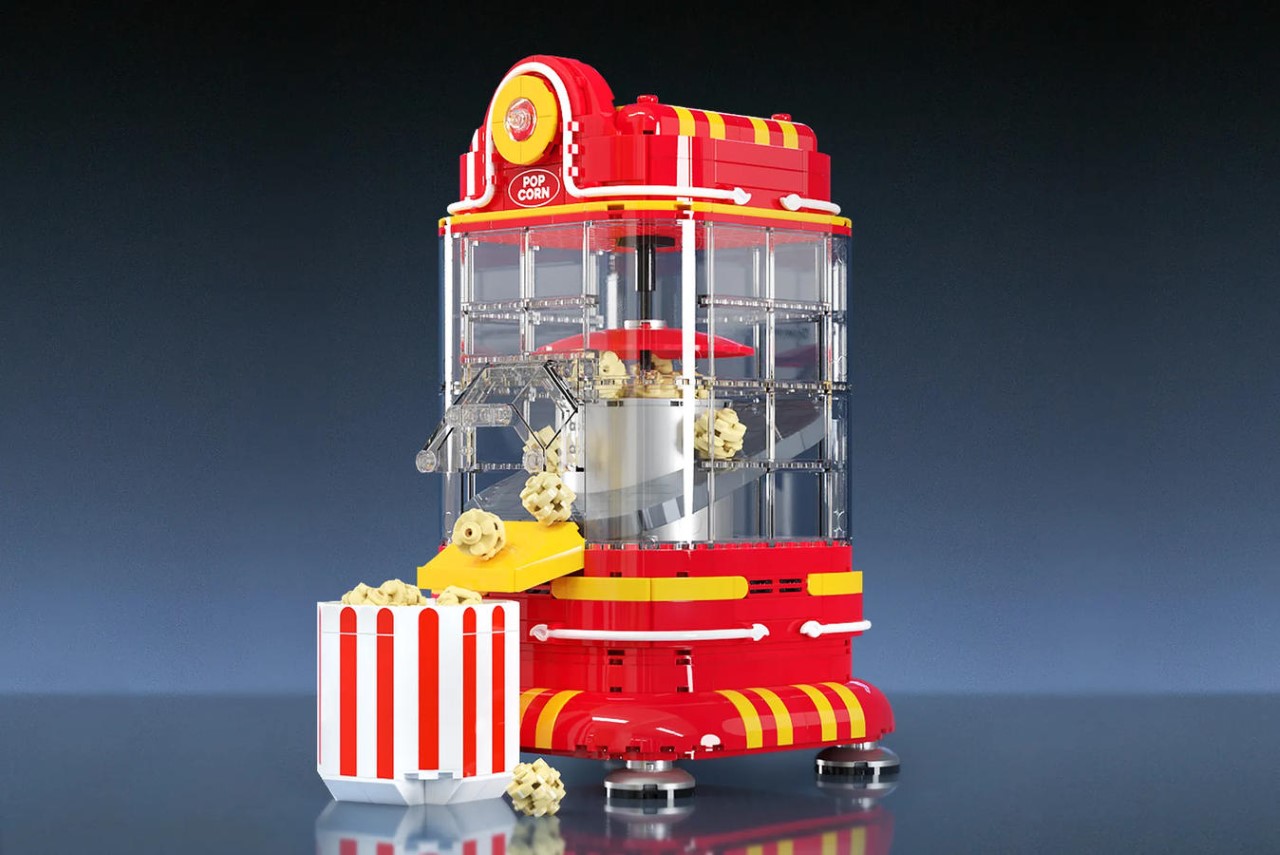
1. LEGO Popcorn Machine
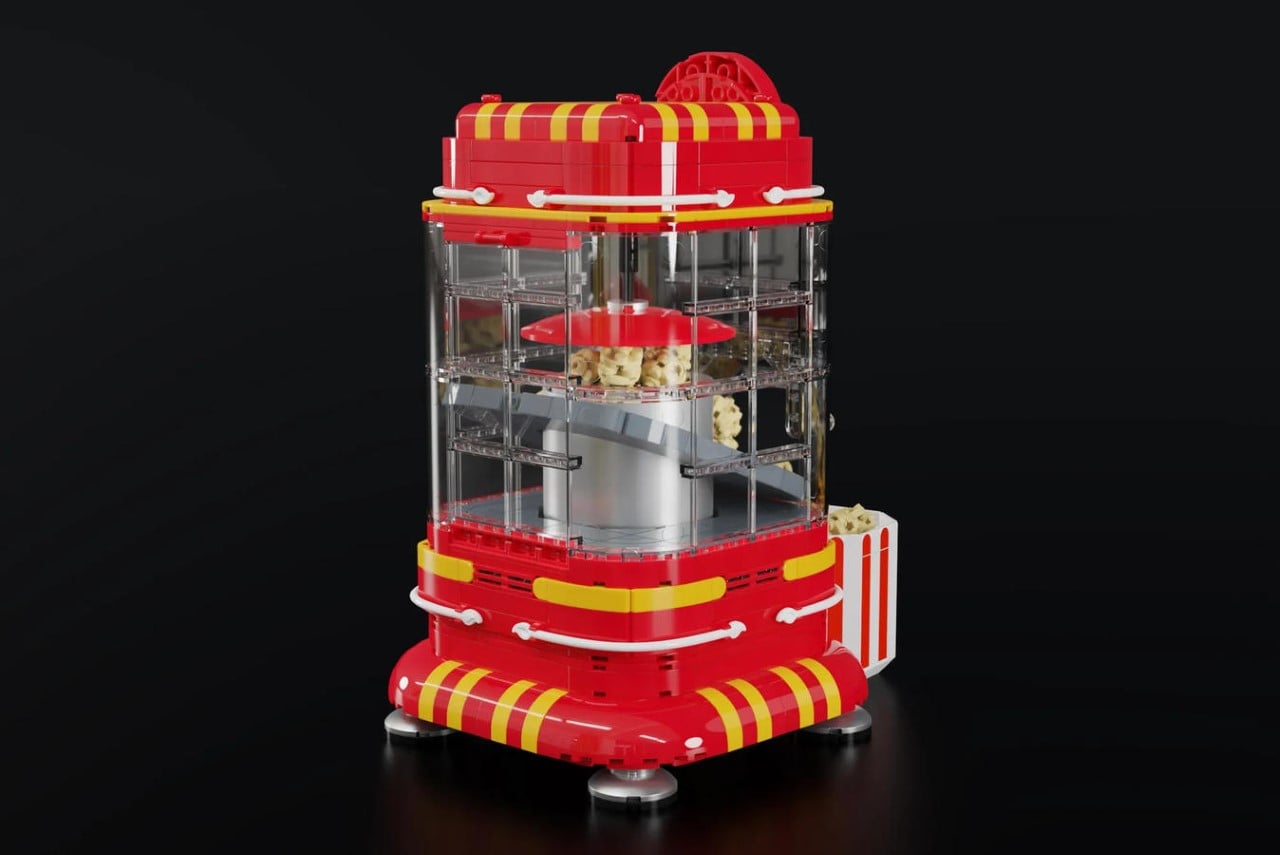
Designed by Dimexart, this Popcorn Machine is built entirely from LEGO. It is reminiscent of the iconic popcorn machines you usually see in movie theaters. It features a glorious retro-style theme and is created using 955 pieces. In fact, even the popcorn is built using LEGO bricks!
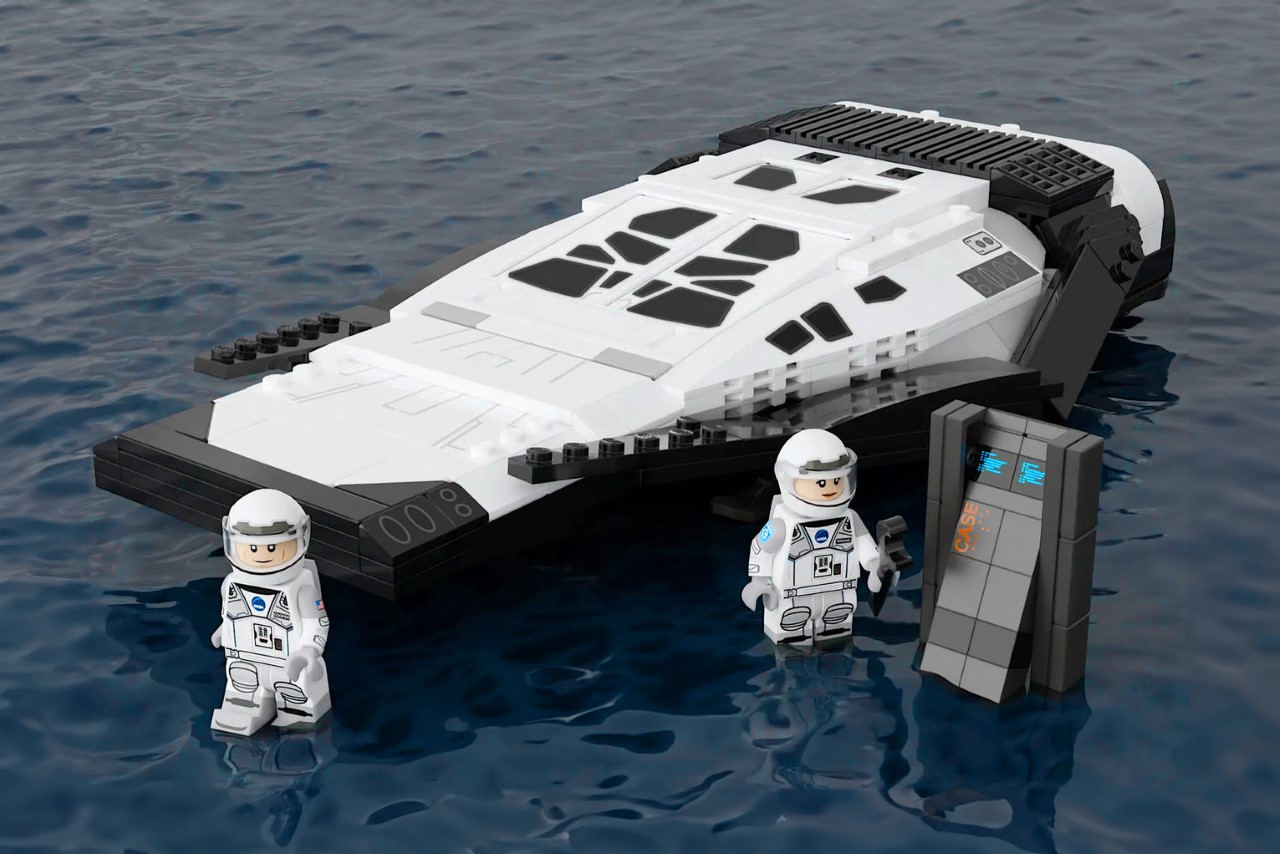
2. LEGO Miller’s Planet Scene
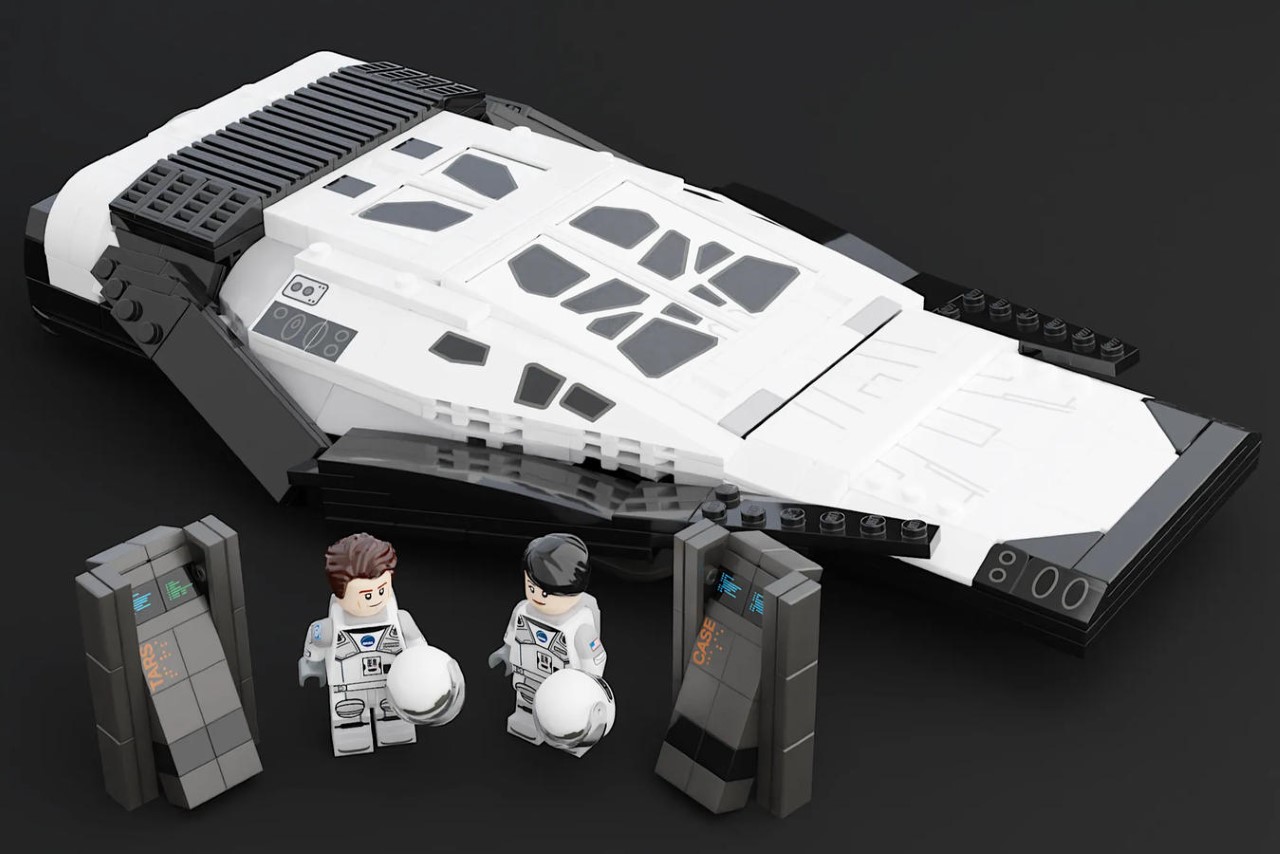
LEGO builder Minibrick Productions recreated the iconic Miller’s Planet scene from the Interstellar movie with this tiny LEGO-based recreation that includes the ranger aircraft, astronauts Cooper and Brad, and the shapeshifting robots TARS and CASE. McConaughey and Hathaway come outfitted in their space suits, while TARS and CASE, the two robots feature repositionable arms that enable them to walk like humans.
3. The LEGO® Jurassic World Dinosaur Fossils: T. rex Skull
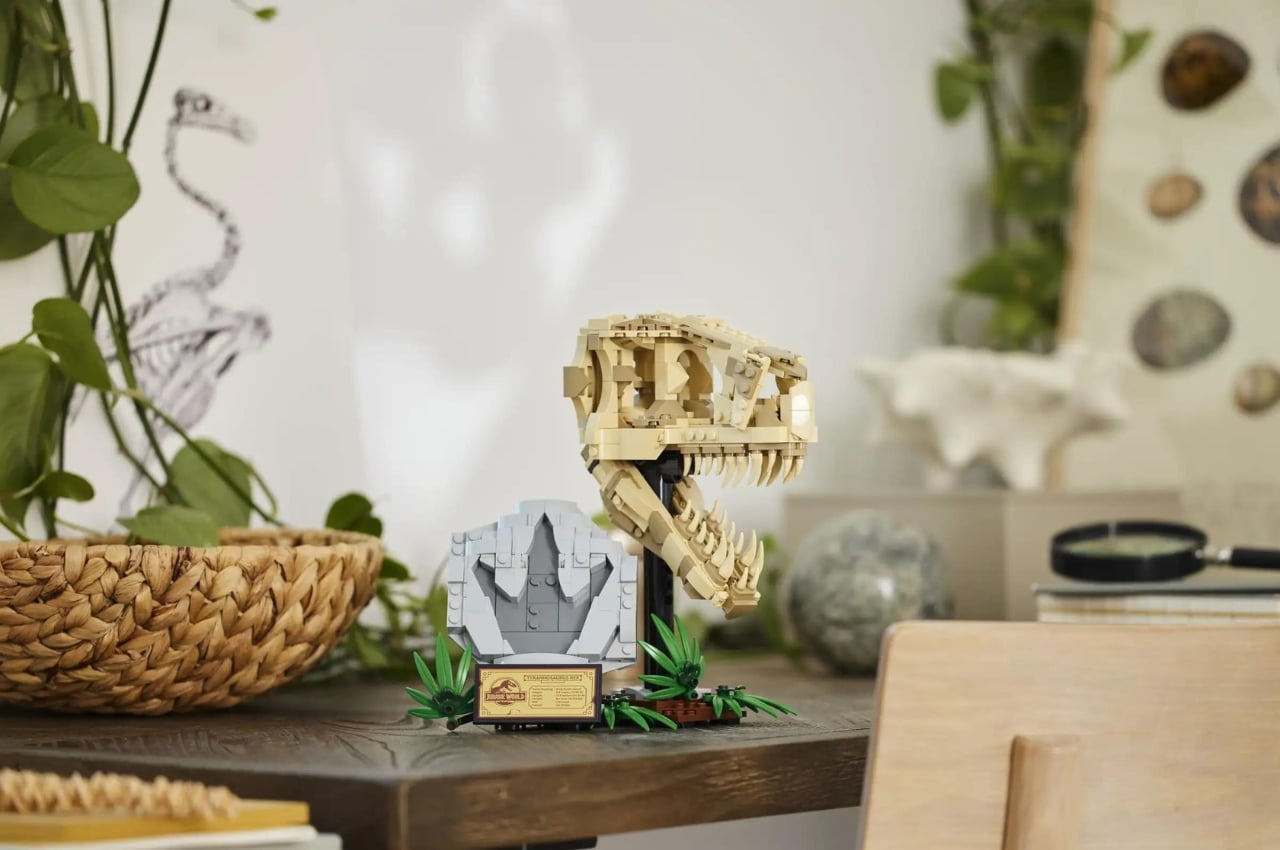
The LEGO® Jurassic World Dinosaur Fossils: T. rex Skull (76964) is one of the first Jurassic World sets intended for museum-like display. It is a 577-piece set that includes a T. Rex skull with an opening jaw, and a stand to proudly display it. The build also includes an info plaque, an amber piece at the back, and a fossilized footprint.
4. LEGO Snow Globe
LEGO-builder BrickAbe designed a functioning snow globe! However, what makes the snow globe even more special is that it features YouTube’s most well-known fictional character – the anime girl from the LoFi Girl YouTube channel, who is known for her endless streams of beautiful downtempo music.
5. The LEGO Art space poster “The Moon: Earth’s Companion”
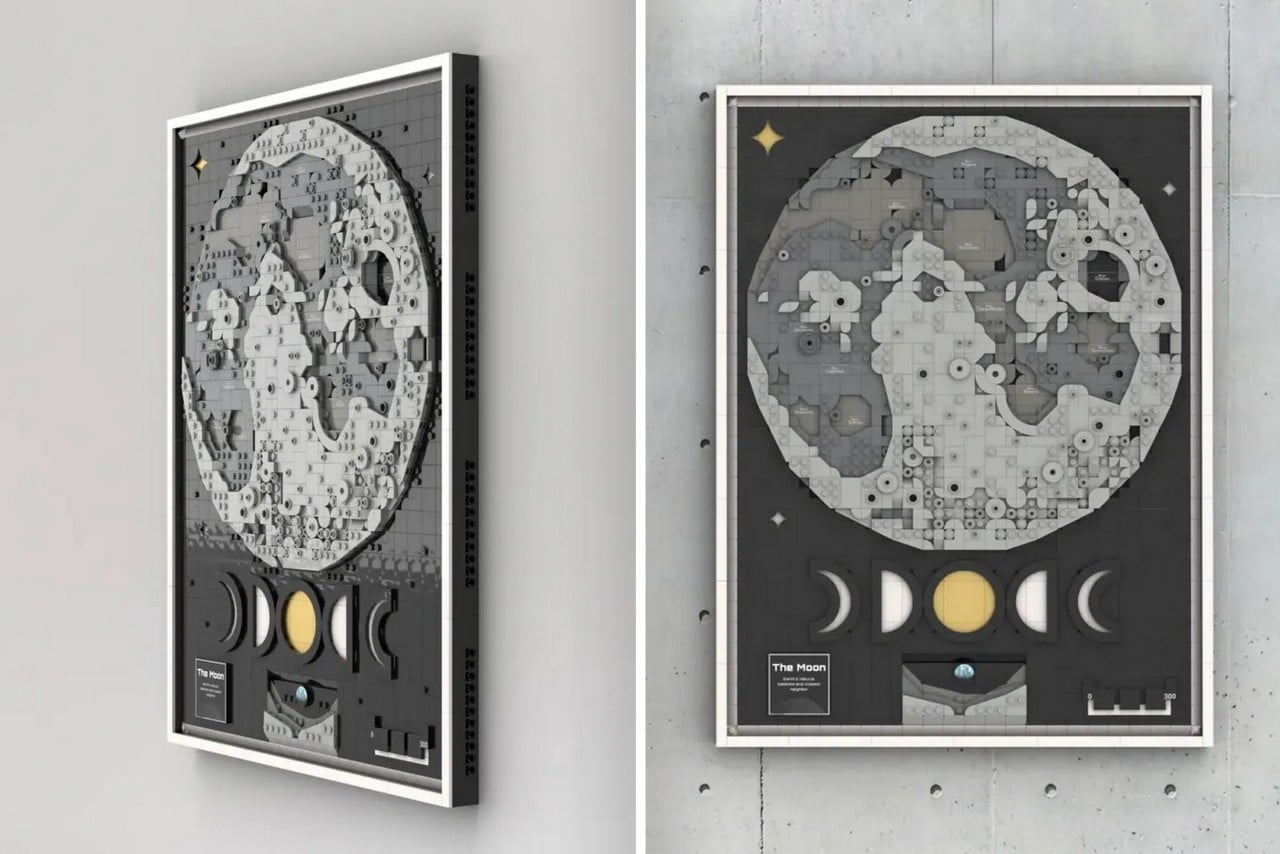
The LEGO Art space poster “The Moon: Earth’s Companion” is a celebration of the beauty and glory of the moon and is built using 2360 bricks, it features realistic craters and terrains and is built with an immense amount of attention to detail. The brick-built Moon is a unique fan-made creation that perfectly captures the essence of the moon.
6. LEGO Piranha Plant
Dubbed the Piranha Plant, this LEGO build by Super Mario Landscape is a super cute desk accessory for all the Mario fans and lovers out there. The plant is made using 540 bricks, and stands tall at 9 inches, featuring an adjustable head, positionable leaves, a moveable jaw, and two golden coins that can be dropped into the plant’s pipe.
7. LEGO NIKE Air Jordan 11
LEGO Hungarian builder, Tamás Borján took his love for sneakers to a whole ‘nother level with the NIKE Air Jordan 11 LEGO build. Built using the beloved plastic building blocks, the Jordans feature a unique spin by Tamás. They are a perfect symbol of style and basketball prowess!
8. LEGO Magic Maze
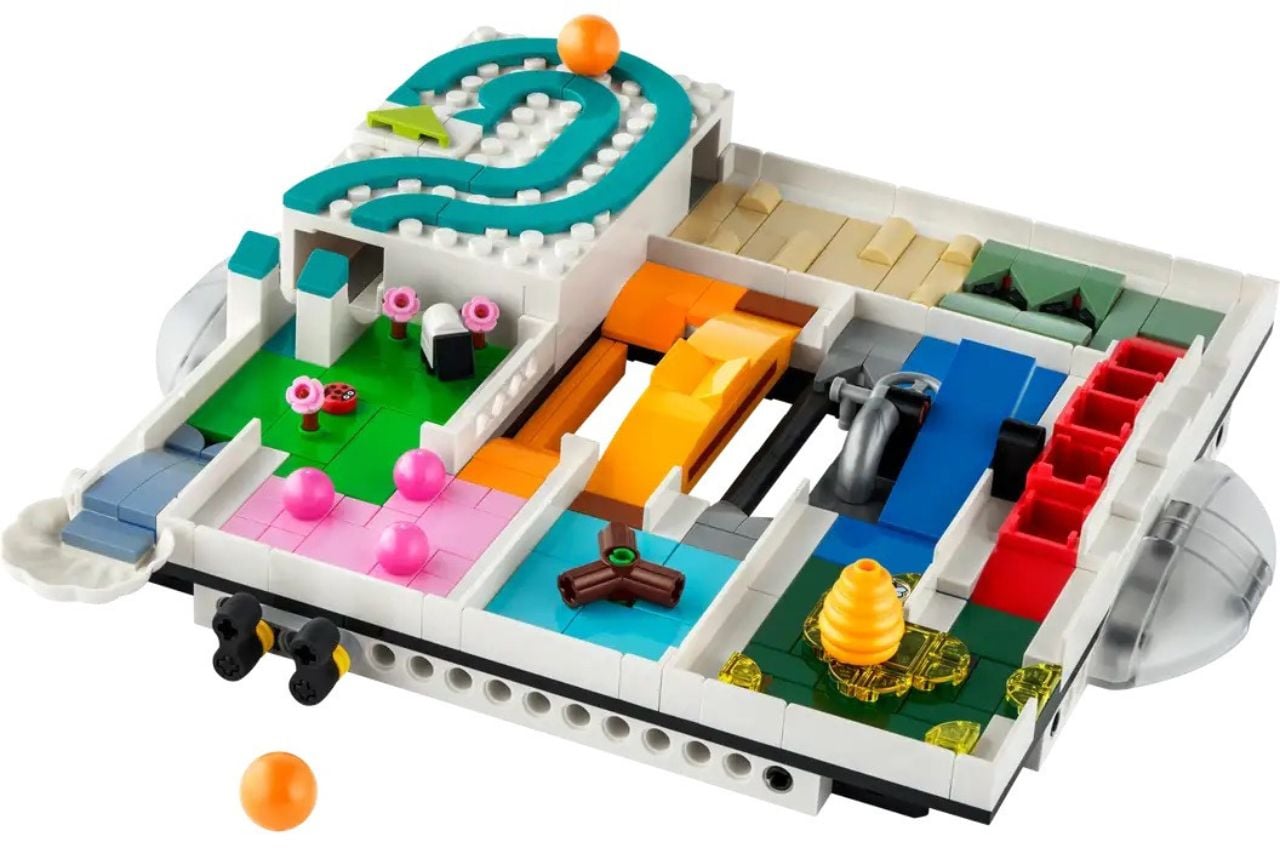
Meet the Magic Maze! This immersive game is a complete treat for LEGO enthusiasts as it provides hours of fun. It basically involves guiding a marble around the challenging playing field. You need to skillfully tilt the seat, and navigate past the treacherous holes and obstacles. It’s a true test of dexterity and strategy, making it a perfect addition to your collection.
9. LEGO Tower Chess
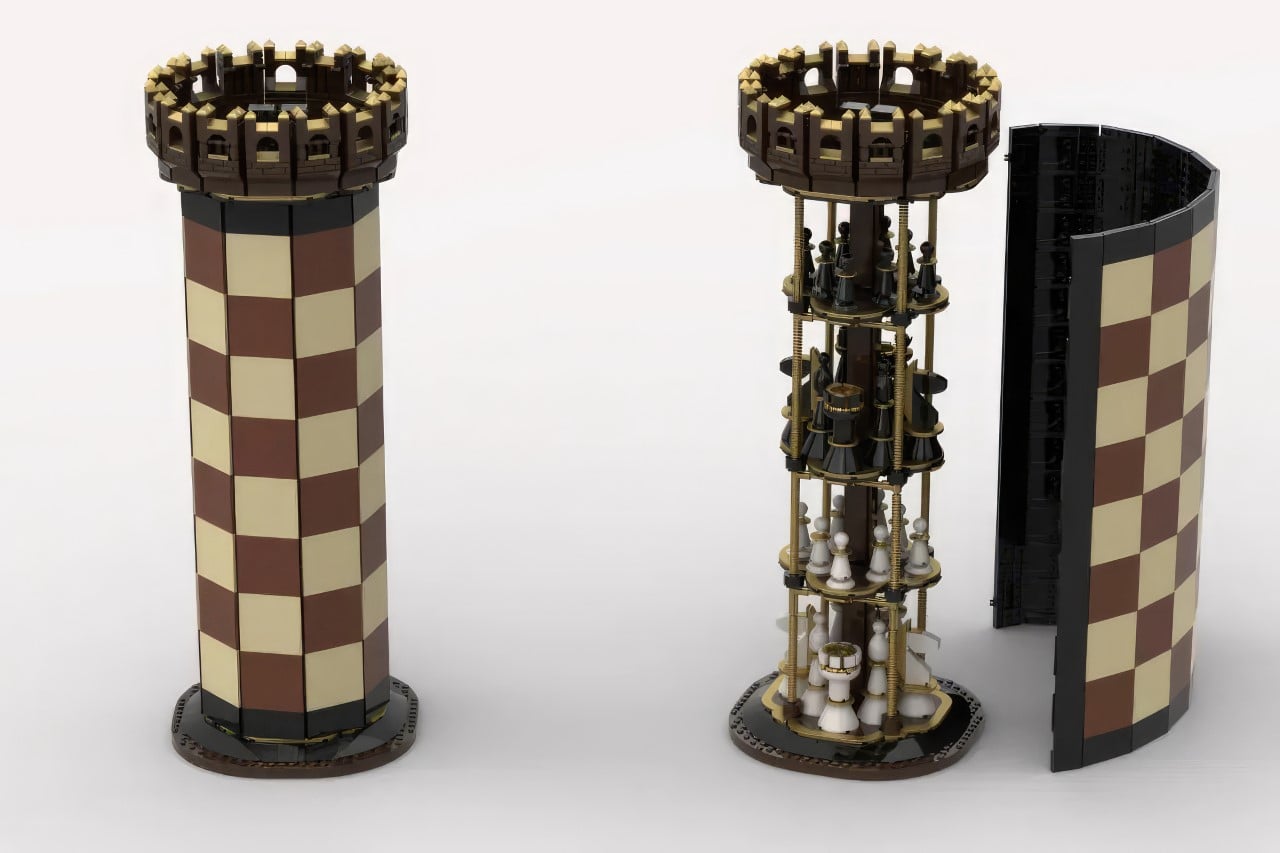
This Tower Chess by Ferbrick1 basically disguises a board game as home decor! The build is cleverly designed and is morphed into a unique castle tower that stores chess pieces in built-in racks. The board also wraps around to form the tower’s brick facade, hiding the entire chess set underneath it.
10. LEGO FedEx Truck
LEGO fan David Clavijo designed FedEx’s iconic truck using LEGO bricks in celebration of FedEx’s 50th anniversary. The company boasts an inspiring workforce of over 500,000 employees, a fleet of 700+ aircraft, and 200,000 vehicles. This unique build pays tribute to the company!
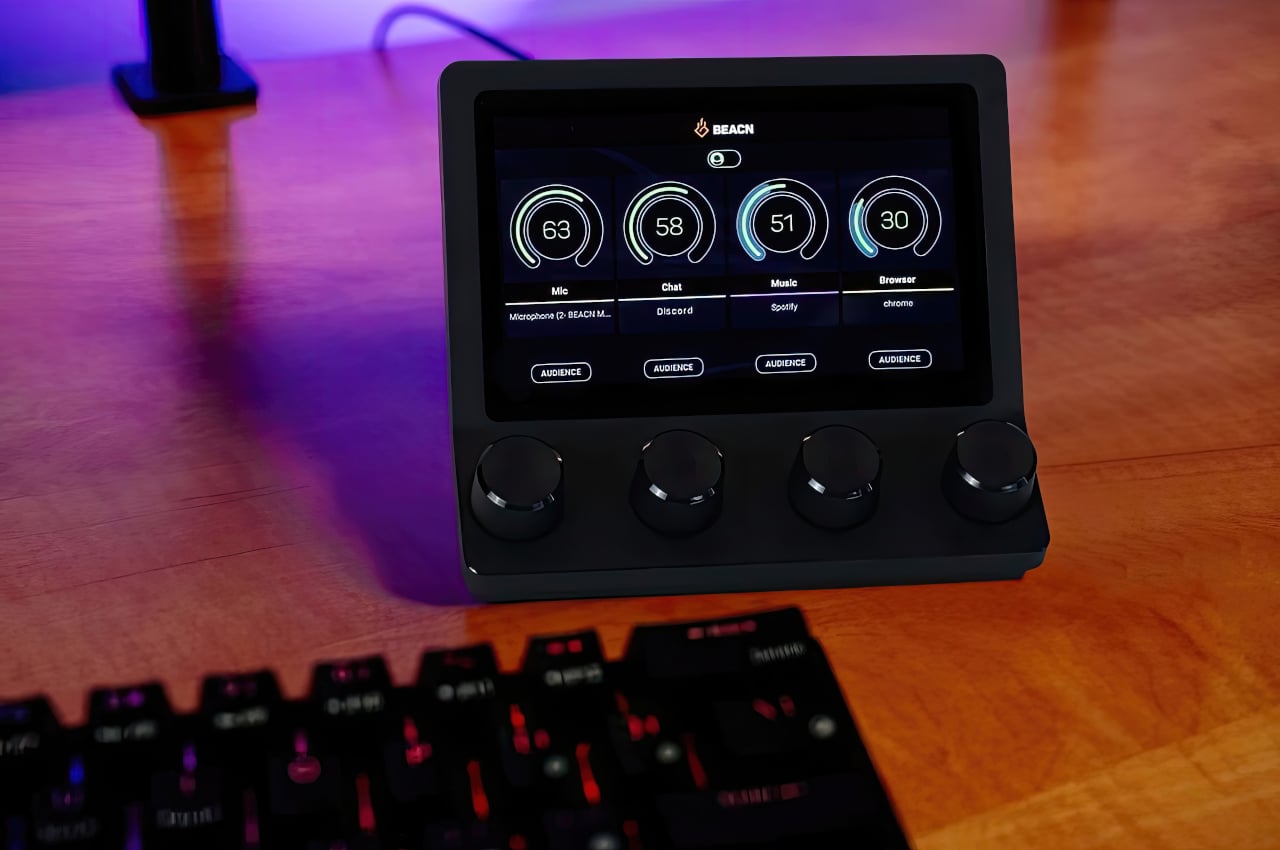
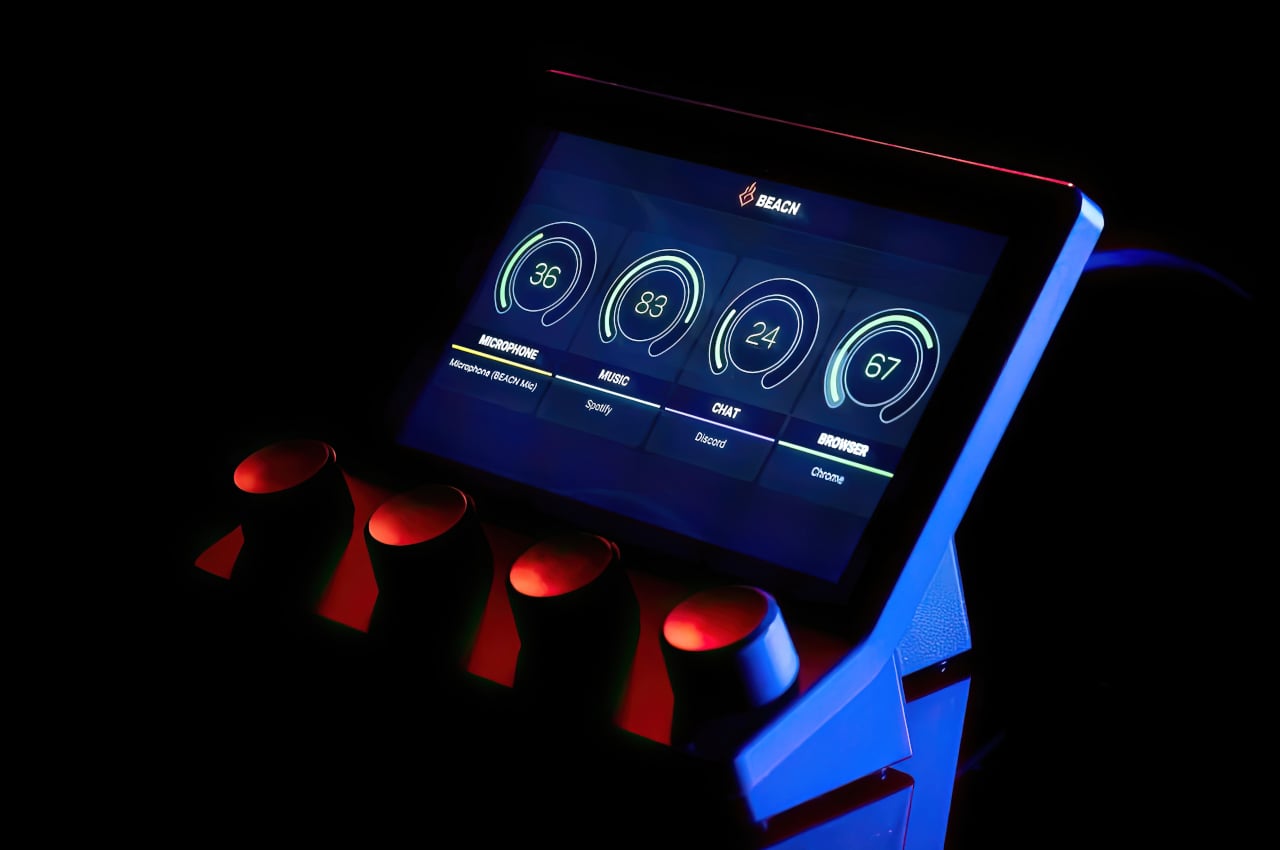
The BEACN Mix Sound Controller — a basic hardware mixer which provides convenient control over up to four audio inputs/outputs on a connected PC — showed up in August 2021 to critical streamer and podcaster acclaim alongside its slightly bigger, yet far more advanced sibling, the BEACN Mix Create. MMORPG’s Joseph Bradford noted its ease of use and great-feeling controls, though it’s broadly disagreed upon whether or not the baseline BEACN Mix controller is worth its $149 MSRP when placed so close to the Mix Create (which has a $199 MSRP). Meanwhile, both controllers compete against the Elgato Stream Deck ($199.99) in both functionality and price, albeit with a few key design differences; potentially making the BEACN Mix the better choice for regular use.
And now, for those who’ve remained on the fence about buying one or the other, the tables are turning. Drop is currently offering the BEACN Mix Sound Controller at a 33.5% markdown ($99, down from $149). Of course, there’s also the far more comprehensive Razer Stream Controller, but its $269.99 MSRP pushes it outside of the same ballpark while its $149.99 macro-only counterpart, the Razer Stream Controller X, is in a category of its own. For the limited time this offer is active, the BEACN Mix is one of the best — if not the best — dedicated streaming audio mixers you can buy, and its major design advantages over the premium-priced Elgato Stream Deck are significant where accessibility is concerned.
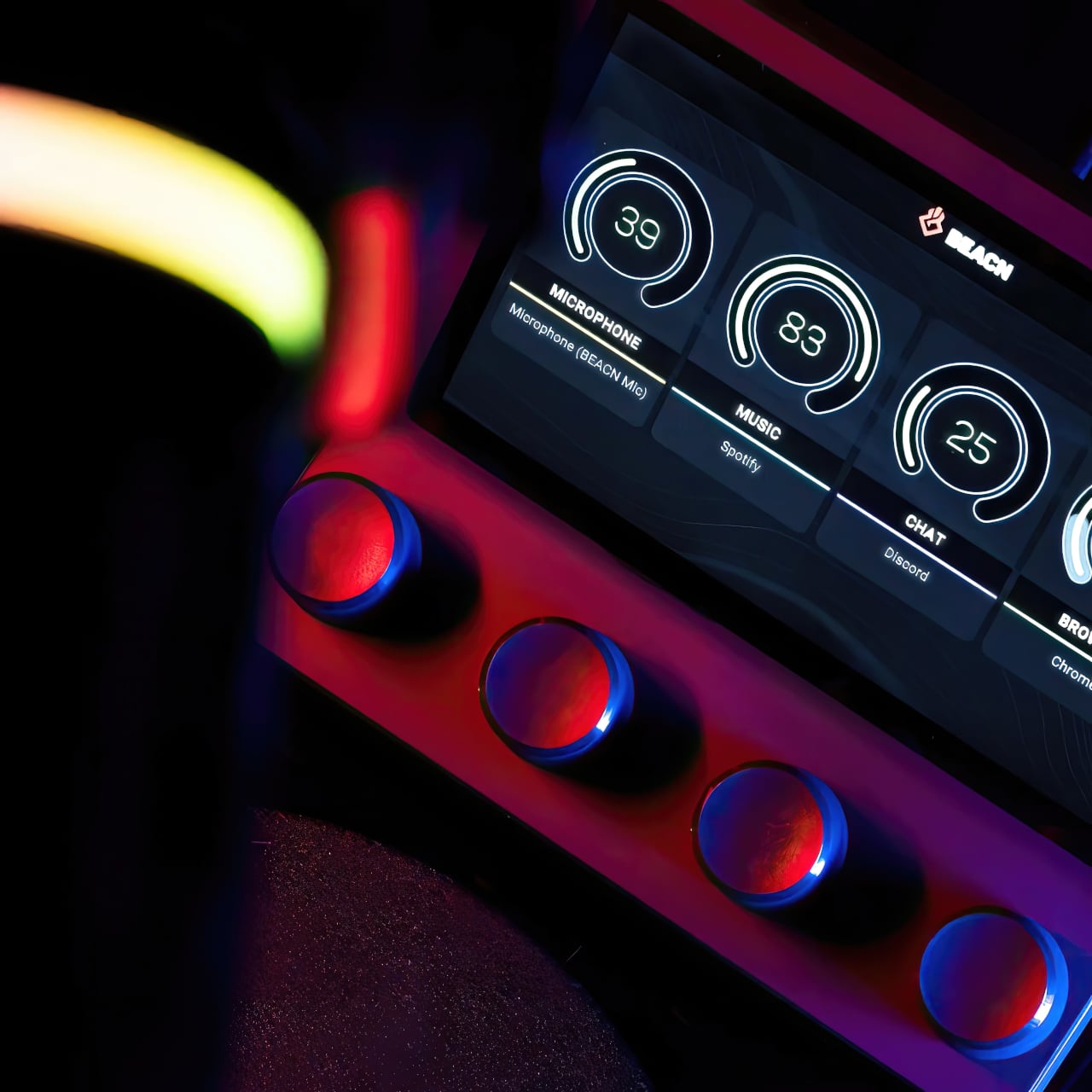
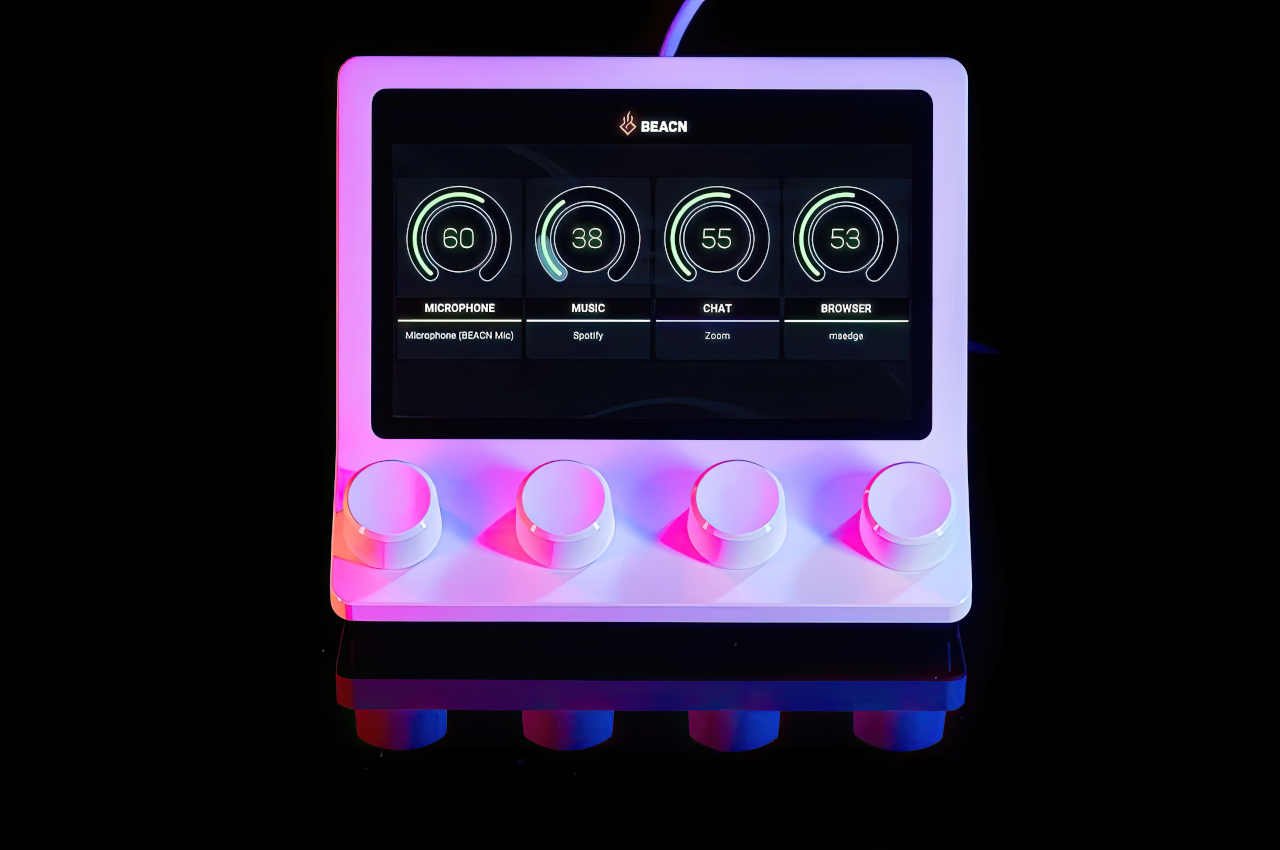
BEACN’s design features two colorways: Dark Blue and White, and they’re both attractive yet functional thanks to the mixer’s four large (and evidently, quite comfortable) knobs and 5-inch full-color display. These are a departure from the Elgato Stream Deck’s much tinier display, function buttons, and knobs, and that’s all possible due to its larger dimensions. Comparing the two side-by-side, the BEACN Mix Sound Controller measures in at 7.4 x 14.3 x 14.2 inches, whereas the Stream Deck is 4.6 x 3.3 x 0.8 inches. Despite the BEACN’s added comfort making it a shoo-in for someone who needs a bigger display and bigger controls, that size difference may be worth considering when determining whether your desk has enough space to fit it.
Still, it’s a plug-and-play mixer with plenty of portability, using USB-C to connect to the streaming PC via a single connection. Once that’s set up, the software seems equally easy to get rolling. Critics are less in love with the mixer’s lack of sophisticated features, however. For example, it lacks the ability to create and control submixes of similar audio signals. That’s not too important when you need something simple in a pinch, and the BEACN Mix is just that — a simple, yet durable and easy-to-configure solution for podcasting and streaming with limited space resources. If that’s you, you’ll want to grab it at its current price before the deal ends, though it’s unclear when that’ll be. Drop’s estimated ship date is December 29, 2023.
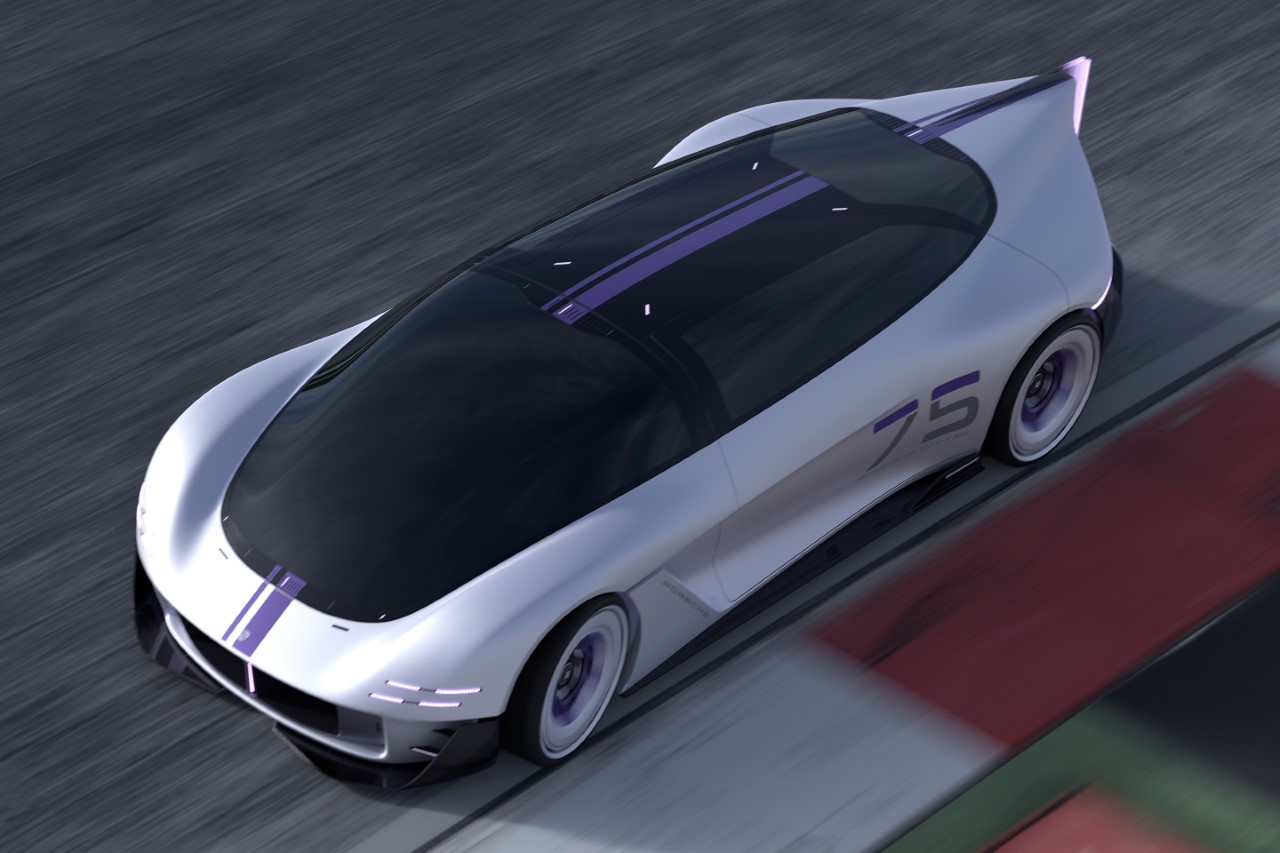
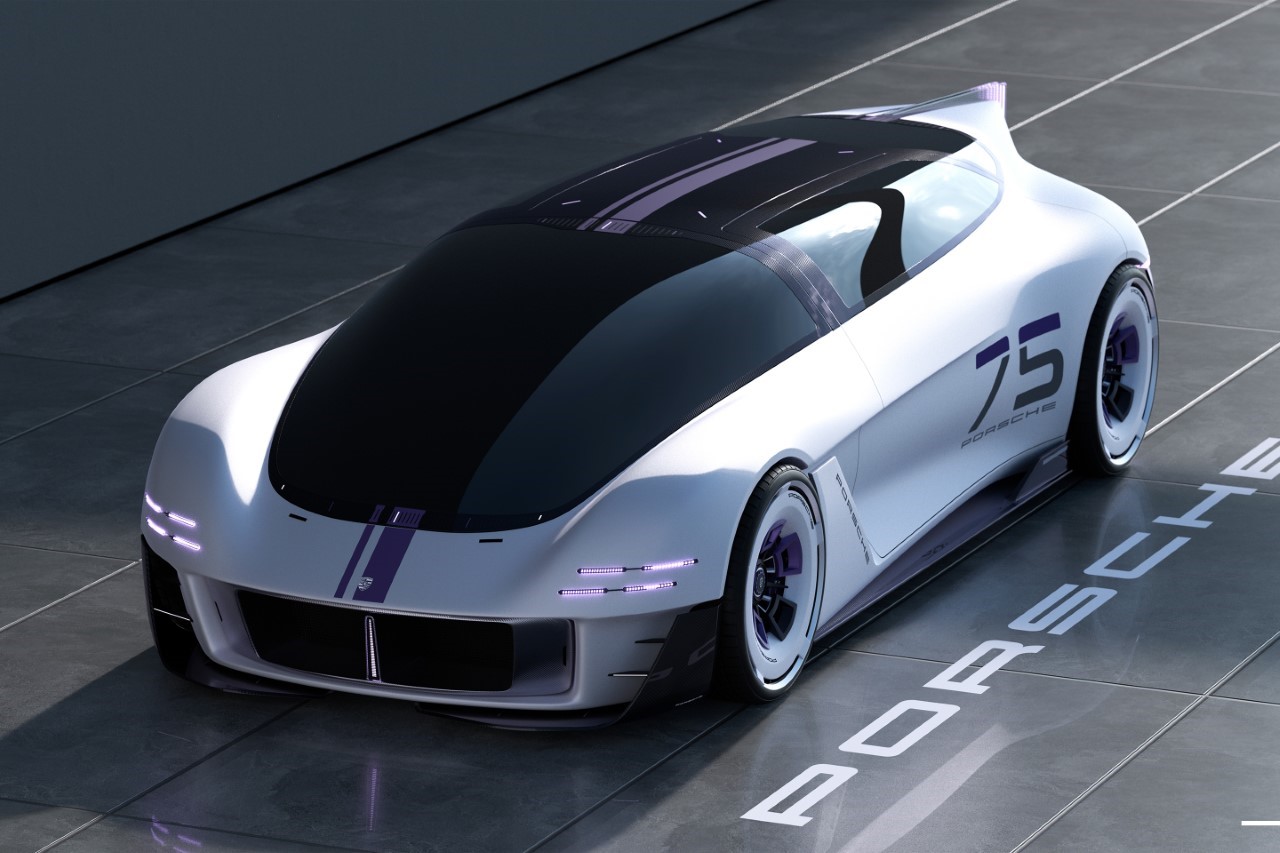
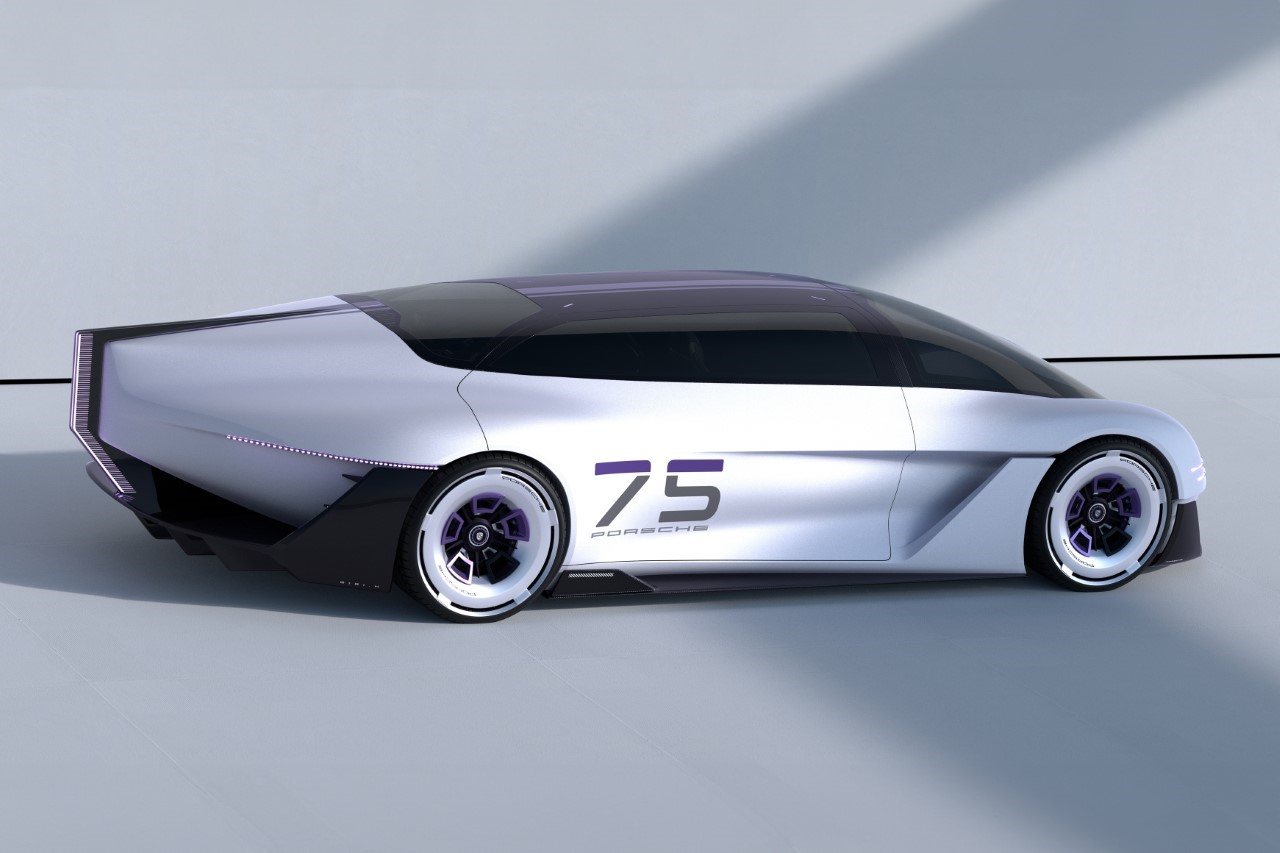
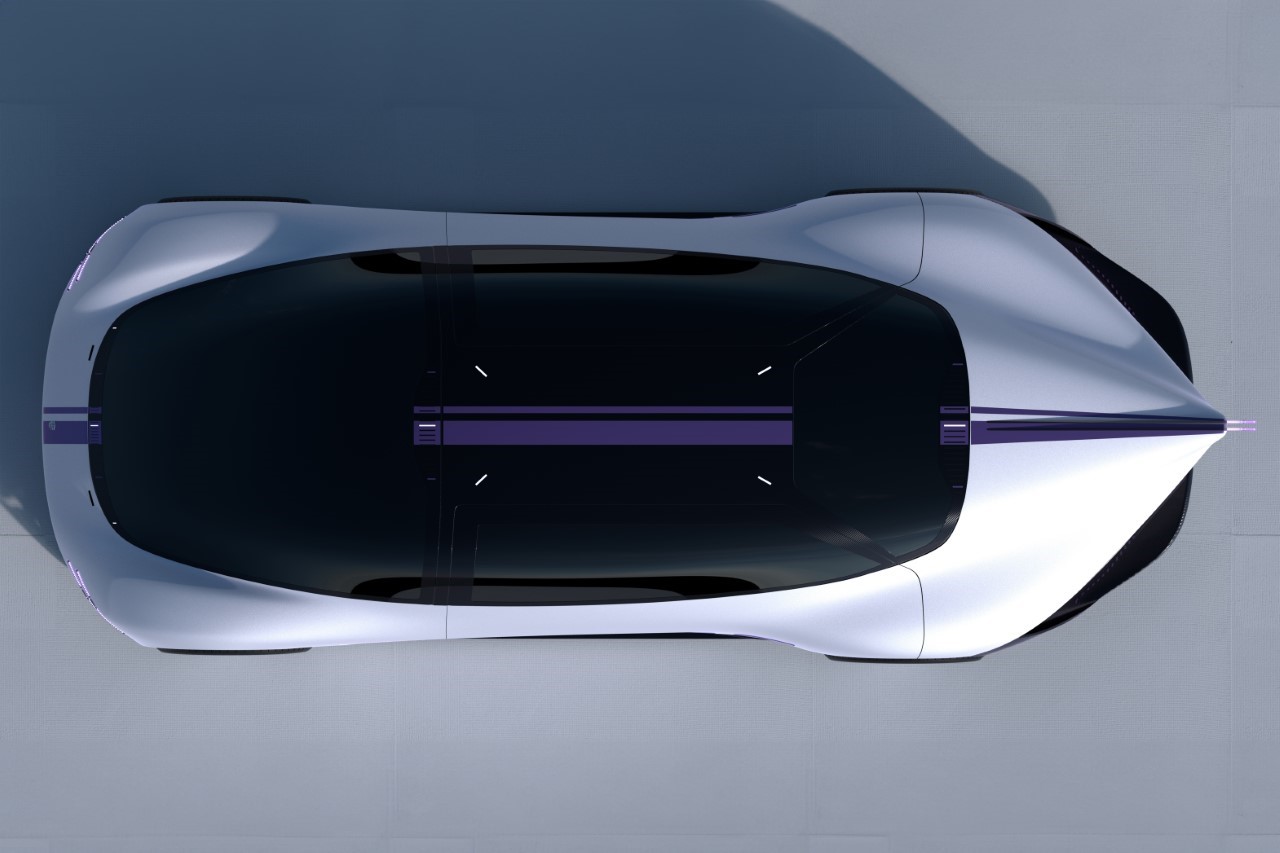
They say the teardrop shape is considered one of the most aerodynamic profiles ever, given how it effortlessly bends the air around it to glide through with minimal drag. The tail of a teardrop plays a crucial role in this process, explaining the importance of tails in birds, planes, and boats. The Porsche Mission S by Zhe Huang brings that feature to automotive design. Created as a hyper-racing MPV, the Mission S recreates the professional racing experience for regular folk with its 911-esque proportions, supercar-esque cockpit, and unique teardrop rear that takes the term ‘boattail’ to new lengths.
Designer: Zhe Huang
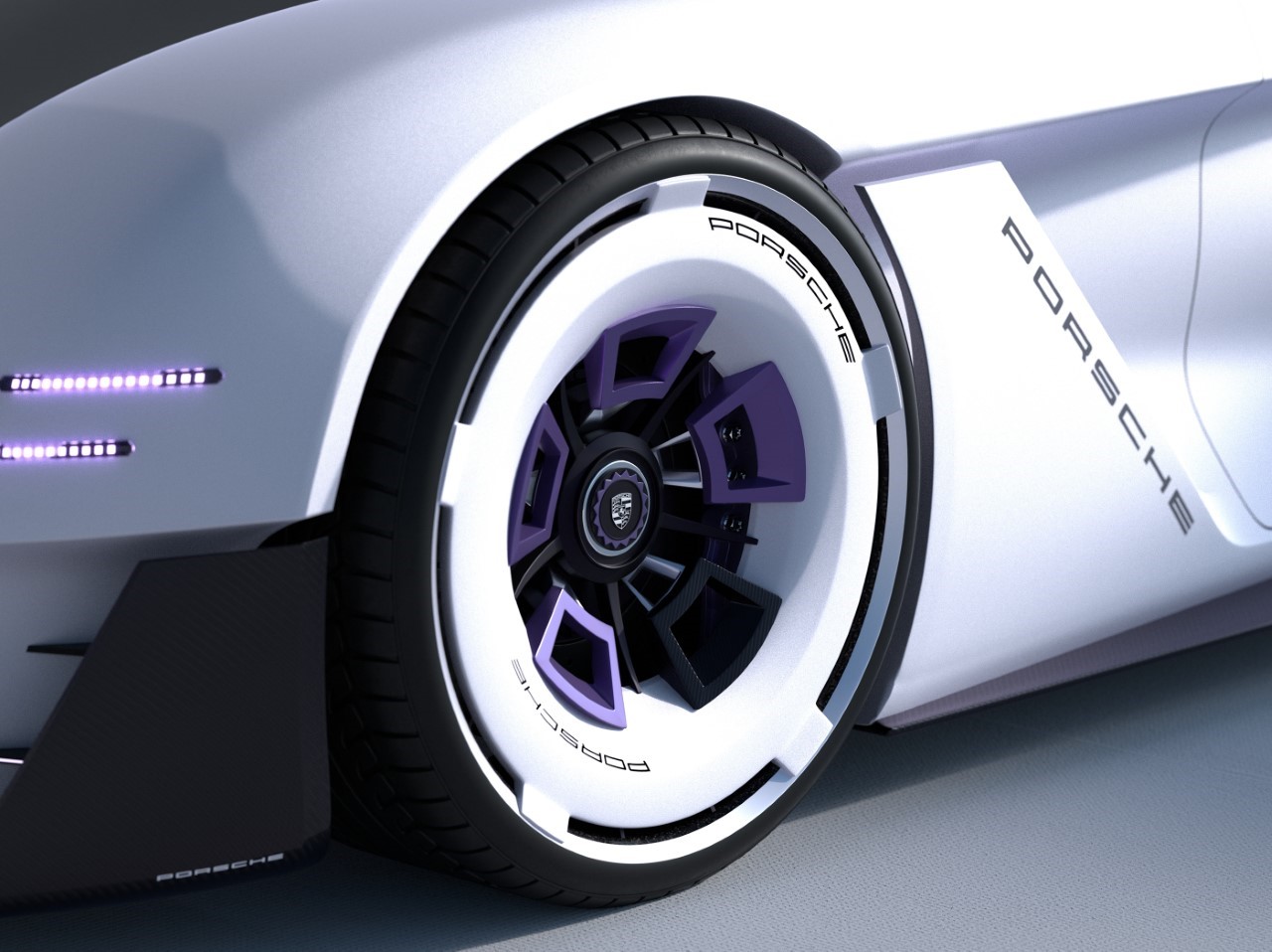
The Mission S was designed as a part of Huang’s internship at studiokurbos, Shanghai. Although unaffiliated with the Porsche brand, the Mission S builds on the German marque’s automotive legacy, channeling the same energy that Porsche had when it debuted the Mission X or even the 919. This isn’t your friendly-looking Cayman or 911. It eschews the rounded-headlight curvy design language for something that’s more purpose-built for a racetrack.
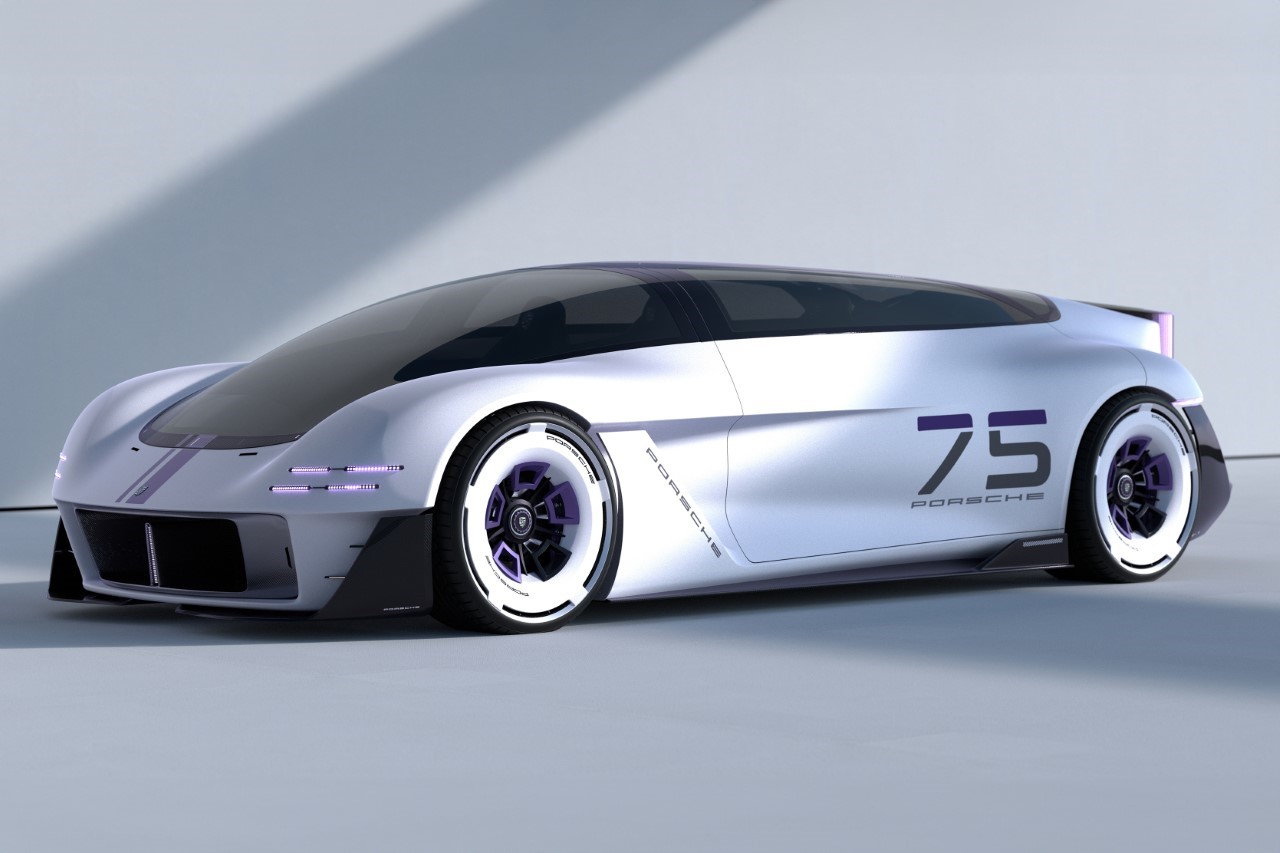
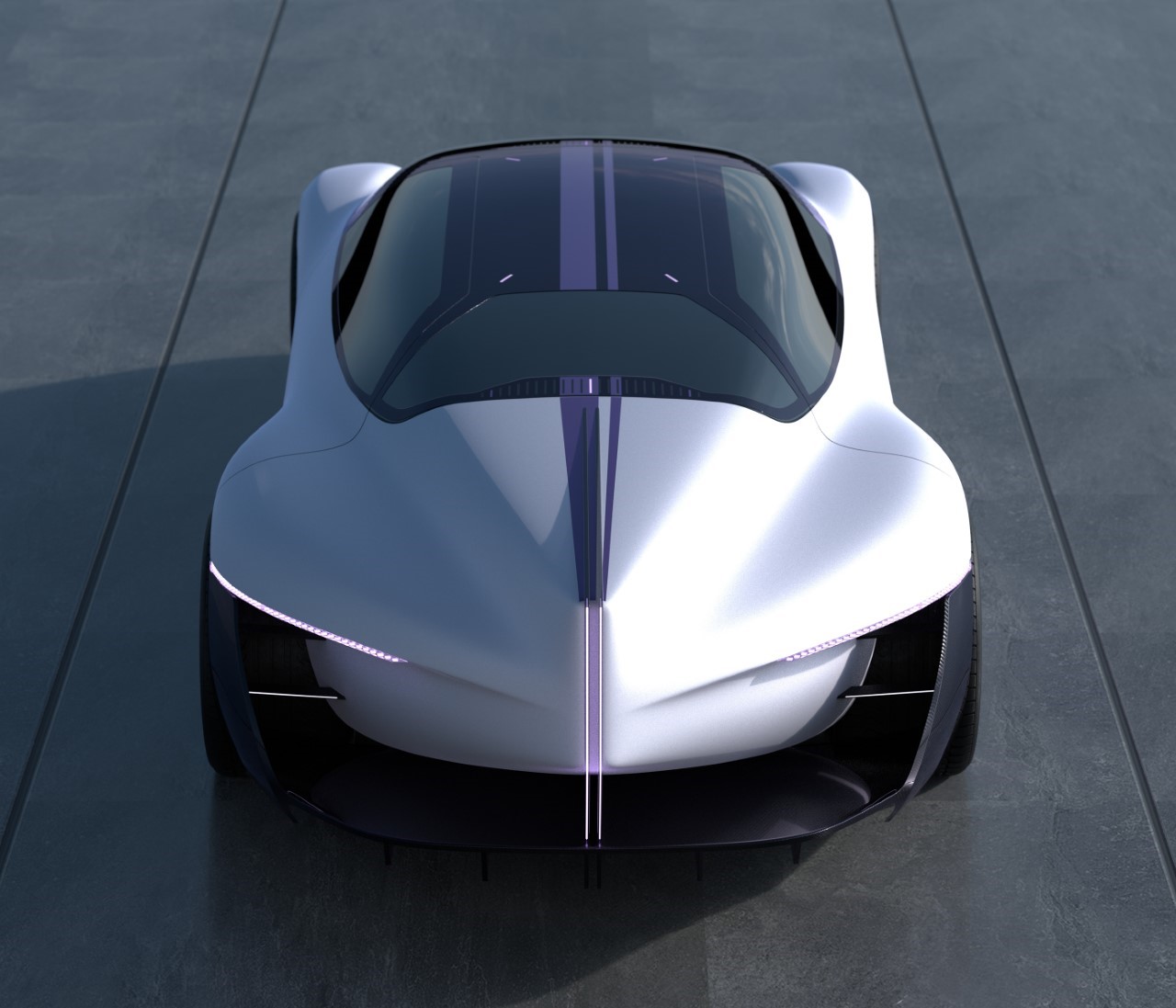
The car sports a rather smooth design with flowy surfaces that come together cleanly, instead of being overrun with vents, grooves, and other dramatic details you’d see in overtly aggressive racecars from the likes of Lamborghini. The Mission S doesn’t completely surrender its curves, but rather limits the use of them to the front fenders, keeping its silhouette rather simple. A highlight of its design is its unconventional tail, which tapers off when viewed vertically, resulting in a centrally-located edge-lit taillight. “The design inspiration comes from the waterdrop in ‘Three Body’, which gives the car an extremely dynamic and pure body shape like the Porsche 908 and Porsche Vision Gran Turismo,” Huang says.
The Mission S measures 5.6m (18.3 feet) long and 2.1m (6.8 feet) wide, allowing five passengers including a professional racer to sit inside its cockpit. It stands at 1.26m (4.1 feet) tall, matching the height of the 911, while having the occupants inside sit in a more supercar-esque posture.
Embracing its futuristic demeanor, light-strips make quite an appearance in the Mission S’ design, with their presence on the front in the form of the headlights, as well as the back where the centrally located taillight is also accompanied by lights on each side.
The Mission S experience can be divided between its two variants, rather appropriately named the White and the Black versions. For the faint of heart, the White version prioritizes comfort and friendliness… but if you’re looking to put the pedal to the metal and taste the adrenaline, the Black variant offers faster speeds, a more thrilling experience, and sports a spoiler at the back to maximize downforce for that asphalt-hugging speed experience.
Quite like the Mission X which was revealed in June of this year, it seems like the Mission S concept embraces an electric drivetrain too. It doesn’t discard the venting on the front, which would be a telltale sign of an EV, but rather retains it perhaps for cooling and airflow purposes. One rather elongated door on either side gives access to the Mission S’ interiors, which seat up to 5 people in a 1+2+2 format. The car’s windshield extends all the way from the front to the back, creating a bubble-like effect that is interrupted by the car’s same-color pillars and roof but still strives to offer a panoramic view for its occupants with windows that stretch from the front to the back, and that expansive windshield.
The Mission S aims to deliver the thrill of racing to non-racers with its S trifecta – Speed, Spaciousness, and a Subversive Experience. Although currently just a fan-made concept (with no official endorsement from Porsche), it serves as a great case study for a new car format – with a 5-seater design that doesn’t sacrifice spaciousness… and that gorgeous tail that allows the car to cut through air like a sizzling hot knife through butter!
Back in January, Qualcomm announced Snapdragon Satellite, a project that aimed to let Android users send texts via satellite when they don't have cell service. It would have been the company's answer to Apple's emergency SOS feature that debuted in the iPhone 14 lineup. However, the initiative hasn't worked out as Qualcomm hoped.
Qualcomm is ending its Snapdragon Satellite partnership with satellite phone maker Iridium. Although the pair "successfully developed and demonstrated the technology" smartphone makers "have not included the technology in their devices," Iridium said in a statement.
Smartphone makers have “indicated a preference towards standards-based solutions” for satellite connectivity, Qualcomm told CNBC. In other words, they're looking for a more open approach that doesn't necessarily position Qualcomm as a go-between. As The Vergenotes, the cost of satellite texting may have dissuaded some manufacturers too. Apple is footing the bill for emergency SOS for the time being.
Now that its agreements with Qualcomm are coming to an end, Iridium says it will be able to work directly with smartphone makers, mobile OS developers and other chipmakers. Apple, meanwhile, has expanded its emergency SOS feature by adding crash detection integration in iPhone 15.
Elsewhere, Starlink is set to roll out its satellite SMS service next year. It plans to eventually offer satellite-powered voice and data functions directly to phones, meaning users won't necessarily need to have a Starlink terminal nearby.
This article originally appeared on Engadget at https://www.engadget.com/qualcomms-satellite-texting-plan-is-dead-because-phone-makers-arent-interested-204331091.html?src=rss
Back in January, Qualcomm announced Snapdragon Satellite, a project that aimed to let Android users send texts via satellite when they don't have cell service. It would have been the company's answer to Apple's emergency SOS feature that debuted in the iPhone 14 lineup. However, the initiative hasn't worked out as Qualcomm hoped.
Qualcomm is ending its Snapdragon Satellite partnership with satellite phone maker Iridium. Although the pair "successfully developed and demonstrated the technology" smartphone makers "have not included the technology in their devices," Iridium said in a statement.
Smartphone makers have “indicated a preference towards standards-based solutions” for satellite connectivity, Qualcomm told CNBC. In other words, they're looking for a more open approach that doesn't necessarily position Qualcomm as a go-between. As The Vergenotes, the cost of satellite texting may have dissuaded some manufacturers too. Apple is footing the bill for emergency SOS for the time being.
Now that its agreements with Qualcomm are coming to an end, Iridium says it will be able to work directly with smartphone makers, mobile OS developers and other chipmakers. Apple, meanwhile, has expanded its emergency SOS feature by adding crash detection integration in iPhone 15.
Elsewhere, Starlink is set to roll out its satellite SMS service next year. It plans to eventually offer satellite-powered voice and data functions directly to phones, meaning users won't necessarily need to have a Starlink terminal nearby.
This article originally appeared on Engadget at https://www.engadget.com/qualcomms-satellite-texting-plan-is-dead-because-phone-makers-arent-interested-204331091.html?src=rss
The popularity of the Apple Watch has finally given smartwatches their place in the market, making them understandable and even desirable. Of course, that doesn’t mean that everyone now wants a smartwatch, especially those who prefer mechanical watches or have different aesthetic tastes. Unfortunately, the majority of wrist-worn smart trackers seem to be made with sporty and rugged designs in mind. Given hardware requirements, that’s not exactly surprising, but that shouldn’t stop designers from imagining what’s possible. One such dream is reflected in this minimalist yet distinctive bracelet that throws all smart wearable design conventions out the window, offering a modular piece of jewelry that is smart in more ways than one.
If you remove the actual time-keeping function of a smartwatch or a fitness tracker, all you’re really left with are the sensors that actually do the work of keeping tabs on different metrics of your health, directly or indirectly. A display isn’t even necessary since you can always check those figures on a smartphone. In fact, a display might even be detrimental because of the distractions it pushes your way or how it clashes with some fashion styles. Smartwatch designs are primarily constricted by hardware such as displays and big batteries, but what if you could be free of those restrictions?
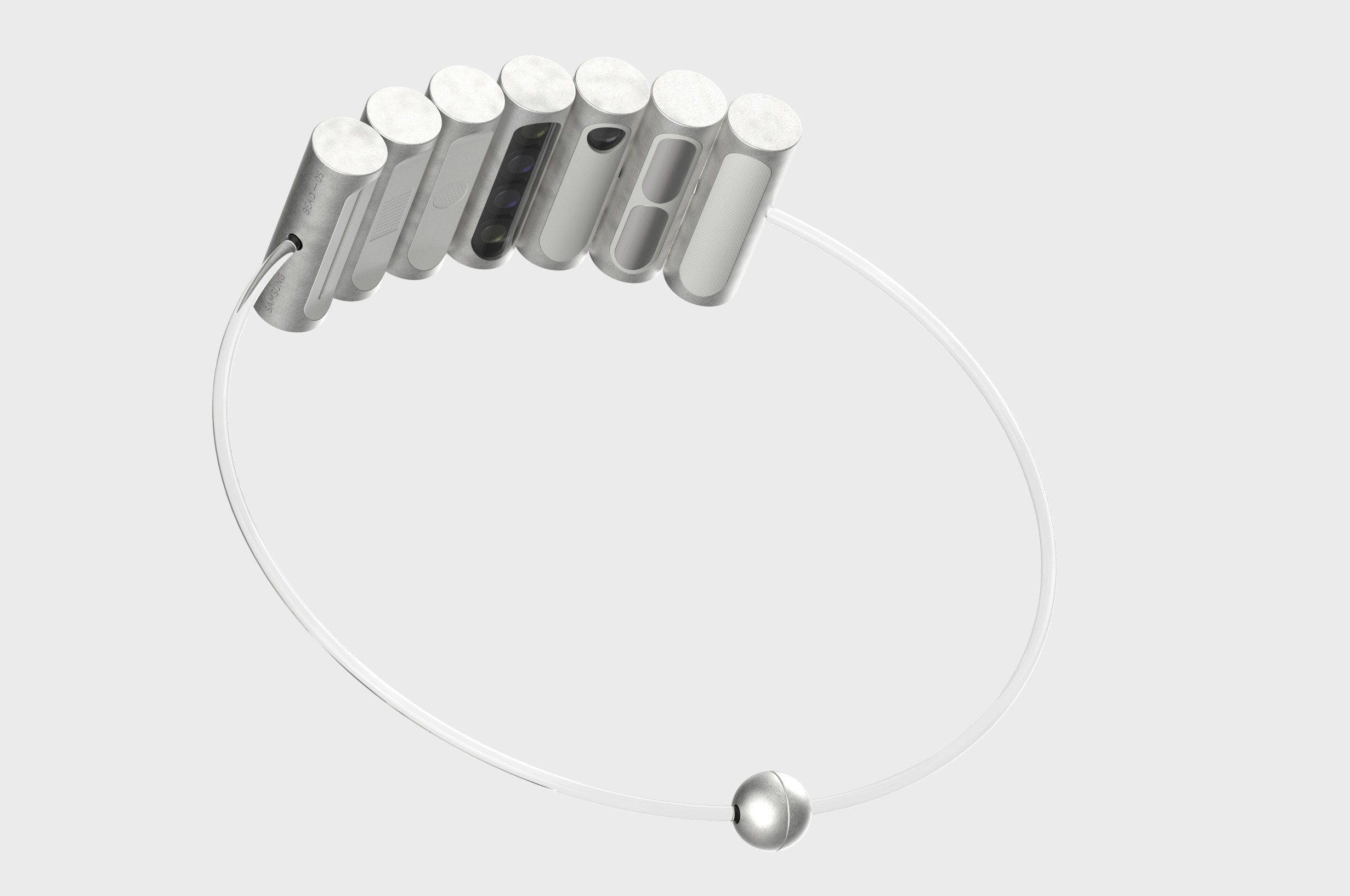
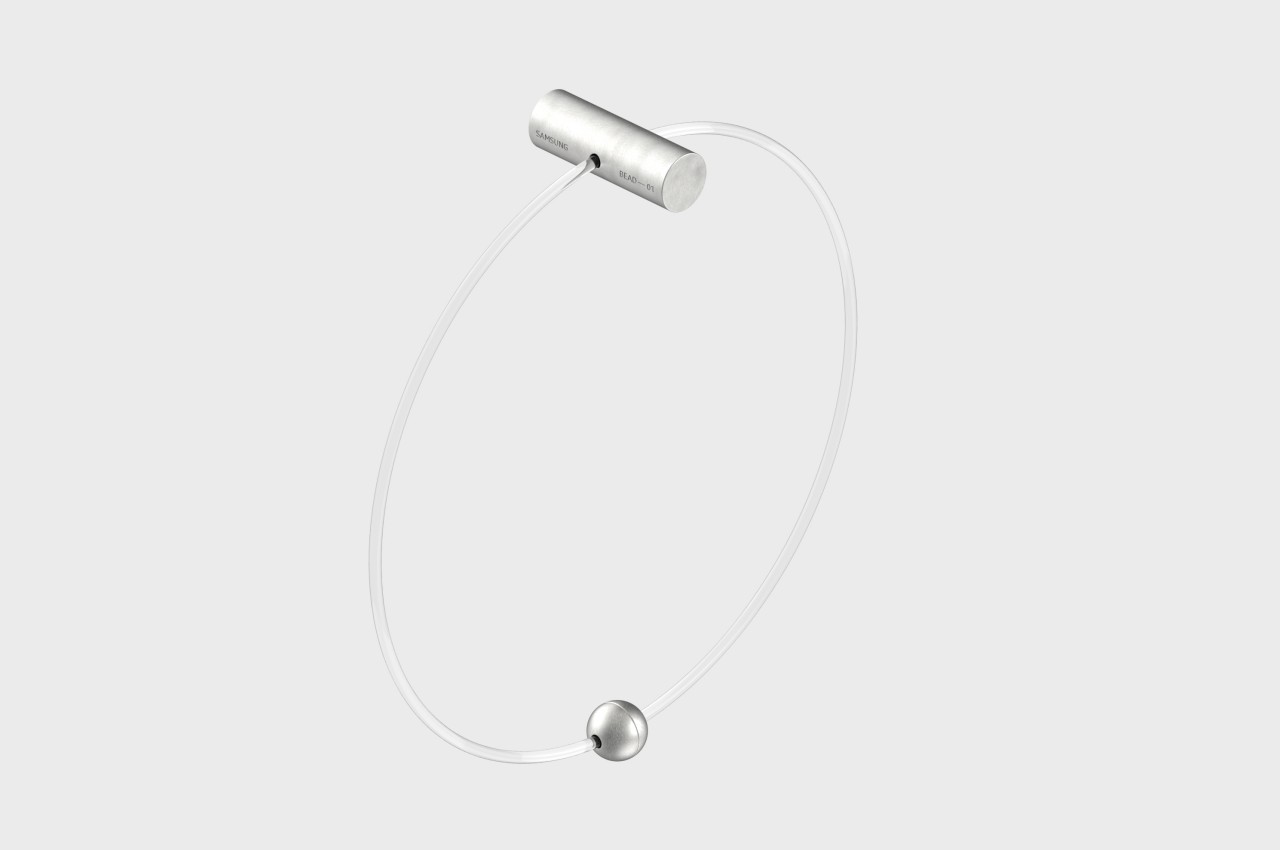
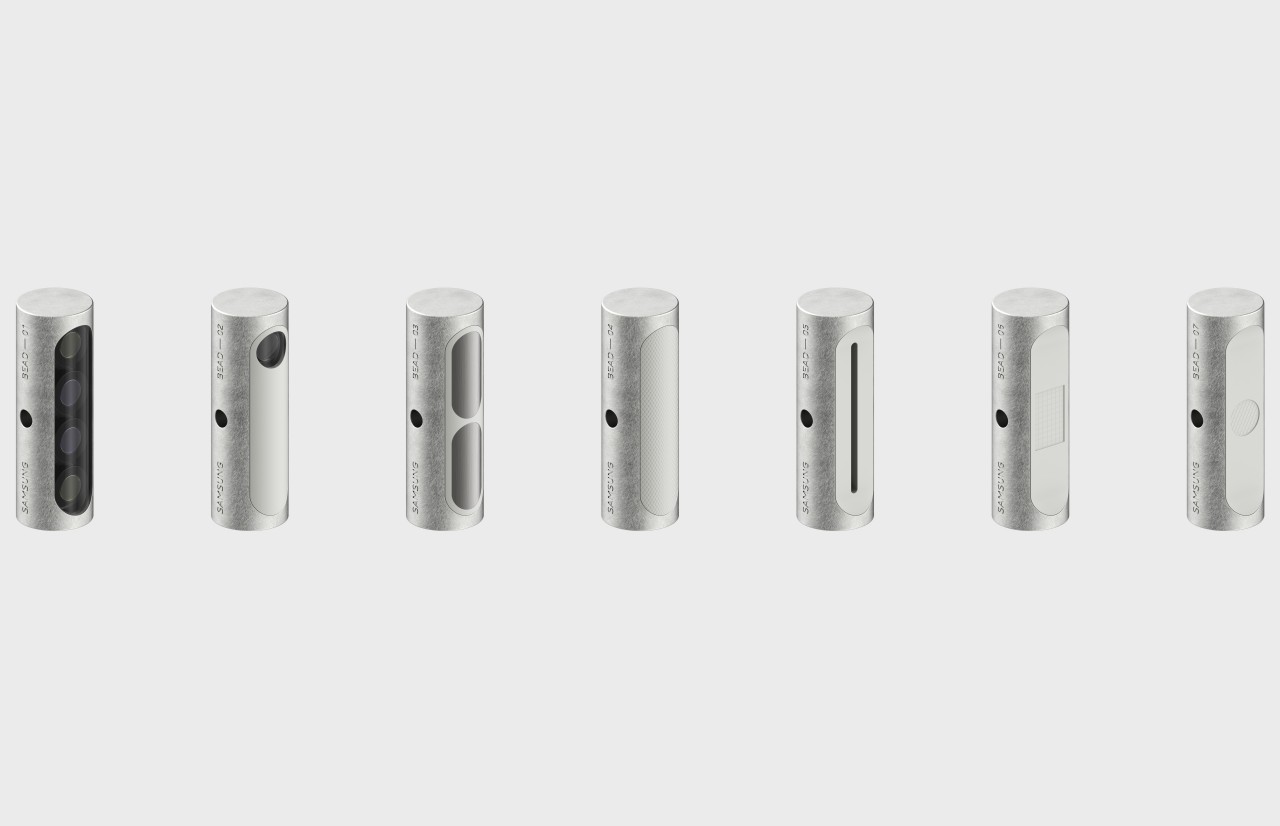
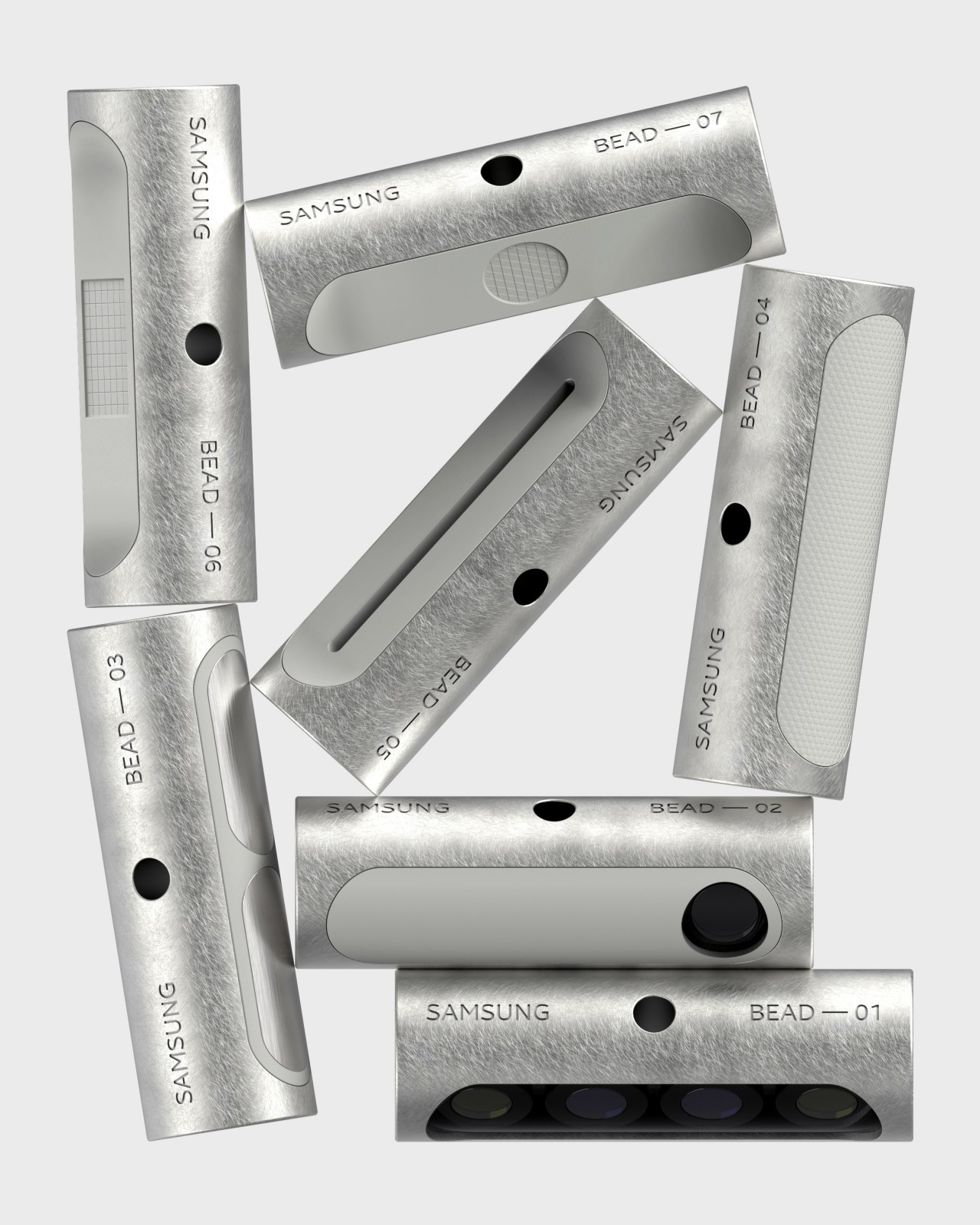
That’s what the BEAD concept seems to be proposing, offering the same health and wellness monitoring functionalities but in a form that is a bit more universal and, at the same time, more personal. At the heart of the design are the beads, actually tiny cylinders that each hide a single sensor used to track a specific biometric like a pulse oximeter or an accelerometer. Each bead is an independent unit, free from displays or large batteries, performing a single task and performing it to perfection.
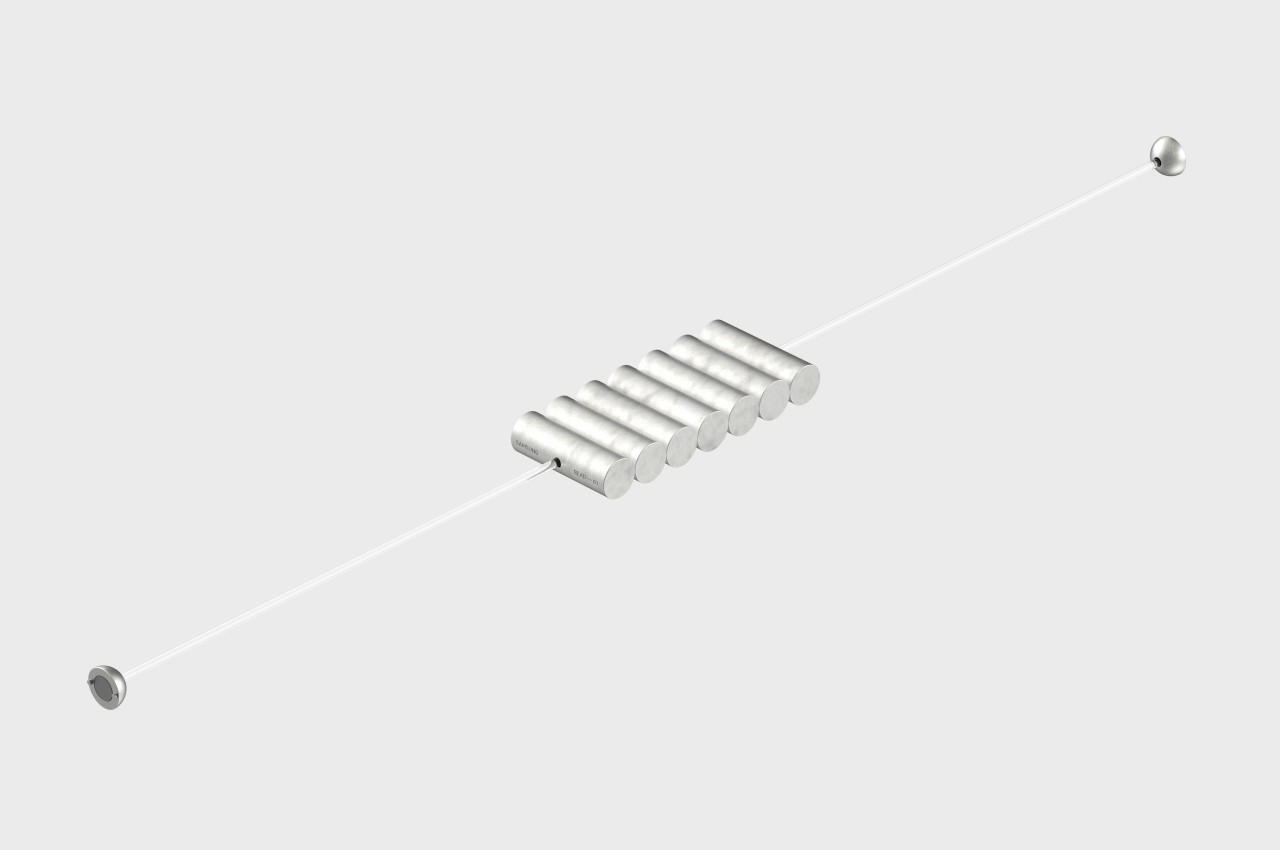
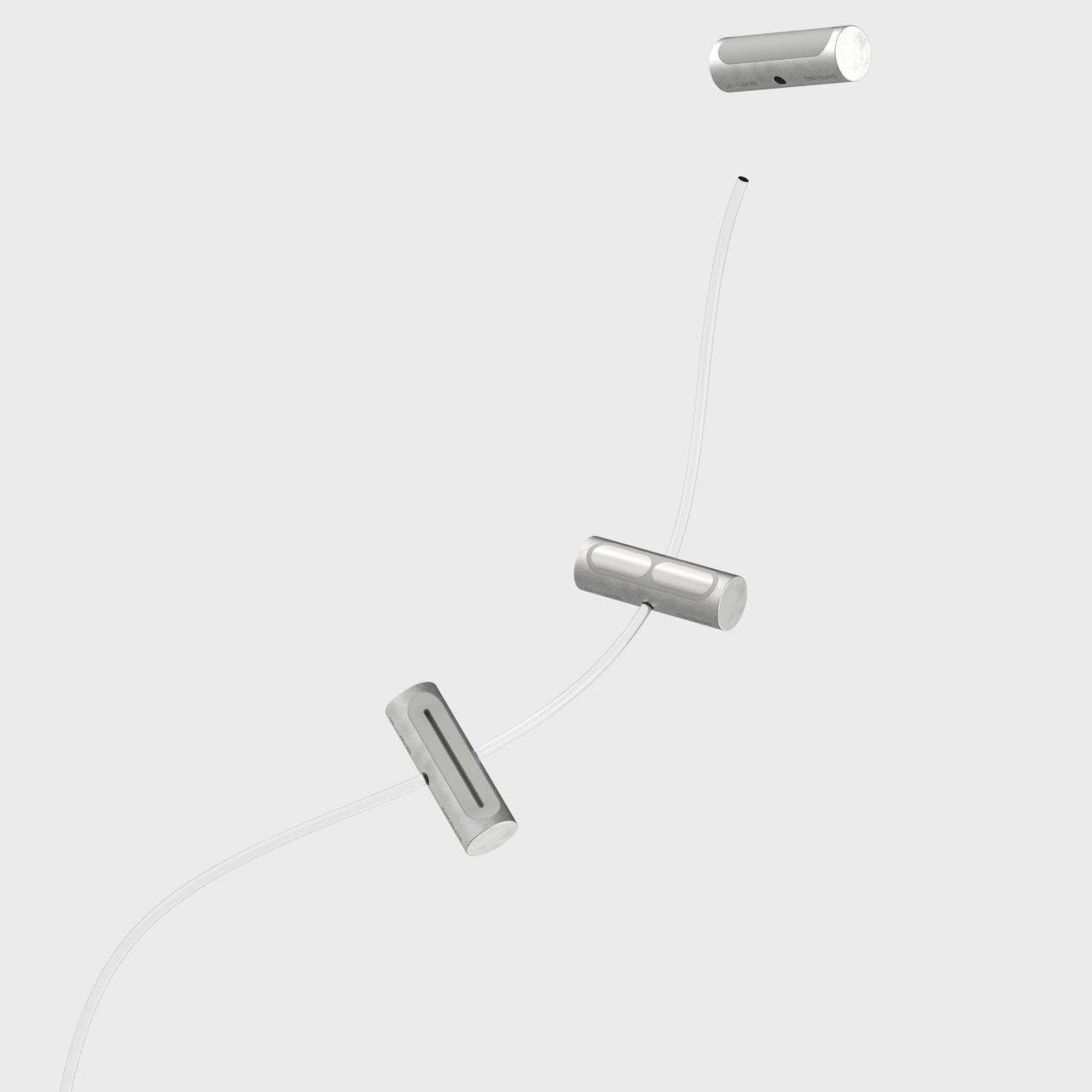
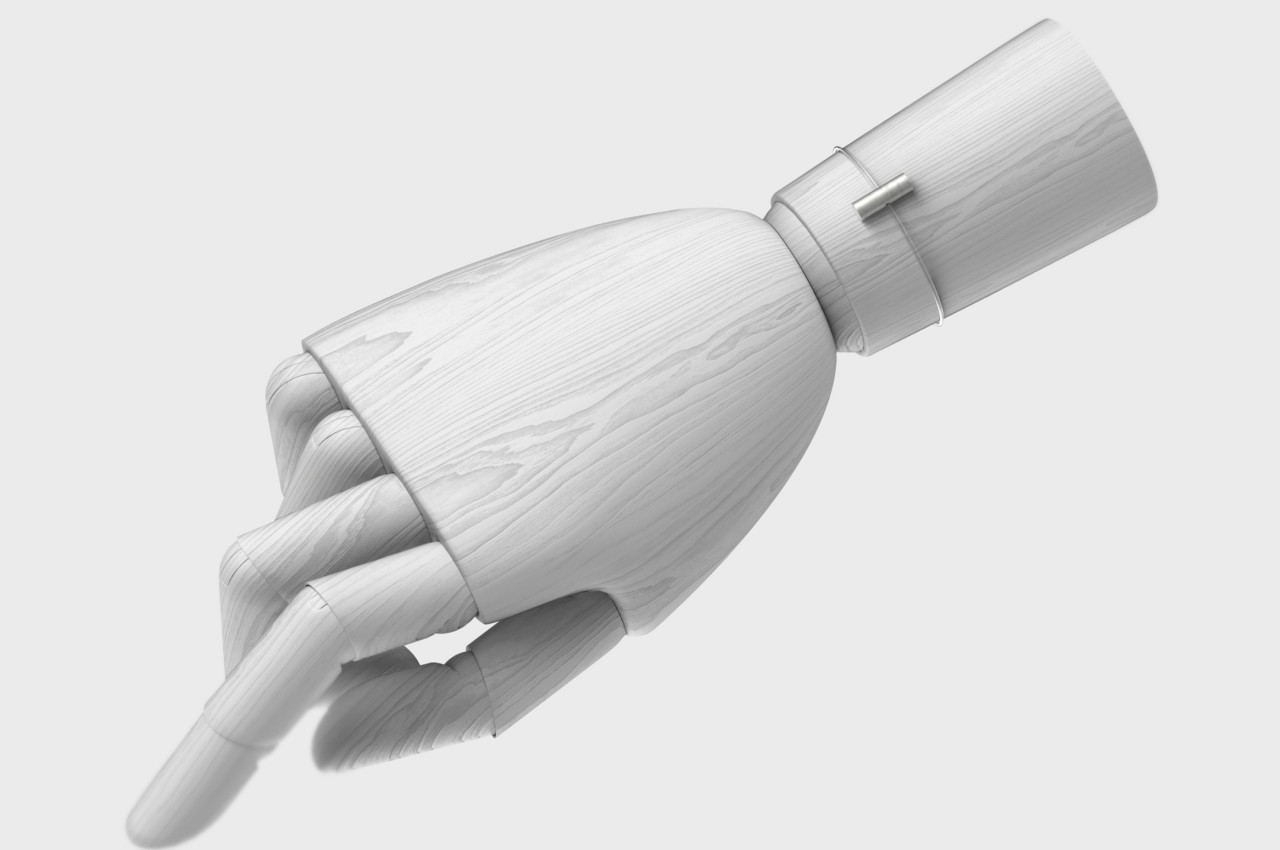
The idea is that you can combine any number of these beads on a string or wire to achieve the same collective effect as a fitness tracker. You wear it around your wrist like a bracelet, held together at the ends by magnets in the shape of half-spheres. The wire is white, plain, and unadorned, which puts a bigger visual focus on the beads. Those beads themselves carry a brushed metal finish that helps hide whatever scratches they may incur over time while also giving them unique characters.
You can add or remove as many of these modular beads as you need, only paying for the functionality you actually use. It also makes repairing broken beads easier, since you only need to replace that single piece. Admittedly, the industrial aesthetic might not appeal to everyone’s tastes, but the concept opens the possibility of using different, perhaps more stylish designs that will truly create a fusion of fashion and technology in a simple smart bracelet.