Recipe apps live on screens while the physical tools that actually make food better are scattered across drawers and cupboards. Your phone is propped against a mug, your scale is buried somewhere, and you are guessing at temperatures because the thermometer is never where you left it. Most digital cooking tools ignore the reality that kitchens are crowded, messy spaces where the tools you need for precision are rarely connected to the guidance telling you what to do.
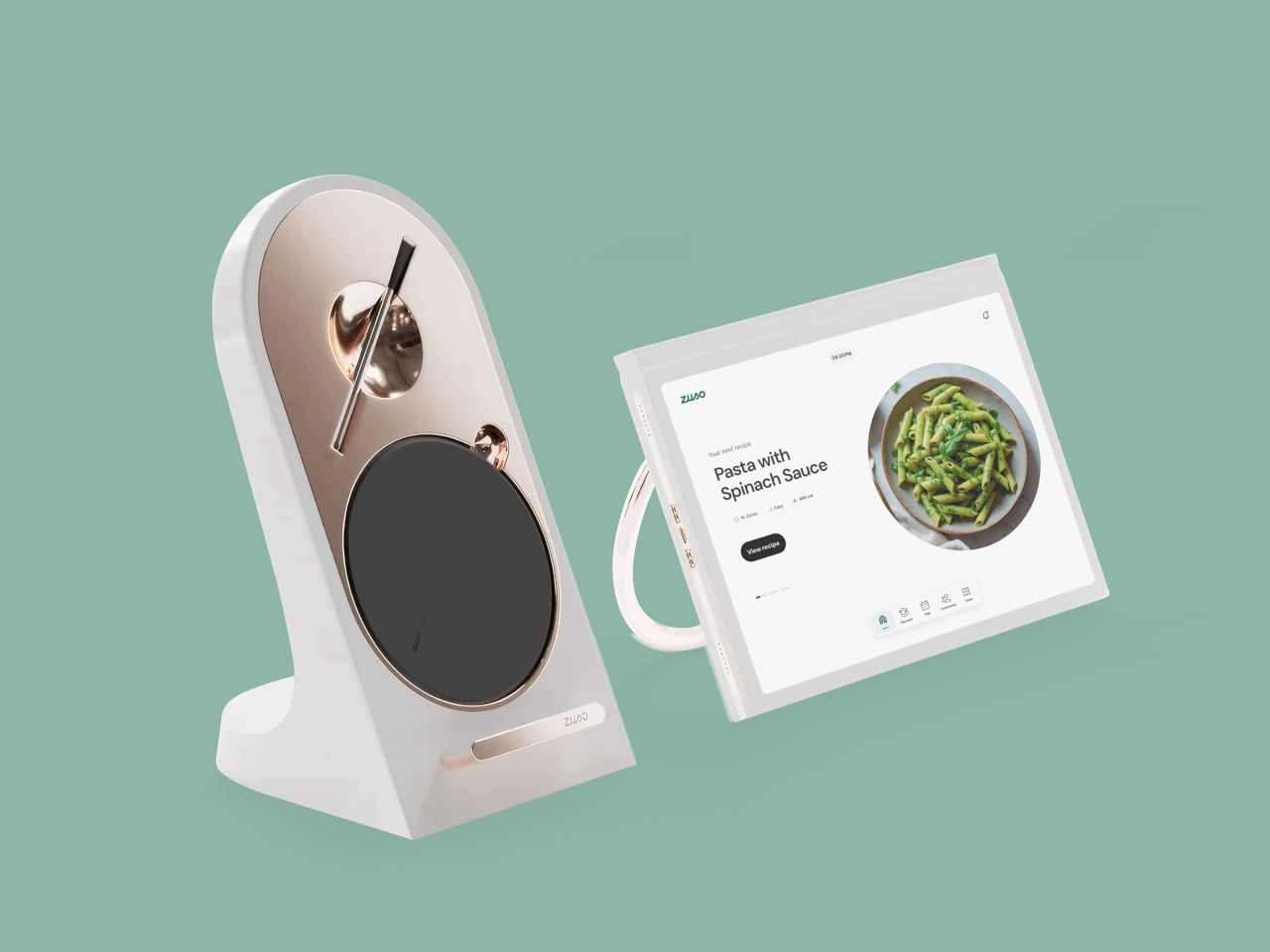
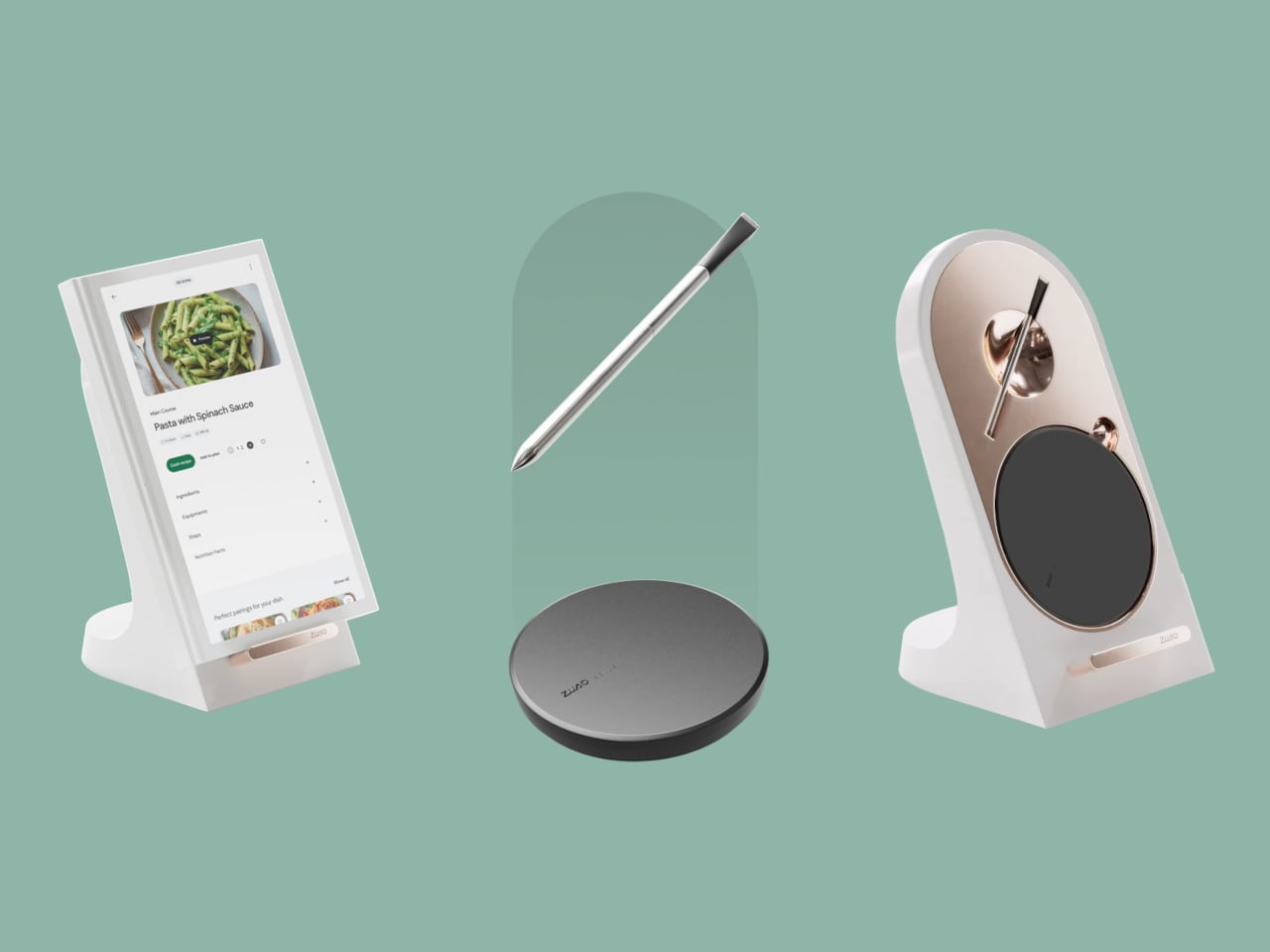
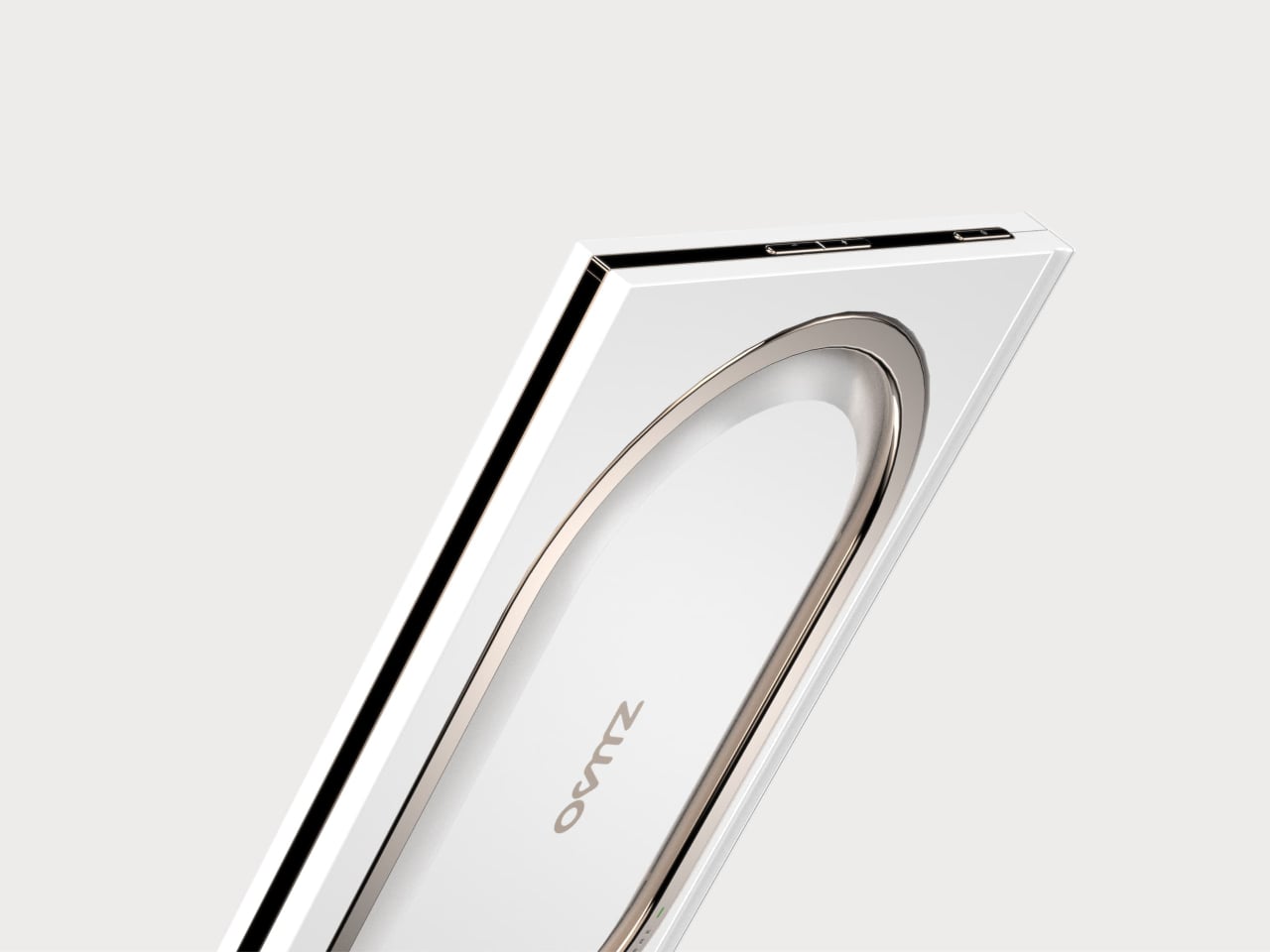
Zuso is a modern culinary guide that treats the cookbook as both an object and a service. It combines a sculpted countertop totem with a tablet interface, and the totem hides a built-in scale and a docked thermometer. The idea is to make the tools you need for precision part of the same product that is walking you through each step, instead of treating measurement and guidance as separate problems.
The totem can live on the counter without looking like a piece of lab equipment. Its vertical form, circular scale pad, and slender thermometer wand read more like a small appliance or even a decorative object than a gadget. Because it is designed to be seen rather than stored, it is always ready when you start cooking, which quietly removes the friction of hunting for tools you know are somewhere in the back of a drawer.
Instead of switching between apps, scale, and a separate thermometer, you drop ingredients directly onto the base and see the weight on the tablet, or slip the wand into a pan and watch the temperature update next to the step you are on. It turns precision into the default behavior rather than an extra step you take only when you feel like being exact, which makes recipes that rely on grams or specific temperatures feel less intimidating.
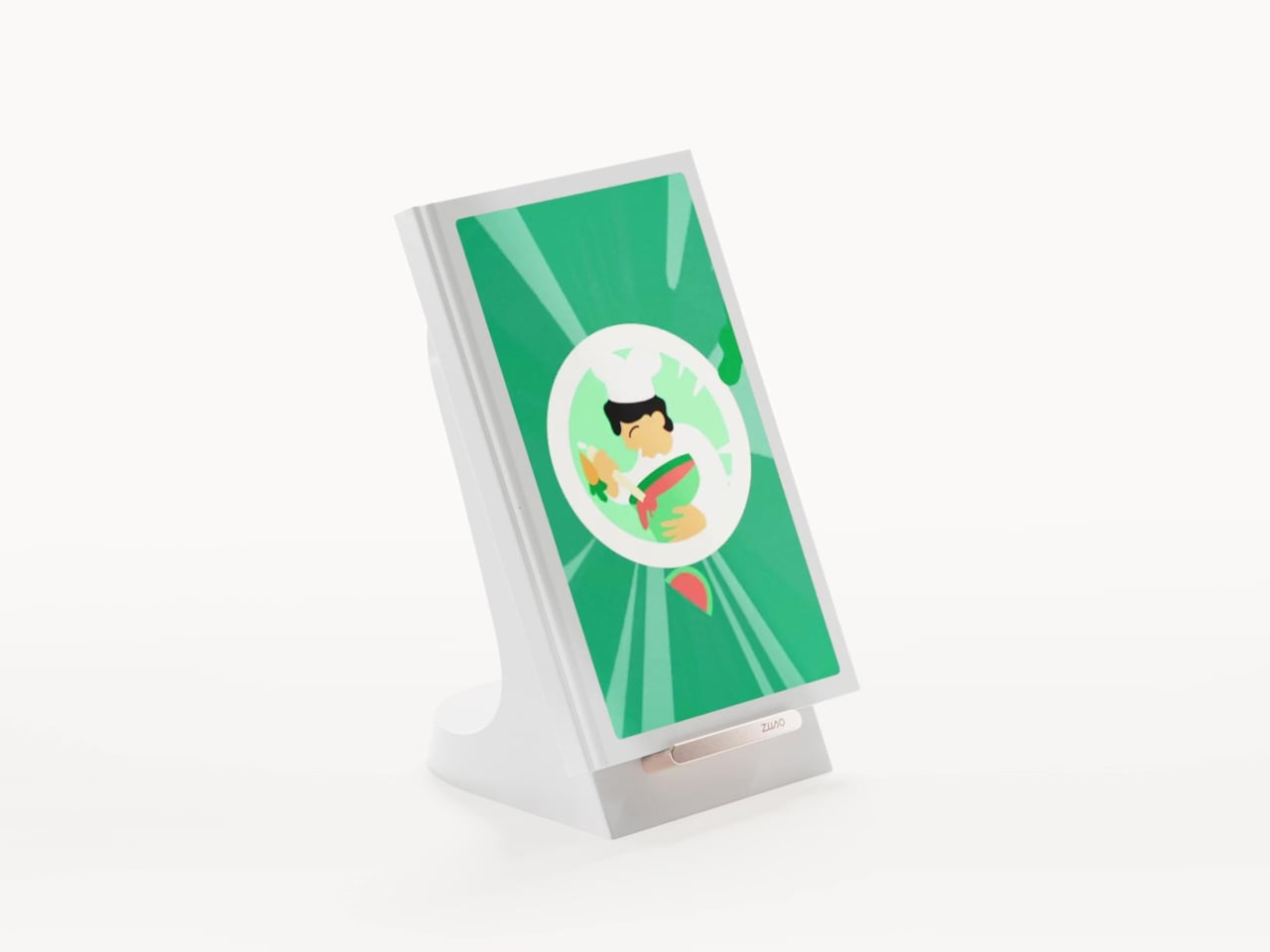
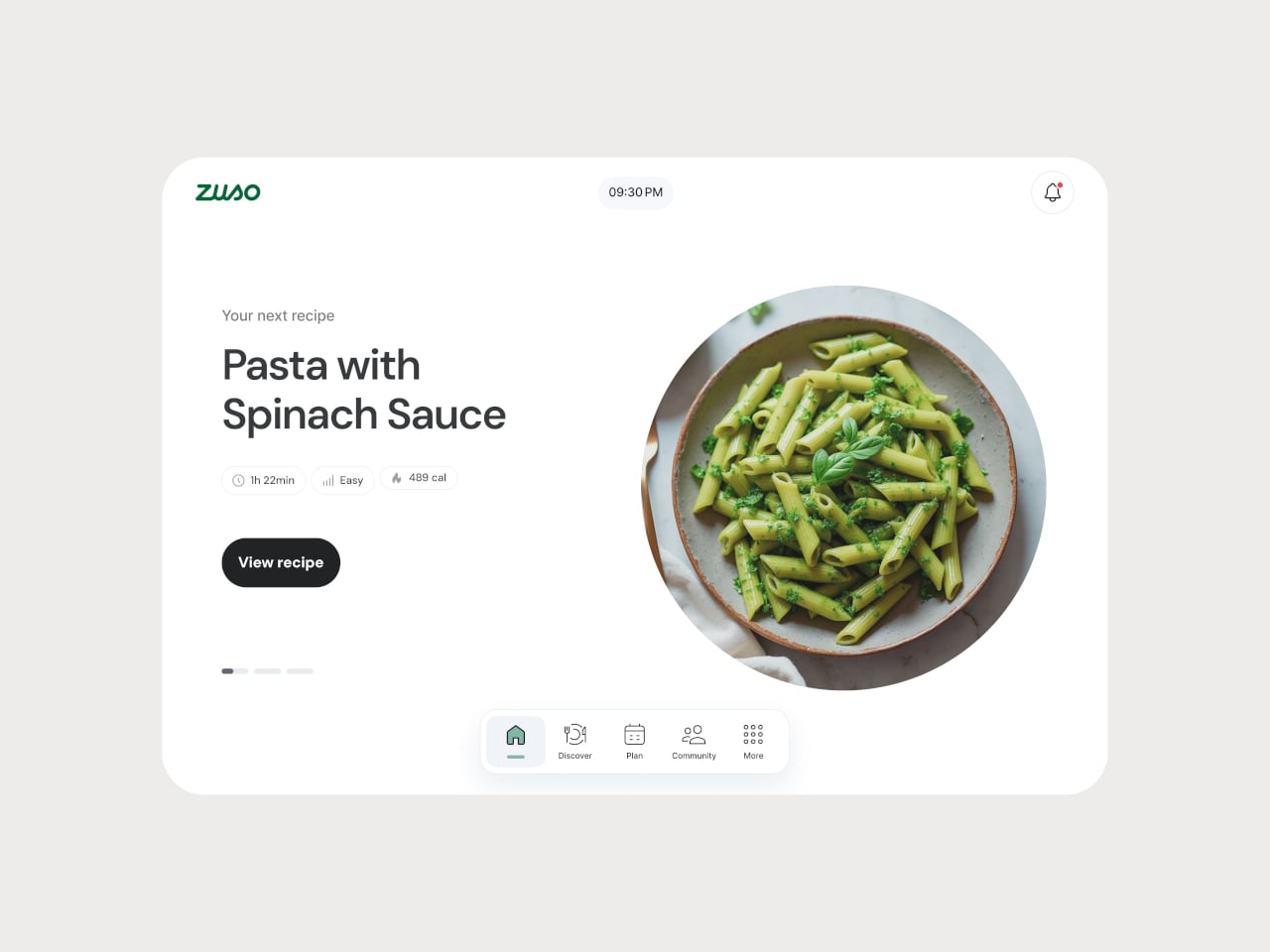
The tablet interface mirrors the physical design, with rounded cards, generous white space, and a calm palette that matches the totem’s presence. Recipe steps, video tutorials, and timers are laid out in a way that respects the fact that your hands are often busy or messy. Zuso feels like one object split into hardware and software, not an app that happens to be running on a random tablet next to a generic stand.
The broader platform, weekly planners, grocery lists, chef profiles, and skills sections, carries the same visual and interaction language from the counter to planning or learning. The totem and tablet feel like a hub for how you cook, not just a place to look up tonight’s dinner, with the same calm, intentional design running through every layer.
Zuso treats cooking as a ritual worth designing for, not just a problem to solve with another app. By giving the scale and thermometer a sculptural home and tying them directly to a thoughtful interface, it turns the act of following a recipe into something more deliberate and less chaotic. Good product design in the kitchen is not just about adding screens. It is about making the right tools feel like part of the same story instead of orphaned objects you have to remember exist.
Most people carry a phone and a power bank, nursing battery percentages by dimming screens and closing apps. Every café visit includes checking which table is near a socket, and late nights end early when the battery icon turns red. The ritual of charging overnight is so ingrained that a phone dying before bedtime feels like failure, even though the real issue is that most phones assume you will plug in every 24 hours.
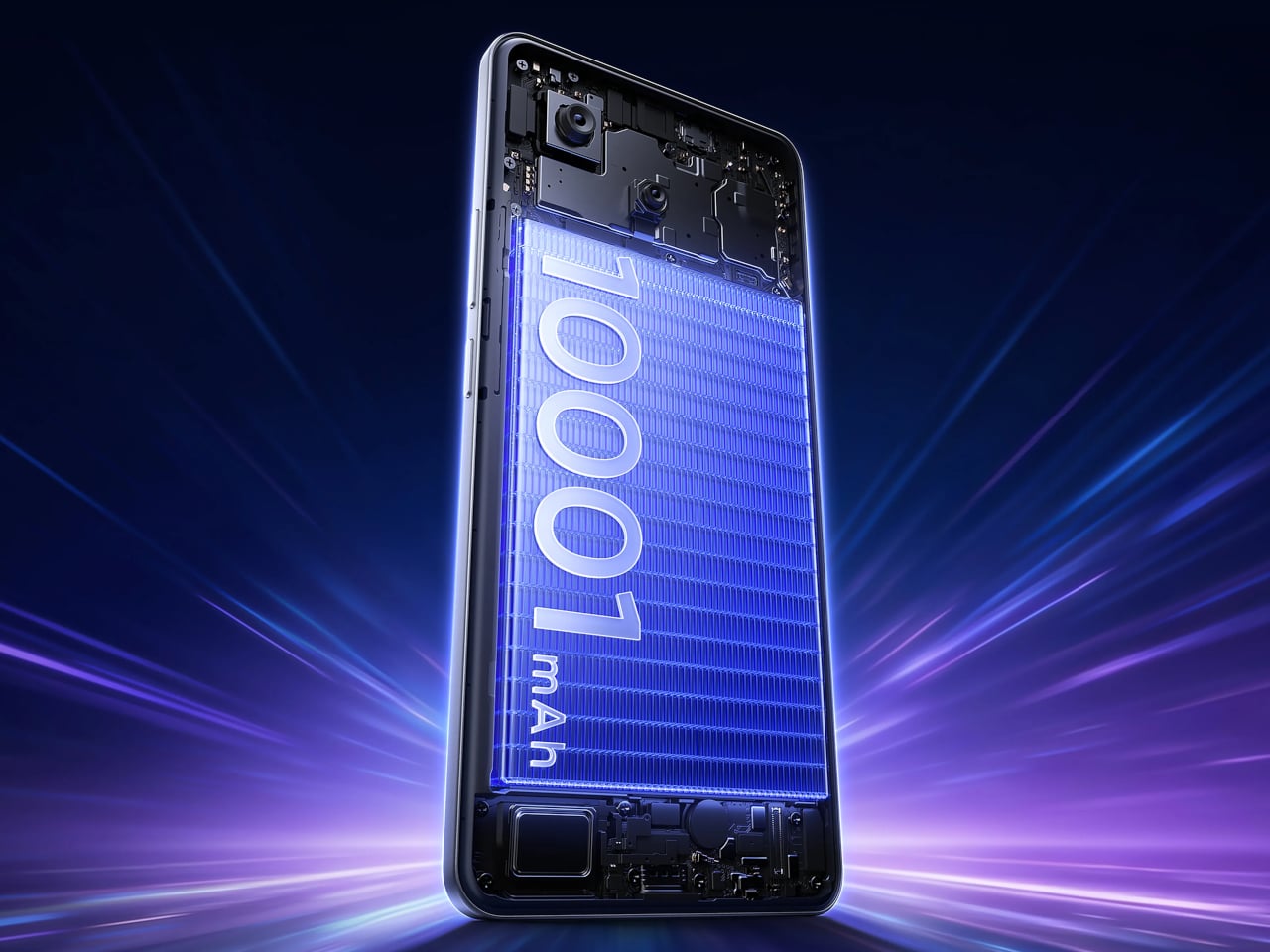
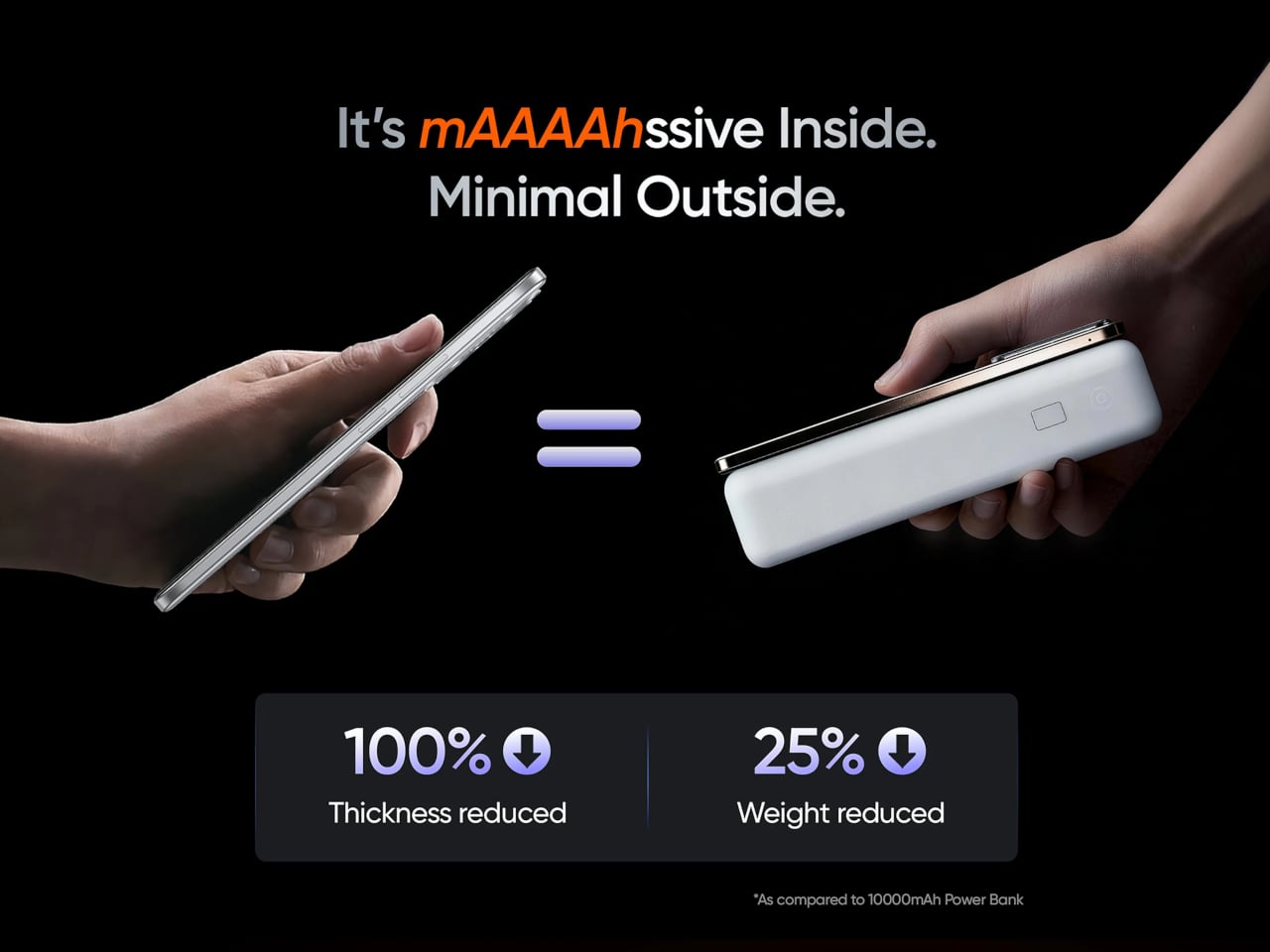
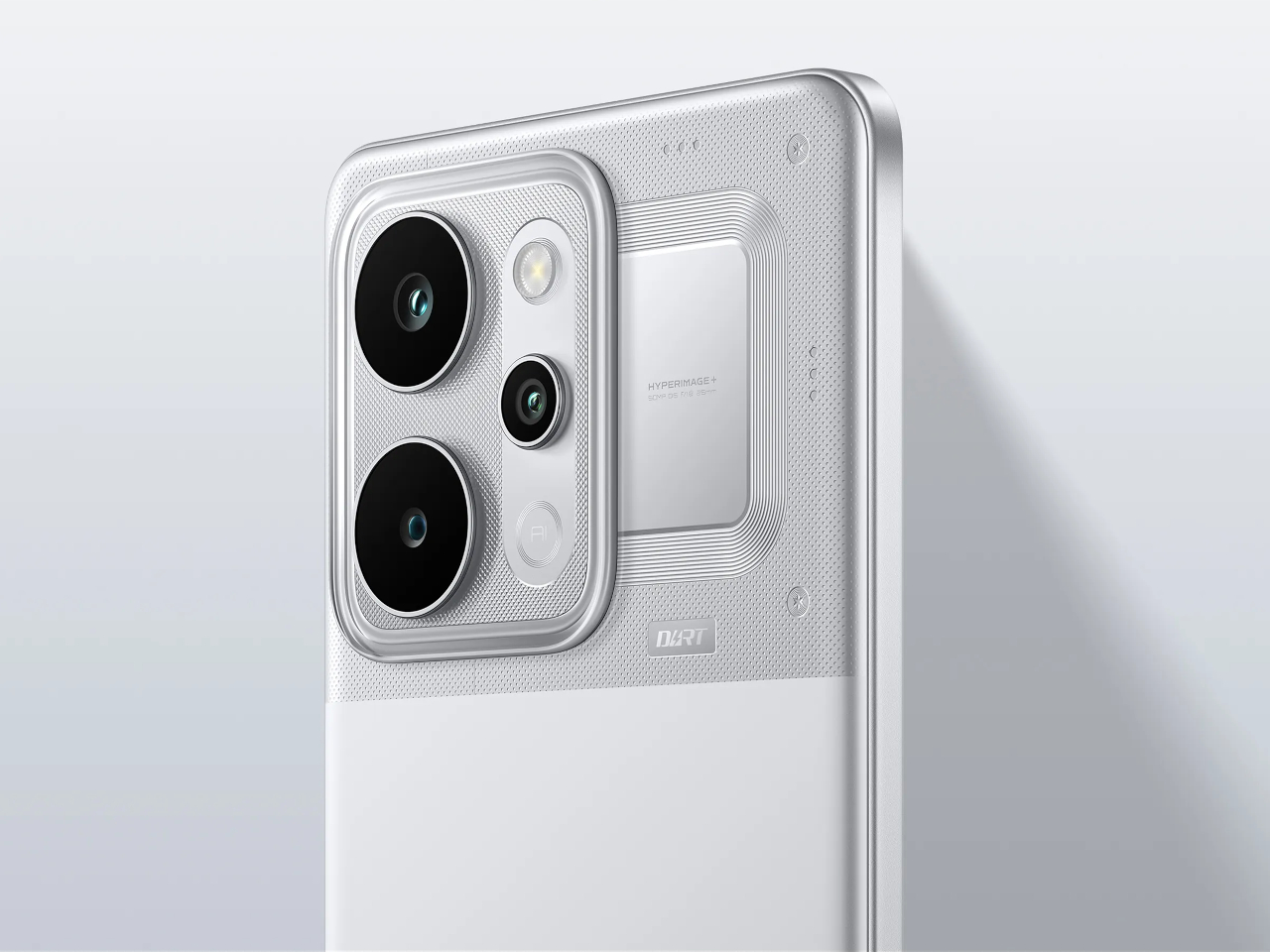
realme P4 Power 5G flips that assumption. The phone is built around a 10,001 mAh Titan battery aimed at week-long endurance, marketed as India’s first smartphone to cross the 10,000 mAh line. realme is leaning into the idea that this pack can replace the power bank in your bag without turning the device into a brick, letting you leave the house without calculating whether you have enough juice.
Designer: realme
Living with 10,001 mAh means you stop thinking about charging for days. You can stream, navigate, and game without constantly checking the percentage. realme’s lab numbers claim over 30 hours of YouTube or double-digit hours of gaming, but the practical benefit is not hunting for outlets or dimming the display just to survive a commute or a long meeting that runs past dinner time.
realme built the battery to last, not just hold a charge. Silicon-carbon anode tech promises three to four times the life cycles compared to graphite, with 1,650 cycles claimed and TÜV Rheinland 5-Star Battery Certification. There is a four-year guarantee that health stays above 80 percent, with free replacement if it drops below that, signaling this is meant to be kept rather than replaced after two years.
Fast charging counters the worry that 10,001 mAh would take forever to top up. realme promises 80 W wired charging, with five minutes delivering roughly half a day’s power when you are rushing out. All-scenario bypass charging lets the phone draw directly from the charger during gaming without stressing the battery, plus 27 W reverse charging turns it into a power bank for earbuds or a friend’s device when everyone else is dead.
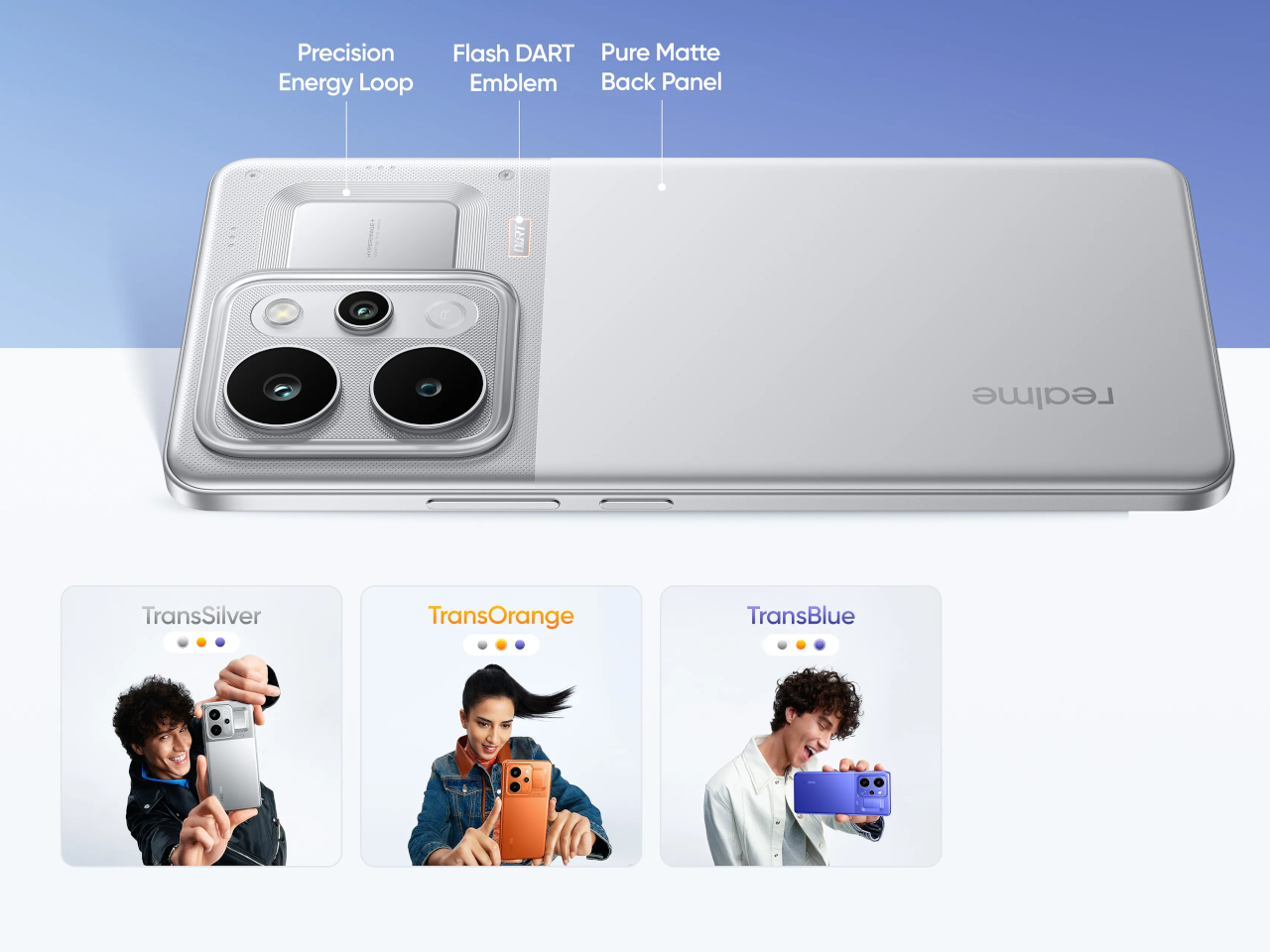
At 219 g, P4 Power is in the same weight range as many flagships with half the capacity. realme pitches this as “massive inside, minimal outside,” using the TransView design to keep the aesthetic clean rather than obviously rugged. The trade-off is carrying the equivalent of a phone plus a power bank in one device, but without separate cables, extra charging, or pocket clutter.
realme promises three years of Android OS updates and four years of security patches, aligning with the battery longevity story. P4 Power is one of the few phones explicitly designed to be kept for a full four-year cycle, both in hardware and software. For people tired of juggling chargers and yearly upgrades, that might be the most useful spec, a phone treating endurance and lifespan as features worth engineering around.
You know the type. The guy who claims he’s “just organizing” but has basically set up a second living room among the power tools and oil stains. The one who needs three reminders before he’ll come in for dinner. If your garage dweller needs a reason to rejoin civilization, these design-forward gifts might just do the trick. Each one brings something special enough to compete with his beloved workshop, clever enough to earn a spot inside the house, and interesting enough to keep him there.
These aren’t your typical gadgets or gear. They’re conversation pieces, functional art, and genuinely useful tools that happen to look incredible on a shelf, desk, or coffee table. From nostalgic tech reimagined for modern life to precision instruments that make everyday rituals feel special, each design offers him something his garage can’t: style that actually fits with the rest of the house. Time to reclaim your space.
1. LEGO Editions 43019 Soccer Ball
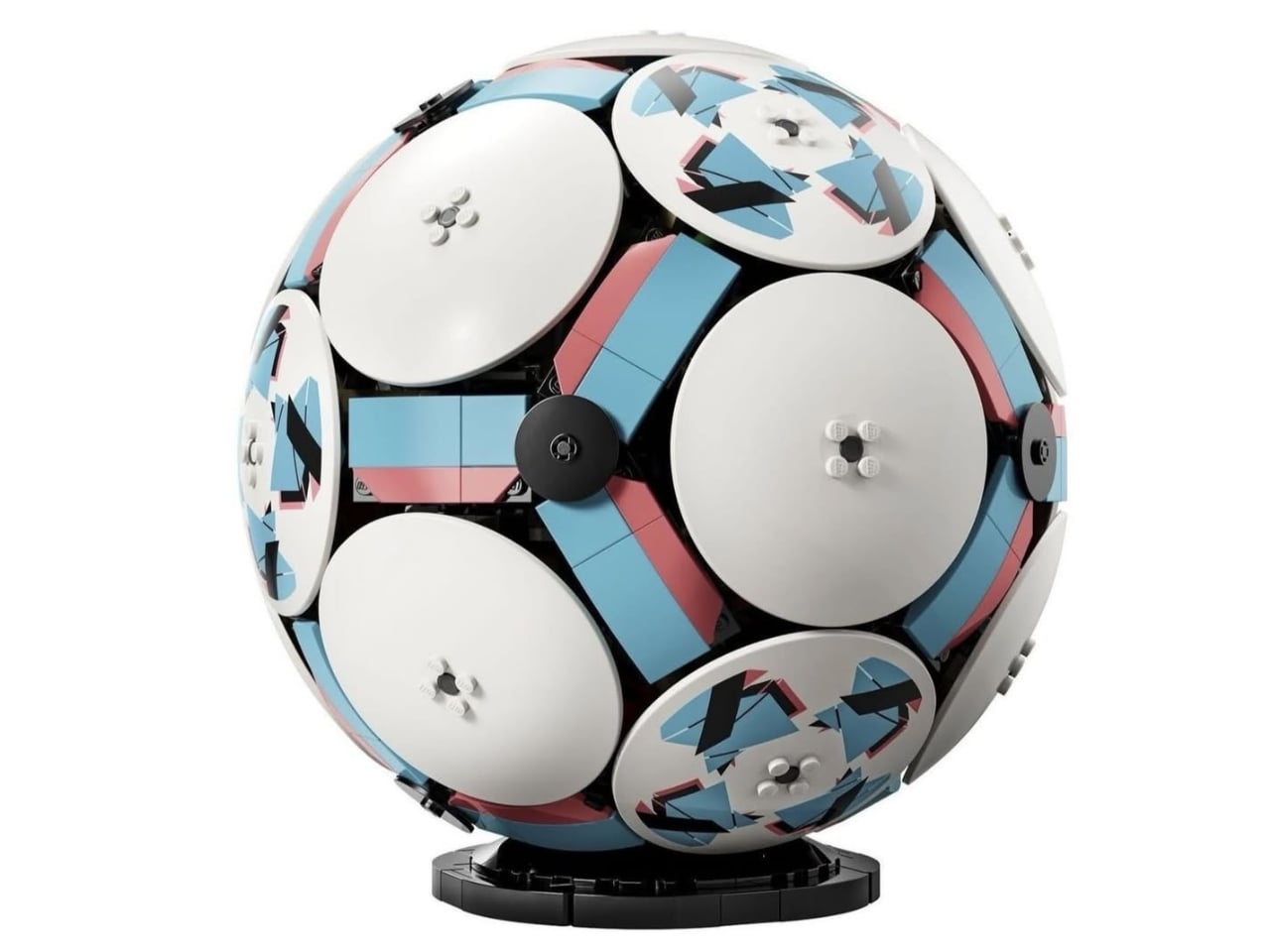
The genius of this 1,498-piece LEGO set lies in its complete transformation. At first glance, it’s a striking soccer ball replica, measuring 15 inches in length and 10.3 inches in width. But crack it open, and you’ll find an entire miniature stadium tucked inside, complete with stands packed with tiny fans, detailed pitch markings, and players frozen mid-match. It’s the kind of build that rewards patience and delivers genuine surprise, making it perfect for anyone who appreciates engineering that goes beyond the obvious.
What makes this particularly brilliant as a garage-to-living-room gateway gift is its dual display nature. He can showcase it as a closed ball one week, then reveal the intricate stadium interior the next. The craftsmanship required to create both a recognizable exterior and a fully realized interior world demonstrates LEGO’s commitment to builders who want more than simple assembly. It’s complex enough to provide hours of focused building time, yet compact enough to earn permanent display rights on a bookshelf or mantle where everyone can admire it.
What We Like
Two completely different display options in one set give it serious shelf versatility.
The hidden stadium interior creates genuine surprise and rewards careful building.
What We Dislike
At 1,498 pieces, it’s a time commitment that might keep him in the garage even longer initially.
Not a replica of the official 2026 match ball, which might disappoint purists.
2. OrigamiSwift Folding Mouse
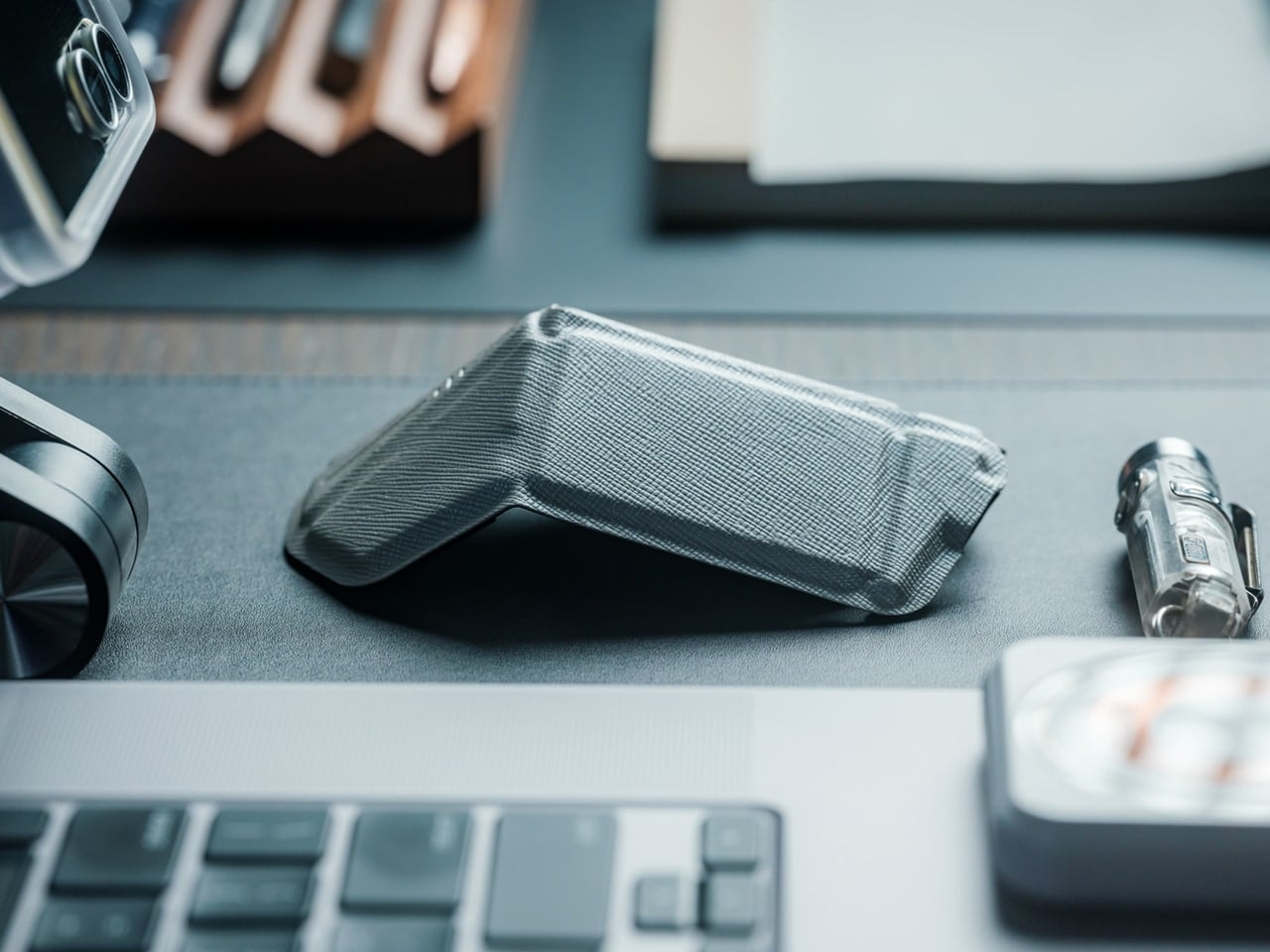
This isn’t just another travel mouse. OrigamiSwift takes inspiration from Japanese paper folding to create a Bluetooth device that transforms from pocket-flat to full-sized in under half a second. The engineering behind that instant activation is remarkable, using a simple flip mechanism that feels satisfying every single time. For someone who’s accustomed to using awkward laptop trackpads or bulky peripherals, the seamless transition from storage to a working tool feels almost magical.
The ergonomic design proves you don’t need to sacrifice comfort for portability. It fits naturally in hand during extended work sessions, whether he’s finally setting up that home office or just answering emails from the couch instead of his garage workbench. The precision tracking works on virtually any surface, turning kitchen counters, coffee tables, or actual desks into productive workspaces. It’s the kind of tool that removes excuses for staying isolated in the garage when he could just as easily work from anywhere in the house.
Folds completely flat for genuinely effortless portability without compromising full-size comfort.
Instant 0.5-second activation makes it ready exactly when you need it.
What We Dislike
Bluetooth connectivity requires charged batteries, unlike traditional wired mice.
The folding mechanism, while durable, represents a potential point of failure over time.
3. Portable CD Cover Player
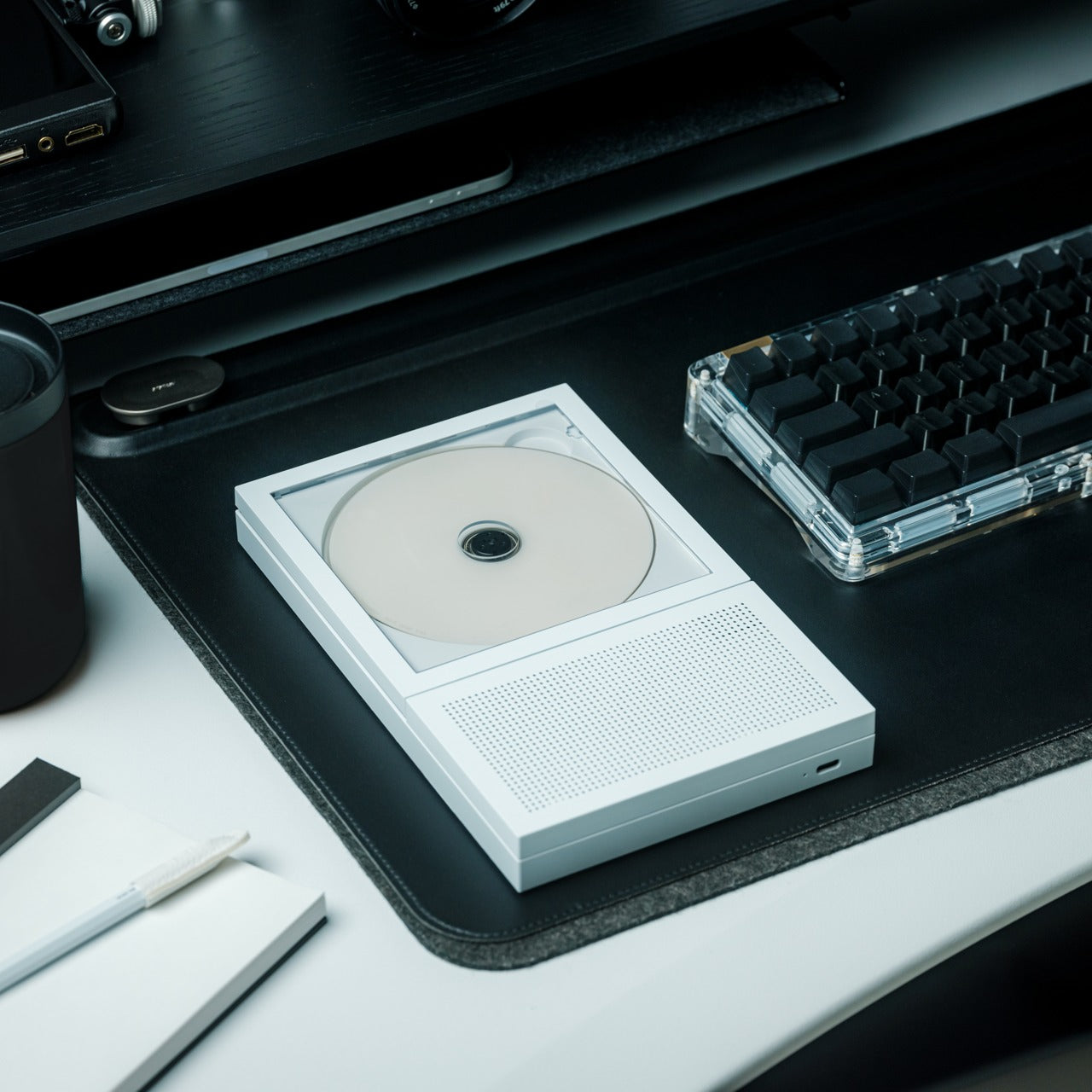
There’s something beautifully rebellious about physical media in our streaming age, and this portable player leans into that nostalgia while adding visual flair. The built-in pocket displays the CD’s jacket art prominently, turning album covers into rotating art exhibitions. Combined with the integrated speaker and rechargeable battery, it becomes a standalone audiovisual experience that works anywhere in your home. The minimalist design manages to feel both retro and contemporary, fitting seamlessly into modern interiors without looking like a museum piece.
The wall-mountable option transforms it from a portable device into a permanent installation, giving him a legitimate reason to bring his music collection out of garage storage and into shared living spaces. The built-in speaker delivers surprisingly warm sound for its size, perfect for background listening during dinner prep or lazy Sunday mornings. It’s a conversation starter that celebrates physical music ownership while making it accessible and visible. Streaming services can’t compete with the tangible ritual of selecting an album, displaying its artwork, and experiencing it as a complete artistic statement.
Displays album artwork prominently, turning music into a visual and audio experience.
Wall-mountable design gives it a permanent living space.
What We Dislike
Limited to audio CDs, excluding the vast world of streaming and digital files.
Built-in speaker, while convenient, won’t match dedicated audio systems for serious listening.
4. MagBoard Clipboard
This reimagines the humble clipboard through a lens of pure functionality. The magnetic lever mechanism secures up to 30 sheets without punching holes, printing lines, or imposing any structure on how you work. Rearrange pages freely, remove what you don’t need, and add sheets as inspiration strikes. The hardcover backing provides a stable writing surface even while standing, making it genuinely useful for sketching ideas, taking notes during calls, or jotting down thoughts anywhere in the house.
The water-resistant, easy-to-clean surface means it can handle real life, not just carefully controlled environments. For someone used to scribbling notes on whatever’s handy in the garage, this offers the same freedom with significantly more sophistication. It’s minimal enough to leave on a coffee table without looking like office clutter, functional enough to actually use daily. The flexibility to use loose paper means no commitment to a particular notebook style or layout, just pure, frictionless capture of whatever needs remembering.
Magnetic binding allows complete freedom to rearrange, add, or remove pages.
Hardcover design enables note-taking while standing or moving around.
What We Dislike
Lacks the permanence of bound notebooks, making long-term organization trickier.
A maximum 30-sheet capacity might feel limiting for extensive projects.
5. Auger PrecisionFlex Razor
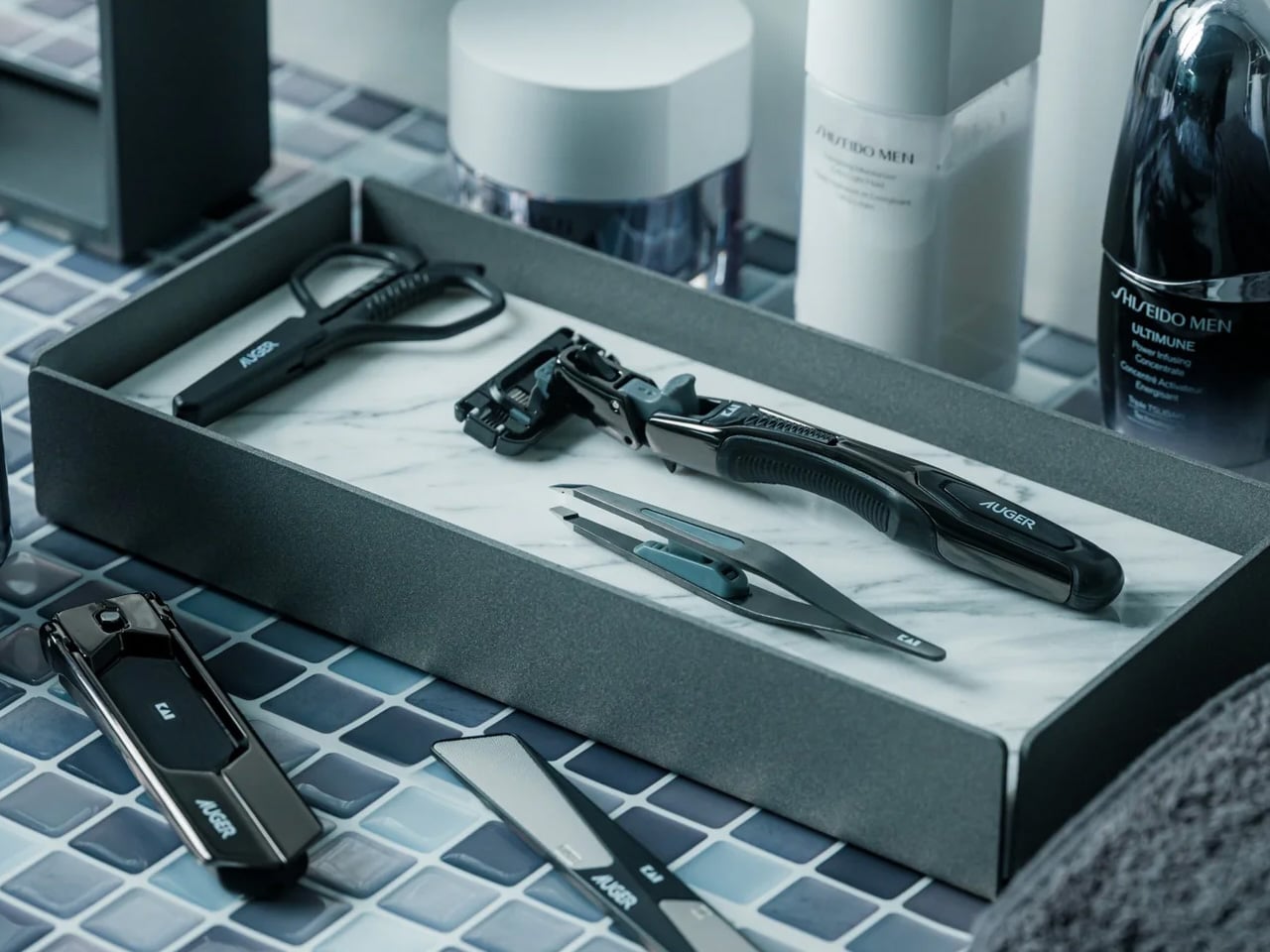
Kai Corporation brings over a century of Japanese blade-making expertise to this precision instrument. The 5-blade system with 3D pivoting head adapts to facial contours with the widest range of motion in the industry, gliding effortlessly from jawline to neckline. But the real innovation is the world-first 30-degree adjustable head angle, activated by a simple lever pull. This allows seamless transitions between shaving angles, perfect for sculpting crisp beard lines or executing smooth reverse shaves without breaking flow.
Grooming becomes a ritual rather than a chore with tools this well-engineered. The independent suspension mechanism ensures consistent blade contact without requiring pressure, reducing irritation and delivering genuinely close shaves. For someone who might typically rush through morning routines to get back to projects, this transforms the bathroom into a space worth spending time in. The minimalist sophistication of the design looks right at home on a bathroom counter, elevating the entire space. True precision doesn’t announce itself loudly; it’s felt in every controlled, effortless stroke.
Industry-leading pivot range adapts to every facial contour for consistent contact.
30-degree adjustable head angle offers unprecedented flexibility for detail work.
What We Dislike
Replacement blade cartridges represent ongoing costs compared to safety razors.
Premium engineering comes with premium pricing that might feel excessive for basic grooming.
6. Titanium Artisan Spirits Cup
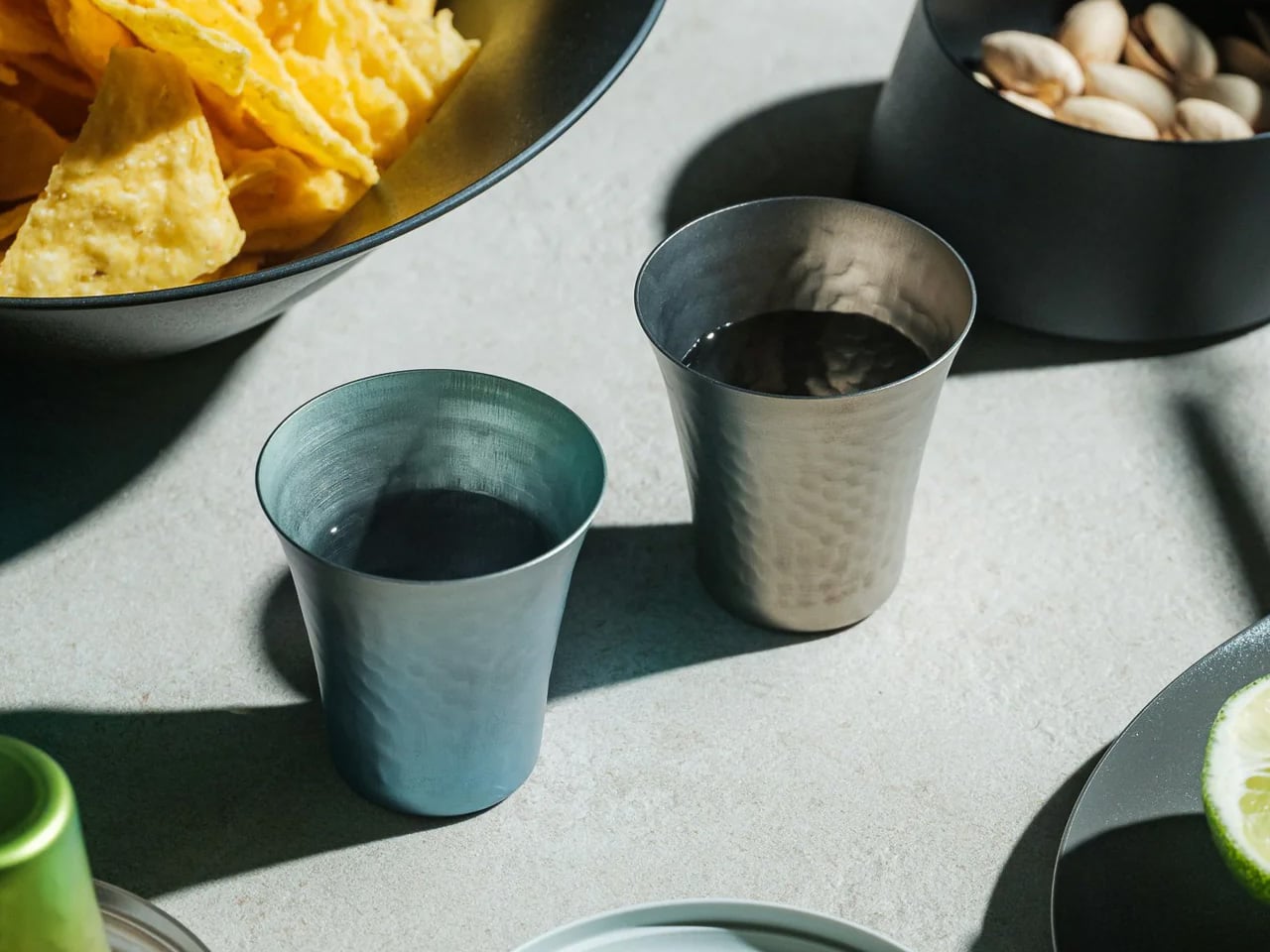
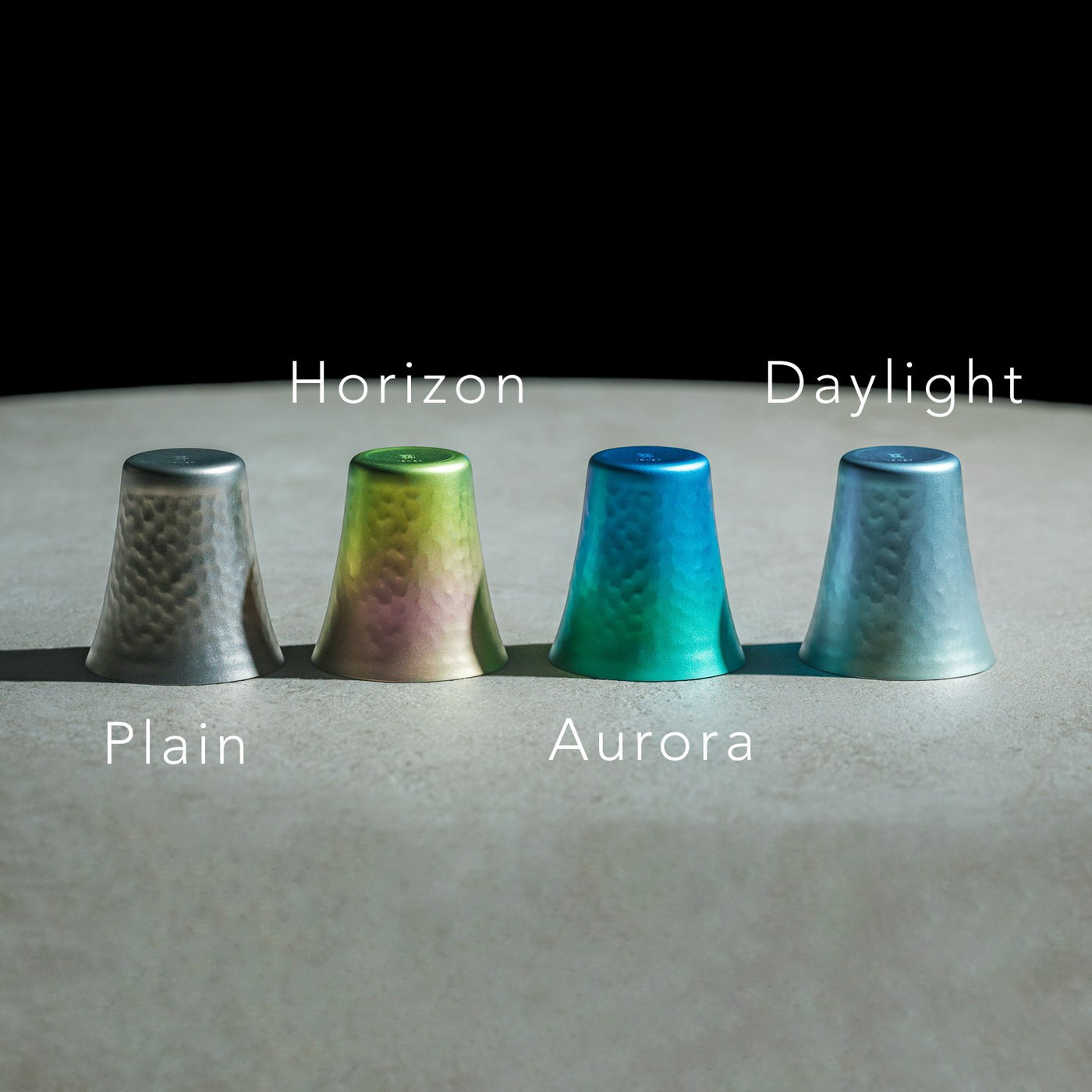
At just 22 grams, this titanium vessel feels almost impossibly light in hand, yet its presence is anything but insubstantial. The hammered texture serves dual purposes: creating a non-slip surface and enhancing the aromatic profiles of sake, tequila, or whiskey. Each sip becomes a multisensory experience as the texture catches light and the finely engineered thin lip ensures smooth contact that doesn’t interfere with flavor. The vibrant anodized finish means each cup carries unique coloring, adding personalized character to any collection.
This is the kind of object that elevates everyday moments into something worth savoring. Instead of cracking a beer in the garage, imagine him actually joining you for evening drinks in the living room, using a vessel that turns casual sipping into a ceremony. The compact 2.05-inch diameter and 2.17-inch height fit perfectly in the hand and look striking against both modern and rustic settings. Premium titanium construction ensures this becomes an heirloom piece, something that endures through countless toasts and celebrations. It’s a gift that suggests his time and rituals deserve beautiful tools.
Remarkably lightweight at 22 grams while maintaining a substantial premium feel.
Hammered texture enhances aromatics and provides a secure grip.
What We Dislike
Small capacity suits spirits but won’t work for larger pours.
Anodized finish uniqueness means you can’t perfectly match a set.
7. Levitating Pen 3.0
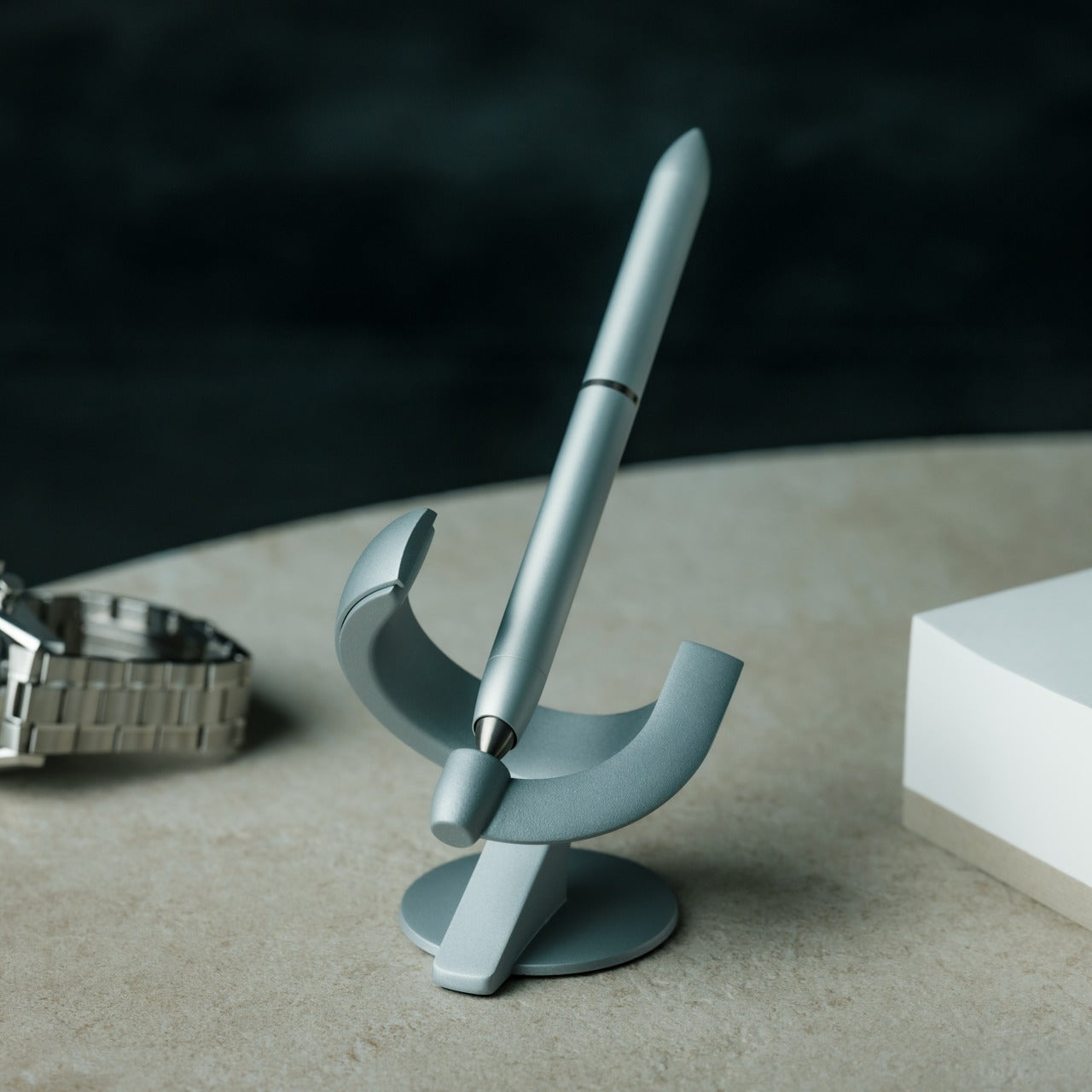
This isn’t just a writing instrument; it’s a physical manifestation of defying expectations. The pen balances at a 60-degree angle on a pinpoint, held in place by a charged magnetic field, gently bobbing and spinning for up to 30 seconds. The spacecraft-like silhouette cuts a futuristic profile on any desk, while the seamless casing made from aircraft-grade materials houses a precise ballpoint tip. The revised, taller pedestal showcases an even more dramatic floating experience than previous versions.
For someone who spends hours tinkering in the garage, this speaks directly to the satisfaction of engineering done beautifully. It’s designed to inspire wonder, encourage daydreaming, and reinforce belief in achieving seemingly impossible goals. Having this on a desk in the home office or living room creates a constant visual reminder that ideas can become reality. The spinning movement naturally draws the eye and invites conversation, making it far more than a functional object. It’s a desk sculpture that happens to write, a conversation piece that celebrates the creative process itself.
Genuinely mesmerizing levitation and spinning action create constant visual interest.
Aircraft-grade materials ensure serious quality in a whimsical package.
What We Dislike
Requires proximity to a magnetic base, limiting portability as an actual writing tool.
Novelty factor might wear off faster than practical desk accessories.
8. Side A Cassette Speaker
This Bluetooth 5.3 speaker nails the balance between nostalgic form and modern function. Styled as an authentic mixtape complete with a transparent shell and a side A label, it packs a surprisingly warm sound tuned to evoke soft, cozy analog tones. The included clear case doubles as a display stand, transforming it from a pocket-sized speaker into a legitimate desk companion or shelf accent. MicroSD card support means offline playback without Wi-Fi, just load tracks and press play like the cassette days.
The sub-$50 price point makes this an easy gift that punches well above its weight in character and functionality. It’s perfect for someone who appreciates objects with personality, things that tell stories and spark memories. Instead of him listening to music alone in the garage on whatever speaker he’s had for years, this becomes a reason to share music in communal spaces. The compact form means it travels easily between rooms, bathroom to kitchen to living room. It’s tech that doesn’t take itself too seriously while still delivering genuine quality.
Faithful cassette styling with a transparent shell creates instant nostalgia and conversation.
MicroSD support enables offline playback independent of streaming services.
What We Dislike
Compact size limits bass response compared to larger speakers.
Novelty design might not appeal to those preferring minimalist modern aesthetics.
9. BlackoutBeam Tactical Flashlight
With 2300 lumens of output and a 300-meter throw, this flashlight delivers professional-grade illumination in an everyday-ready package. The 0.2-second instant-on response eliminates lag when light is needed immediately, whether during power outages, nighttime navigation, or emergencies. IP68-rated waterproof aluminum construction withstands rain, impact, and even submersion without compromising performance. This is serious durability engineered into a sleek, industrial design that never looks out of place.
For someone comfortable working in the garage, having legitimate tools is non-negotiable. This flashlight earns its place in the home emergency kit while looking good enough to leave accessible rather than buried in storage. The blinding brightness cuts through darkness with clinical precision, making it invaluable for everything from checking breakers to late-night dog walks. Quality flashlights represent the intersection of preparedness and practicality, the kind of tool you hope not to need but feel better having. It’s compact enough for daily carry yet powerful enough for genuine tactical applications.
Maximum brightness can be unnecessarily excessive for routine indoor use.
10. StillFrame Headphones
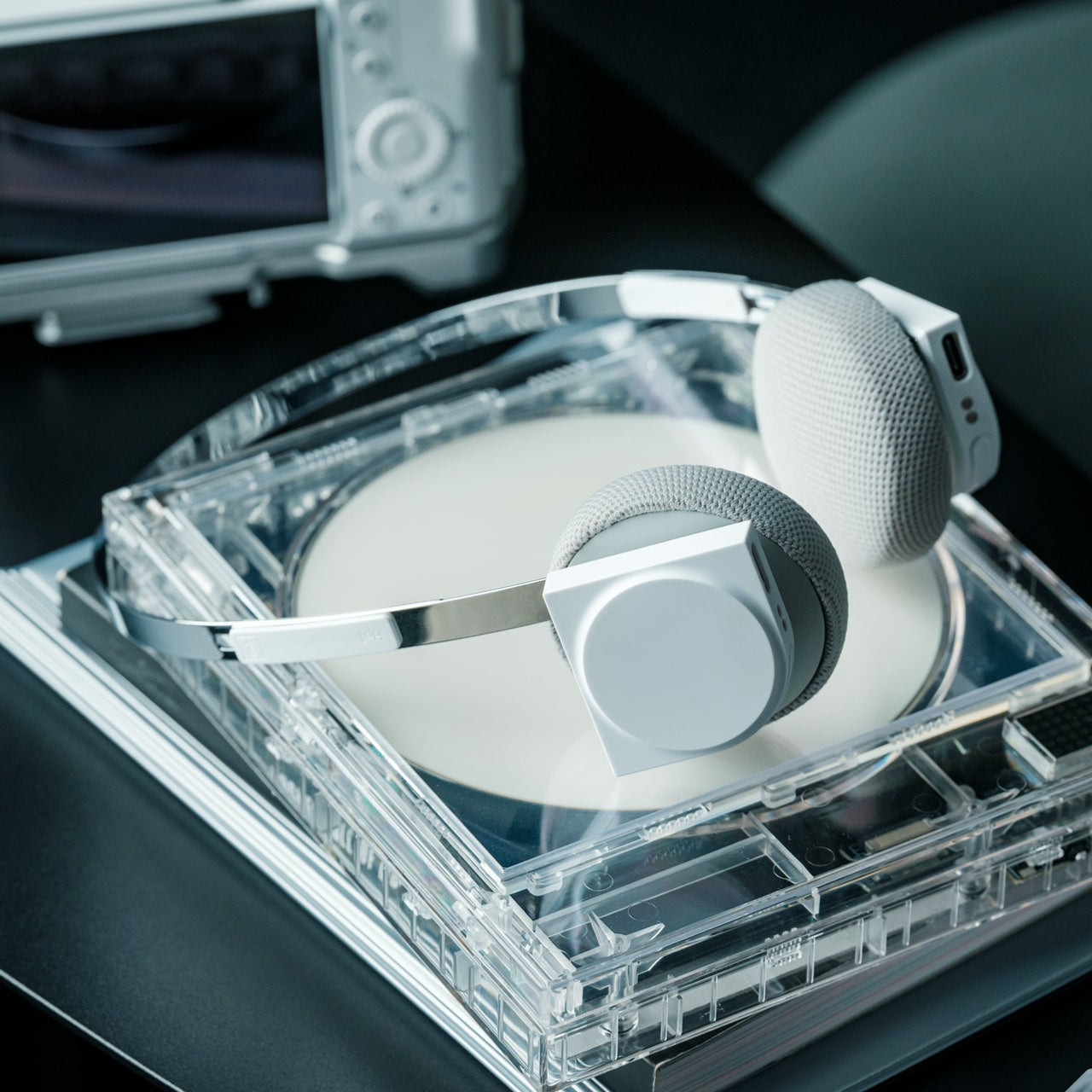
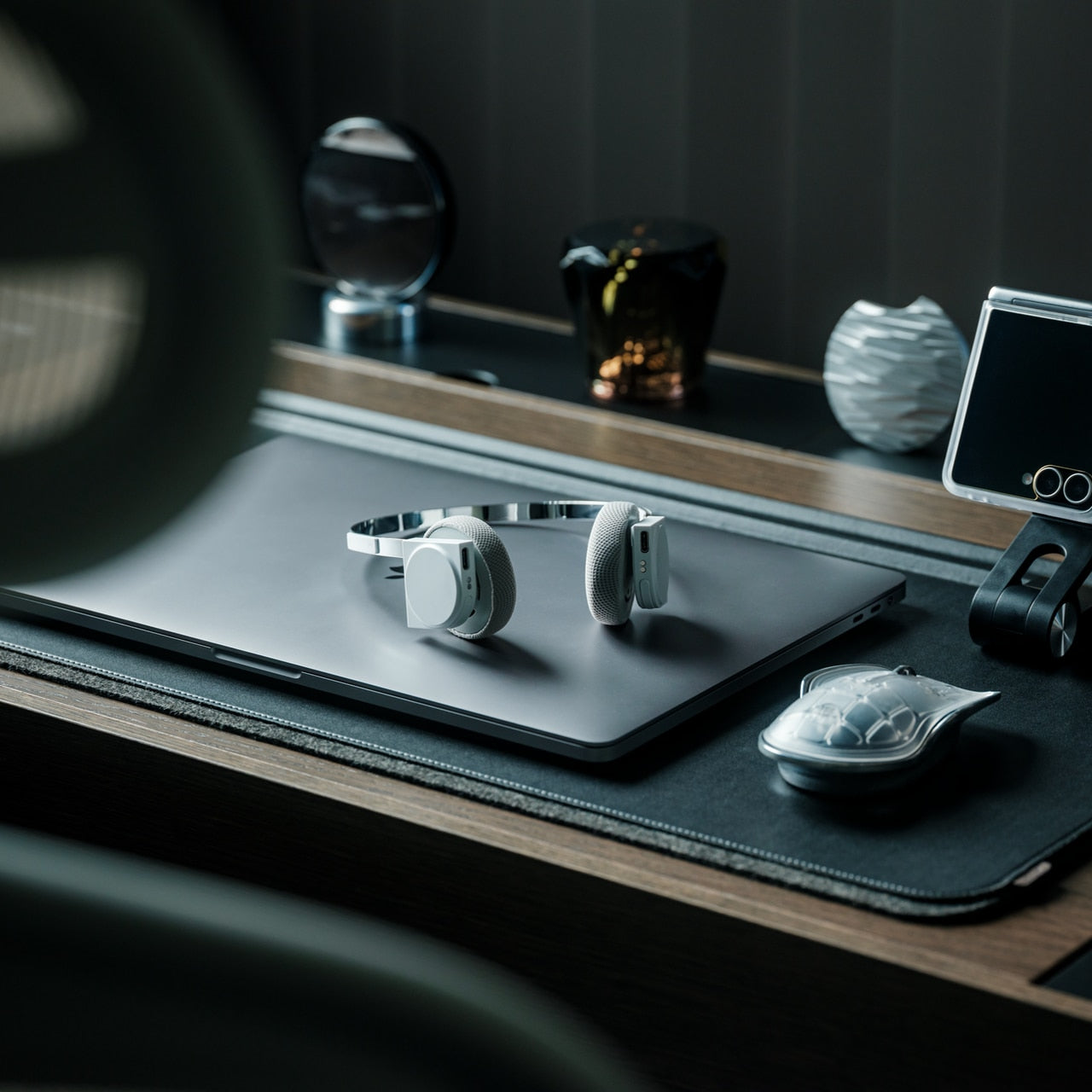
These wireless headphones exist in the space between in-ears and over-ears, offering open comfort that makes extended listening feel effortless rather than fatiguing. The 40mm drivers create a wide, open soundstage that brings melodic textures into sharper focus and turns quiet tracks into full landscapes. Design echoes the quiet geometry of ’80s and ’90s CDs, a deliberate homage to when music had physical weight, and albums earned their shelf space. Featherlight construction belies the full-bodied sound quality.
Active noise cancelling provides isolation when focus demands it, while transparency mode keeps him connected to surroundings when awareness matters. This adaptability means transitioning seamlessly from solitude to engagement without removing the headphones. For someone who might use audio as a reason to stay isolated in the garage, these actually encourage moving through the house while maintaining that personal sound bubble. The considered design looks sophisticated enough to wear anywhere, turning headphones from purely functional gear into something approaching personal style. Music becomes a physical ritual again, measured and meant to be felt.
Open design offers comfort between in-ear and over-ear extremes for extended wear.
40mm drivers with a wide soundstage deliver impressive clarity and spatial detail.
What We Dislike
Open design may leak sound, potentially disturbing others in quiet environments.
Premium positioning commands higher pricing than basic wireless headphones.
Mission Accomplished: Reclaiming Your Space
These ten gifts share a common thread beyond simply being well-designed objects. Each one transforms routine activities into moments worth savoring, elevating everyday rituals from mundane necessity to genuine pleasure. They’re beautiful enough to display proudly in shared living spaces, functional enough to use daily, and interesting enough to provide legitimate alternatives to endless garage tinkering. When tools and objects are this thoughtfully crafted, they naturally earn places in the home rather than exile to workshop storage.
The best part about gifts like these is that they don’t demand that he abandon his interests or change his nature. They simply provide compelling reasons to bring those interests into the house, to share spaces and time while still engaging with the things he loves. Whether it’s building LEGO on the coffee table, enjoying a drink with proper glassware, or listening to music on headphones that don’t look like gaming gear, each item builds a bridge between garage sanctuary and shared home life. Sometimes, all it takes is the right object to shift where someone wants to spend their time.
Watching your phone battery slide toward single digits on a late commute is a familiar kind of dread. The usual answer is a chunky 10,000mAh brick plus a cable, great for weekend trips, but it lives in your bag rather than on your phone. You pull it out, plug it in, and wait, tethered to an accessory that feels more like emergency gear than something you want to carry daily.
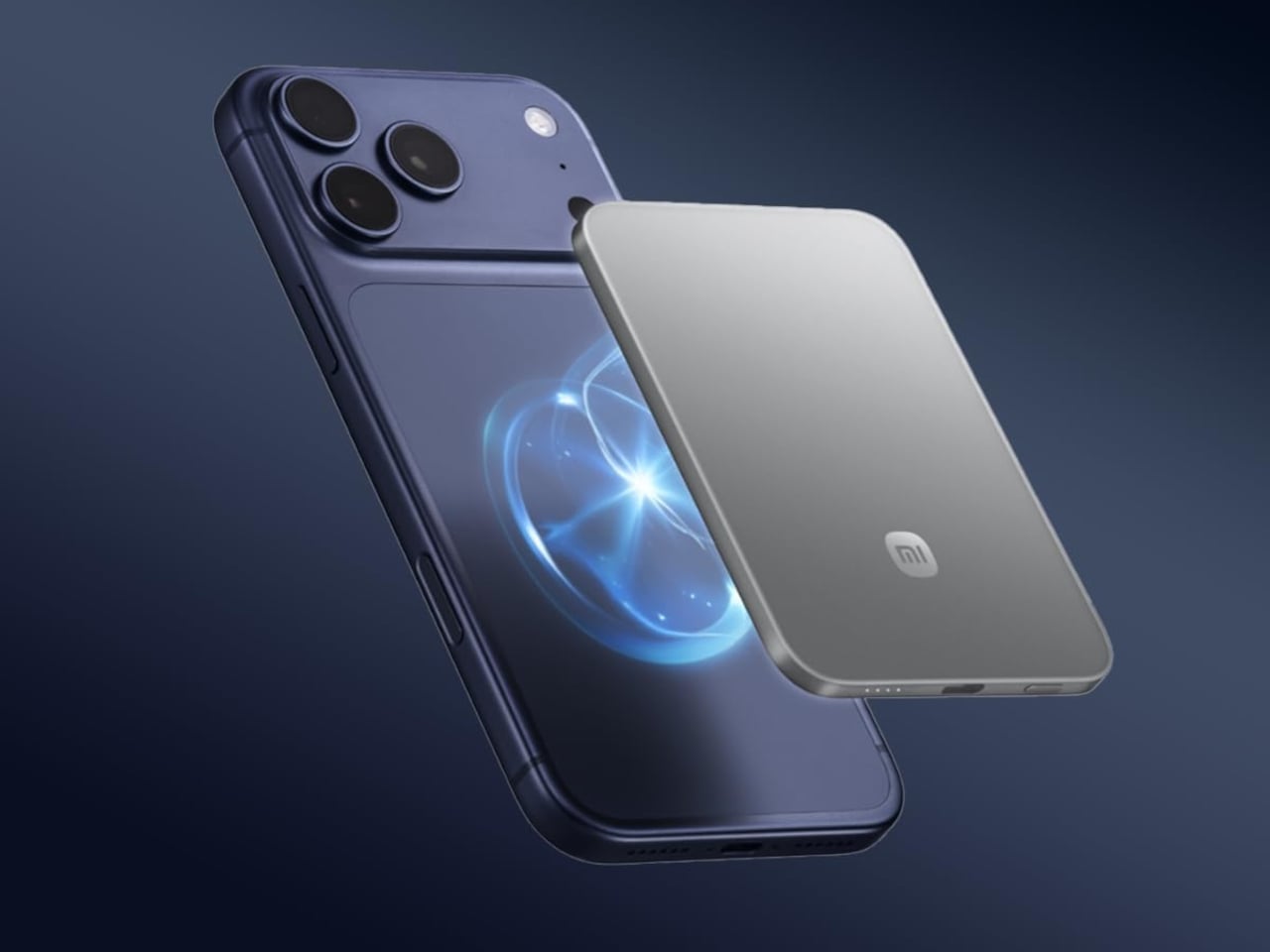
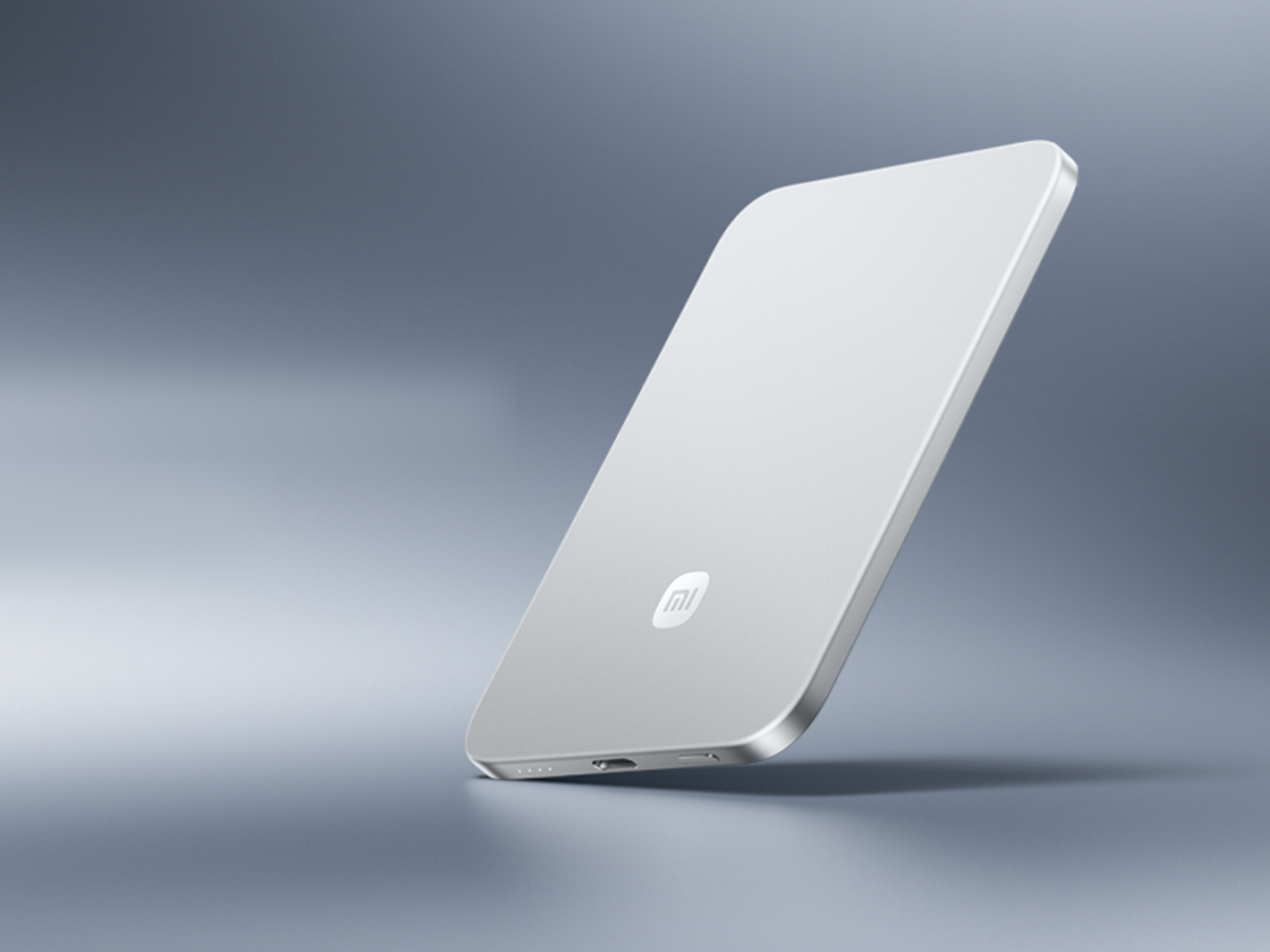
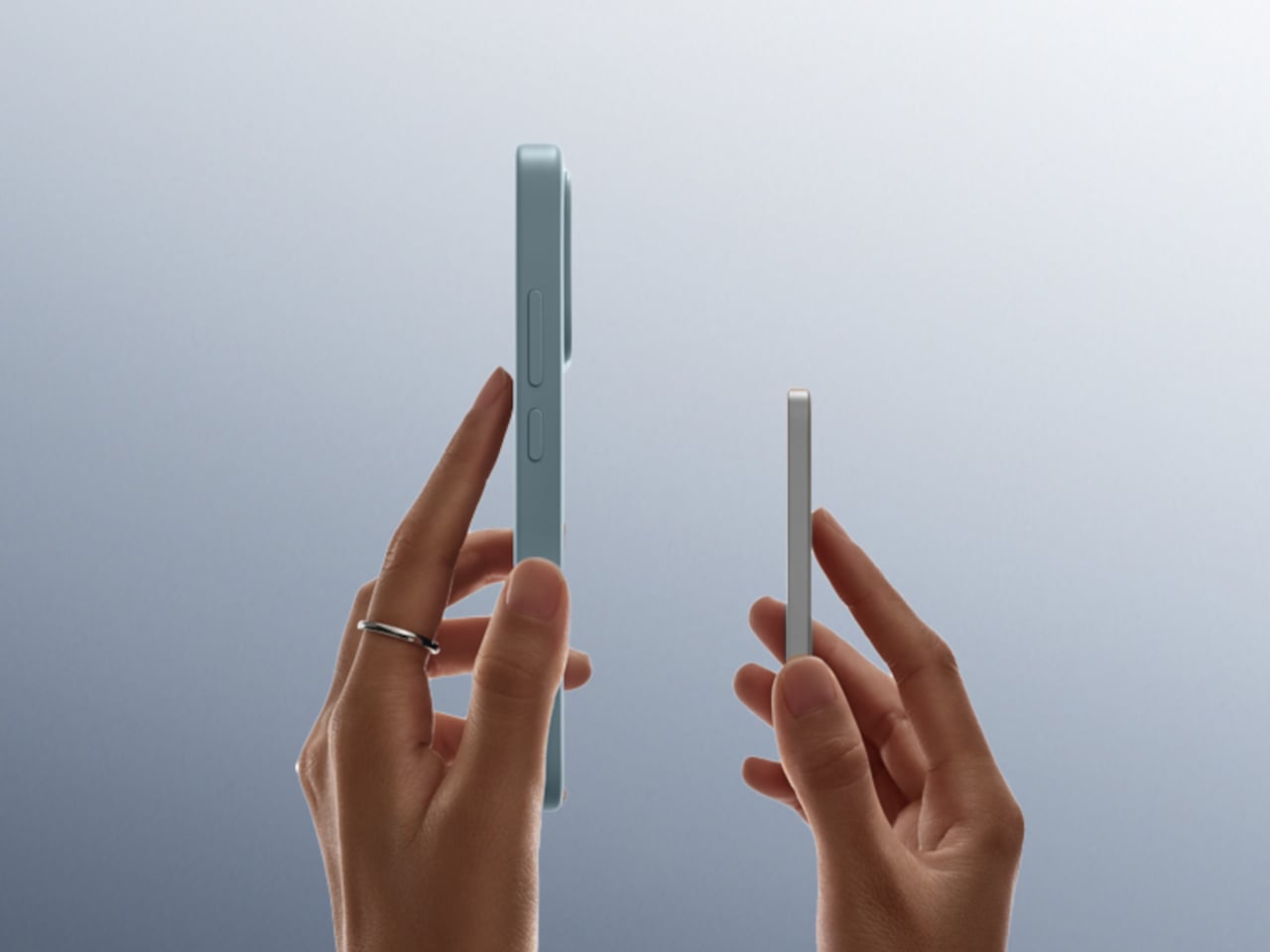
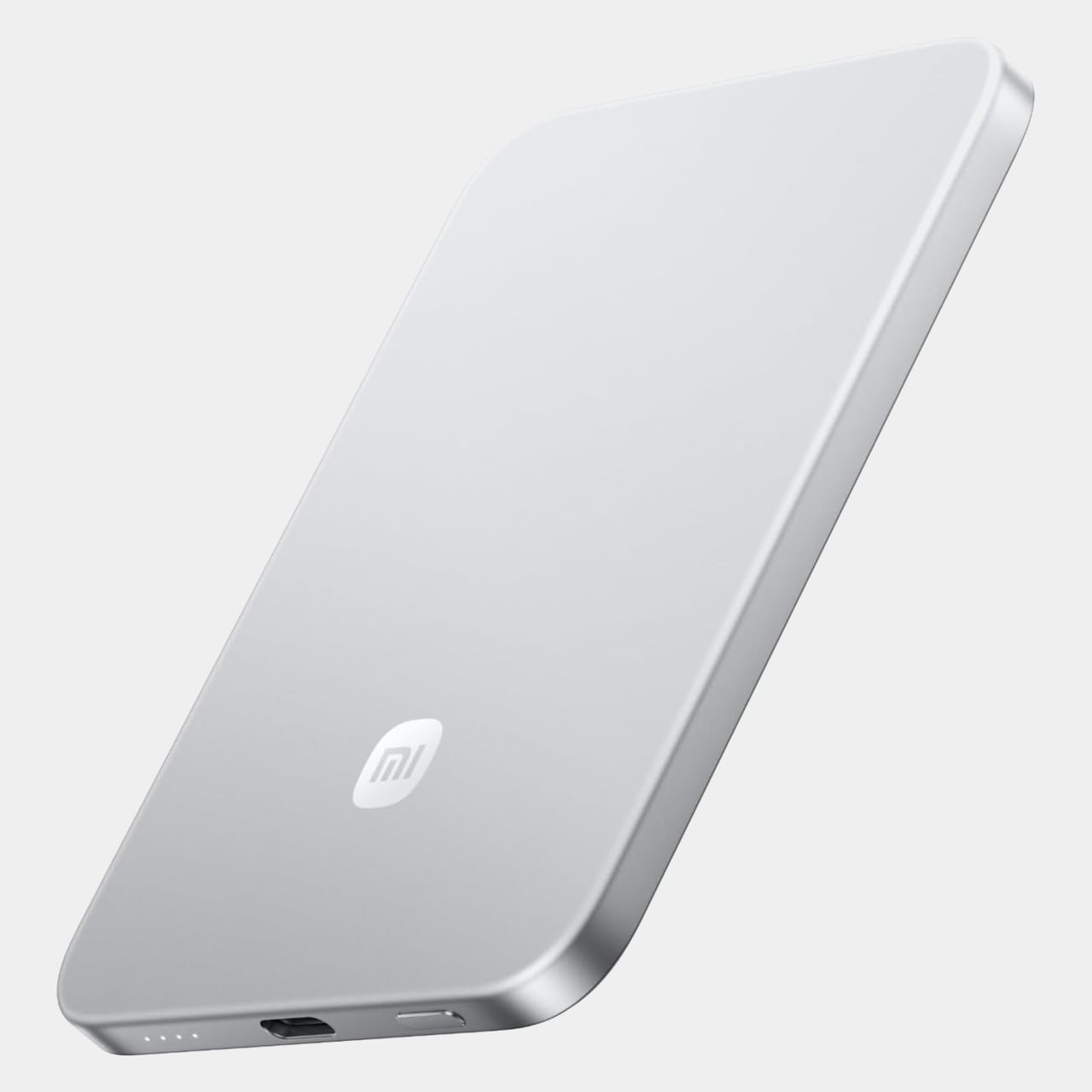
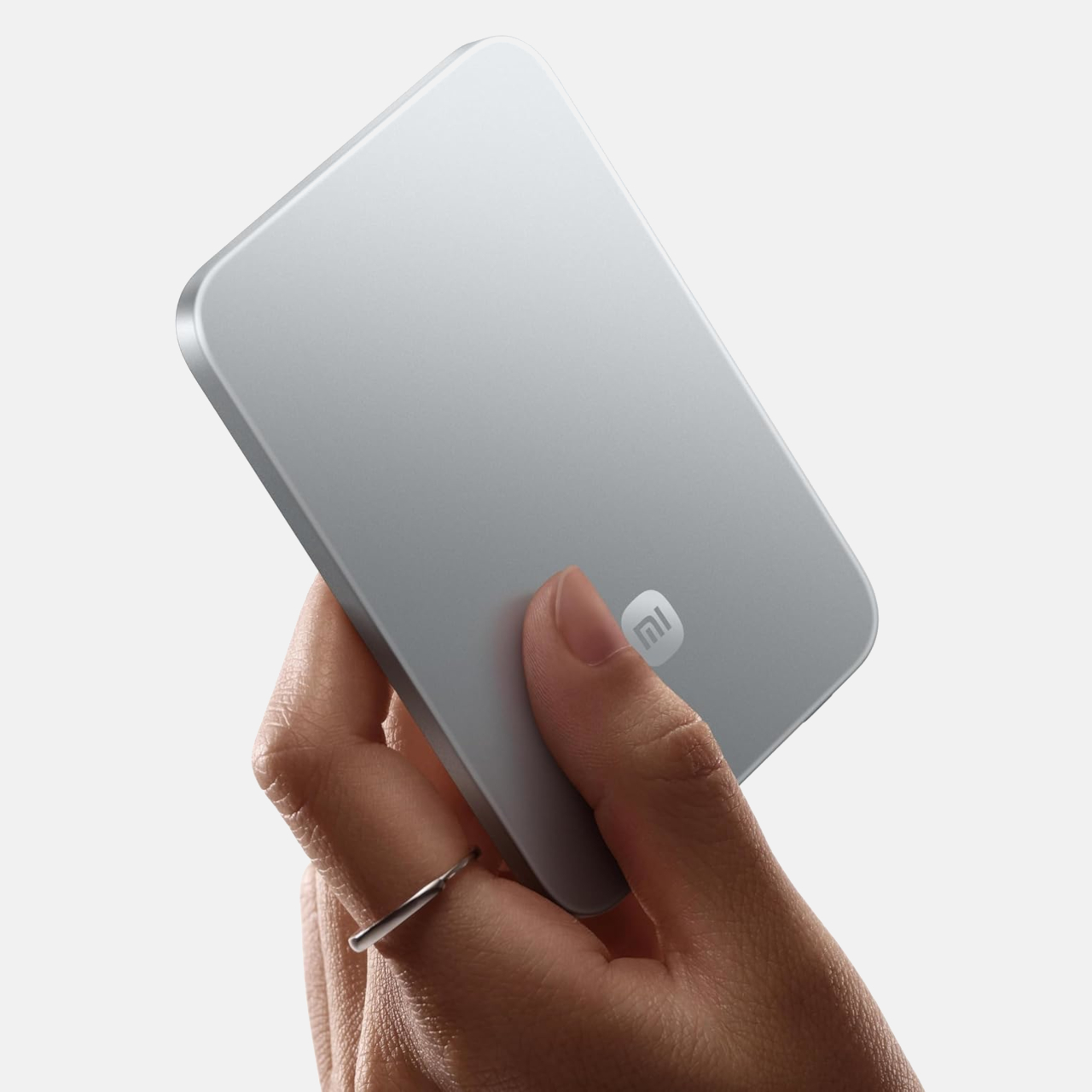
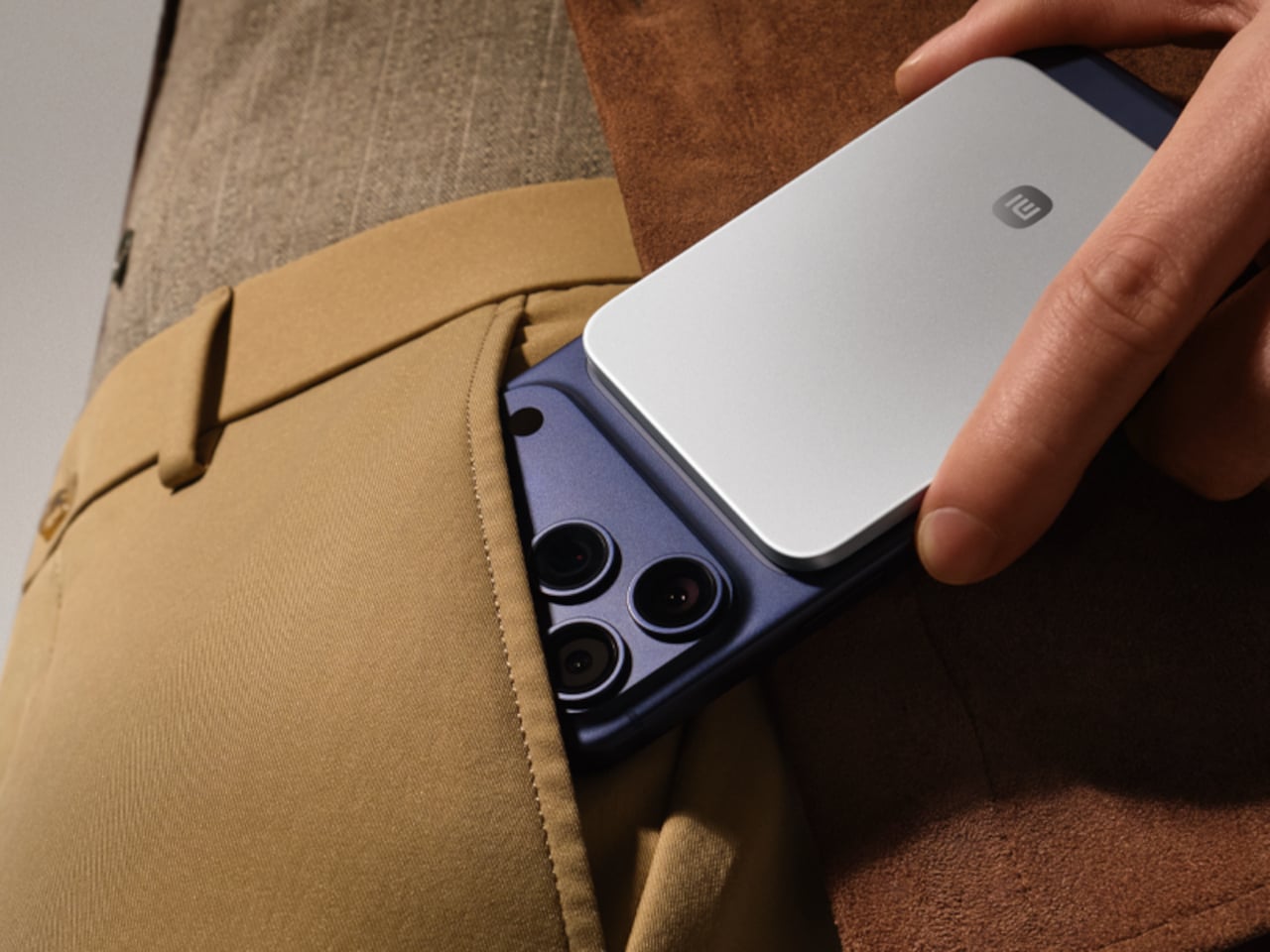
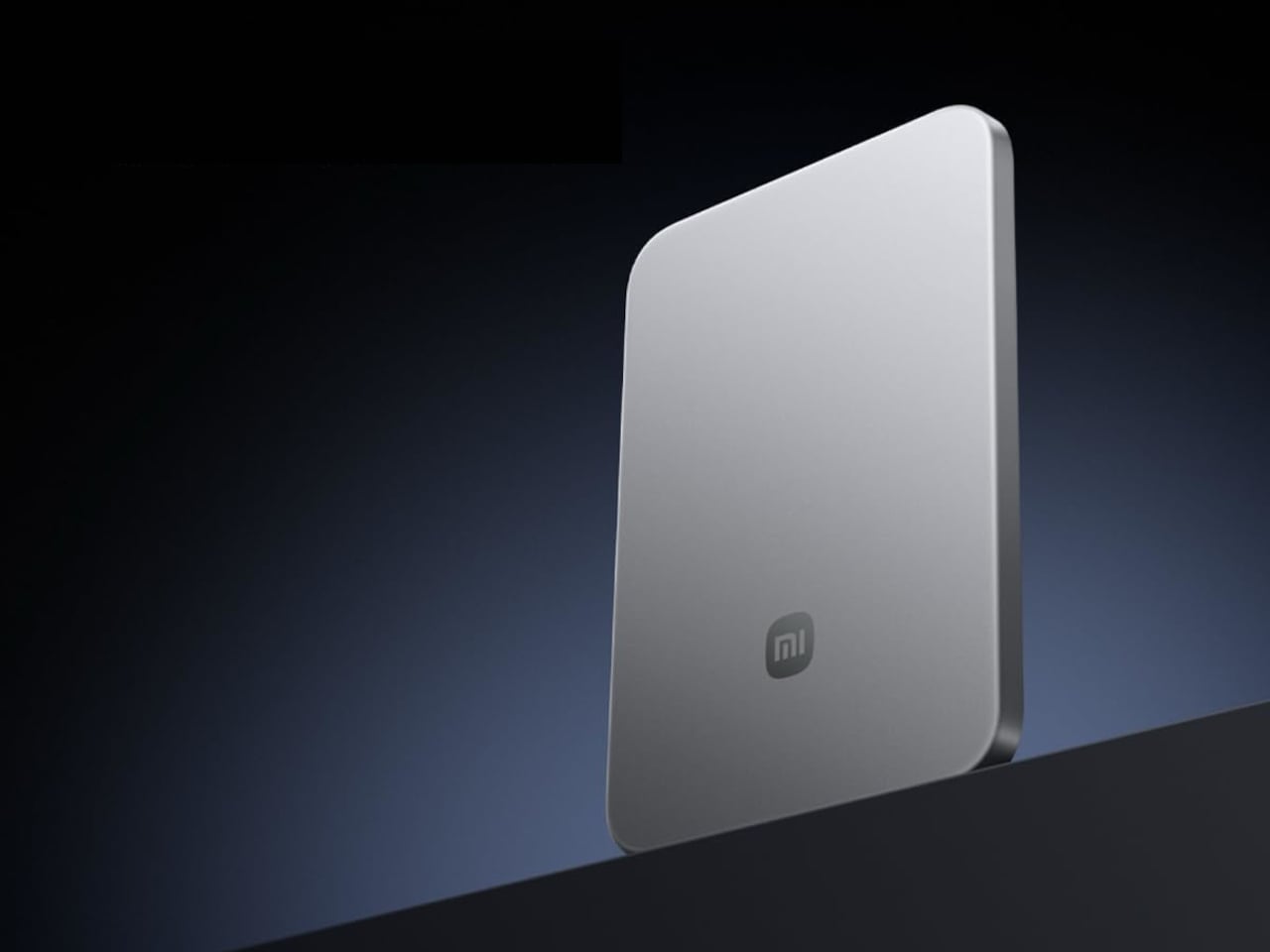
Xiaomi’s UltraThin Magnetic Power Bank offers a different trade. It measures just 6 mm thick and weighs 98g, closer to a slim phone case than a battery pack. The 5,000mAh cell snaps onto the back magnetically and supports 15W wireless charging on Xiaomi 17 series devices, 7.5W on iPhones, and up to 22.5W over USB-C when you need a faster wired boost.
Designer: Xiaomi
That 6mm profile matters once you start carrying it. Most magnetic packs are comfortable for a few hours, but eventually feel like strapping a deck of cards to your phone. This one reads closer to a thin case, so the phone still slides into a pocket without turning into a sandwich. The aluminum alloy shell and fiberglass phone side keep it rigid and cool, with four LEDs and a button handling the basics.
The appeal becomes clear when you spend a day with it snapped on. You can top up during a train ride or while answering emails at a café, wireless charging happening in the background without cables snagging on jackets. The 5,000mAh capacity is not a weekend solution, but it rescues a modern flagship from the red and carries it through the evening without hunting for an outlet.
Charging behavior splits along ecosystem lines. Xiaomi’s own phones get the full 15W wireless speed, while iPhones are capped at 7.5W, which lines up with how Apple treats non-MagSafe Qi chargers. You can also plug a second device into the USB-C port for up to 22.5W, turning the pack into a tiny hub when you are carrying earbuds or a second phone that needs a quick wired charge.
Xiaomi built in a graphite sheet and dual NTC temperature sensors to manage heat, along with ten layers of protection covering overvoltage, overcurrent, and foreign-object detection. This is the quiet engineering that lets you forget the pack is there, rather than something you babysit, especially when it is charging wirelessly against glass and metal in a pocket or on a crowded train where airflow is minimal.
The UltraThin Magnetic Power Bank leans hard into comfort and daily carry, accepting a modest 5,000mAh capacity to hit that 6 mm profile. People who live in cities often bounce between power sources all day, and mostly need a safety net rather than a suitcase battery. This battery pack that feels like part of the phone instead of an accessory might be the more useful kind of upgrade, even if it means plugging in overnight.
Most utility knives live in junk drawers until you need to open a box. You dig out something with a flimsy plastic slider, a rattling blade, and a body that feels like it costs exactly one dollar. They are treated as disposable, even though you use them constantly for packages, tape, and workshop tasks. There is room for a small knife that feels as considered as the rest of your desk or carry.
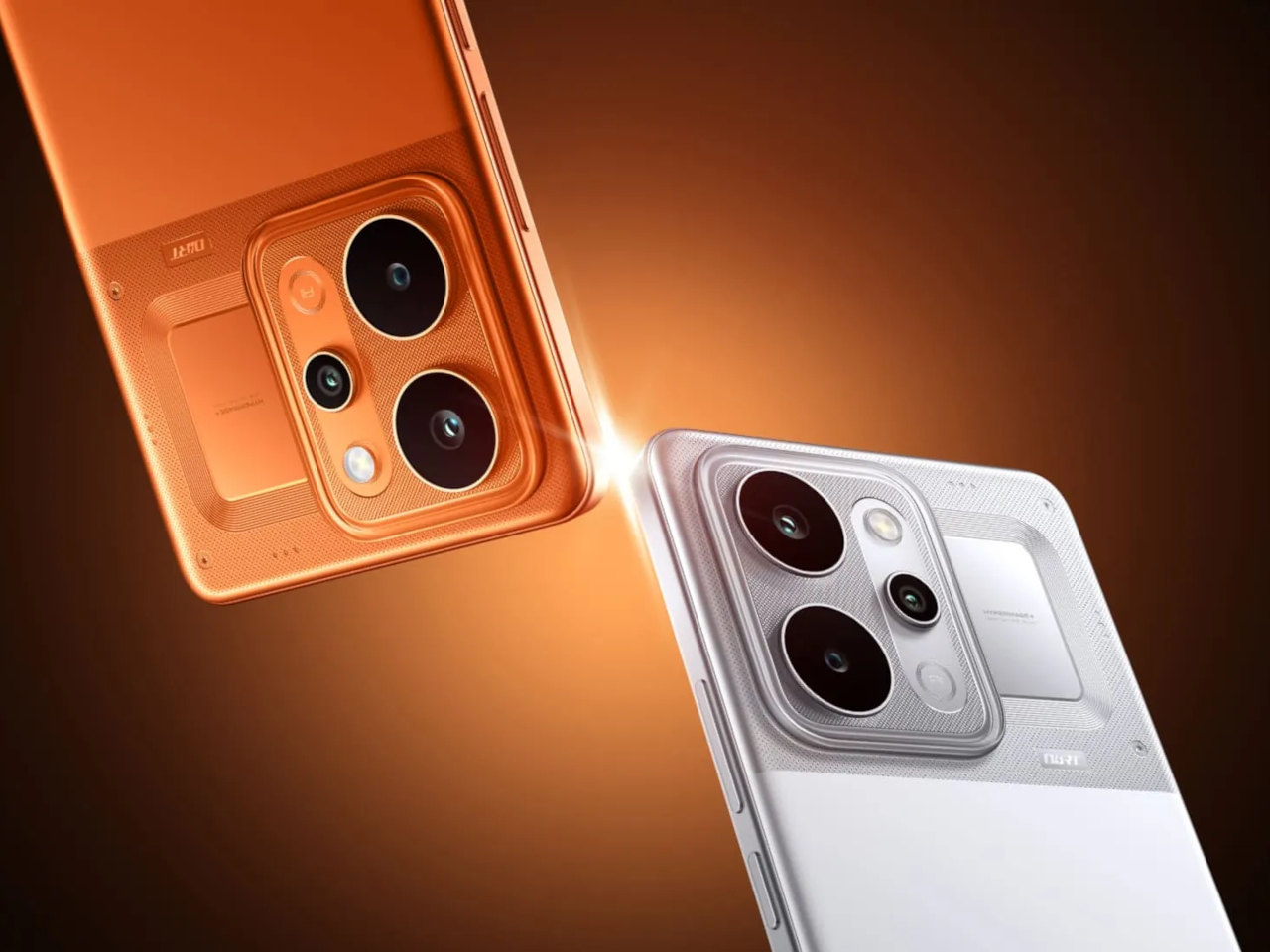
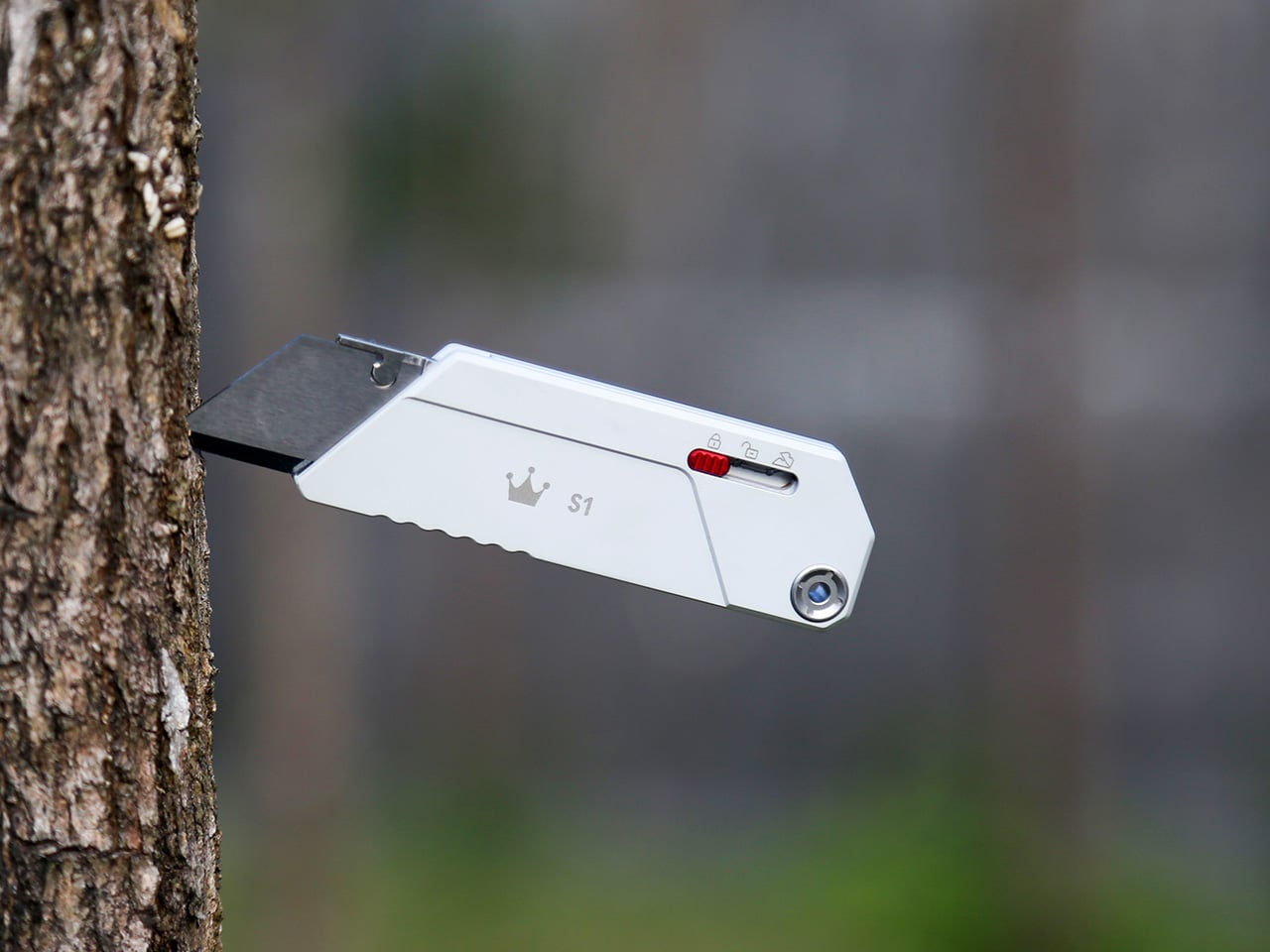
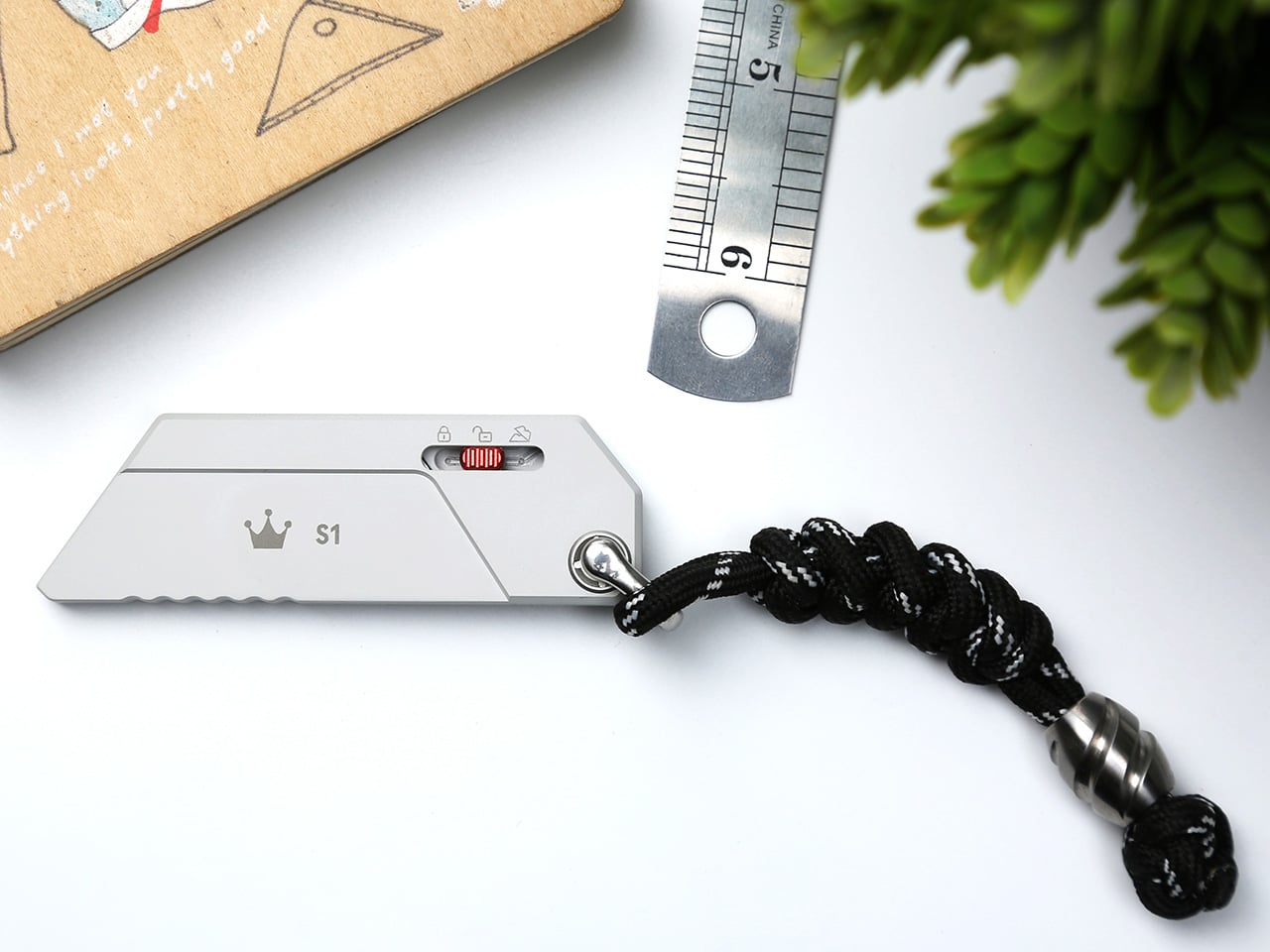
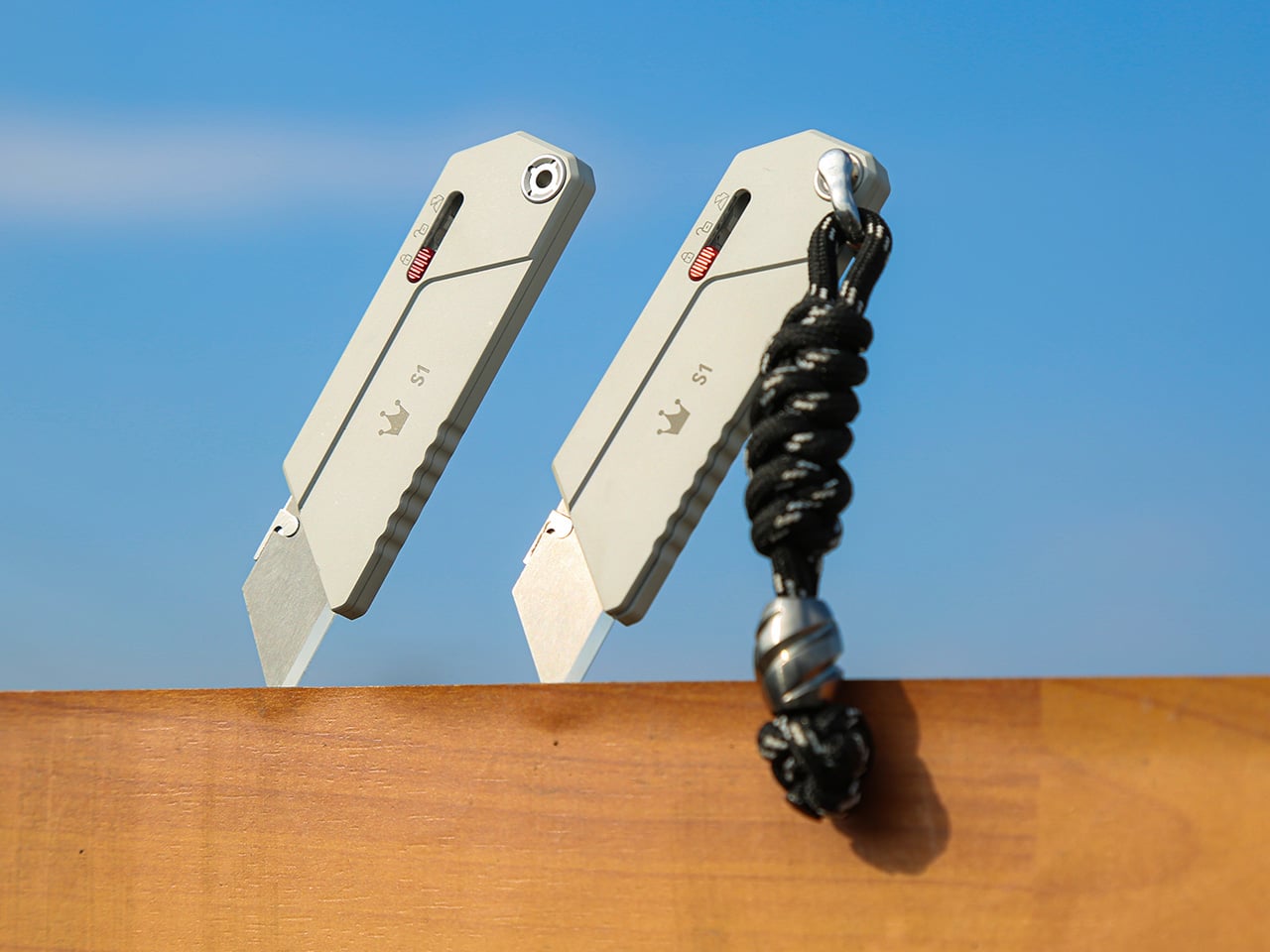
BQ S1 is a compact gravity-slide utility knife built around a simple intention: a tool that looks clean, feels natural, and works flawlessly. The flat, CNC-machined metal body hides a gravity-assisted blade mechanism inside, with no aggressive tactical styling or gimmicks. It is designed to make everyday cutting feel deliberate rather than disposable, turning deployment into a motion that is actually satisfying instead of frustrating.
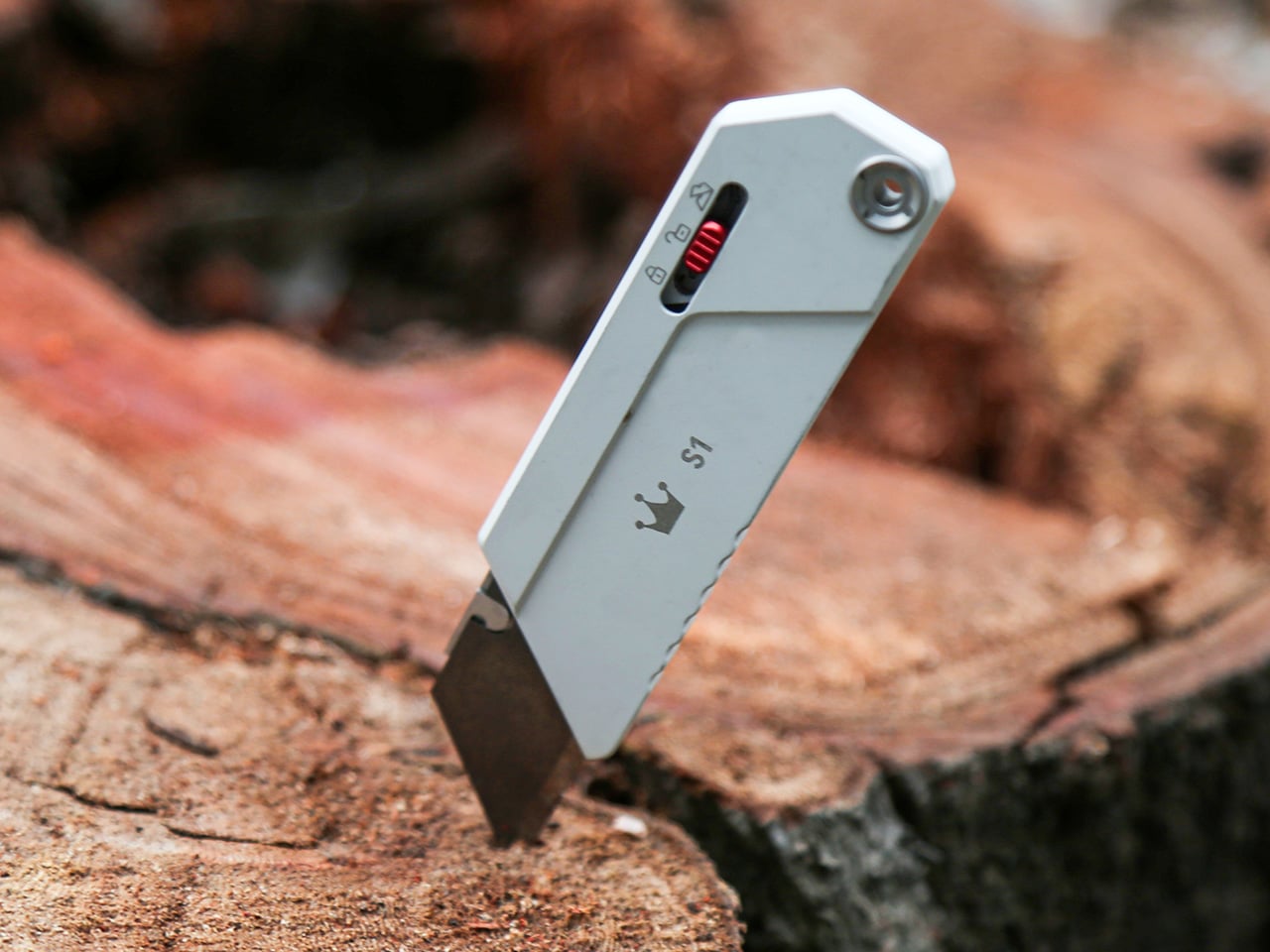
The S1 uses a gravity-assisted slide mechanism instead of a traditional linear slider. A sideways thumb swipe makes the internal plates pivot, and the blade glides out under its own weight, then locks securely in place. The motion and sound are tuned to feel instinctive and precise, creating a satisfying click and slide rather than a sticky, two-handed struggle with a plastic track that catches every time.
The body is machined from aluminum or titanium with tight tolerances, giving you sharp exterior lines, smooth chamfered edges, crisp blade guides, and defined side texture for grip. The layout is lefty-friendly, with every angle and surface shaped to enhance control, comfort, safety, and precision. It feels equally natural in either hand when cutting cardboard, trimming tape, or opening packages at your desk or in a workshop.
A bright red safety lock sits at the top, offering tactile feedback when engaged and making it obvious when the blade is secured. The compact 80mm length, lightweight build, and reinforced lanyard hole make it easy to carry on a keychain, in a pocket, or clipped to a bag. It is small enough to disappear when not in use, solid enough that you do not worry about it falling apart.
The S1 uses standard utility blades you can find almost anywhere, steel, tungsten-coated, or ceramic, with no proprietary refills. Blade changes are handled by a simple slide button sequence: slide to release, swap the blade, slide back, done. That choice keeps running costs low and makes it easy to keep a sharp edge without hunting for special cartridges or depending on a single supplier.
Opening deliveries, cutting packing tape, trimming cardboard for prototypes, these are small routine tasks that most people handle with whatever dull knife is within reach. The BQ S1 is designed to turn those moments into clean, precise actions where the blade extends smoothly, locks with confidence, and cuts without tearing or snagging. It is not trying to be a survival knife or a fidget toy, just a well-made cutter.
For people who care about the details of the tools they touch every day, a utility knife that feels cool to use instead of something you hide in a drawer starts to make sense. The gravity-slide motion, the CNC-machined body, the red safety lock, and the universal blade compatibility all add up to a tool that quietly earns its place in your pocket or on your keychain, not because it does anything wildly different, but because it does everyday things better.
Most utility knives live in junk drawers until you need to open a box. You dig out something with a flimsy plastic slider, a rattling blade, and a body that feels like it costs exactly one dollar. They are treated as disposable, even though you use them constantly for packages, tape, and workshop tasks. There is room for a small knife that feels as considered as the rest of your desk or carry.
BQ S1 is a compact gravity-slide utility knife built around a simple intention: a tool that looks clean, feels natural, and works flawlessly. The flat, CNC-machined metal body hides a gravity-assisted blade mechanism inside, with no aggressive tactical styling or gimmicks. It is designed to make everyday cutting feel deliberate rather than disposable, turning deployment into a motion that is actually satisfying instead of frustrating.
The S1 uses a gravity-assisted slide mechanism instead of a traditional linear slider. A sideways thumb swipe makes the internal plates pivot, and the blade glides out under its own weight, then locks securely in place. The motion and sound are tuned to feel instinctive and precise, creating a satisfying click and slide rather than a sticky, two-handed struggle with a plastic track that catches every time.
The body is machined from aluminum or titanium with tight tolerances, giving you sharp exterior lines, smooth chamfered edges, crisp blade guides, and defined side texture for grip. The layout is lefty-friendly, with every angle and surface shaped to enhance control, comfort, safety, and precision. It feels equally natural in either hand when cutting cardboard, trimming tape, or opening packages at your desk or in a workshop.
A bright red safety lock sits at the top, offering tactile feedback when engaged and making it obvious when the blade is secured. The compact 80mm length, lightweight build, and reinforced lanyard hole make it easy to carry on a keychain, in a pocket, or clipped to a bag. It is small enough to disappear when not in use, solid enough that you do not worry about it falling apart.
The S1 uses standard utility blades you can find almost anywhere, steel, tungsten-coated, or ceramic, with no proprietary refills. Blade changes are handled by a simple slide button sequence: slide to release, swap the blade, slide back, done. That choice keeps running costs low and makes it easy to keep a sharp edge without hunting for special cartridges or depending on a single supplier.
Opening deliveries, cutting packing tape, trimming cardboard for prototypes, these are small routine tasks that most people handle with whatever dull knife is within reach. The BQ S1 is designed to turn those moments into clean, precise actions where the blade extends smoothly, locks with confidence, and cuts without tearing or snagging. It is not trying to be a survival knife or a fidget toy, just a well-made cutter.
For people who care about the details of the tools they touch every day, a utility knife that feels cool to use instead of something you hide in a drawer starts to make sense. The gravity-slide motion, the CNC-machined body, the red safety lock, and the universal blade compatibility all add up to a tool that quietly earns its place in your pocket or on your keychain, not because it does anything wildly different, but because it does everyday things better.
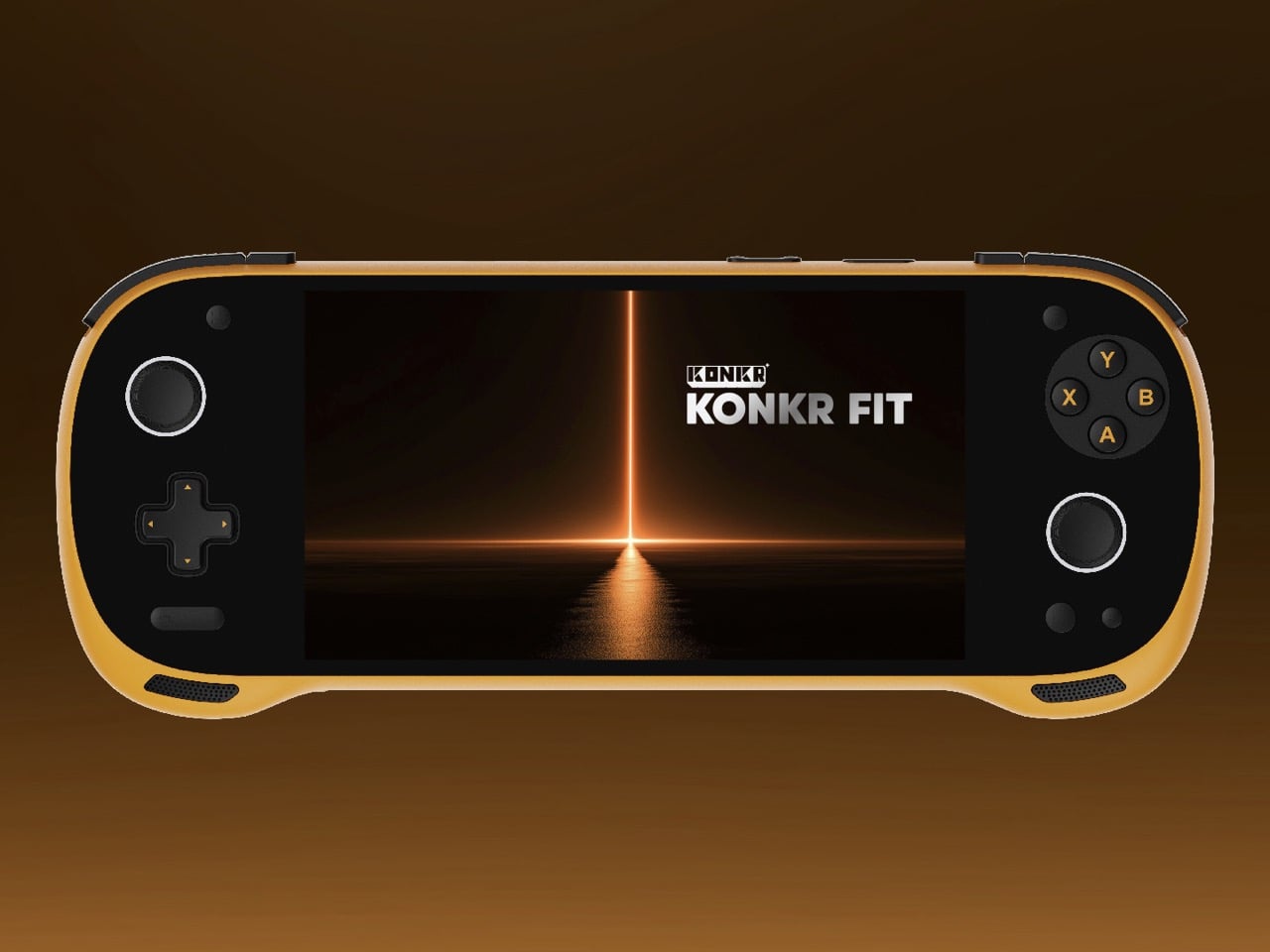
Ayaneo’s budget Konkr brand is expanding beyond Android. After launching the Pocket Fit with Snapdragon G3 Gen 3 and the more powerful Pocket Fit Elite with Snapdragon Elite 8, the company has unveiled its first Windows handheld under the Konkr name. The new device drops “Pocket” from its title for good reason.
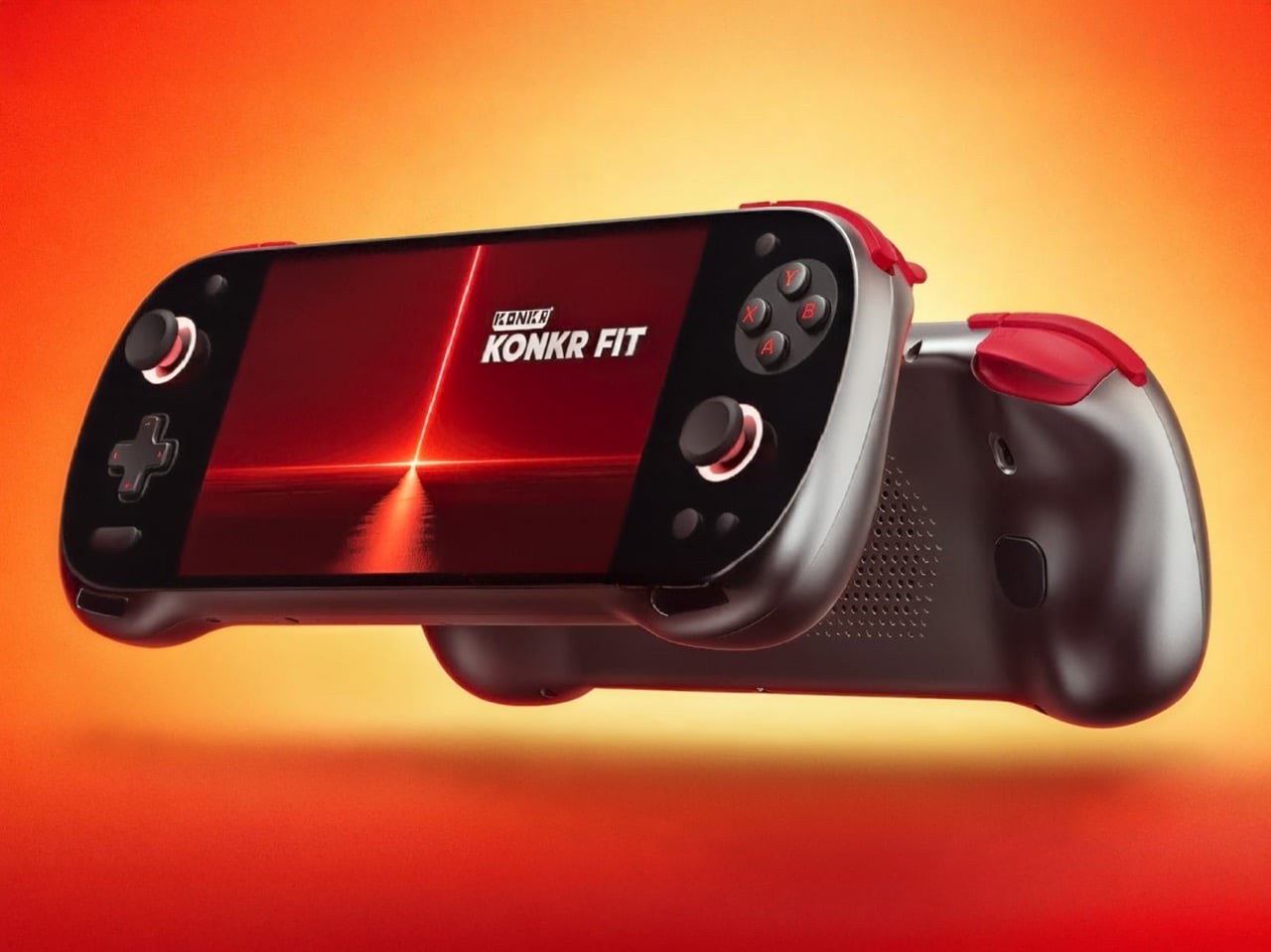
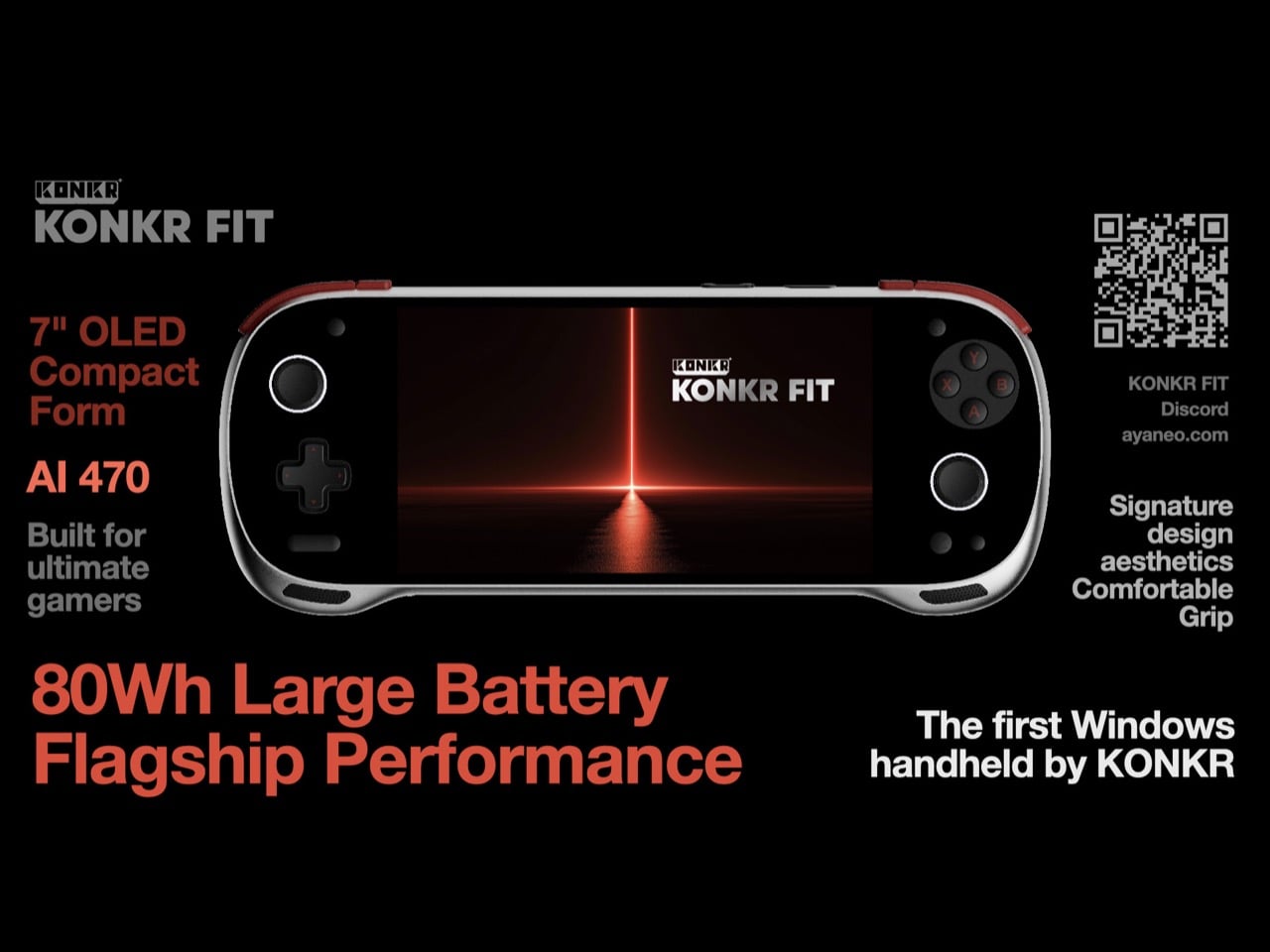
The Konkr Fit features a 7-inch OLED display, significantly larger than the 6-inch screens on its Android siblings. Powering this Windows handheld is an AMD Ryzen AI 9 HX 470 processor, marking a departure from Snapdragon mobile chips. The device also packs an impressive 80Wh battery, dwarfing the capacity found in competitors like the Lenovo Legion Go S and even the Legion Go 2.
Designer: Ayaneo
80Wh in a handheld gaming device puts the Konkr Fit in genuinely rare company. The Legion Go S limps along with 55.5Wh, while even Lenovo’s newer Legion Go 2 only manages 74Wh. We’re talking about potentially game-changing longevity here, especially considering Windows handhelds typically drain batteries faster than their Android counterparts. The Ryzen AI 9 HX 470 is a hungry chip, sure, but you’re still looking at a device that might actually survive a cross-country flight without searching desperately for an outlet. Battery anxiety has plagued this entire product category since the Steam Deck launched, and Ayaneo seems to understand that cramming in more capacity solves more problems than any amount of software optimization ever will.
The HX 470 belongs to AMD’s Strix Point lineup, the same family powering proper gaming laptops. You’re getting Zen 5 cores and RDNA 3.5 graphics, which means AAA titles at respectable settings become genuinely playable. Compare that to the Snapdragon Elite 8 in the Pocket Fit Elite, which excels at emulation and Android titles but starts sweating with demanding PC games. Ayaneo clearly wants this positioned as a real PC gaming device, not just an emulation box with delusions of grandeur. The processor alone tells you they’re betting on people who want to run their Steam libraries natively, not folks content with streaming or playing mobile ports.
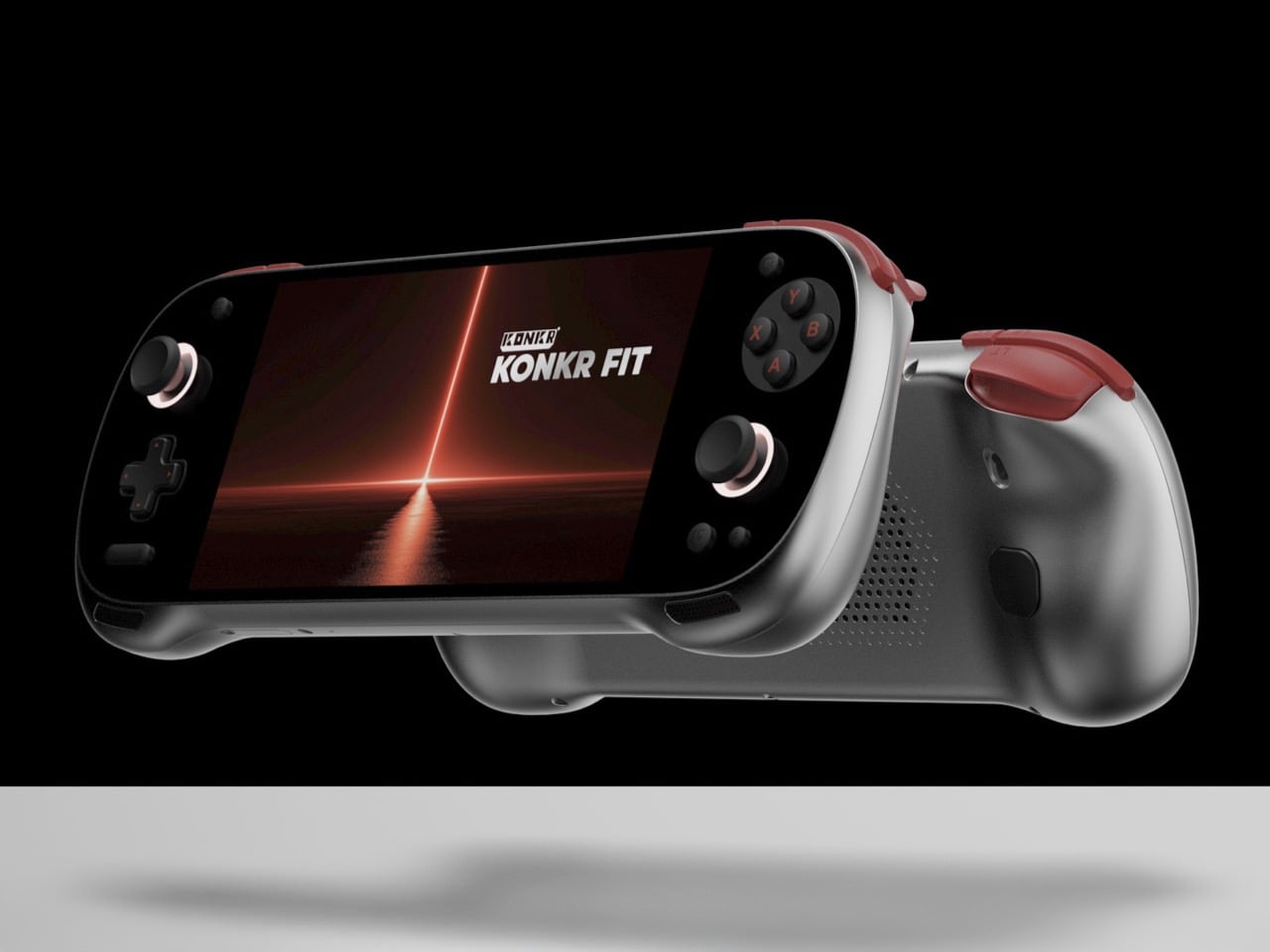
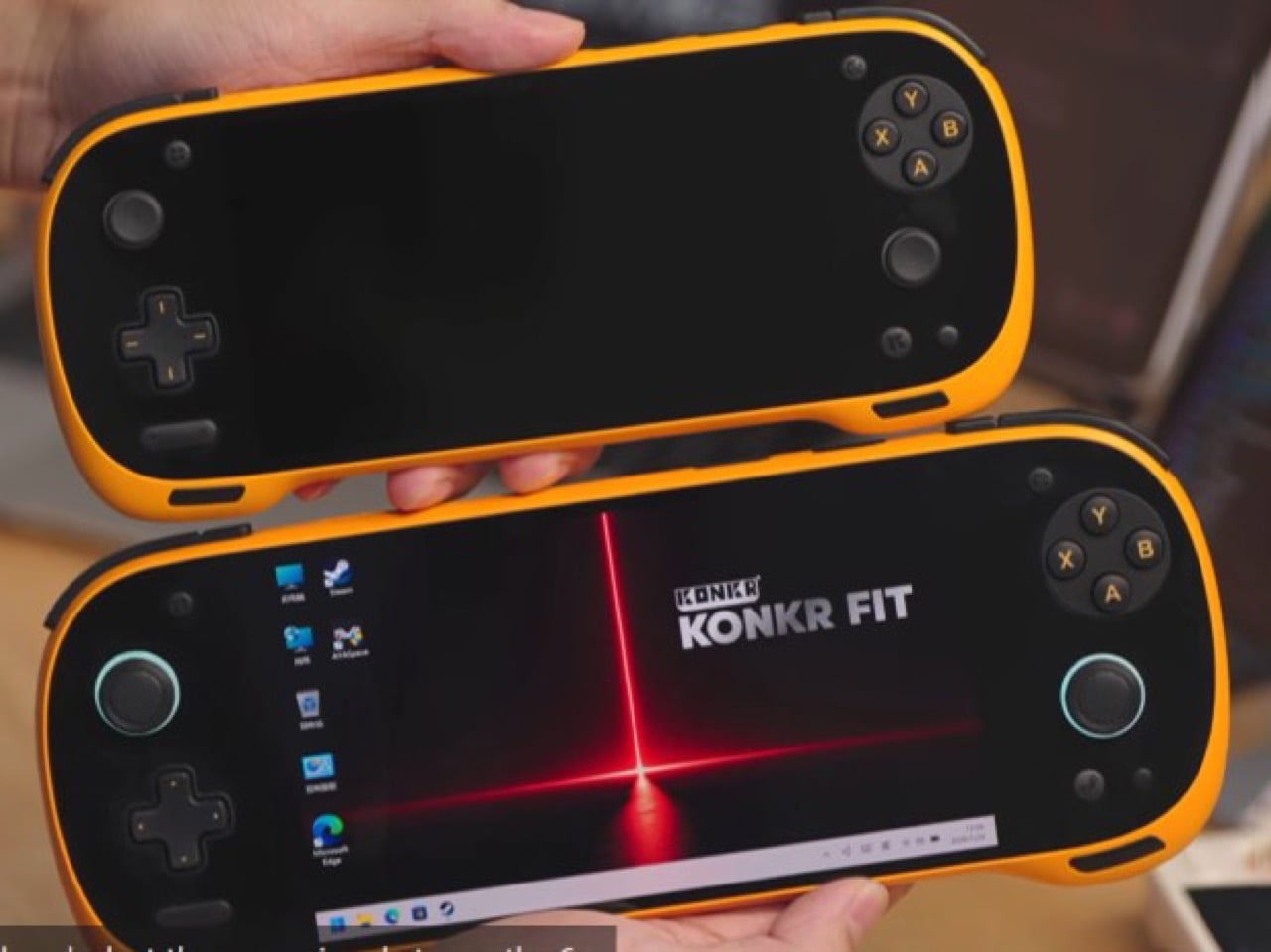
Borrowing heavily from its Android siblings makes sense when you consider the Pocket Fit’s design already works. Hall Effect joysticks handle the analog inputs, which means drift shouldn’t plague these controllers the way it does cheaper alternatives. Adjustable triggers and dual back buttons carry over unchanged. The company offers two colorways: Retro Gray with red accents and a straight Yellow option. Both feel very much in line with the broader handheld gaming aesthetic that’s emerged, though the gray and red combo has some Steam Deck vibes whether Ayaneo wants to admit it or not.
Two USB-C ports now sit at the top edge, giving you actual flexibility for charging while gaming or connecting accessories without blocking your hands. Larger inlet vents dominate the back panel compared to the Pocket Fit, addressing what will inevitably become thermal challenges with a chip this powerful. Even the screws holding the backplate are exposed, suggesting Ayaneo expects enthusiasts to crack this thing open for maintenance or upgrades. These aren’t cosmetic flourishes. Windows gaming generates serious heat, and pretending otherwise is how you end up with a handheld that thermal throttles ten minutes into Cyberpunk 2077.
The OLED panel upgrade from the Pocket Fit’s LCD matters beyond the obvious visual improvements. Response times eliminate the ghosting issues that plague cheaper LCD panels during fast-paced gaming. Deep blacks mean better contrast in dimly lit game environments, which basically describes half of modern AAA titles. At 7 inches, you’re getting enough screen real estate that Windows UI elements remain readable without squinting, though whether Windows 11 plays nicely with a 7-inch touchscreen remains an open question. Microsoft has never really figured out how to make their OS work elegantly on small displays, and I doubt Ayaneo’s custom launcher will magically solve decades of interface design problems.
Pricing remains a company secret, but simple math suggests this slots above the $399 Pocket Fit Elite. The Ryzen AI 9 HX 470 costs more than Snapdragon chips, Windows licensing adds expense that Android avoids, and that 80Wh battery doesn’t come cheap. My gut says somewhere between $500 and $600, which plants this squarely in Steam Deck OLED territory. That’s awkward positioning for a brand that built its identity on being the affordable alternative to Ayaneo’s own thousand-dollar flagships. Then again, Ayaneo could just drop the details and prove me wrong.
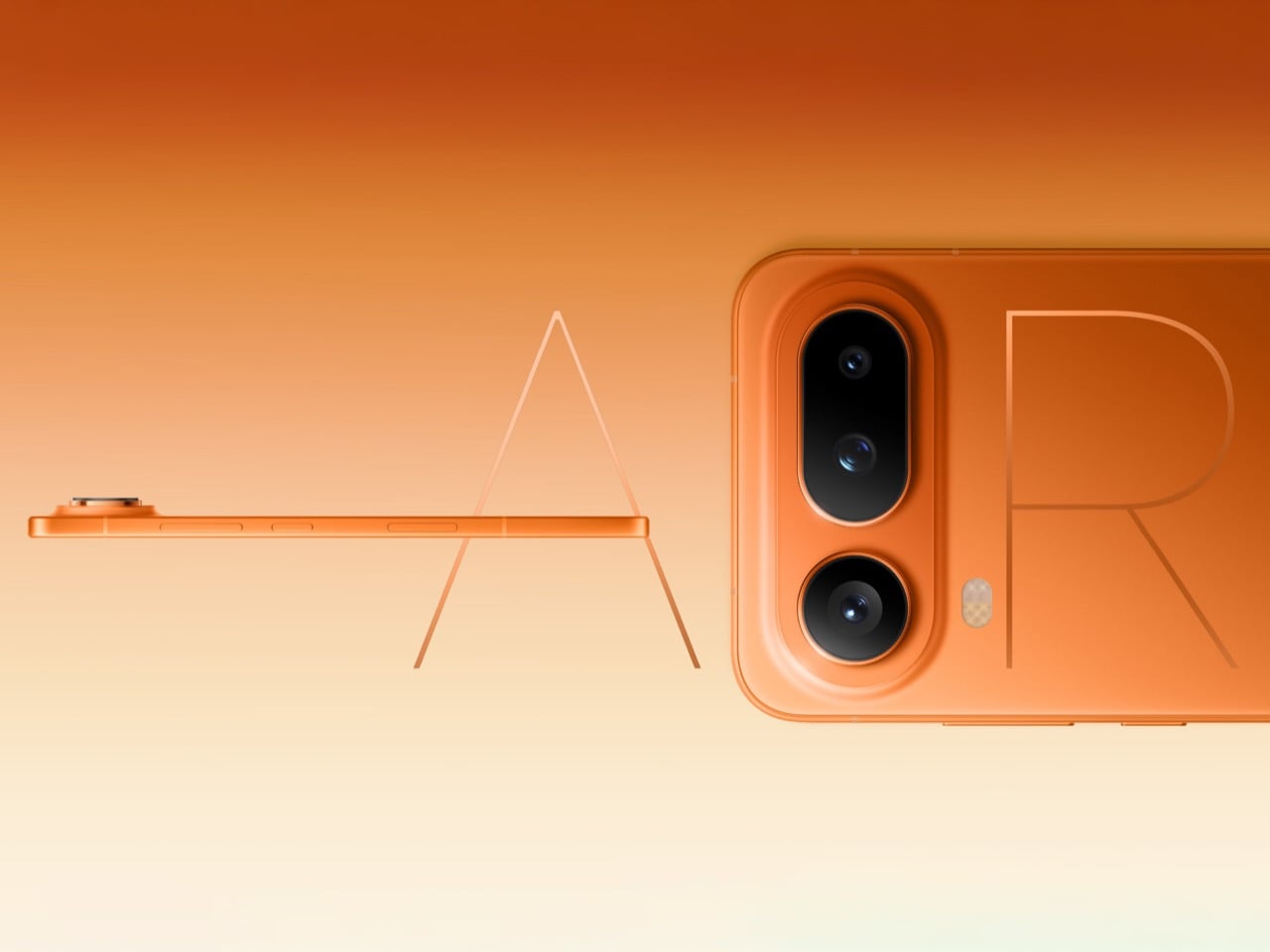
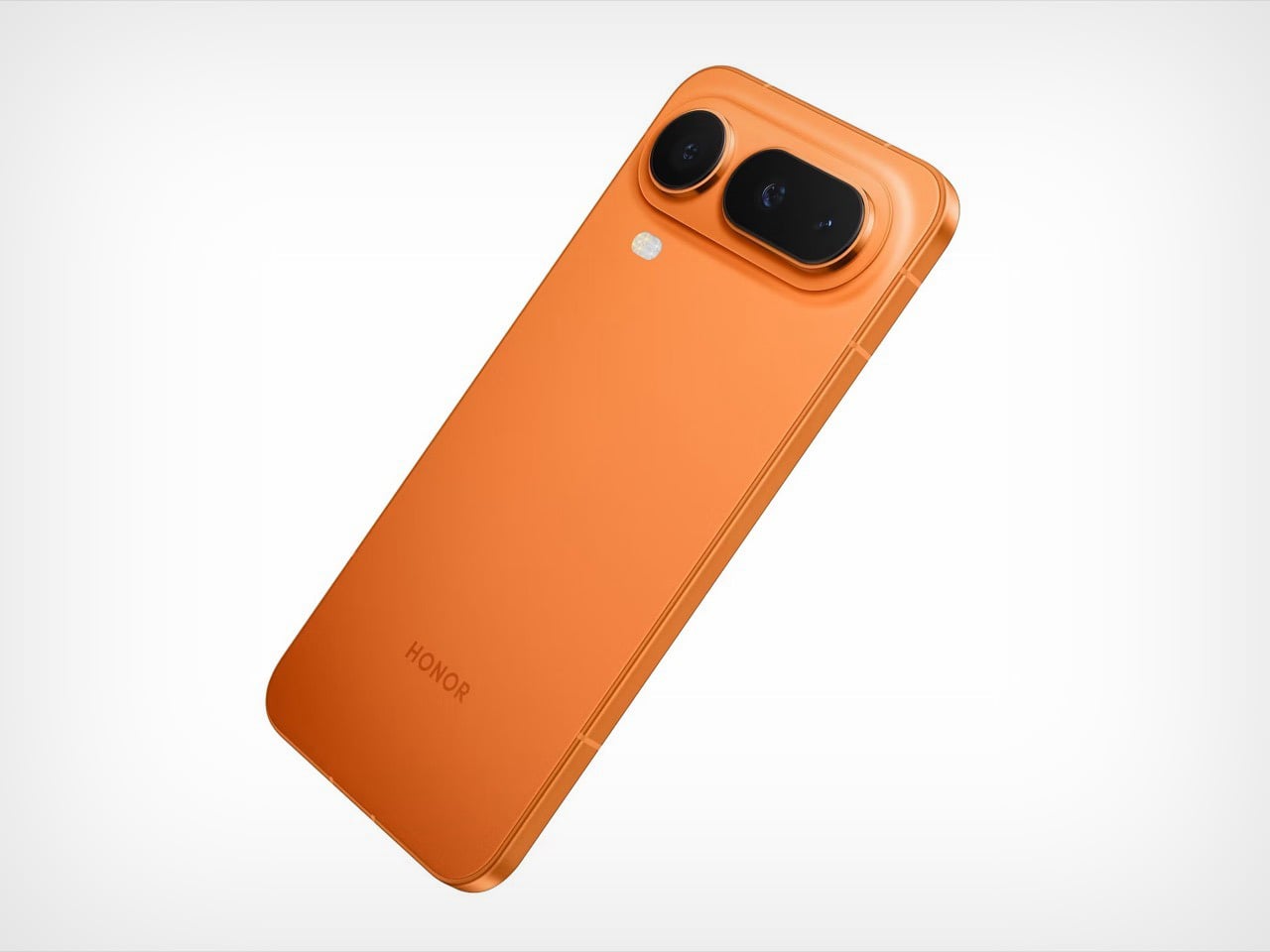
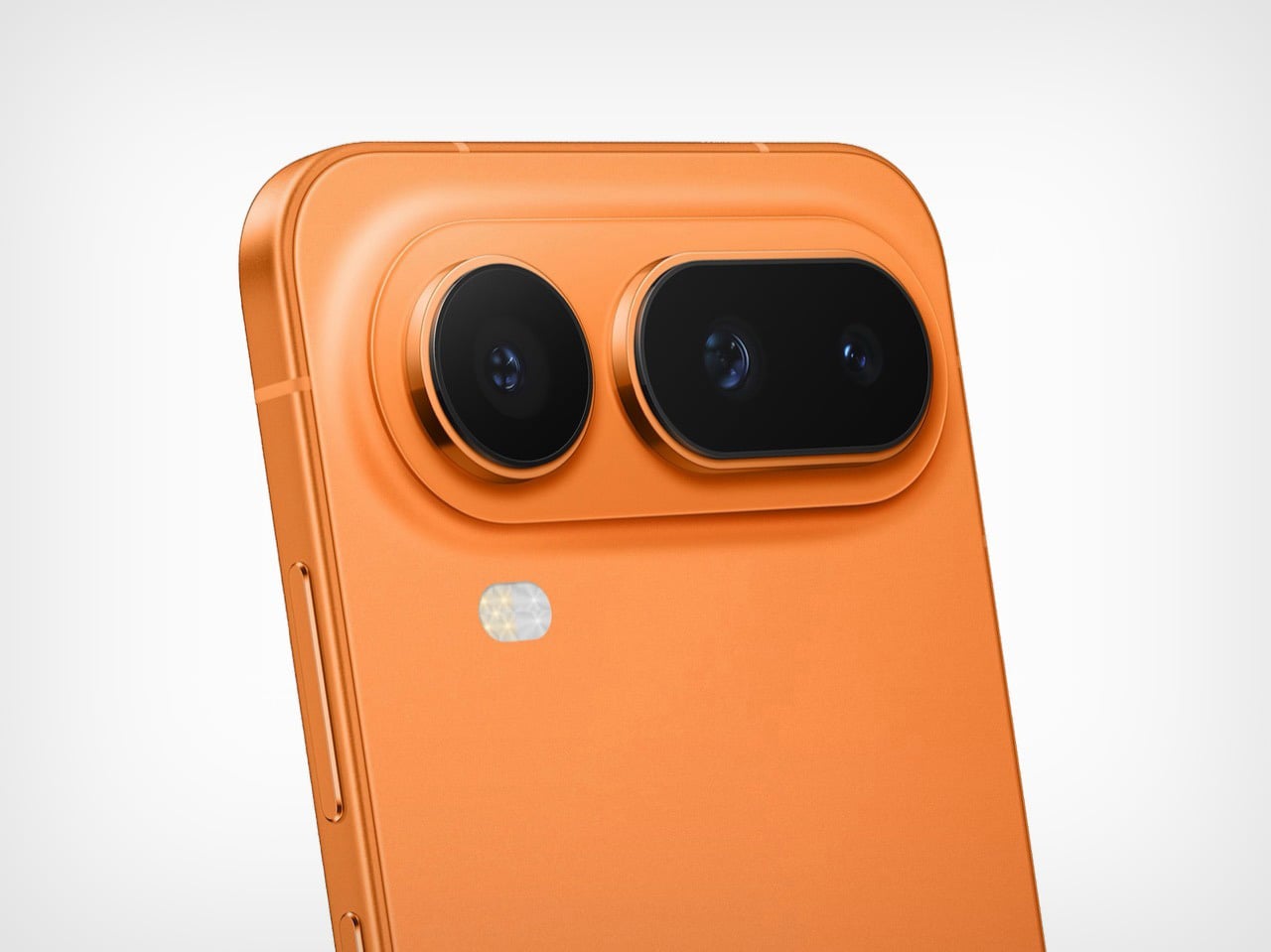
Sometimes the most interesting phones aren’t the ones pushing boundaries into weird new territory. They’re the ones that look at existing boundaries and ask why they exist in the first place. Honor’s Magic8 Pro Air sits at 6.1mm thick, which matches the iPhone 16 Pro’s obsession with thinness, but then it throws in a full triple camera array and a 5,500mAh battery just to prove a point. That point being: maybe we’ve been too quick to accept compromises that aren’t actually necessary.
The whole package reads like a direct response to Apple’s recent design choices, except Honor isn’t playing the “our number is bigger” game. They’re playing the “why can’t we have nice things” game, and honestly, it’s refreshing. For years, flagship phones have operated under this assumption that serious camera systems and all-day batteries require chunky bodies. The Magic8 Pro Air suggests that’s more about engineering priorities than physical limitations. Whether it actually delivers on that promise in real-world use is another story, but the ambition alone is worth paying attention to.
Designer: HONOR
Sure, a triple-camera array on a phone that thin is impressive, but what knocks my socks off more is the fact that this phone packs nearly 75% more battery than the iPhone Air. For context, the iPhone Air maxes out around 3,149mAh and sits at roughly 5.6mm. Samsung’s Galaxy S25 Edge packs slightly more at 3,900mAh into a 5.8mm frame. Honor somehow found an extra 1,600mAh while adding just 0.3-5mm more than the competition. That translates to a good 5+ hours more of daily use before reaching for a charger or power bank. Let’s not ignore how impressive that is.
The triple camera setup tells a similar story of refusing easy compromises. We don’t have full specs yet on the sensor sizes or focal lengths, but the fact that Honor committed to three lenses instead of following Apple’s single-camera approach on the standard iPhone 16 says something about their priorities. Modern computational photography has convinced a lot of companies that one good sensor plus aggressive software processing can replace optical versatility. Honor clearly disagrees, or at least thinks consumers disagree enough to matter. They’re betting that people still want actual telephoto reach and ultrawide perspective without relying entirely on digital trickery and crop-zoom theatrics.
What makes this launch particularly on-point is the tagline. Honor’s marketing team went with “thin but not lacking” in Chinese, which translates the subtext into actual text. They know exactly what conversation they’re entering. Apple spent the last few years teaching the market that premium means thin, and thin means sacrifice – whether it’s a camera lens on the iPhone Air, a 3.5mm jack on the iPad Pro, or just ports on their MacBook Airs. Honor looked at that equation and decided the sacrifice part was optional, which either makes them bold or delusional depending on how the phone actually performs once reviewers get their hands on it.
The broader implications here matter more than one phone from one manufacturer. If Honor can ship a 6.1mm device with flagship battery life and proper camera versatility, then every other manufacturer now has to explain why they can’t or won’t. The “we had to choose between thin and capable” excuse stops working when someone demonstrates the choice was never binary. This puts pressure on Samsung, Google, and especially Apple to either match the capability or justify why their engineering led to different conclusions. Competition works best when companies stop accepting the same limitations and start solving problems their competitors declared unsolvable.
Honor’s brand-recall in Western markets still has room for improvement, although they’re perhaps one of the most reputed brands in their home country of China. The Magic8 Pro Air might be brilliant, but if people don’t know where to easily buy one, the competitive pressure stays theoretical. Still, specs like these have a way of forcing conversations that manufacturers would rather avoid. Apple doesn’t need to worry about Honor’s market share to feel the heat when tech reviewers start asking why the iPhone 17 can’t pack a bigger battery at the same thickness – and every tech reviewer should absolutely call on Apple to be less compromising. The Magic8 Pro Air wins just by existing and working as advertised. Everything after that is bonus points.
The LEGO Group has carried over the momentum from last year, introducing sets that the community wants, as well as some releases that are their own brainchild. Last year, LEGO hinted at a Legend of Zelda collaboration with Nintendo, and now the official set is releasing. This one joins the likes of the three Pokémon sets and the Harry Potter set released by the group this month.
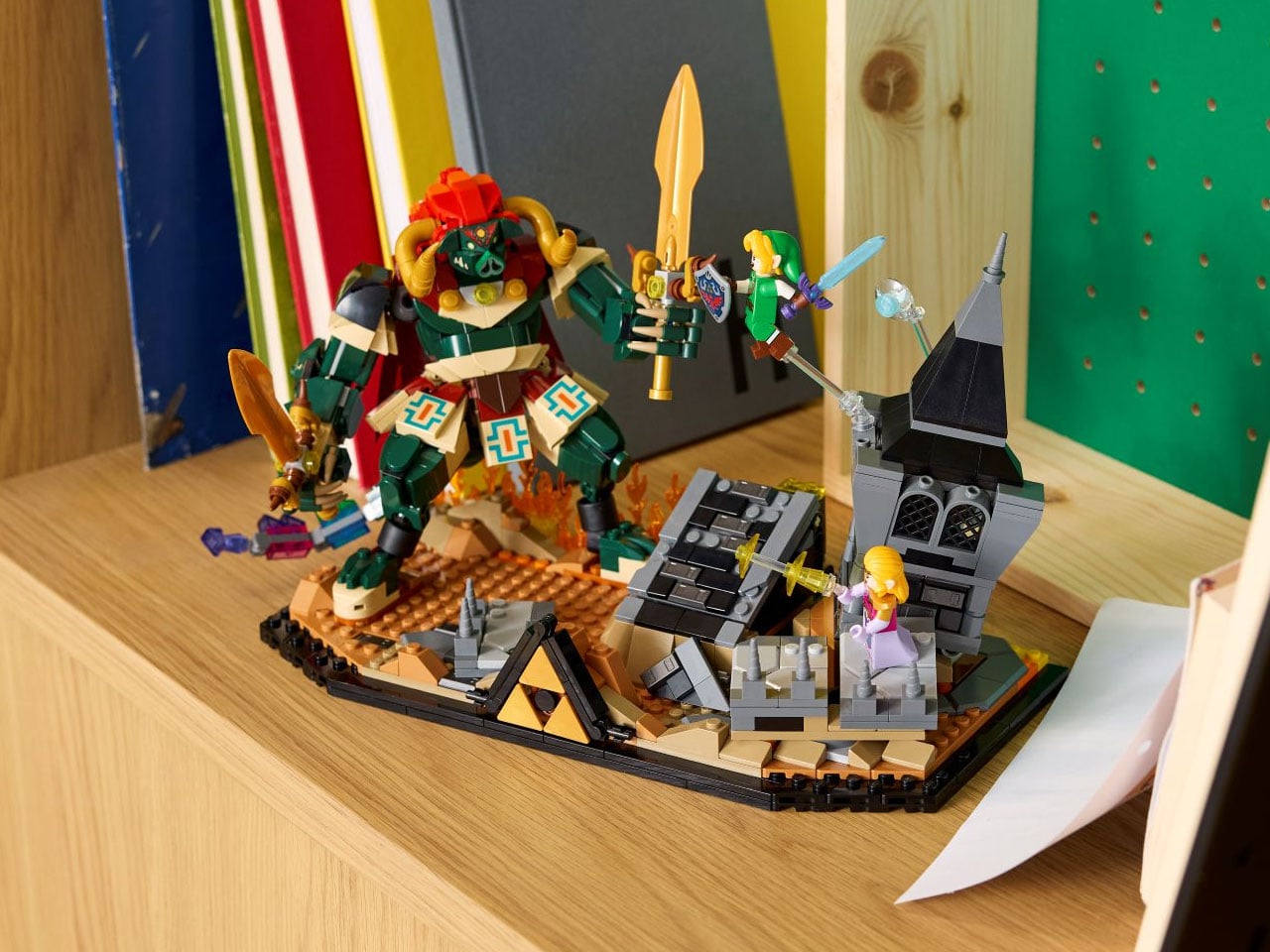
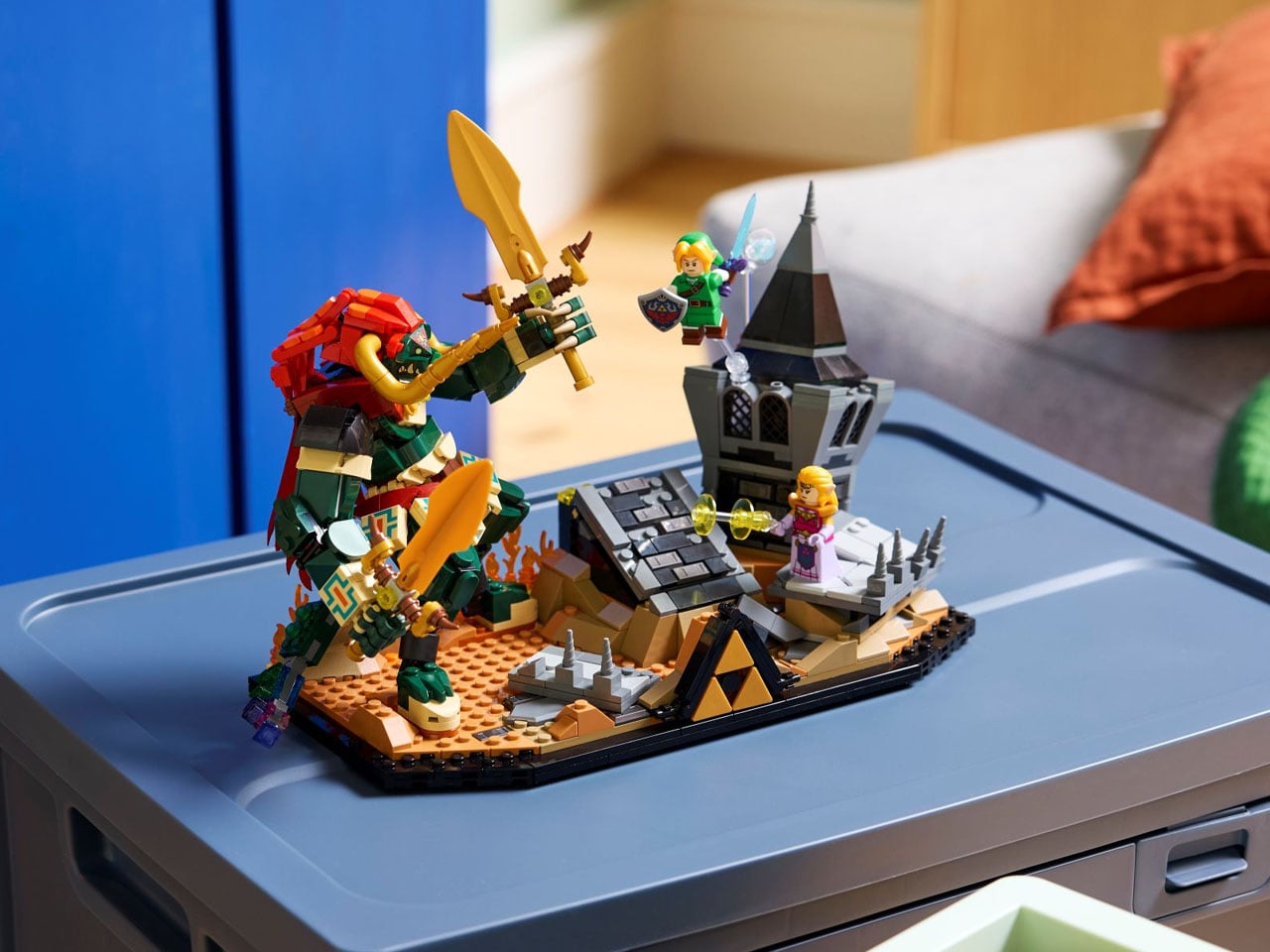
The LEGO set will replicate one of the most iconic boss battles in the title’s history, depicting the Ocarina of Time bash taking place among the ruins of Hyrule Castle Town, as Link and Princess Zelda take on the monstrous Ganon. The official set is even better than initially anticipated by community experts, adding to the numerous options LEGO fans have at their disposal.
The 1,003-piece set dubbed the Ocarina of Time: The Final Battle is a faithful diorama of the most iconic arcade games for the Nintendo N64 console line-up. Ganondorf, in his final boss human form (that’s buildable piece by piece), takes up the most territory of the set, as minifigures of Link and Zelda are depicted taking on the monster. The base of the set shows Ganon’s ruined castle and damaged tower, as the rubble masks the three recovery hearts. Other inclusions of the set include the Master Sword, a couple of fabric capes, dual honking swords of Ganon, and the Hylian Shield.
When the set depicting the intense scrap in the ruins of Hyrule Castle is put together, it measures 6.5 inches high, 11 inches wide, and 7 inches deep. That makes it ideal for your gaming desk setup or work shelf to display your love for the title. If you look closely at the official pictures, the base recreates the arena of Hyrule from the N64, and has the Triforce-badged display base. LEGO has paid attention to detail in the creation, as one can spot the little elements of the Ocarina. Things like the pile of rubble, the Megaton Hammer, or Navi the fairy floating among the chaos. In fact, a hidden button activates the lid mechanism, as the ruins erupt and the super villain announces his presence for ultimate supremacy.
Compared to the 2-in-1 Great Deku Tree set, this one is smaller since it represents only a single title. The price tag of $130 is also accommodating for fans who don’t want an elaborate set to fit in their scheme of things. Ocarina of Time: The Final Battle set is up for pre-order right now, and the official launch is slated for 1st March. Even for a neutral fan who loves playing arcade games for fun, this LEGO build is one to consider.
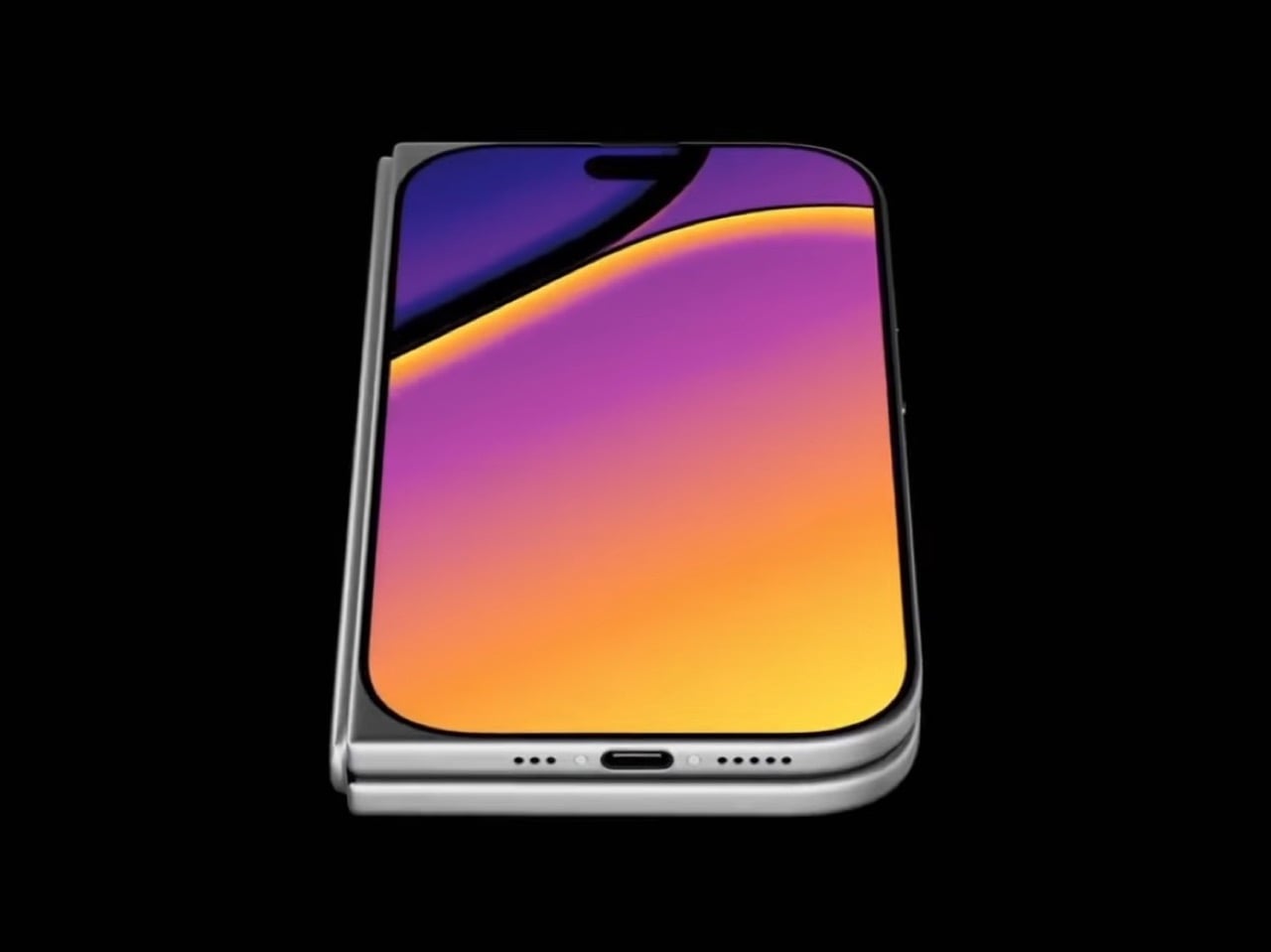
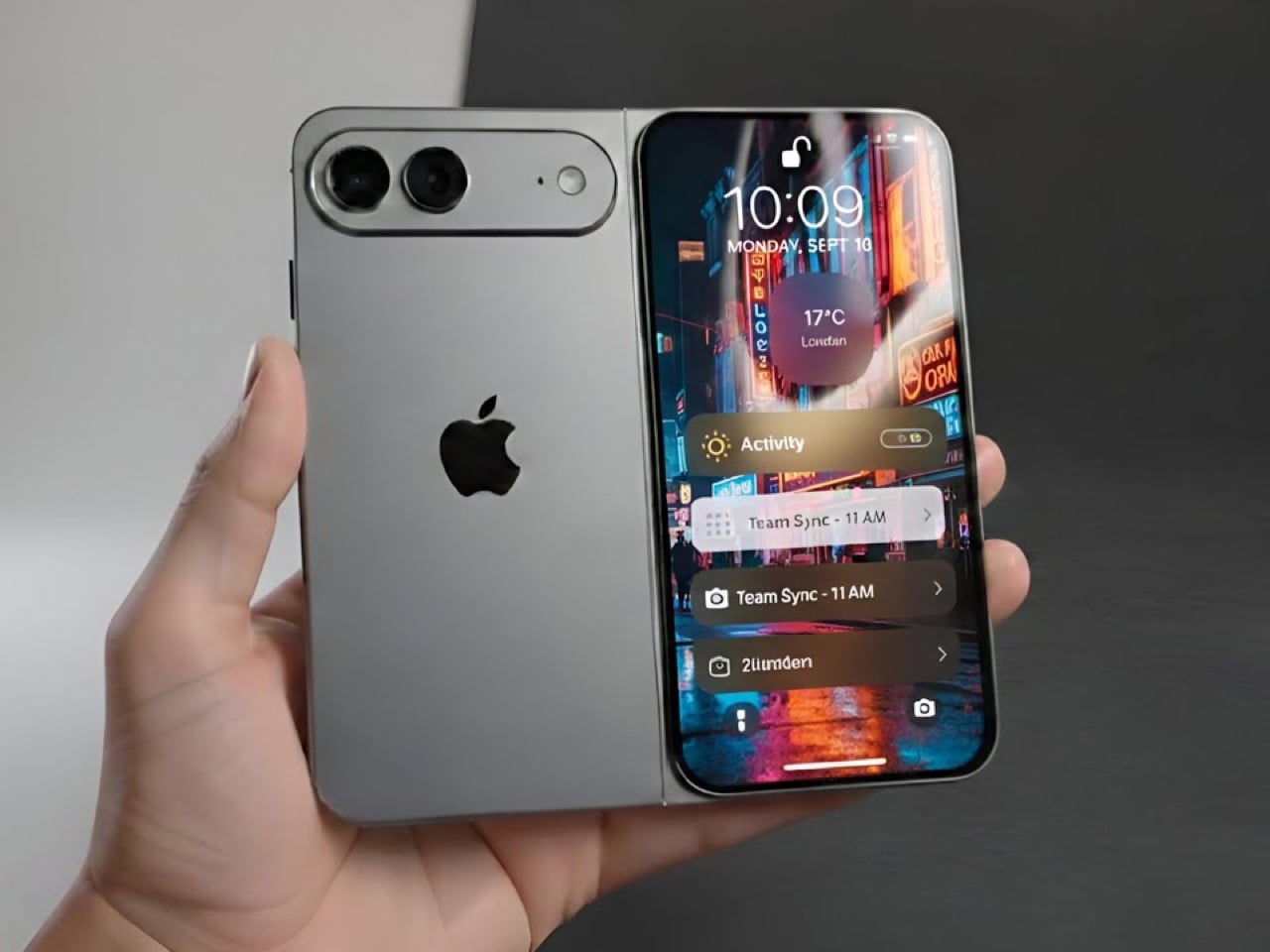
If someone told you in 2019 that we’d see seven generations of Samsung Galaxy Folds before Apple released a single foldable iPhone, you’d probably have believed them because that’s exactly how Apple operates. Wait, watch, then swoop in like they just invented the whole concept. Well, 2026 might finally be the year, assuming these leaks are legit and not just wishful thinking from analysts who’ve been predicting the iPhone Fold since the Obama era.
The rumor mill is churning out some pretty specific claims right now. We’re talking actual dimensions, chip specs, and price points that’ll make your wallet weep. But more interesting than the what is the how and why. Apple’s supposedly been tackling the exact problems that have kept foldables from going mainstream, which either means they’ve cracked the code or they’re about to learn the same expensive lessons Samsung already learned. Let’s unpack what we actually know versus what’s tech journalism fan fiction.
Designer: Apple
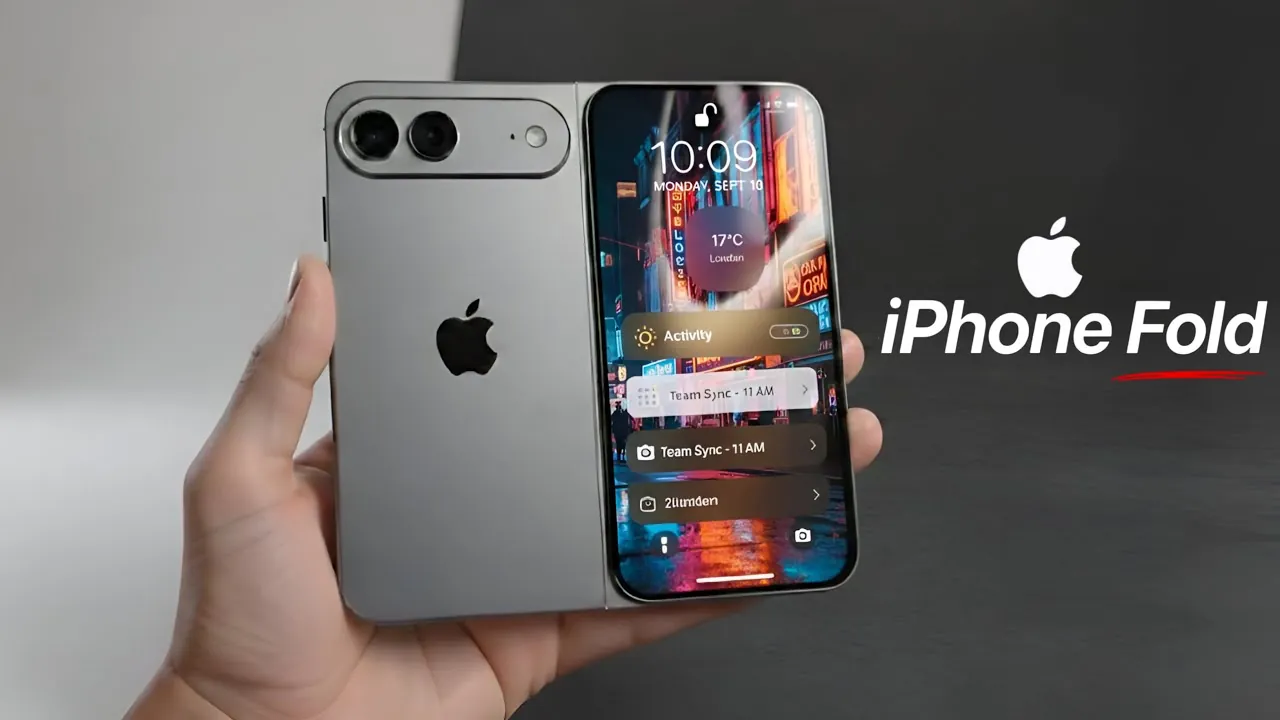
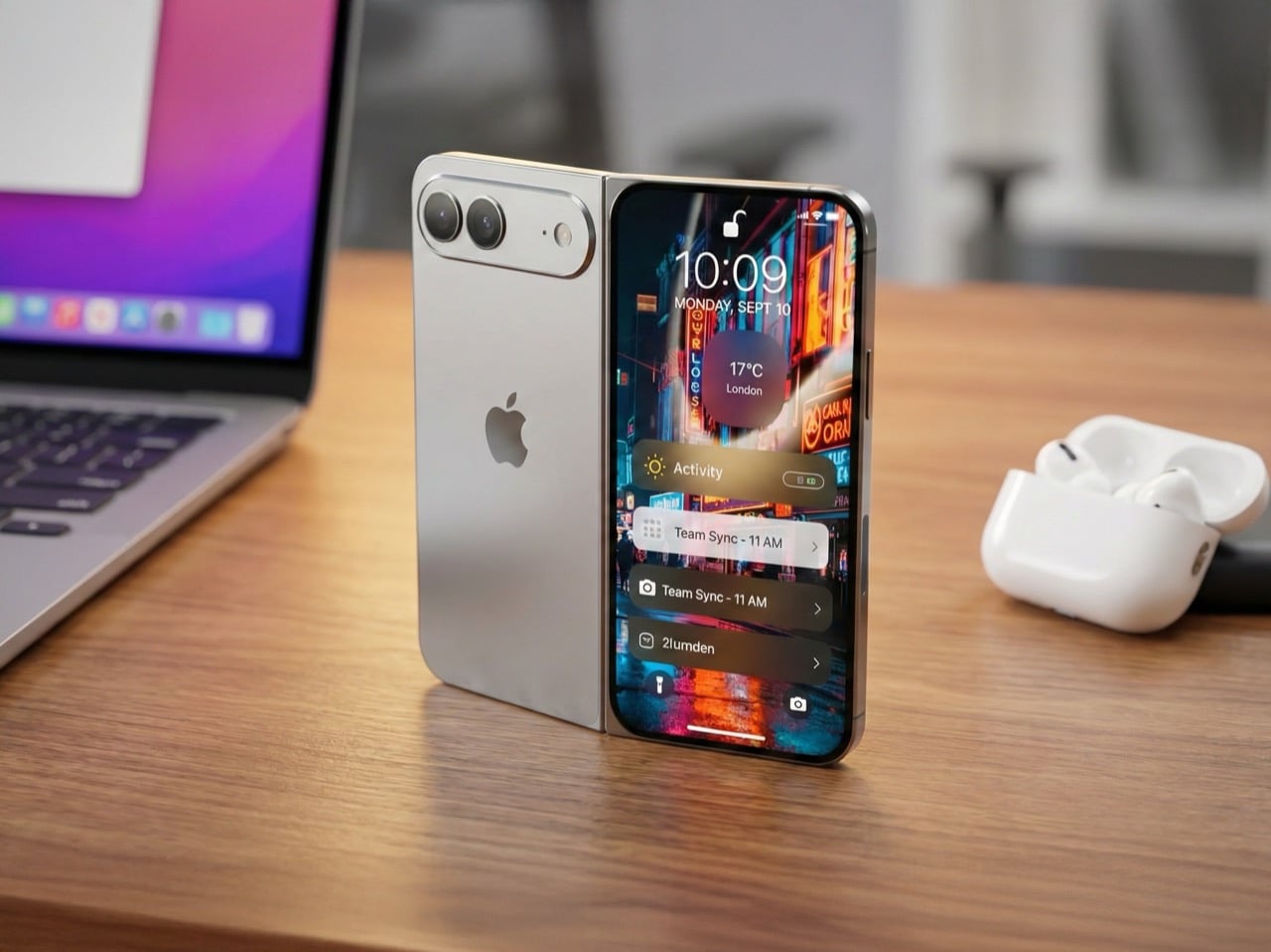
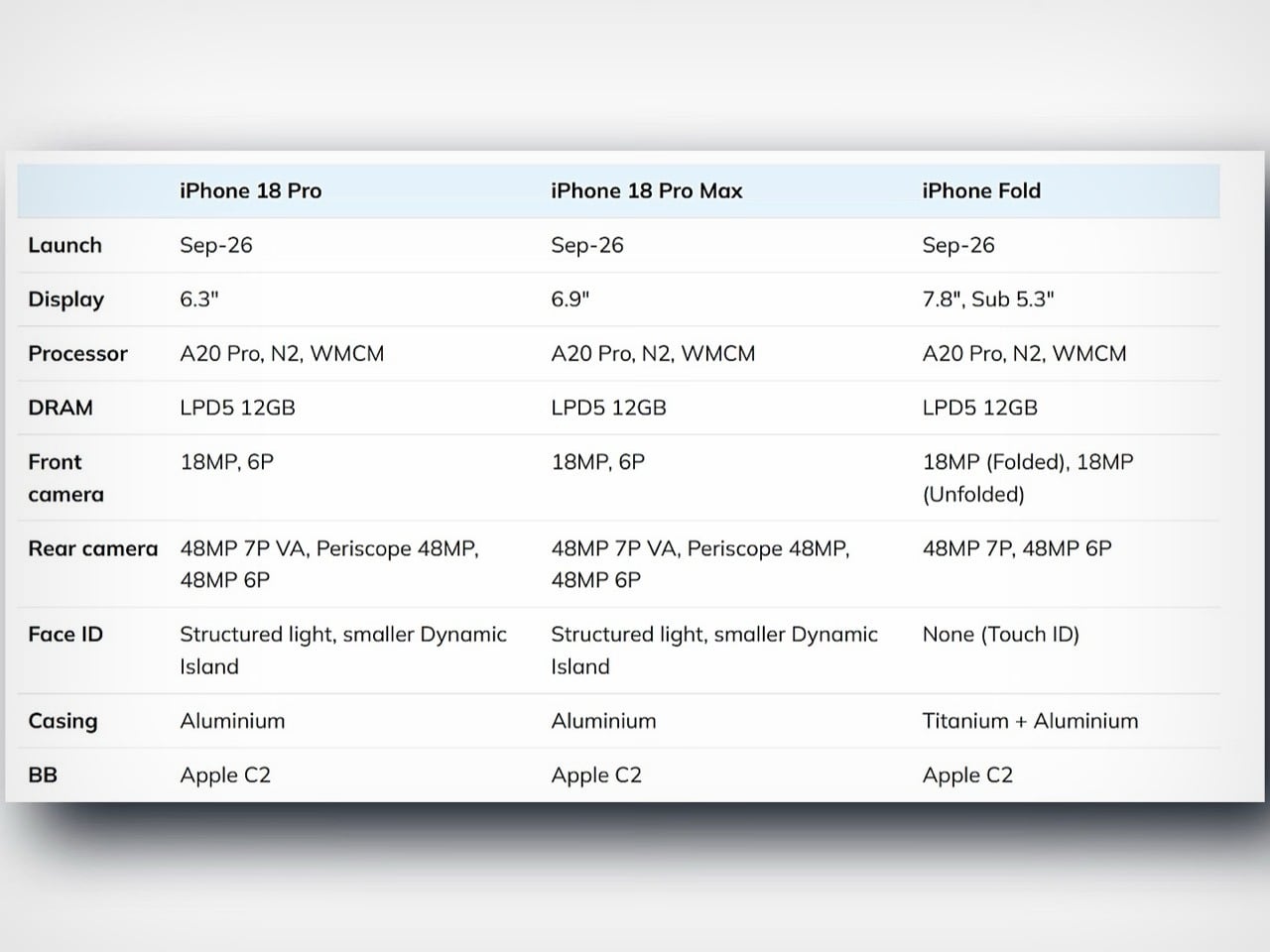
The specs coming out of supply chain analyst Jeff Pu’s investor briefings paint a picture of a device Apple’s positioning right alongside the iPhone 18 Pro lineup. September 2026 launch date, which means they’re treating this as a flagship product rather than some experimental side quest. The inner display clocks in at 7.8 inches when you unfold it, putting it in direct competition with Samsung’s Galaxy Z Fold 8. The outer screen sits at 5.3 inches, which is actually smaller than what Samsung’s offering. That’s either Apple prioritizing pocketability or a sign they couldn’t fit a bigger screen without compromising the design. Probably both, knowing how Apple thinks about these things.
The whole device reportedly measures 4.5mm when unfolded, which is genuinely insane when you consider what’s packed inside. For context, that’s thinner than most credit cards and absolutely thinner than any iPhone that’s ever existed. The folded thickness supposedly hits around 9mm, which still slides into a pocket easier than carrying an iPad mini everywhere. Apple’s apparently using a combination of aluminum and titanium for the frame construction, same lightweight-but-strong approach they’ve been pushing across the Pro iPhone lineup. The real party trick though is the hinge mechanism, which multiple sources claim uses liquid metal components to handle the stress of constant folding without creating that ugly crease everyone hates about foldables.
The A20 chip powering this beast is built on TSMC’s 2-nanometer process, same silicon going into the iPhone 18 Pro models. Apple’s apparently not treating this as a lesser device that gets last year’s processor, which tells you how seriously they’re taking the category. Battery capacity is rumored between 5,400 and 5,800 mAh, making it the largest battery Apple’s ever put in an iPhone because powering two displays simultaneously turns out to require actual juice. That’s almost double the capacity of a regular iPhone 15 Pro, and it needs to be.
The crease is the hot-topic on everyone’s mouths, with the rumor being Apple’s somehow found a way to obliterate it. Every foldable phone on the market has that visible line running down the middle when you unfold it, and it drives people absolutely insane. Apple’s supposedly using a liquid metal hinge design combined with some display technology wizardry to make the crease “nearly invisible” according to the leaks. I’ll believe it when I see it, but if they actually pulled this off, it would immediately make every other foldable look outdated. Samsung’s been iterating on this problem for seven years and still hasn’t fully solved it.
Touch ID is coming back, which is wild after Apple spent the better part of a decade convincing everyone Face ID was the future. The decision makes sense though when you think about the form factor. Authentication needs to work whether the phone is folded, half-open, or fully unfolded, and Face ID gets wonky when you’re holding a device at weird angles or using it propped up like a tiny laptop. A fingerprint sensor in the power button solves all of that instantly. It’s the same approach they took with recent iPads, and it works.
Pricing is where this whole thing either makes sense or falls apart completely. The leaks point to somewhere between $2,000 and $2,500, with recent intel skewing toward the higher end. That’s Mac Studio money for a phone that folds. That’s almost double what an iPhone 17 Pro Max costs. Samsung’s Galaxy Z Fold 8 will probably land around $1,999, so Apple’s betting people will pay a premium for whatever magic they’ve supposedly worked on the crease and overall build quality. Whether that bet pays off depends on a lot of factors, but I guess seeing Apple’s vision of a folding phone first-hand will really help seal the deal regarding whether this 6-7-year wait has finally paid off.