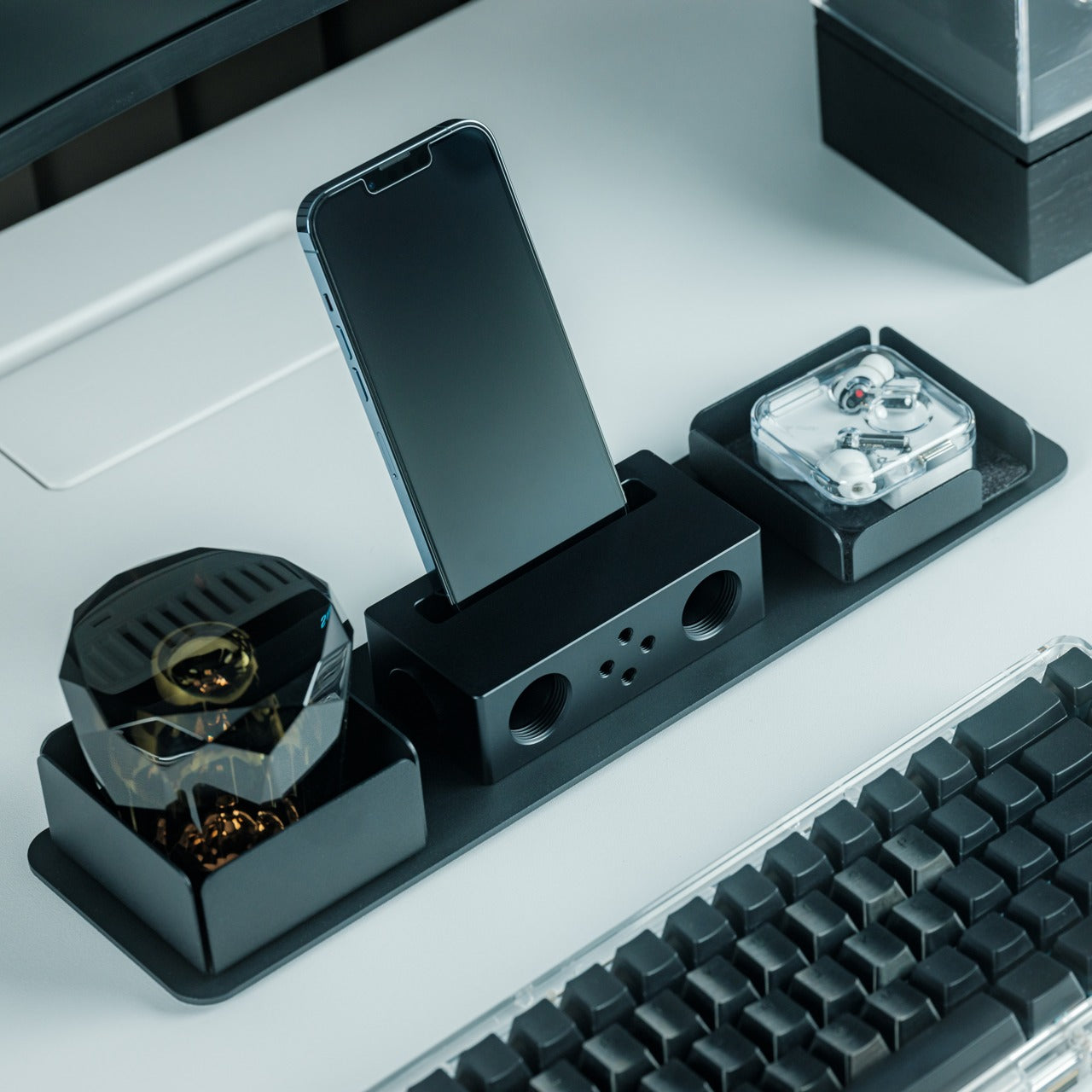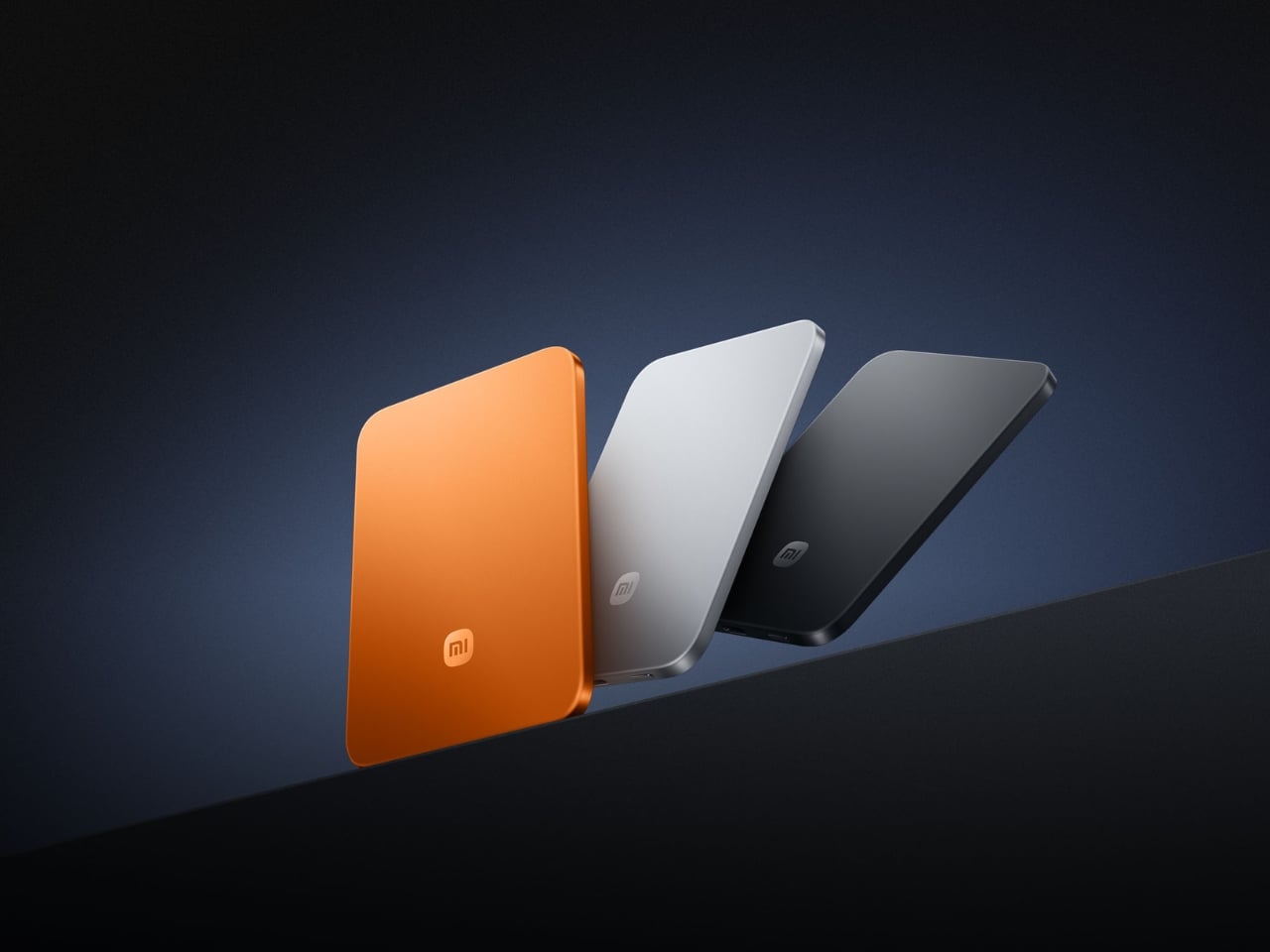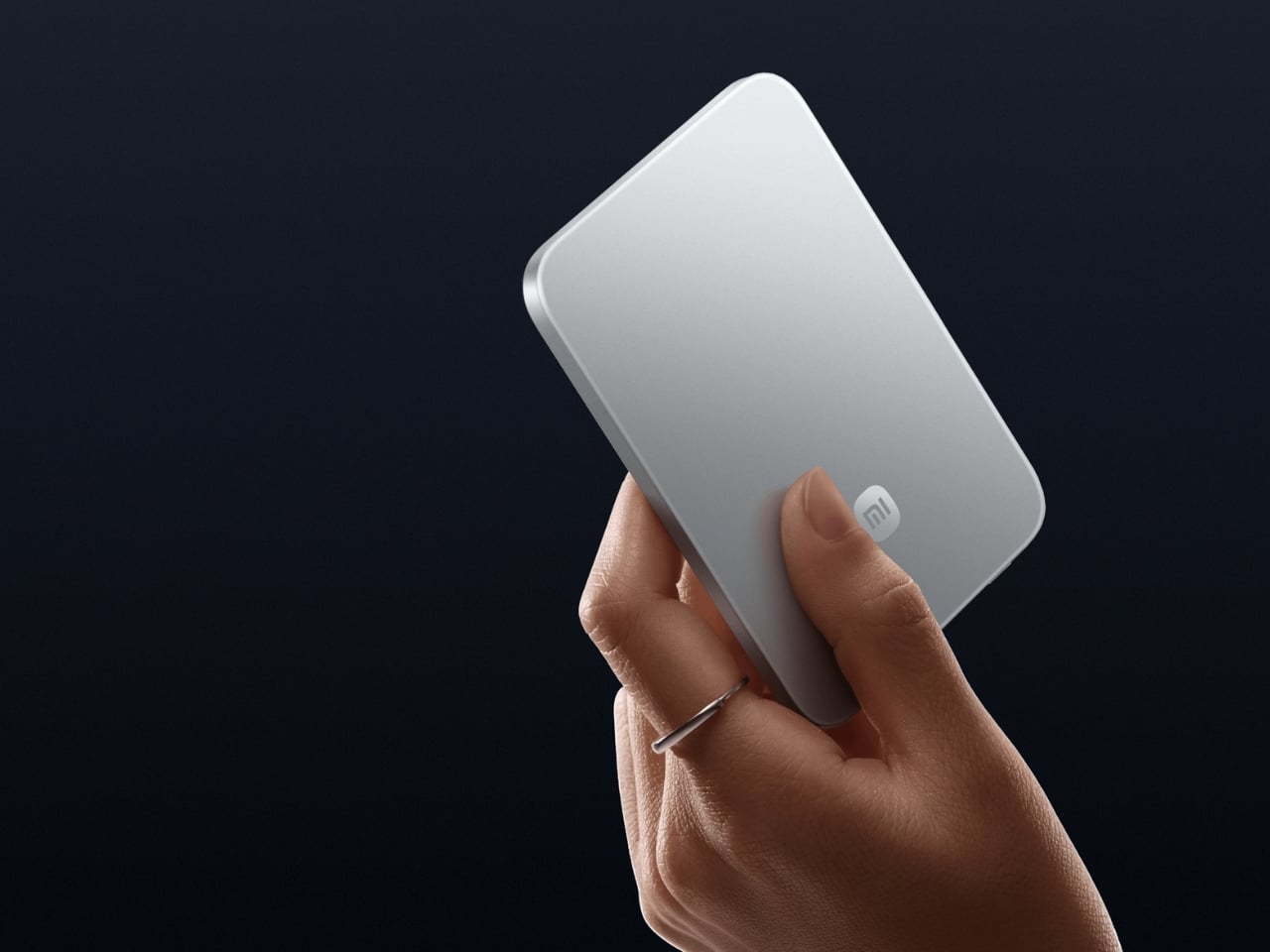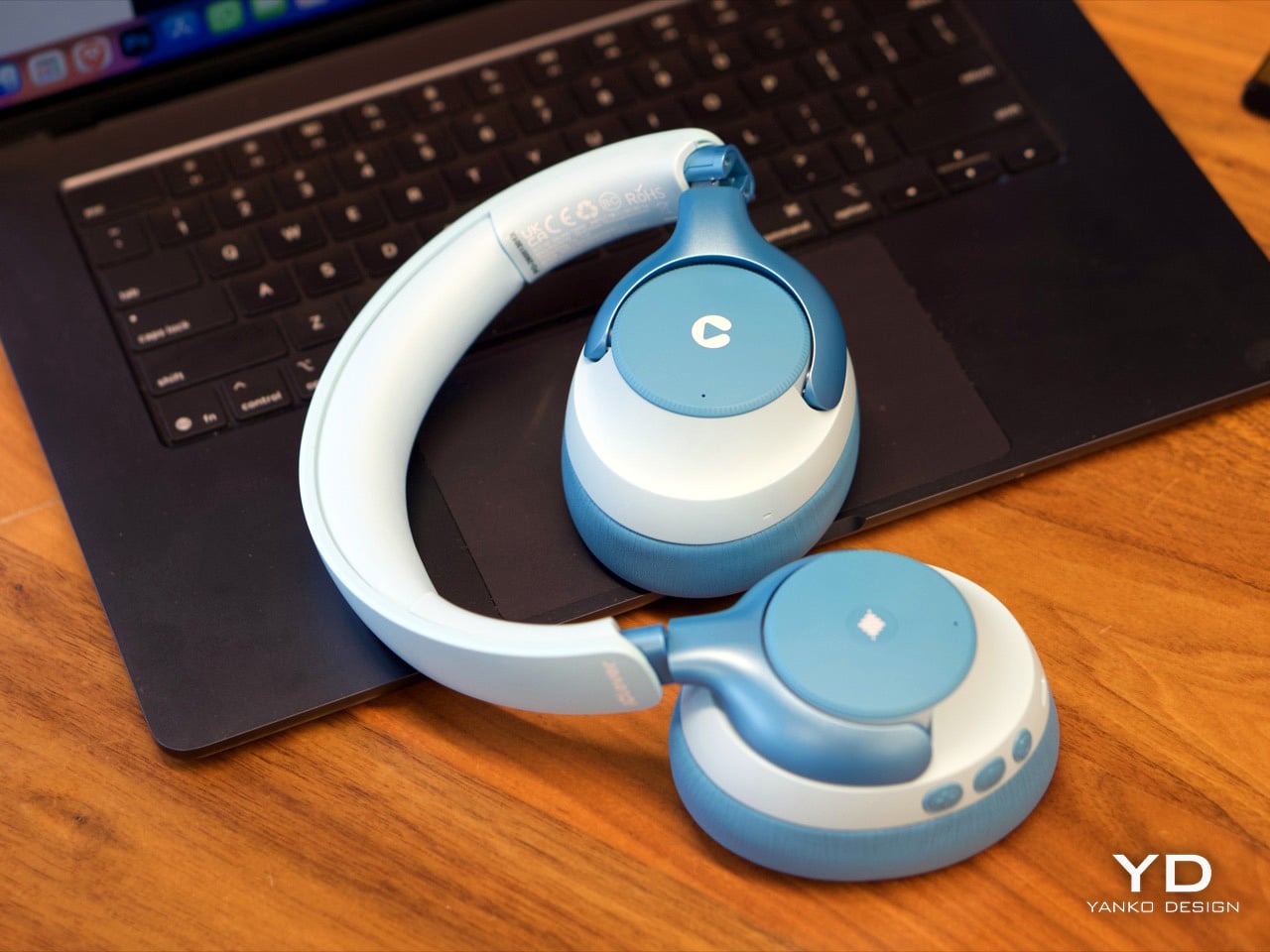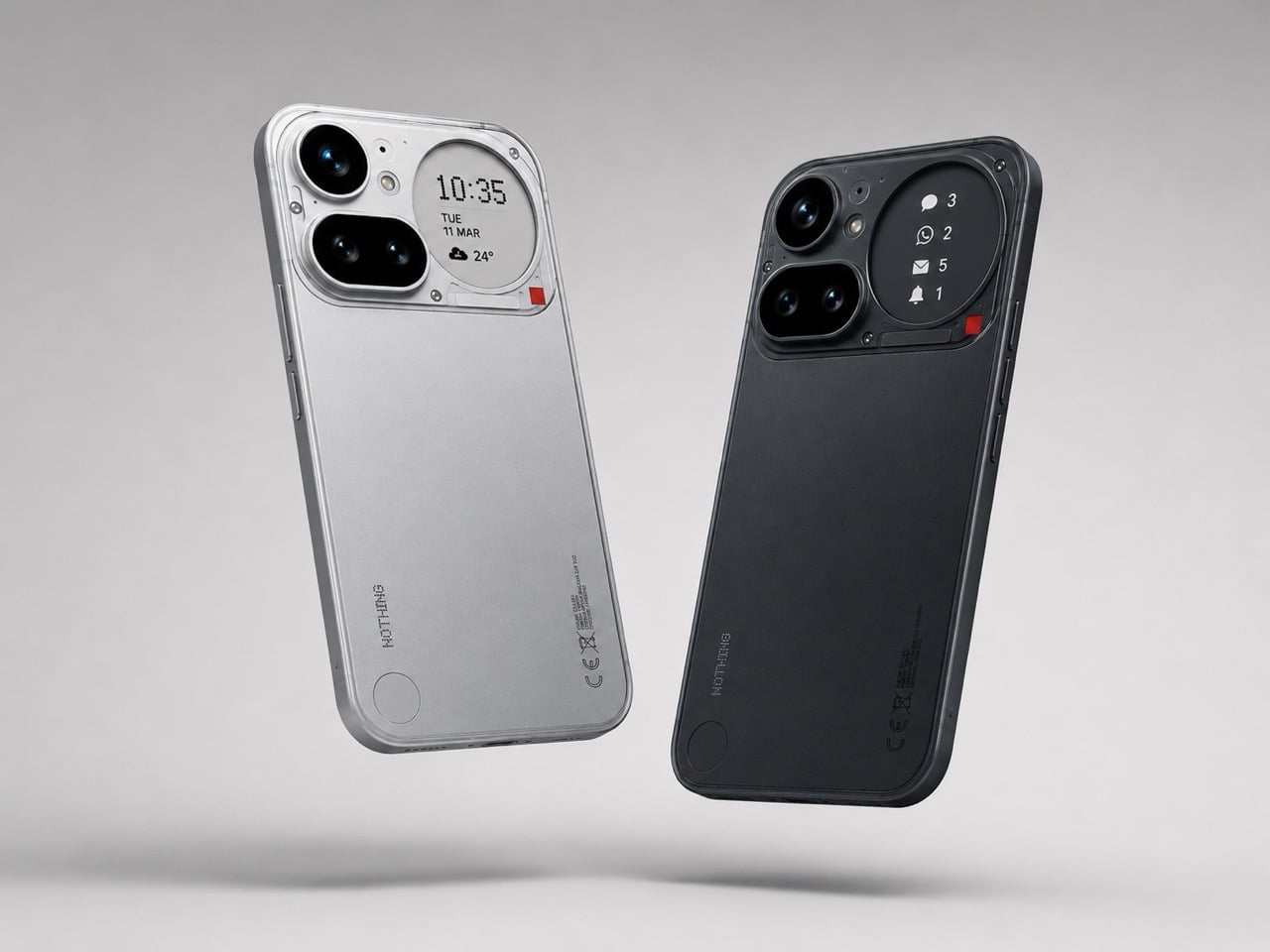
Apple sells a polishing cloth for about twenty bucks. TESSAN is out here offering a 20,000 mAh power bank with 30 watt USB C charging and built in USB C and Lightning cables for less than that. One cleans fingerprints off your screen. The other can recharge your phone several times, top up a thin and light laptop, and keep a tablet alive through a long flight. It is hard not to see the contrast as a snapshot of the current accessory market.
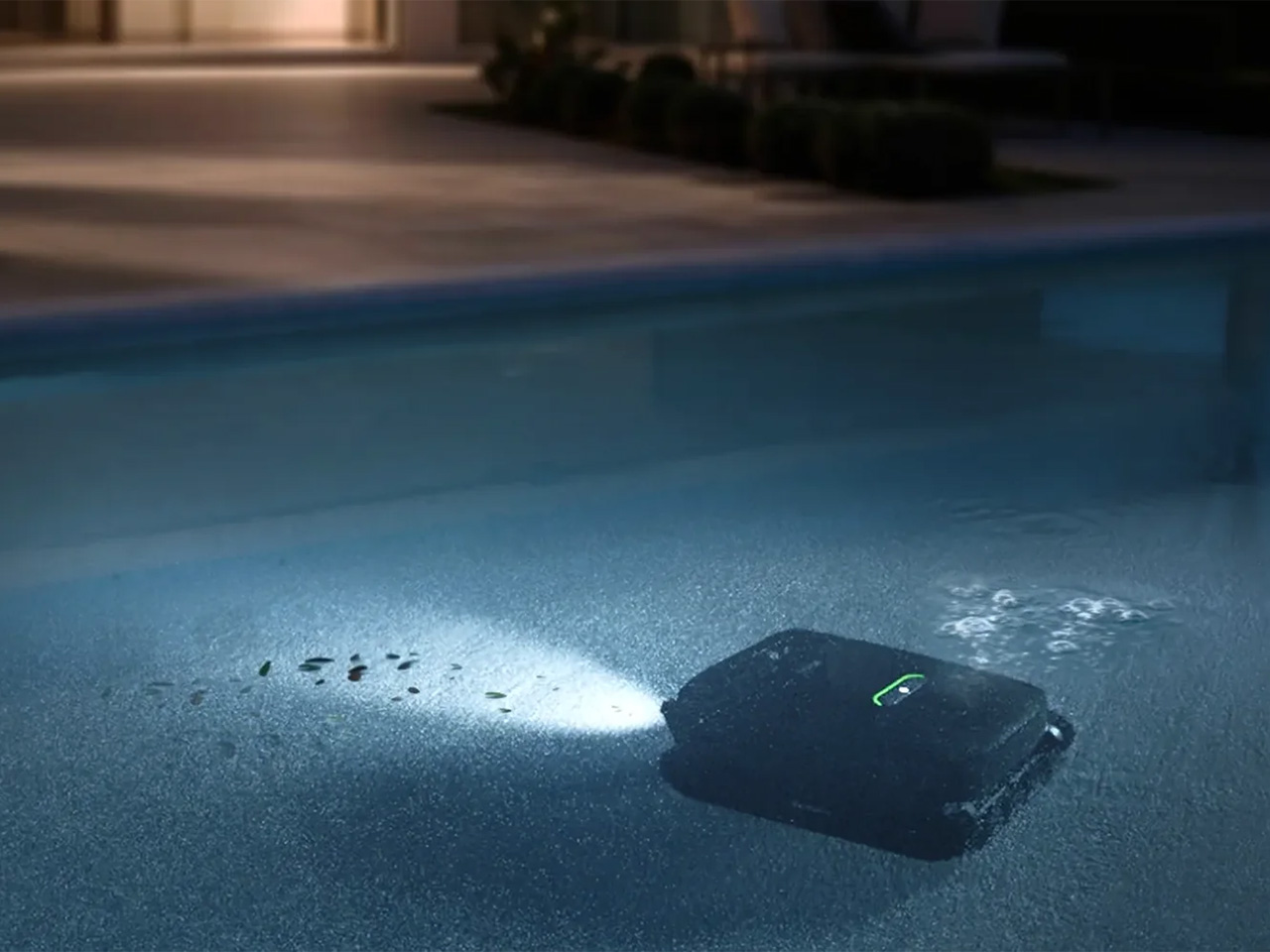
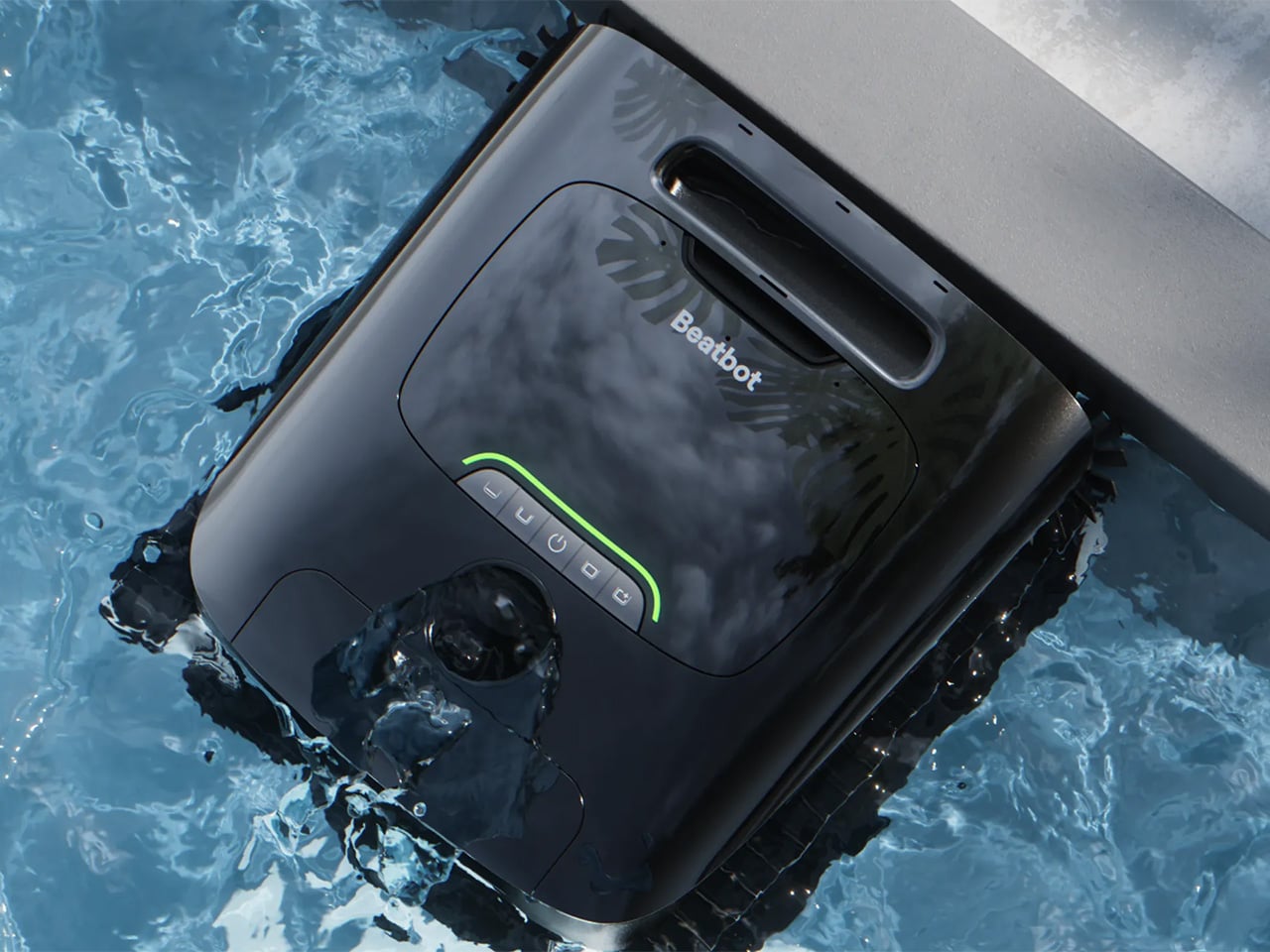
For roughly the price of Apple’s most meme worthy add on, you can buy a brick that quietly solves the most common charging headaches. No extra cables to pack, no hunting for outlets in crowded airports, no arguing over the one free plug at a conference. Just a single charger that covers most of the devices you actually carry. The polishing cloth may be softer. The value proposition is not.
The built in cables are what make this thing actually useful instead of just another rectangular battery that sits in a drawer. You get a Lightning cable and a USB C cable permanently attached to the bank itself, plus a separate USB C port and USB A port on the side. So you can charge an iPhone, an Android phone, and something like a tablet or a laptop all at once without carrying a single extra cord. The 30 watt output means you can actually fast charge modern phones or keep a thin laptop limping along during a long meeting. TESSAN says it will push an iPhone 15 Pro to 53 percent in half an hour, which tracks with standard USB C PD speeds.
The 20,000 mAh capacity is enough to fully charge a MacBook Air once with a bit left over, or get about three to four full phone charges depending on your device. Real world usable capacity will be closer to 13,000 or 14,000 mAh after conversion losses, but that is normal for every power bank on the market. You are still looking at multiple days of phone backup or one solid laptop rescue. The whole thing weighs enough that you will know it is in your bag, but it fits under most airline carry on battery limits, so you can actually travel with it.
At 17 dollars, this feels like one of those weird Amazon lightning deals where the price accidentally makes sense for about 48 hours before it jumps back up. Most 20,000 mAh banks with any kind of name recognition sit closer to 40 or 50 bucks, and the ones with built in cables usually add another 10 or 15 on top of that. TESSAN is an Amazon brand that does travel adapters and charging accessories, so you are trading some of the premium build quality and safety margin you would get from Anker or Belkin for a price that just barely registers as a purchase. If the cables fray in a year, you discard it as e-waste and buy another one for less than the cost of replacing a single USB C cable from Apple. Sounds bonkers, no?
Japanese kitchen design operates on a philosophy that transcends mere functionality. Each tool embodies centuries of refinement, where form and purpose merge into something approaching meditation. The best Japanese kitchen gadgets don’t just perform tasks—they transform cooking from a chore into a ritual, from a necessity into a practice. These tools invite slowness, demand presence, and reward attention with results that feel effortless yet profound.
Western kitchens often accumulate gadgets that promise convenience but deliver clutter. Japanese design takes the opposite approach: fewer tools, greater intention, deeper satisfaction. The implements featured here represent that minimalist mastery, where every curve, every material choice, every weight distribution serves both practical and experiential goals. They make cooking feel less like a production and more like a meaningful participation, something zen.
1. Precision Chef Kitchen Scissors
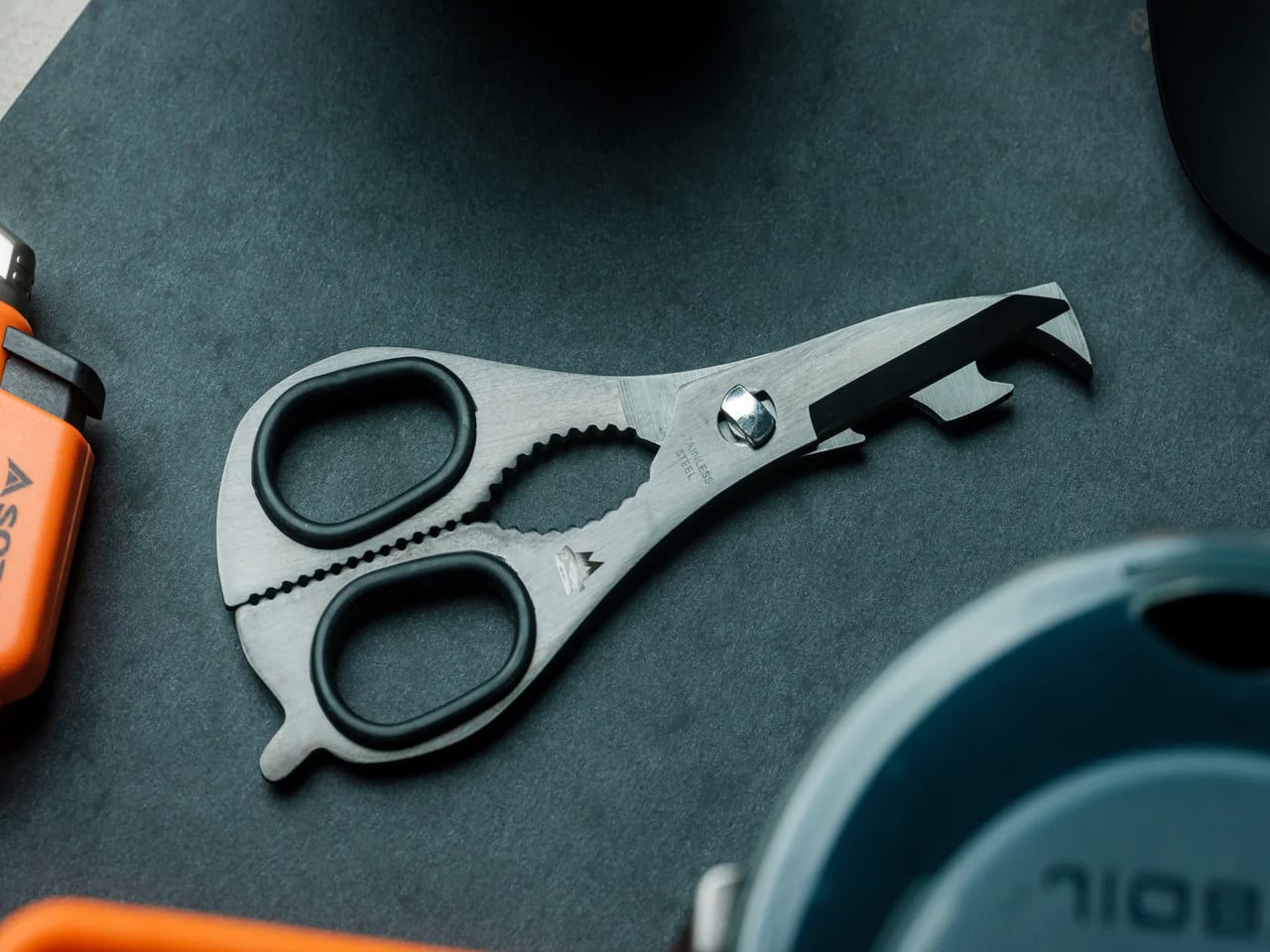
Most Western kitchens relegate scissors to the junk drawer, pulling them out occasionally for packaging or emergency herb trimming. The Precision Chef Kitchen Scissors rewrite that relationship entirely, becoming the primary tool you reach for before your knife even enters consideration. Specially engineered curved serrated blades slice through meat, vegetables, pizza, and herbs with startling ease, while the oxidation coloring creates a commanding black finish that resists deterioration. The ergonomic design includes a crucial detail: when laid flat, the blades hover above the surface, preserving both sharpness and sanitation between uses.
The genuine versatility transforms these scissors from a specialty item into a drawer consolidation. Butchering chicken becomes faster than knife work, requiring fewer cuts and less cleanup. Trimming fat, portioning pizza, opening stubborn packages, and detailed vegetable prep—the Precision Chef handles everything with authority. The curved serrated design grips slippery meats and fibrous vegetables that regular scissors struggle to control. The substantial build inspires confidence for heavy-duty tasks while maintaining precision for delicate work. For anyone seeking to simplify their kitchen, these scissors genuinely replace multiple knives, kitchen shears, herb scissors, and pizza cutters in one elegant package.
The curved serrated blades provide a superior grip on ingredients that slip away from standard scissors
The oxidation black finish resists fading and adds visual drama to your knife block
Blades that don’t touch surfaces when flat maintain sharpness longer and improve hygiene
The consolidation factor genuinely reduces drawer clutter without sacrificing capability
What We Dislike
The specialized blade design might require adjustment if you’re accustomed to traditional kitchen shears
The substantial build, while confidence-inspiring, adds weight that some users might find tiring during extended prep sessions
2. Smart Tea Pot
Tea preparation in Japanese culture approaches a ceremony, where temperature, timing, and intention determine whether you’re drinking hot leaf water or experiencing something transcendent. This revolutionary smart teapot brings that tea master precision into everyday practice through app-connected brewing technology. Six advanced sensors analyze your heart rate, finger temperature, and environmental conditions to tailor each brew to your current physical and emotional state. The comprehensive tea database stores optimal brewing conditions for everything from delicate white teas to robust pu-erh, ensuring authentic flavor and aroma without guesswork or timer-watching.
The personalized brewing system transforms tea from a beverage into a responsive ritual. Morning green tea brews differently from evening chamomile, not just in temperature and steeping time, but calibrated to your biometric data in that specific moment. The intuitive app interface removes the interruption of manual monitoring, letting you remain present rather than anxiously checking the clock. The technology doesn’t complicate the tea experience—it removes complications, creating space for the meditative aspects of tea preparation to emerge. This teapot understands that perfect tea isn’t about following rigid recipes but responding to the infinite variables of human experience and environmental context.
Biometric sensors create genuinely personalized tea experiences that respond to your current state
The comprehensive tea database eliminates guesswork for unfamiliar varieties
App connectivity provides consistency without requiring constant monitoring
The technology enhances rather than interrupts the meditative tea ritual
What We Dislike
The learning curve for app features might frustrate users seeking immediate simplicity
The reliance on technology introduces failure points that traditional teapots avoid entirely
3. Plate Grater
Wasabi, daikon, ginger—certain ingredients demand fresh preparation at the moment of serving, not hours before, when flavor and aroma peak. This round plate grater brings tableside garnish preparation from restaurant kitchens into home dining through elegant simplicity. The circular grating motion feels therapeutic rather than tedious, creating a mindful pause between cooking and eating. Crafted from durable stainless steel with an anti-slip silicone base that doubles as a protective cover, the thin and lightweight design stores easily without occupying precious drawer real estate.
The tableside preparation transforms garnishes from afterthought into engagement. Grating fresh wasabi for sashimi, daikon for tempura, and ginger for grilled fish—the circular motion becomes part of the dining ritual rather than prep work to rush through. The compact round design fits naturally at the table without commanding excessive space or attention. The anti-slip base provides stability during use and protection during storage. The therapeutic circular grating motion offers a moment of presence between cooking and consumption, a brief meditative pause that enhances appreciation for what follows. This grater makes fresh garnish preparation so effortless and pleasant that you’ll find reasons to grate things you previously bought pre-processed.
The circular grating motion creates a genuinely therapeutic preparation experience
The compact round design fits naturally at dining tables without crowding
The dual-purpose silicone base prevents slipping during use and protects during storage
Fresh garnish preparation becomes a ritual rather than a chore
What We Dislike
The round plate design limits the types of ingredients that can be effectively grated
The compact size, while space-efficient, means slower processing for larger quantities
4. Iron Frying Plate
Western dining creates an artificial separation between cooking vessel and serving dish, transferring food from pan to plate in a ritual that cools ingredients and adds cleanup steps. The JIU Iron Frying Plate eliminates that middleman—the frying pan is your plate, the plate is your frying pan, collapsing cooking and eating into a seamless experience. Crafted from rust-resistant mill scale steel with a detachable wooden handle, this cookware brings out superior flavors and textures while reducing the barriers between preparation and enjoyment. The uncoated surface comes ready to use immediately, requiring no seasoning or special preparation rituals.
The boundary-blurring design creates intimacy with your food that standard plating disrupts. Eggs sizzle on your breakfast table, fish arrives still crackling from the heat, and vegetables steam visibly as you lift fork to mouth. The immediacy preserves temperature, texture, and visual drama that dissipate during transfers. The detachable wooden handle attaches and releases with one hand, transforming cookware into serveware in seconds. The rust-resistant and stick-resistant mill scale steel develops natural non-stick properties through use without chemical coatings. The design invites slower, more attentive eating—you’re not rushing through a cooled plate but pacing yourself with a vessel that retains heat and presence throughout the meal.
The cook-and-serve design preserves temperature and texture better than transferred plating
The one-handed handle attachment provides seamless transitions from stove to table
The uncoated mill scale steel requires no seasoning and develops natural non-stick properties
The retained heat encourages a slower, more mindful eating pace
What We Dislike
The hot serving surface requires careful handling and might not suit households with young children
The iron construction adds weight compared to standard plates
5. Obsidian Black Mini Grip Tongs
Precision suffers when tools don’t match the task scale. Standard tongs designed for flipping steaks and tossing salads become clumsy instruments when arranging delicate appetizers or plating intricate dishes. These Obsidian Black Mini Grip Tongs at 4.9″ or 7″ provide the precise control that detailed food work demands. Crafted from SUS821L1 stainless steel, offering twice the strength of standard SUS304, the design achieves exceptional durability in lightweight form. The dark oxidized finish creates a striking visual presence whether working in the kitchen or serving at the table.
The compact dimensions transform tasks that feel awkward with full-sized tongs into natural, comfortable movements. Arranging bite-sized hors d’oeuvres, distributing breakfast sausages, flipping delicate shrimp, plating garnishes—the smaller scale provides distance for hygiene while maintaining the dexterity to handle fragile ingredients. The doubled steel strength allows thinner construction without sacrificing durability, reducing hand fatigue during extended prep sessions. The corrosion resistance ensures longevity despite frequent exposure to acidic ingredients and moisture. The dark finish adds sophistication that bridges kitchen and dining contexts, looking equally appropriate during cooking and tableside service. These tongs fill the precision gap that standard kitchen tools overlook.
The compact size provides precise control for delicate ingredients and detailed plating
The doubled steel strength enables a lightweight design without compromising durability
The corrosion-resistant material withstands acidic ingredients and frequent washing
The dark finish transitions elegantly from kitchen work to tableside service
What We Dislike
The smaller size limits utility for larger ingredients or high-volume cooking tasks
The specialized nature means they supplement rather than replace standard-sized tongs
6. Hinoki Essence Cutting Board
Cutting boards in Western kitchens lean toward two extremes: hard plastic that preserves knife edges but feels clinical, or soft wood that comforts hands but dulls blades. The Hinoki Essence Cutting Board achieves the balance that Japanese cypress is renowned for—medium hardness that offers resistance without damaging knives. The majestic hinoki wood naturally resists mold while the water-resistant silicone coating penetrates wood fibers to prevent damage. The gentle, rounded shapes and integrated handle provide both aesthetic grace and practical functionality for hanging and hygienic drying.
The cutting experience on hinoki transforms knife work from task into sensory practice. The wood provides satisfying feedback without the harsh impact of hard surfaces or the mushy give of soft materials. The natural aroma of cypress adds olfactory dimension to food preparation, creating an atmosphere that plastic and bamboo cannot replicate. The design revives traditional hinoki use in forms suited to modern lifestyles and aesthetic sensibilities. The integrated handle facilitates hanging storage that promotes air circulation and drying. The water-resistant treatment extends durability without coating the surface in synthetic films. The gentle curves blend naturally with contemporary kitchen interiors while honoring traditional Japanese woodworking aesthetics. This cutting board makes knife work feel intentional rather than mechanical.
The medium hardness protects knife edges while providing satisfying cutting feedback
The natural hinoki aroma adds sensory dimension to food preparation
The water-resistant silicone treatment penetrates fibers without a synthetic coating
The integrated handle enables hygienic hanging storage and natural drying
What We Dislike
The cypress wood requires more maintenance attention than plastic alternatives
The premium material commands a higher price compared to standard cutting boards
7. Precision Ceramic Sashimi Knife
Raw fish demands knife performance that metal blades, for all their centuries of refinement, struggle to deliver. The Precision Ceramic Sashimi Knife represents the convergence of Japanese craftsmanship and advanced material science, creating a blade twice as hard as stainless steel with sharpness lasting 200 times longer than conventional edges. The single-bevel design emulates the classic yanagiba with a concave back, reducing friction for effortless, drag-free cuts. The lightweight ceramic construction enables extended use without hand fatigue, while the advanced material requires minimal maintenance and virtually eliminates sharpening routines.
The cutting experience transforms sashimi preparation from a technical challenge into a flowing motion. The exceptional sharpness preserves delicate fish texture and cell structure that duller blades tear and compress. The friction-reducing concave back allows the blade to glide through ingredients with minimal resistance and maximum control. The lightweight design enables the precise, continuous strokes that proper sashimi cutting requires without the arm fatigue that metal blades produce. The ceramic material doesn’t impart metallic taste or oxidation to delicate seafood. The longevity of the edge means consistent performance over years rather than gradual degradation between sharpenings. This knife allows home cooks to achieve the finesse of expert sushi chefs, creating visually stunning and flavorful dishes that honor the ingredient.
The ceramic material maintains sharpness 200 times longer than conventional steel blades
The single-bevel design with concave back enables effortless, drag-free cuts
The lightweight construction reduces hand fatigue during extended preparation
The non-reactive material prevents metallic taste transfer to delicate seafood
What We Dislike
The ceramic blade, while exceptionally hard, is more brittle than steel and requires careful handling
The specialized design focuses on sashimi and delicate work rather than general-purpose cutting
8. Supreme Daikon Radish Grater
Grating might seem like straightforward physics—sharp protrusions shredding softer materials—but Japanese craftsmanship reveals the profound difference between merely reducing ingredients and properly transforming them. The Supreme Daikon Radish Grater features traditional Hon-Meguri diagonal sharp blades individually carved by skilled artisans using sharp chisels. The innovative Quattro blade pattern, arranged in four directions, reduces slipping and provides stable, stress-free grating. The thick stainless steel construction combines exceptional durability with ease of maintenance, while the finely honed blades grate without tearing fibers, producing a smooth and fluffy texture perfect for gourmet presentations.
The grating experience reveals why Japanese artisans dedicate careers to perfecting such seemingly simple tools. The Hon-Meguri technique creates exceptionally sharp and durable blades that outlast stamped alternatives by years. The Quattro blade arrangement provides consistent performance regardless of grating direction, eliminating the frustration of ingredients slipping across ineffective zones. The careful blade geometry shears cleanly through ingredient fibers rather than tearing them, preserving moisture and creating the light, fluffy texture that properly grated daikon demands. The thick stainless steel construction provides rigidity that cheaper graters lack, ensuring consistent blade exposure and pressure. This grater makes the difference between grated daikon that weeps liquid and turns mushy versus the cloud-like mounds that Japanese restaurants achieve.
The traditional Hon-Meguri technique creates exceptionally sharp and durable hand-carved blades
The Quattro blade pattern provides stable performance in all grating directions
The finely honed blades shear cleanly without tearing fibers for superior texture
The thick stainless steel construction ensures durability and rigidity
What We Dislike
The artisan craftsmanship commands premium pricing compared to stamped graters
The specialized design focuses on daikon and similar ingredients rather than general-purpose grating
Finding Zen Through Better Tools
Japanese kitchen tools don’t promise to save time or eliminate effort—they promise to make that time and effort worthwhile. Each implement featured here transforms mundane cooking tasks into opportunities for presence, precision, and satisfaction. The scissors that replace multiple tools, the teapot that responds to your biometric state, the cutting board that breathes cypress aroma into your prep work—these aren’t conveniences but invitations to slow down and pay attention.
The zen of cooking emerges not from rushing through tasks but from tools that reward attention with superior results. These Japanese gadgets and tools create that space, that possibility, that invitation. They ask you to notice the therapeutic circular motion of tableside grating, the satisfying feedback of knife meeting hinoki, the visual drama of food served directly from the cooking vessel. They transform kitchen work from something to finish quickly into something worth experiencing fully, where the cooking becomes as nourishing as the eating.
Most photos now live inside phones, buried between notifications and apps. A new generation has started picking up old digital cameras to make shooting feel more intentional again, separate from scrolling and messaging. Many of those cameras still carry clunky menus and dated interfaces. Camera (1) is a concept design that asks what a modern compact could feel like if it were designed around touch and light instead of software layers.
Camera (1) is a compact, metal-bodied device with softly rounded corners, sized to slip into a pocket but solid enough to fill the hand. All the main controls live on one edge, so your thumb and index finger can reach the shutter, a circular mode dial with a tiny glyph display, and a simple D-pad without shifting your grip or poking at a touchscreen. The concept is inspired by the now familiar transparent, hardware-forward design language of Nothing.
Taking the camera to a dinner or a show means twisting the lens ring to frame, feeling the click of the shutter under your finger, and glancing at the little icon on the dial to know whether you are in stills or video. The camera encourages you to look at the scene more than at the screen, letting the physical controls carry most of the interaction so the rear display stays out of the way.
The dot-matrix glyph on the dial shows simple icons for modes, while a curved light strip around the lens can pulse for a self-timer, confirm focus, or signal that video is rolling. Instead of deep menu trees, you get a handful of physical states you can feel and see at a glance, which makes the device feel more like an instrument than a gadget you have to decipher before you can take a picture.
The engraved lens ring, marked with focal length and aperture, invites you to twist rather than pinch. Zooming or adjusting focus becomes a small, satisfying motion instead of a jittery rocker or on-screen gesture. That tiny bit of resistance under your fingers reinforces the idea that changing perspective is a choice, not something you do absentmindedly while flipping through feeds.
The bead-blasted metal shell, the layered front panel with circuit-like relief, and the small red accents and screws give the camera a technical, almost transparent character without actually exposing its internals. It feels like a piece of hardware that is honest about how it works but still restrained enough to live on a café table or hang from a wrist strap without looking like it is trying too hard.
Camera (1) is not trying to beat the phone at convenience. It is offering a different relationship with photography, one where you press real buttons, read simple glyphs, and let light and tactility tell you what the camera is doing. In a world where every screen wants something from you, a compact that just wants you to notice what is in front of it feels like a refreshing thought experiment.
Printed signs get reprinted every week, while full LCD signage burns power all day just to show a static promo. E-ink has quietly solved this in e-readers by holding text without sipping battery, but it has not shown up in everyday public spaces where signs still get taped to shelves. Samsung’s new 13-inch Color E-Paper is a panel that tries to live in that middle ground, digital enough to update remotely, quiet enough to blend in.
Samsung’s 13-inch Color E-Paper is roughly the size of an A4 sheet, 1,600 x 1,200 pixels in a 4:3 aspect ratio, built to sit on shelves, counters, tables, and doors where paper signs still dominate. It uses digital ink and an embedded rechargeable battery to hold static images at zero watts, sipping power only when content changes.
A grocery aisle, cosmetics shelf, or bookstore with weekly specials could run these panels instead of printed posters. Staff update prices and layouts from their phones using the Samsung E-Paper app, or centrally through Samsung’s VXT cloud platform, without ladders, tape, or stacks of paper. The signs look like printed cards but can flip to a new campaign in seconds.
The housing is the first commercial display enclosure to use bio-resin derived from phytoplankton, independently verified by UL to contain 45% recycled plastic and 10% phytoplankton-based resin. Samsung says this can cut carbon emissions in manufacturing by more than 40% compared to conventional petroleum-based plastics, and the packaging is made entirely from paper.
The panel maintains static content at zero watts and uses far less energy than conventional digital signage when it refreshes. An advanced color imaging algorithm smooths gradations and refines contours so posters, book covers, and product shots look closer to print than to a backlit screen. A 13-inch, 4:3 color e-ink panel with this power profile sounds suspiciously like the hardware you would want in a large-format e-reader or note-taking tablet.
Samsung is clear that this is a business display, part of a lineup that already includes 32-inch and upcoming 20-inch models aimed at replacing printed signage. Still, it is hard not to imagine what would happen if a future device borrowed this panel, pairing it with touch and pen input for textbooks, comics, sheet music, or ambient dashboards that can sit on a desk for days without a charge.
Some of the most interesting future-facing ideas show up first in places like retail signage. A 13-inch color e-paper display built with phytoplankton-based resin is, on paper, just a smarter sign for cafes and cosmetics counters. It is also a reminder that the ingredients for calmer, more sustainable reading and information devices already exist; they are just waiting for someone to assemble them into something you would want to curl up with on the sofa.
Bedtime means juggling bright ceiling lights, harsh phone screens, and random night lights that feel more like plastic gadgets. Kids often want a light that feels like a friend keeping watch, while adults want something that does not fight the decor or scream “children’s product” when guests walk by. IKEA’s GREJSIMOJS tries to bridge that gap with a lamp that is both functional and playful without picking a side.
GREJSIMOJS is an LED table lamp shaped like a small blue dog, designed by Marta Krupińska as part of IKEA’s play-driven collection. It is meant for children but deliberately “far from childish,” with a rounded capsule body, soft legs, and a white dome that glows like a head, so it reads as a friendly companion even before you turn it on.
Turning it on at night means pressing and holding the button on the dog’s head to dim the light seamlessly. The lamp remembers the last brightness level, so it always comes back exactly where you left it, whether that is a low night-light glow or a brighter setting for reading. The gesture is simple enough for a child to understand, but satisfying enough that adults do not feel like they are using a toy.
The light itself is a pleasant, glare-free glow that is gentle on the eyes. It is bright enough for bedtime stories or quiet play, but can be dialed down to a soft presence that makes the room feel safe without keeping anyone awake. Over time, that consistency makes the lamp part of the ritual, a signal that the day is winding down and it is time to rest.
Krupińska describes the lamp as a reliable friend that keeps you company and makes you smile every day, and the GREJSIMOJS collection is built around play and togetherness for all ages. The dog shape is abstract enough to sit on a grown-up’s bedside table without feeling out of place, yet expressive enough that a child can project personality onto it, which is a neat trick for polypropylene and LEDs.
The body is made from polypropylene with at least 50% recycled content, and the LED light source is replaceable with a lifetime of about 25,000 hours, roughly 20 years at three hours a day. It is mains-powered with a cord and adapter included, cool to the touch, and cleaning is as simple as dusting it with a cloth.
GREJSIMOJS is less about adding another gadget to a child’s room and more about choosing a bit of playfulness in everyday objects. It is a reminder that a lamp can be both a piece of design and a small character in the room, watching over the bed, joining in on shadow puppets, and quietly proving that functional lighting does not have to grow up completely.
DJI’s gimbal lineup has always operated on a clear hierarchy. At the bottom, the Osmo Mobile series keeps smartphone creators happy with pocket-friendly stabilization. At the top, the RS 4 Pro hauls cinema camera rigs with carbon fiber arms and 4.5kg payload capacity. The middle ground, though, has been trickier to nail down. Too light and you’re pushing mirrorless setups to their limits. Too heavy and solo operators end up fatigued halfway through a wedding shoot. The RS 5 arrives as DJI’s latest attempt to find that sweet spot, and judging by the spec sheet, they might have actually figured it out this time.
Weighing 1.46kg with a 3kg payload capacity, the RS 5 matches the physical footprint of the standard RS 4 while claiming a 50% boost in peak motor torque and 14 hours of runtime on the standard battery. More interesting is what DJI has prioritized here: the RS Enhanced Intelligent Tracking Module (borrowed from the RS 4 Mini’s debut), an Electronic Briefcase Handle for high and low angles, and significantly faster charging that gets you back to work in an hour instead of waiting around for half a day. This isn’t about raw specs anymore. It’s about keeping solo commercial videographers moving efficiently through shoots without needing a full crew or endless battery swaps.
Designer: DJI
It’s one thing to hold a 3kg payload steady during a slow pan, but chasing a subject through a crowded event is a different beast entirely. That 50% peak motor torque improvement is where the RS 5 starts to justify its existence, especially when paired with their fifth-generation stabilization algorithm. This is the kind of power that prevents micro-jitters when you’re running or making sudden direction changes. It also means the native vertical switch, which lets you flip to a 9:16 aspect ratio in seconds, doesn’t come with a performance penalty. That’s a huge deal for anyone delivering social content alongside traditional horizontal video, as you’re not compromising stability just to get the shot framed for TikTok.
All that stabilization doesn’t mean much if your subject keeps drifting out of frame while you’re focused on your own footwork. The RS Enhanced Intelligent Tracking Module, pulled from the RS 4 Mini and beefed up, handles the tracking with aplomb. It tracks more than just people; you can lock onto vehicles, pets, or any object you tap on the screen from up to 10 meters away. Even better, it can re-acquire a subject if they’re temporarily obscured, saving you from a ruined take. The fact that it attaches magnetically without needing extra adapters is a smart touch, acknowledging that setup time is a real currency for solo operators. It’s a clever bit of product strategy, bringing a killer entry-level feature up to the commercial tier where it’s arguably needed most.
The dirty secret of every solo videographer’s kit is a bag overflowing with batteries and a constant, low-grade anxiety about runtime. DJI seems to have finally gotten the message. The RS 5 hits a full charge in just one hour with a 65W PD charger, which is a massive quality-of-life improvement. The standard battery gives you 14 hours of juice, but the optional BG70 High-Capacity grip pushes that to a claimed 30 hours. Even if real-world use cuts that down significantly, it’s enough to get you through the longest wedding day without a panic. They’ve also expanded the Bluetooth shutter control to include Panasonic and Fujifilm cameras, a long-overdue nod to the fact that the camera world doesn’t just revolve around Sony, Canon, and Nikon.
You’re probably a good candidate for the RS 5 if you’re shooting paid work with mirrorless cameras and your current gimbal makes you want to throw it into a lake by hour three. Event videographers, wedding shooters, small production houses, anyone who’s working solo but needs results that look like a full crew showed up. If you’re hauling around a RED Komodo or a cinema rig that pushes past 3kg, skip this and go straight to the RS 4 Pro with its 4.5kg capacity and carbon fiber construction. On the flip side, if you’re still shooting with your phone or occasionally pulling out a compact camera for vlogs, the Osmo Mobile or Osmo Pocket lines will serve you better. Those devices are far more portable, cost a fraction of what the RS 5 demands, and honestly, DJI will probably refresh them in the coming months with similar intelligent tracking features trickling down from this generation. But if you’re already committed to proper camera gear and tired of fighting your equipment, this sits right where it needs to.
So this all sounds great, but it always comes down to the hole it leaves in your wallet. The standalone gimbal runs $671 (£485), which plants it firmly in that prosumer middle ground. The real conversation, though, is about the Combo kit at $856 (£619), which adds the tracking module and the electronic briefcase handle. For a working videographer, that’s the package that makes sense. You’re not just buying a stabilizer; you’re buying back time and reducing on-set frustration. It’s a tool built for the specific pressures of the one-person crew, and that focus is what makes it a compelling piece of hardware.
Desks have a way of accumulating chaos. Chargers multiply, cables tangle, and what starts as a clean workspace turns into a collection of mismatched gadgets competing for outlets and attention. MODULO, a new Kickstarter project from Italian design duo Modulo Design Lab, approaches the problem with a different philosophy: one wooden base, magnetic modules, and a single power cable to rule them all.
Built around a CNC-milled wooden platform handcrafted in Italy, MODULO lets you snap together charging modules, Bluetooth speakers, e-paper displays, task lights, and organizers into one unified system. Each of the 8 different modules connects magnetically, drawing power and data through gold-plated connectors rated for 50,000+ cycles. The Modulo app ties everything together, so your phone charger, desk lamp, and notification display all respond to a single interface instead of separate apps and pairing routines.
I’ve seen plenty of desk organizers that promise to solve cable clutter, and most of them amount to glorified boxes with some velcro straps. MODULO actually rethinks the problem at the power distribution level, which is where the mess starts in the first place. The wooden base acts like a backplane in a computer case, routing electricity and communication to whatever you plug into it. Modules are active devices that wake up the moment they make contact with the base, whether that base lives on your desk, your nightstand, or your kitchen counter. That means swapping a wireless charger for a Bluetooth speaker takes about three seconds, and the app instantly recognizes what you have changed. There is something satisfying about that kind of hot-swap simplicity, especially if your setup needs to shift between work, sleep, and cooking duty without a nest of cables following you around.
The magnetic connection system uses pogo-pin style contacts, similar to what you would find on a smartwatch charging dock but built for higher current and data transfer. Gold plating keeps corrosion at bay, and the 50,000-cycle rating suggests they are serious about longevity. For context, that is roughly 13 years of swapping modules once a day, which is more than most people will ever need but solid insurance against the usual wear that kills magnetic connectors prematurely. The magnets themselves are strong enough to hold modules securely but not so aggressive that you feel like you are prying Lego bricks apart, which matters when you are reconfiguring things on the fly. You can move a base from your desk to your bedside table, drop the speaker and e-paper module on it, and in under a minute you have a smart alarm stack that looks intentional instead of hacked together.
Module selection covers the usual suspects but with some thoughtful touches. The USB-C charger sits vertically and doubles as a cable anchor, so your phone cable does not slither off the surface when you unplug, whether that surface is a desk or a nightstand. The wireless charging pad works with iPhones, recent Samsung flagships, and AirPods, handling up to 15 W for fast charging where supported, which makes sense for bedside charging or a quick top-up in the kitchen while you prep dinner. The Bluetooth speaker module packs enough power for background music or podcasts while you cook or get ready in the morning, so you are not yelling at your phone from across the room. Then there is the e-paper display, which becomes a bedside clock and alarm status screen at night, or a kitchen timer and recipe step indicator when you drag the base over to the counter.
The Light Tower module gives you an adjustable lamp with touch control for brightness and app control for scenes, and that versatility matters in different rooms. On a desk it behaves like a focused task light. Next to the bed you can set it to warm color temperatures and low brightness for late-night reading without frying your circadian rhythm. In the kitchen it can act as an accent light while the e-paper screen counts down the last three minutes on your eggs and the speaker reads out a podcast. Modulo also includes purely physical modules like pen holders and “Pocket Emptier” trays, which make as much sense by the front door for keys and wallets as they do on a workspace. Everything mounts on the same grid, so your catch-all area, your alarm station, and your cooking corner share the same visual language instead of looking like three unrelated tech piles.
Modules auto-pair when they connect to the base, so there is no manual Bluetooth dance or Wi-Fi provisioning every time you move the system. The app gives you a dashboard where you can adjust speaker volume, tweak lighting, choose what the e-paper display shows, and set up automations that match the room. In the bedroom you can schedule a wake-up routine that fades in the Light Tower, starts your favorite playlist at a low volume, and shows the weather and first calendar event on the e-paper screen. In the kitchen you can switch profiles so the same base now runs a cooking layout, with a large countdown timer on the display, a chime on the speaker when the timer hits zero, and maybe a quick glance at notifications while your hands are covered in flour. The point is that the hardware stays the same, while the personality shifts with the context.
Material quality separates MODULO from the usual injection-molded plastic organizers. Each base is milled from solid wood using CNC machines, then hand-finished in Italy. The default option is a light tone, but the first stretch goal at 10,000 euros brings in additional finishes for people who want something darker or richer on a nightstand or console table. The wood is structural, not a thin veneer, which gives the whole thing a furniture-grade heft that feels at home in a bedroom or living room, not only in a home office. Modules use matte-finish polymers for the housings, keeping weight down while maintaining a cohesive look. The contrast between warm wood and minimalist black modules works just as well next to a linen headboard or a marble countertop as it does next to a 34 inch ultrawide.
MODULO is live on Kickstarter now through February 5, 2026, with delivery targeted for July 2026. The Geek Kit starts at $148 during the launch special and includes a colored plastic base plus a light tower and pen holder, which is the budget entry point. The Wood Premium Kit sits at $416 for the launch tier and gets you a handcrafted 3×2 wood base, light tower, Bluetooth speaker, wireless charger, and smart notifier module. There’s also a doubled-up kit at $831 with two bases and a fuller module lineup for people running multi-desk setups or wanting spares. The Custom Edition kit lets you build your own configuration starting at $141 for the base, then adding whichever modules you actually need. Stretch goals include a battery pack add-on for portable use, colored pop modules for a less serious look, and an AI module running a local LLM to keep your thoughts organized, just like your desk!
In contemporary interiors shaped by speed, productivity, and constant stimulation, seating has largely become passive. It is designed to hold the body while the mind drifts elsewhere. OSOLO challenges this condition. It is not a chair in the conventional sense, but a mindful seating platform, a ritual object that reconsiders how we sit, gather, and occupy space.
OSOLO emerges at the meeting point of two ancient cultures: Japanese stillness and Turkish hospitality. Though geographically distant, these traditions share a deep respect for simplicity, spatial awareness, and human connection. OSOLO translates these values into a contemporary design language, offering an alternative to chair-based living rooted in awareness rather than acceleration.
At the heart of OSOLO is the Japanese understanding of space. In Japanese spatial philosophy, emptiness is not absence. It is present. It allows rooms to breathe, objects to soften, and the mind to quiet. OSOLO reflects this belief through its low-profile form and restrained geometry. It does not dominate the room or impose visual hierarchy. Instead, it steps back, allowing architecture, light, and human presence to come forward.
This deliberate restraint transforms OSOLO into an object that reveals space rather than fills it. Its presence heightens spatial awareness, encouraging users to slow down and engage more consciously with their environment.
Inspired by the Turkish sedir tradition, OSOLO is inherently communal. Unlike single occupancy seating, it invites people to sit side by side, fostering shared presence rather than isolated comfort. In Turkish culture, seating is a social ritual. Stories are exchanged, time is stretched, and hospitality unfolds without urgency. OSOLO carries this spirit forward, existing not as an isolated object but as a platform for connection.
Hidden storage beneath the seating surface reinterprets the traditional cultural chest, integrating functionality without visual disruption. This discreet feature preserves the purity of the form while acknowledging everyday needs, allowing utility to exist quietly within stillness.
OSOLO is designed specifically for cross-legged, floor-adjoining sitting, offering an alternative to chair postures that often promote spinal compression and passive leaning. The platform supports the body’s natural intelligence by encouraging an aligned spine, open hips, and active posture.
By enabling balanced pelvic alignment, OSOLO reduces lumbar collapse and allows the torso to carry its own weight. The opening of the hip joints enhances mobility and helps release tension in the lower back, benefits often lost in conventional seating.
The platform’s elevation of approximately 20 to 25 centimeters from the floor is carefully calibrated to minimize pressure on the knee joints while maintaining the circulatory advantages associated with floor-level sitting. This height also isolates the body from direct contact with hard flooring, striking a balance between grounding and comfort.
Comfort is achieved through a dual-density foam system engineered for short to mid-duration activities such as meditation, reading, or creative practice. A high-density base layer ensures structural stability and pelvic support, while a softer upper layer distributes weight evenly to reduce localized pressure points. The result is a surface that remains supportive without collapsing, encouraging posture awareness rather than passive relaxation.
Upholstery surfaces are finished in breathable, high-friction textiles that prevent slippage during dynamic sitting positions. Removable covers allow for easy maintenance and long-term use, with materials selected to meet contract-grade durability standards suitable for both residential and semi-public environments.
The optional back support follows a soft contact principle. Rather than functioning as a rigid backrest, it provides gentle lumbar feedback during reading or meditation, supporting posture without encouraging full recline or slouching.
Available in four carefully curated colorways, OSOLO integrates seamlessly into a range of interior contexts while maintaining its minimalist identity. It is not designed to command attention, but to hold space. OSOLO invites a different relationship with furniture, one rooted in presence rather than performance.
The T.M-4 looks like it escaped from Teenage Engineering’s design studio with a specific mission: teach beginners how to make music using AI without making them feel stupid, or without creating slop. Junho Park’s graduation concept borrows all the right cues from TE’s playbook, that modular control layout, the single bold color, the mix of knobs and buttons that practically beg to be touched, but redirects them toward a gap in the market. Where Teenage Engineering designs for people who already understand synthesis and sampling, the T.M-4 targets people who have ideas but no vocabulary to express them. The device handles the technical translation automatically, separating audio into layers and letting you manipulate them through physical controls. It feels like someone took the OP-1’s attitude and wired it straight into an AI stem separator.
The homage succeeds because Park absorbed what makes Teenage Engineering products special beyond their appearance. TE hardware feels different because it removes friction between intention and result, making complex technology feel approachable through thoughtful interface design and immediate tactile feedback. The T.M-4 brings that same thinking to AI music generation. You’re manipulating machine learning model parameters when you adjust texture, energy, complexity, and brightness, but the physical controls make it feel like direct manipulation of sound rather than abstract technical adjustment. An SD card system lets you swap AI personalities like you would game CDs from a gaming console – something very hardware, very tactile, very TE. Instead of drowning in model settings, you collect cards that give the AI different characters, making experimentation feel natural rather than intimidating.
Designer: Junho Park
What makes this cool is how it attacks the exact point where most beginners give up. Think about the first time you tried to remix a track and realized you had no clean drums, no isolated vocals, nothing you could really move around without wrecking the whole thing. Here, you feed audio in through USB-C, a mic, AUX, or MIDI, and the system just splits it into drum, bass, melody, and FX layers for you. No plugins, no routing, no YouTube rabbit hole about spectral editing. Suddenly you are not wrestling with the file, you are deciding what you want the bass to do while the rest of the track keeps breathing.
The joystick and grid display combo help simplify what would otherwise be a fairly daunting piece of gear. Instead of staring at a dense DAW timeline, you get a grid of dots that represent sections and layers, and you move through them like you are playing with a handheld console. That mental reframe matters. It turns editing into navigation, which is far less intimidating than “production.” Tie that to four core parameters, texture, energy, complexity, brightness, and you get a system that quietly teaches beginners how sound behaves without ever calling it a lesson. You hear the track get busier as you push complexity, you feel the mood shift when you drag energy down, and your brain starts building a map.
Picture it sitting next to a laptop and a cheap MIDI keyboard, acting as a hardware front end for whatever AI engine lives on the computer. You sample from your phone, your synth, a YouTube rip, whatever, then sculpt the layers on the T.M-4 before dumping them into a DAW. It becomes a sort of AI sketchpad, a place where ideas get roughed out physically before you fine tune them digitally. That hybrid workflow is where a lot of music tech is quietly drifting anyway, and this concept leans straight into it.
Of course, as a student project, it dodges the questions about latency, model size, and whether this thing would melt without an external GPU. But as a piece of design thinking, it lands. It treats AI as an invisible assistant, not the star of the show, and gives the spotlight back to the interface and the person poking at it. If someone like Teenage Engineering, or honestly any brave mid-tier hardware company, picked up this idea and pushed it into production, you would suddenly have a very different kind of beginner tool on the market. Less “click here to generate a track,” more “here, touch this, hear what happens, keep going.”
The romance of stargazing usually hits the reality of traditional astrophotography pretty hard. Heavy mounts, polar alignment, cables running from telescope to laptop, and software that can turn a clear night into troubleshooting instead of wonder. Phone cameras and basic star apps have helped, but they still leave a gap between pointing at the sky and capturing something worth keeping.
Seestar S30 Pro is a smart telescope that weighs about 1.65kg and folds a telescope, auto-focuser, camera, Alt-Az mount, filter wheel, and controller into one compact body. You power it on, tap your phone to connect, and the system is ready. The idea is to replace a trunk full of gear with a palm-sized observatory that lives in a backpack but still feels like a serious instrument.
Setting it up under a clear sky, you open the app and choose from more than 80,000 deep-sky objects and 600,000 stars. With one-tap GOTO, the S30 Pro slews to the target, locks on, and starts tracking. You pick a mode, Stargazing, Milky Way, Solar System, or Scenery, and let the dual-lens 4K system with its IMX585 telephoto and IMX586 wide-angle sensors stack and refine frames.
Milky Way and star trails modes let you watch the sky drift across the frame or trace arcs over time-lapse. Built-in 8K stitching automatically mosaics horizontal or vertical panoramas, expanding the field far beyond a single frame. A freeze-the-ground feature separates foreground from sky, keeping the landscape sharp while the Milky Way stays crisp and trail-free, all from a single tap that would normally require separate exposures.
The 4-element apochromatic lens with extra-low dispersion glass minimizes chromatic aberration so stars stay round, and blacks stay neutral. A built-in triple filter system, dark field, UV/IR cut, and light pollution filter tuned for OIII and Hα, adapts to different conditions. Active anti-dew control gently warms the optics to prevent condensation, so long sessions do not end with a fogged-over lens and hours of wasted time.
Plan mode lets you schedule a target and let Seestar handle locating, tracking, capturing, and processing while you sleep, so you wake up to finished data instead of staying up all night monitoring exposures. For longer exposures, an equatorial mode with additional accessories counters Earth’s rotation. During the day, the same device becomes an ultra-telephoto camera for birds, distant landscapes, or rocket launches, with smart tracking to keep subjects centered.
The S30 Pro sits inside a broader ecosystem, from the telescope network that lets you control Seestar units across regions to the AI assistant that responds to voice commands, and ASCOM Alpaca support that opens it up to software like NINA for advanced workflows. It is framed less as a gadget and more as a platform for exploring the sky, making the first steps effortless while leaving room to grow.