Tactile lamp and timer concept fosters focus and mindfulness in work-from-home arrangements

Although travel and work restrictions have mostly been lifted already, the office world is really no longer the same. It has now been proven that the work your bosses claim can only be done in the office can actually be done at home or even in a coffee shop, and so more flexible remote working conditions have started to take root in many companies. At the same time, however, the pandemic also proved that working from home is far from being the idyllic scenario that many people dreamed of in the past. Maintaining focus and motivation isn’t exactly easy to achieve, but this curious desk lamp helps develop that sense of balance between work and personal life using a very visual and tactile experience.

Designers: Pinar Aydogdu, Naren Yildirim, Nurbanu Kocak

One of the oldest productivity tricks in the book involves focusing on a single task for a certain amount of time and then taking a brief break before repeating the cycle all over again. Ironic as might sound, this technique, most popular by its “Pomodoro technique” moniker, actually helps you focus during those moments you are working. It also elevates rest to its proper place in our hectic lives, presenting it not as wasted time but as an important factor in boosting productivity.

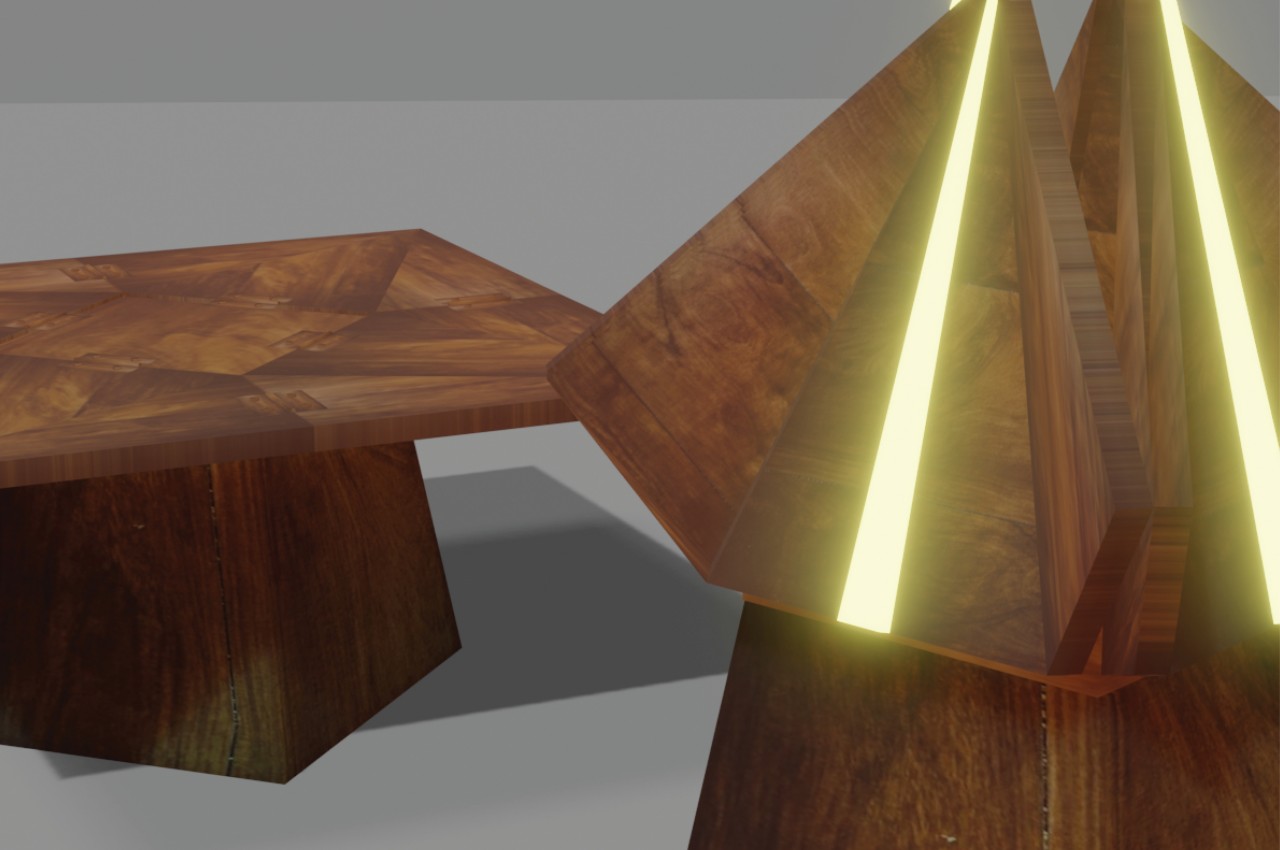
You’d probably never think that a decorative desk lamp would be the tool to encourage that productivity practice, but the Fall concept design is exactly that. At its most basic, it is composed of a conical lamp standing on a circular base that has a rippling surface, almost like the ripples in a pond. The soft diffused light that the lamp gives isn’t going to be enough to illuminate your work, but that’s not the purpose of the lamp anyway. It works in conjunction with eight balls that magnetically attach to the top of the cone, turning this productivity practice into something like a game.

Each ball represents one hour of working time, so their total makes up an entire day’s work. At the start of your work day, you stick those balls at the top, and after an hour has passed, one ball falls down on the base. Because of the undulating surface of the base, the balls won’t roll off, but you can remove each ball as you please. In fact, you remove the ball from the base to signify that you’re taking a break and you put the ball back on the base when you’re back. If you don’t bring back the ball within a set amount of time, usually ten minutes, the lamp’s light will turn red to nudge you back to your work.

Fall is an interesting idea that encourages physical involvement in juggling those work hours, making sure you’re more mindful of your time instead of simply glancing at a clock or swiping an alarm away. The lamp itself gives a rather distinctive aesthetic, one that encourages play and interactivity instead of just looking pretty. Admittedly, it’s just a concept and one that will be rather complicated to implement in a real functioning device.

The post Tactile lamp and timer concept fosters focus and mindfulness in work-from-home arrangements first appeared on Yanko Design.

Screw-less stackable chairs offer a stress-free and sustainable way to sit

Most seating furniture is designed to more or less stay permanently where they’re located, but some spaces require chairs that can be added or removed, sometimes even at a moment’s notice. In order to conserve space, some of these chairs can be folded while others can be stacked on top of each other. One common trait between these two different designs, however, is that they either already come in a single inflexible piece or have to be assembled with much effort. In this agile and fast-paced world, neither seems to be an ideal condition, and this sustainable design offers an alternative that eases the burden of setting up each chair and doesn’t take up space when you don’t need them for the time being.

Designer: Martini & Dall’Agnol

Stackable chairs aren’t exactly novel or uncommon, but the majority of those tend to have a limit before they start tipping over because of the overall form of the chair. The Stack chair, in contrast, was designed especially with that use case in mind, and thanks to its compass-like four-legged base, you can stack the chairs almost to infinity, at least in theory. Of course, you’ll be limited by how much vertical space you have and how high you can safely reach, but it’s reassuring to know that there is enough leeway there for you to stop worrying about dozens of chairs taking up precious space when not in use.

That’s not even the most impressive thing about the Stack chair, though. The design comes in only two parts, the base and the shell, and these two parts can be joined by simply snapping the base underneath the shell’s uniquely designed rim. With just a snap, the two become a single and stable piece of furniture, simplifying not just the manufacturing process and assembly but also shipping.

This fastener-free design also lends itself quite well to customization, as you can mix and match different base and shell colors or even materials. By default, it comes with a polypropylene shell, but it can also be made from wood that’s then upholstered with fabric, leather, or other materials. The chairs can be made to match any style that your space requires, and not just with a single color either.

The choice of polypropylene wasn’t made on a whim either and was intended to help make the chair not only long-lasting but also recyclable. In addition to being space-efficient when it comes to storage, the Stack chair also aims to be efficient in manufacturing, packaging, and transportation, leading to a more sustainable product overall.

The post Screw-less stackable chairs offer a stress-free and sustainable way to sit first appeared on Yanko Design.

Ergonomic mouse concept gives left-handed users the comfort they deserve

The vast majority of computer products are designed to favor the biggest groups of users, sometimes to the exclusion of the minority. We’re not speaking about accessibility for persons with physical disabilities, but that is especially true for them as well. Even just the common keyboard and mouse are designed with the presumption that they will be used by right-handed people. And while ambidextrous mice do exist, those tend to sacrifice comfort for the sake of a symmetrical design. That doesn’t have to be the case, as this concept design tries to prove, promising both comfort as well as proficiency, regardless of which hand you hold it with.

Designer: Sameeraj Dronamraju

There has been an increasing awareness and demand for ergonomic mice, sadly due to the equally rising cases of computer-related injuries. But while there are plenty of ergonomic designs now available, most of them only cater to right-handed users. You’d be lucky if the manufacturer produced a left-handed design, but most don’t because of the costs involved in another product with only a few minor differences.

The proper solution would be to mix ergonomics and symmetry to create a mouse that is comfortable to hold for both kinds of people. Vertrous, a portmanteau of “vertical” and “ambidextrous,” takes its cue primarily from the plethora of ergonomic mice now in existence, most of which adopt a vertical design that attempts to reduce the strain placed on the wrist by offering a more natural grip. But rather than have your hand holding it sideways, you almost grip it like a claw, with your index and middle fingers still resting on top.

At the same time, the mouse’s shape is more or less equally balanced on both sides. Great care is taken to ensure that textured areas are found on both sides, so no one hand has the advantage over the other. That said, there are some features that can really be found in only one place, like the power button, but that’s really a minor detail that has no significant impact on the use of the mouse itself.

While Vertrous does present an interesting solution, there are still some considerations left unanswered by the design. For example, gripping the mouse like a claw could actually end up being more uncomfortable and strenuous than a regular mouse. The symmetrical design also leaves out features like extra buttons that would normally be found only on one side, an absence that many power users will feel acutely. These aren’t flaws per se but more like points for further improvement, paving the road for the day that we finally land on a standard ergonomic mouse design that will really leave no one out, whichever hand they prefer to use.

The post Ergonomic mouse concept gives left-handed users the comfort they deserve first appeared on Yanko Design.

Polaroid-inspired DIY camera uses AI to print poems instead of photos

AI today powers many devices and services with mixed results. Some produce truly mind-blowing images, captivating narratives, and critical information that help drive cars, vacuum cleaners, and robots. Sometimes, those very same AIs are abused for selfish gains or nefarious purposes. In both cases, it proves that AI, impressive as it may be, is just a tool that can be used for good or for ill, depending on who’s wielding it. Or it could also be used for fun, whimsical projects that, while not exactly advancing the field, turn those rather mundane AI applications into delightful experiences. This DIY Polaroid-inspired camera, for example, does take pictures, but what it prints out isn’t a flat facsimile of the three-dimensional but instead spits out an interpretation expressed in words filtered through the minds of digital poets.

Designer: Sam Garfiedl (sam1am)

Two of the most controversial uses of AI today revolve around images and words, both of which tread gray legal areas. Image generators are infamous for taking well-worded prompts and turning them into images that truly look professional, though sometimes end up looking like an artist’s copyrighted work. On the opposite side of the spectrum are AIs that churn out essays and articles that also border on plagiarism.

The Poetroid, thankfully, won’t be treading those same waters. It does turn images into words, but nothing that can really be attributed to copyrighted material. In a nutshell, this rather crude-looking DIY camera sees the world through a webcam and then produces sheer poetry, literally, based on the object it sees. After all, there is perhaps no better way to truly capture the spirit of a flower, a fruit, or a pizza than with a mosaic of metaphors mixed together in a “mellifluous meter.”

What is rather impressive about this little project is that it can be assembled from off-the-shelf components like a webcam, a single-board computer, and a lunchbox, among other things. The tin lunchbox is probably a bit uninspired, but it was large enough to cram everything necessary inside, with a little modification for the screen and buttons. If the name wasn’t a giveaway, the idea was heavily inspired by the Polaroid instant camera that revolutionized photography during its time. Instead of getting a small photo, however, you get a poem printed out on thermal paper, almost like a receipt and probably just as incomprehensible as one.

The best part is that the AI and large language models needed to pull this off can run locally on the device itself, preventing any private data from leaking and saving you from potential embarrassment over accidental photos and hideous poetry. There’s definitely a lot of room for improvement in the design of the Poetroid, and having all the necessary pieces known and available can go a long way in helping design one that will look just as majestic as the words it ejects from its proverbial mouth.

The post Polaroid-inspired DIY camera uses AI to print poems instead of photos first appeared on Yanko Design.
Moto Watch 40 design straddles the line between smartwatch and fitness band

Smartwatches have more or less become a stable presence in today’s modern lifestyle to the point that no one will make fun of you anymore for wearing a screen on your wrist, except those coming lovers of classic mechanical watches. That said, not everyone is a fan of these hi-tech timepieces and would prefer something less distracting and more focused on just the health-tracking aspects. Dedicated fitness bands, however, often come in sporty and rugged designs, as if the only ones that would wear them are athletes or very active people who don’t mind strapping a rubber or silicone band on their wrists, even on formal occasions. That’s where the new Moto Watch 40 comes in, offering a wearable that almost looks like a stylish smartwatch but is a fitness band at heart.

Designer: CE Brands (Motorola licensee)

Although there was a bit of experimentation in the beginning, smartwatches today come in only two shapes: a square or a circle. Although circular smartwatches were touted to be classier or more stylish because of their resemblance to the majority of luxury timepieces, the Apple Watch has constantly made the case for equally elegant designs on square smartwatches. Unsurprisingly, there are some manufacturers that have even opted to walk the same path, producing smartwatches that, for better or worse, look like the Apple Watch.

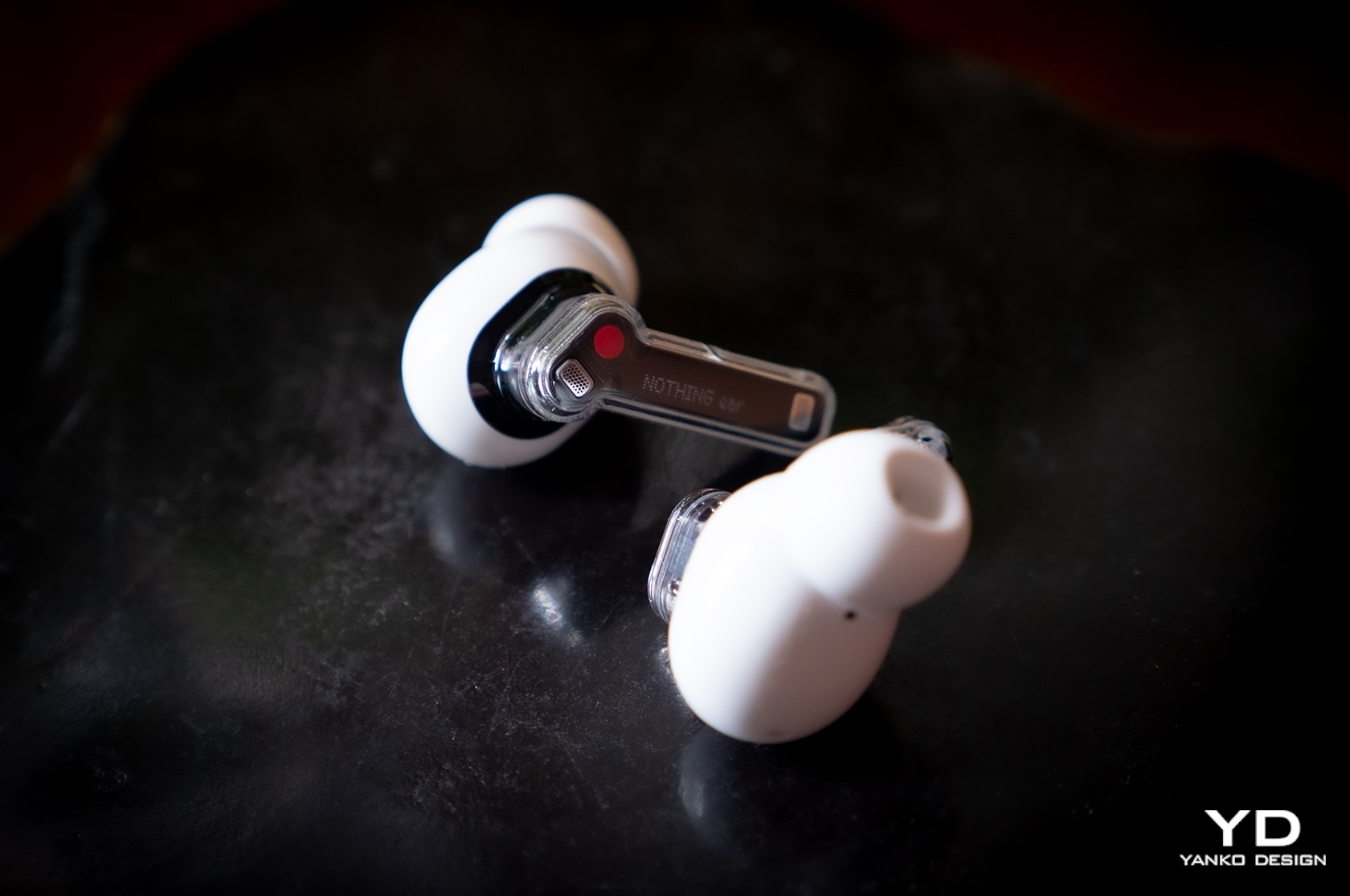
The Moto Watch 40, however, is neither of those and is walking the fine line between smartwatch and smart band instead. It has a rectangular body, more common with fitness trackers, but the size of the device and its general appearance are more in line with smartwatches. It has a screen that curves at the edges, giving it a refined appearance compared to the rugged looks of common fitness trackers.

At the same time, however, its limited functionality leaves no doubt that it isn’t a smartwatch either. It has a variety of sensors for tracking activity, including blood oxygen levels and even sleep, but you won’t be seeing a lot of the advanced functions and options you’d find on a smartwatch. It supports only viewing notifications, so you’ll have to pull out your phone if you want to reply to messages or even take calls. Its 10-day battery life may sound a little disappointing, but the Moto Watch 40 compensates with an advertised charging speed of 25 minutes only.

That combination of essential functions and stylish design will set you back for only $64.99. It might sound like a tempting proposition, especially when other fitness bands are either too expensive or too informal. That said, even a wrist-worn device might still be too conspicuous for some people, and a smart ring that would let them wear their favorite mechanical watches could be the perfect compromise instead.

The post Moto Watch 40 design straddles the line between smartwatch and fitness band first appeared on Yanko Design.

Google Pixel Fold 2 leak hints at worrying changes, questionable design

Just like with the Apple Vision Pro, Google’s entry into the foldable smartphone market has been a long time coming. Given how the Android maker itself has been rather slow on jumping on trends, there might have even been a chance that it would snub the form factor completely. After all, it showed tablets no true love, even if big Android slates have been around for years. For better or worse, Google did decide to join that bandwagon, which isn’t always an assurance that it will work on a second-gen device. Now it seems that a Pixel Fold 2 is indeed in the works, at least based on a blurry leak, but that small glimpse might be dashing some hopes, as word of Google’s big changes also comes with questions about its design goals.

Designer: Google (via Android Authority)

There are two distinctive elements of the Google Pixel Fold’s design. The most prominent is its camera bar, an approximation of the “visor” design that it uses on its Pixel phones. The other is the external or second screen’s wider aspect ratio, which meant that the unfolded device would also be wider and take on a horizontal or landscape form factor. It’s a design that was more conducive for wider content like videos as well as splitting the screen between two panels or two apps. More importantly, however, it meant that the folded phone was more comfortable to use and hold, almost like a regular phone.

A single leaked photo of the Pixel Fold 2 might be leaving some fans scratching their heads. The external display is noted to be narrower, as per the source, which inches it a bit closer to the awkwardness of the Samsung Galaxy Z Fold, though thankfully not yet on that level. This also means that, when unfolding the phone, you will be greeted with an internal screen that is more square than rectangular.

The biggest change, however, seems to be the camera, which moves away from the bar design to a bump that sits in a corner of the Pixel Fold 2’s back. It’s not the same square design as older Pixel phones, nor is it even similar to rectangular camera islands that run vertically down. Instead, it seems that this box will march across the width of the phone, taking up almost two-thirds of the space.

Granted, the photo is an alleged prototype only, so there is no guarantee that the final Pixel Fold 2 will take this form. If it does, however, Google might be facing a bit of a backlash for changing the design so drastically and in such an unappealing manner. It will be interesting to see how the Pixel Fold 2 will actually look like in the end, and we might not even see a shadow of it until Google I/O 2024, which should happen sometime in May or June.

The post Google Pixel Fold 2 leak hints at worrying changes, questionable design first appeared on Yanko Design.
Invite Serenity Anywhere with the Elegance of a Wood & Brass Incense Holder

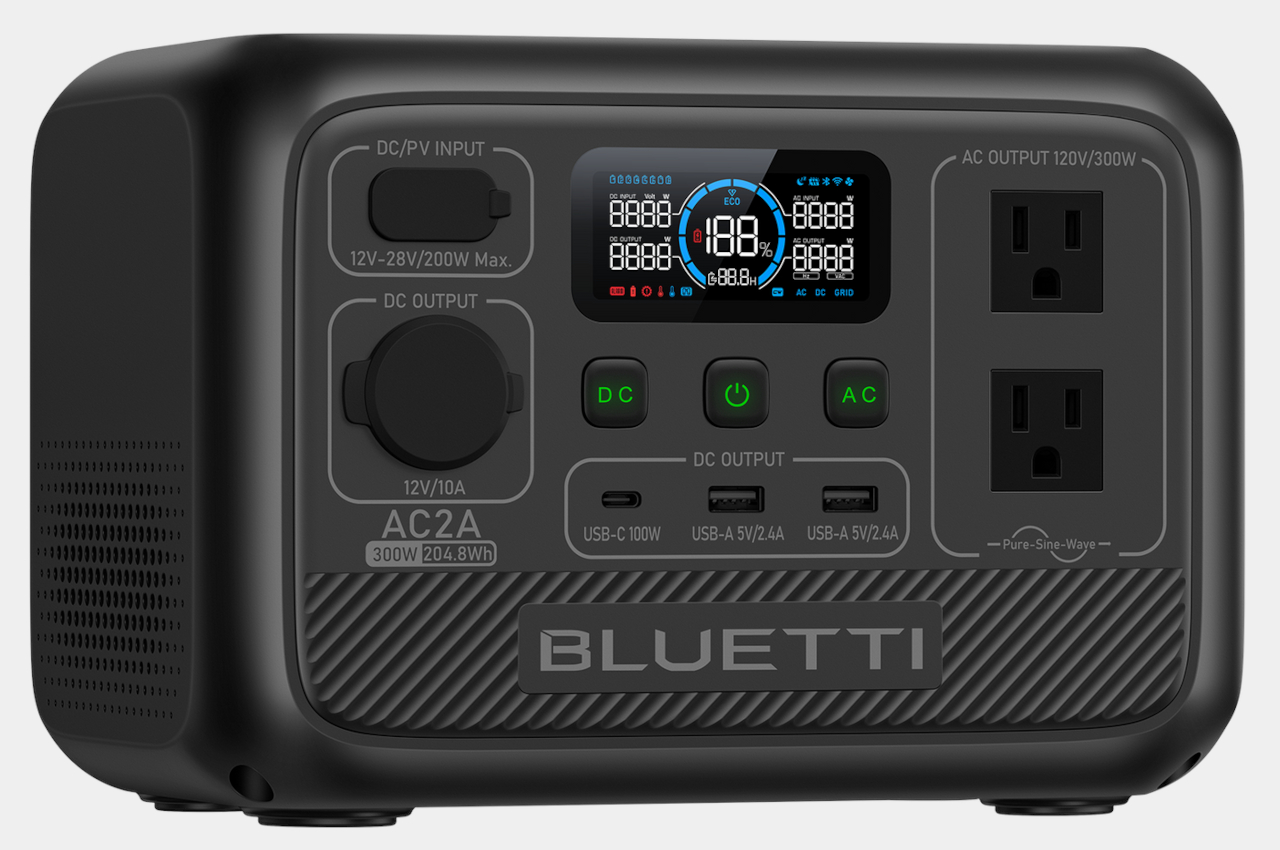
Whenever people think of fragrant aromas, most immediately presume something like essential oils. Of course, those aren’t the only way to indulge your nose, and some people prefer the smoky, woody, and unique scents produced by incense. Compared to oils, however, handling incense can be a bit of a hassle, especially the more popular long-stick variety. Never mind needing to light a small fire in the first place, making sure that the ashes don’t spill or get blown away can induce stress instead of calm. Fortunately, it doesn’t take much to fix this situation, and this elegant wood and brass box offers a simple yet effective solution to enjoy your favorite incense sticks safely and peacefully wherever you are.

Designer: Masami Tanaka of Takumi Tokyo

Click Here to Buy Now: $169 $199 (15% off at checkout). Hurry, Valentine’s Day sale ends in 48 hours!

Marrying walnut wood and brass in a seamless fusion that complements your living space.

You need fire to light up incense, and anything that burns always produces some residue, particularly ash. Regular incense stick holders, simple and portable as they are, barely do more than just hold up that thin, burning stick, leaving you with ashes to clean up, if they don’t get blown by a weak gust of wind and become fire hazards in the meantime. Rin is a simple yet beautiful solution that lets you carry those incense sticks with you, light them up for a few minutes of respite, and never worry about ash blowing in the wind.

The main body of this minimalist incense holder is made of walnut wood and is divided into two tiers. The lower tier has three long nooks that can hold five sticks each for a total of 15. Thanks to the natural properties of wood, each holder will be unique, both in the visual pattern of the grains as well as the texture and color, making each item a limited edition product.

The part that actually holds the burning incense is made of brass, a metal that is popular for developing unique and beautiful discolorations over time. The brass plate is recessed deep inside the wooden box so that the ashes don’t fly off after they’ve fallen inside. A matching brass cover can be used to snuff out the fire and also keep the ash secured inside until you’re ready to dispose of it properly.

The wood and brass elements, while contrasting in nature, beautifully complement each other and blend perfectly with any decor. The light brown of natural walnut brings out the golden yellow of brass, while the oil-painted darker colorway exudes a dapper character with the matching black brass cover and plate. And thanks to its small size, you can conveniently bring a bunch of your preferred incense sticks with you wherever you go, allowing you to enjoy brief moments of fragrant peace when and where you need it.

Click Here to Buy Now: $169 $199 (15% off at checkout). Hurry, Valentine’s Day sale ends in 48 hours!

The post Invite Serenity Anywhere with the Elegance of a Wood & Brass Incense Holder first appeared on Yanko Design.
Smart piggy bank concept brings the Bitcoin feeling to physical coins

Cryptocurrencies like Bitcoin and its cousins were supposed to revolutionize the way the world sees and uses money, but it will take more than just a few revolutionary ideas to change a system that has been in place for centuries, even millennia. That said, the craze did reveal a few advantageous features, particularly the handling of money through digital wallets. Of course, the latter only makes sense for the money you’ve already “digitized” through banks, digital or otherwise, not so much for the money you still have at hand. That’s especially true for coins that are often chucked into containers, presuming they don’t get lost, and are almost forgotten. This concept design for a “smart piggy bank”, however, gives importance to every dime and penny, allowing you to really see where your money is going, even if still exists in physical form.

Designer: Guilherme Ferreira, Pietro Vitelo, Gustavo Billo (Breathe Design & Strategy)

Digital wallets that let you monitor the flow of your money have been around for a long time now, but it wasn’t until the cryptocurrency craze became mainstream that people started to realize the benefits that such a system has to offer. In particular, it gave people more direct control over the money they have in their accounts, especially when it comes to monitoring how much goes in and out of their savings. Real physical coins, however, aren’t as easy to handle and they often get dropped anywhere and lost, money that could have added up to big savings over time.

1

Smart Piggy is a concept that upgrades the iconic pink piggy bank into something fit for the 21st century. In a nutshell, sensors on the slot at the top of the pig-shaped device detect when a coin is inserted and pass this information to a connected smartphone. The mobile app, which is actually the center of the whole experience, is where users get to monitor the comings and goings of their savings, particularly those from the Smart Piggy. It’s a simple feature that has a significant impact on user behavior, encouraging people to actually pay attention to where those coins go.

The concept does leave a few details open to interpretation, like how the system will be able to identify different coin denominations. It also doesn’t mention anything about taking out coins from the piggy bank, so presumably, the coin detection and monitoring is a one-way street. Still, it touches on the possibility of an implementation that can take into account both cash flows, so to speak, giving people not only the tools they need to keep track of those coins but also the motivation to actually pay attention to where they go.

The post Smart piggy bank concept brings the Bitcoin feeling to physical coins first appeared on Yanko Design.
Smart tea bottle lets you brew your calming beverage anywhere you go

Coffee is often touted as the fuel that runs the world, but not everyone is a lover of the brown liquid. For others, tea is what gets them going, whether perking them up for the work ahead or putting them in a more relaxed state. But just like coffee, good tea isn’t something you can just make any time, even though it’s technically a bit easier to steep and infuse tea leaves compared to coffee beans that still have to be ground. Keeping the freshly brewed tea still fresh when and where you actually want to drink it can also be a bit of a problem, especially if you spend a lot of time outside. This portable smart bottle solves all of that by letting you brew your favorite tea anywhere you need it and keeping it warm so you can enjoy it all day, wherever you go.

Designer: Bota

To be fair, you can actually brew tea anywhere as long as you have all the necessary pieces, which include the tea leaves, a way to boil water, and a brewing chamber to steep the leaves in the water. The problem is that you need to bring that many pieces with you, which is almost the same as saying you can’t. That’s where Bota comes in, an all-in-one smart tea bottle that lets you do all of those, keep your brewed tea hot, and let you enjoy your favorite flavors as you go about your day or even night.

Bota includes everything you need in a single bottle. It holds and then boils water at the specific temperature you need for brewing. It has a steeping chamber to hold the tea leaves separately from the rest of the bottle, allowing for hassle-free cleaning afterward. And it can keep that tea hot for about 12 hours, presuming you don’t finish that delight cup before then. Drink a hot cup of tea any time or brew a fresh batch when you get the chance. All you need are the tea leaves and water.

Despite all those features mashed together, Bota manages to come in a sleek and portable form, making it easy to throw the bottle in your bag when you’re in a rush (after you’ve securely closed the lid, of course). There are no complicated buttons either, just a single touch screen and button to set the temperature and start the boil. It’s a stress-free experience for making a drink that’s associated with calmness and relaxation.

There’s also an indirect sustainability angle to this portable device that also gives you a good feeling while you take a sip. You produce less waste by doing away with single-use cups and using tea leaves directly, so you can make as much tea as you want without adding to the planet’s trash problem. This way, you can relax and enjoy your favorite drink knowing that you’re healthy lifestyle doesn’t come at the cost of the Earth’s health.

The post Smart tea bottle lets you brew your calming beverage anywhere you go first appeared on Yanko Design.
World’s smallest smartphone turns into a gaming handheld with this case

Gaming smartphones are quite the novelty in the mobile world, but despite their advertised or actual gaming chops, they often lack the necessary controls that would put them on par with consoles. Conversely, most of these gaming smartphones have designs that make them a little less appropriate for more formal environments with their flashy RGB lighting and distinctive motifs. A middle ground between these two extremes would be to slap on some controllers on “normal” but premium handsets, effective but also a little too mundane these days. This rather unusual phone case, however, tries to add a new flavor to mobile gaming by introducing not only an unusual controller design but also by making it exclusive to one of the weirdest and cutest smartphones in the market.

Designer: Sugar Cubes (via Retro Dodo)

The Unihertz Jelly Star is obviously not your typical smartphone. With a size that’s no larger than a credit card, the tiny device is advertised as the world’s smallest Android 13 smartphone, a title no one will probably try to wrest away from it anyway. With a 3-inch screen, a transparent colored back, and some rather reasonable specs for its size, the Jelly Star is probably also the world’s cutest smartphone.

A Chinese accessory maker by the name of Sugar Cubes is taking that cuteness and turning it into something that even gamers will find alluring. Rather than simply attaching controllers, which would be gigantic compared to the Jelly Star, you will instead insert the tiny phone into a large, boxy case that transforms it into a rather unusual gaming handheld that is more reminiscent of the “Game & Watch” devices of old than any modern handheld console. Even the controls themselves are in non-standard locations, even though they provide most of the standard buttons, including a joystick.

There seem to be two designs for the Sugar Cube Jelly. One has the Unihertz Jelly Star lying horizontally and near the top, giving the device a more Game Boy-like appearance, though short in stature. The other has the phone standing vertically in the middle, flanked by two sets of controls, a design closer to the Nintendo Switch by some stretch of the imagination. Details on how the small phone will be inserted into the case are still slim, though it seems that the vertical design will simply have the Jelly Star slip into the case from the side, with one of the controllers swinging open like a flap.
The unconventional and eye-catching design of the Sugar Cube Jelly makes it perfect for branded merchandise, theming the colors and decals accordingly. That said, there’s still no word on when this product will actually hit the market, or if it will even be made available outside of China. Even then, the Unihertz Jelly Star isn’t exactly oozing with power, so while you might be able to comfortably run some retro games via emulation, forget about boasting your odd contraption while playing Genshin Impact.
The post World’s smallest smartphone turns into a gaming handheld with this case first appeared on Yanko Design.