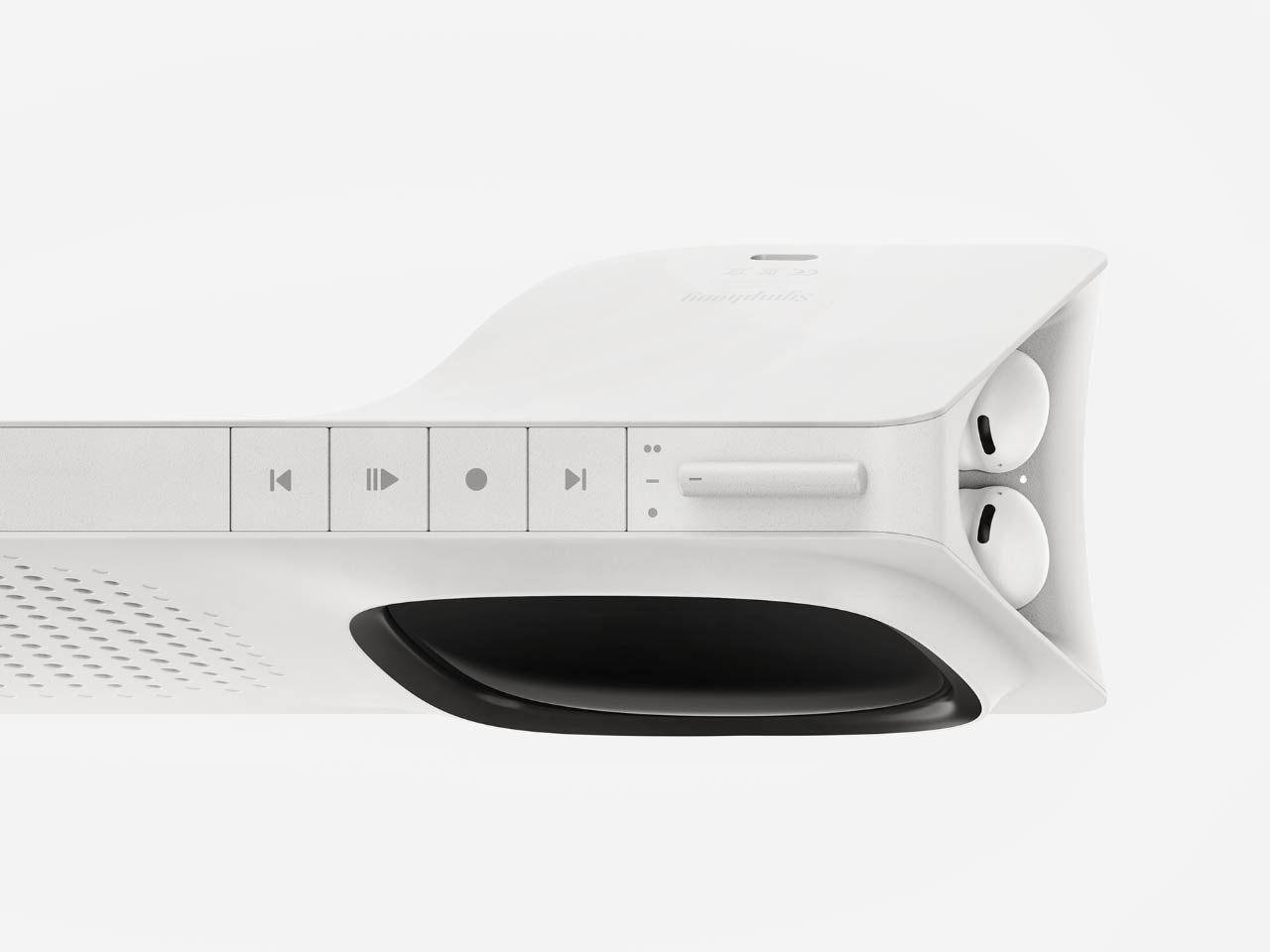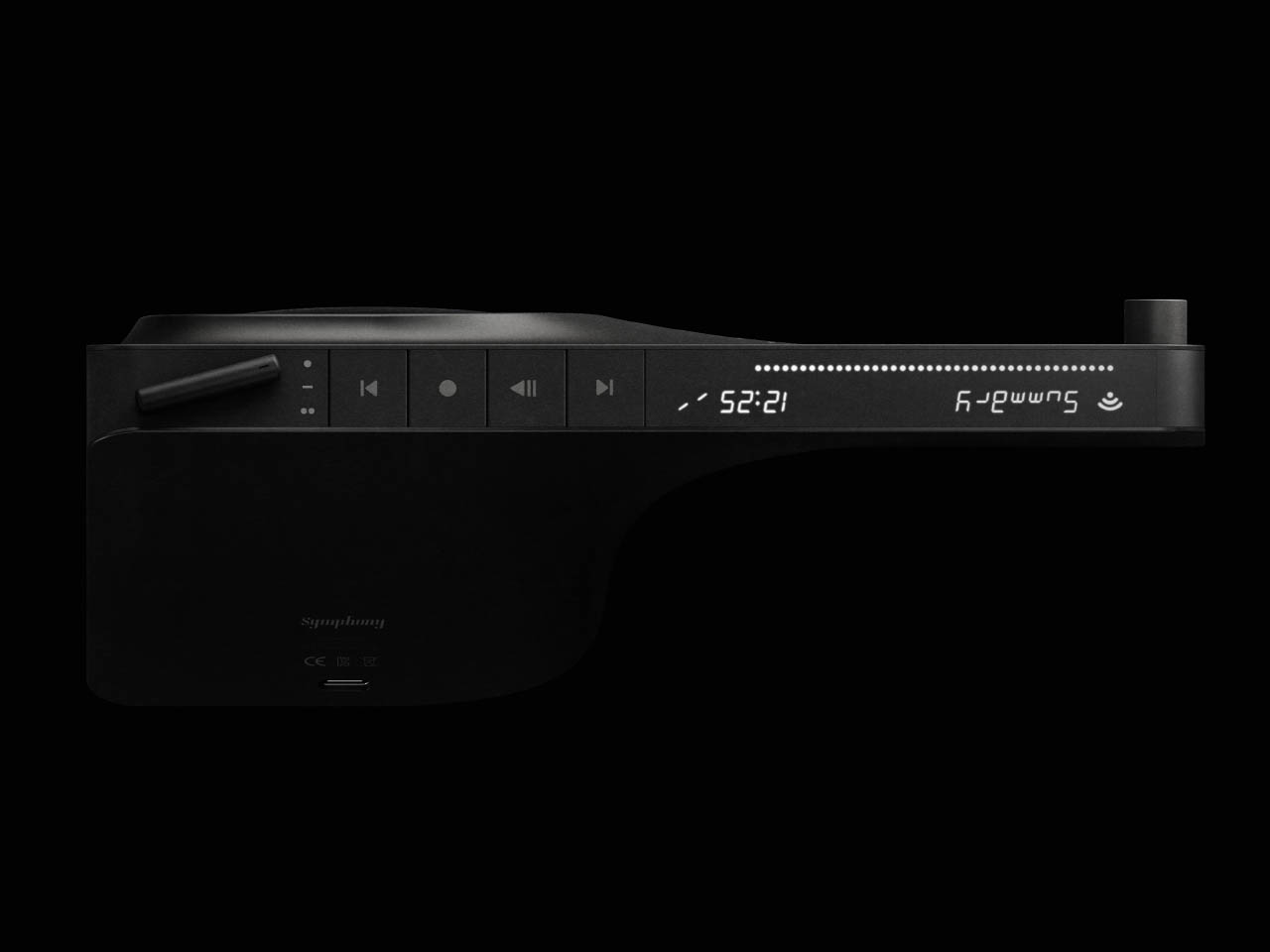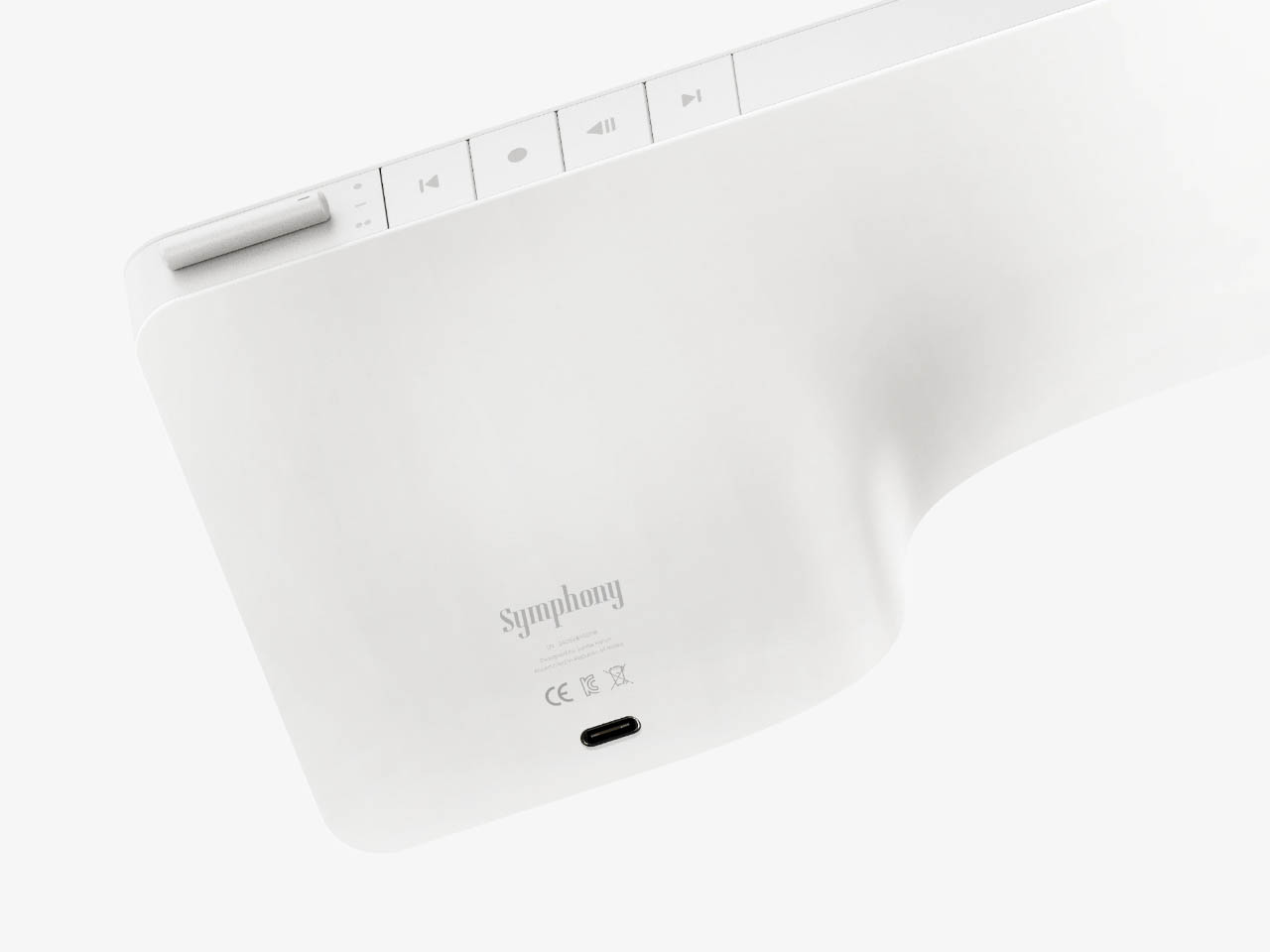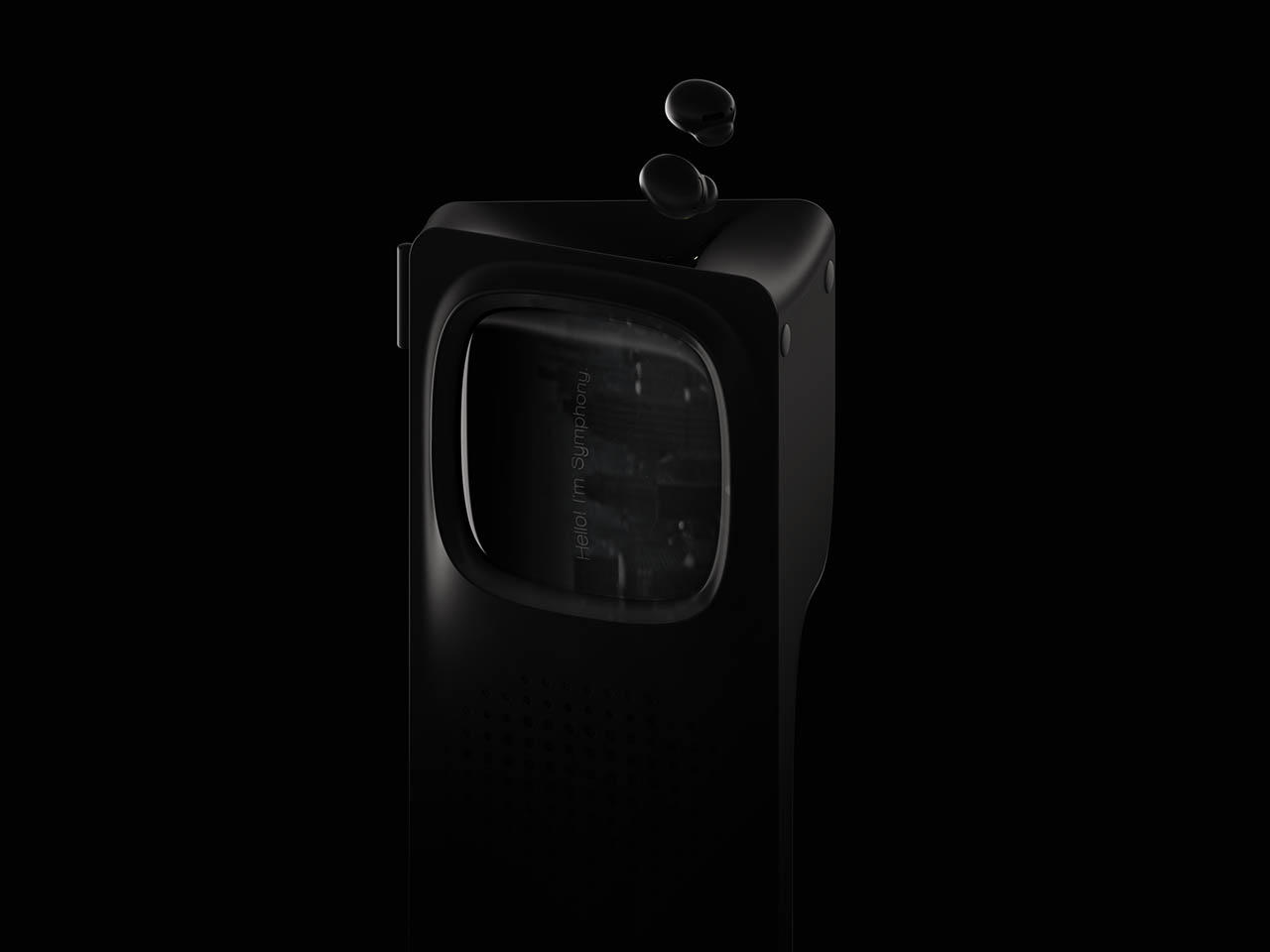
Space-saving bookends double as a modular wireless speaker system

We seem to always be running out of space on our desks. Any free area that we get often quickly becomes occupied by a new thing, a tool, or a book, that we can always justify as necessary. And then there are purely decorative items that, while not serving any practical function, serve to put us in a good mood. Sadly, those reasons don’t remove the fact that they still take up precious space that could have been used for other things. Cutting down on the amount of “stuff” on your desk is one possible solution to this conundrum, but another is to use multi-functional products that serve more than one purpose, like these rather aesthetic bookends that are actually speakers in disguise.

Designer: Liam de la Bedoyere

If there are two things that are standard on a modern desk, it would be books and speakers. The former is often essential for work, even if just for appearance’s sake, while the latter is necessary to keep our minds sane with our favorite music and podcasts. They might even be necessary for the video meetings that are becoming more common these days. Naturally, these things will need some space on your desk, so why not combine them in a way that still retains each product’s identity while also bringing a fresh twist to their designs?

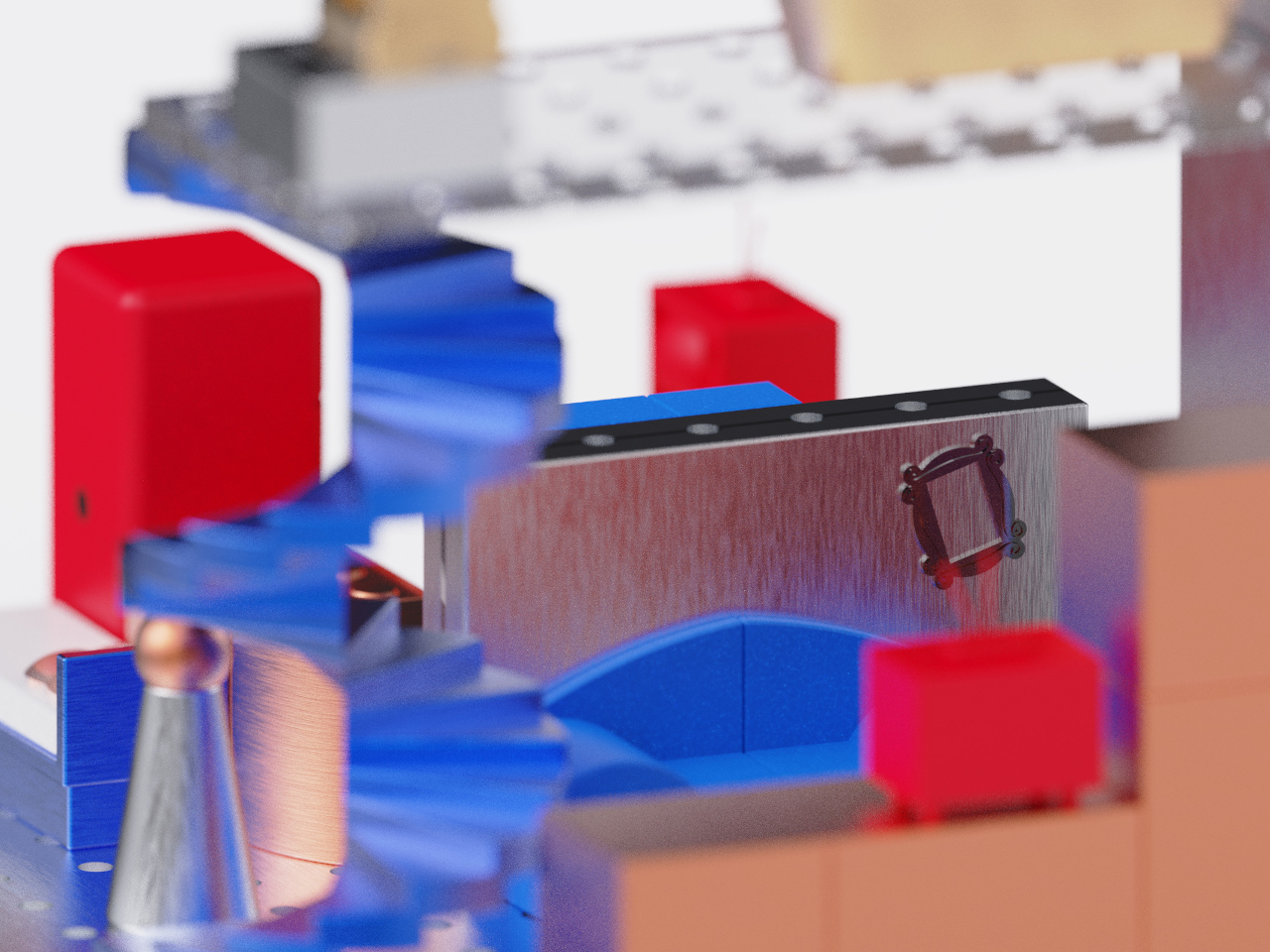
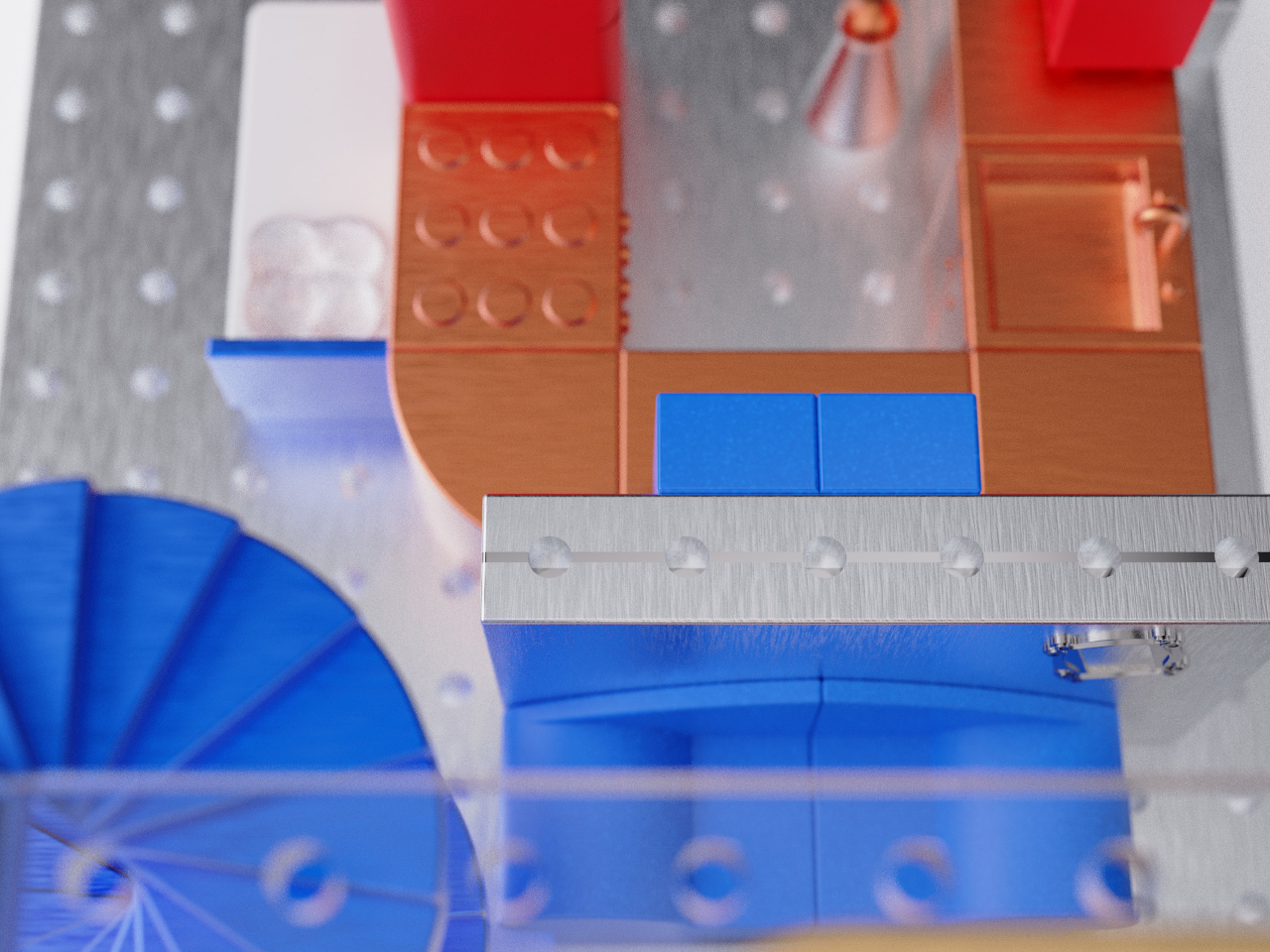
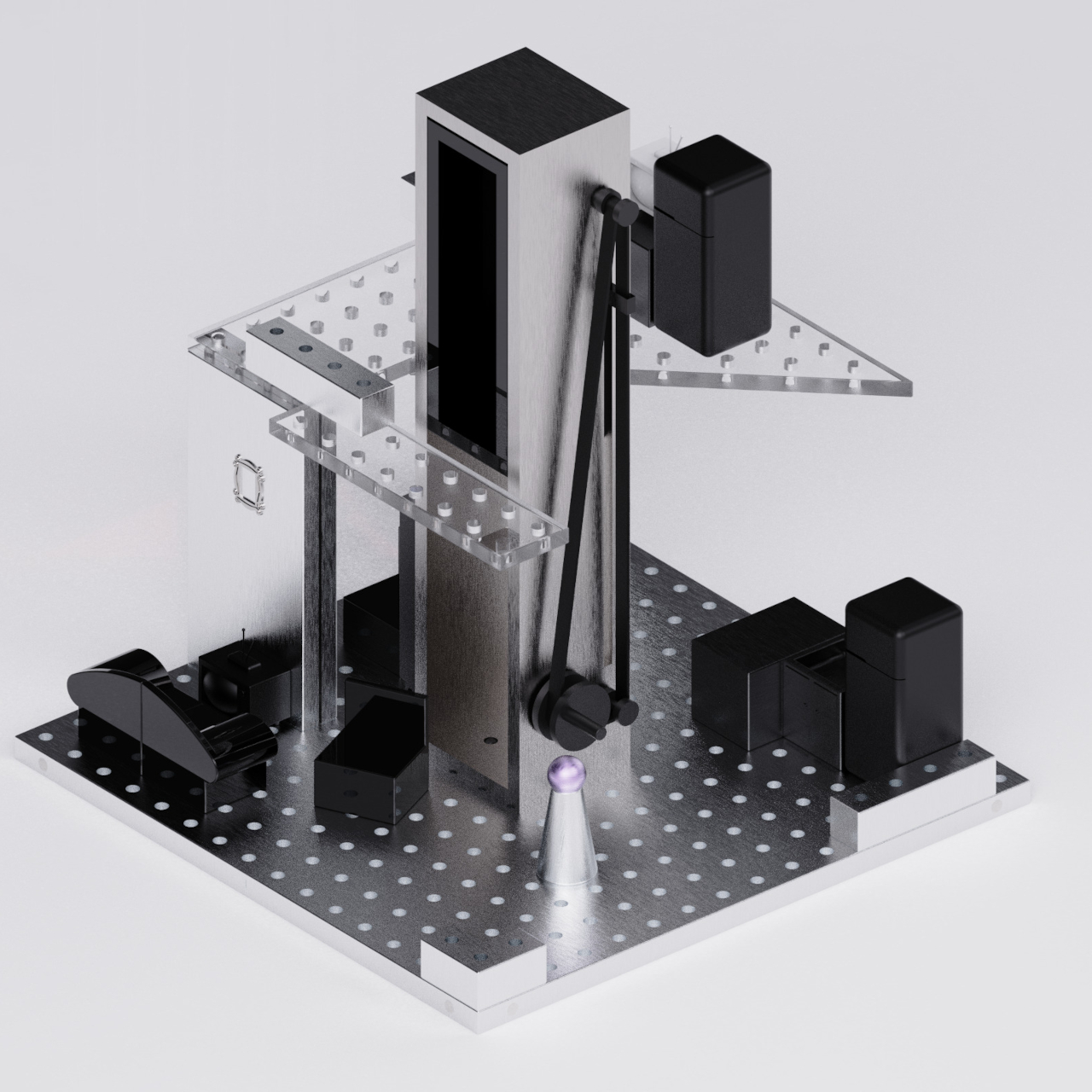
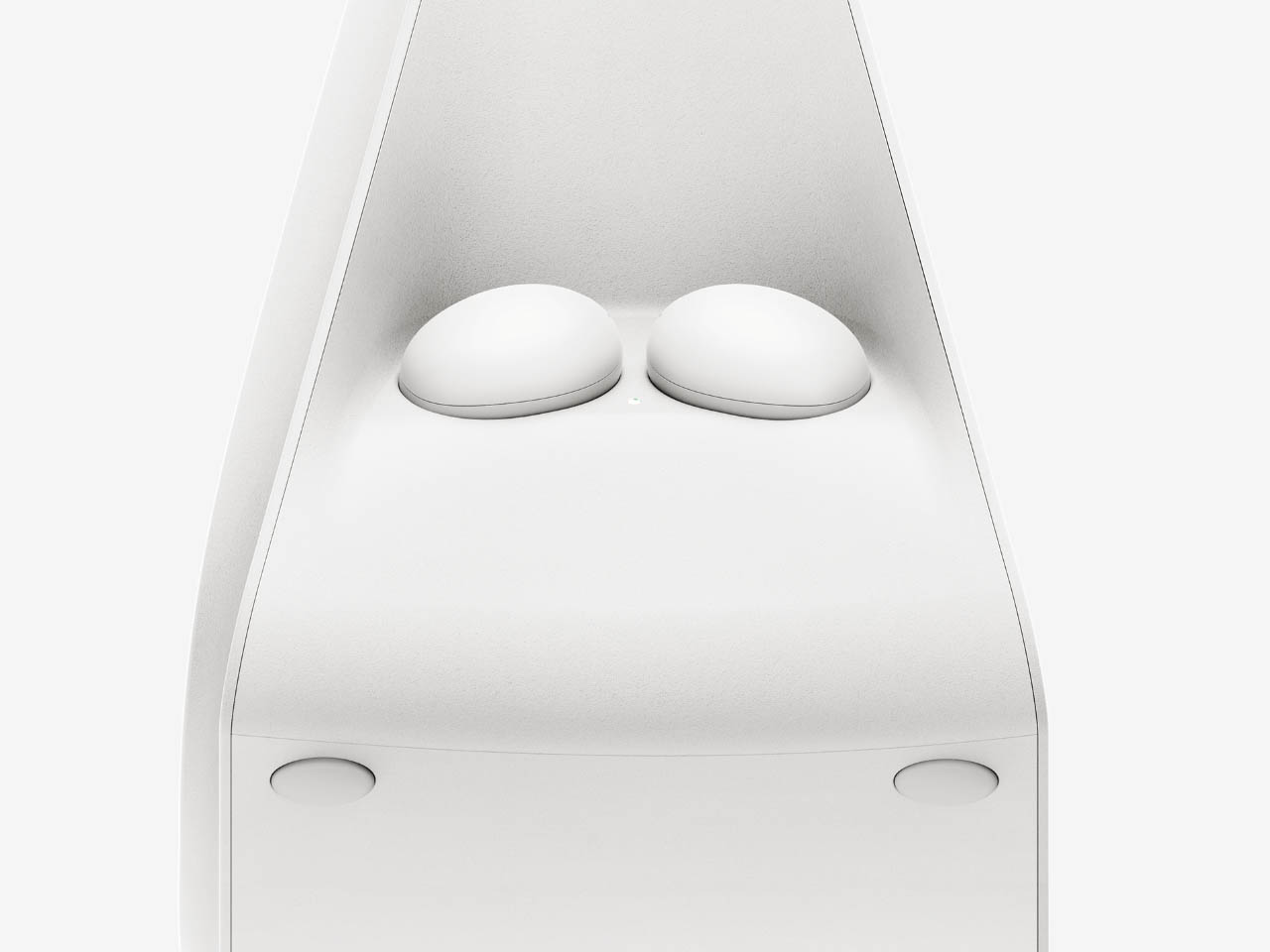
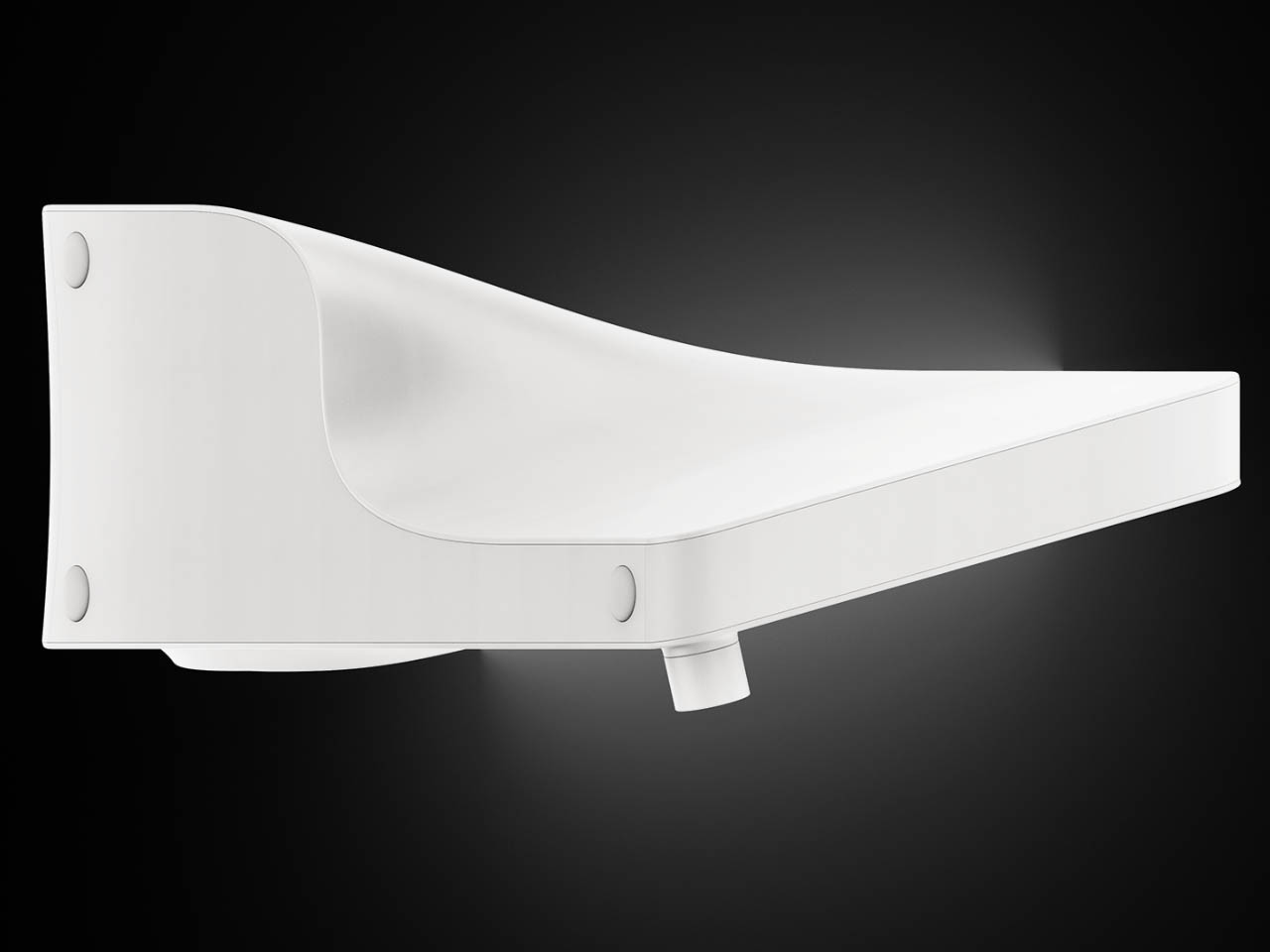
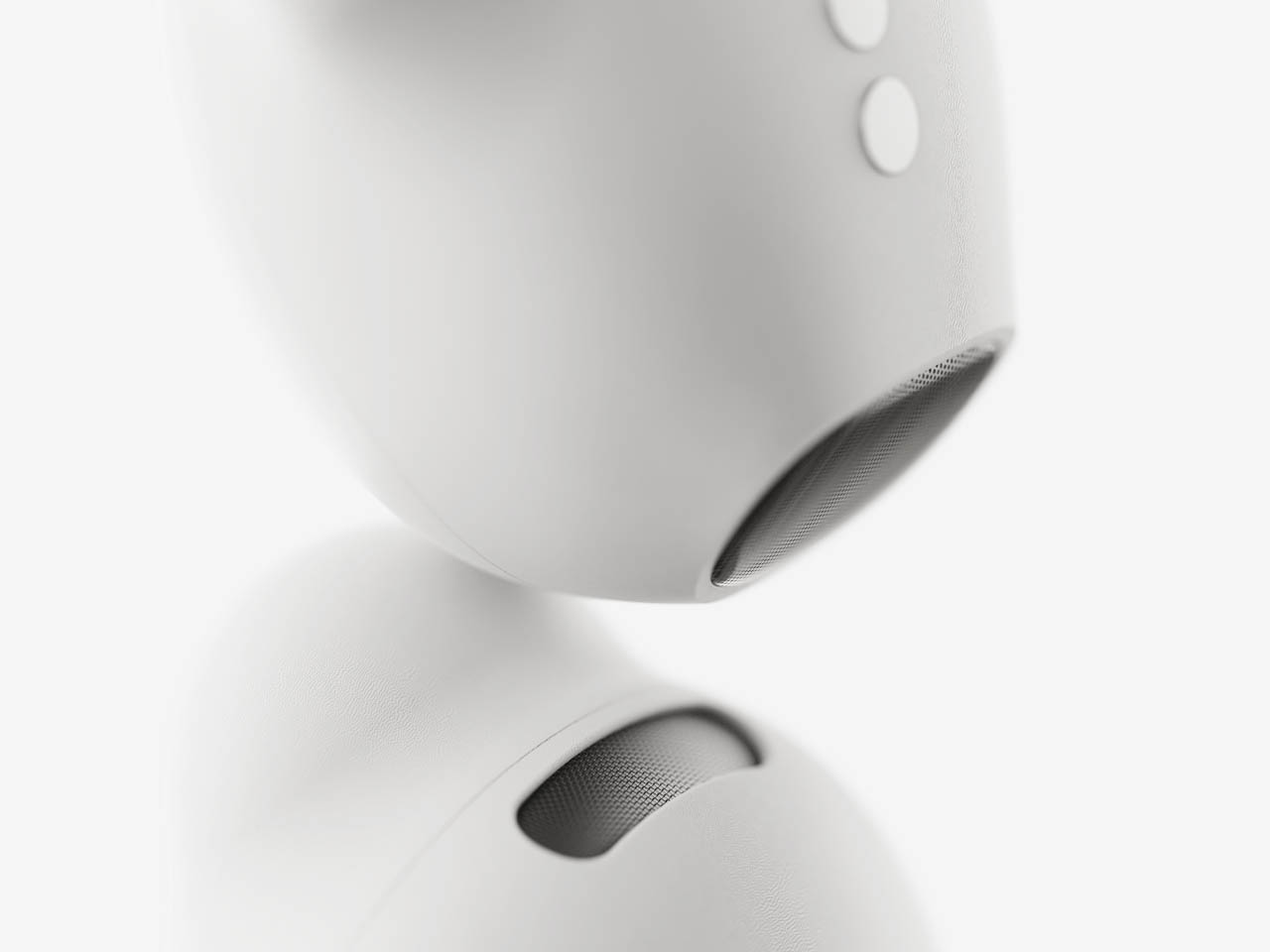
The Beat Bookends concept does exactly that by transforming bookends into two parts of a speaker system. Specifically, the triangular shapes that sit on either end of a row of books act not only as stable structures to keep your reading materials upright but also serve as front-firing speakers. Although it probably would have been enough to just have two wireless speakers performing this function, the design concept actually includes one or two more speakers for an even better audio experience.

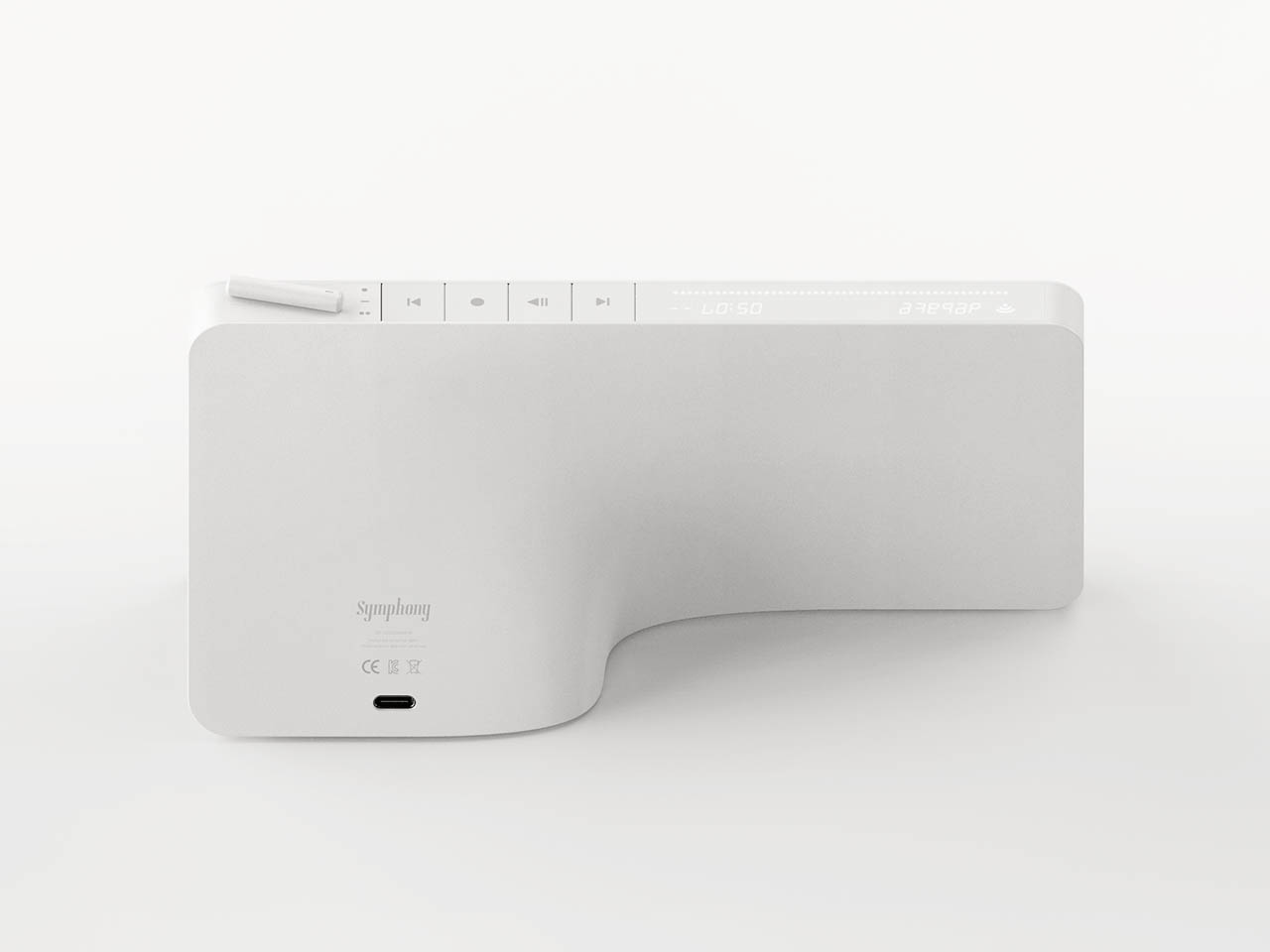
The bookend speakers are actually just the “satellite” speakers, and a rectangular block serves as the main unit you connect to. This piece can stand in the middle of your row of books to add a bit of variety to the composition, or it can even be placed anywhere else to set up a spatial audio arrangement of sorts. Another rectangular speaker block can even be added to the mix for an even louder and more distributed audio output.

What’s interesting about the Beat Bookends concept is that it isn’t limited to actually being used as bookends only. With a flexible building block concept, you can mix and match pieces and arrange the speakers in different ways, even if you don’t have books to stand on your desk or shelf. You can combine the speakers in more interesting arrangements to provide not only audio but also a bit of decoration on your desk, hitting two birds with a single stone.

The post Space-saving bookends double as a modular wireless speaker system first appeared on Yanko Design.

Modular media player concept brings iconic Winamp design to the physical world

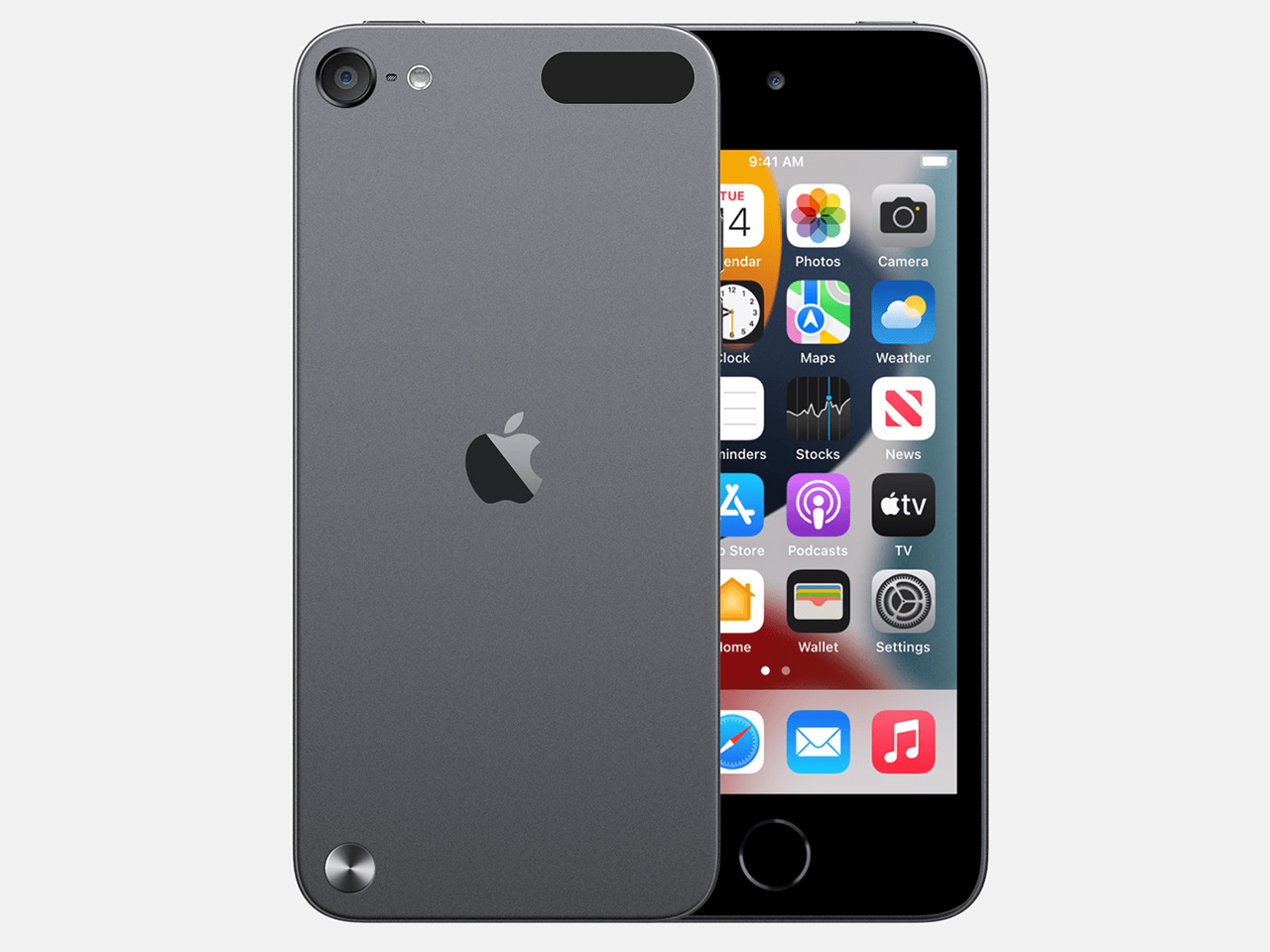
With almost everyone owning a smartphone these days, the need for dedicated media players has plummeted significantly. That’s not to say they’ve completely disappeared, especially those types that can be placed and displayed on desks or shelves. The retro design craze has breathed new life into old products like turntables, but these aren’t the only designs from bygone ages that deserve to be rediscovered. Some of these old-school designs come from the digital realm, where some software have achieved near immortality thanks to their distinctive user interfaces. Winamp is one of those iconic faces when it comes to music player applications, and this concept turns that into an actual device that, just like the digital original, can somewhat be configured to suit your needs and moods.

Designer: Eslam Mhd

By modern standards, the original design of the Winamp media player app is clearly outdated, but it remained a darling until recently because of its flexibility. It supported using different skins to personalize the software’s appearance, which naturally led to hundreds of designs, some of which might even make you want to gouge out your eyes. At the very least, Winamp followed a LEGO-like design where you can move parts of the app around or even remove them completely, depending on your needs.

This concept design for a device of the same name follows the latter aspect of Winamp’s design, particularly the ability to move its three main panels around or even leave one out. Like the original Winamp, the media player device has a component for the actual media controls with a single-line display for the current music, one for the equalizer, and another for displaying album art and the playlist. All three can be stacked together for a tall device that is propped up on a desk using the built-in kickstand of the equalizer. Or you can switch them around leaving only two components visible, as long as the equalizer is there to act as the base.

1

You can, for example, only have the media controls and the equalizer if you don’t mind not seeing the list of tracks and the album art. Or if you already have a fixed equalizer setting, you can put either the media player or the album display above it and then snap the other component in front of the equalizer to hide it. You can even show only the media player itself, with the other two hiding behind it. These components connect using strong magnets, so no rewiring is needed to make instant changes to the combination. And at the end of the day or if you want to take the device with you, you can simply collapse all the components in a sandwich and carry it around.

What’s interesting about this particular design is that it uses physical controls like sliders and buttons instead of simply employing a touch screen to offer the same interface. It’s like reverse skeuomorphism, where the digital user interface mimics the appearance and behavior of physical controls. Of course, this more physical design means you don’t get to use skins anymore, but it’s a small price to pay for such an intriguing device.

The post Modular media player concept brings iconic Winamp design to the physical world first appeared on Yanko Design.

Bowl-shaped chair concept offers geometric beauty at the expense of ergonomics

Just like a table, the most basic requirements for a chair are quite simple. It needs to be strong and stable enough to actually sit on, but comfort and convenience seem to be more open to interpretation than any other design element. Some brutalist designs look a little painful to sit on, meeting only the bare minimum of a chair, while others let your body literally sink inside its plushy cushions and make it difficult to pull yourself out quickly. And then there are designs like this concept that espouse simplicity and minimalism to convey a sense of beauty, but the end result, while visually successful, also raises concerns about its actual usefulness and comfort.

Designer: Mauricio Coelho

A chair isn’t a simple form that can be expressed in a single shape. After all, there are a few interconnecting planes needed to give it legs and an actual seat. A backrest is common but not obligatory, and armrests are even more optional. The Oco chair concept comes close to that simplicity of form while still providing a visually interesting piece, and it accomplishes that by employing a shape you wouldn’t always associate with a chair.

Bowl-shaped chairs are uncommon probably for a reason. A hollow half-sphere might not be the most comfortable thing to sit in unless you fill that space with cushions like what the Oco chair does. With extremely thin planes for legs, the bowl almost looks like it’s floating in mid-air. Made using carbon steel and fiberglass, the chair brings structural stability while also providing some subtle material details, like the wood-like grains of the spherical body.

But while it is indeed a sight to behold, closer inspection might make you rethink the comfort it promises. The thick cushions do look plus, but they might not provide enough support for the person’s back. Or at the very least the back cushion doesn’t have enough height to support someone leaning back, forcing them to sit upright without proper support, straining their body over time.

The bowl’s edges are also left exposed, which could scratch, cut, or press on a person’s skin, especially on the back of the legs and forearms. A few slight modifications, like lining the edges with soft fabric or changing the angle of the bowl could help improve the ergonomics of the design without ruining the simple geometric beauty that this concept wishes to convey.

The post Bowl-shaped chair concept offers geometric beauty at the expense of ergonomics first appeared on Yanko Design.
Air drying rack can make your clothes smell nice and your room look pretty

One of the most annoying smells I can think of are clothes that dried indoors and did not get any air circulation. That musty smell can be suffocating, even if the clothes were actually cleaned upon washing. Those living in houses or condo units that do not have proper airing space for wet clothes may be familiar with this smell. But what if you can have a drying rack that not only helps your wet clothes dry but also add a pleasing scent to it even as it’s not actually aired outdoors?

Designer: Seungbin Lee

This is the idea behind Air Blossom, a concept for an air drying rack for those living in single households that don’t have proper air circulation. It lets your clothes dry while getting rid of the musky smell that comes from drying indoors through scent filters that are part of the drying process. Aside from this fragrant innovation, the rack can also turn into a display when not in use. Clothes drying on a rack are not the most aesthetically pleasing sight but afterwards, you can turn the rack into a piece of art in the background of your space.

On the surface, it looks like a folding table when not used for anything. When you unfold it and lock it down, it turns into an air drying rack that can is able to rotate your clothes as they dry. There is a filter on the side where you can put your preferred scent so your clothes will not have that dried inside musty smell. When you fold it up and want to use it as a display, the “blinds” close together to form a photo or a painting. It’s unclear if the image and the scent can be customized or if you have to choose from the different options available.

The photo renders show the air drying rack in different pastel colors so maybe you can choose from the one that can fit your home. As someone who lives alone and barely does any clothes washing but maybe still needs it every once in a while, something like this can come in handy.

The post Air drying rack can make your clothes smell nice and your room look pretty first appeared on Yanko Design.
Sleek self-driving air purifier robot can go where it’s needed the most

The air purifier market saw a huge uptick in the past years as homeowners became more aware and concerned about the quality of the air they breathe indoors. A single machine is enough to satisfy the needs of a room or a small apartment, but bigger domiciles would need more units to cover the wider space or numerous rooms. Of course, people won’t be in all those spaces or rooms at the same time, and managing multiple air purifiers could be a tiresome task, even if they’re all connected to your smartphone. What if the air purifier operated only where it’s needed, like in a place where the air quality is too low for comfort? That’s the idea behind this concept design for this elegant air purifier that can indeed go to those areas, using technologies already in use today.

Designer: Gwan-deok Seo

Air purifiers these days, at least the more sophisticated ones, can already detect air quality, but it’s more for automatically adjusting the level of purifying they do more than pinpointing where the poor air is. Robot vacuum cleaners, on the other hand, have become so advanced that they can effortlessly navigate around your home, mapping the floor layout on their own and avoiding all kinds of obstacles. There’s very little reason why these technologies can’t be combined, at least aside from the space they might take up on a single machine.

Puyager is a concept that does mix these two seemingly different worlds together in a harmonious manner and with a compact design. Of course, it can’t just be a low, disc-shaped machine like most robot vacuum cleaners on the market. It would be too cramped to include the necessary parts for sucking in, filtering, and blowing out air. At the same time, however, a box or cylindrical design similar to typical air purifiers would be too bulky, not to mention unappealing for something that will be moving around your house.

The shape chosen for this robot is an egg or at least the top half of one. This allows the bottom section to still be that round shape that makes robot vacuums efficient in moving around while leaving enough room for electronics and air circulation. Unlike a simple dome, however, Puyager has a gap between the left and right halves of this egg, providing an outlet for clean air to be released. The top edge of this gap houses the touch-sensitive controls that let owners minimally operate the machine without having to reach for their phone.

The end result is a product that looks stylish and elegant, a perfect fit for any home. Even while stationary, Puyager looks like a piece of decoration more than an appliance, adding a bit of visual value whether it’s busy purifying the air or just idling. Admittedly, its performance in actually detecting poor air quality and rolling over there to clean it is something that still needs to be tested, but the design is definitely a good starting point for a more modern and more human-centric solution to air quality at home.

The post Sleek self-driving air purifier robot can go where it’s needed the most first appeared on Yanko Design.
Phone-powered smart speaker concept reads your mood to play the right music for work

Not everyone likes listening to music, but even those will perhaps begrudgingly agree that certain kinds of music can have different effects on one’s mood or mental state. Next to entertainment or the sheer joy of listening to favorite tunes, the most common use of music is to set the right mood, whether it’s to relax, to get pumped, or to be more productive. That said, musical tastes can be quite subjective, and even the kind of harmonies that you like could be affected by your mood at any given time. It can be quite taxing to change playlists or tracks every time, so rather than relying on your fingers and your own mind, why not let your phone do the work for you? This desk speaker concept does exactly that, analyzing your mood and picking the right music to help you finish your work, studies, or any other task you need to get done.

Designer: Junyoung Lee

People who love playing music while they work most likely have a library of tunes selected to help massage their grey matter, especially during slow hours. Unfortunately, the effectiveness of music can be thwarted by moods, emotions, and physical conditions. Sometimes we’re just stuck in a slump and manually picking out a more appropriate playlist only adds to the stress and traps you in a vicious mental cycle.

MIX:X is a smart speaker system that uses the power of your smartphone and machine learning to automate that process so you won’t have to lift a finger when your brain or heart is just too tired to care. You simply dock the phone in front of the tall, boxy speaker to start the process. The large camera at the bottom keeps a constant watch on the person’s face in front of it, particularly their facial expressions, and using computer vision, machine learning, and algorithms, it tries to identify the mood that the person is in. Depending on what mood that is, it will switch to a different playlist that will help get you into a more productive working state.

Part of the MIX:X speaker’s solution is actually not the device itself but the app that comes with it. Here you select the songs that you like and associate them with certain moods. The app’s AI analyzes the music selection and uses that as a pool to choose from when your mood shifts one way or another. It doesn’t simply get music out of thin air (or the Internet), giving you some amount of control to limit the choices to your preferences.

In that sense, the MIX:X speaker is simply a box with speakers facing sideways and a camera, though it definitely has an interesting aesthetic. It has transparent panels for its sides and back, putting the sophisticated electronics inside on display. The rest of the device’s design is pretty minimal, with a single dial for the volume. If there’s one glaring flaw in its design, it’s the fact that it seems to support only a specific model or size of a specific phone, namely an iPhone, which severely limits how much this concept can be used outside of that single device.

The post Phone-powered smart speaker concept reads your mood to play the right music for work first appeared on Yanko Design.

Handheld gaming console concept offers lifestyle features that go beyond gaming

Thanks to devices like the Steam Deck, ASUS ROG Ally, and Lenovo Legion GO, handheld PCs are becoming more common and more acceptable in the public’s eyes. That horizontal orientation, while more gaming-oriented, isn’t the only possible design, nor is it even the best option. There are other styles, particularly the laptop-like clamshell design, that offer a user experience that is slightly different but also a bit more flexible in its features. Of course, just because it looks like a mini laptop doesn’t mean it has to behave like one, and this particular handheld console concept stretches that design a bit further to transform a gaming device into a lifestyle product.

Designer: Viet Doan Duc

ORBIS, the name for this design concept, wouldn’t be the market’s first clamshell gaming handheld. Chinese brand GPD has been making such devices for years, and recently rival AYANEO even put out two designs for such a portable gaming machine, including one that tries to recreate the experience of the Nintendo DS. What ORBIS does differently, however, is how it gives as much attention on features that let users personalize the device’s appearance as on the specs that drive the use of the gaming computer.

One simple yet significant example is how the removable ABS cover on the lid lets you customize the appearance of the device while also opening the doors to branded accessories. While you can also just slap on stickers like you would on a laptop, this system is more flexible, allowing users to swap out covers depending on their mood or style, just like how you could easily switch cases on smartphones. There is also RGB lighting encircling the analog sticks, delivering not only a gamer aesthetic but also increased visibility in the dark.

The ORBIS handheld takes a bit of inspiration from the Nintendo DS with its second screen right below the gamepad controls, but it also goes beyond what Nintendo’s popular handheld could accomplish. Because it is a gaming PC more than a closed console system, that touch screen can be used for different purposes, including a virtual keyboard. The typing experience will be awkward and difficult, yes, but it’s significantly better than what’s offered on the likes of the Steam Deck and ROG Ally.

Admittedly, some parts of the ORBIS concept are a bit too idealistic, like the use of an ARM-based CPU (versus Intel or AMD) together with a high-end NVIDIA RTX graphics processor. Having two 5,200mAh batteries inside such a small and compact device is also unrealistic, without even considering things like thermal management and charging speeds. Of course, as a concept, it’s not wrong to sometimes shoot for the sky, and thankfully, some of the ideas here can actually be easily implemented, especially the parts that can significantly improve the user experience by simply allowing owners to customize their device to their hearts’ content.

The post Handheld gaming console concept offers lifestyle features that go beyond gaming first appeared on Yanko Design.

Nike is pushing the ‘Air’ to make a difference in the athletes’ stride at the Paris Olympics and beyond

While athletes around the globe are preparing to compete at the Paris Olympics this year, there is one company that is pushing “Air” to make a difference in the competitor’s stride. We are talking about Nike which is going futuristic with the new Blueprint Pack, its upcoming set of sneakers that will thrive on the boundless properties of its Air cushioning for the athlete’s foot.

When it comes to long-distance runners’ preference for shoes, Nike is the name to reckon with. This is not only because of the brand name and robust marketing but also because the Swoosh brand has, over the years, perfected the comfort for enhancing the runner’s performance. With the new list of 13 products that will be released in time for the Summer Olympics in Paris, Nike is also targeting a new range of sports, including track, basketball, football, and even lifestyle footwear.

Designer: Nike

Besides, Nike is also showcasing A.I.R (Adaptive Intelligence Responsive) concept footwear in Paris, planned in collaboration with champions of their repute including Eliud Kipchoge, Kylian Mbappé, and Sha’carri Richardson and more. These never-seen and idealized designs are a glimpse of the future of sports shoes meant to revolutionize how athletes train and compete. The interesting aspect of these prototypes, beyond their futuristic design, is that they will include sensors to analyze data that would allow the athletes to optimize their performance while providing support and comfort.

In the ambitious move to rework the Air midsole, which is already versatile and comforting, Nike is working more precisely with athletes’ requirements to bring it to every category of footwear possible. The dynamic Nike Air unit is the focus of the company’s designs for the summer, which is a nod to the brand cofounder Bill Bowerman and his obsession to make the best shoes for athletic performance.

Based on the designs envisioned by Bowerman, Nike is using cutting-edge technologies to imagine those sketches to create the Blueprint Pack that closes the gap between sports science, design, and manufacturing. To that accord, the Nike Blueprint Pack will, when it is released on July 3, feature the best of Air innovations in multiple ranges of shoes including the Pegasus Premium, which was the first running footwear with a visible Air Zoom unit.

Besides, the inventive designs have been envisioned for the Nike Victory 2, Nike Maxfly 2 for the runners; the G.T. Hustle 3 for the basketball fans, and the 2024 Nike Mercurial football boot. These shoes, with the new Air cushioning approach, will make their presence felt at the Olympics, while Nike informs, alongside the Blueprint Pack, it could release an energy-driving colorway pack before the games. However, there is no word from Nike on when or if the A.I.R prototypes will be released to the public.


The post Nike is pushing the ‘Air’ to make a difference in the athletes’ stride at the Paris Olympics and beyond first appeared on Yanko Design.
Flip phone concept aims to inspire creativity with Nokia, Nothing aesthetics

It may have been criticized for flooding the mobile phone market with dozens of confusing designs, but Nokia’s seemingly eccentric designs sometimes hit the right marks when it comes to uniqueness, aesthetics, or usability. From the XpressMusic to the N-Gage to the Communicator, there are times when those designs felt far ahead of their time, which didn’t do their sales any favors. There has been a great deal of interest in revisiting these designs, most of which, however, only make sense for non-smart feature phones like the ones HMD is offering. One particular design, however, might find a place in this modern world that’s obsessed with taking photos and recording videos, especially if it gets a little Nothing-inspired facelift.

Designer: Viet Doan Duc

Flip phones or clamshell designs are nothing new, even if the recent generation of foldable phones has given birth to their renaissance. The Nokia N90, however, did more than just open up in a stylish way to reveal a bigger screen and a large T9 keypad inside. It could also twist its top half so that you could hold it like a camcorder and feel more like a proper content creator. That was 20 years ago, even before the word “influencer” or even “YouTube” came to light. Now smartphones are pretty much pocketable cameras, and this concept design tries to give the Nokia N90 a second chance, with a bit of a twist.

The Nokia N90 design is obviously outdated by today’s standards, so this revision borrows some inspiration from Nothing’s now iconic translucent glass design. The concept focuses on three main concepts: mechanical precision, the spirit of exploration, and minimalist language. The mechanical aspect can be clearly seen from the smartphone’s industrial appearance, revealing details of precision circuity and clear edges. At the same time, however, it still manages to embrace minimalism by keeping the details down to the essentials, eschewing the noisy details that pervaded Nokia’s design language.

The Nokia N90 x Nothing concept is clearly a design that encourages exploration and creativity with its core design gimmick, turning the upper half around for a more immersive photography experience. Not only does it try to convey the feeling of using a camcorder, it also makes some difficult angles more feasible because of the degree of freedom the mechanism offers.

On the technical side, the dreams of some of the best hardware features that the mobile industry has to offer, and not just with the camera that’s installed on the phone’s hinge rather than its back. The physical keypad, for example, is replaced by an E Ink display that combines customizability and power efficiency, while a touch-sensitive D-Pad above it offers more precise control. All these, however, make the Nokia N90 x Nothing even more of a pipe dream, but the design itself is something that could definitely spark interest, and hopefully sales, among today’s generation of design-conscious creators.

The post Flip phone concept aims to inspire creativity with Nokia, Nothing aesthetics first appeared on Yanko Design.
Geometric chair concept almost looks like an Escherian optical illusion

Chairs can come in all shapes and sizes. Some can take on complicated and organic forms, while others can be extremely minimalist or even brutally raw. They can range from designs that take inspiration from nature to those that adhere to simpler geometric shapes. The Euclid concept is one of the latter, aptly named after the ancient Greek mathematician. But while it draws its shape from a simple cube, its execution sparks a bit of wonder and curiosity as it resembles more the skeleton or wireframe of the shape, represented by almost unbroken lines that are reminiscent of Escher’s famed optical illusion, the impossible cube.
Designer: Sonakshi Gupta

Admittedly, it’s a bit difficult to see the Euclid chair as a cube, since most of us have this idea of a cube as having 12 lines that are all connected at eight corners to form six faces. Then again, that popular Escher object already shows an impossible depiction of that shape, and those familiar with that print might see some of that characteristic in this chair when viewed from certain angles. Overall, it creates a dynamic form that has your eyes following the lines and moving all over the place, sometimes confused about where the front and back sides are.

Its unique form isn’t the only notable thing about this concept, however. Its use of reclaimed wood gives it more than a sustainable character. That material, in a way, carries some history from what it was before becoming a part of this chair. Even if that past is unknown to the new owner, simply knowing it has one could give each Euclid chair its own unique charm.

And then there’s the method used to bring all the pieces together. Instead of requiring screws or even glue, a mortise and tenon joinery is used to provide stability without introducing complicated mechanisms. In theory, this could make it easy to later take the chair apart if some pieces need to be replaced, though that could also start to weaken the connection over time if done too frequently.

The Euclid concept chair offers a design that is minimalist, sustainable, and visually interesting. Whereas a cube is pretty much the epitome of symmetry, the missing edges and disconnected faces give the chair a bit more volatility. That said, it doesn’t seem like the most comfortable chair to sit on. Even if you put a cushion on the seat, the hard edges of the armrest and especially the backrest could give your body some grief after a long period of time.
The post Geometric chair concept almost looks like an Escherian optical illusion first appeared on Yanko Design.