Vivo V30 Pro Review: Putting The Focus Where It Counts

PROS:


  • Thin, lightweight, and beautiful design

  • 50MP wide-angle selfie camera with autofocus

  • Impressive triple 50MP camera system

  • Long-lasting, fast-charging battery

CONS:


  • No stereo speakers

  • Thin edges make it difficult to grip and pick up

  • Limited global availability

RATINGS:

AESTHETICS
ERGONOMICS
PERFORMANCE
SUSTAINABILITY / REPAIRABILITY
VALUE FOR MONEY

EDITOR'S QUOTE:

With breath-taking elegance and ZEISS-tuned Triple Main Cameras, the Vivo V30 Pro offers unbeatable value to mobile shutterbugs and design-conscious buyers alike.

It’s really difficult these days to pin a phone down to a specific market tier or device range, especially since brands tend to advertise every single model as the best in its class. Technology has advanced to a point that what some might consider mid-range due to one or two features might surpass flagship models in other aspects. That seems to be the case with the Vivo V30 Pro, arriving on the heels of the Vivo V30 that we reviewed just last month. The “Pro” in its name is pretty telling, promising a higher level of experience while still staying faithful to the spirit, not to mention the design, of the base model. In what ways does the Vivo V30 Pro actually improve on the Vivo V30, and are those enough to warrant giving this pricier version a serious look? We give it a whirl to find out.

Designer: Vivo

Aesthetics

Something can be beautiful without being too flashy. A flower’s charm, for example, often comes from its simplicity and the pleasing way it combines shapes and colors in a way that only Mother Nature can really accomplish. The Vivo V30 Pro tries to capture that spirit almost literally, combining subtle details and minimalist aesthetics in a composition that delights the eyes without being distracting. It’s no coincidence that Vivo’s designs for the V30 Pro are clearly patterned from nature, and it definitely pulls this feat off with aplomb.

It’s not just a matter of painting patterns on the phone either. Our Bloom White review unit, for example, looks like it has flowers pressed on its back. This “3D Petal Pattern” was accomplished by 3D engraving 13 million tangent lines on the material’s surface using photolithography. The greenish-blue Waving Aqua, on the other hand, employs thousands of tiny magnetic particles to create the illusion of rippling waters. The visual effects are subtle, almost invisible unless you take a second look, but they definitely add to the Vivo 30 Pro’s elegance.

Coupled with its thin profile and lightweight body, the Vivo V30 Pro exudes class and beauty without being overbearing. The process and cost of such designs might sound overkill for what would be classified as a mid-range phone, but these designs not only demonstrate Vivo’s manufacturing prowess, they also reflect the evolving tastes of smartphone owners today who want an attractive phone they won’t need or even want to cover up with a case.

Ergonomics

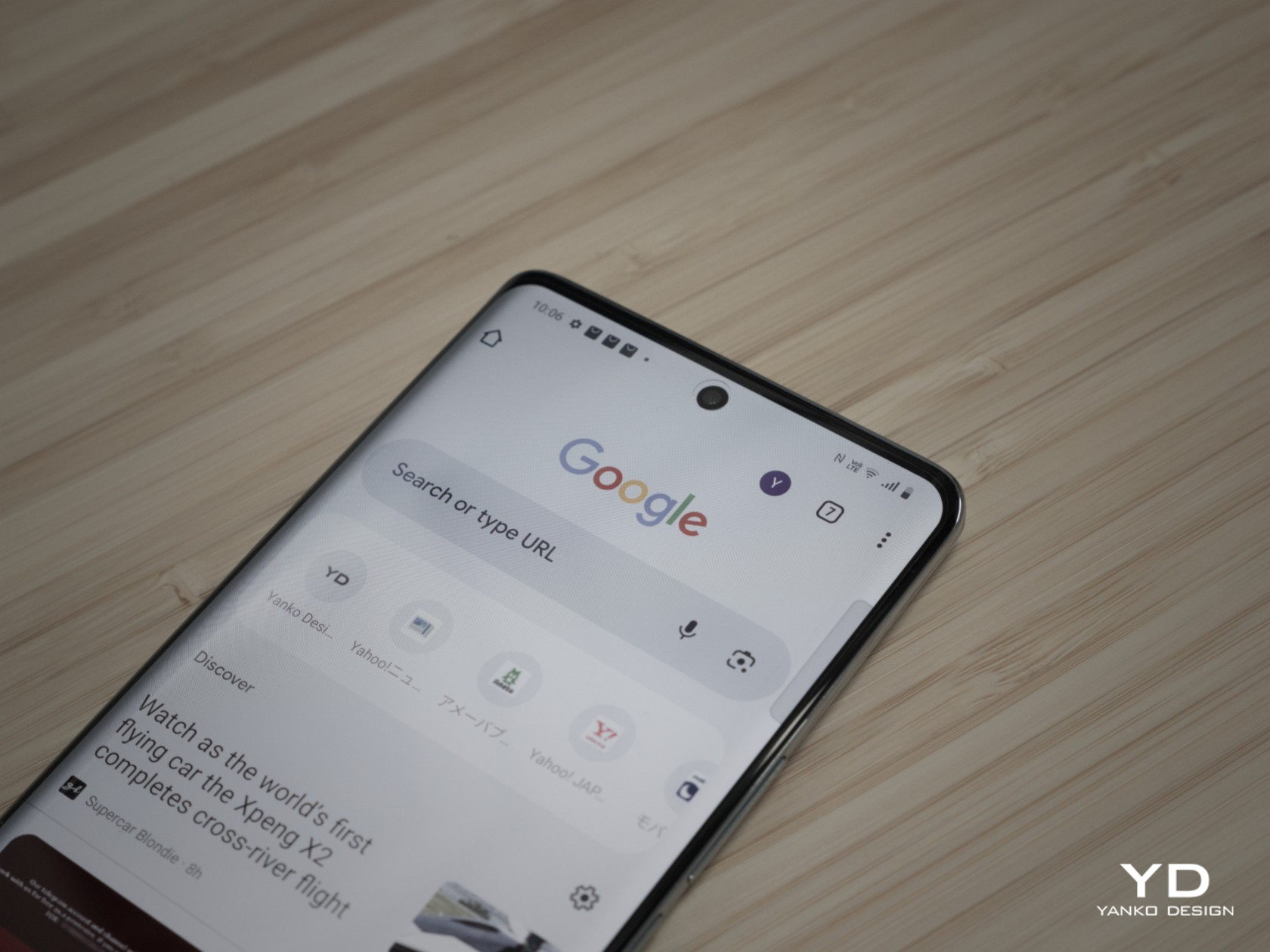
Despite the large 6.78-inch screen, Vivo manages to make the impossible possible with a thin and lightweight handset. Only 7.45mm thin and 188g light, the Vivo V30 Pro is comfortable and pleasurable to hold, even after long periods of time. That thinness is very accentuated by the curved edges of both the screen and the rear panel, a trend that is slowly dying and being pushed out by flat edges. Some defend that this design is gentler on your palms, but others criticize it for also reducing the phone’s grip, making it more likely to slip from your grasp.

If there is one drawback to the Vivo V30 Pro’s very thin edges, it’s that it makes it a bit tricky to pick it up from a table or any solid flat surface. There’s very little area for your fingers to grip the edges and you might find the phone slipping or sliding before you can have a solid hold on it. The included clear case adds some thickness and texture to fix that, but it also puts a less premium layer of material between you and your phone, no matter how transparent it is.

Performance

Gone are the days when you could easily predict a phone’s performance by simply looking at its specs, especially the processor. The time when MediaTek’s silicon was considered cheap and underpowered is long over as well, and the Vivo V30 Pro is living proof of that. Granted, the 4nm Dimensity 8200 processor it’s using is actually last year’s generation, but it’s hardly any slouch. In fact, it manages to beat Qualcomm’s Snapdragon 7 series from the same generation in some benchmarks, which is quite telling.

What all this means in practice is that the Vivo V30 Pro can handle everyday tasks without breaking a sweat. Sure, you shouldn’t expect it to run toe-to-toe with high-end and more expensive smartphones, but setting graphics settings to medium is sure to still satisfy your gaming needs. The cooling system is effective, though not exactly stellar, so expect your hands to feel some heat after prolonged gaming. The best part of its performance, however, is the generous 5,000 mAh battery that’s guaranteed to last you more than a day of average use. With the included 80W charger, you don’t even need to wait long to get it from zero to full, just a little under 50 minutes, in fact.

The large 6.78-inch 120Hz AMOLED display mirrors the phone’s back in providing a beautiful sight, though it’s naturally flashier and more eye-catching. The panel is bright and the colors are vibrant, though they tend to lean more towards being very saturated by default. While the visual experience is superb, the same can’t be said of the audio aspect. There’s a single bottom-firing speaker that is very basic. You’ll be hard-pressed to detect much bass, for example, and the quality degrades noticeably at maximum volume. You might be better off connecting Bluetooth speakers if you really want to spread your tunes around.

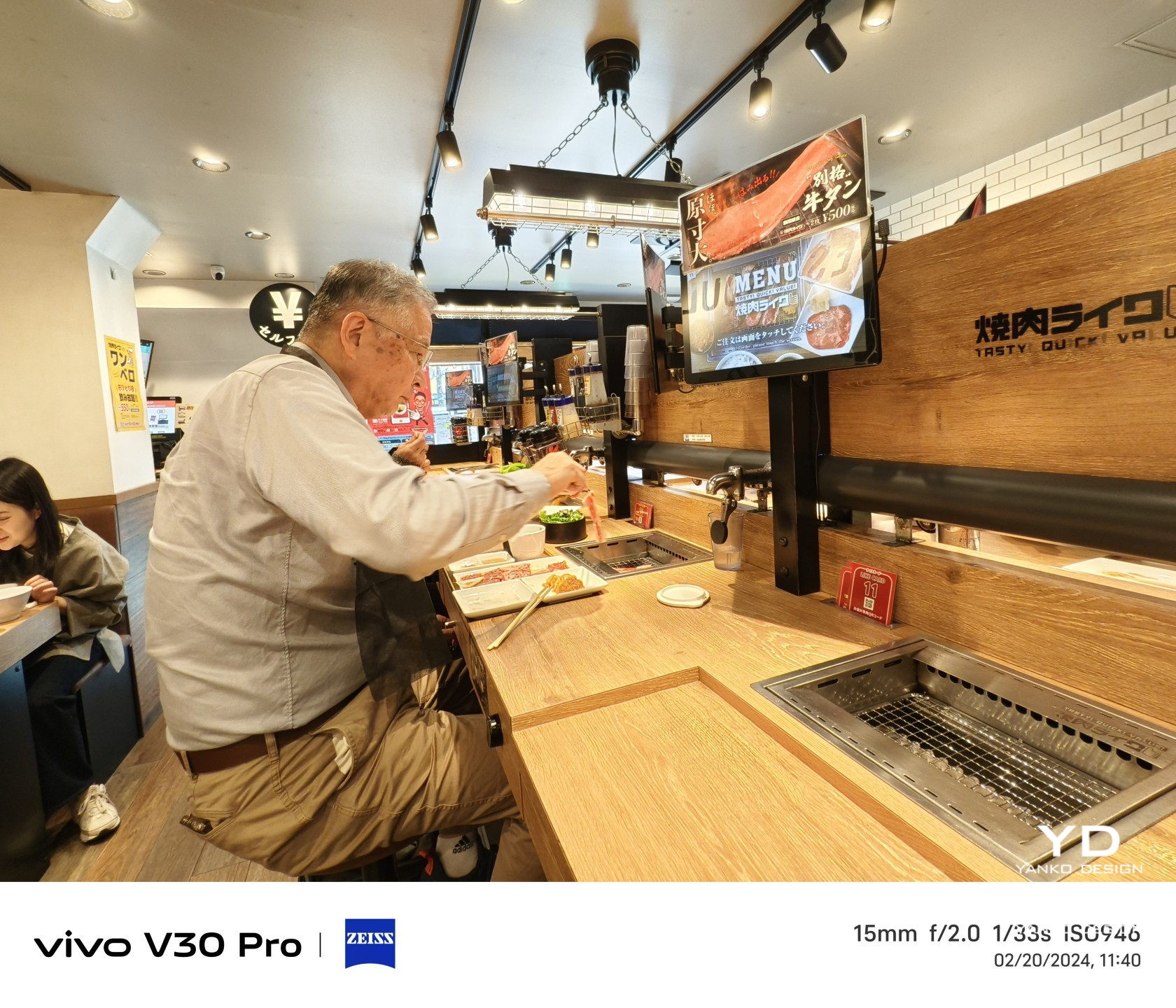
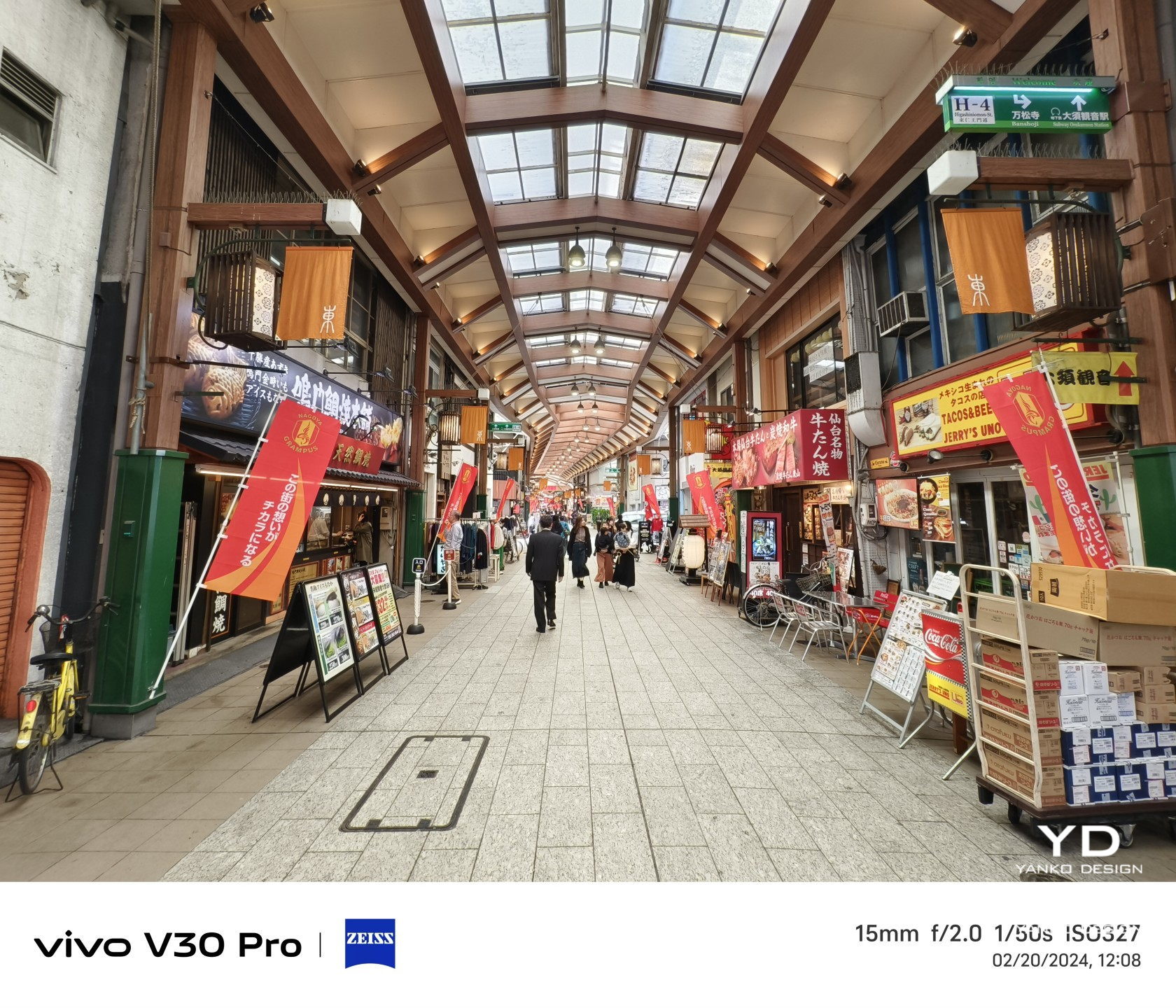
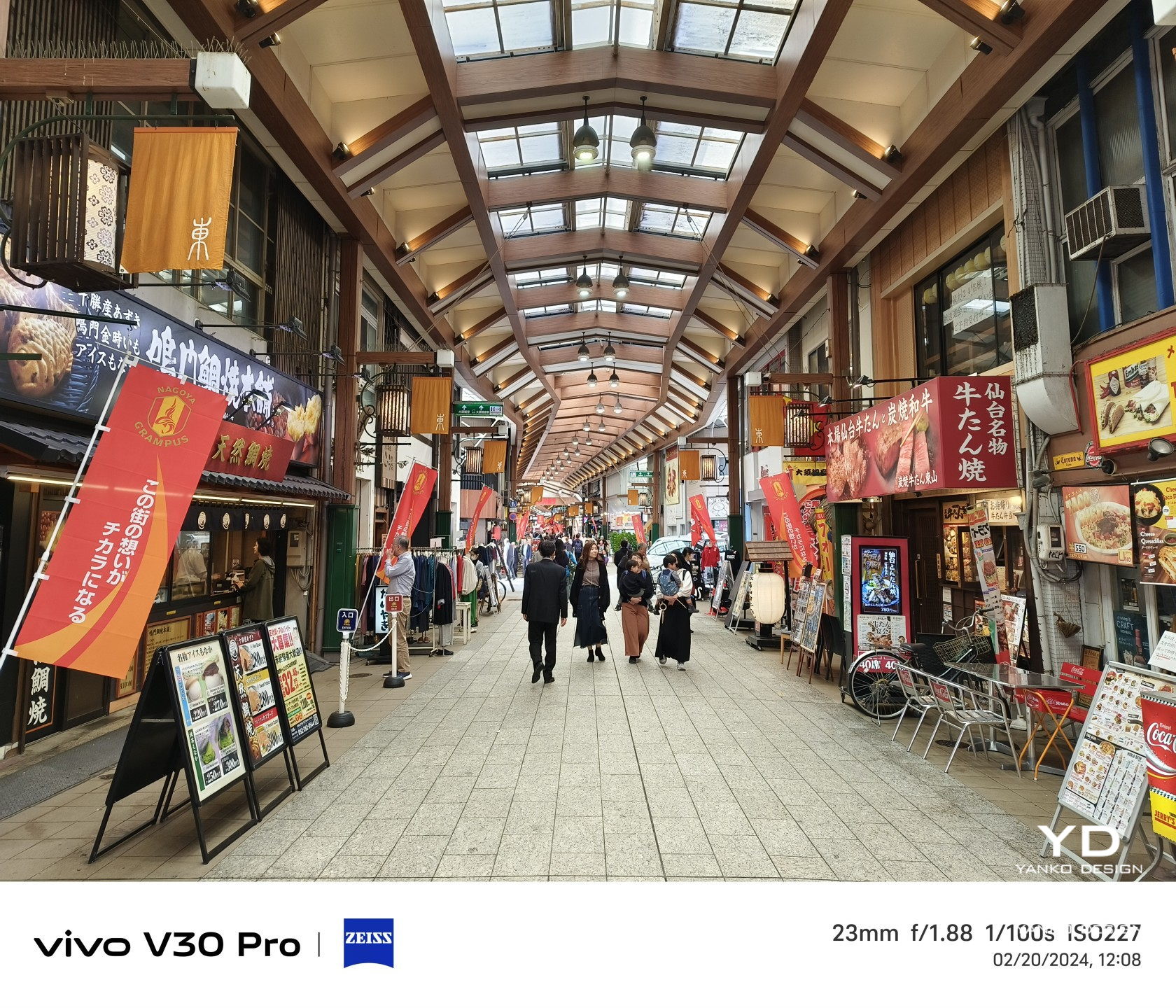
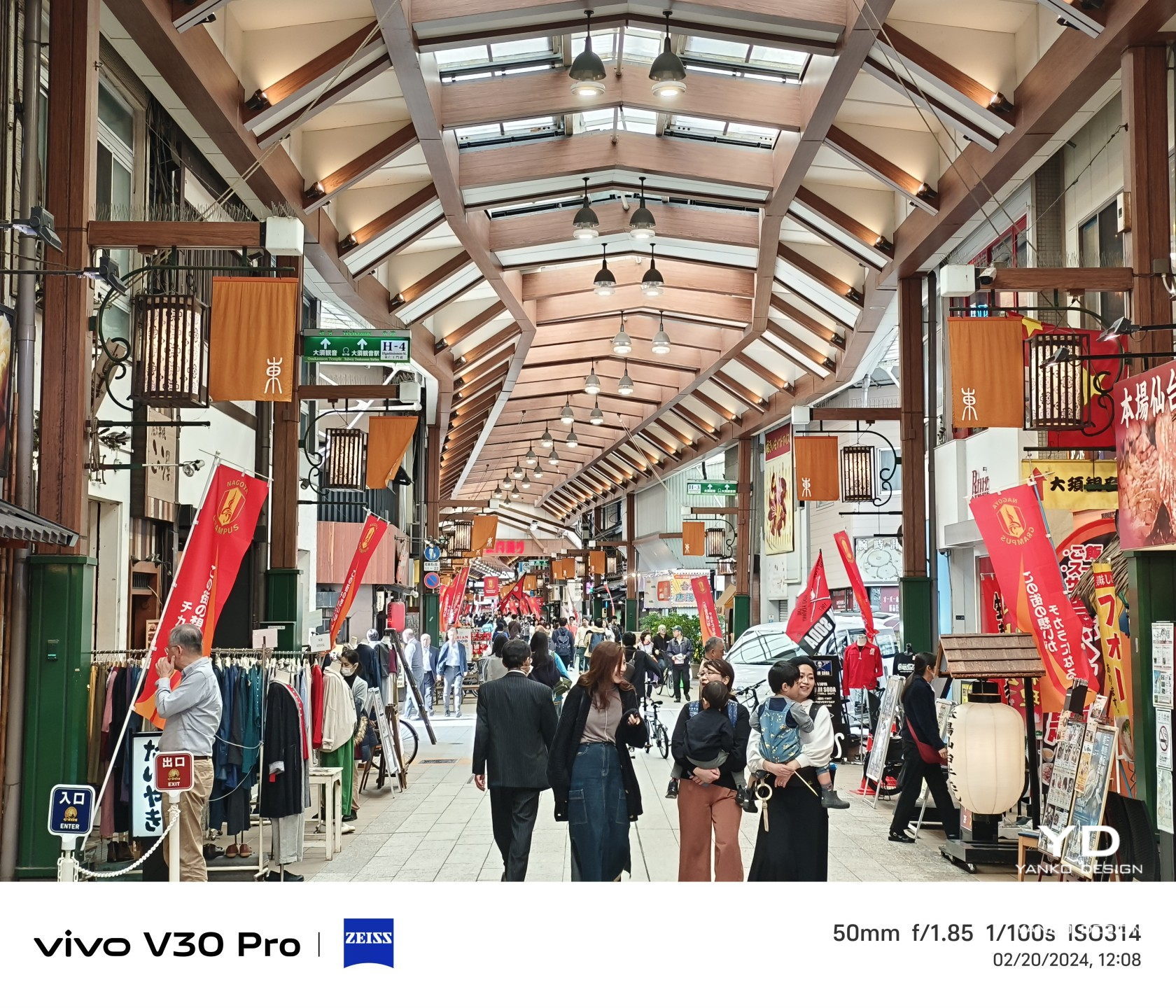
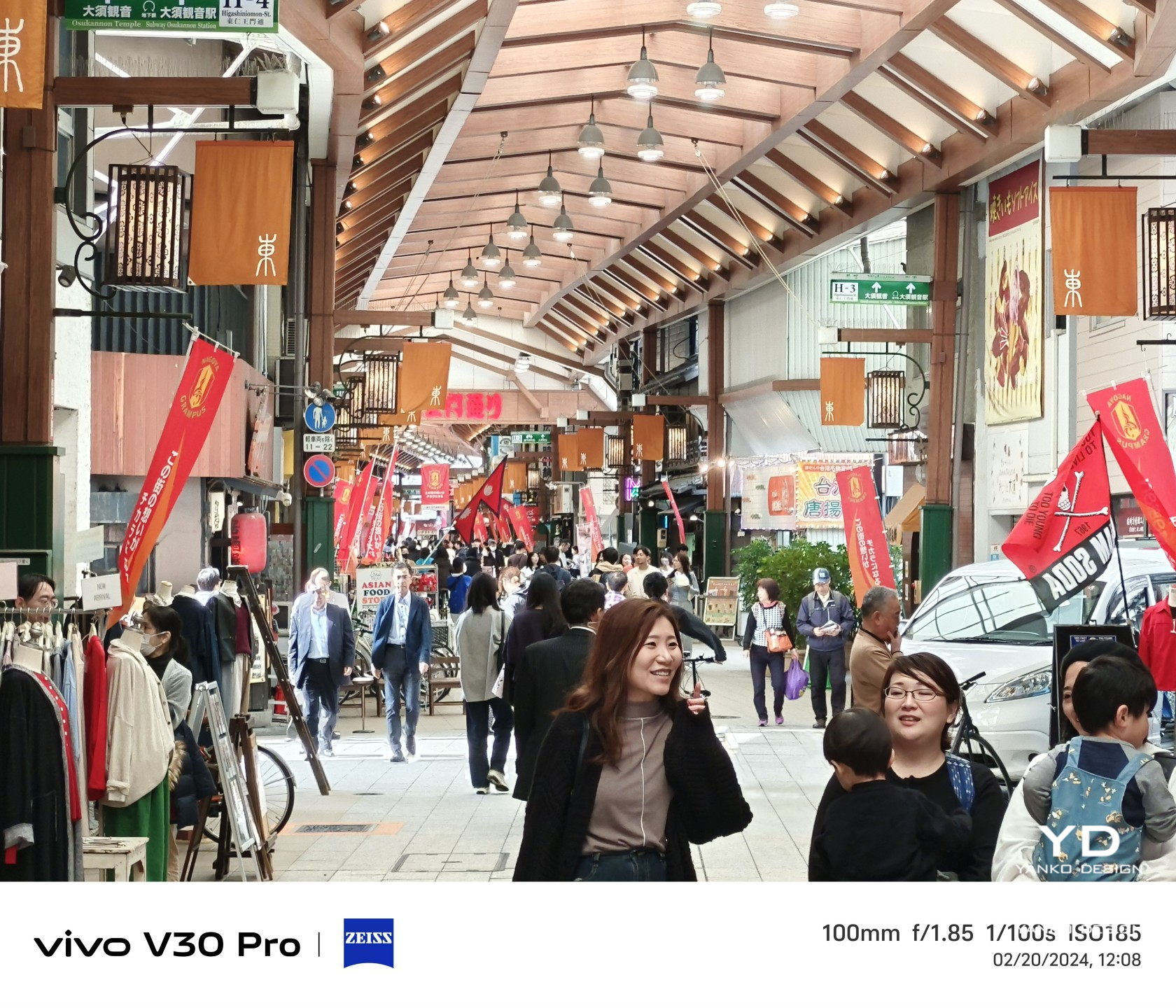
Smartphones these days almost feel like cameras that just happen to have phone functionality because of the heavy emphasis put on mobile photography. The Vivo V30 Pro is no exception and, in fact, celebrates it and takes it to the next level. It challenges the status quo of using different sensors for different cameras and comes bearing 50MP cameras for primary wide, ultra-wide, and 2x telephoto. In fact, it even uses a 50MP sensor for the front-facing camera, complete with a wide-angle lens and autofocus.

For its camera system, Vivo enlisted the expertise of optics experts ZEISS, and the results definitely speak for themselves. The output of the main camera is clear, highly detailed, accurate, and just gorgeous. That is true even at night, with Vivo’s special night mode kicking in. The 2x optical zoom of the dedicated telephoto, while not that far in reach, is still better than relying on digital zoom and cropping the way the Vivo V30 does. The ultra-wide camera, while decent, isn’t as impressive as these other two, but you’ll still get clear and detailed images from it, regardless of the lighting condition.

One special feature of the Vivo V30 series, which can be seen from the unusual design of the phone’s camera bump, is the square Aura Light that sits below the cameras. If you’re familiar with the effect of ring lights in diffusing a gentler glow on your face, then you’ll know how this feature works. Instead of a focused light like a typical LED flash, it spread the light around more evenly, making it the perfect illumination for portrait photos. Even better, the Aura Light can automatically change its intensity and warmth depending on ambient lighting, all thanks to AI, of course. Now if only Vivo could do the same for the front-facing camera, then it would really be able to leave its competition in the dust.

Sustainability

Despite the Vivo V30 Pro’s nature-inspired design, the phone itself isn’t exactly that environment-friendly, at least as far as its build materials go. It’s not exactly an outlier in this regard and it merely follows the industry status quo. Sadly, it’s also an opportunity for Vivo to rise above the rest and set a new industry standard, but we’ll probably have to wait a bit longer for the company to really take its sustainability efforts to the next level.

At least the Vivo V30 Pro is designed to last long, especially with an official IP54 dust and water protection rating. It’s far from being the highest and is, in fact, the bare minimum for waterproof devices, but it’s also something that’s usually missing from most smartphones on this tier. When accidents do happen, however, you have very little option other than to send it to Vivo or its authorized repair centers for servicing. Self-repair is just not a thing in this space yet.

Value

Truth be told, it’s hard to find any fault with the Vivo V30 Pro. Yes, it doesn’t max out all the potential that more powerful hardware can provide, but it also doesn’t tax buyers for features they may never use in the first place. It has a pretty good balance of features and tends to perform well in areas that matter the most, such as mobile photography and battery life. Plus, it looks stylish and classy, so you’ll probably fall in love with it quickly.

The expected $500 price tag brings a bit of uncertainty, though. It’s definitely higher than its sub-$400 peers, but it offers features you won’t find on more expensive handsets either. The biggest deal-breaker, however, is its availability. The Vivo V30 Pro will only be sold in select markets in Asia, at least for now, so all that beautiful design and impressive cameras will be out of reach for many people around the world.

Verdict

Smartphones are no longer just tools for communication or even for staying connected to the Internet. They have become irreplaceable partners in creating and preserving memories, as well as extensions of our personalities and aspirations. Smartphone designs have matured over the years, shedding off flashy and gimmicky features for reliable functionality and appealing aesthetics. This trend has trickled down even to the so-called mid-tier market, as embodied by the Vivo V30 Pro.

Inspired by nature, the Vivo V30 Pro’s beauty is subtle yet impactful, employing innovative manufacturing techniques to create more natural designs that catch the eye and soothe the soul. It’s no racehorse, but what the phone lacks in raw processing power it makes up for in reliability and value, offering a more balanced product. At the same time, its Triple 50MP Main Camera system and 50MP front-facing camera challenge the status quo and prove beyond reasonable doubt what is possible even on this tier. All-in-all, the Vivo V30 Pro is a well-rounded contender that you’ll want to consider for your next phone purchase, presuming it’s even available in your area.

The post Vivo V30 Pro Review: Putting The Focus Where It Counts first appeared on Yanko Design.

Dual-screen E Ink reader doubles as a laptop for double productivity

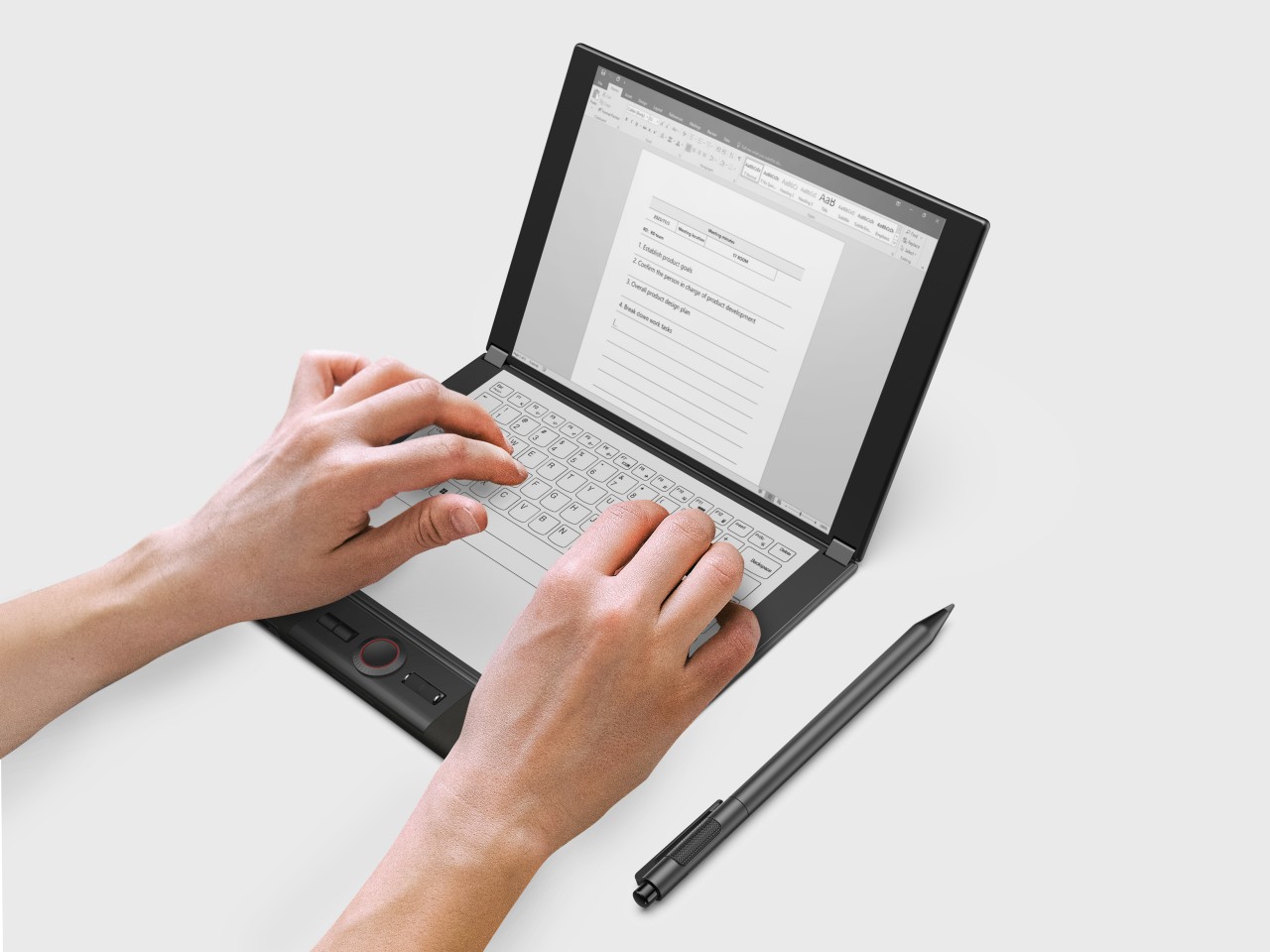
Just like smartphones, laptops are undergoing a bit of change and experimentation with foldable, dual-screen, or even transparent laptops coming out of the woodwork. It’s only a matter of time before that trend makes its way to other devices, though there are signs of that happening in the e-book reader industry already. E-readers, as they are called, are breaking out of their shell, and some are even Android tablets that just happen to use e-paper displays. Compared to this unexpected design, however, those Android-powered E Ink readers sound almost unambitious, because this particular device actually puts together two E Ink displays to offer an almost literal book reader, a notebook, and a laptop all rolled into one.

Designer: LCFC (Hefei) (a Lenovo subsidiary)

Dual-screen laptops might not be new to our ears after the aborted Microsoft Surface Duo, the ASUS ZenBook Duo, and the Lenovo Yoga Book 9i. The idea behind this design is to bring the same dual-screen experience some users enjoy on desktops to the laptop without completely losing the advantage of portability. That use case might make perfect sense for a laptop that runs a conventional operating system with plenty of applications, but it isn’t as straightforward for e-book readers, even the ones running Android.

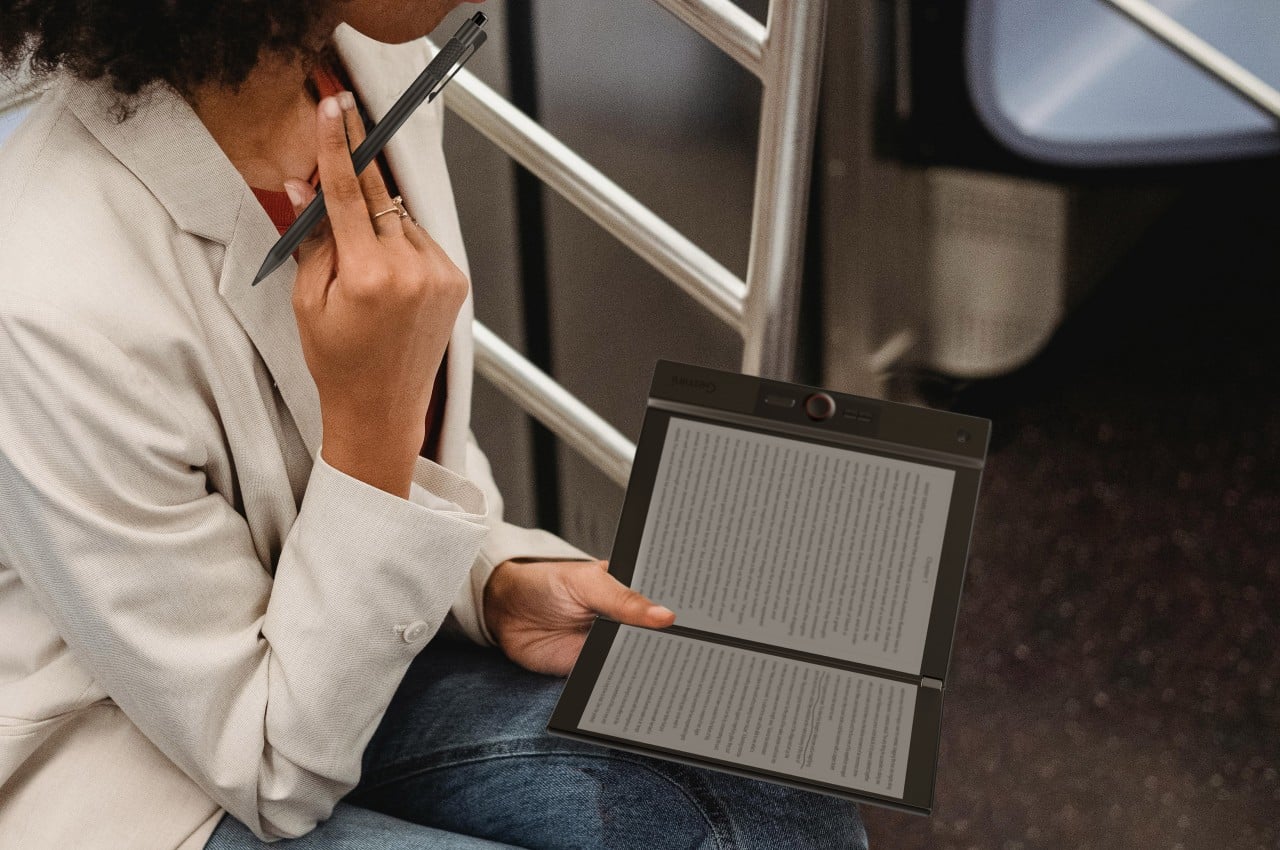
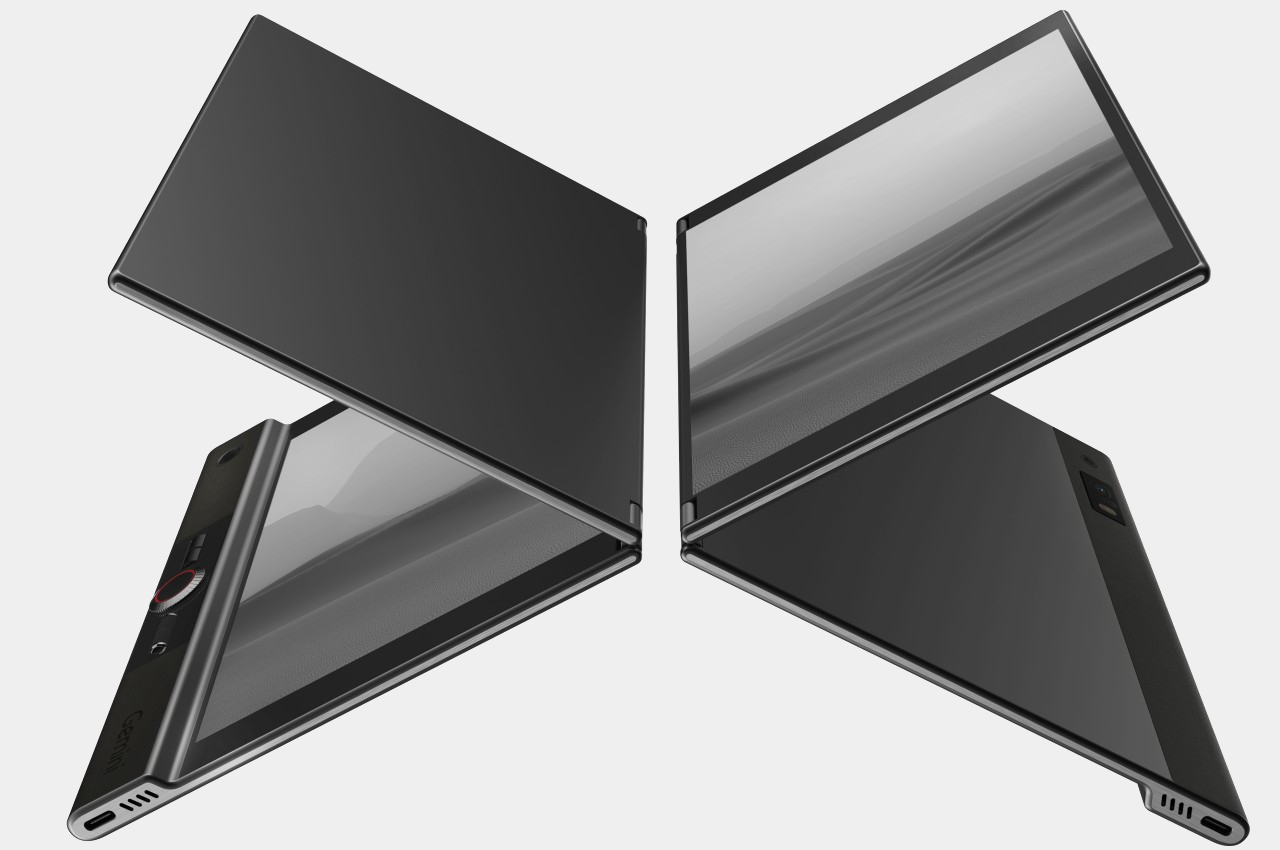
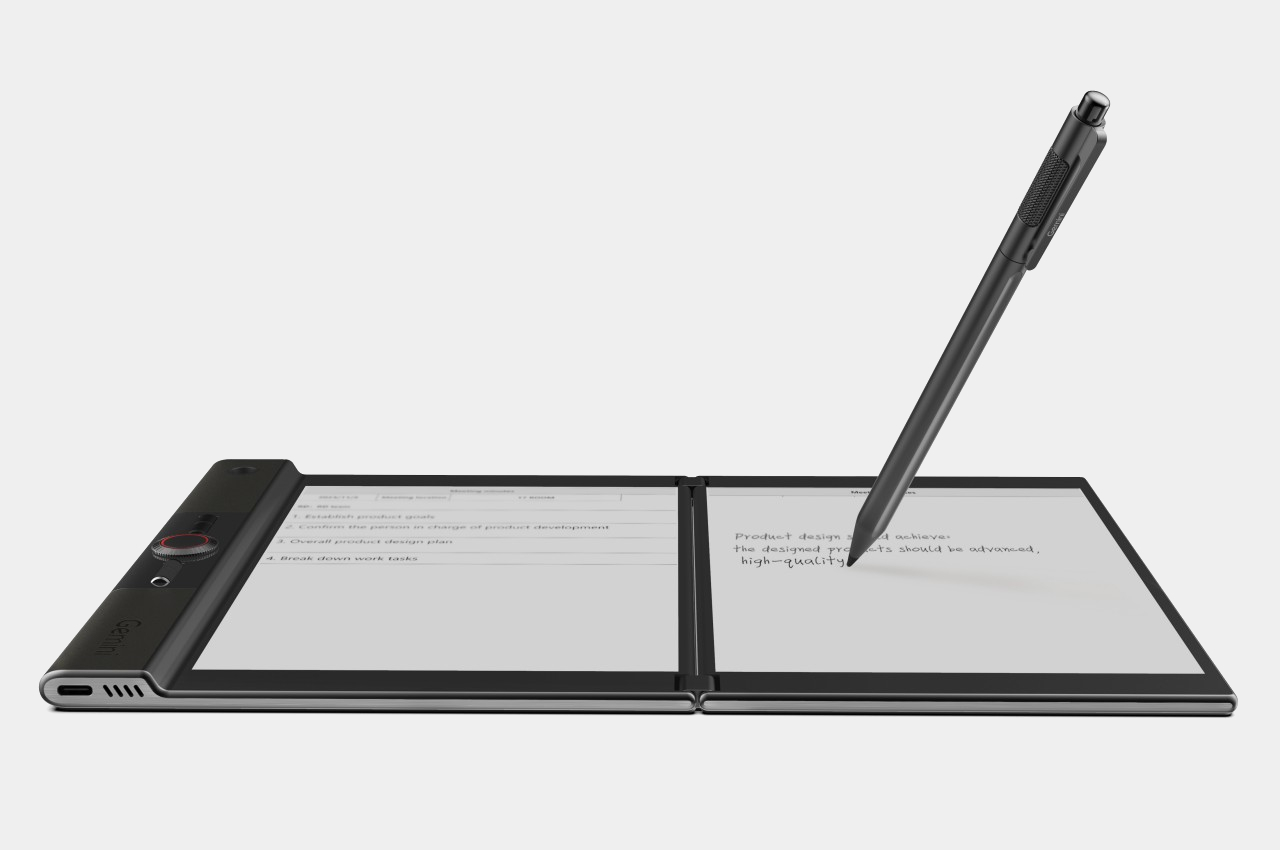
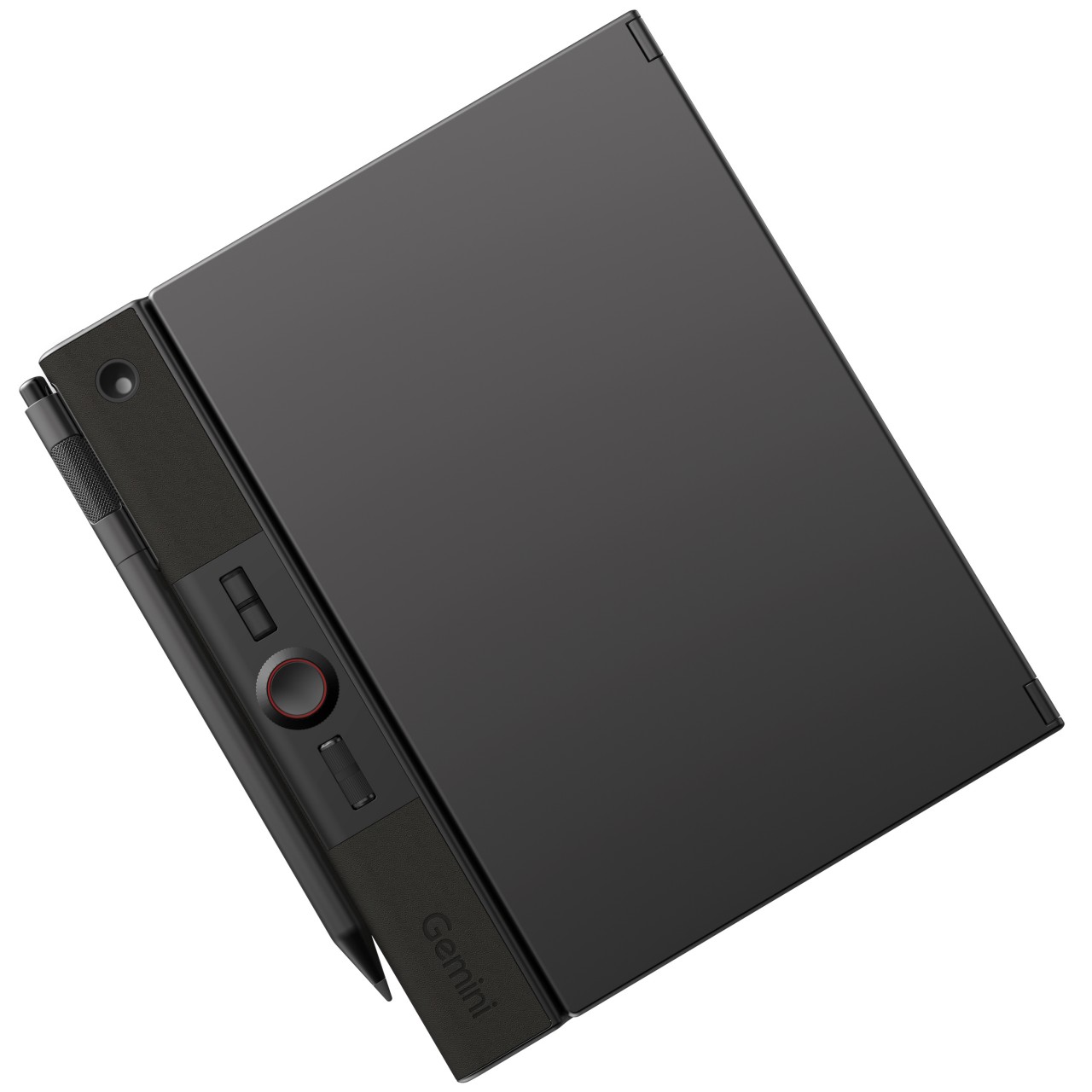
And yet, that’s exactly what the Gemini “Dual Screens Wisdom E-Ink Book” is trying to do, albeit with a slightly different focus. It connects two 7.8-inch E Inks screens using a 360-degree hinge that lets you fold it close like a book or fold it in the opposite direction completely to transform it into a tablet. In addition to reading, the device is designed to make it more natural to write down notes, possibly on what you’re reading. Note-taking is so central to the Gemini’s purpose that other features are framed in that perspective.

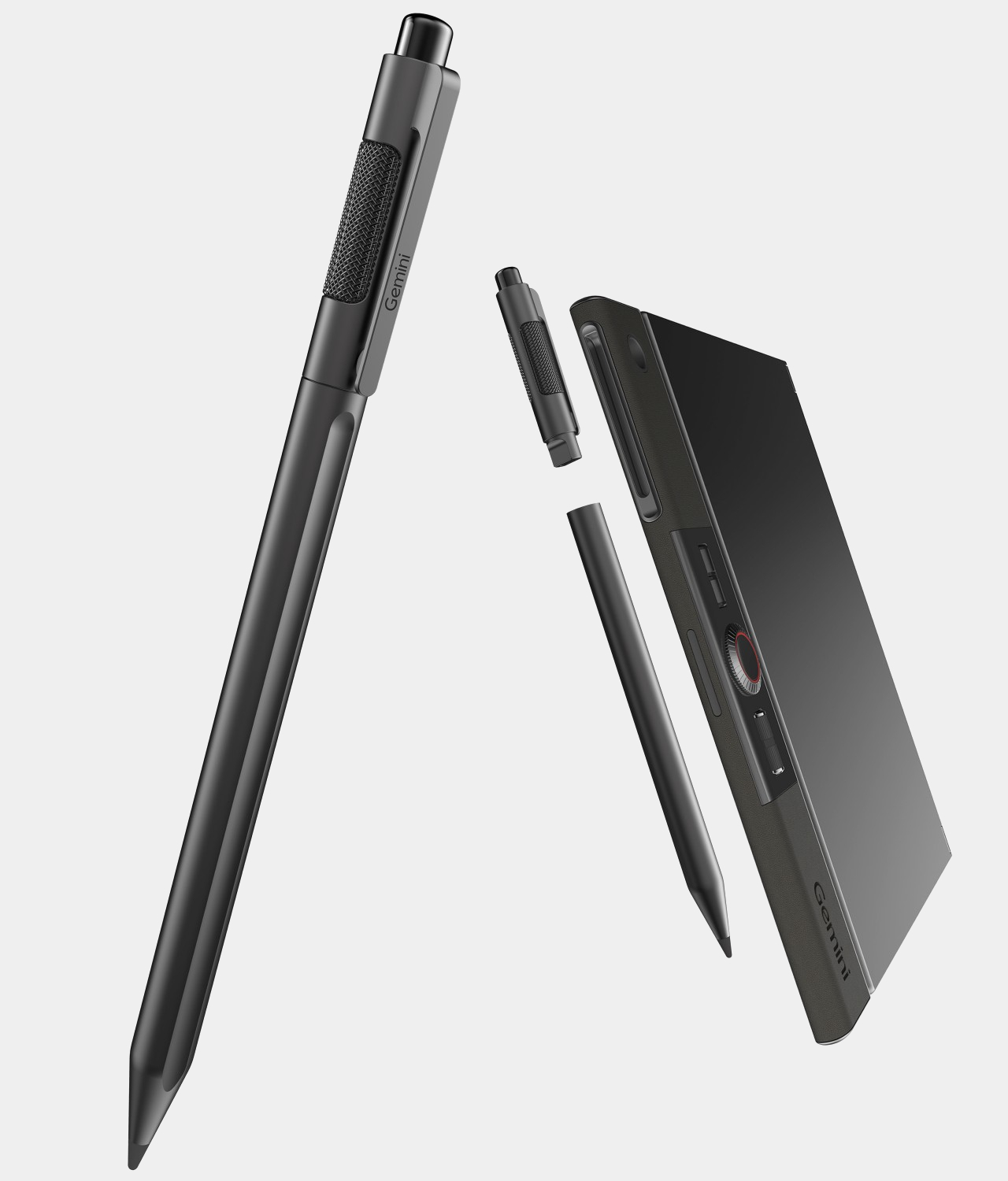
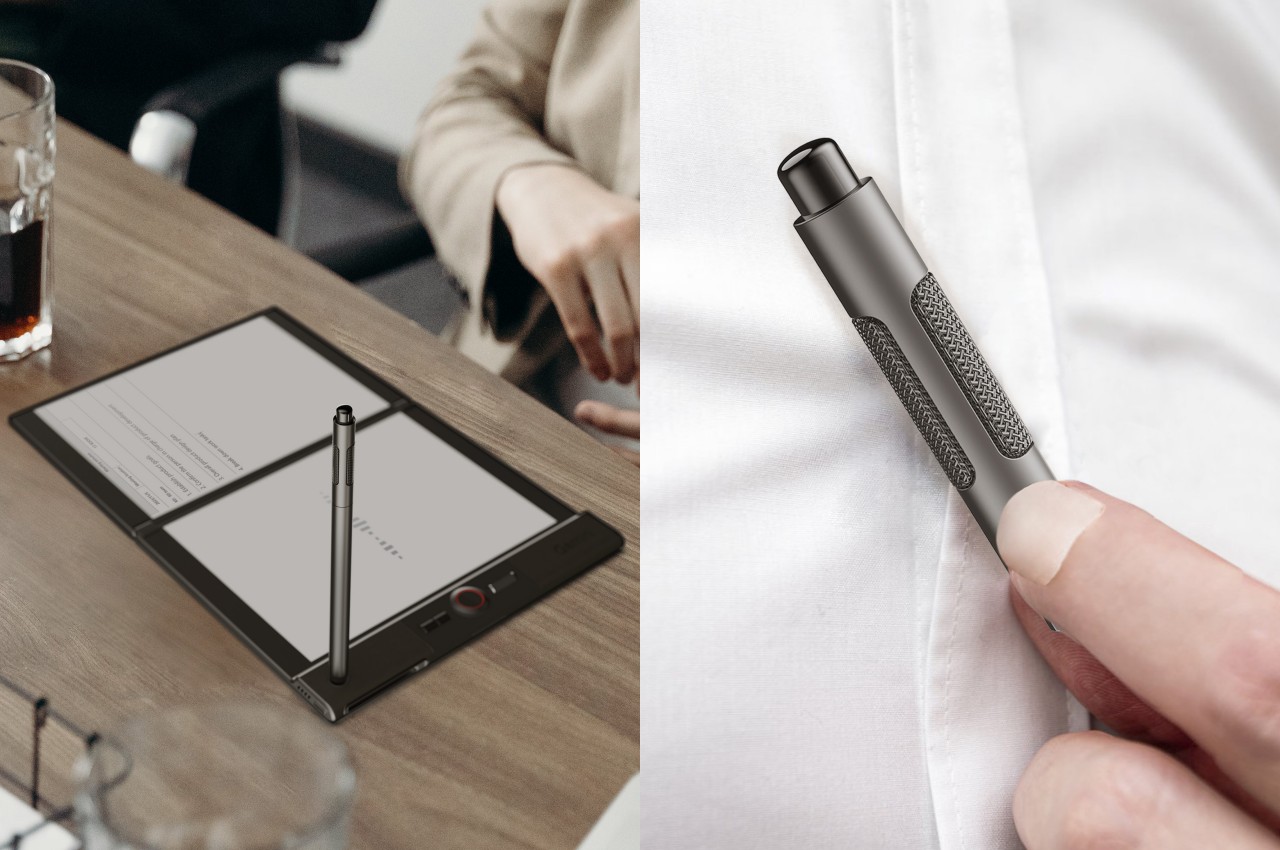
You can, for example, fold it half upright like a laptop for typing out notes. Of course, you’ll have to make do with an on-screen keyboard, but typing on an E Ink screen is notoriously awkward, uncomfortable, and inefficient, far worse than typing on a regular LCD or OLED display. You could potentially connect a Bluetooth keyboard, though that does lose the charm of being able to use this as a laptop. The Gemini also has a stylus you can write with, but the more interesting aspect of the pen is the detachable microphone module that you can use to record voice notes or even lectures.

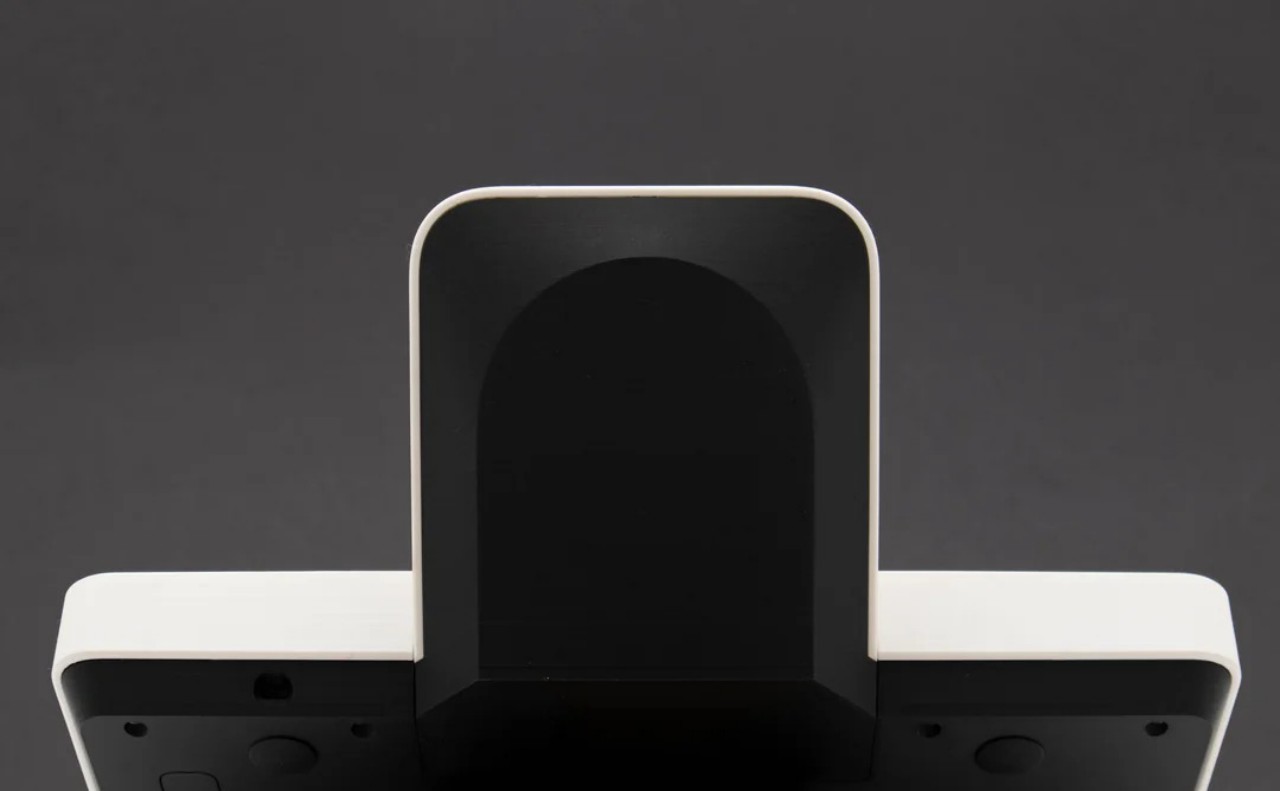
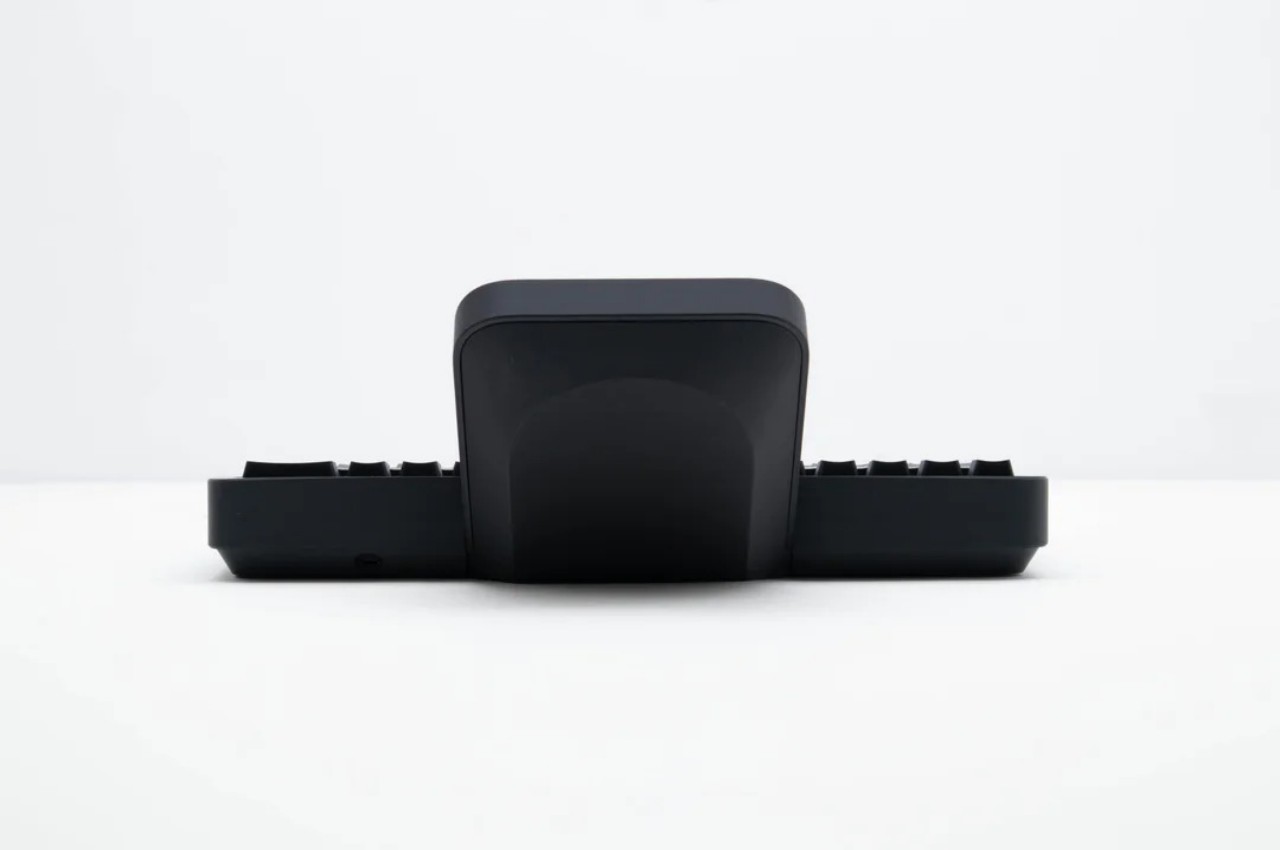
The design of the Gemini is actually a bit peculiar thanks to an extended edge that’s thicker than the rest of the device. Not only is this where most of the electronics are housed, but it also seems to have controls like a dial and buttons, almost reminiscent of those display tablets for drawing. When using the Gemini like a laptop, you will be resting your wrist on this “bump,” but that will actually force you to reach further down to actually type on the E Ink screen, not to mention you risk triggering those buttons. There is no definite word yet on when and where the Gemini will launch, but it will happen sometime this year, though it remains to be seen whether it will elicit the same interest as dual-screen laptops.

The post Dual-screen E Ink reader doubles as a laptop for double productivity first appeared on Yanko Design.

Retro mechanical keyboards offer a tactile experience to inspire creativity

We’ve all been there, staring at a blank page at a complete loss on how to get started on a written project. The dreaded writer’s block makes it feel like our brains are all dried up, but all it really needs is a little nudge to get the creative juices flowing again. That can sometimes come from a fidget toy or, more often than not, a favorite tool that stimulates our senses, especially our sense of touch. That’s the kind of experience that this retro-style keyboard wants to offer, presenting a modern keyboard that looks like a classic typewriter yet also has the elegance of a luxury item, giving both your eyes and your fingers a feast to get that brain running again.

Designer: AZIO

There’s actually no shortage of computer keyboards that lay claim to the title of “retro” or “classic, but many of them heaps on embellishment after embellishment to the point that the design becomes showy and distracting. The keyboards become more like decorative pieces to show off rather than functional tools to help you get the job done with as little friction as possible.

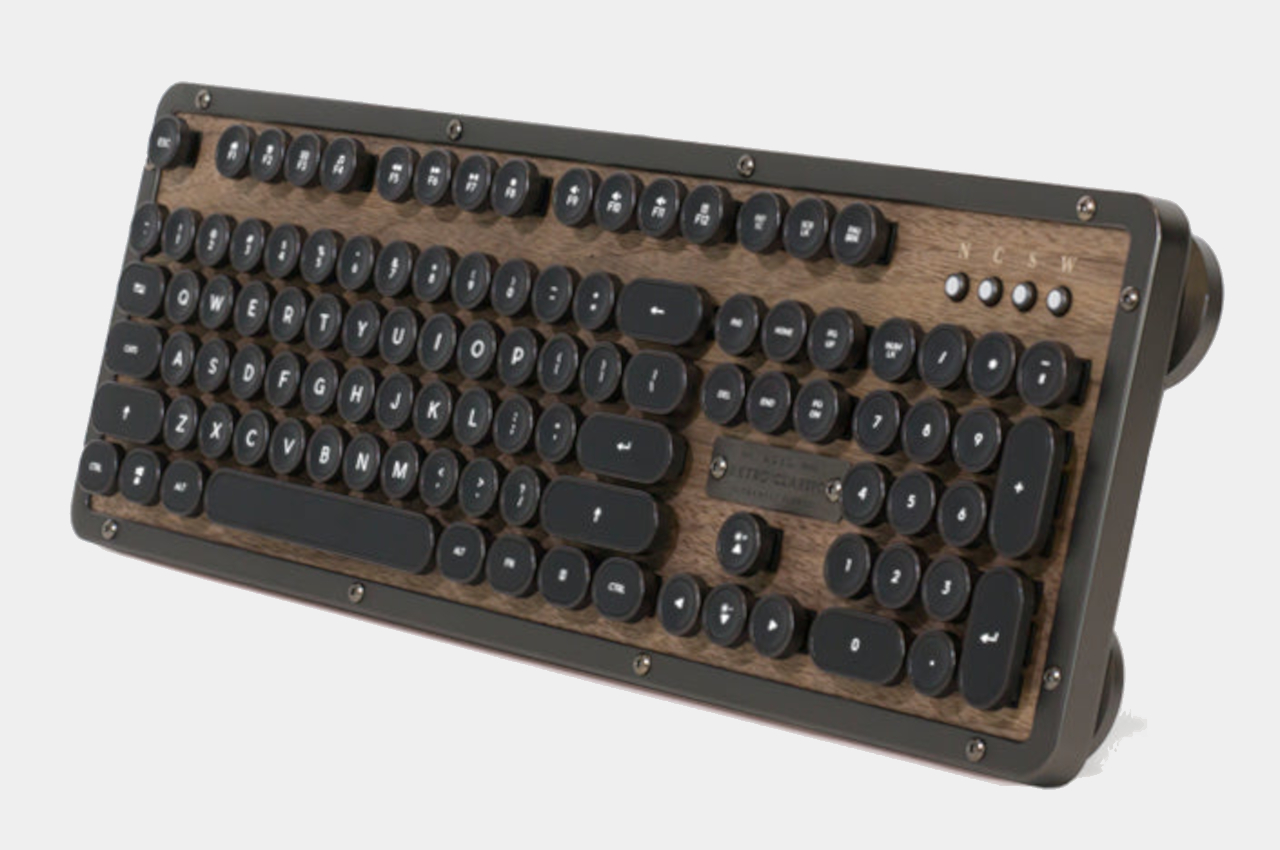
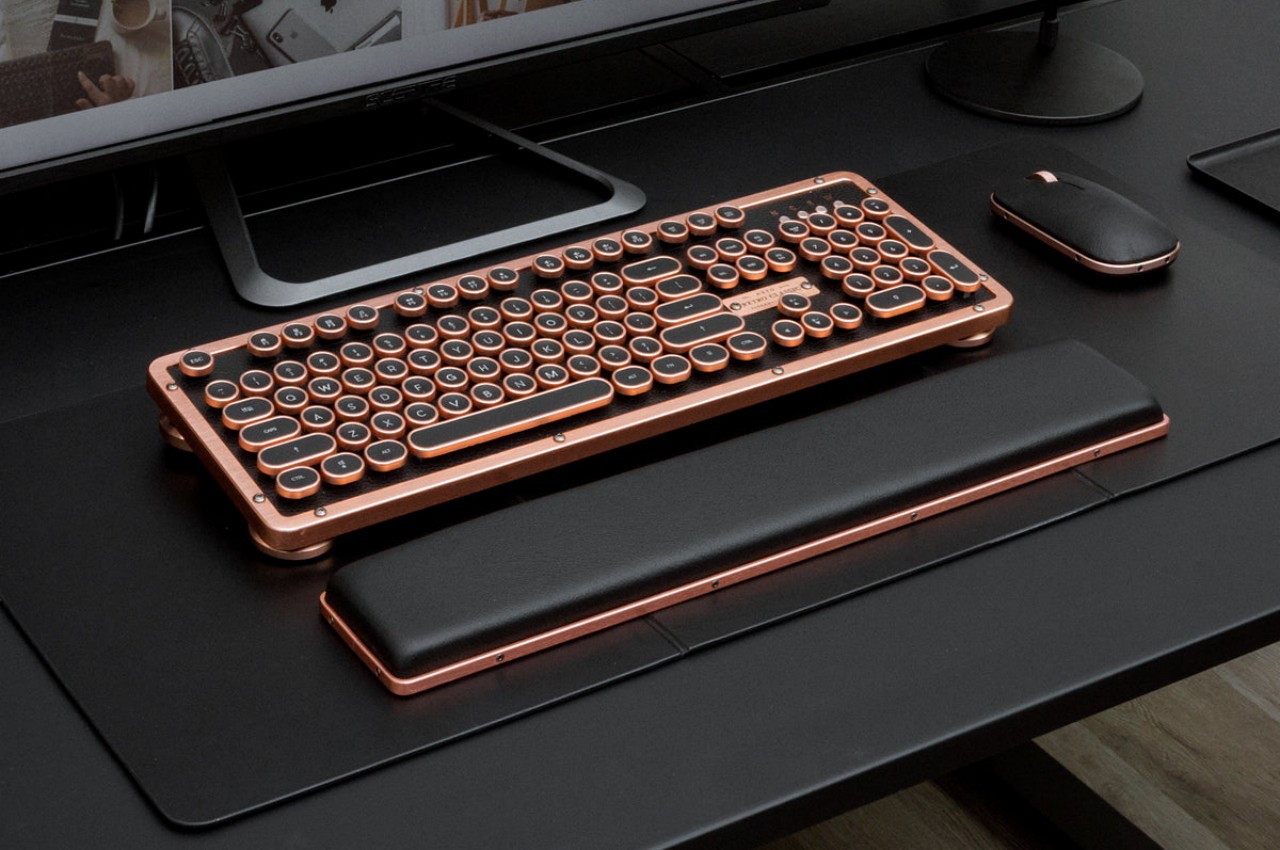
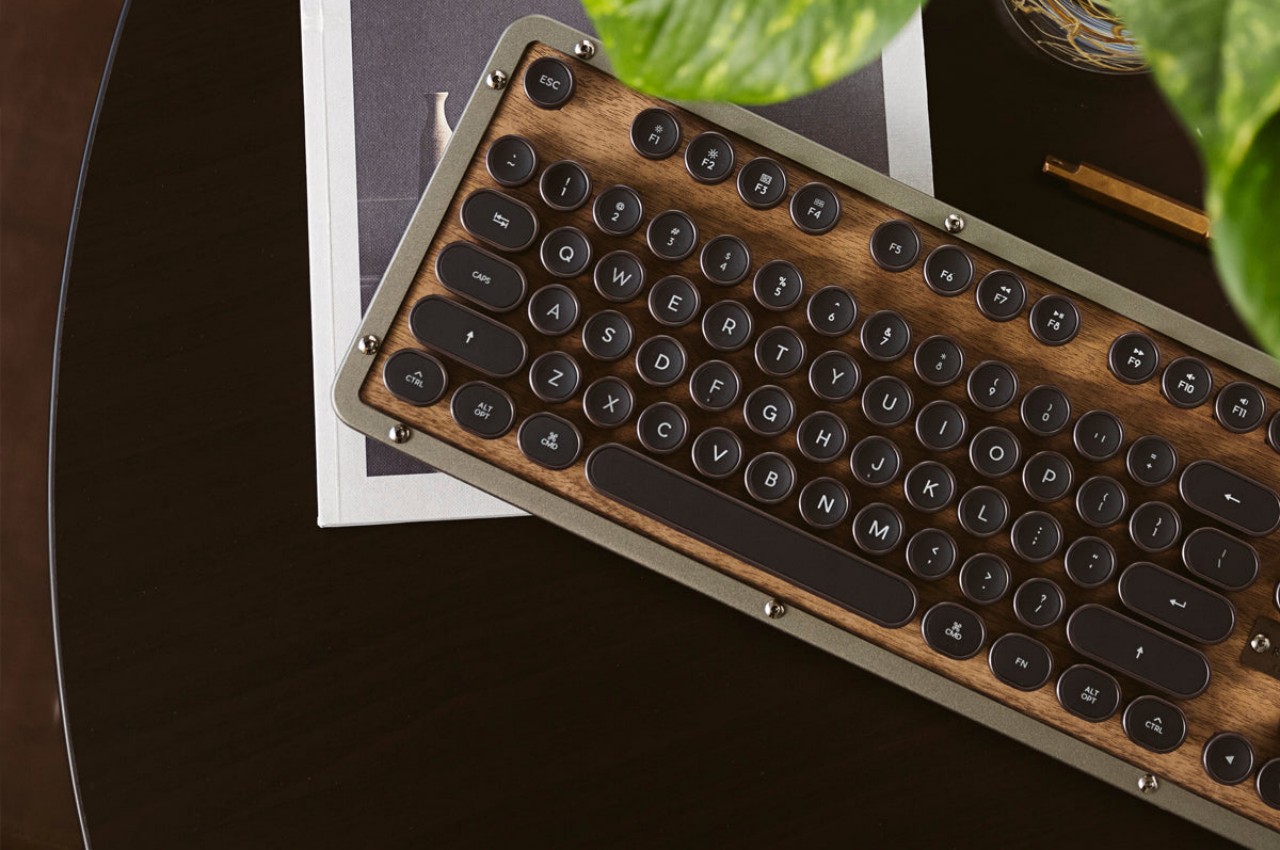
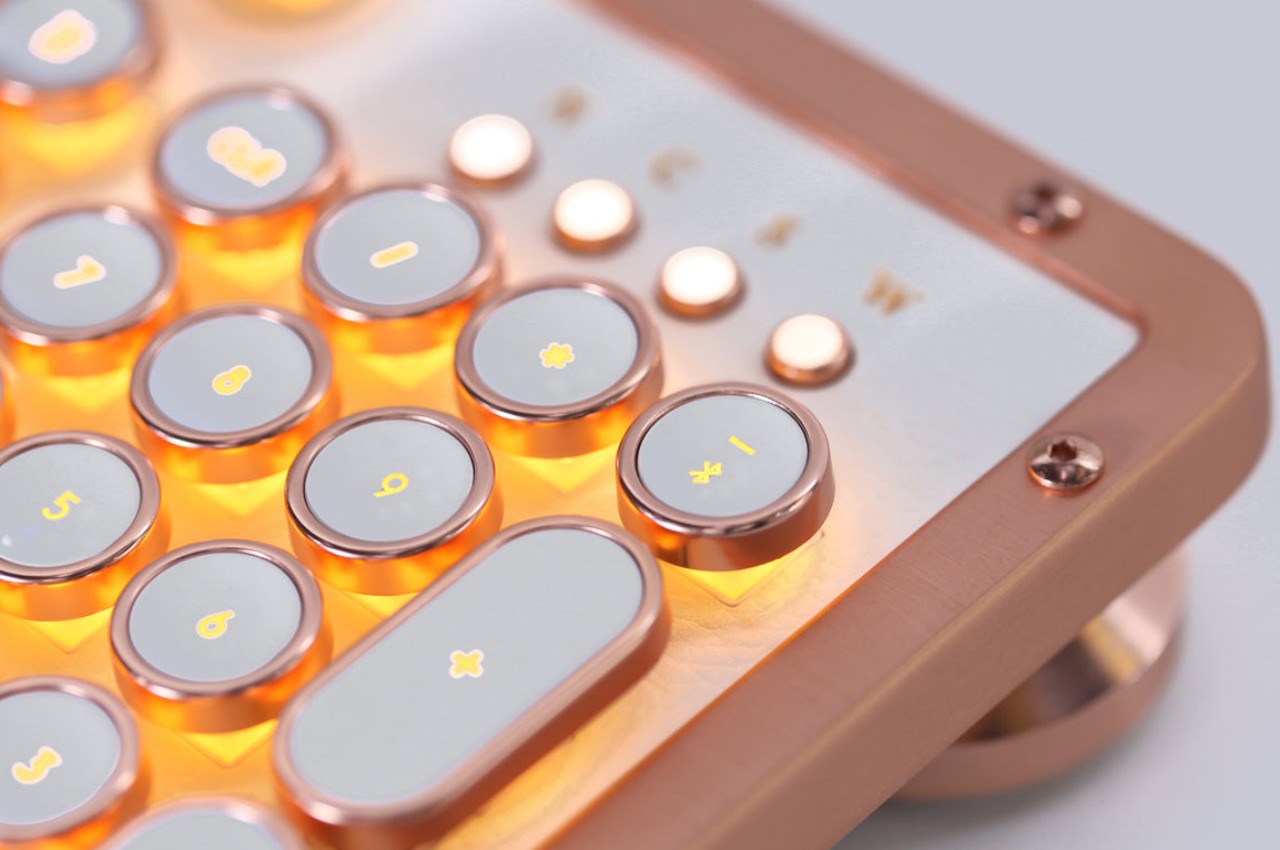
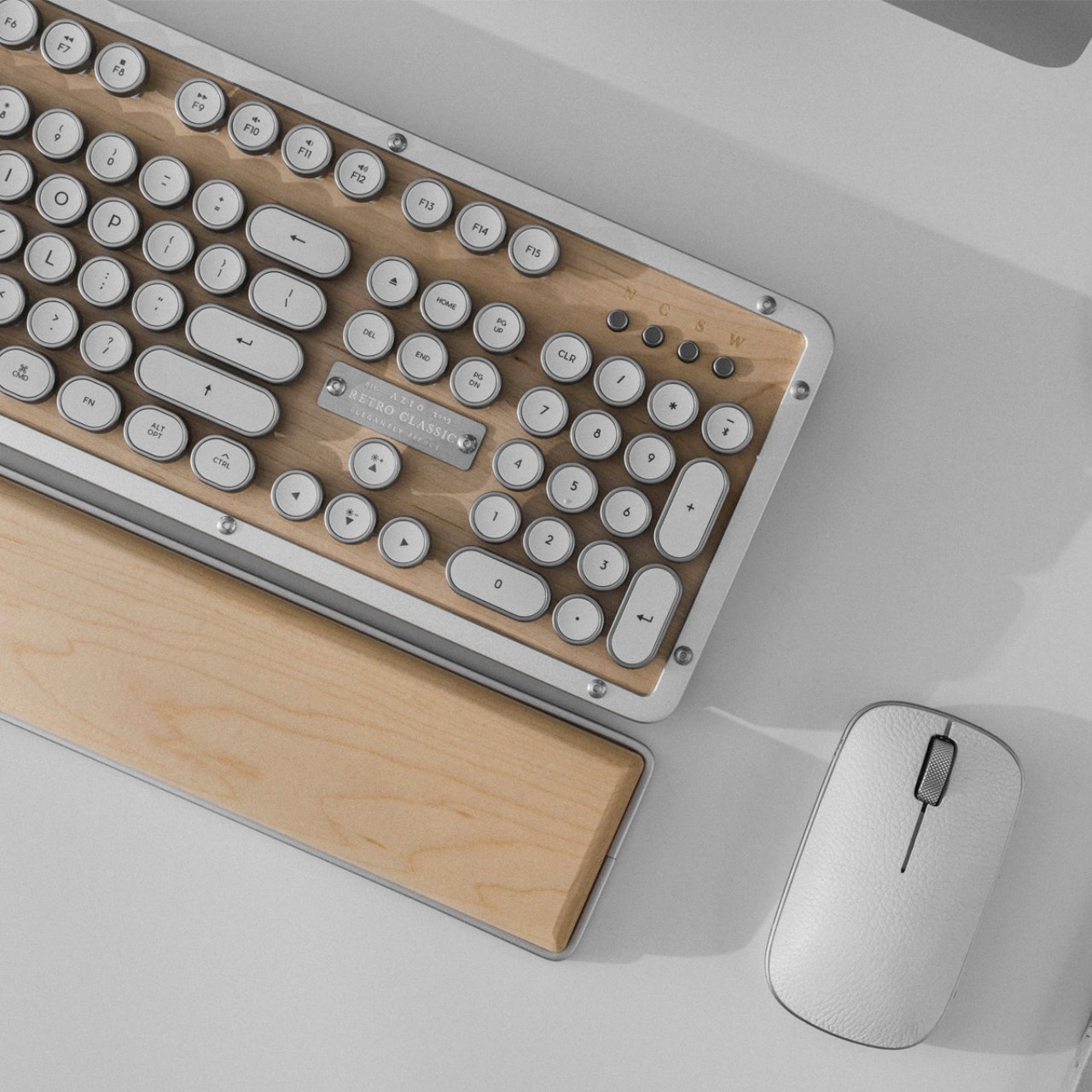
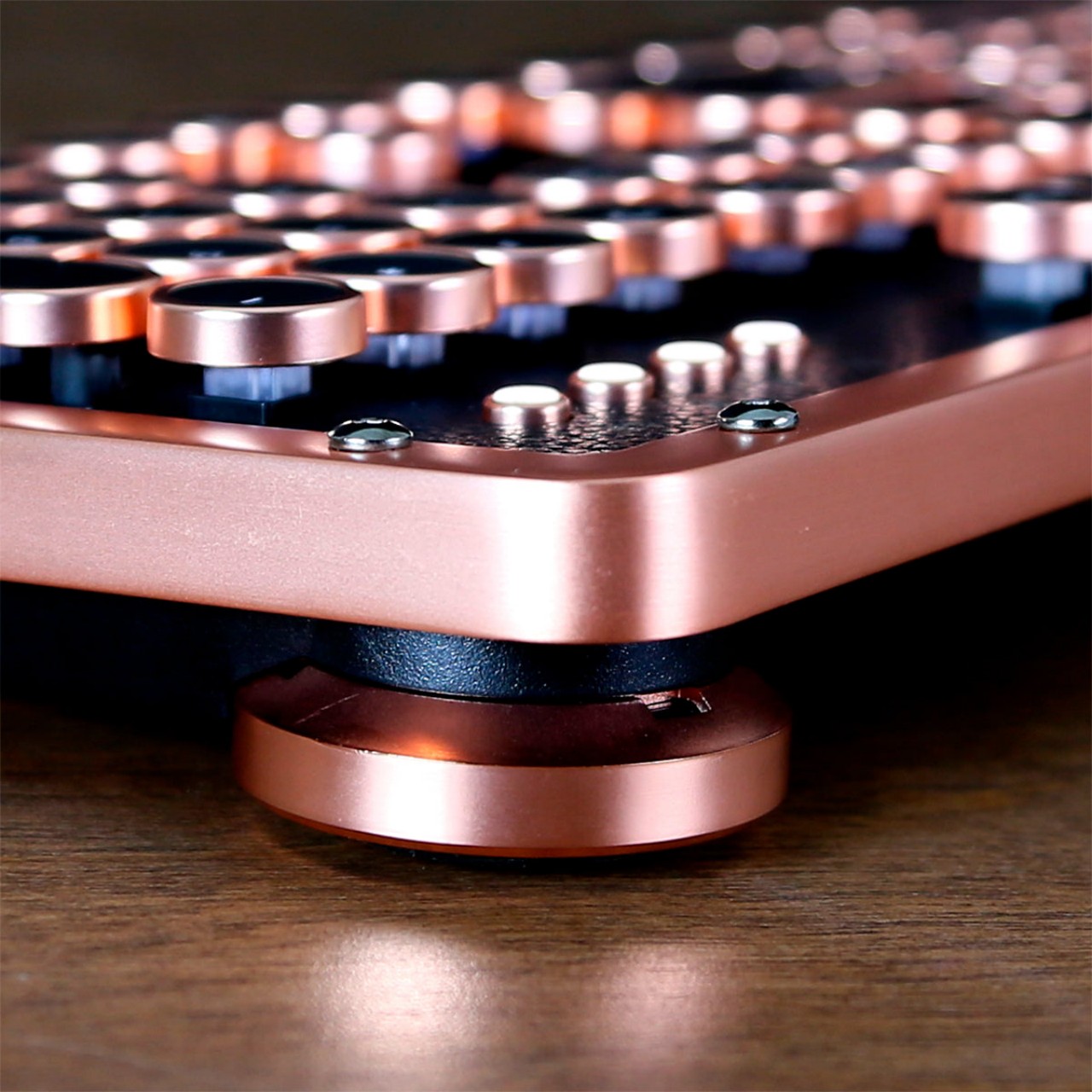
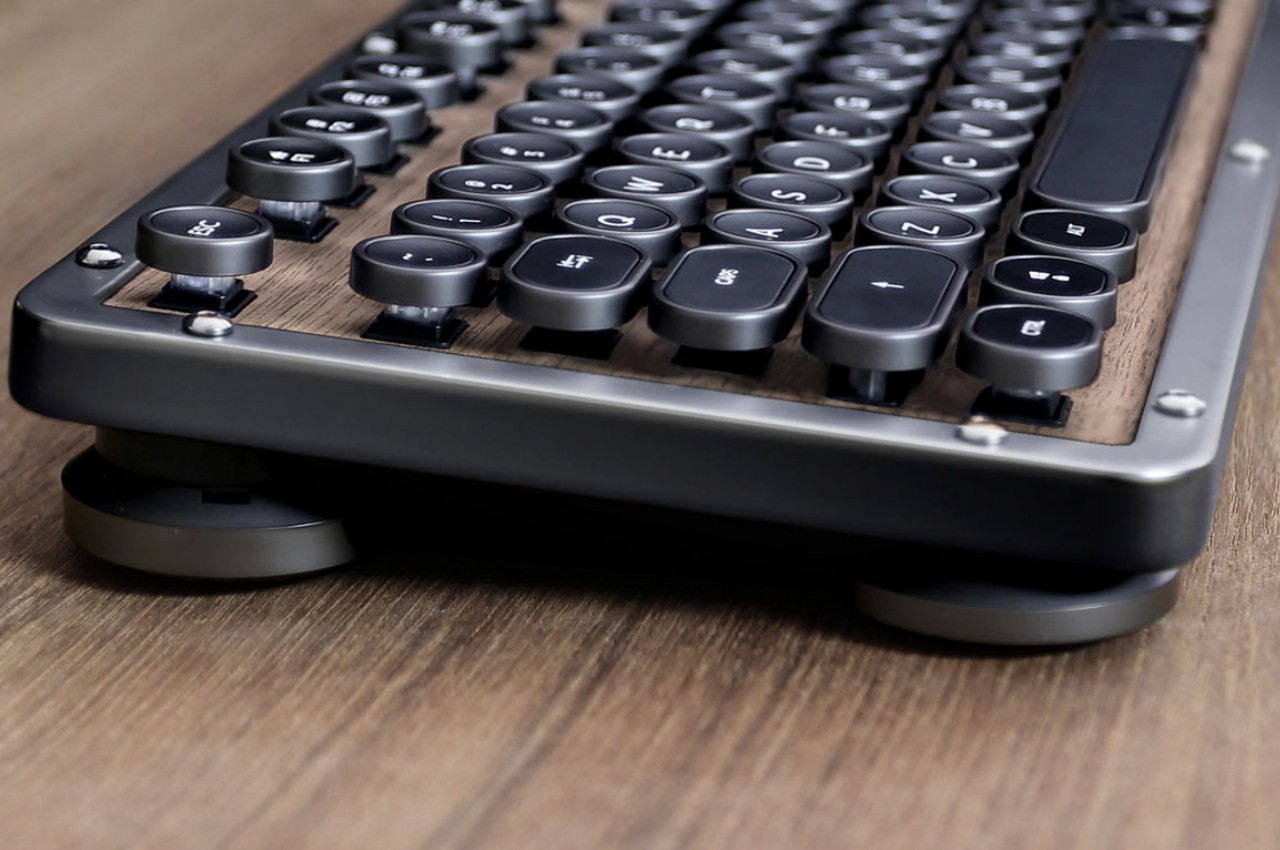
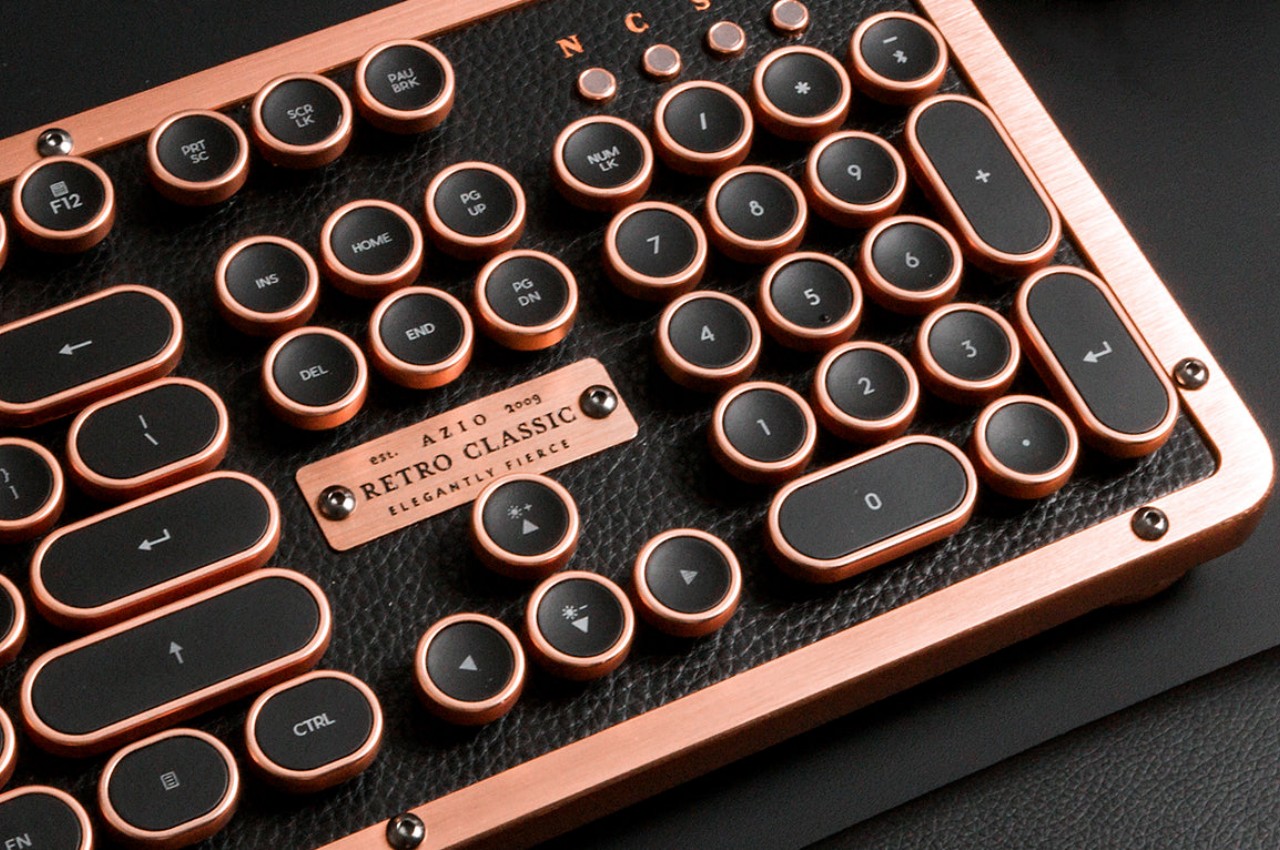
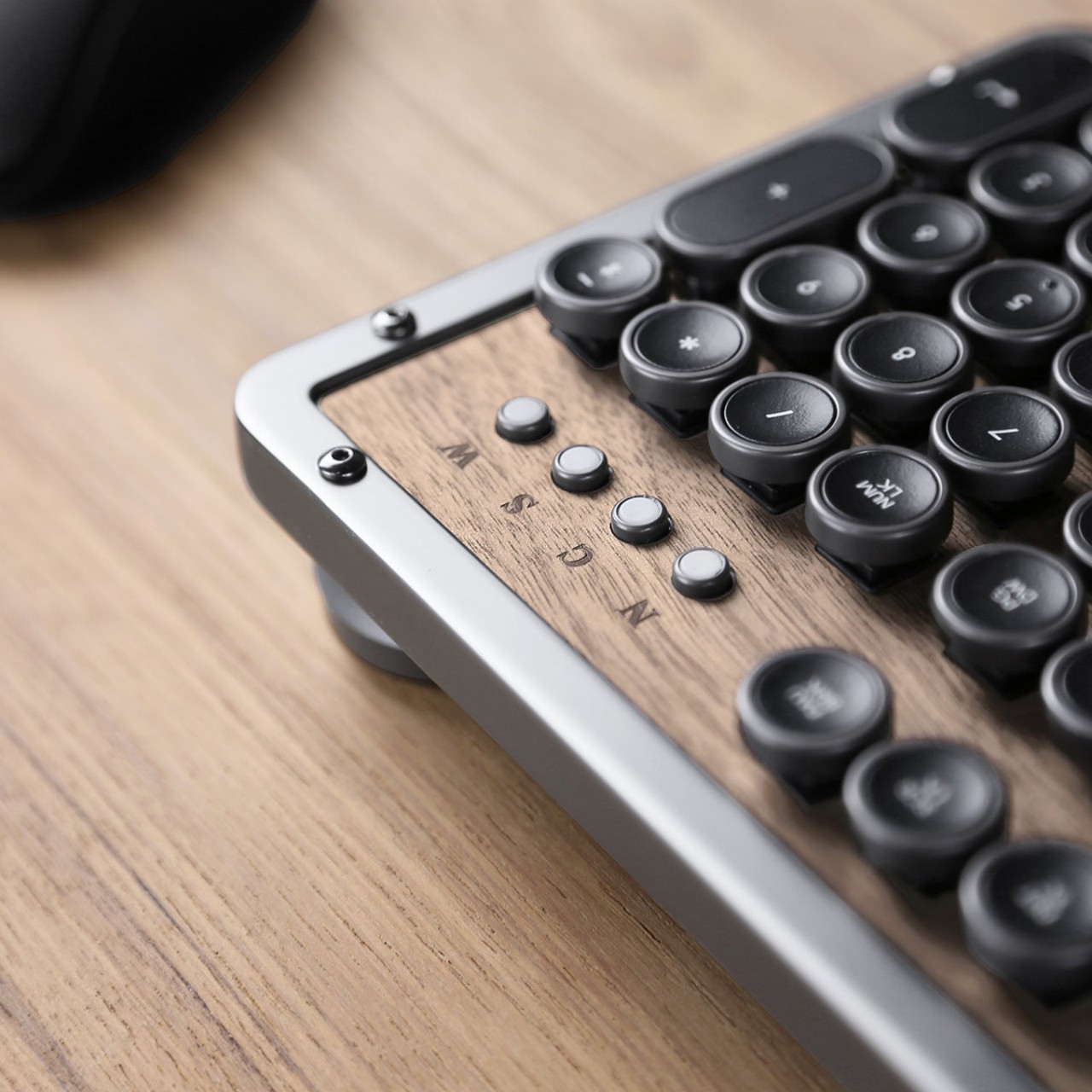
AZIO’s new collection of retro mechanical keyboards tries to strike the balance between minimalist design and detailed retro aesthetics. Inspired by the design of classic typewriters, it shaped the keys into concave circles encased in what looks like polished metal. The keys have a rather sizable gap between them, allowing the backlight underneath to shine through the spaces and give the keyboard a distinctive yet gentle glow.

The retro keyboard, however, goes beyond simply trying to mimic a typewriter. AZIO opted to use premium materials for both the frame as well as the surface of the keyboard itself, mixing aluminum with wood or leather. These materials are already a sight to behold, but their textures can also stimulate the skin. You don’t need to reach for a fidget toy or any other object when you can just glide your finger across the luxurious materials of the keyboard instead.

Of course, this is a mechanical keyboard, so it comes with all the benefits that this kind of device entails, from a solid, tactile typing experience to the satisfying clicky sounds that each key makes. The overall design is distinctive yet subtle, giving your eyes something nice to look at without taking your mind off the task at hand. It’s a tool that is a pleasure to see, touch, and use and doesn’t get in the way of you creating your next big writing masterpiece.

The post Retro mechanical keyboards offer a tactile experience to inspire creativity first appeared on Yanko Design.

3D-printed E Ink typewriter offers distraction-free writing with modern perks

Most if not all of us may have dreamed of writing some form of literature like a book or even a novel. It may be an adventure inspired by the latest bestseller that you read, a tear-jerking drama drawn from personal experiences, or even a technical matter intended to pass down knowledge to future generations. Although we still call it “writing,” the fact is that books today are all typed on some kind of machine or another, be it a computer or even an old-school typewriter, each with its own strengths and weaknesses. A computer, of course, delivers plenty of flexibility and convenience, but those also come at the cost of complexity and, more importantly, distractions. Distraction-free typing devices have been popping up here and there to cater to the needs of writers, but this particular design lets you create your own solution and, if necessary, even repair the digital typewriter yourself.

Designer: Vicente Cruz

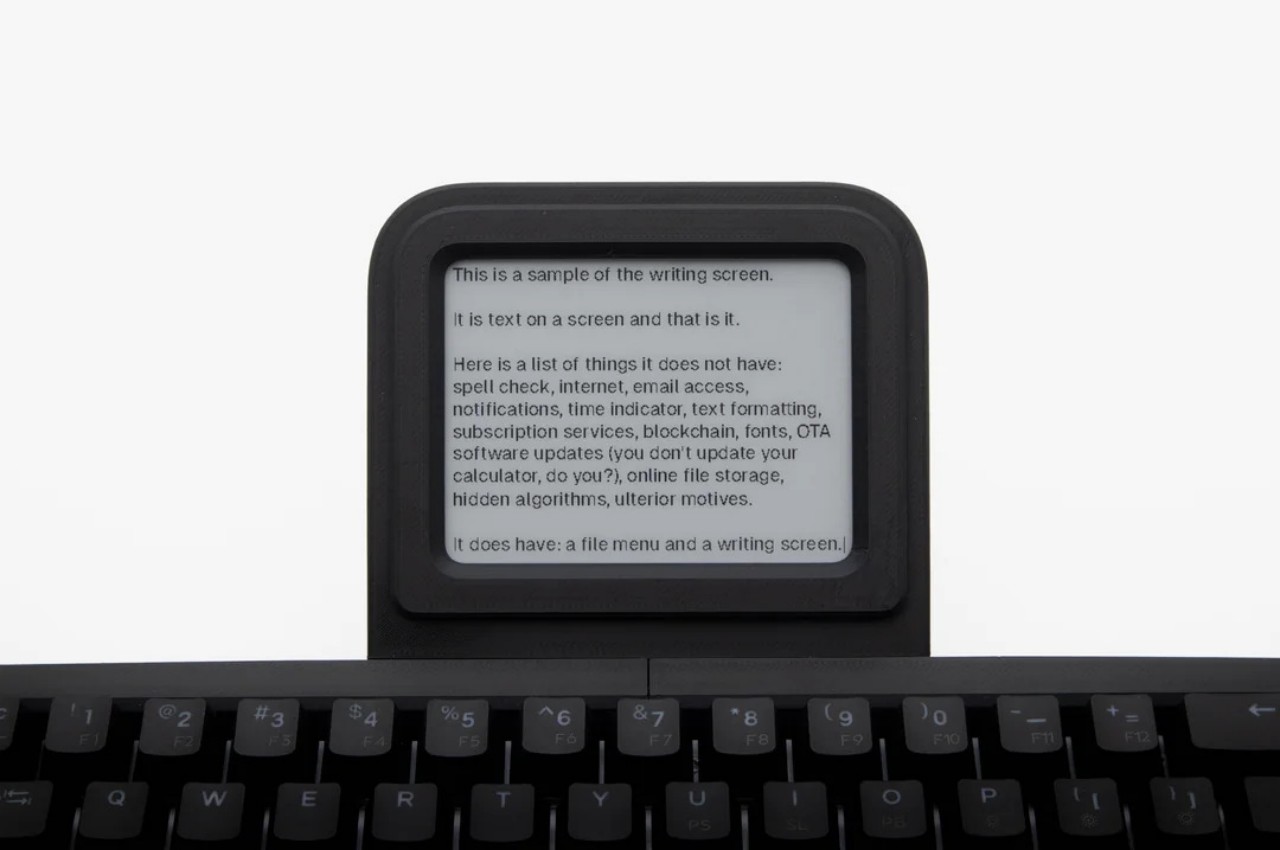
There are quite a few distraction-free typewriter designs, but almost all of them have one important feature in common: they all use an e-paper display like E Ink. This usually monochrome screen is not just eye-friendly, it is also not that conducive to the colorful images and animations on the Web that distract us from our writing task. The technology is starting to catch up, though, but the advantages of E Ink still make it the perfect screen for such a purpose.

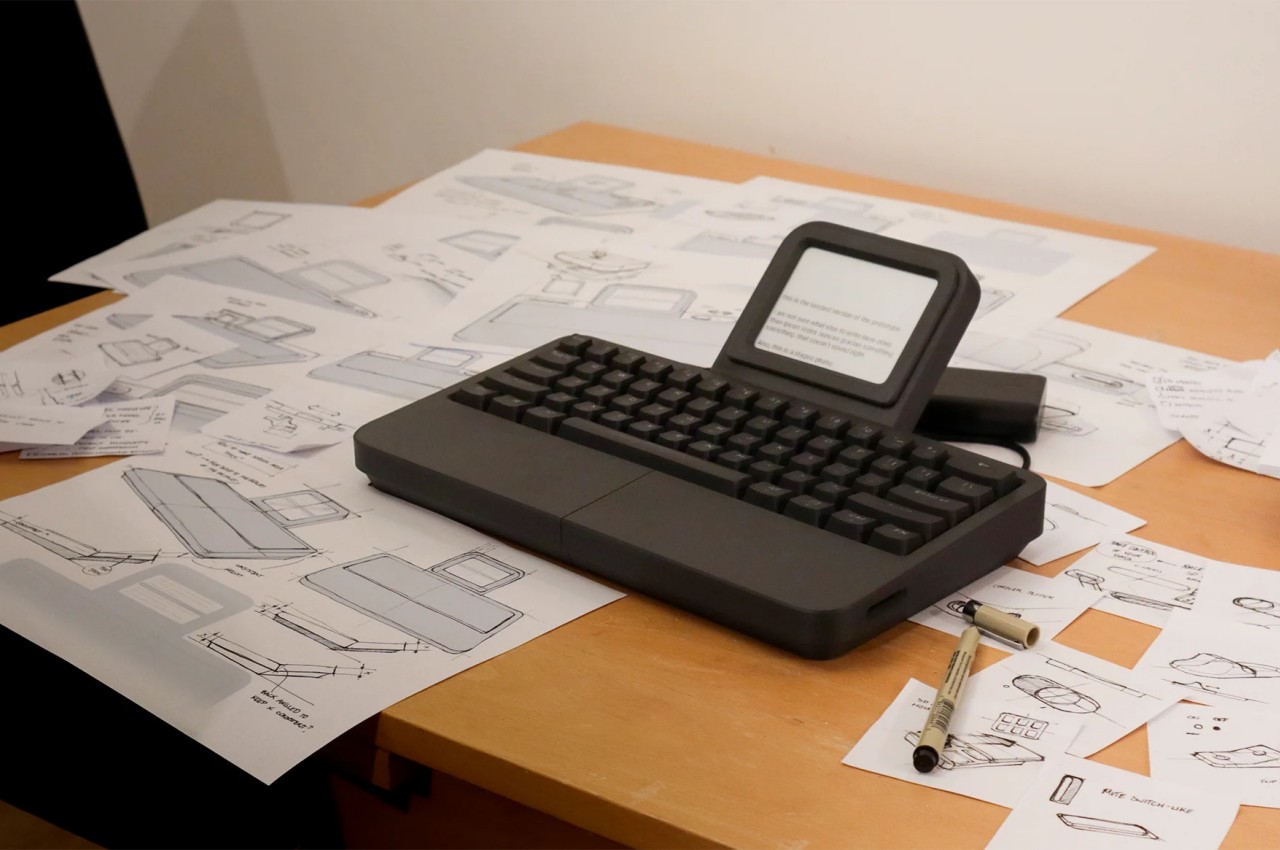
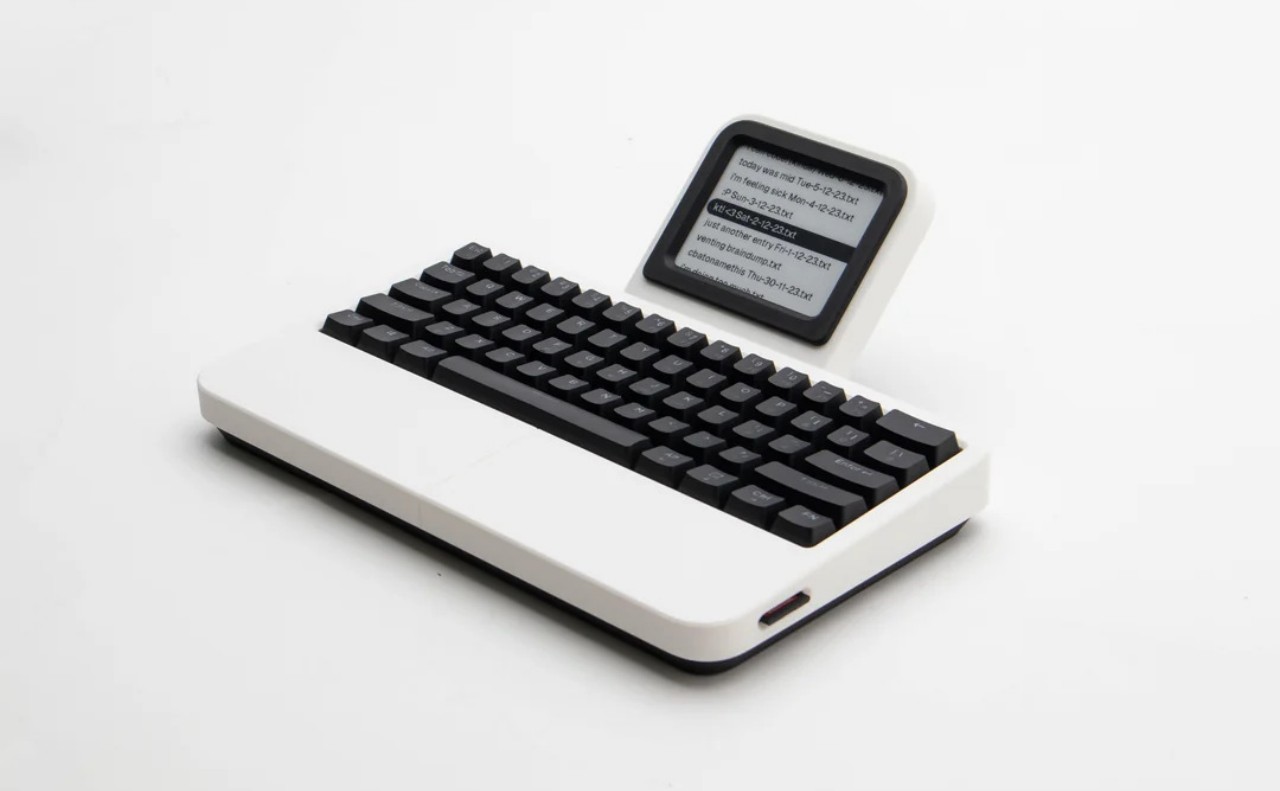
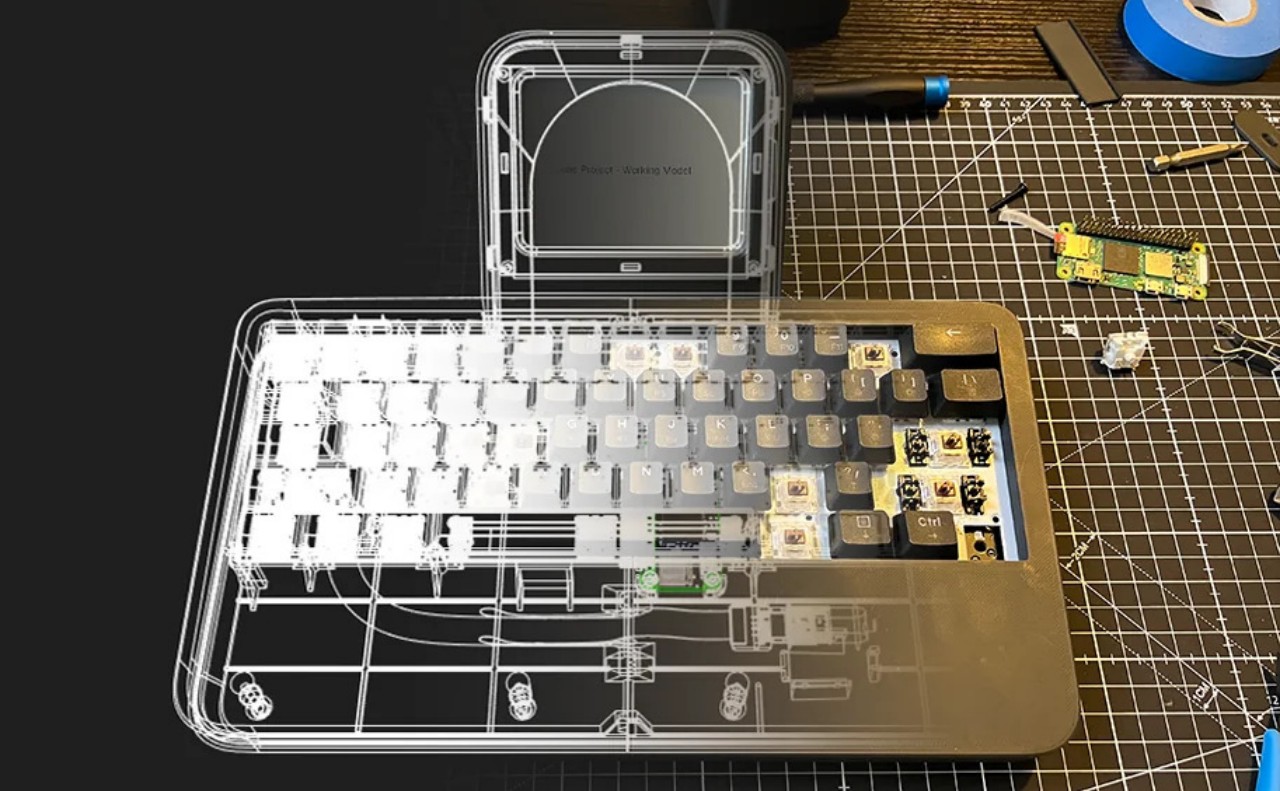
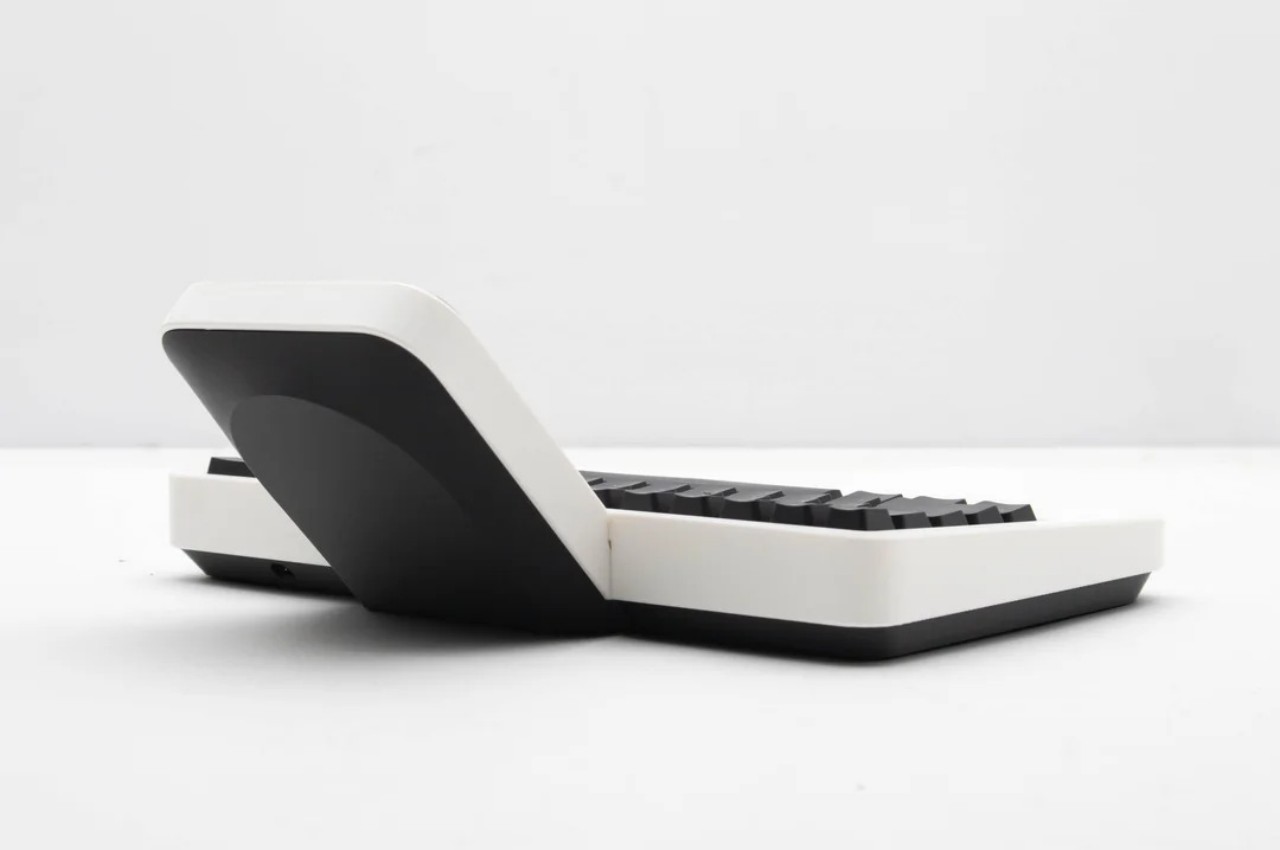
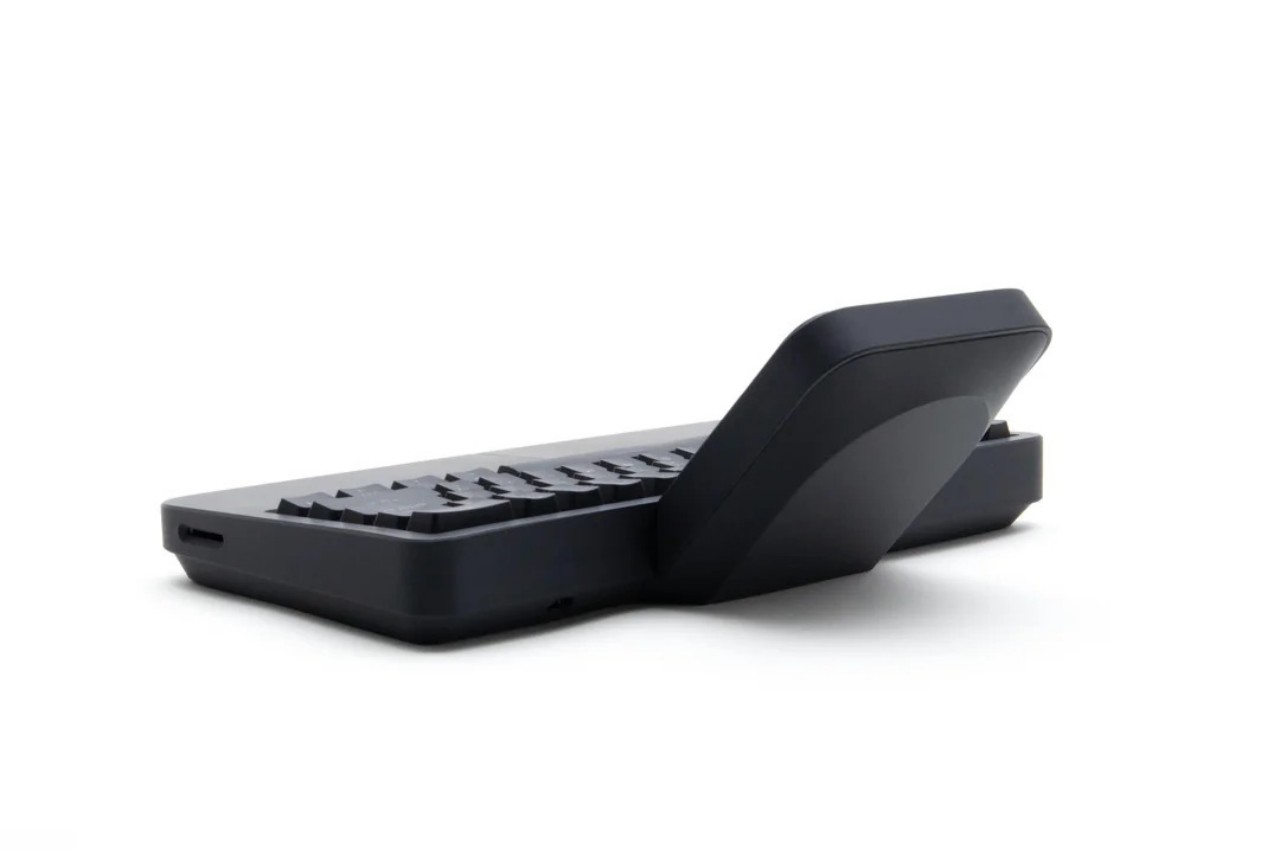
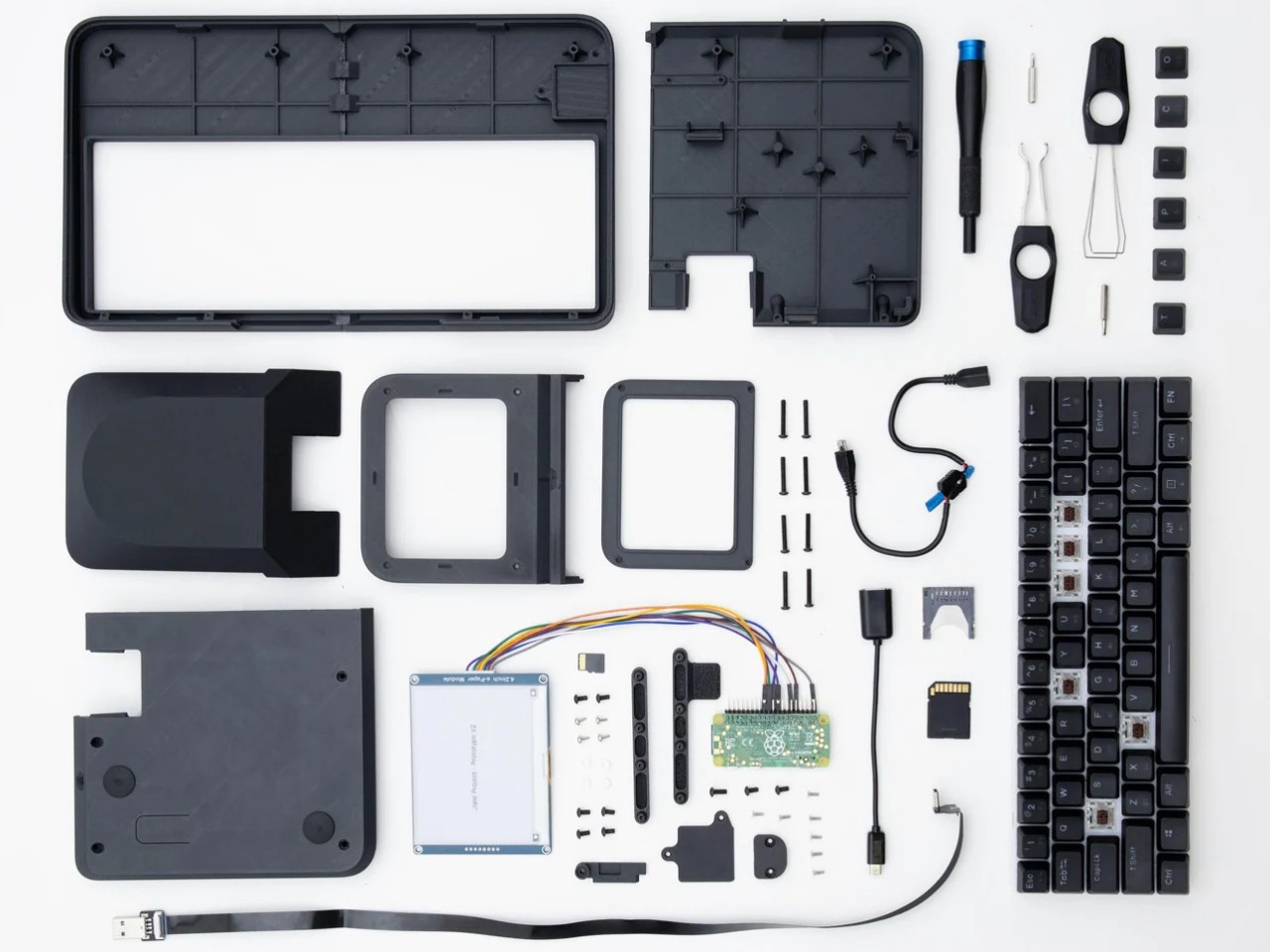
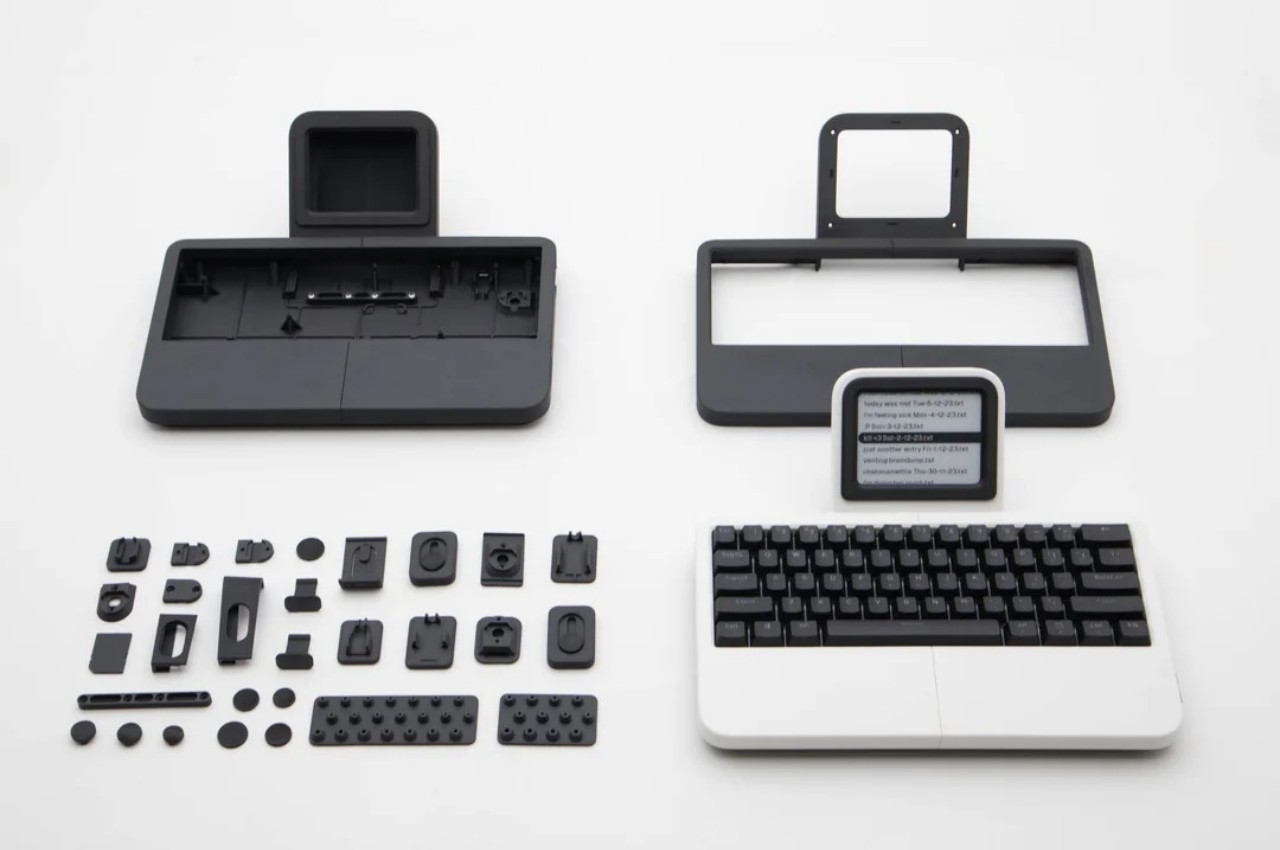
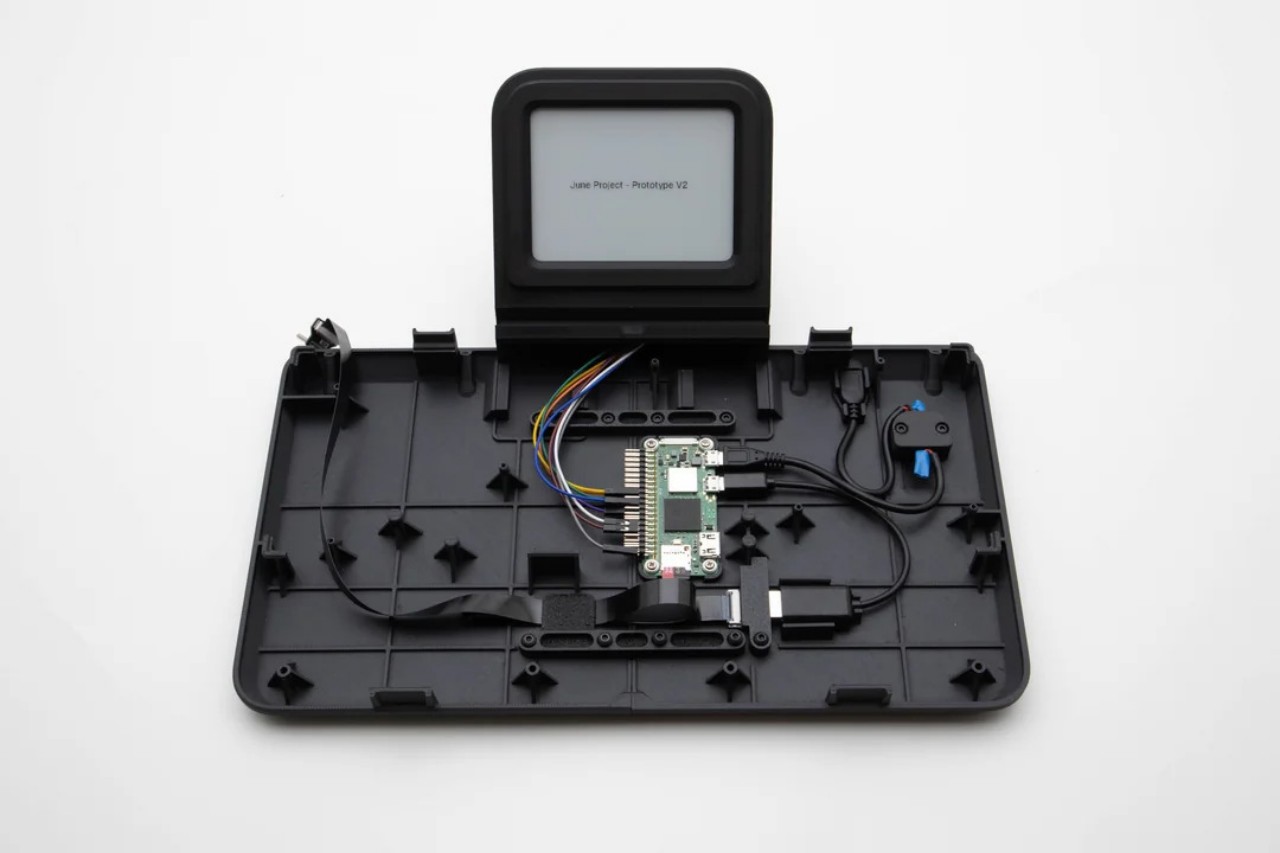
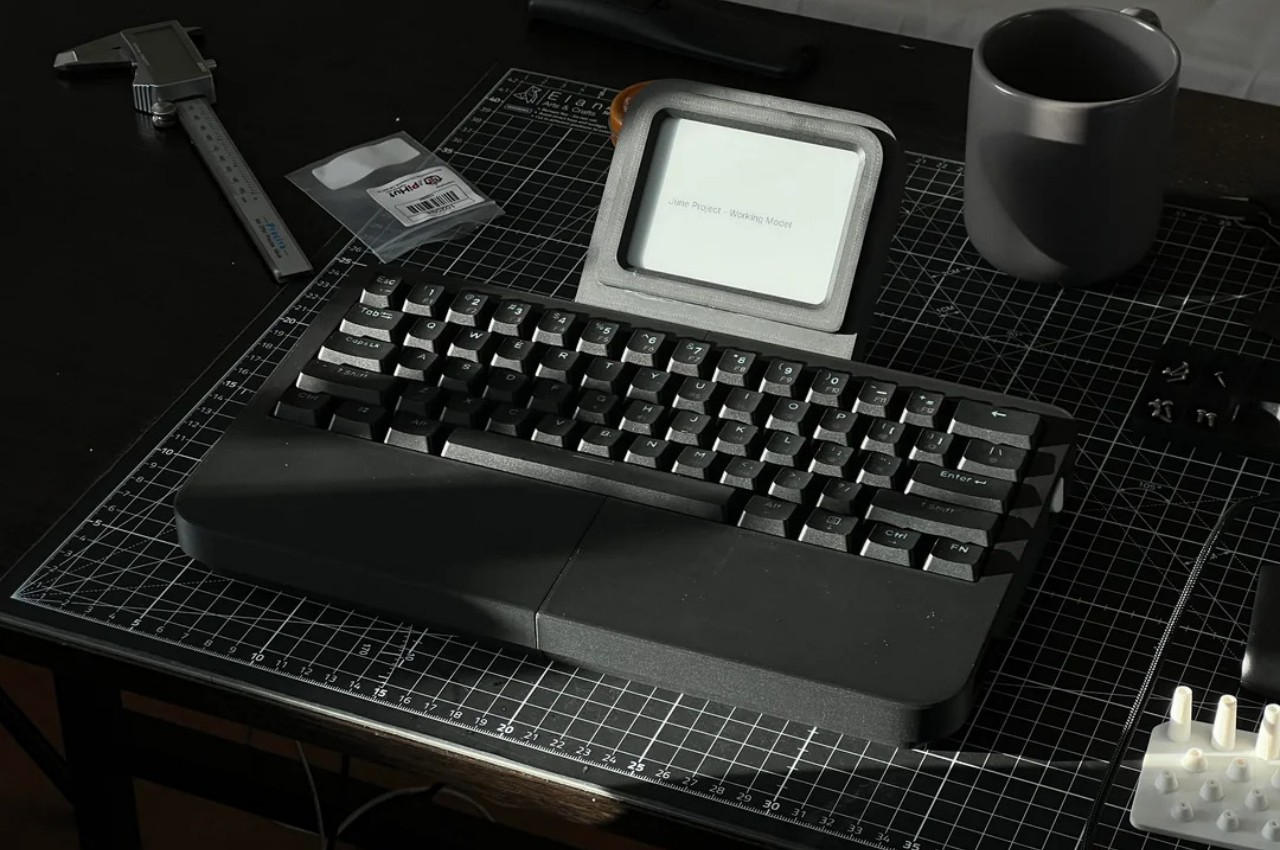
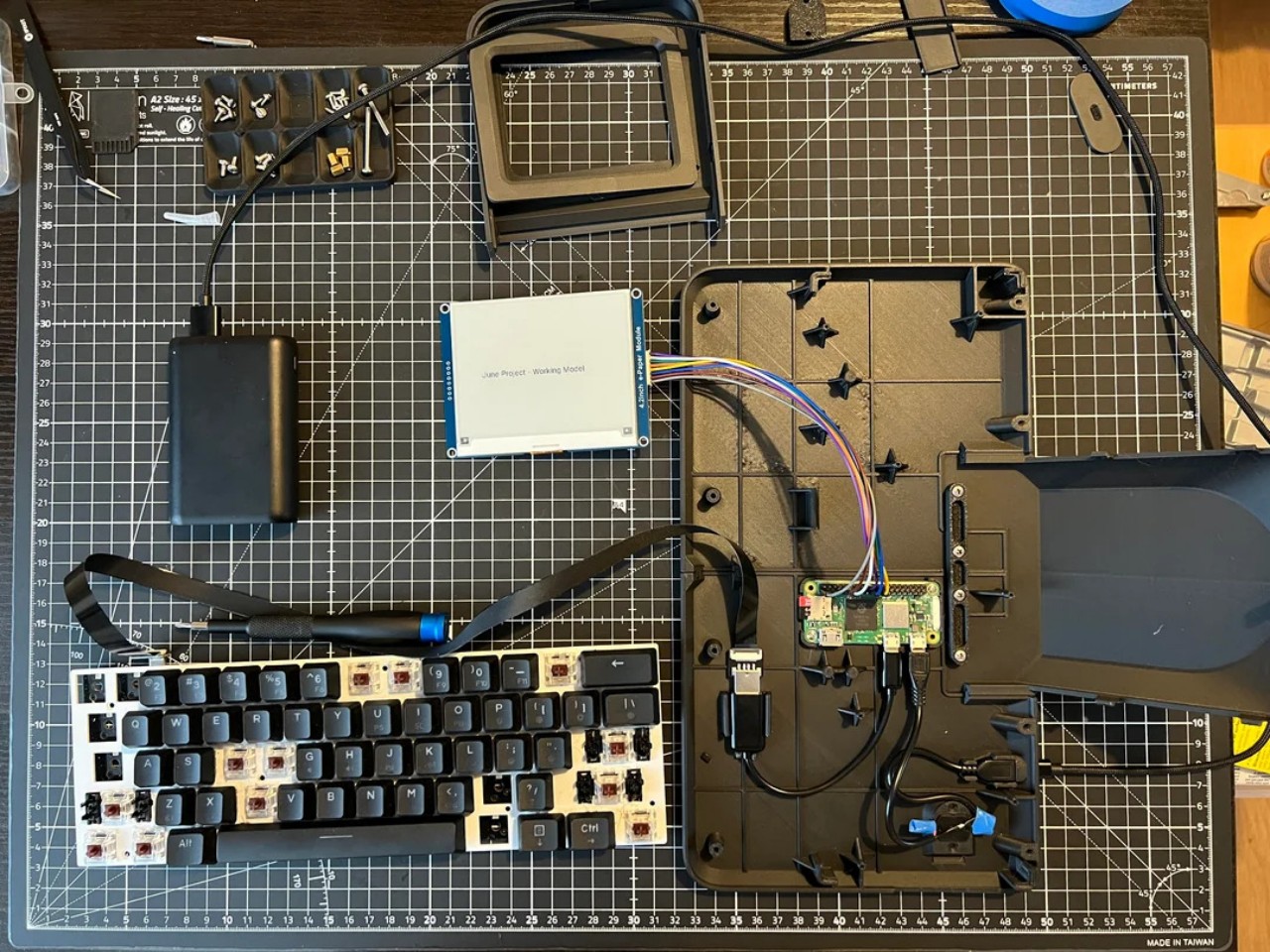
The Tapico Typer is a design that leverages that technology but also goes to the extreme when it comes to offering a distraction-free environment. You basically just have a keyboard with a somewhat small 4.2-inch E Ink screen centered on top. It doesn’t even have a battery, at least in this iteration of the design, so you’ll have to rely on an external power source like a power bank. It does have an SD card slot, however, which is the only way to get your files off the device since it has no network connectivity or even a USB data connection.

If that sounds extreme, it’s because it really is by design. The Tapico Typer is, interestingly, inspired more by a calculator than the old mechanical typewriter. It’s a single-function device that does only one thing but does it to perfection. It also means you have complete ownership of your content, free from subscription services and cloud storage. And, of course, there’s nothing to distract you on the screen, though the phone you place beside it could still steal your focus.

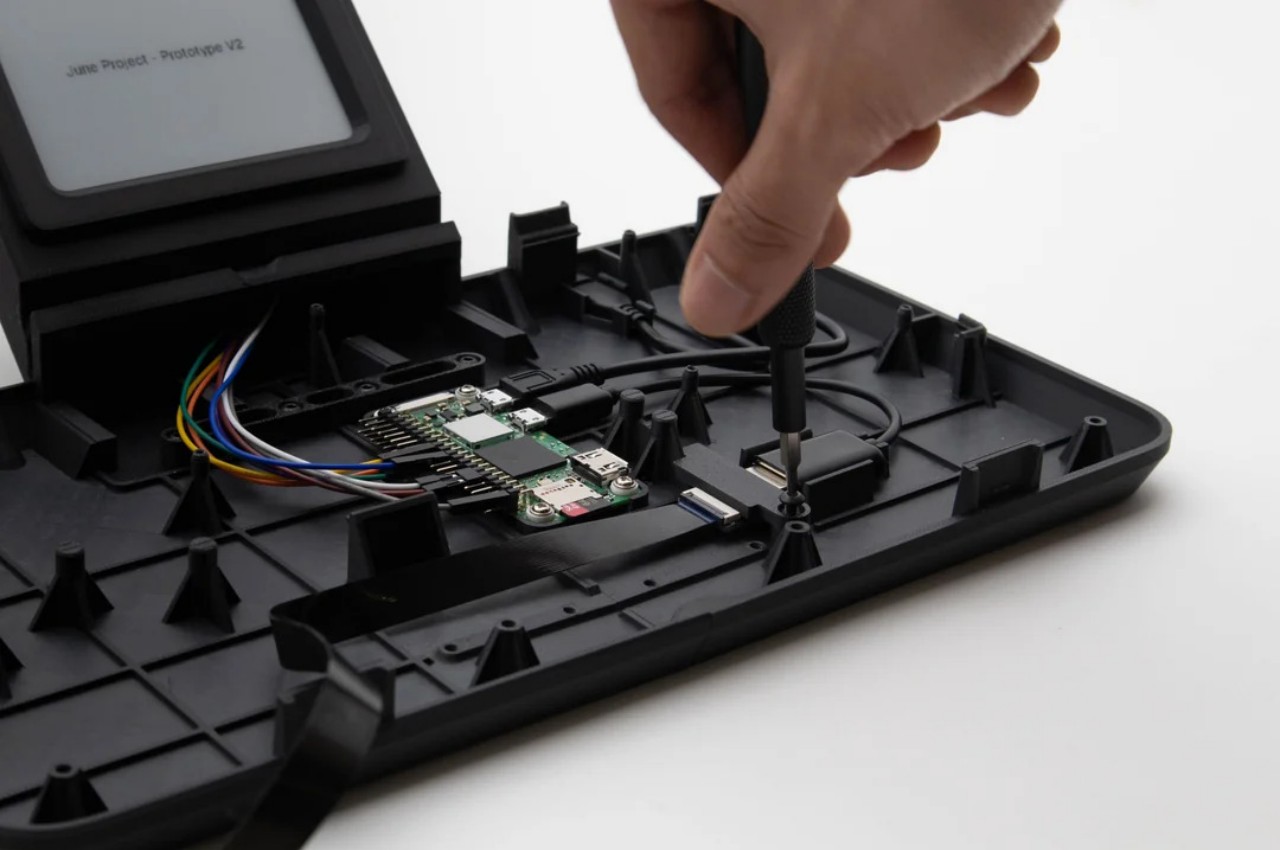
The digital typewriter is mostly 3D-printed and self-made, so it would be possible to follow the original’s design to make your own. Many of the components are available off shelves and there isn’t much soldering involved, so most of the work boils down to designing the chassis. A future plan is to include some internal power source or at least a way to use AA batteries that could last for months thanks to how little power E Ink displays consume. This also means that The Tapico Typerc can also be easily repaired, ensuring it will be your writing partner for a very long time.

The post 3D-printed E Ink typewriter offers distraction-free writing with modern perks first appeared on Yanko Design.

Galaxy Z Fold 6 renders reveal sharp design, rumors of Ultra model appear

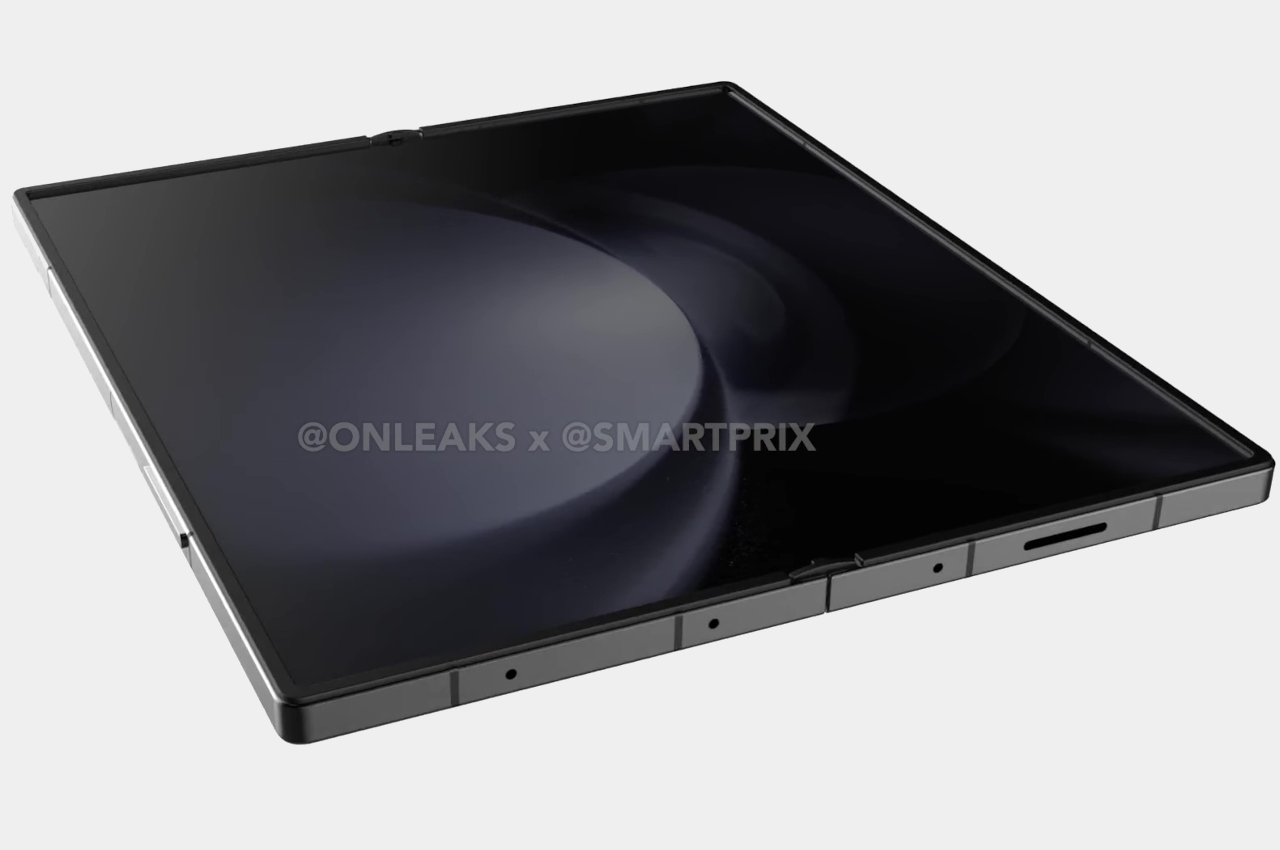
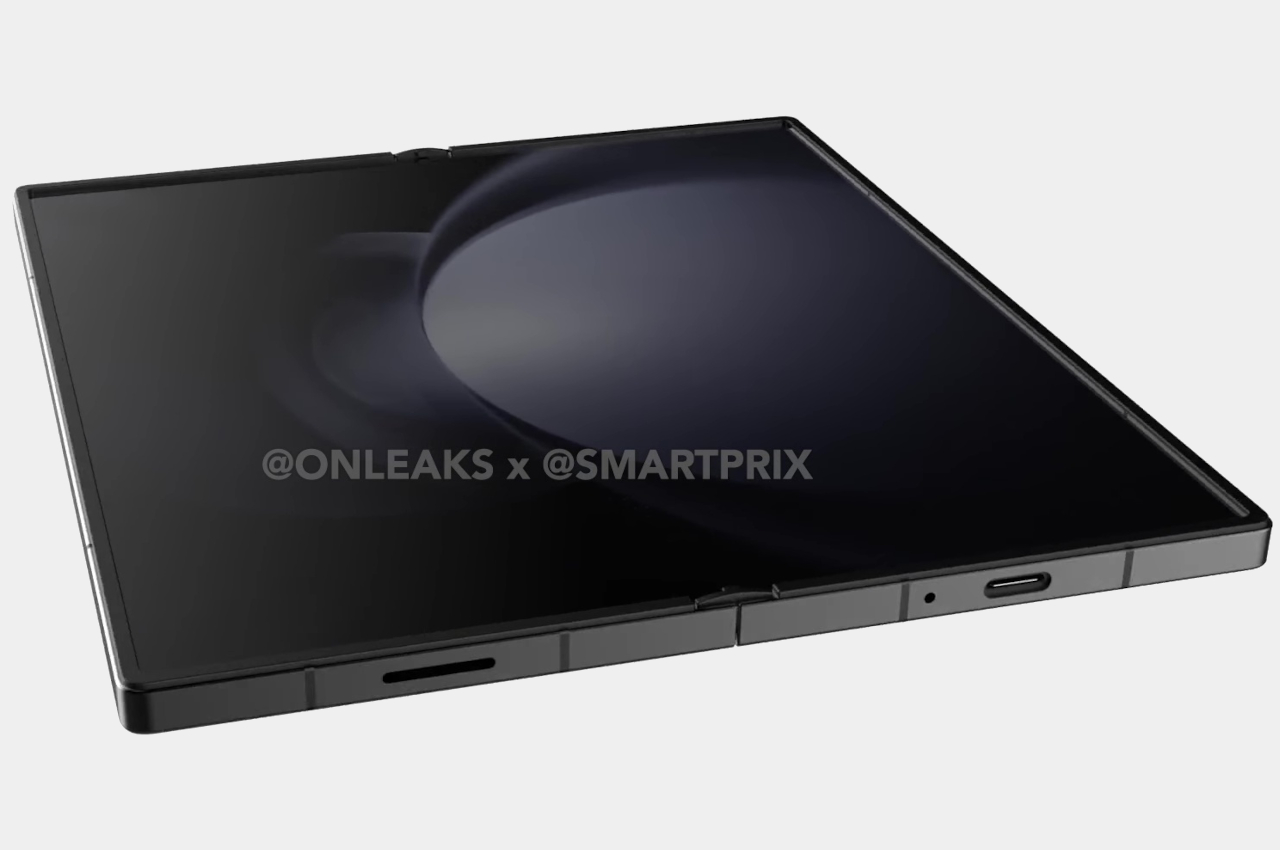
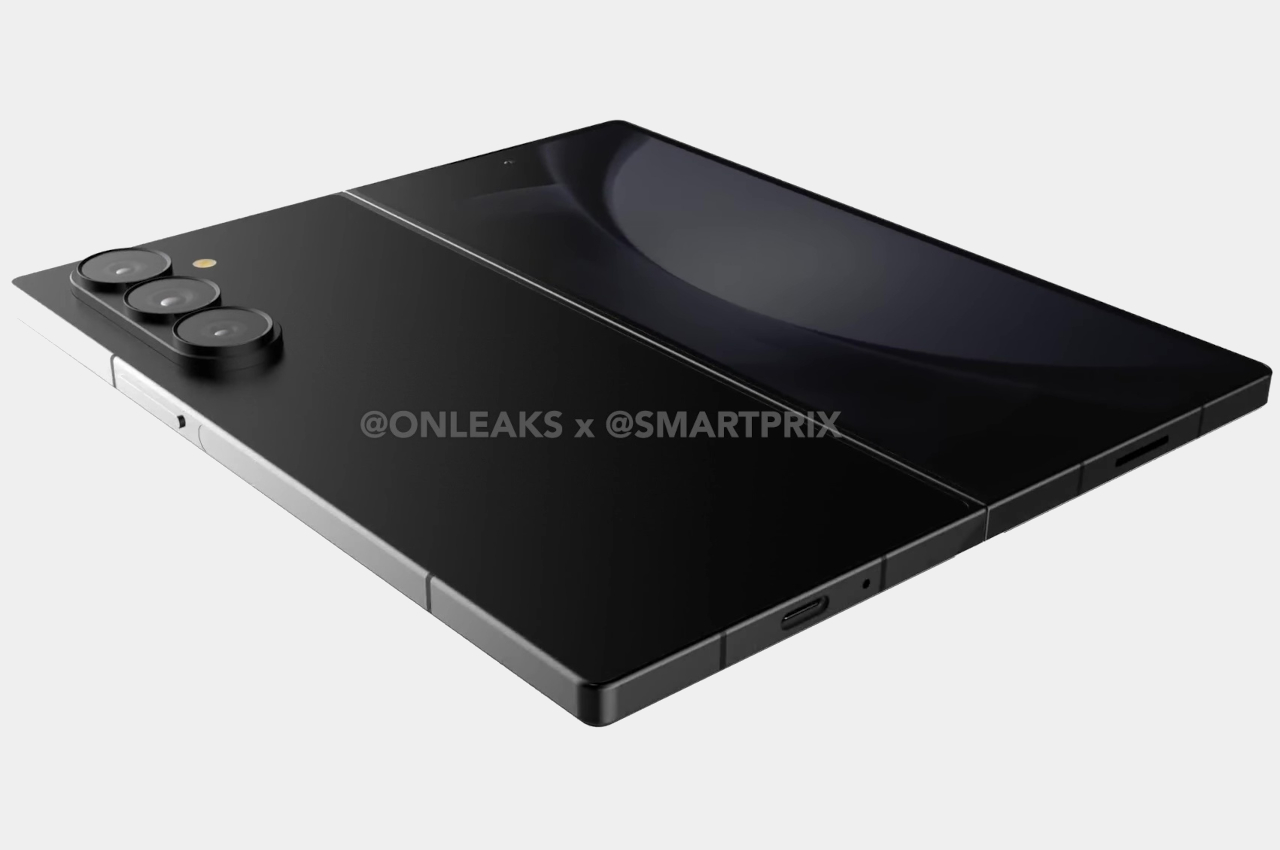
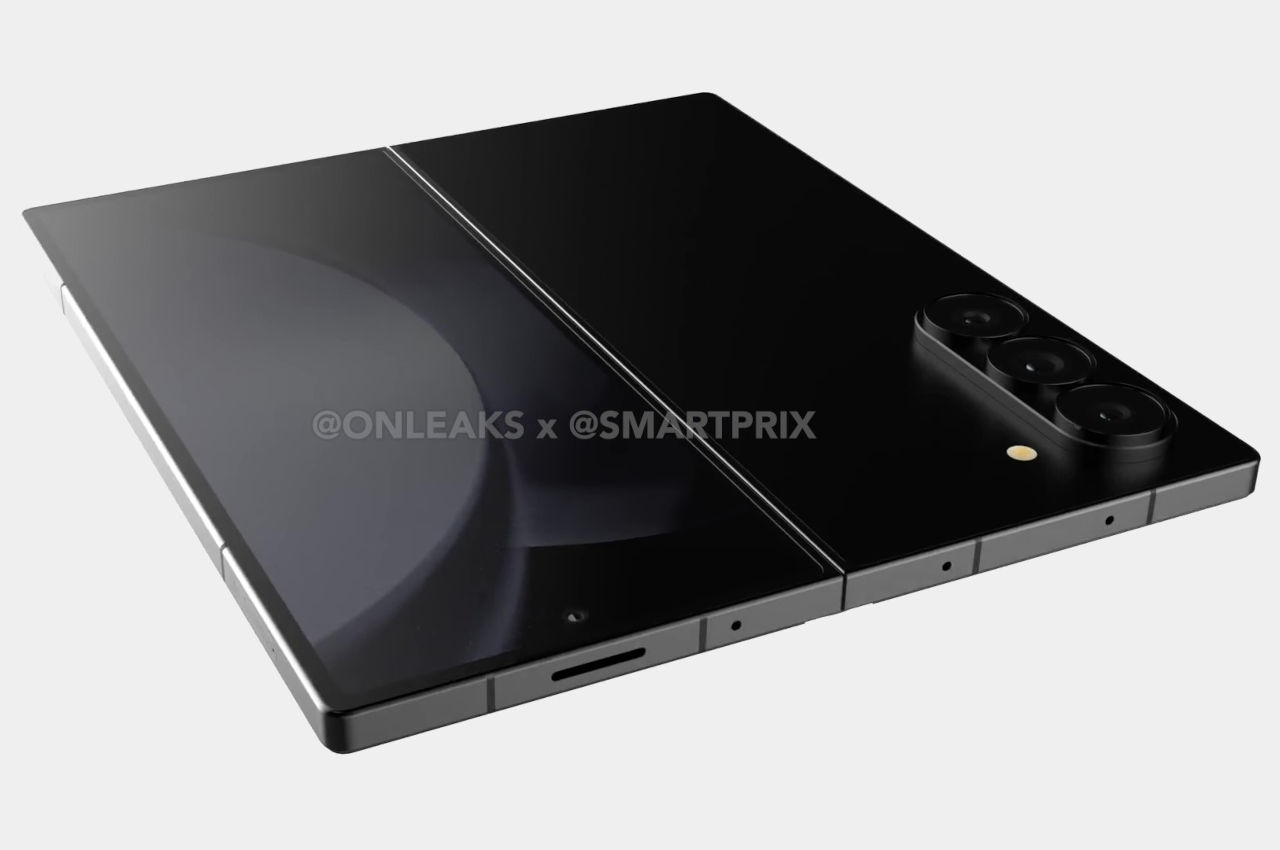
MWC 2024 has seen several foldable phones that have either already launched or are still yet to come, showing that this growing market is, in fact, still growing. But even with the number of new players or new models popping up regularly, there’s no denying that one brand stands at the top in terms of both market share as well as mind share. That’s the advantage of being one of the first and one of the most aggressive to market foldable phones, but it’s an advantage that won’t last long if Samsung chooses to rest on its laurels. Previous rumors about the Galaxy Z Fold 6 hint at a very mixed bag, and fresh 3D renders of Samsung’s next foldable seem to prove that it is indeed going after iterative refinement over sensational new features.

Designer: Samsung (via Smartprix and Steve Hemmerstoffer/@OnLeaks)

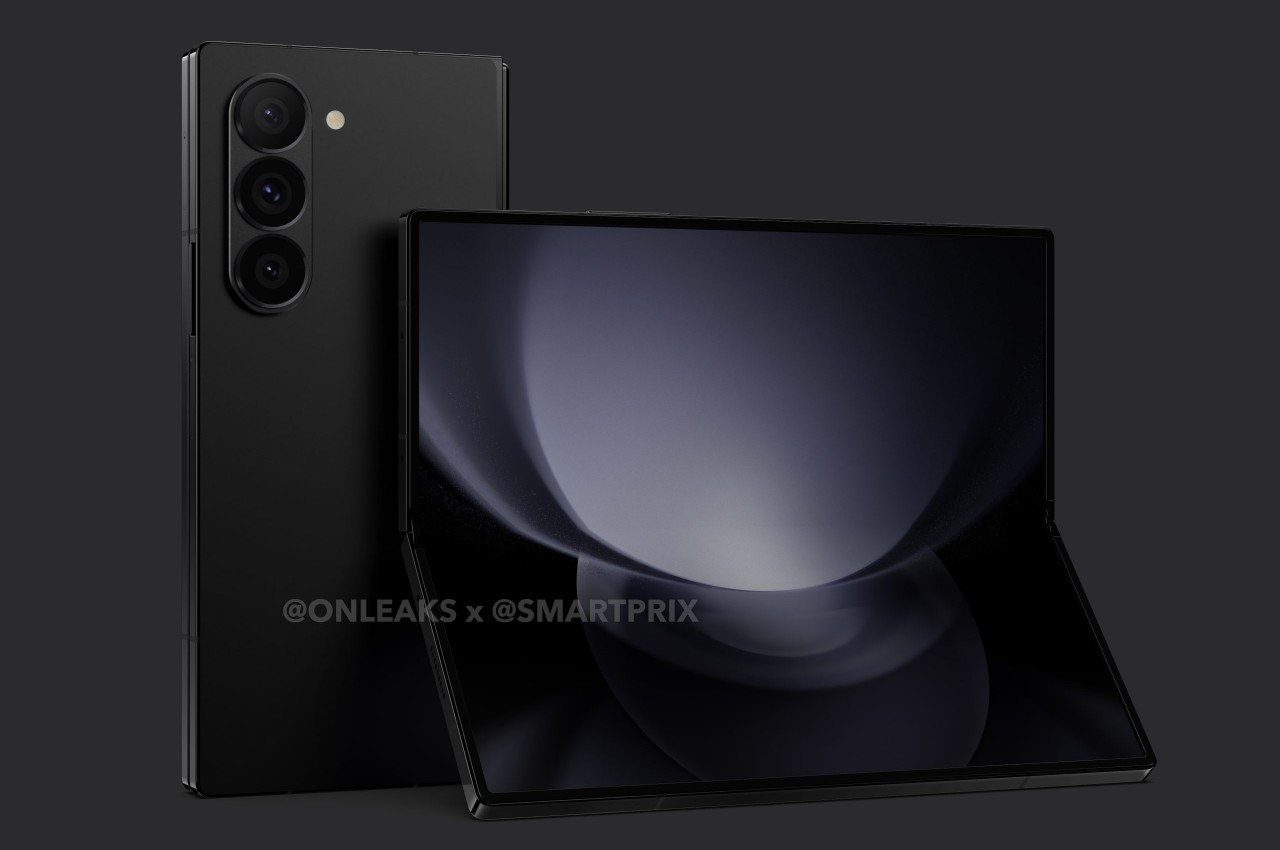
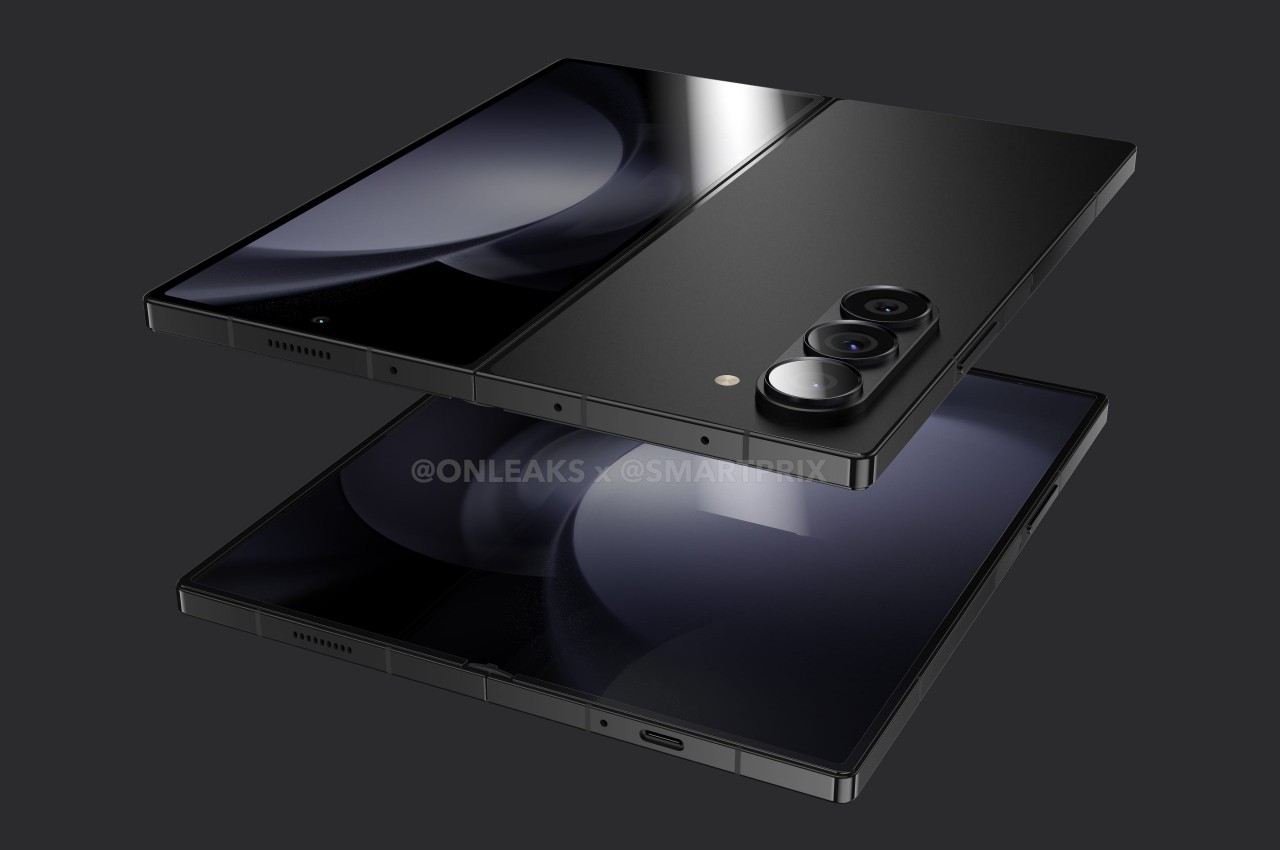
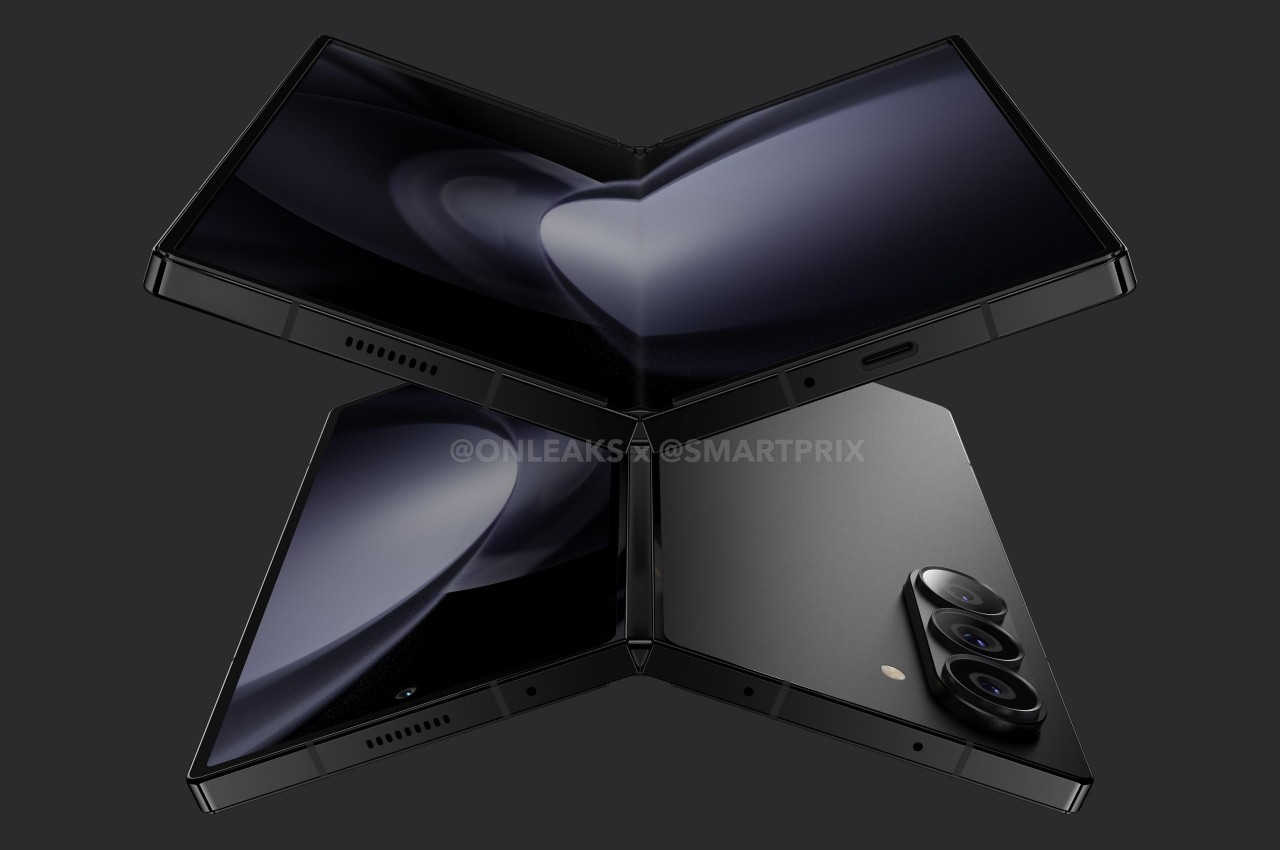
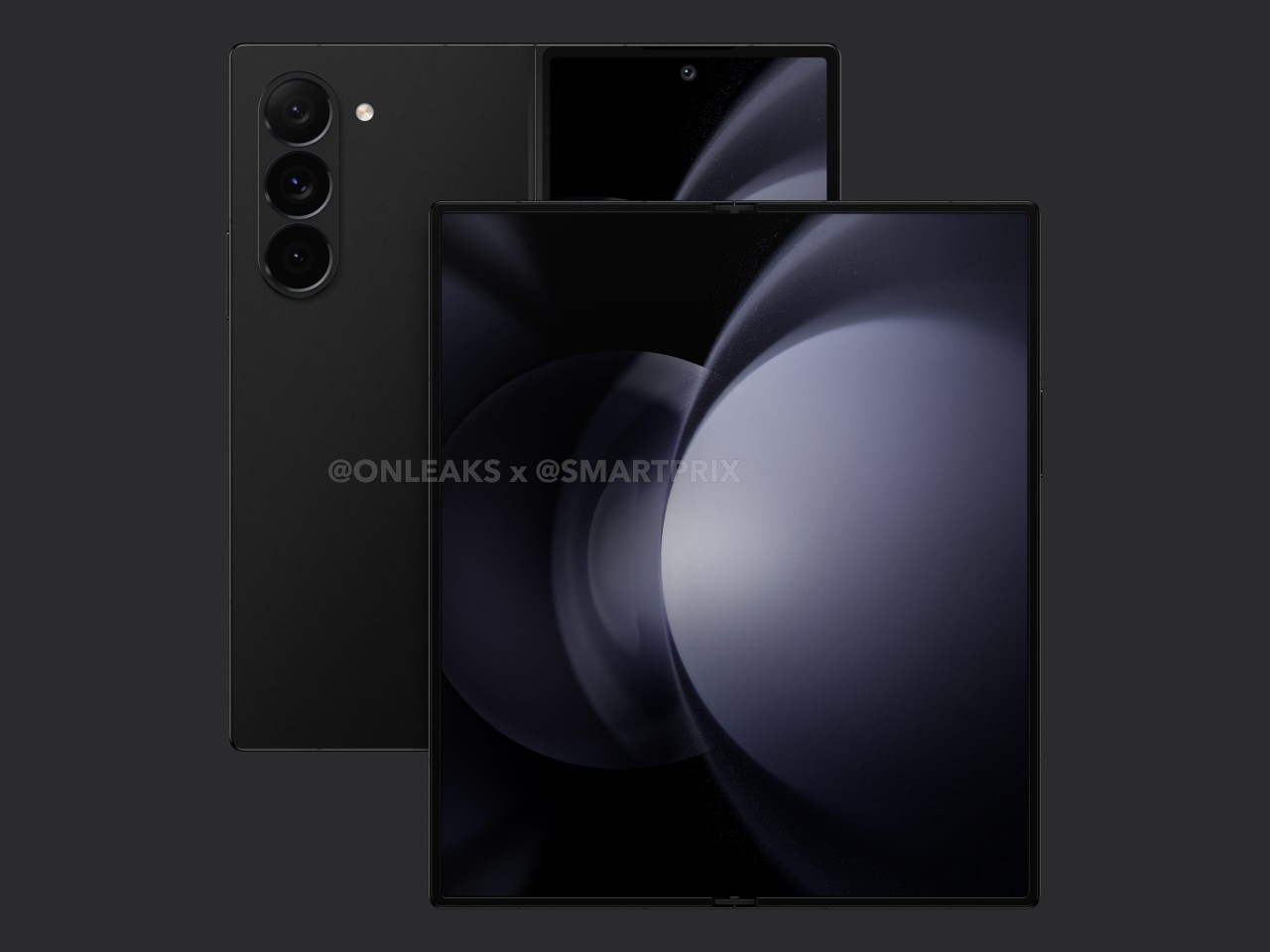
Depending on how you look at it, the Galaxy Z Fold 6’s design pictured in these unofficial renders could either be sleek or boring. It admittedly shares much in common with its predecessor, save for one detail. The corners are now more angular, which gives it a sharper appearance, literally and figuratively. In a sense, it resembles the boxy Galaxy S24 Ultra now more than ever, putting it in the same category as that “pro” smartphone.

The more interesting details, however, aren’t exactly apparent in these renders. The illustrations were based on unofficial sources which claim that when unfolded, the Galaxy Z Fold 6 will have a dimension of 153.5 x 132.5 x 6.1 mm. While that does “confirm” that the phone is shorter and wider, it also indicates that the thickness hasn’t changed at all. That, in turn, could raise hopes that there might still be some room for an S Pen inside after all.

Other than that, there aren’t many changes expected for the next big Samsung foldable, especially when it comes to the cameras. That said, there are now whispers of an “Ultra” model apparently in the works, one that could have those much-awaited features like a built-in S Pen and upgraded cameras. This goes in the completely opposite direction of earlier rumors of a more affordable Galaxy Z Fold model. Then again, Samsung could also opt to lower the price of a “base” Galaxy Z Fold 6 ever so slightly in order to position the Galaxy Z Fold 6 Ultra better.

Regardless of how its actual design will come out, it will be an interesting and critical time for Samsung’s foldables. While it’s still popular, it is no longer the only game in town and its competitors are gaining ground quickly. Sooner or later, it will need to take bigger and bolder changes, especially ones that people have come to expect from one of the biggest smartphone makers in the world.

The post Galaxy Z Fold 6 renders reveal sharp design, rumors of Ultra model appear first appeared on Yanko Design.

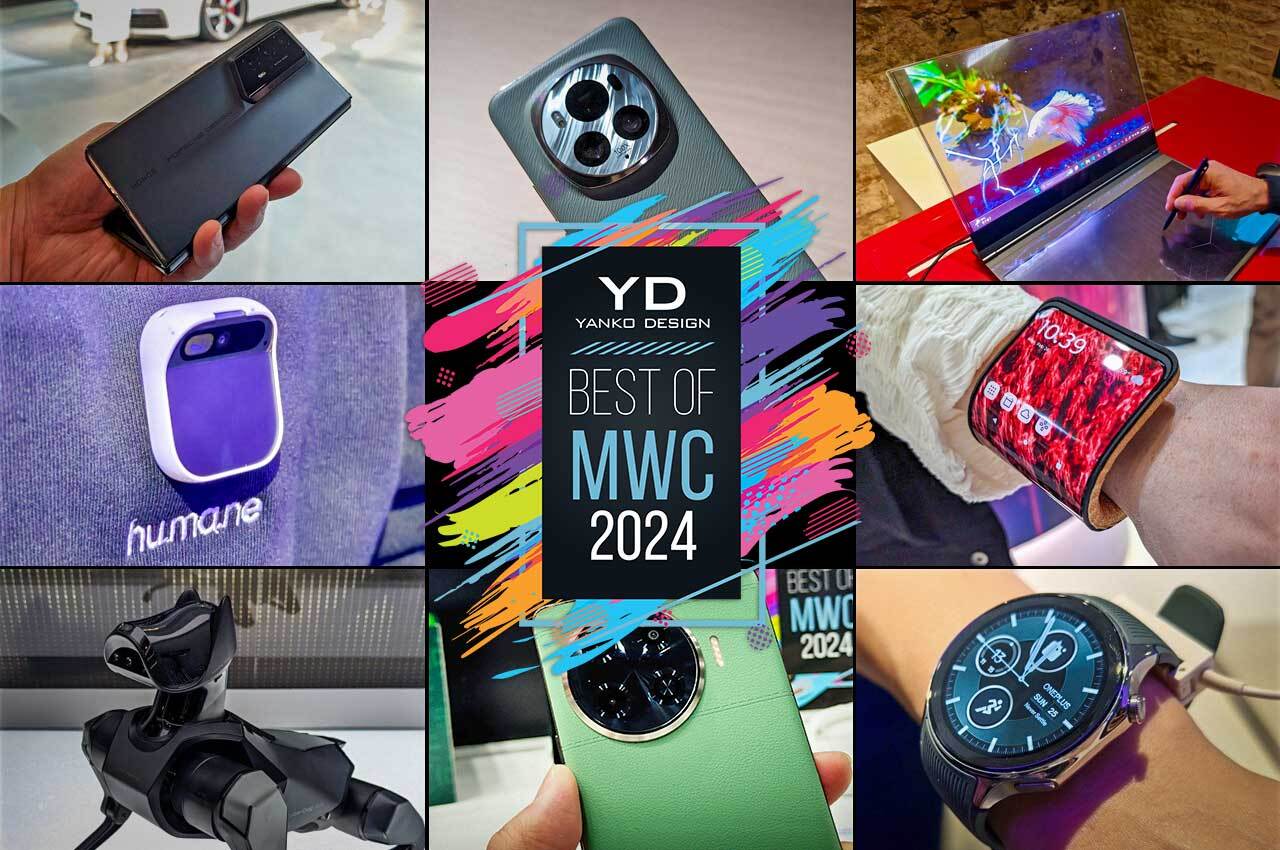
Best of MWC 2024: The Reality of AI

Artificial intelligence and machine learning have become such hot topics that even mainstream media has been giving them their 15 minutes of fame. Unsurprisingly, there are both proponents and critics of these technologies, but it’s hard to deny how AI is becoming an unavoidable presence not just in devices but also in services. Just take a gander at how many AI-powered or AI-enhanced designs there are at MWC in Barcelona this year. Of course, that’s not the only trend that’s gripping the mobile tech industry, and so we sift through the dozens of products and concepts at MWC 2024 to pick out the best designs that help live life to the fullest, with a little help from AI, of course.

TECNO Spark 20+ Pro
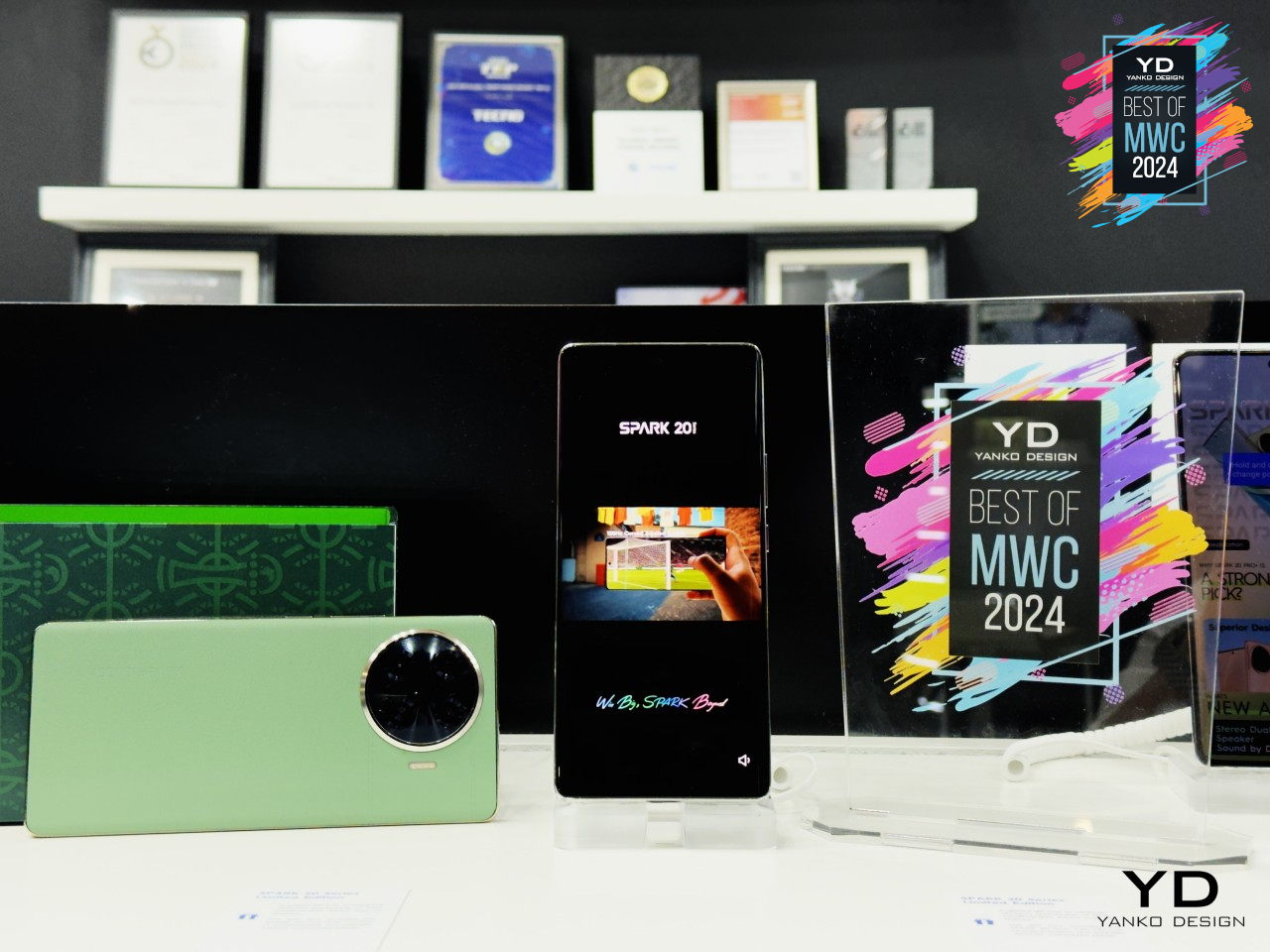
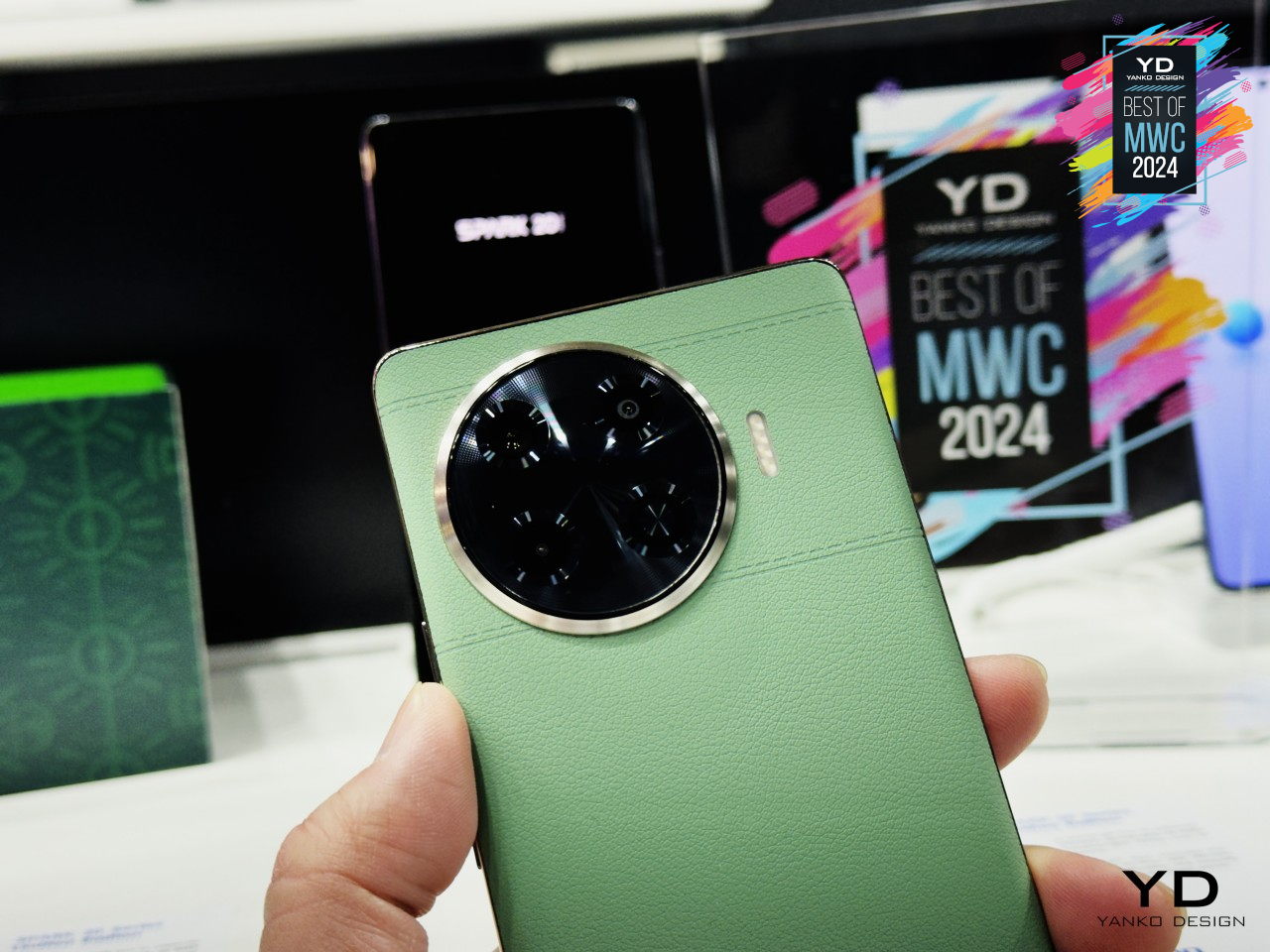
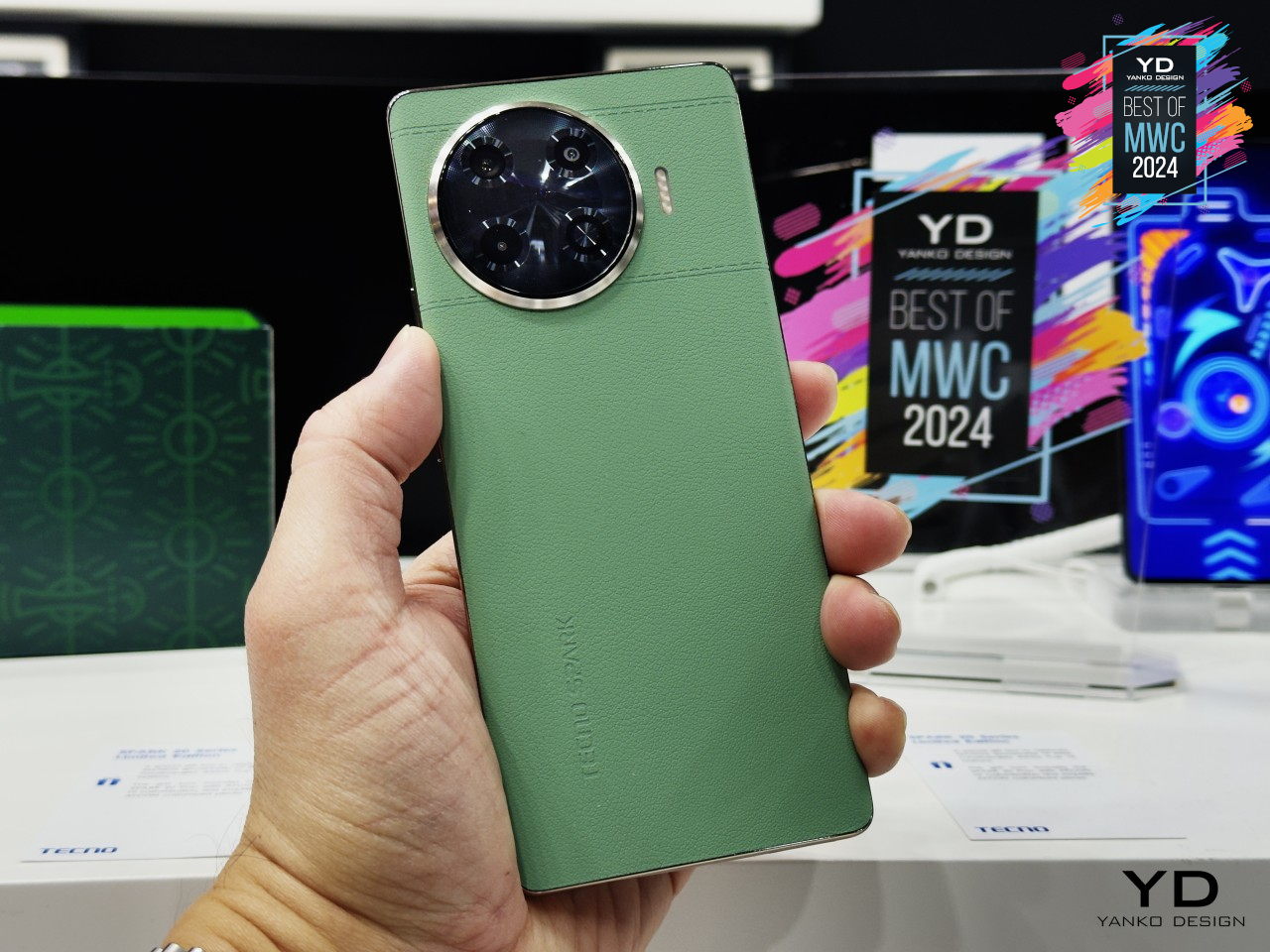
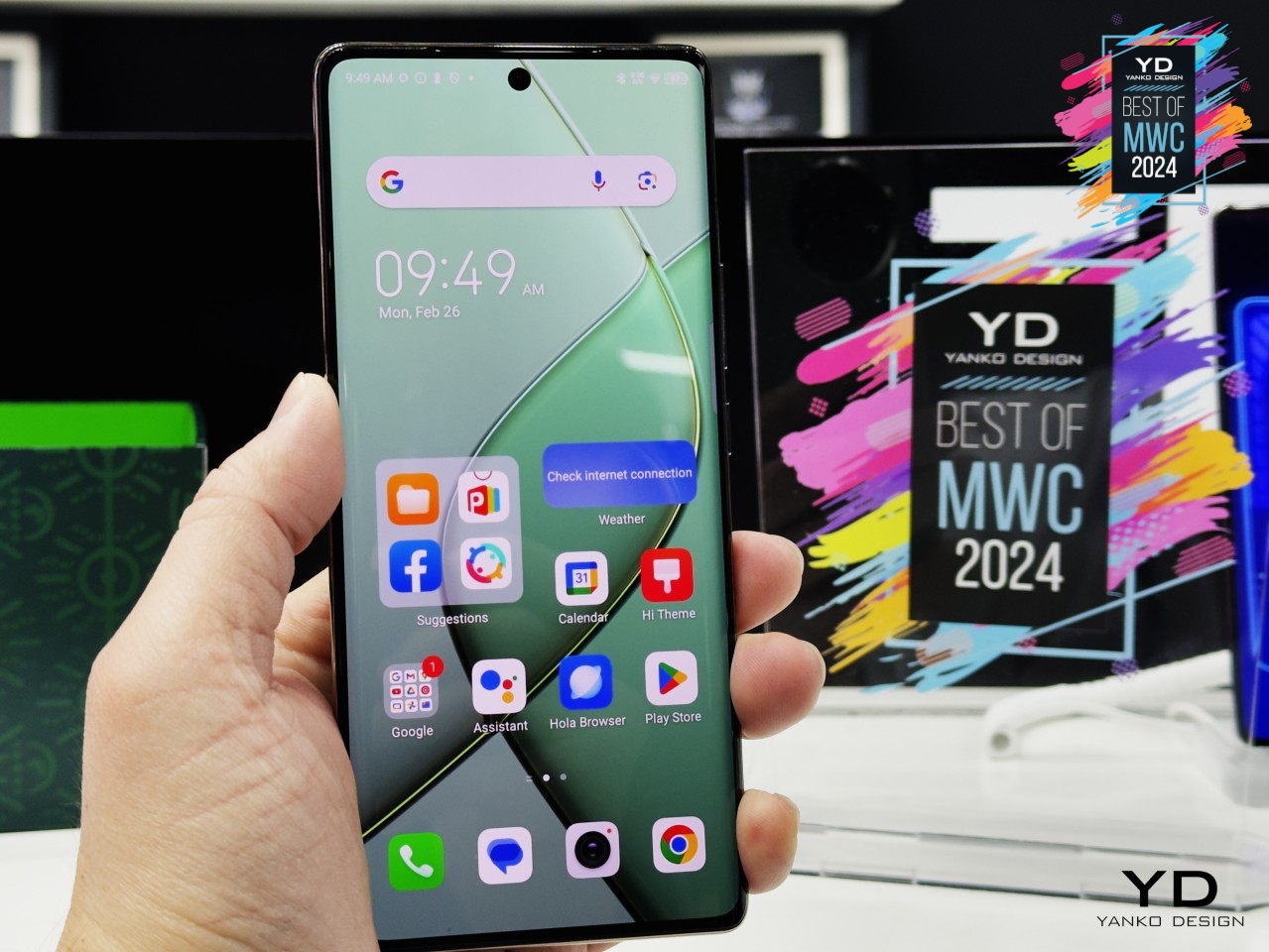
The TECNO SPARK 20 Pro+ is a remarkable choice in the affordable smartphone category, providing advanced imaging features and a stunning design at a reasonable price, perfect for today’s generation of creators. The camera boasts a 108MP lens with 3x lossless zoom and 10x digital zoom, leading to incredibly detailed photos. The large 1/1.67″ sensor size and F/1.75 aperture ensure excellent image quality in diverse lighting conditions. Its HDR Multi-Frame Fusion intelligently balances light and shade for optimal composition. The phone also features a 32MP Glowing Selfie Camera with an 88.9-degree golden lens, enhanced by AI portrait restoration, perfect for selfies or group shots. The high-end camera stack also includes TECNO’s 9-in-1 Adaptive Pixel technology. This feature increases light sensitivity by 900% and uses an ultra-large 1.92µm pixel to enhance your shots’ clarity.

Designer: TECNO
Vloggers will adore how it can record in 2K resolution, making it ideal for capturing important memories and putting your best self forward. Features like an automatic bokeh for movie-like effects, a night algorithm for improved low-light captures, and slow-motion support to enhance the production quality make you feel like a pro cinematographer without breaking a sweat. It also offers advanced video stabilization and dual-focus technology for diversified filming scenarios. The Dual View mode, which combines front and rear camera views, opens up new vlogging opportunities that will take your channel to the next level.
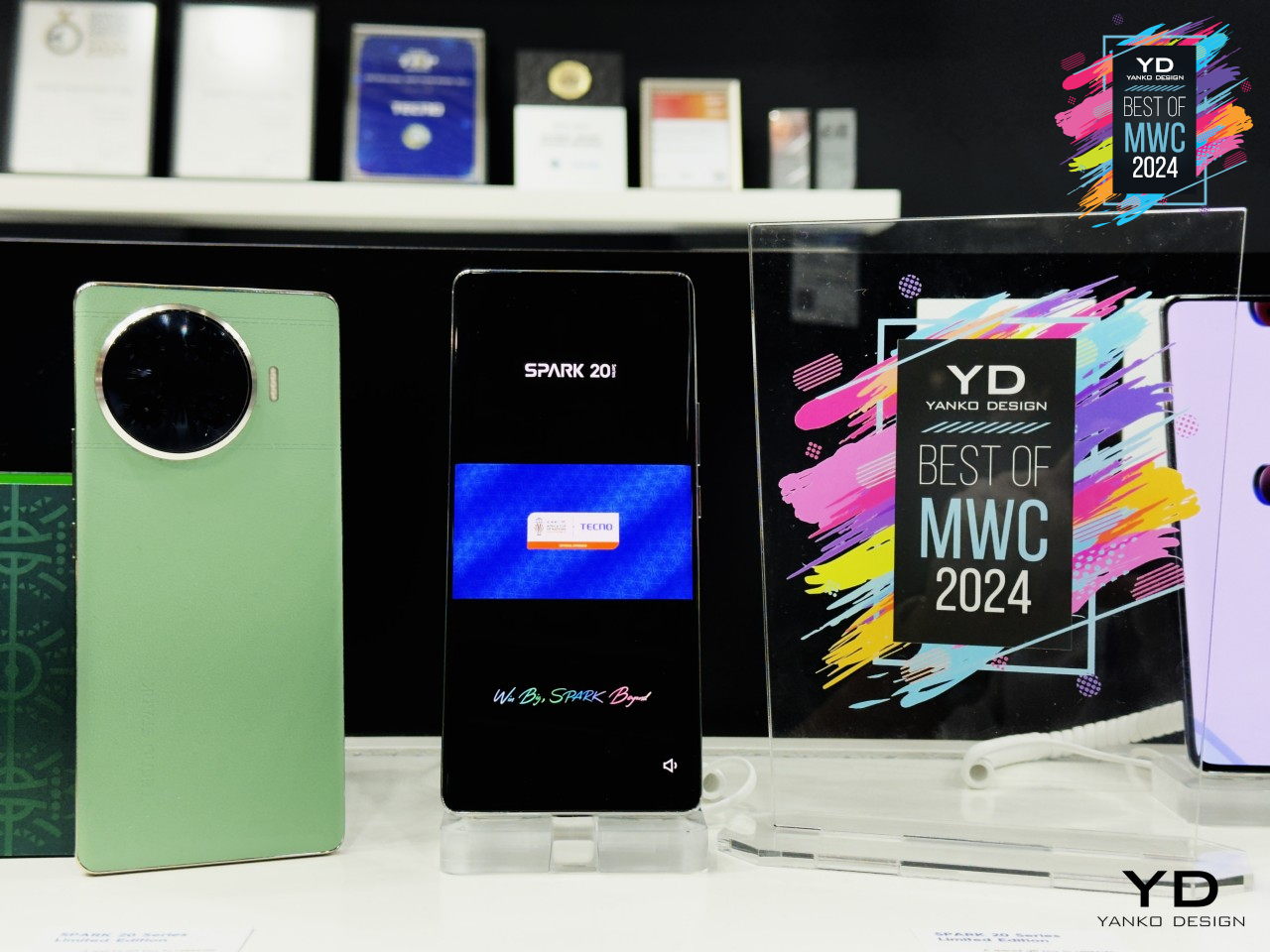
The high-quality Corning Gorilla Glass 5 makes it sleek and easy to hold thanks to an ergonomic design, and it is lightweight at 190g with a thickness of 7.55mm. With its pioneering 56.5-degree Ergonomics Double Curved Design, the phone is a sight to behold and a joy to behold from every angle. The Quadrant Star Array camera on the back provides excellent photos and adds balance, while the Sparkle Sand Pattern sparks interest and awe, easily making you the center of attention. The glossy back cover comes in three colors – Lunar Frost, Temporal Orbits, and Radiant Starstream, plus a fourth, Magic Skin 2.0 Green, for extra durability and an eco-friendly choice. Durability is another key factor that contributes to its appeal, with water and dust resistance features ensuring longevity. These aspects, combined with its high-quality camera system, make the TECNO SPARK 20 Pro+ a remarkable device that offers exceptional value for its price.

TECNO CAMON 30 Premier 5G
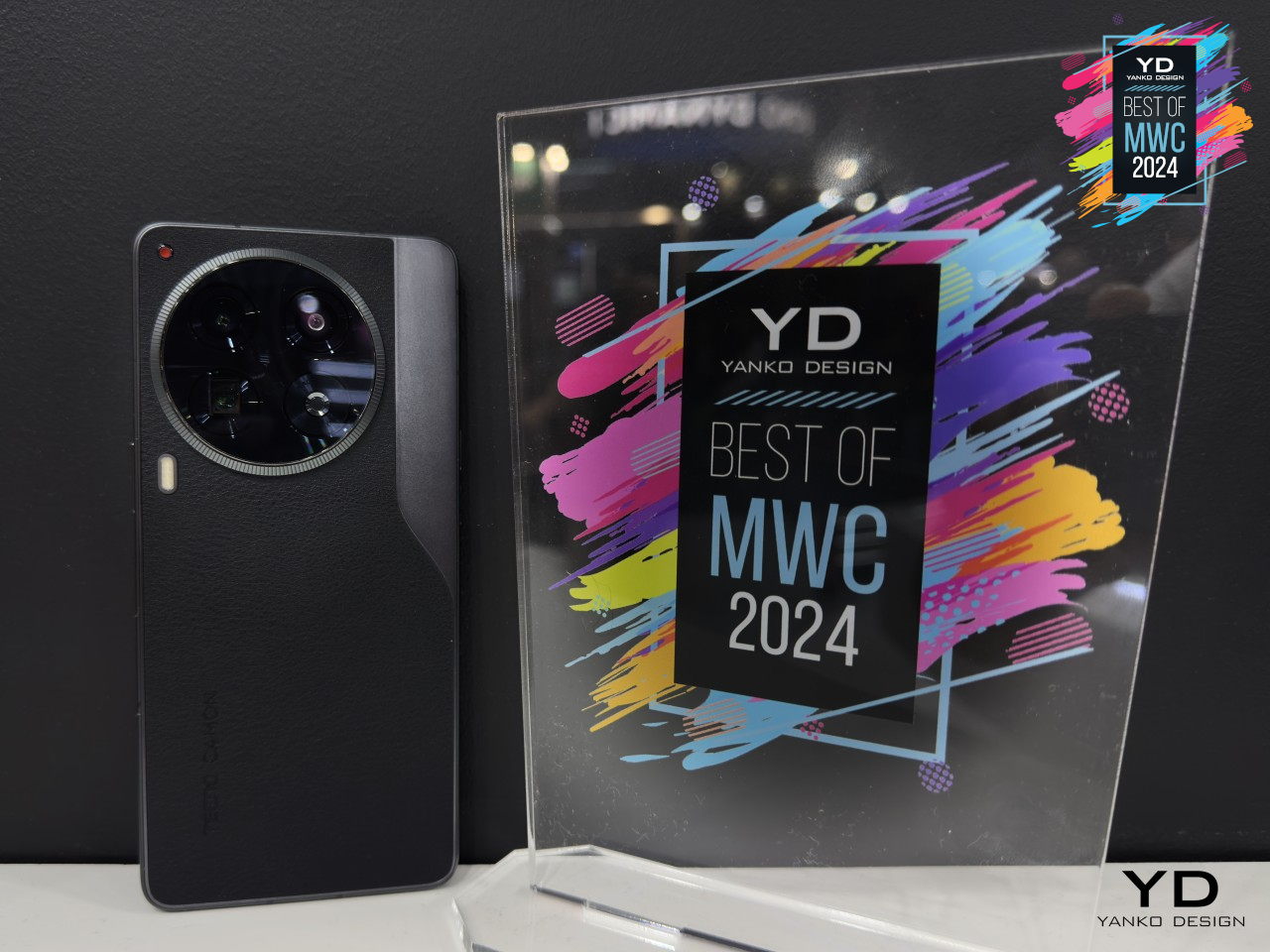
Photography has become one of the major reasons to have a smartphone these days, whether you’re an amateur shutterbug or a prolific influencer. Although manufacturers played the megapixel game in the beginning, it is now clear that takes more than that to produce breathtaking images and viral videos. It can be a complicated matter, but TECNO is simplifying it into a single package that is poised to revolutionize the mobile photography scene.

Designer: TECNO
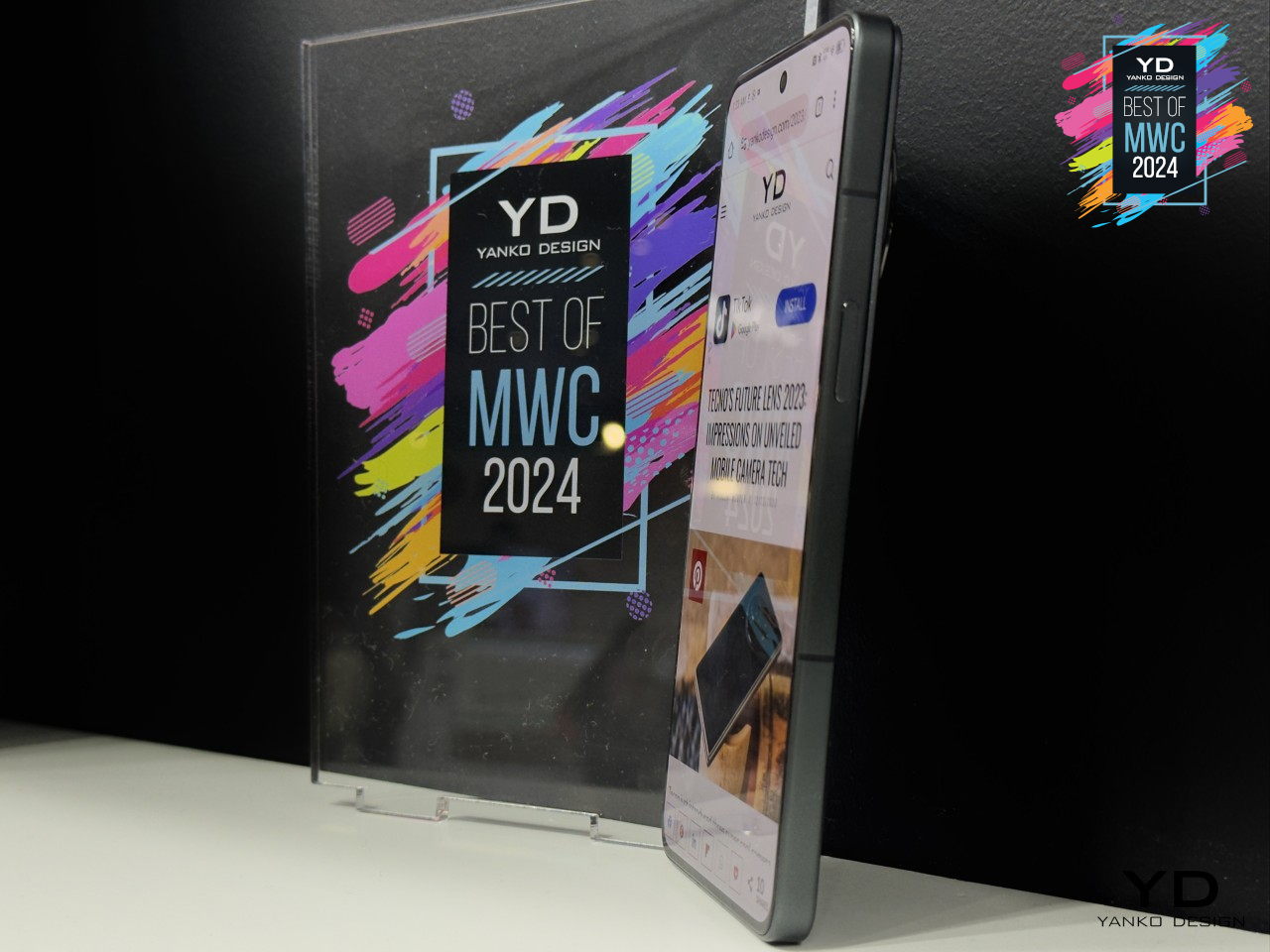
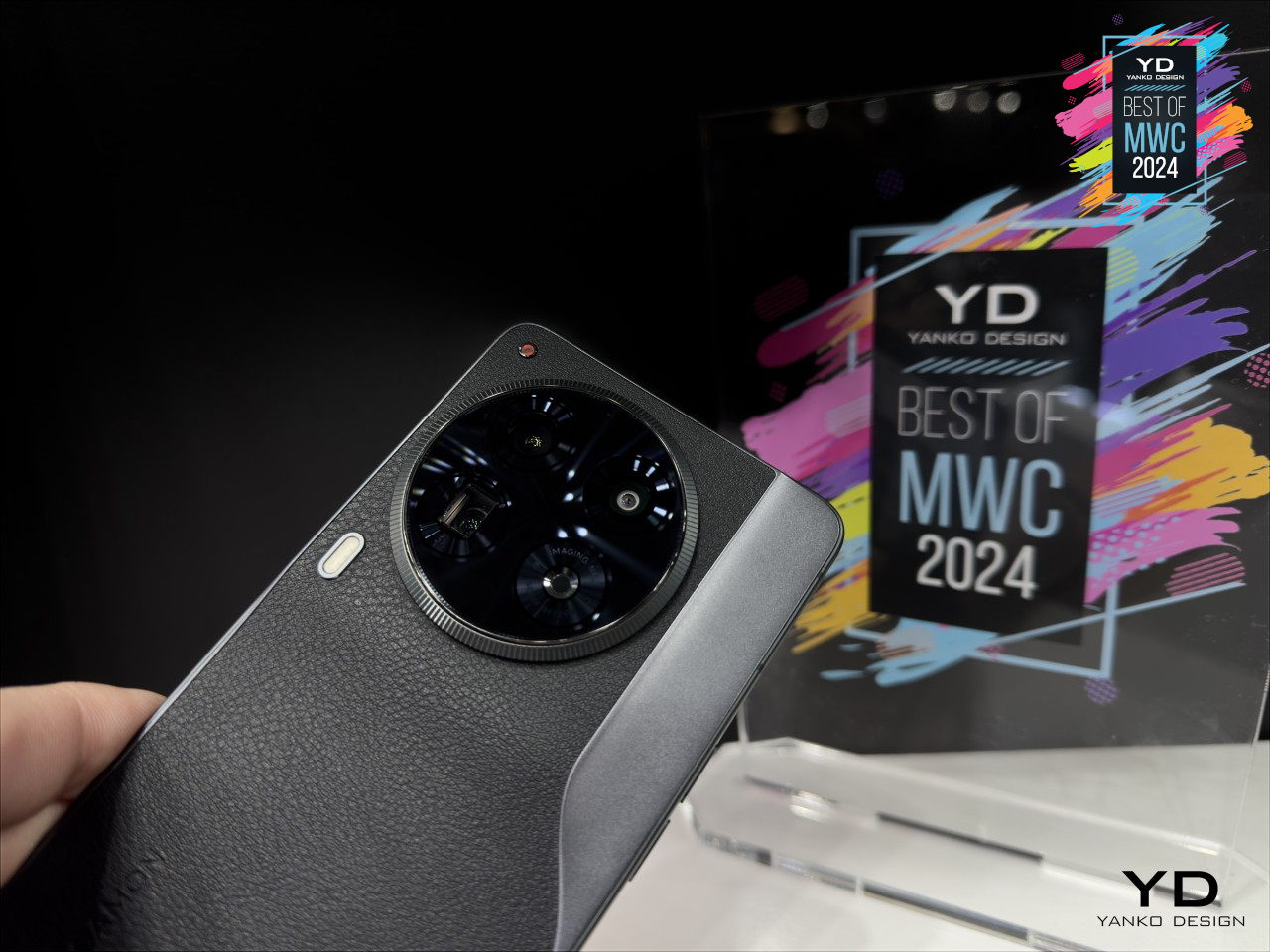
Developed in collaboration with Sony, the TECNO PolarAce Imaging System on the new CAMON 30 Premier 5G adds an independent imaging processor just for handling photos and videos. The results definitely speak for themselves, and it’s a technology that will put TECNO on the global map when it comes to mobile photography. The CAMON 30 Premier 5G itself is quite the looker, inspired by the aesthetics of rangefinder cameras while still maintaining a stylish and classic appearance.

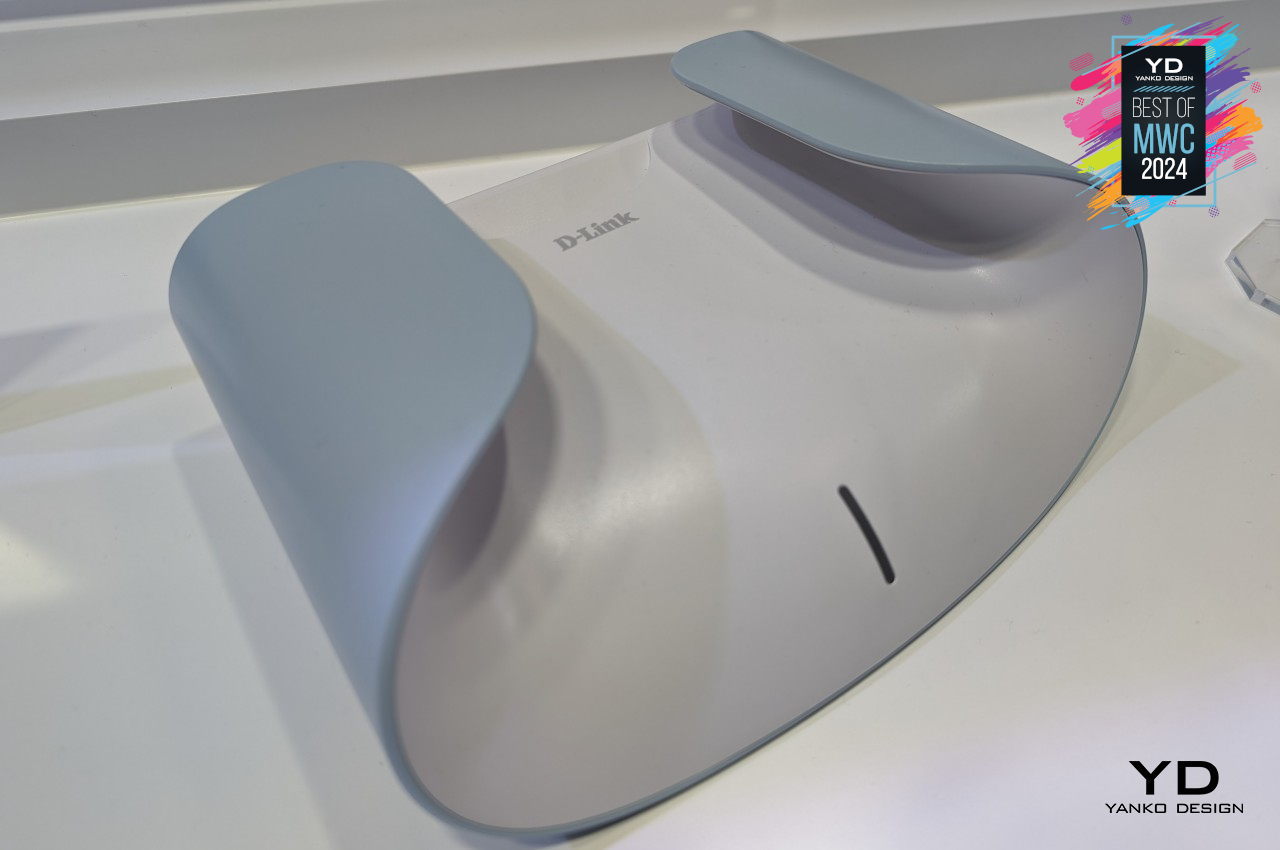
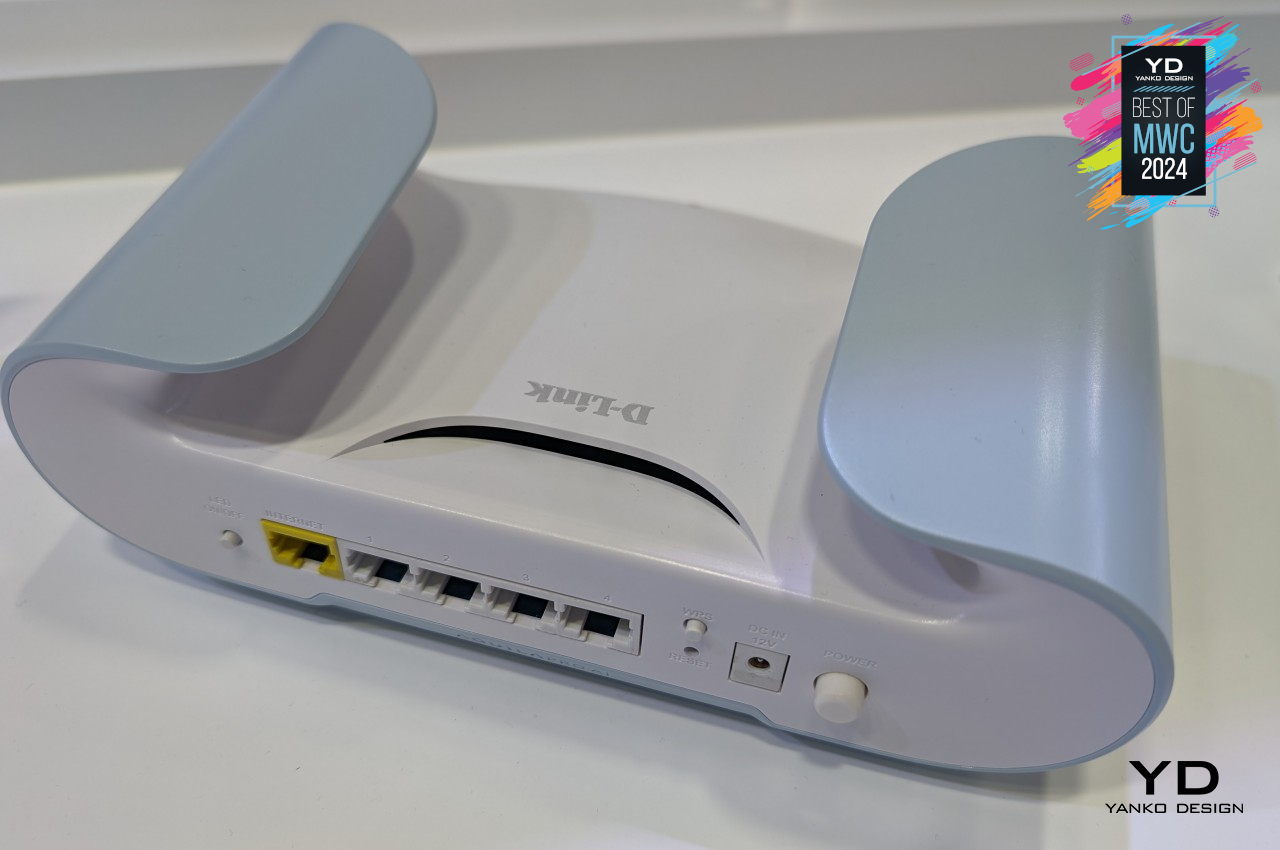
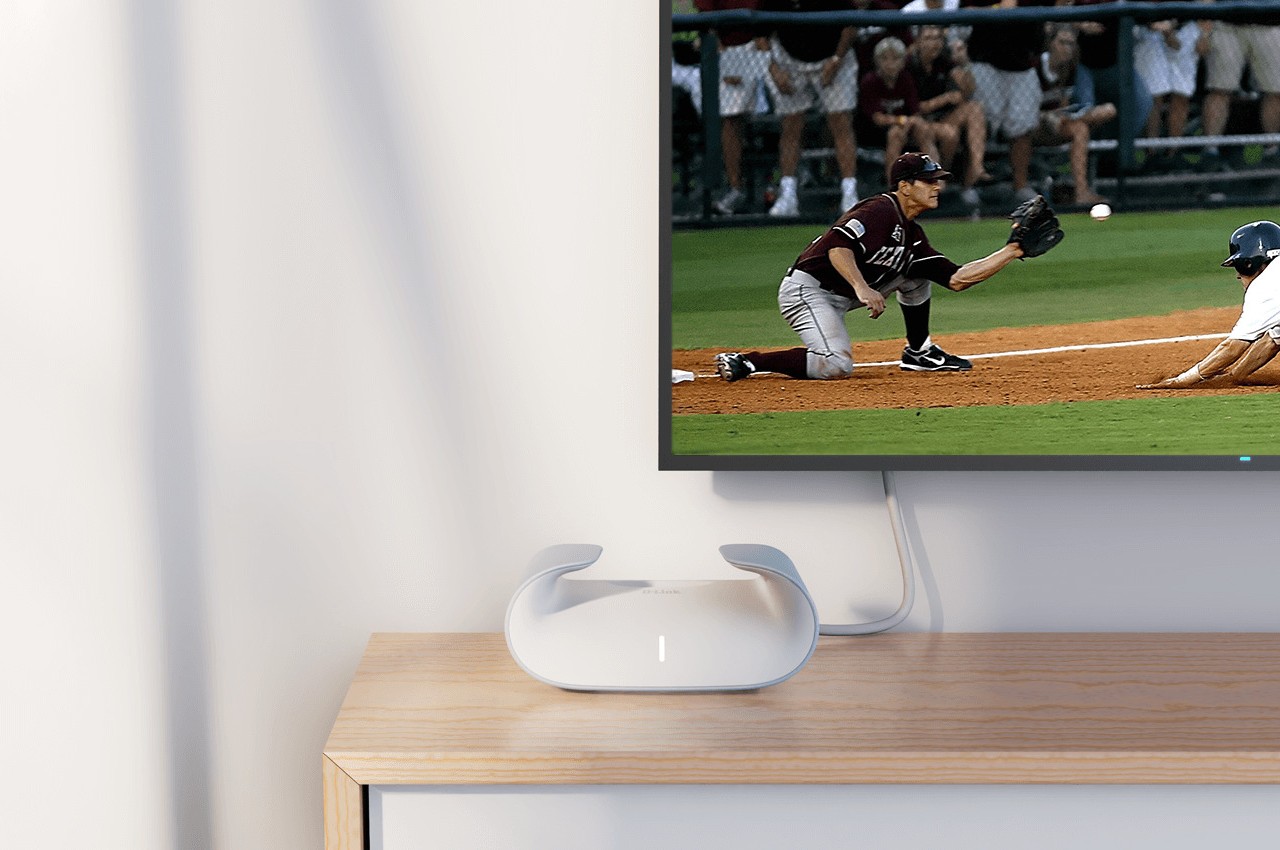
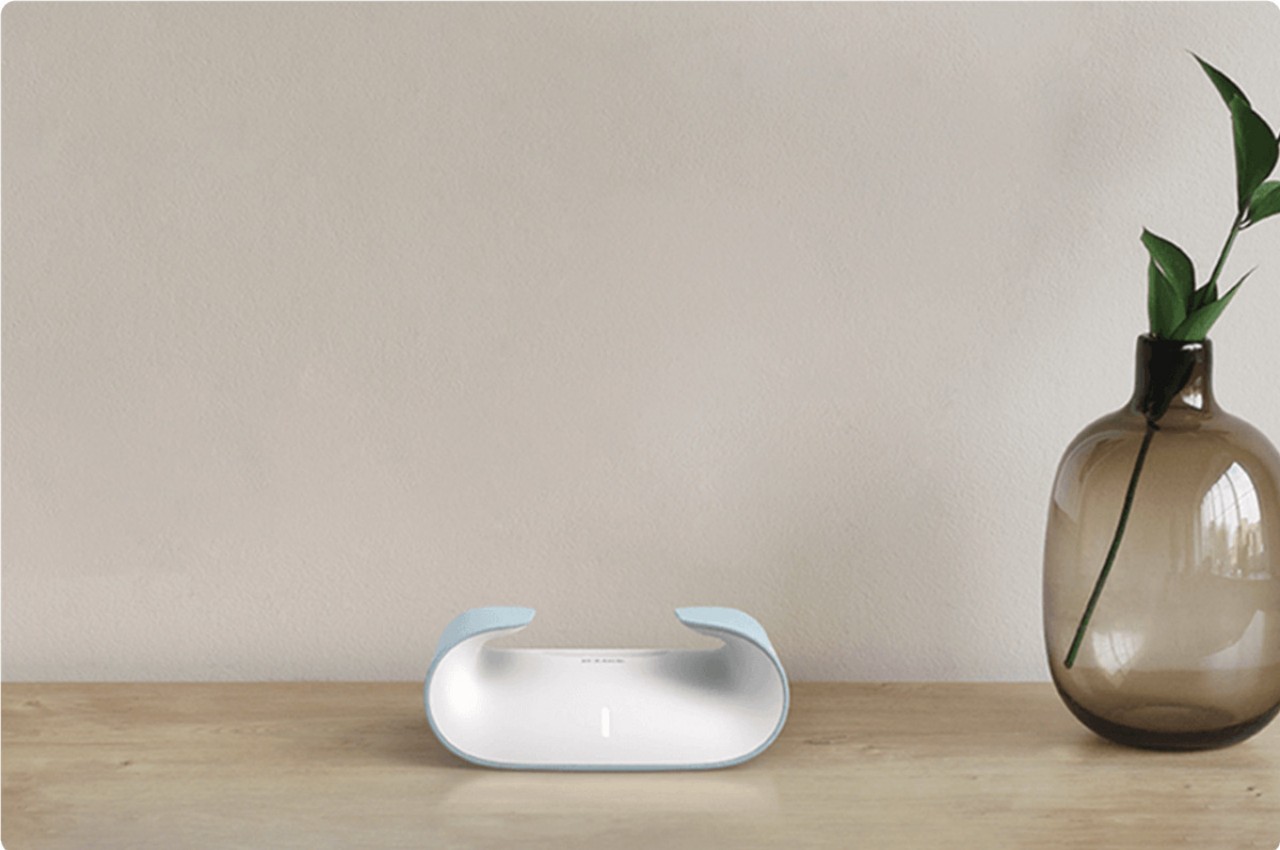
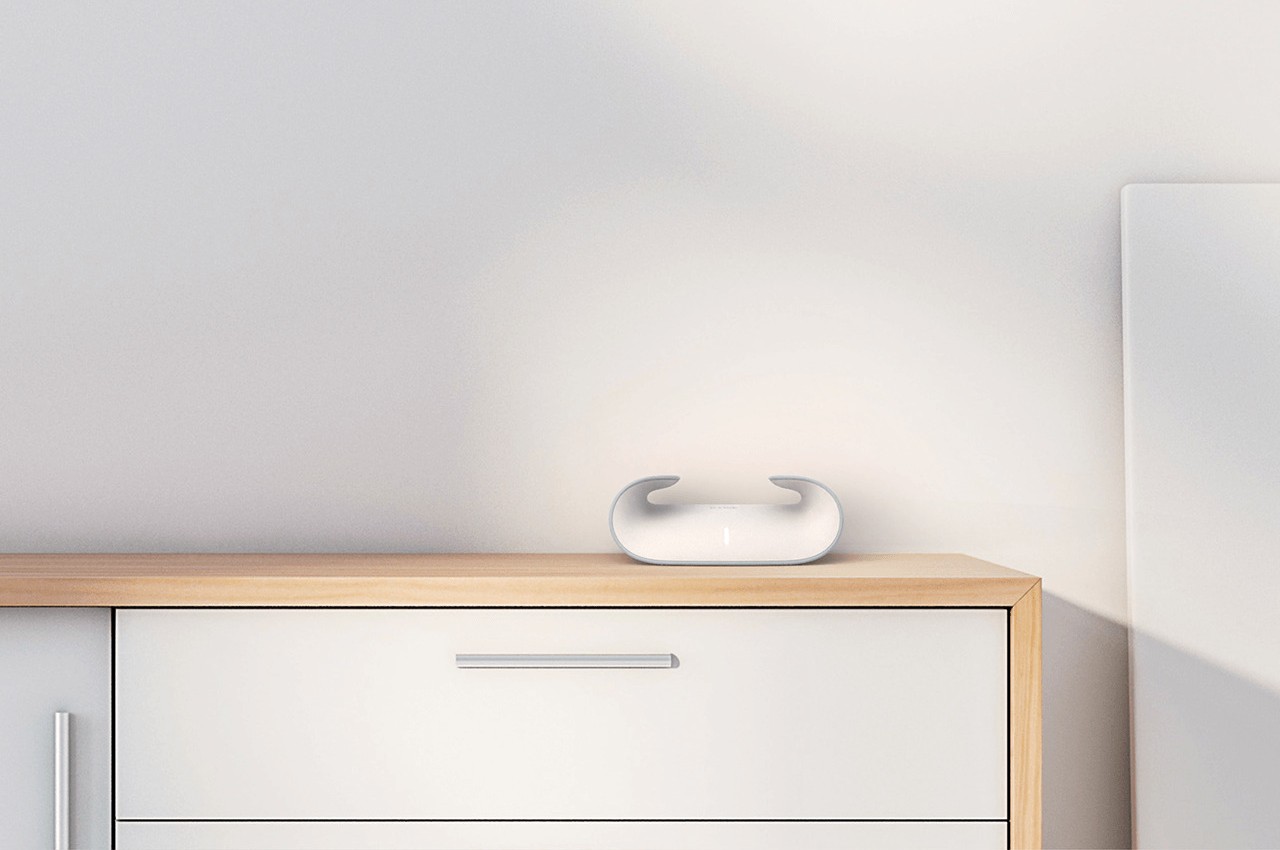
D-Link Aquila Pro AI M60
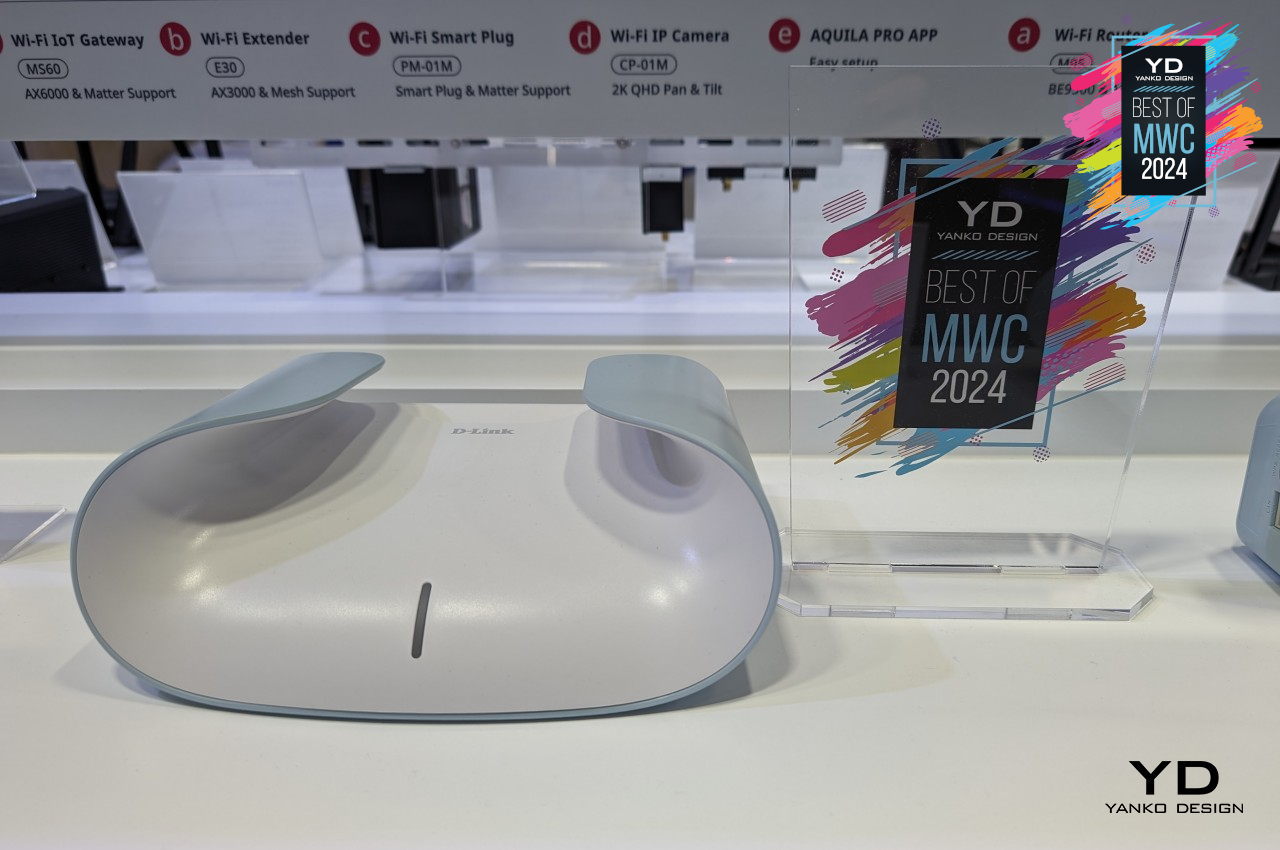
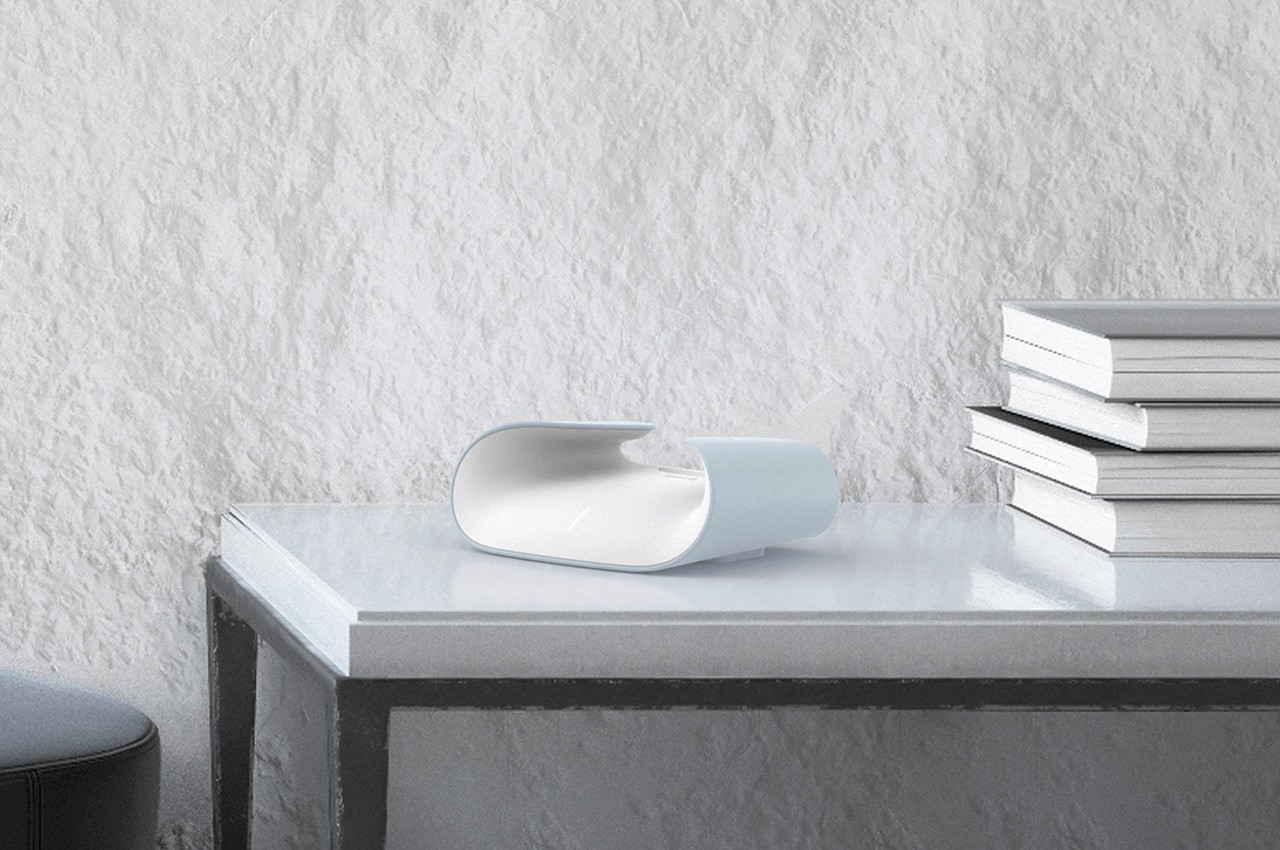
Our Internet needs even at home have become more complicated, and the routers of the past are clearly not equipped to keep up with the demand of all the smartphones, tablets, and smart home devices competing for bandwidth. More powerful and sophisticated routers do exist, but the vast majority of them seem to be designed to flex their muscles, showing off their antennas and bulky boxes that look more like technological monstrosities rather than an integral part of your home.

Designer: D-LINK
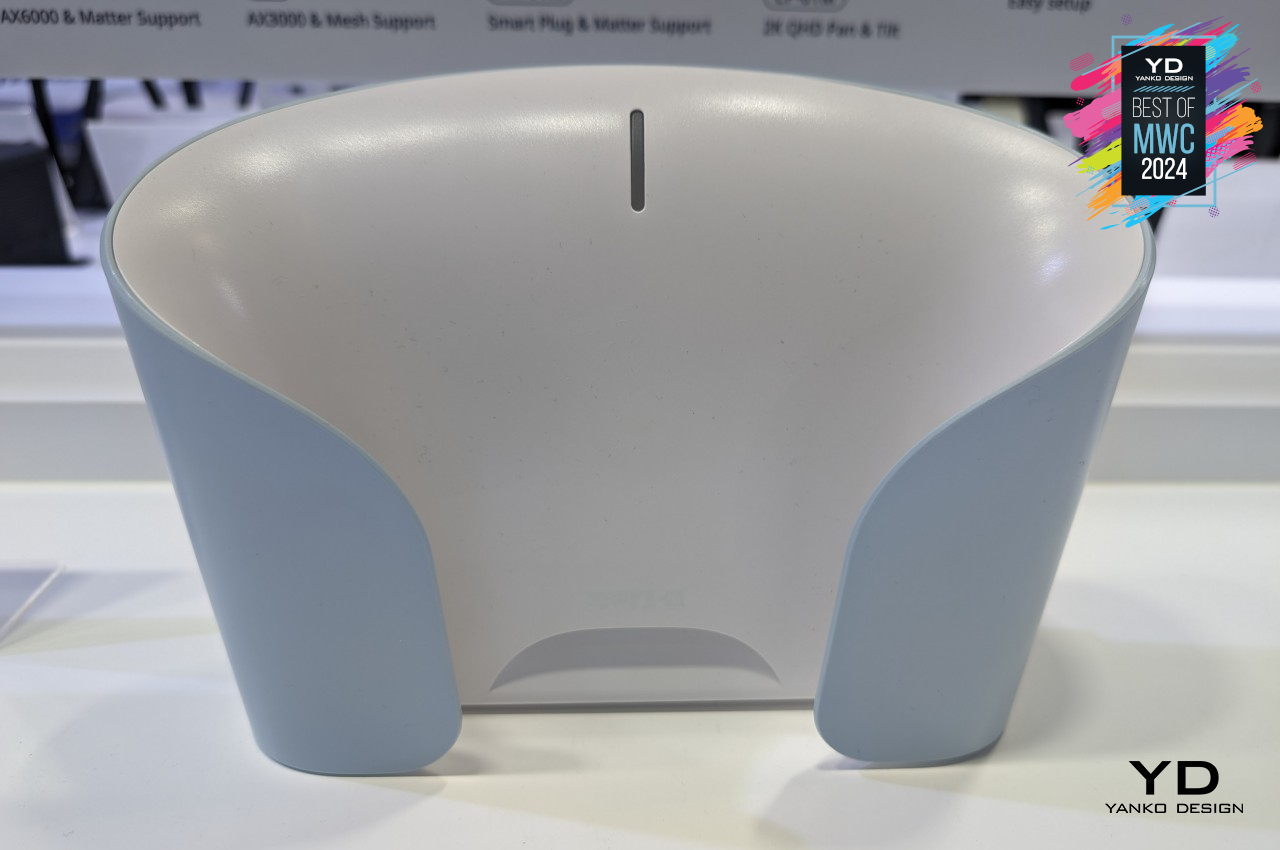
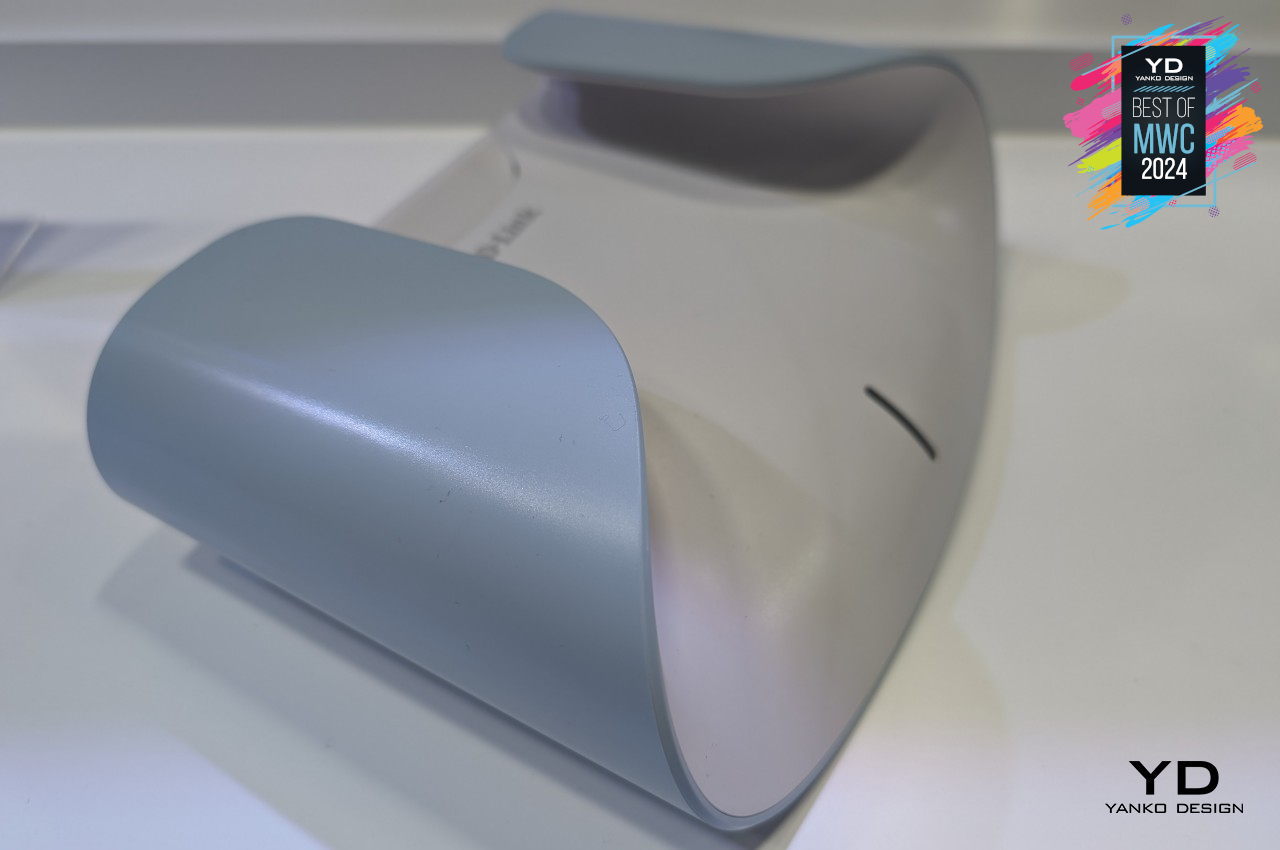
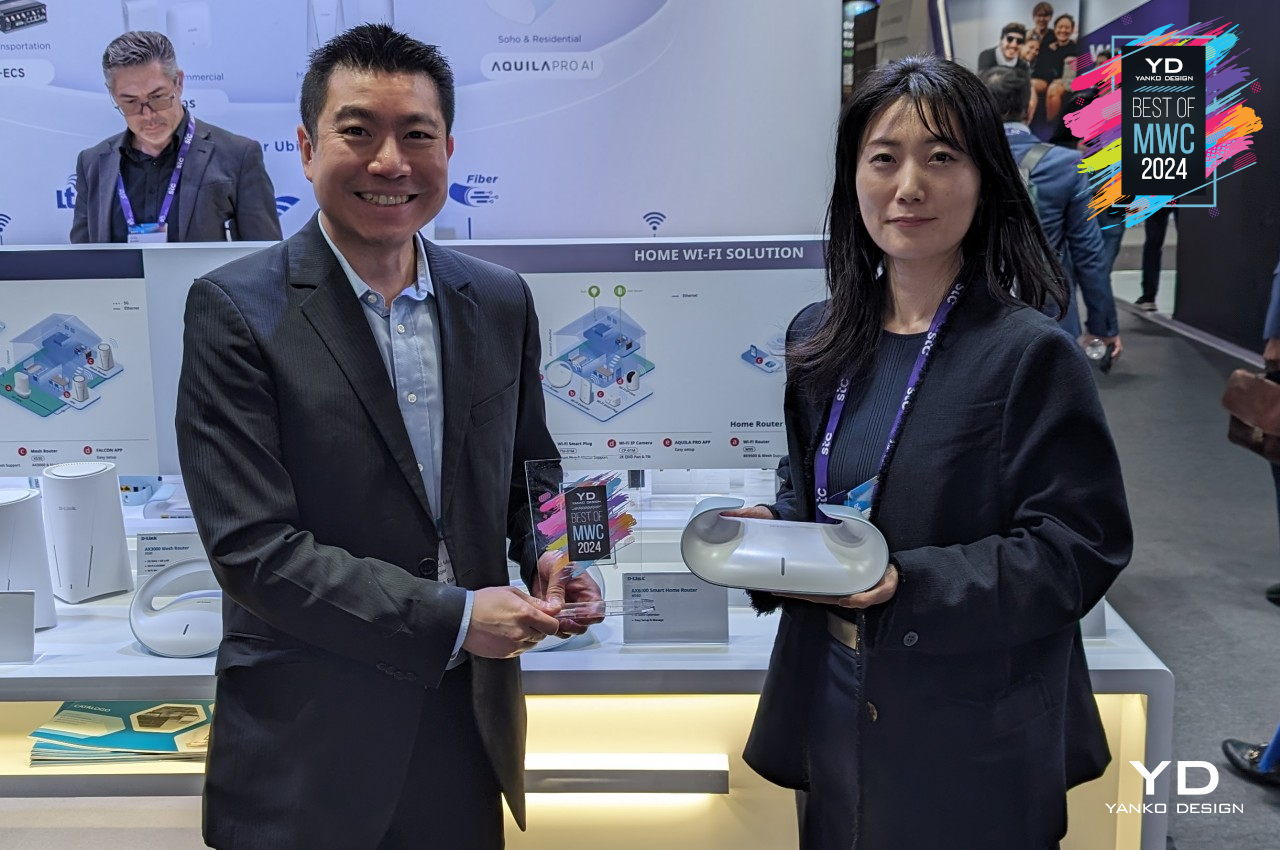
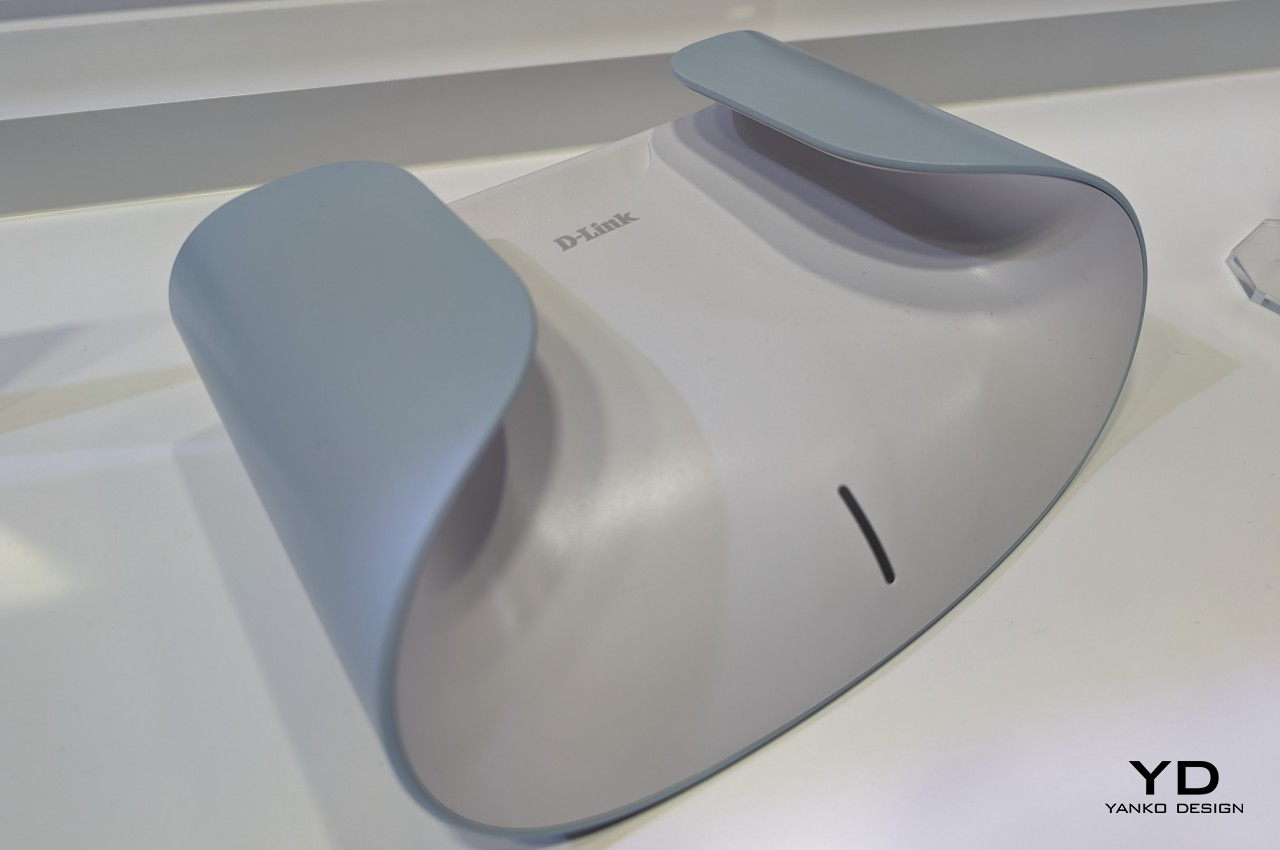
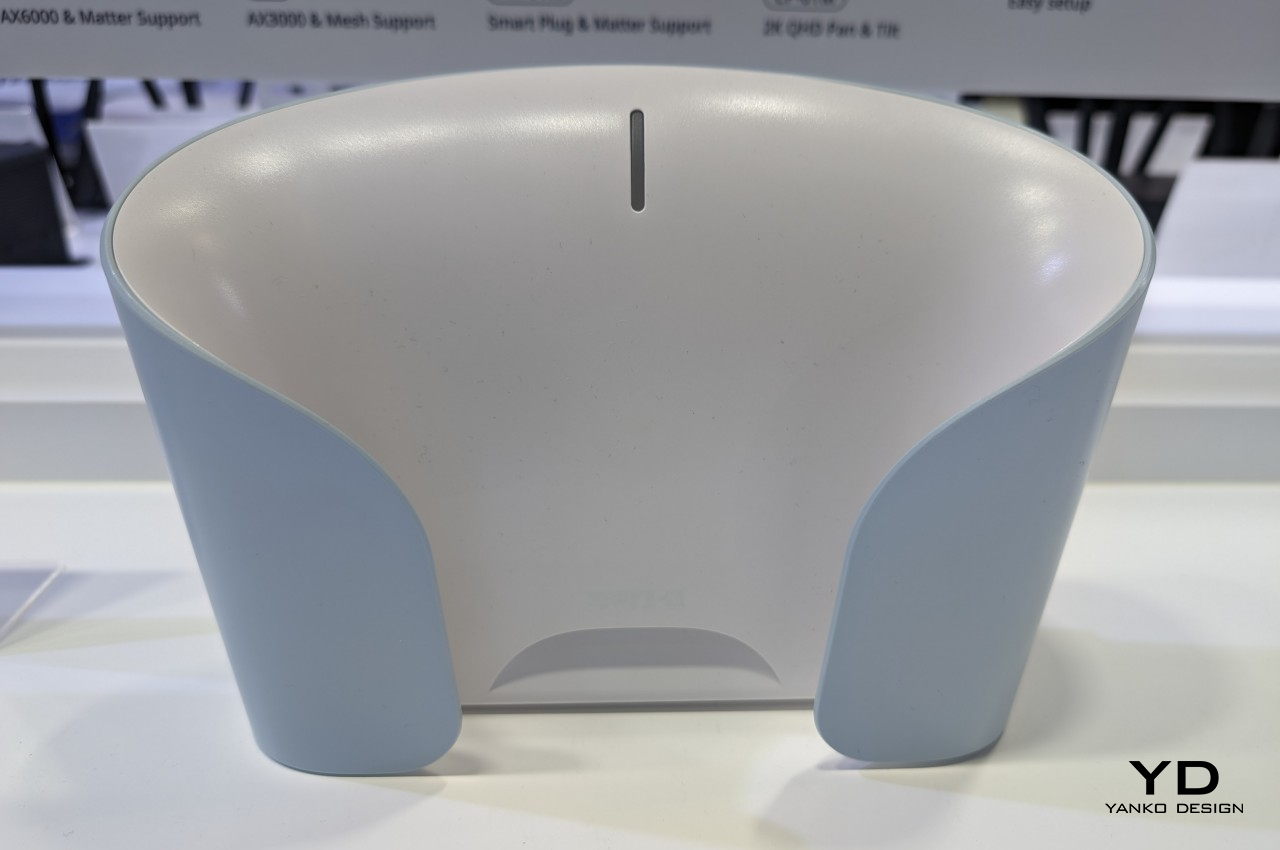
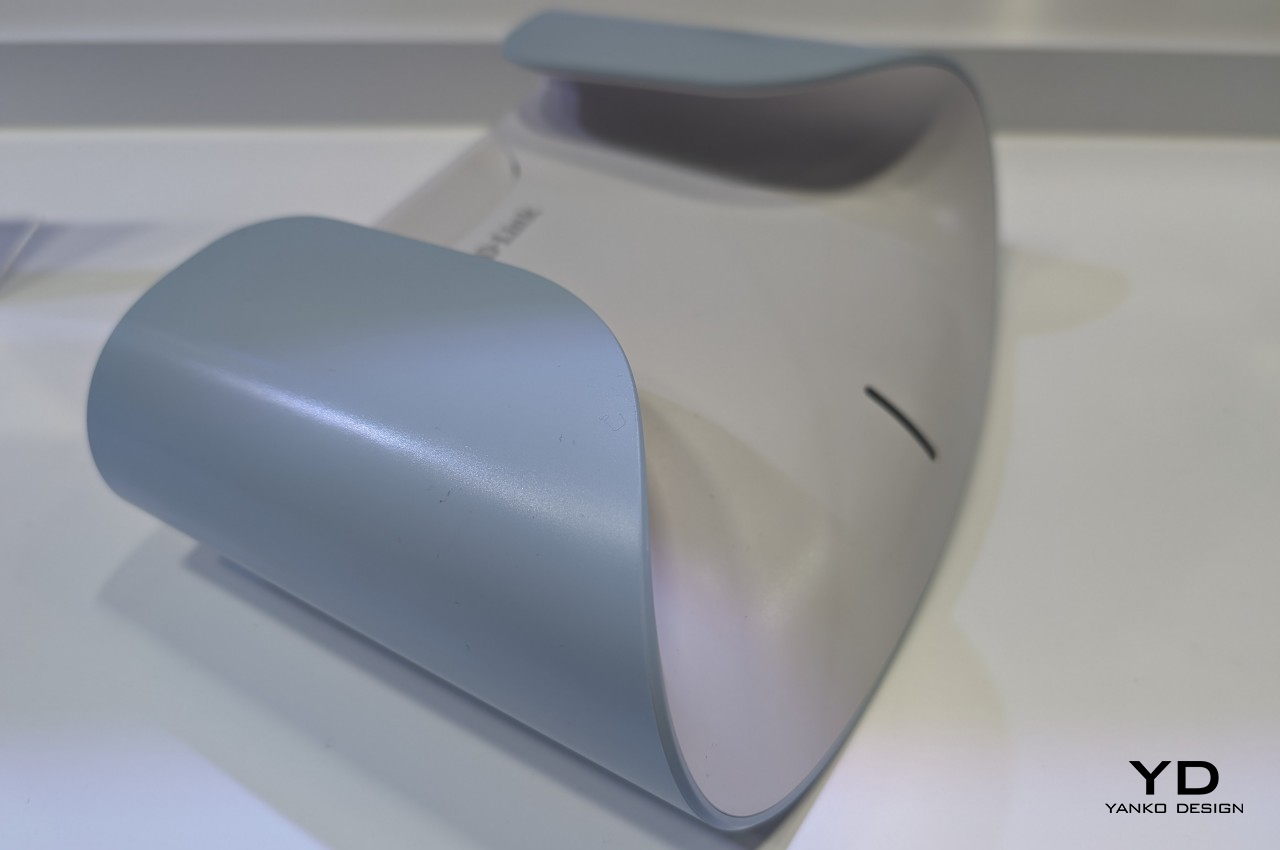
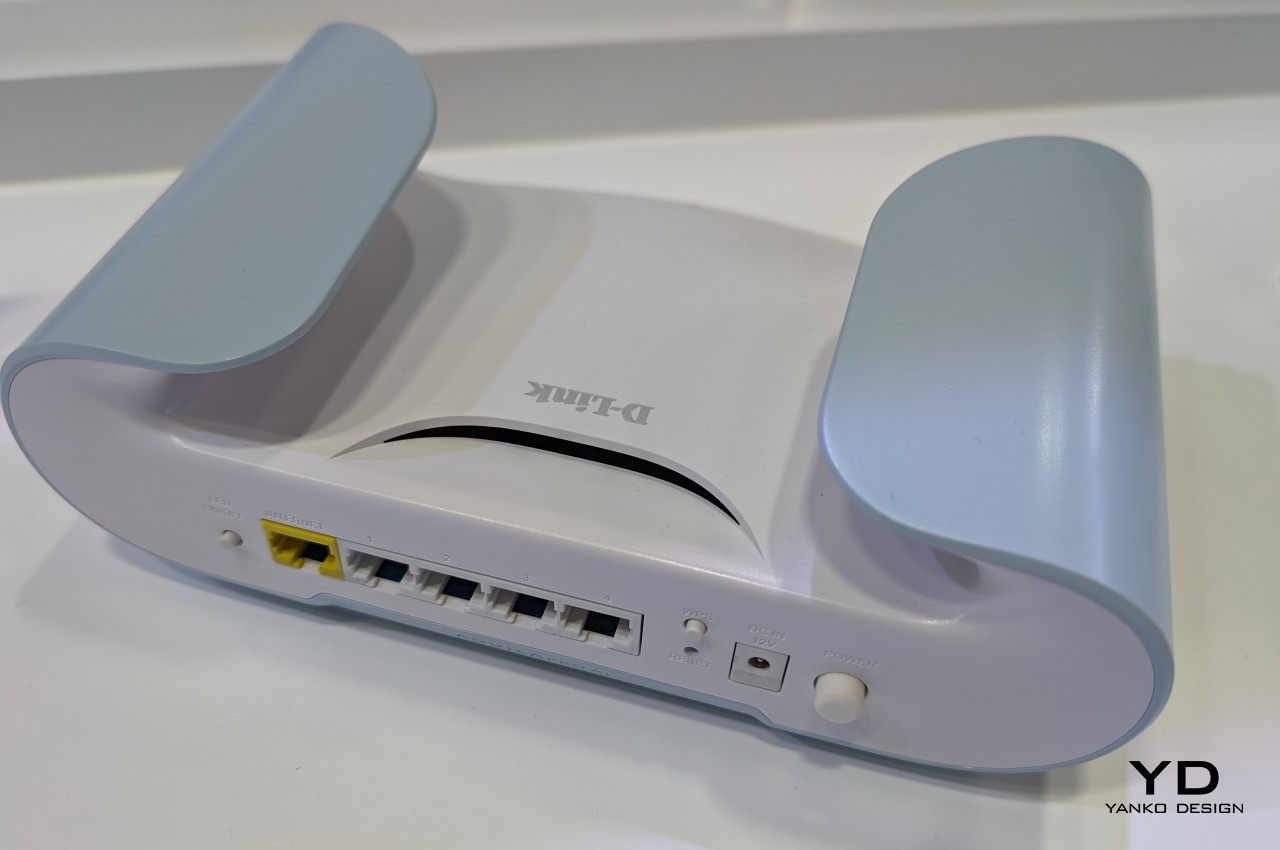
The D-LINK AQUILA PRO AI mesh router, specifically this M60 AX600, is like a breath of fresh air in this market, elegant, charming, yet also very capable. Inspired by an eagle in flight, the curved sides, bright color motif, and smooth surfaces try to capture the gracefulness of one of the most powerful birds of prey. The mesh router offers everything that its peers have, including plenty of AI-powered features, and still looks beautiful anywhere you place it. Its housing is even made of post-consumer recycled materials or PCRs, helping D-LINK give back to the very nature that inspired this design.

Honor Magic V2 RSR Porsche Design Edition
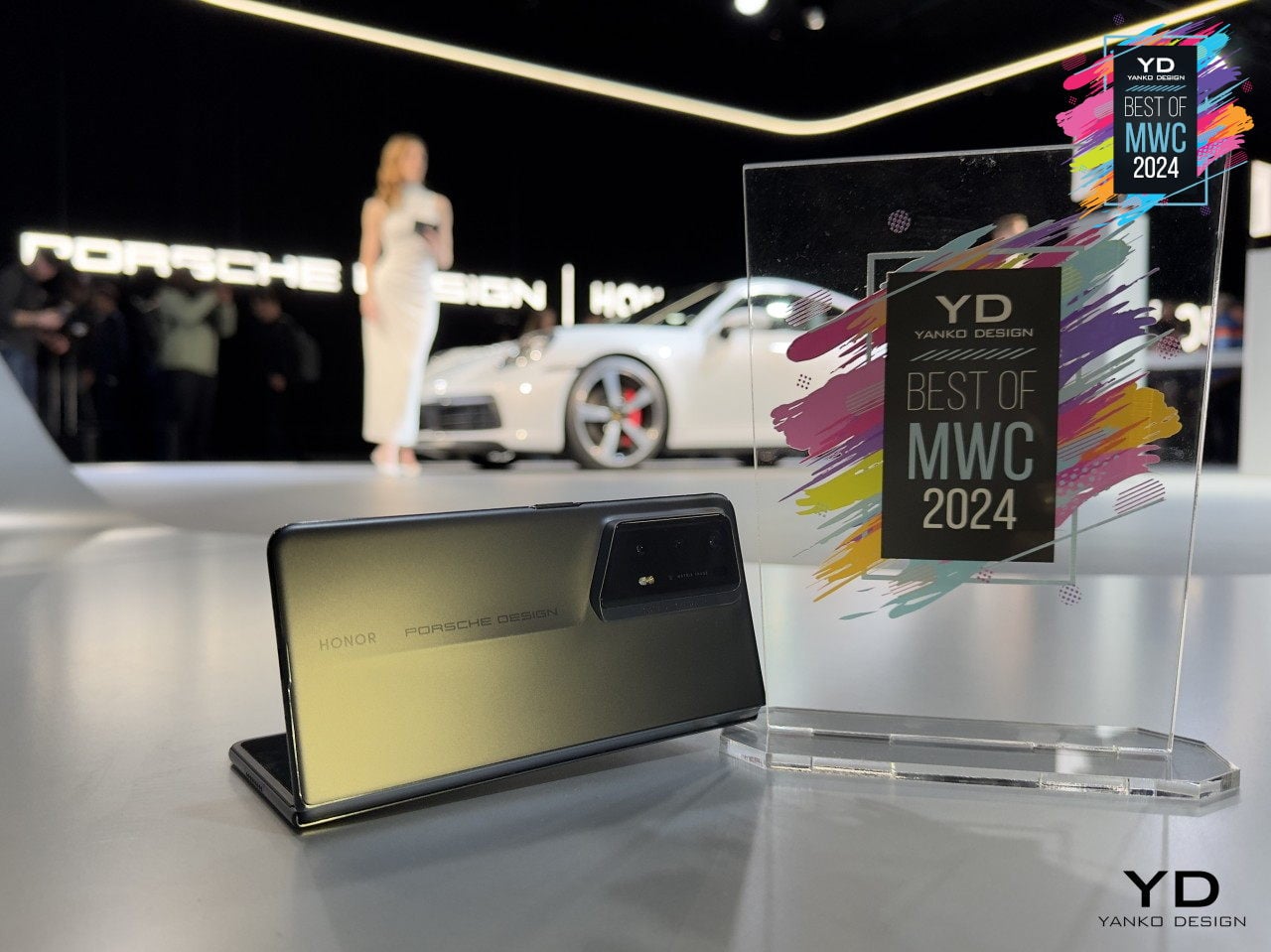
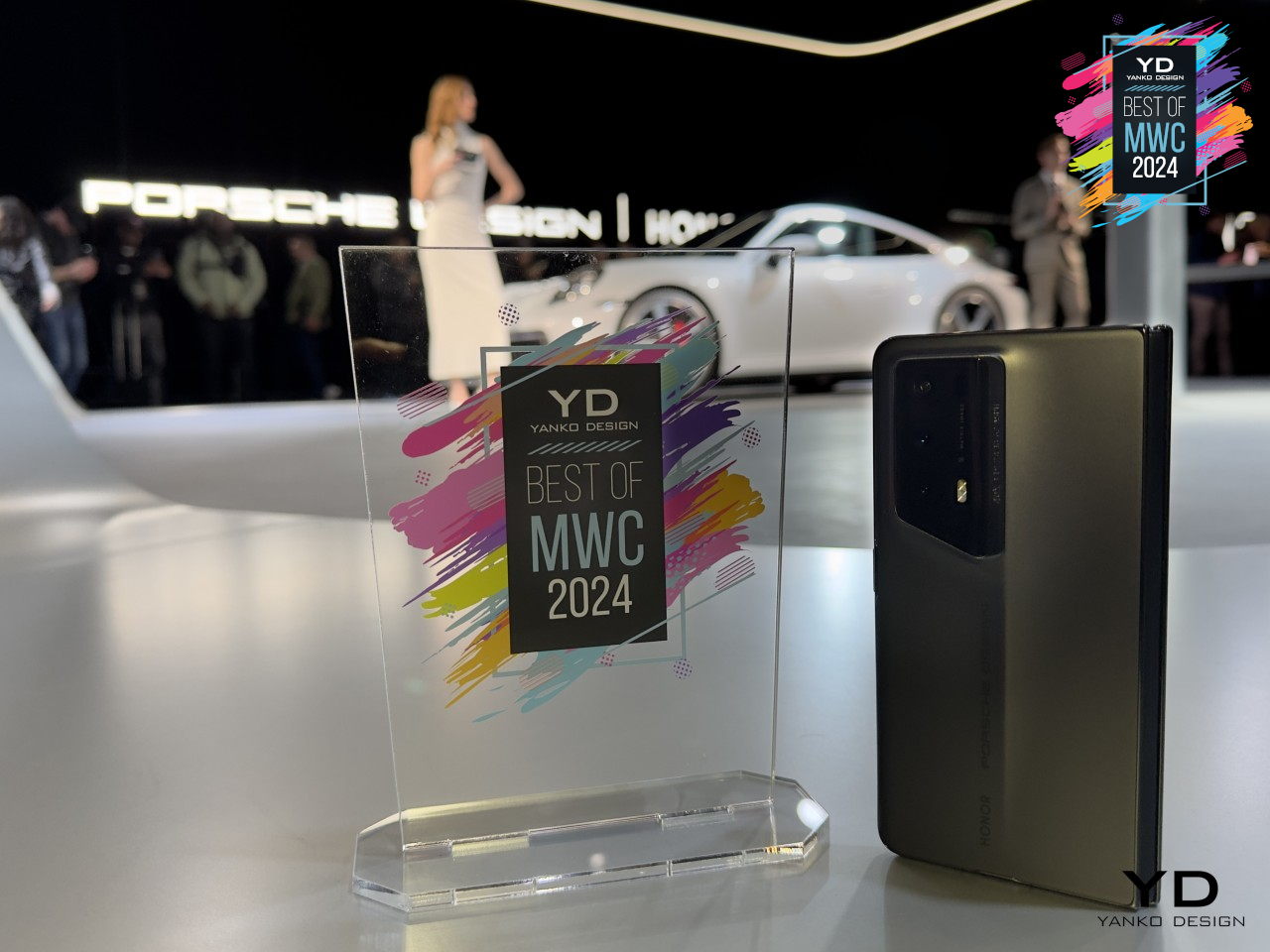
Foldable phones are becoming more common, with more players joining the competition. At this early stage, there is still plenty of room for exploration when it comes to design. Indeed, we’re seeing foldable phones that come in different shapes, materials, and aesthetics, all of them trying to mask what is really a large and thick slab of glass and metal. Honor is taking that to the next level with its partnership with the famed Porsche Design house, presenting a foldable phone that pushes the boundaries of what you can accomplish with such a device.

Designer: Honor

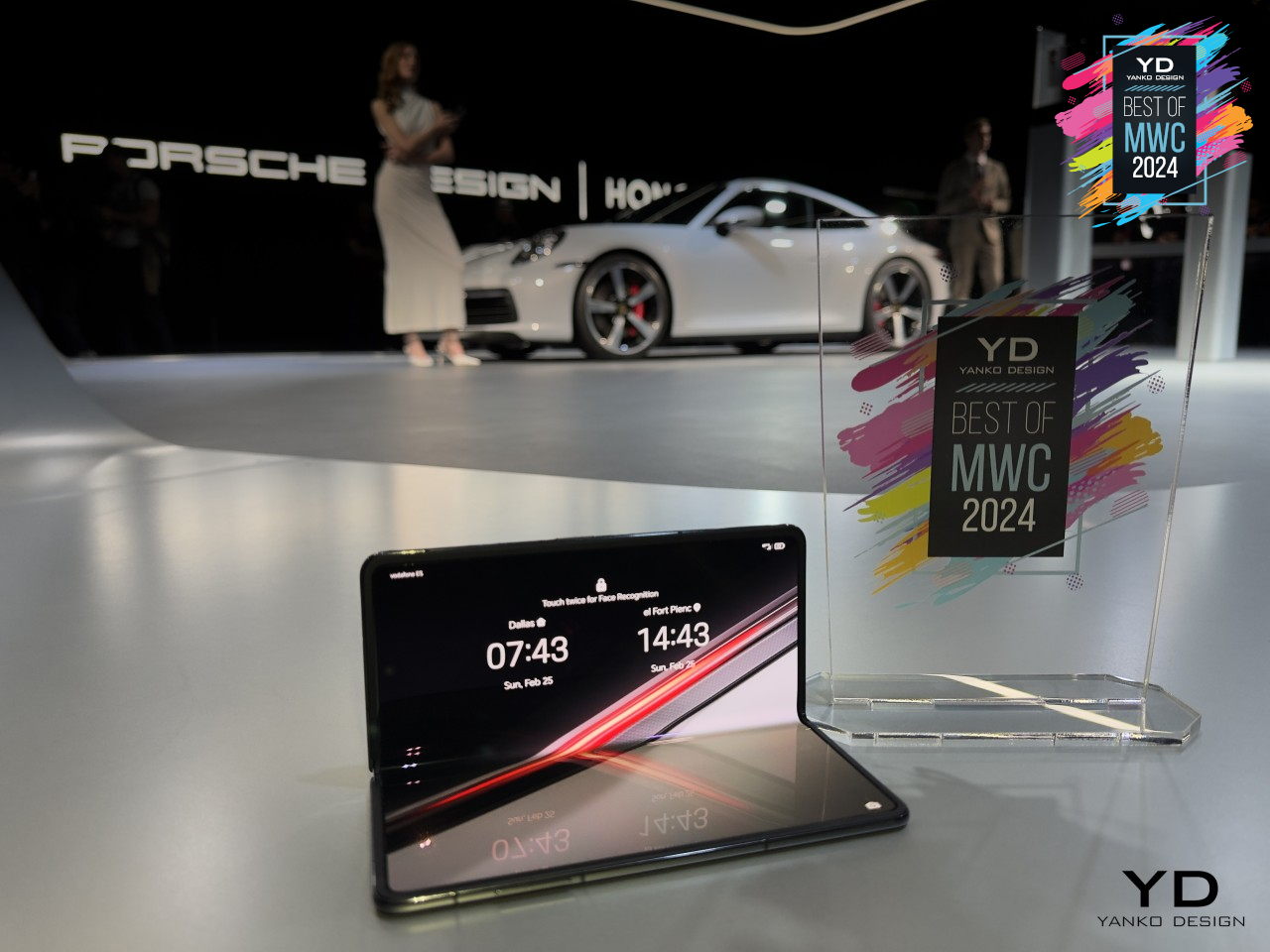
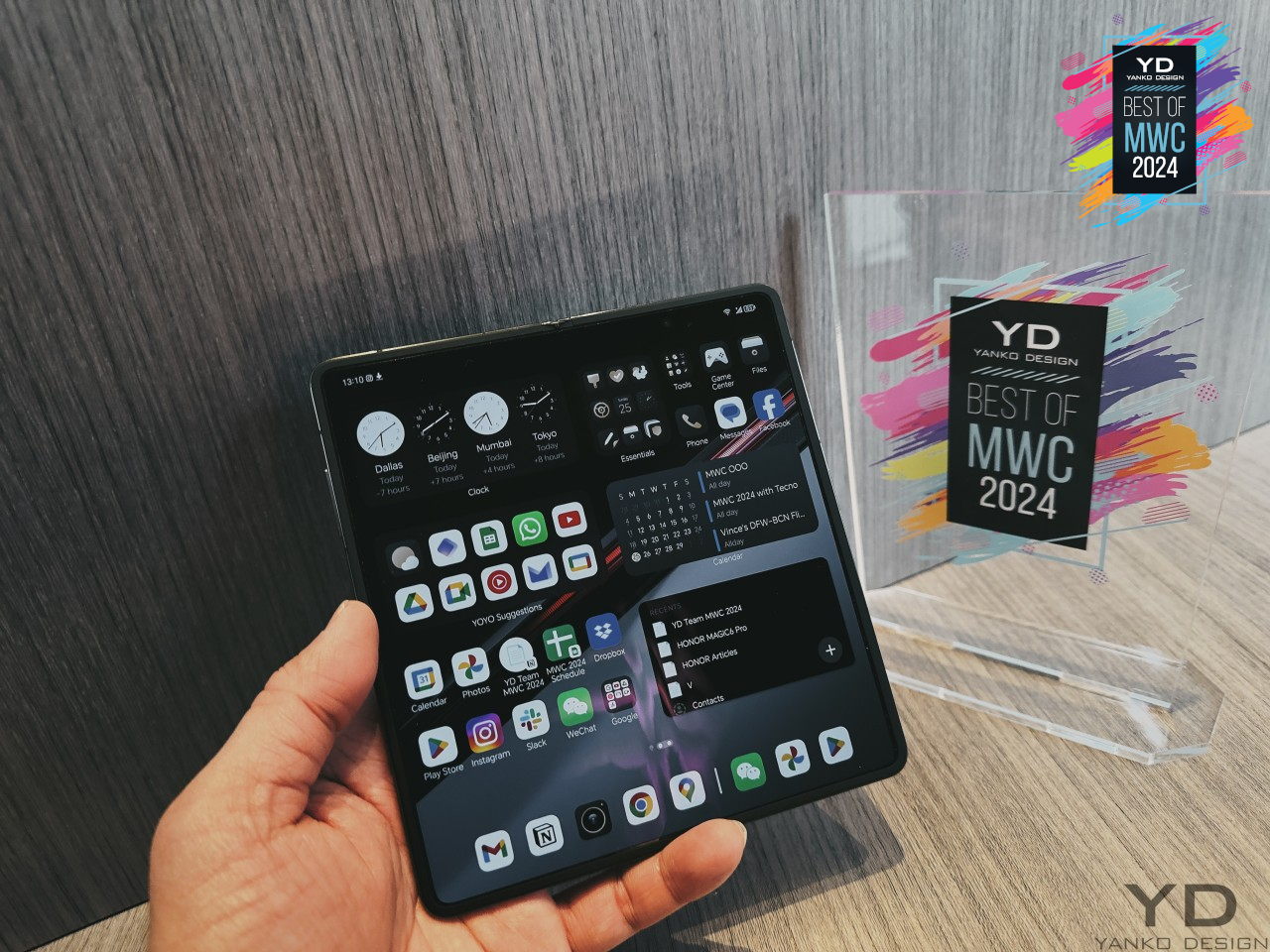
The Honor Magic V2 RSR Porsche Design Edition is unabashedly a luxury device, even more luxurious than how foldable phones are already perceived. As the name states, its design is inspired by the luxury marque, particularly the flyline that Porsche values dearly. But it isn’t just all looks either, with the Magic V2 RSR possessing features its rivals can only dream of. That includes the ability to use a stylus both on the internal display and, more importantly, the outer Cover Screen as well. Yes, its price tag may seem astronomical, but that has never stopped luxury items from selling well, especially when they’re made as good as this.
Honor Magic6 Pro
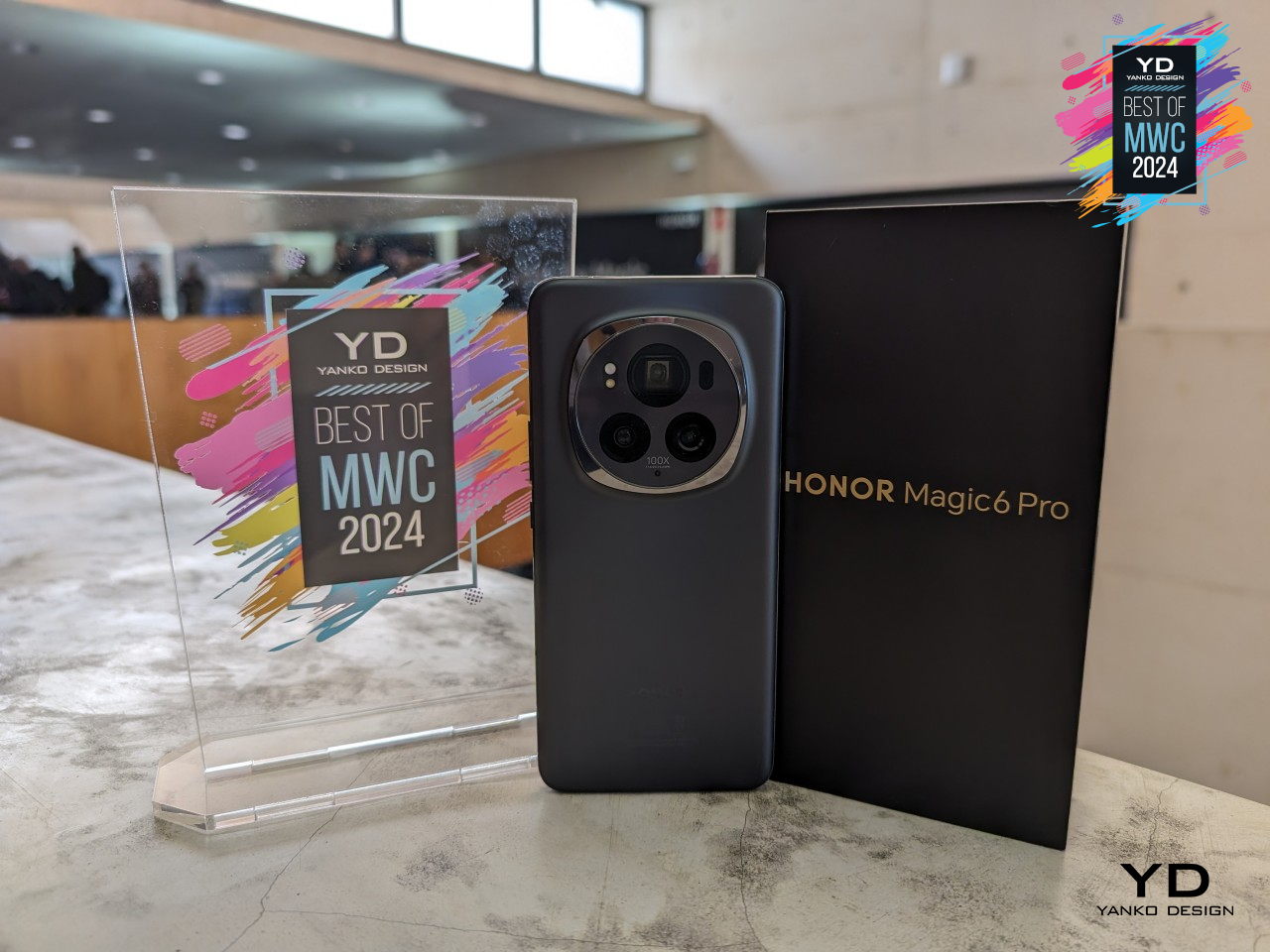
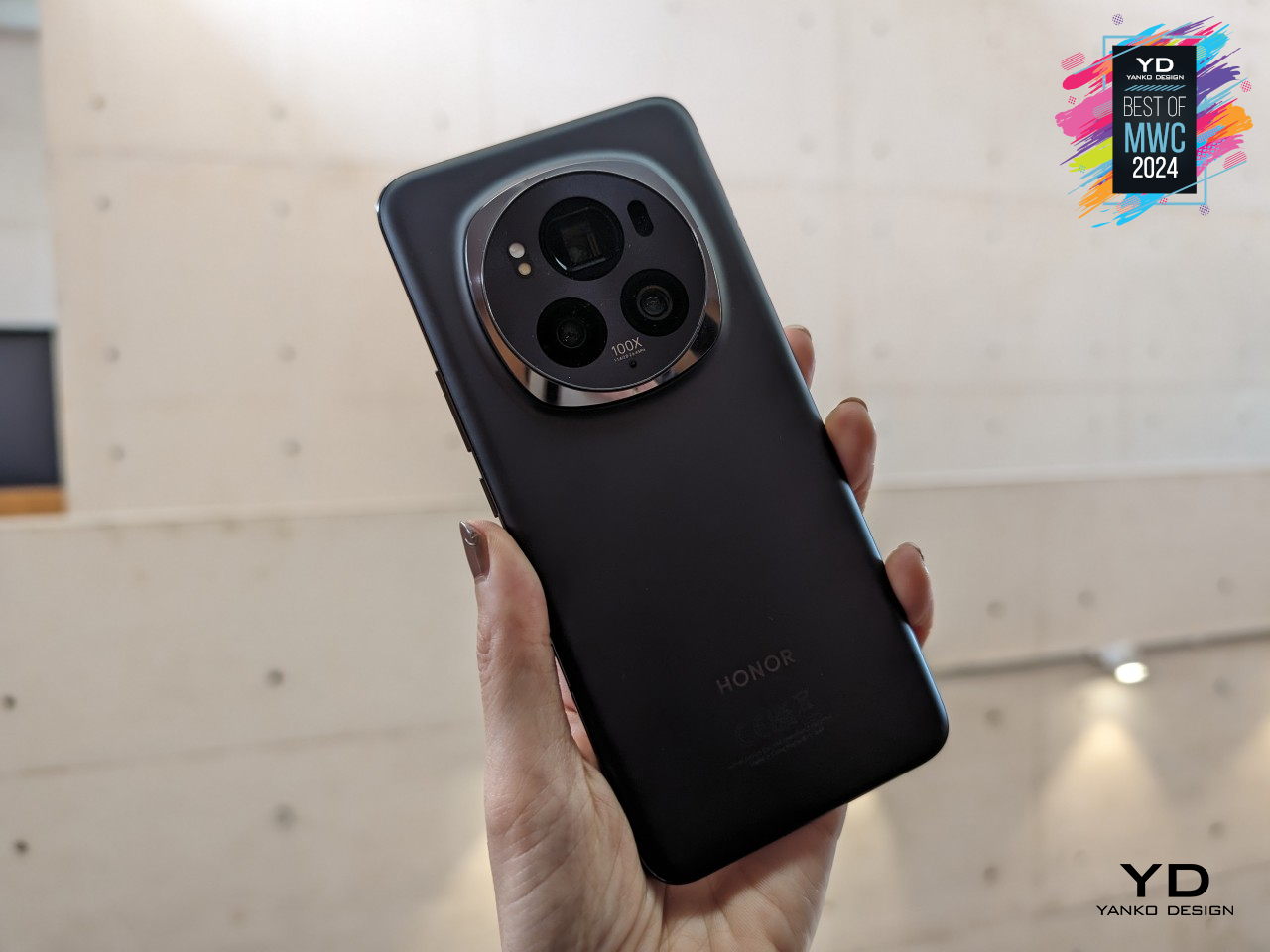
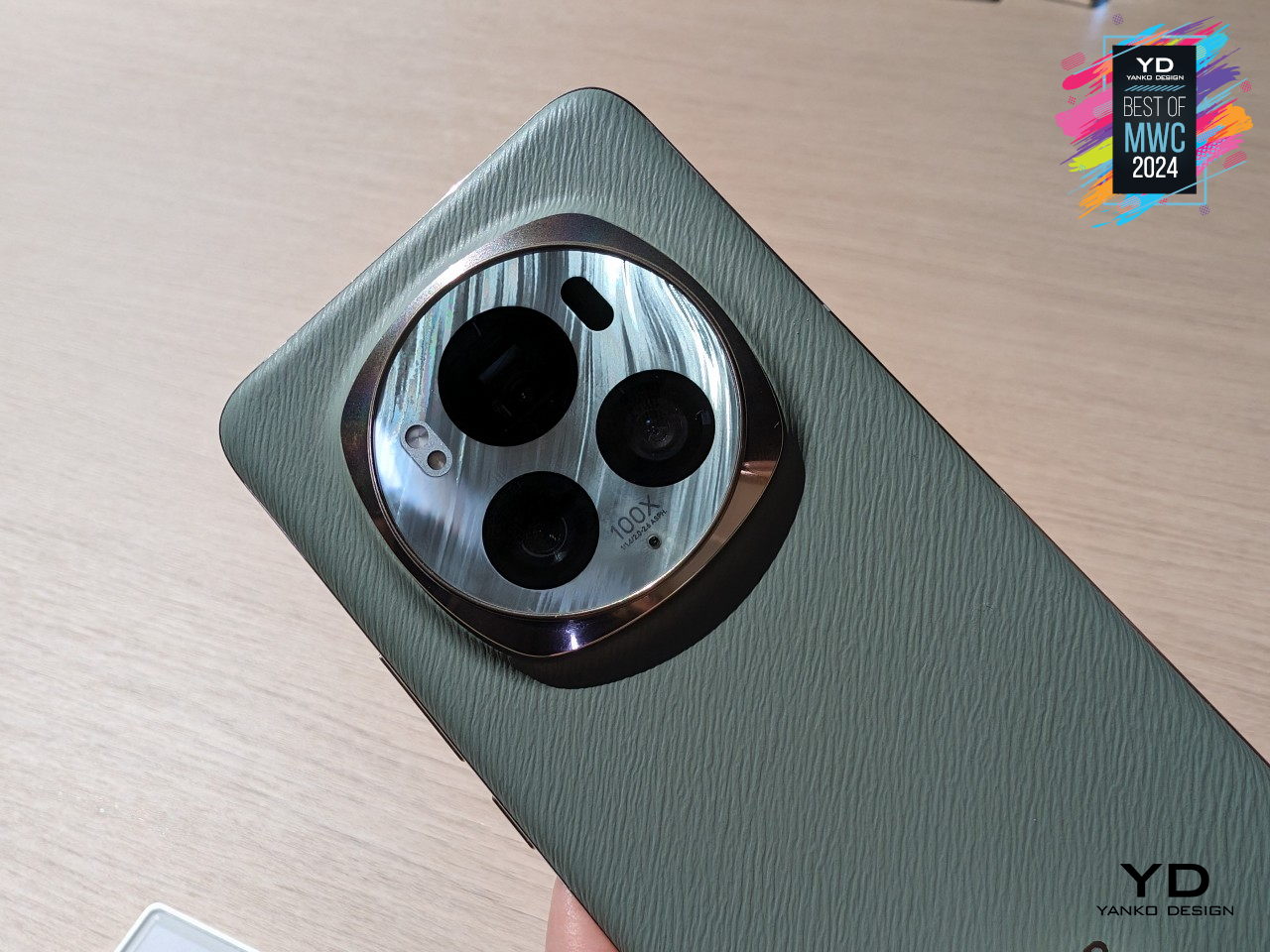
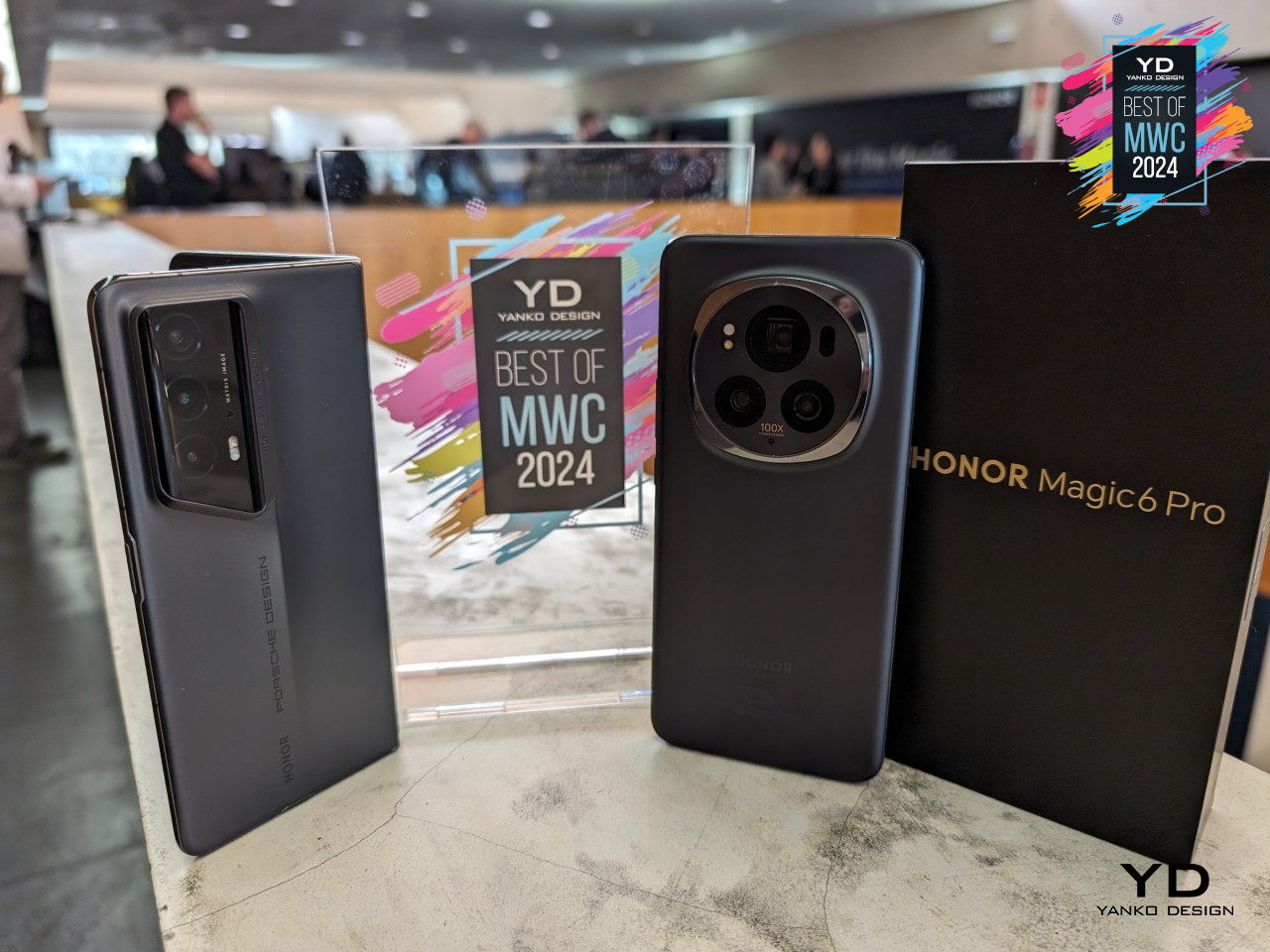
Not everyone wants a foldable phone, and for those who just want a regular yet beautiful handset, the Honor Magic6 Pro aims to deliver. It’s definitely a striking design, with a camera island that combines the circle and “squircle” designs that pervade the smartphone market today. Rather than giving in to flat trends, the Magic6 Pro wears its curves like a badge of honor, no pun intended, providing not just a graceful appearance but an ergonomic shape as well.

Designer: Honor
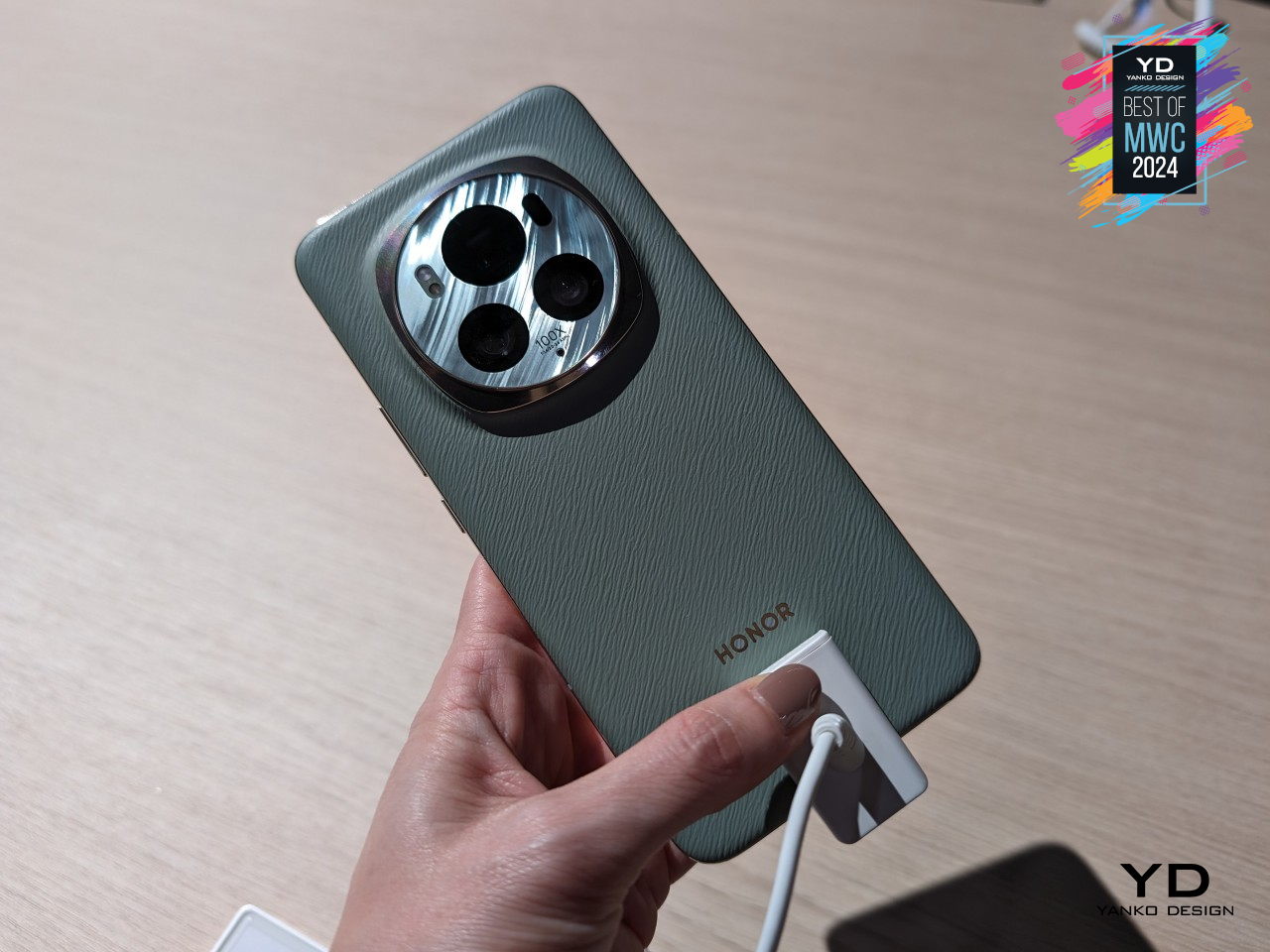
Of course, the Honor Magic6 Pro is also well-equipped with the latest smartphone technologies, from the latest Snapdragon 8 Gen 3 processor to an advanced camera system that includes a 180MP telephoto camera. The highlights, unsurprisingly, are the AI features that enhance the user experience, like “Magic Portal,” which can automatically recognize addresses in a text message and open up Google Maps when you want to start navigating. Anything you drag to this “portal” will be analyzed by Honor’s AI to take the appropriate action, whether it’s searching, shopping, or other activities you’ll need help with.

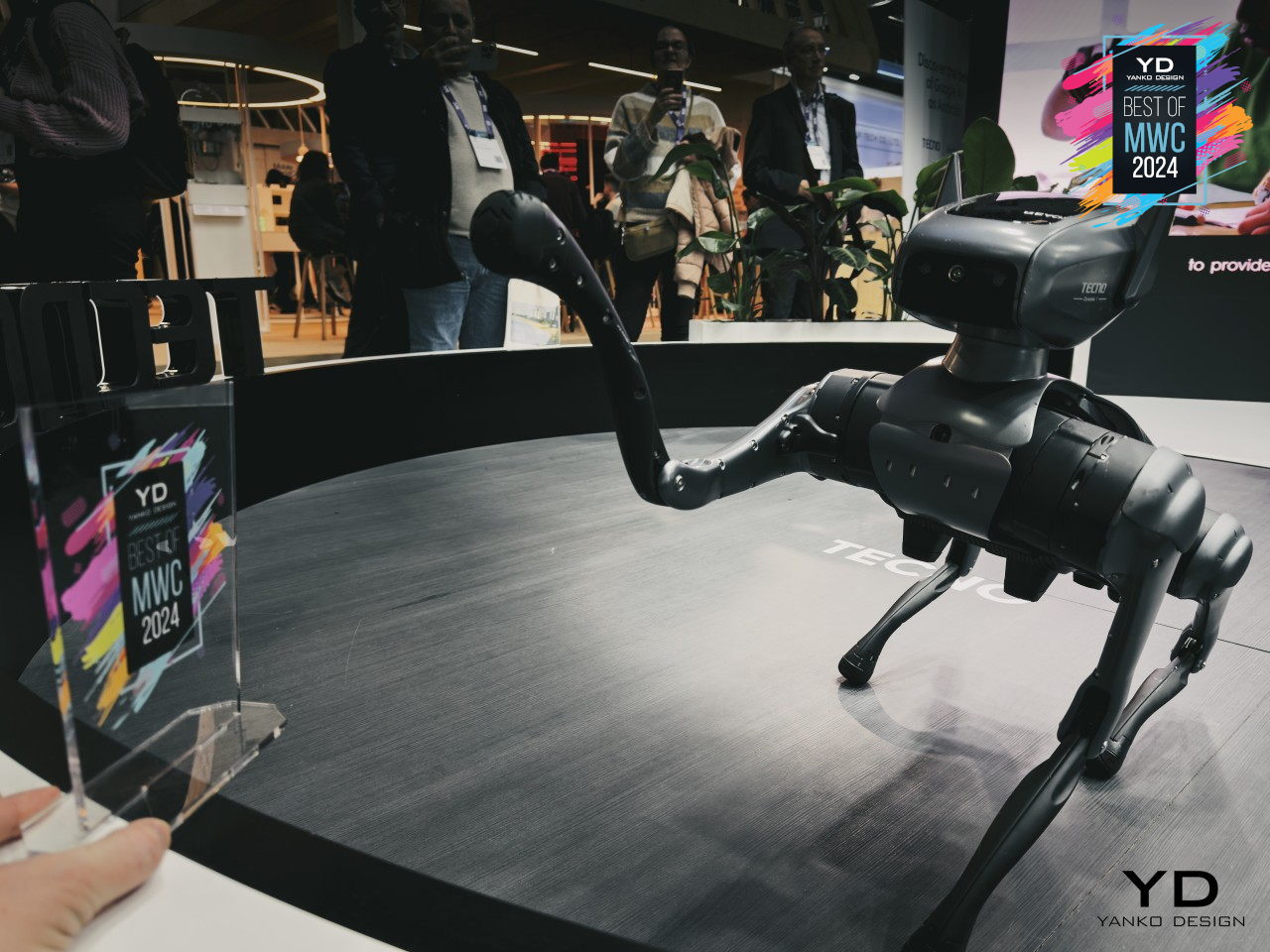
TECNO Dynamic 1 Robot Dog
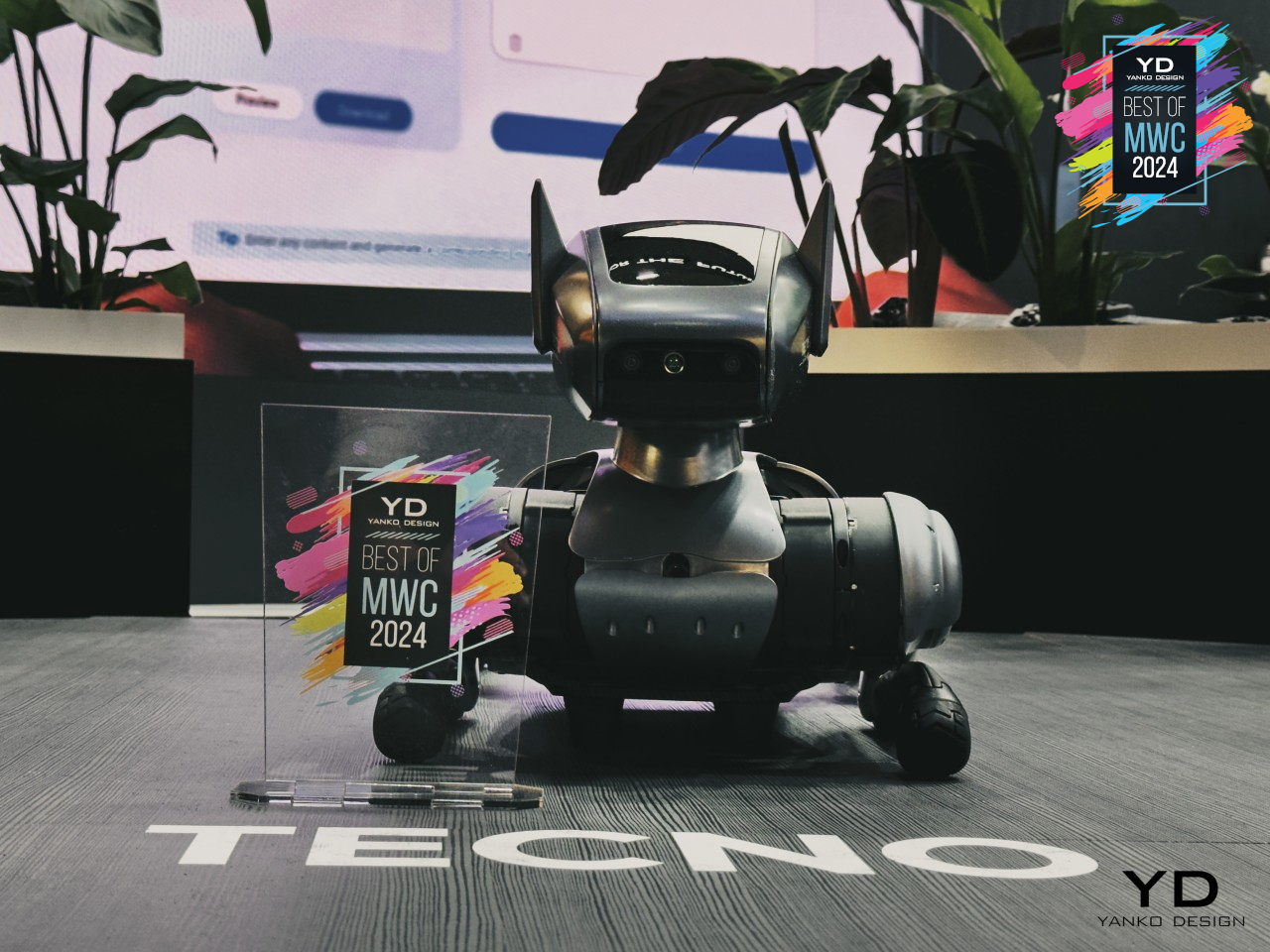
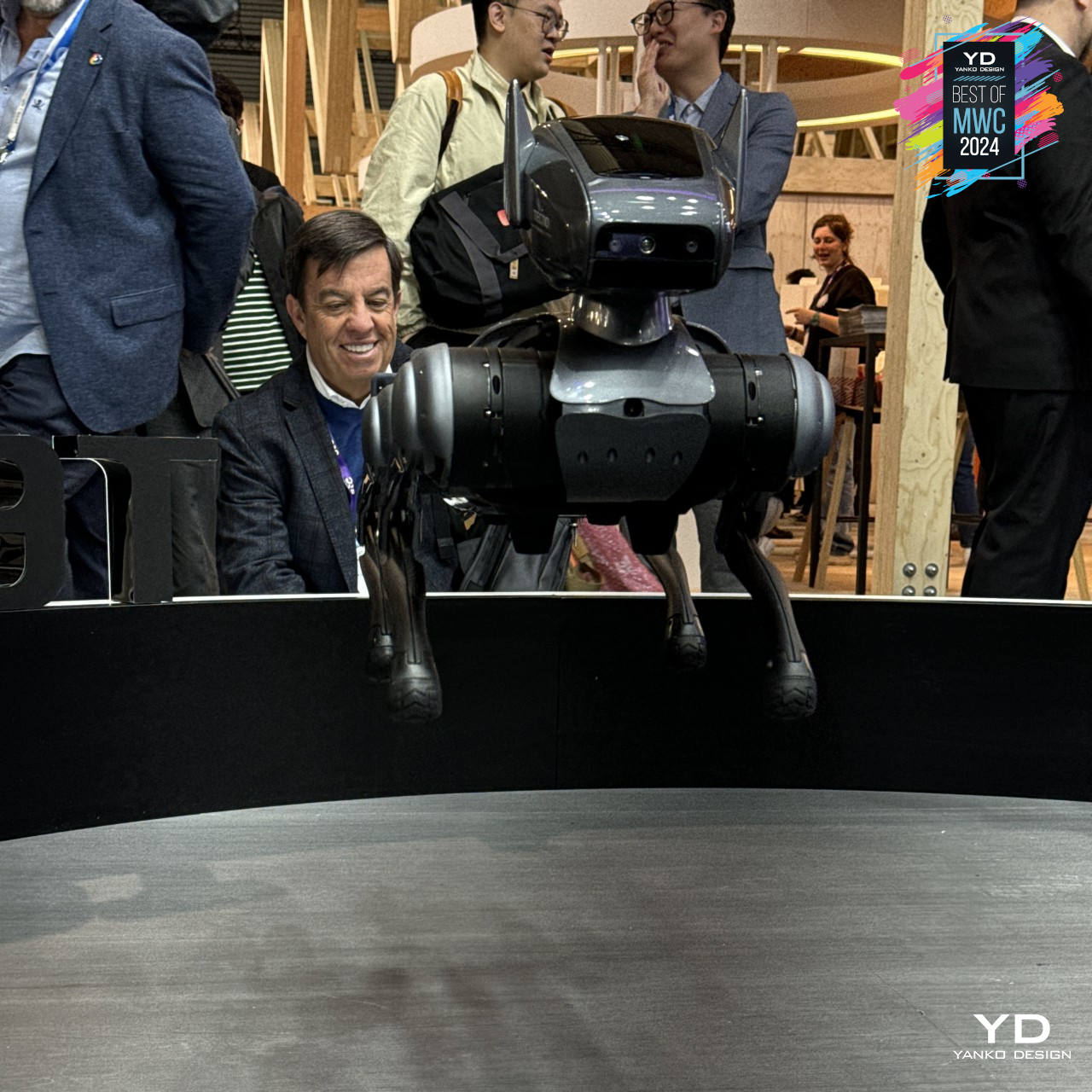
You probably never expected a smartphone maker to debut a robot dog, but that’s exactly the surprise that TECNO had in store here at MWC 2024. Putting a friendlier face and form to the design popularized by Boston Dynamics, the TECNO Dynamic 1 is reimagining what man’s best friend would look like a few years from now. But more than just a novel and expensive toy, this robot dog is envisioned to become a faithful companion to your household.

Designer: TECNO
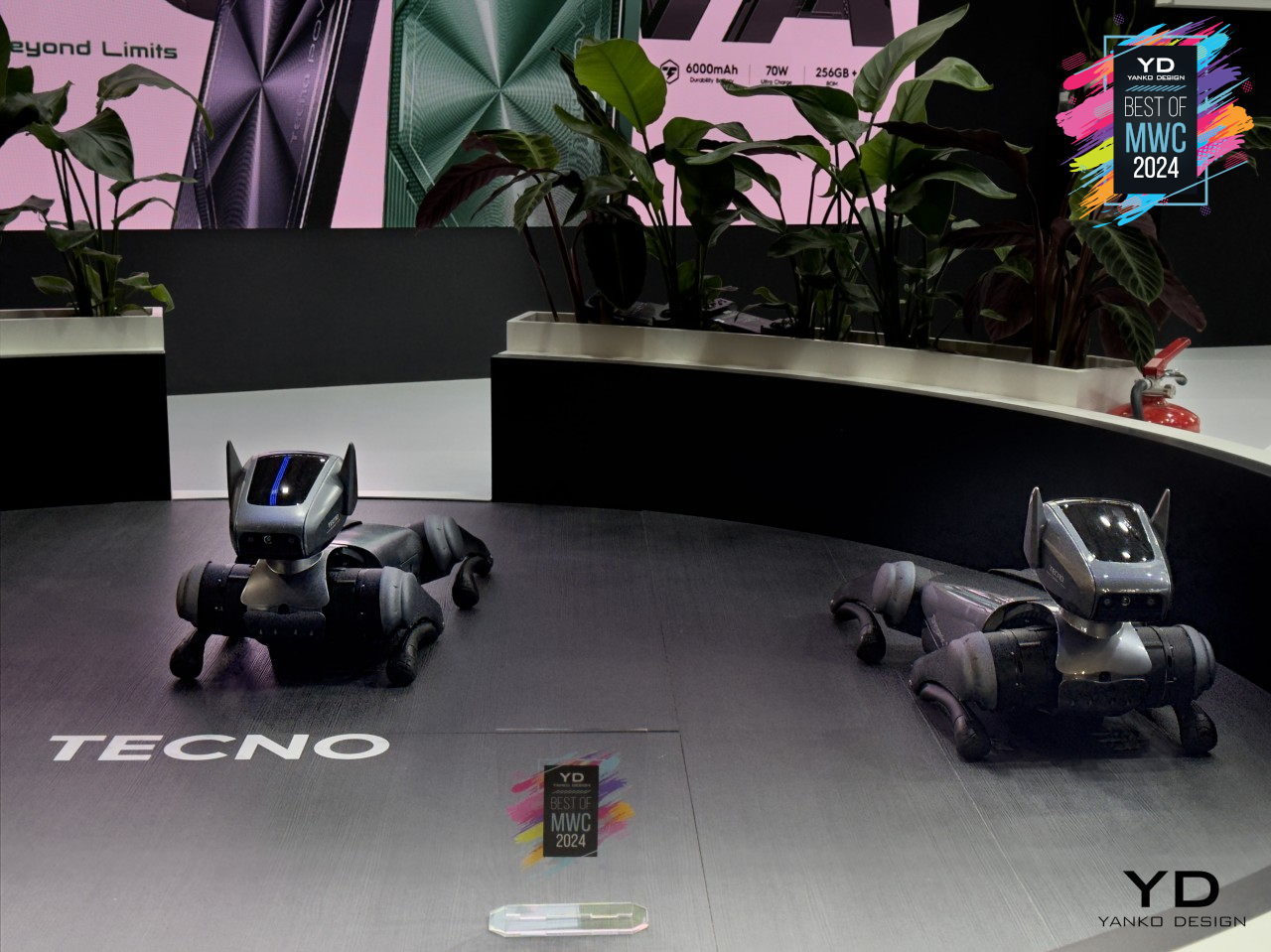
In addition to mechanisms that allow the TECNO Dynamic 1 to gracefully imitate the natural movements of dogs, including climbing stairs and shaking hands, the robot dog is equipped with AI that allows it to navigate your home safely, just like those robot vacuum cleaners. Of course, that AI is also capable of understanding voice commands, obeying your every word better than a real furry pal. There is definitely plenty of potential for such a design, especially in security, so we’ll be waiting with bated breath for what’s to come.

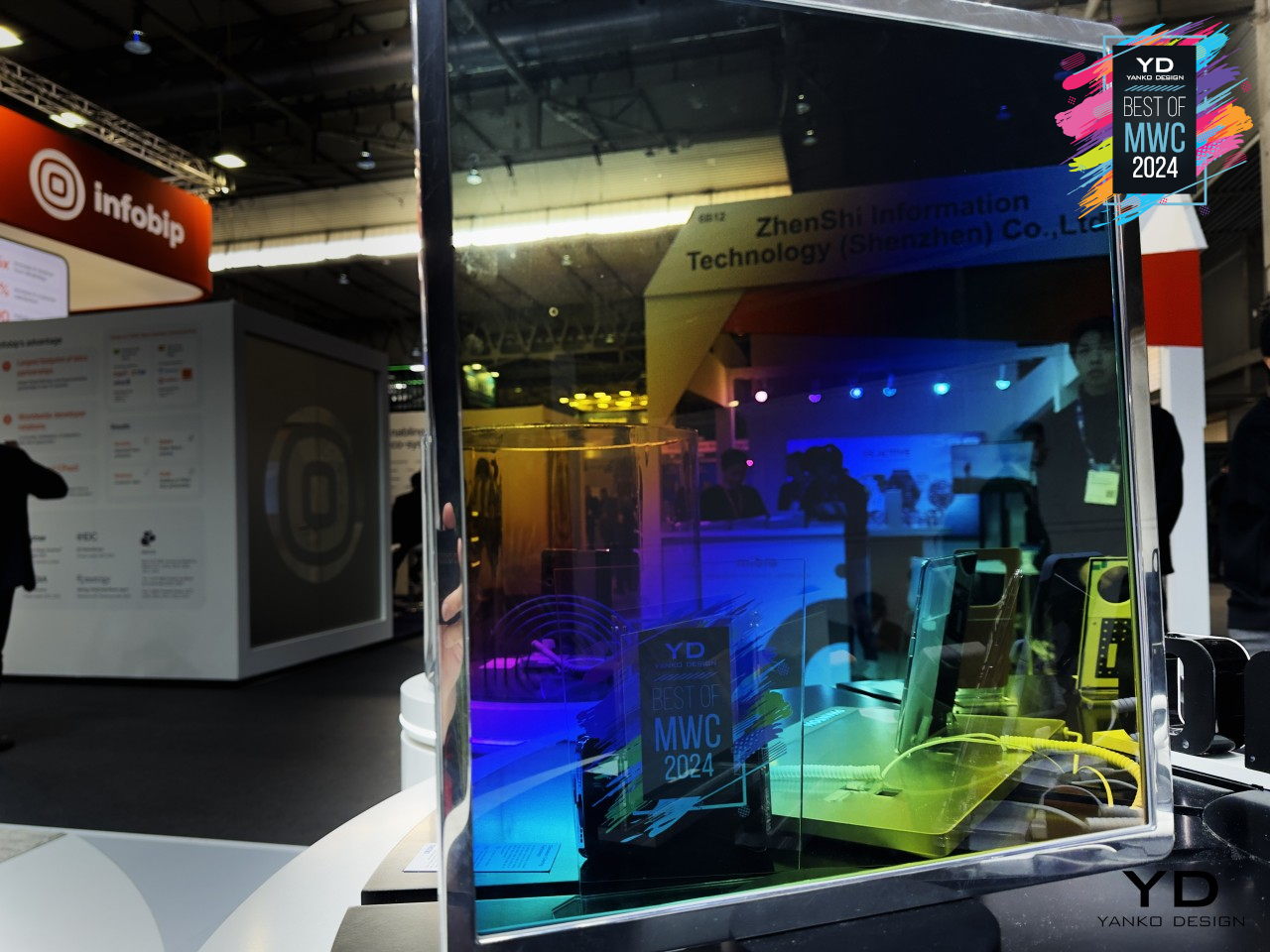
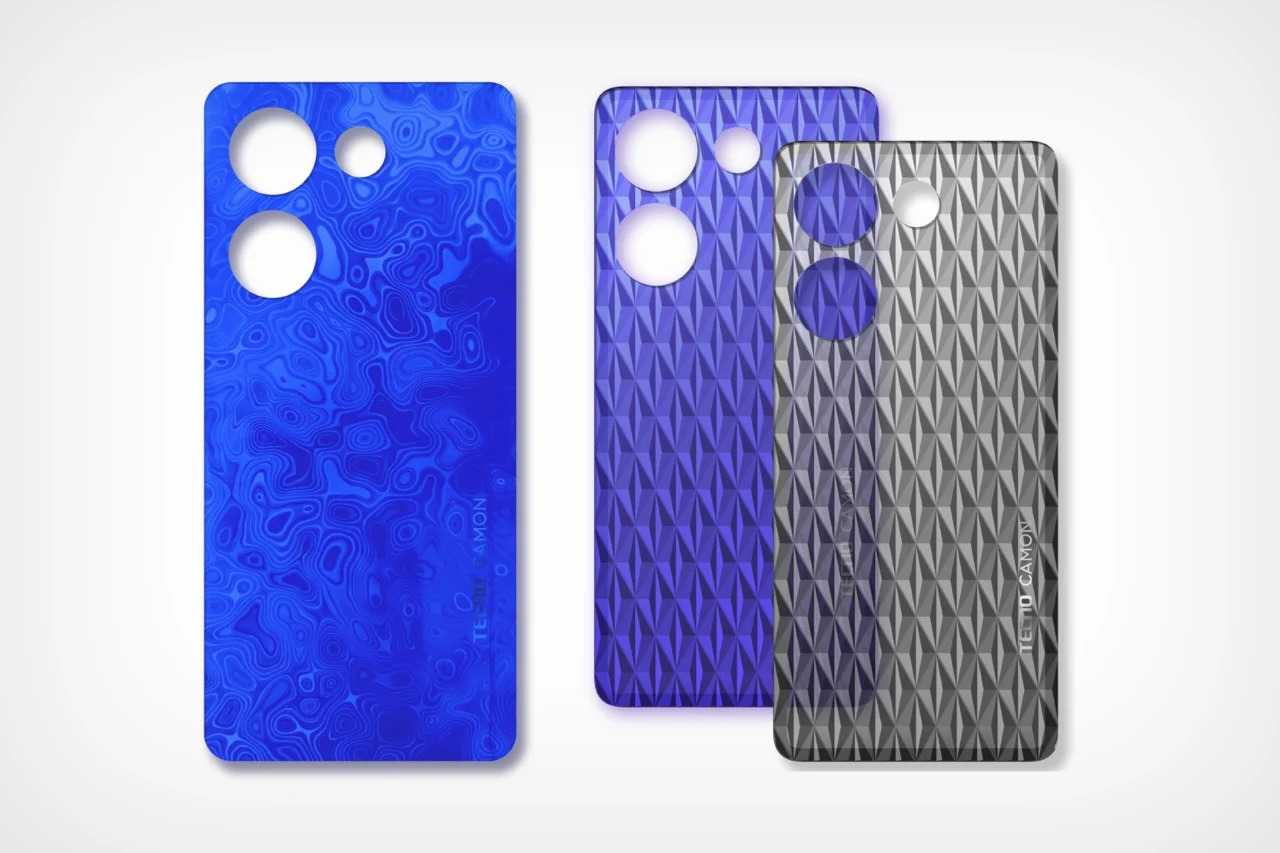
TECNO Phone Materials Concept
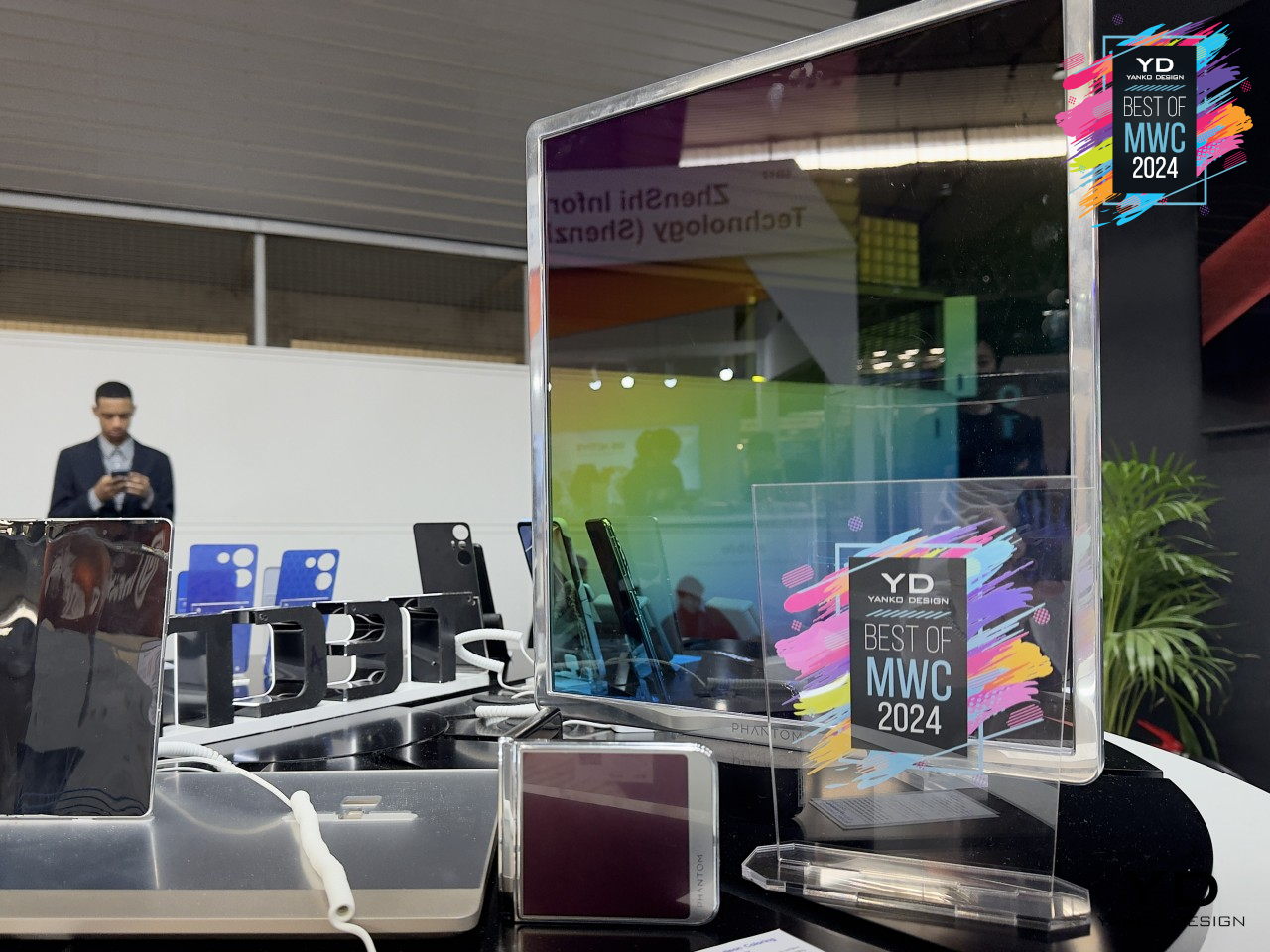
The back of the phone is the most visible part to others, so it’s only natural that owners want it to be the most beautiful part as well. Unfortunately, smartphone designs are generalized to appeal to as many tastes as possible, which leaves very little room for customized experiences. Sure, we have seen some with vegan leather covers, but most phones simply use glass or plastic. Fortunately, not all manufacturers are content to leave the status quo as it is, and TECNO has shared some of the interesting and sometimes odd explorations it has made so far.

Designer: TECNO
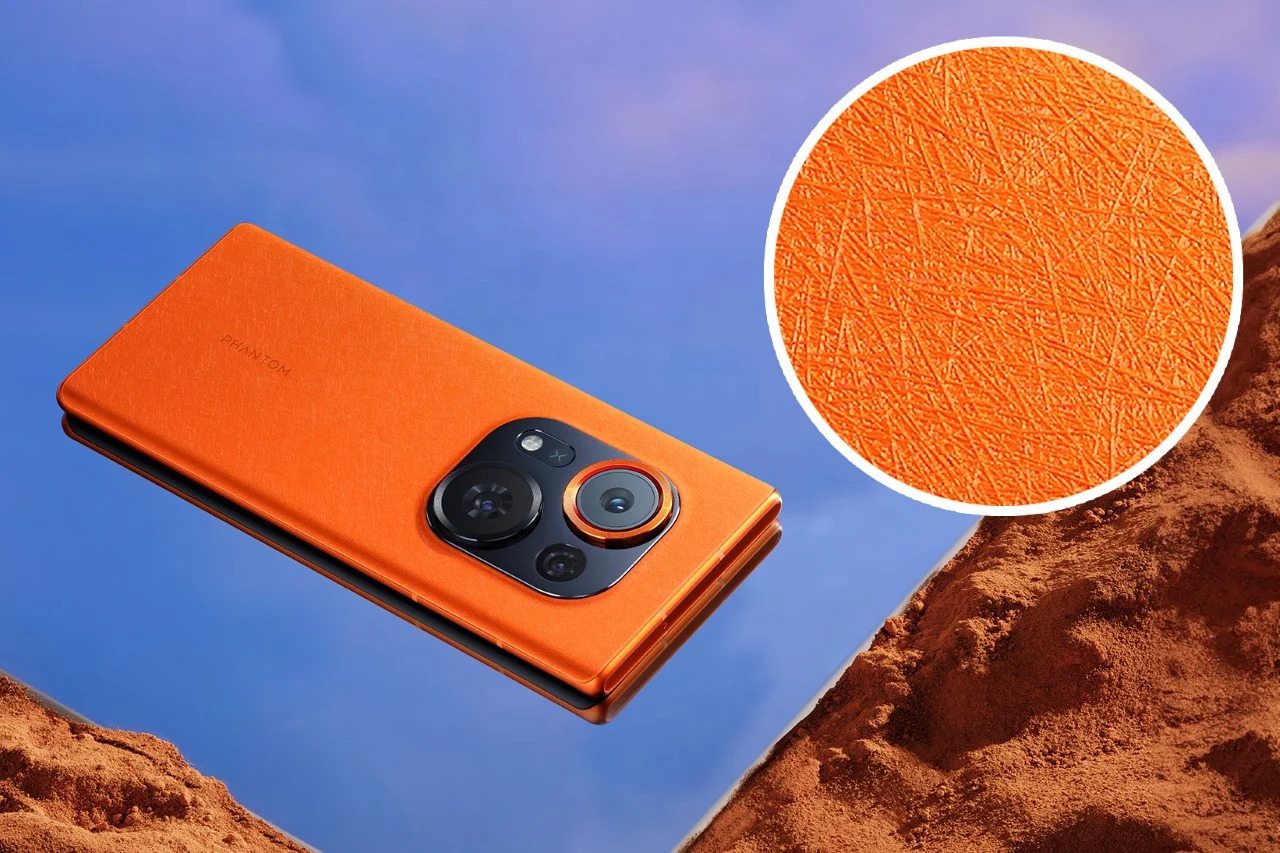
Stereoscopic 3D effects, environment-friendly organosilicone fabric leather, color-blending leather, and colored textured glass are just some of the concept materials that TECNO has been playing around with. It even has fragrance leathers with microencapsulated essential oil particles to have your phone smelling as good as it looks. Not all of these make sense and they might not even make it into production, but the concepts are an important part of the ideation process that will lead to innovative designs that look and feel like they were made for actual human persons and not just faceless consumers.

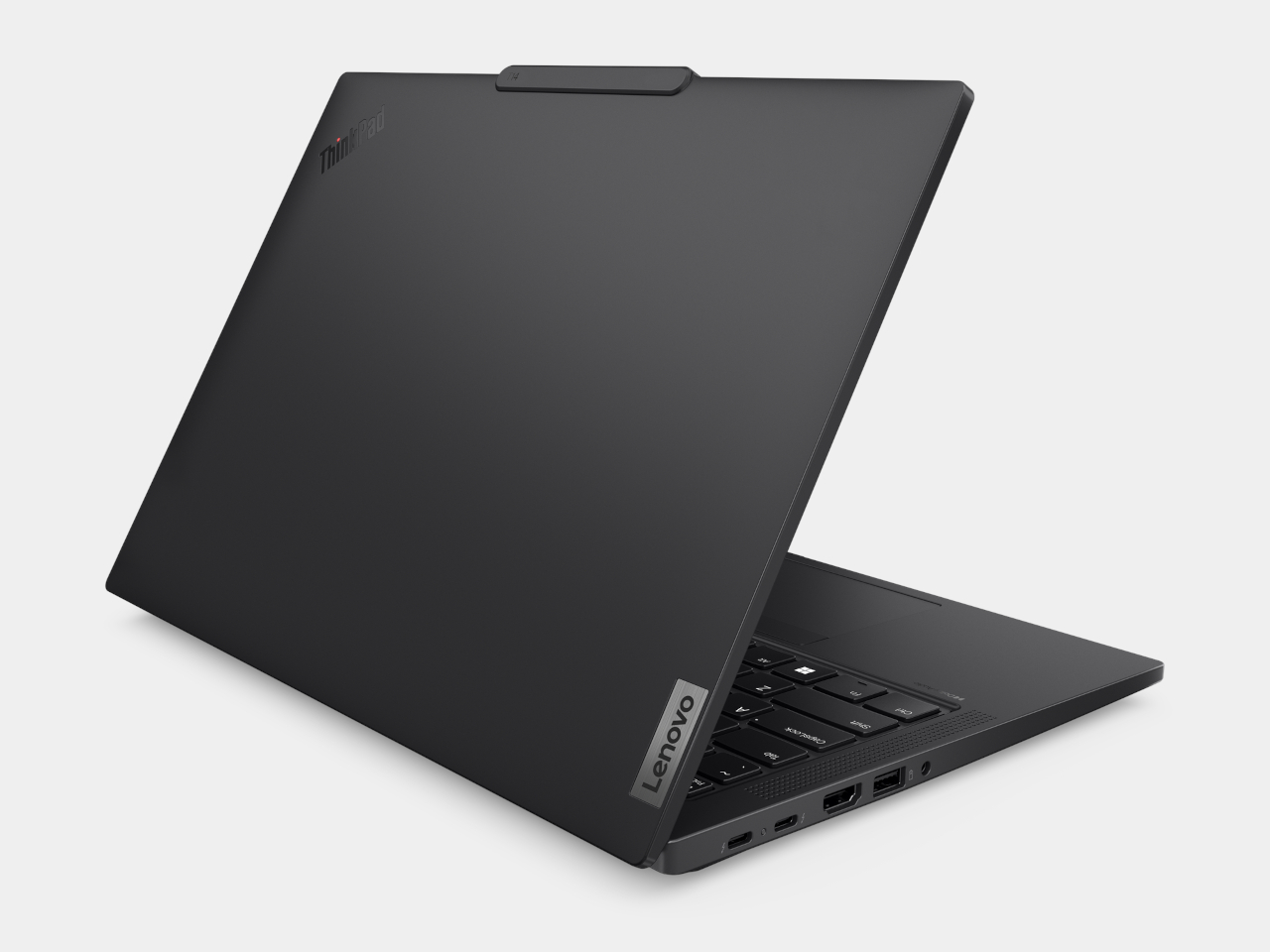
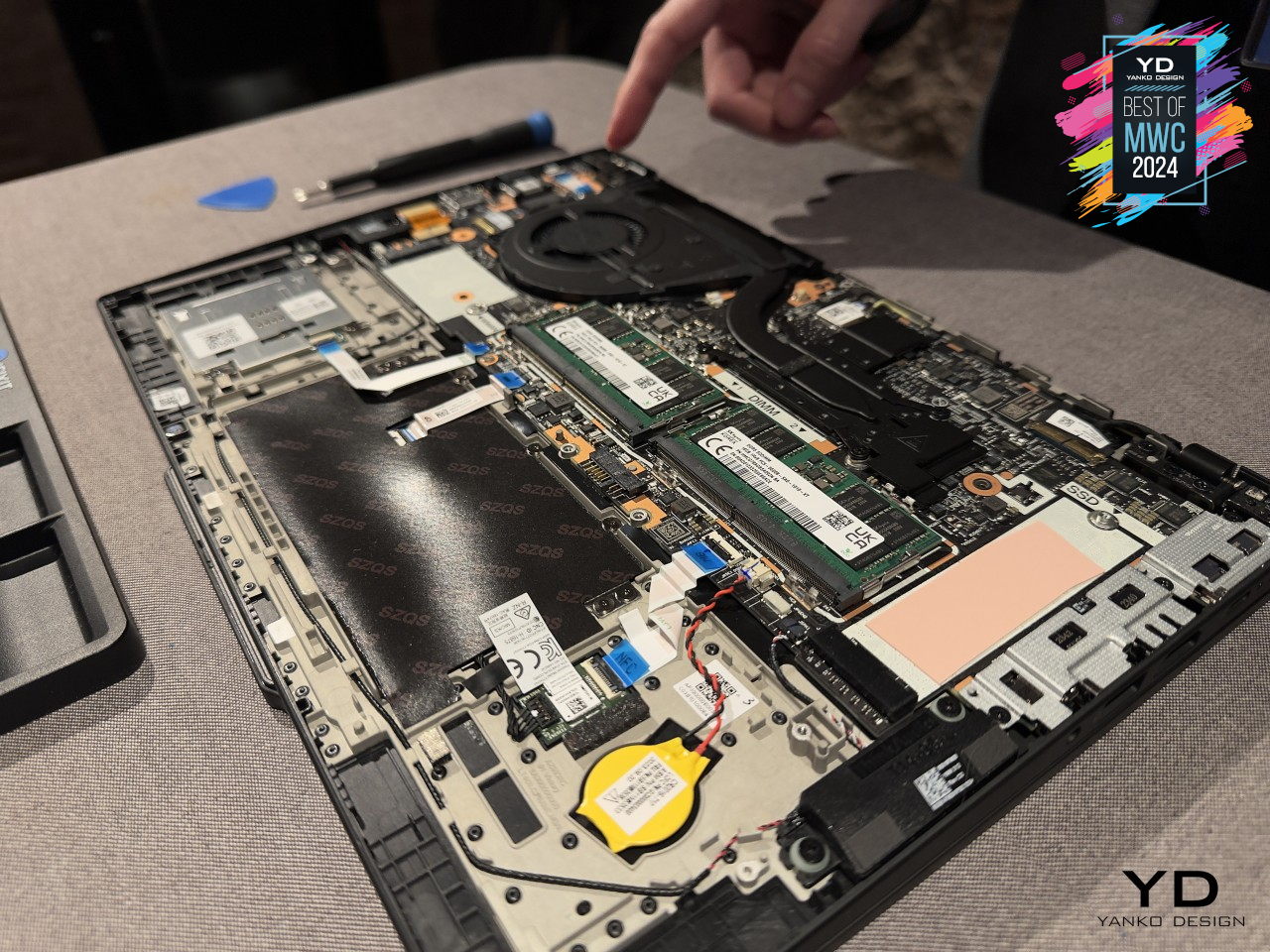
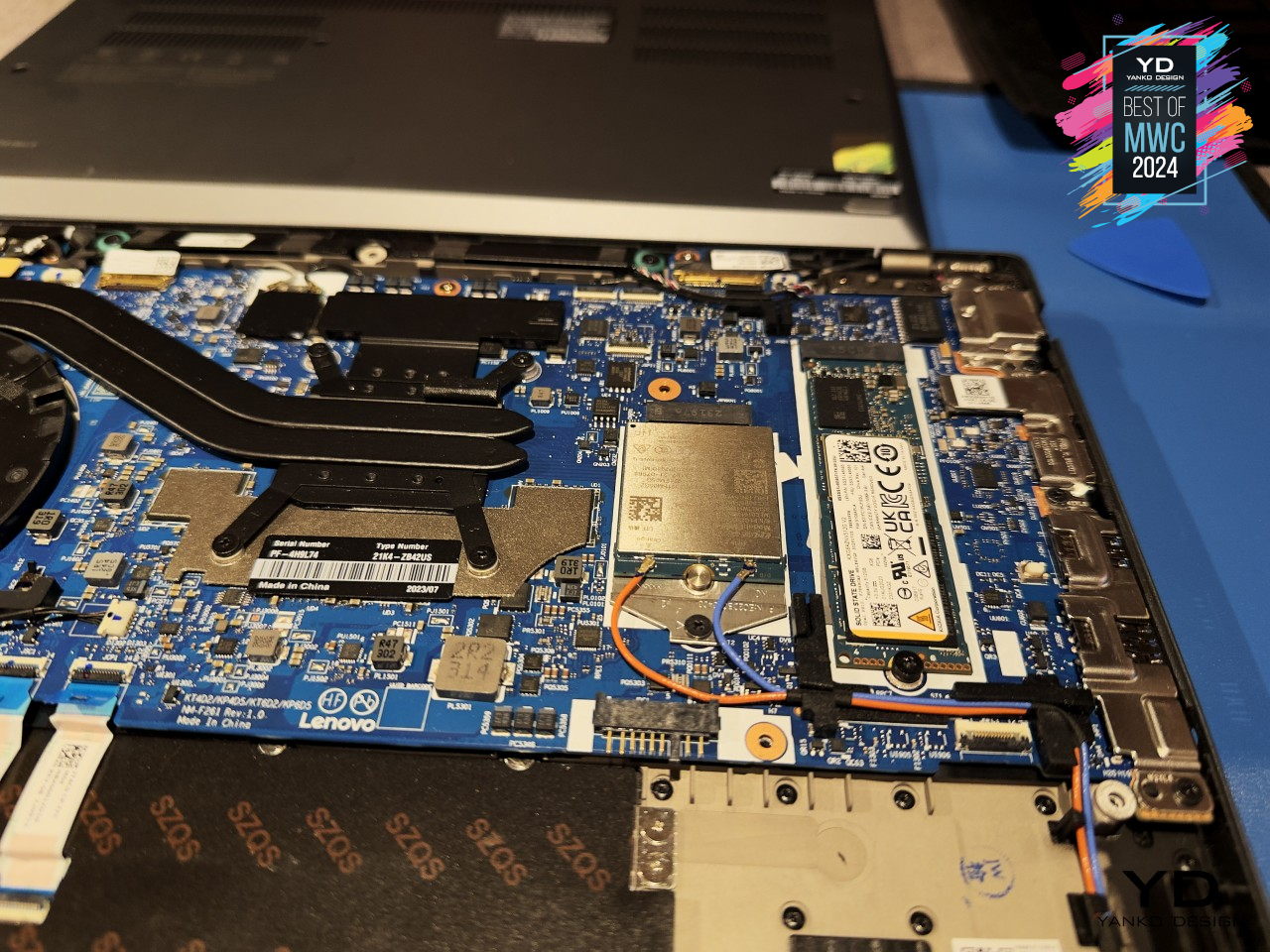
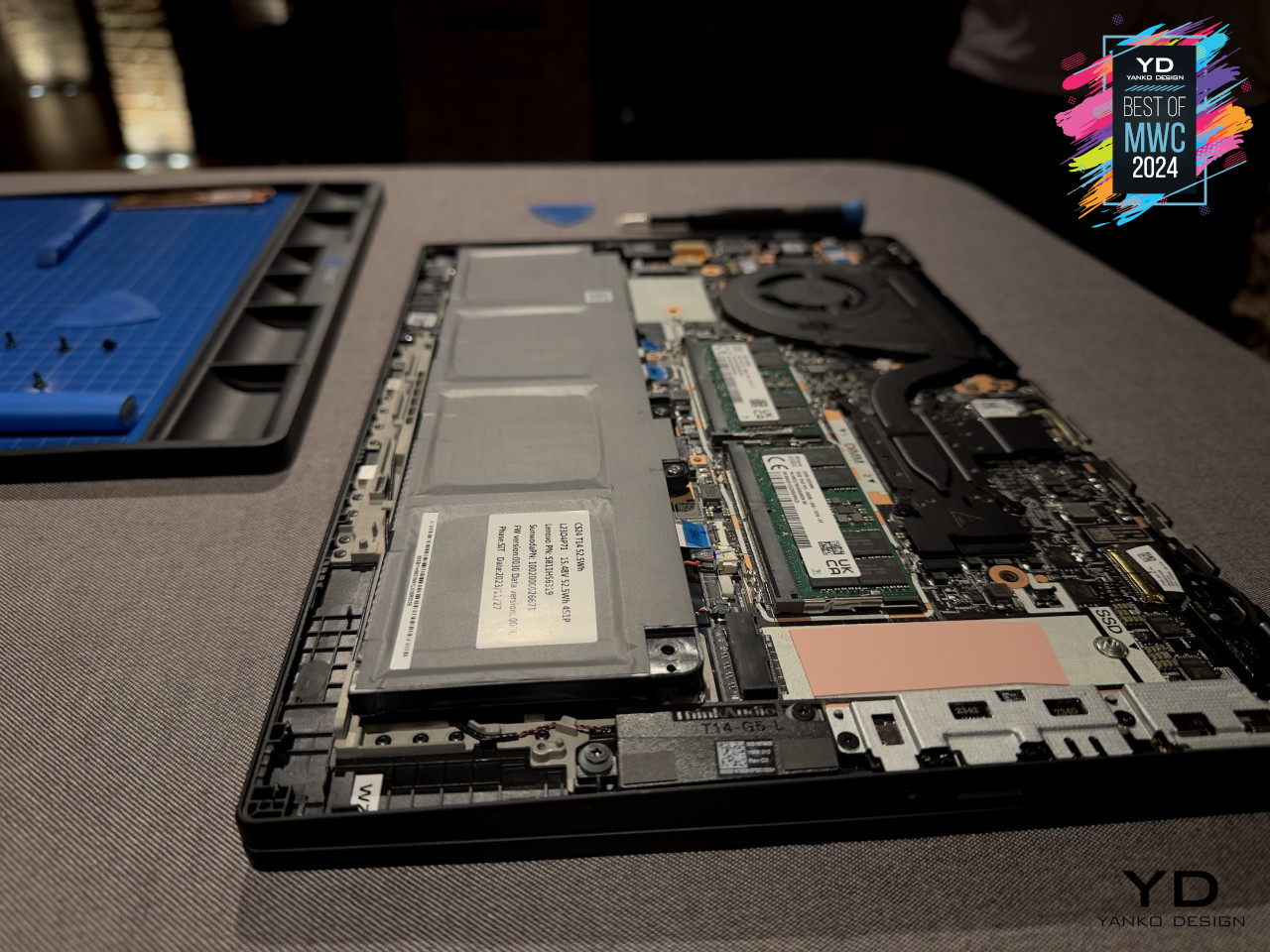
Lenovo ThinkPad T14 Gen 5 repairability
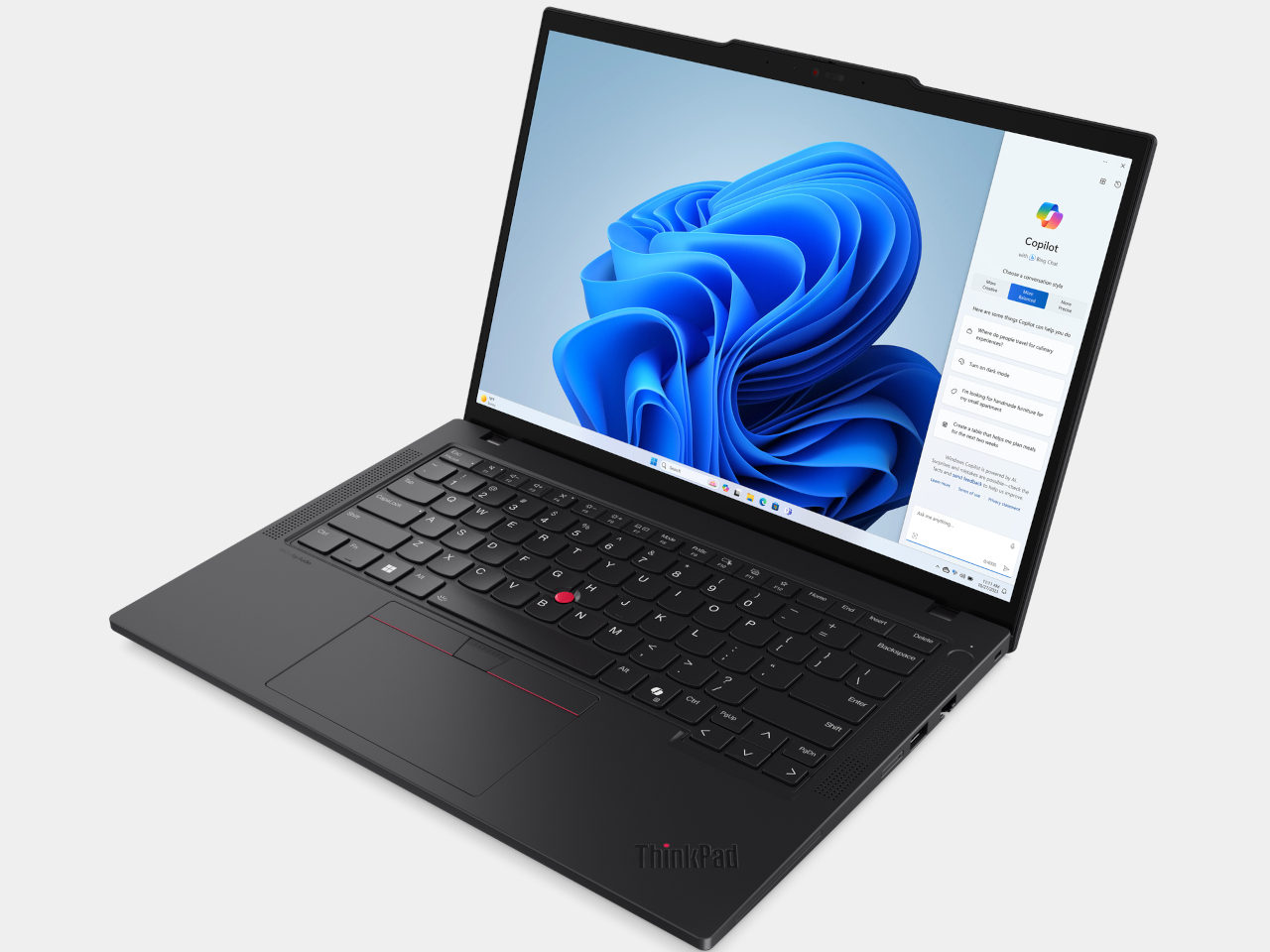
Laptops are slowly but surely dominating the PC space, especially as they become powerful enough to compete with desktops. There are, however, still some things it can’t easily beat its towering cousin. The modular nature of desktops means they’re trivial to repair since you only need to replace the broken parts. That also means they have a longer lifetime in general, reducing the overall e-waste that’s usually involved in upgrading and discarding laptops in just a few short years.

Designer: Lenovo
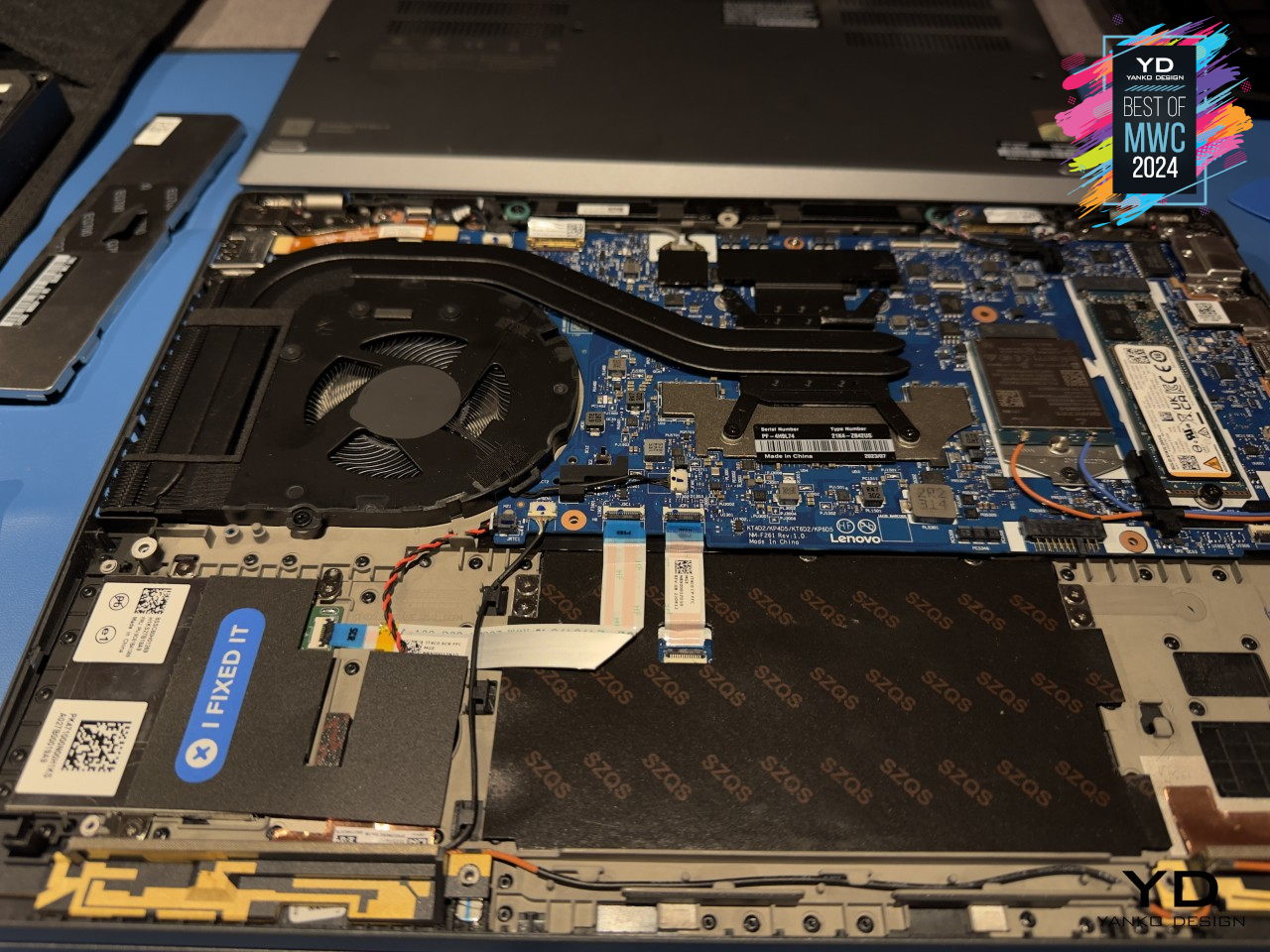
Lenovo is bringing that kind of sustainability to its latest laptops, particularly the ThinkPad T14 Gen 5. Collaborating with self-repair experts over at iFixit, Lenovo designed this mobile workstation to be easy to repair, scoring an astounding 9 over 10 on iFixit’s meticulous repairability index. With parts that are easier to replace, including a socketed RAM instead of a soldered one, the ThinkPad T14 Gen 5 goes a very long way to ensuring the longevity of these powerful and essential tools.

Lenovo ThinkPad Transparent Display Laptop
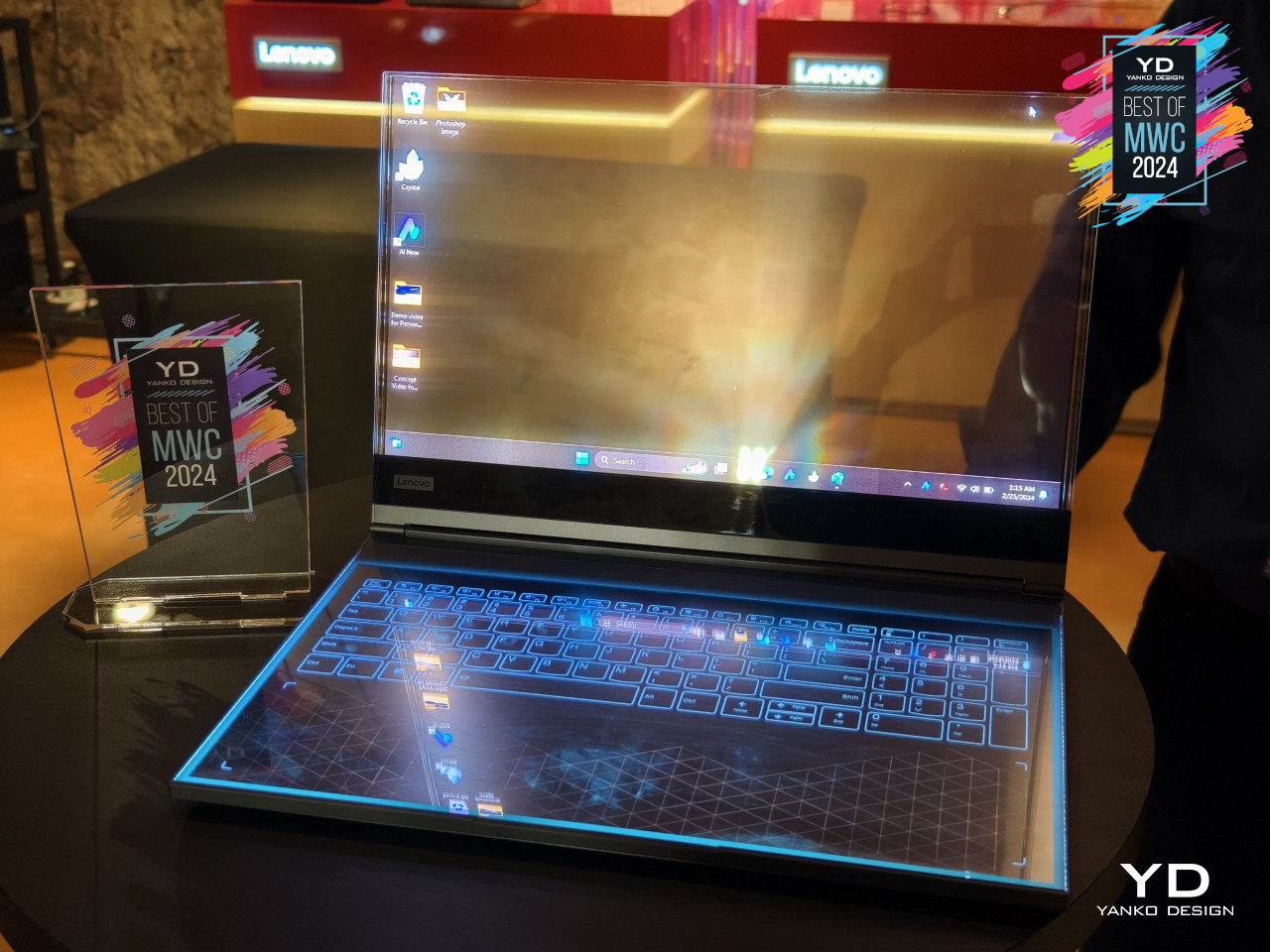
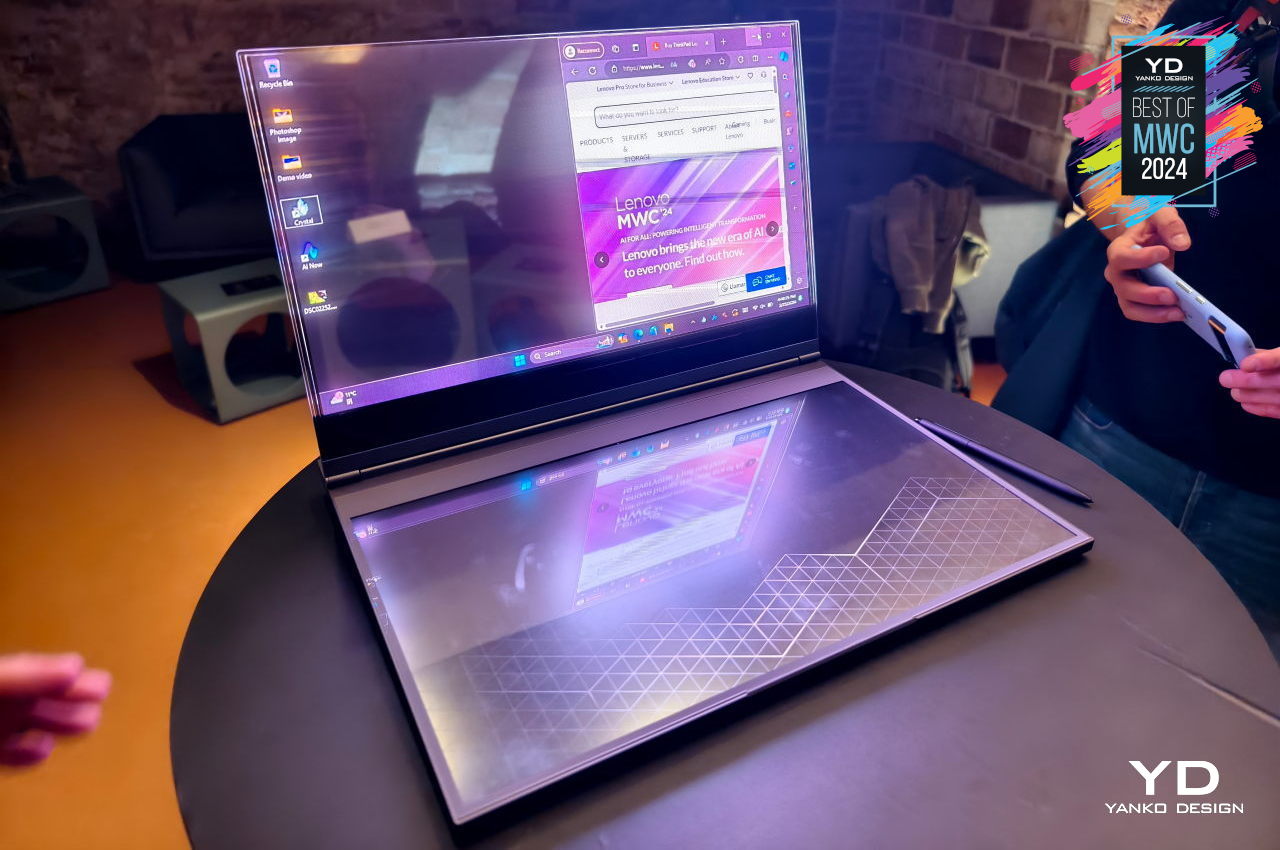
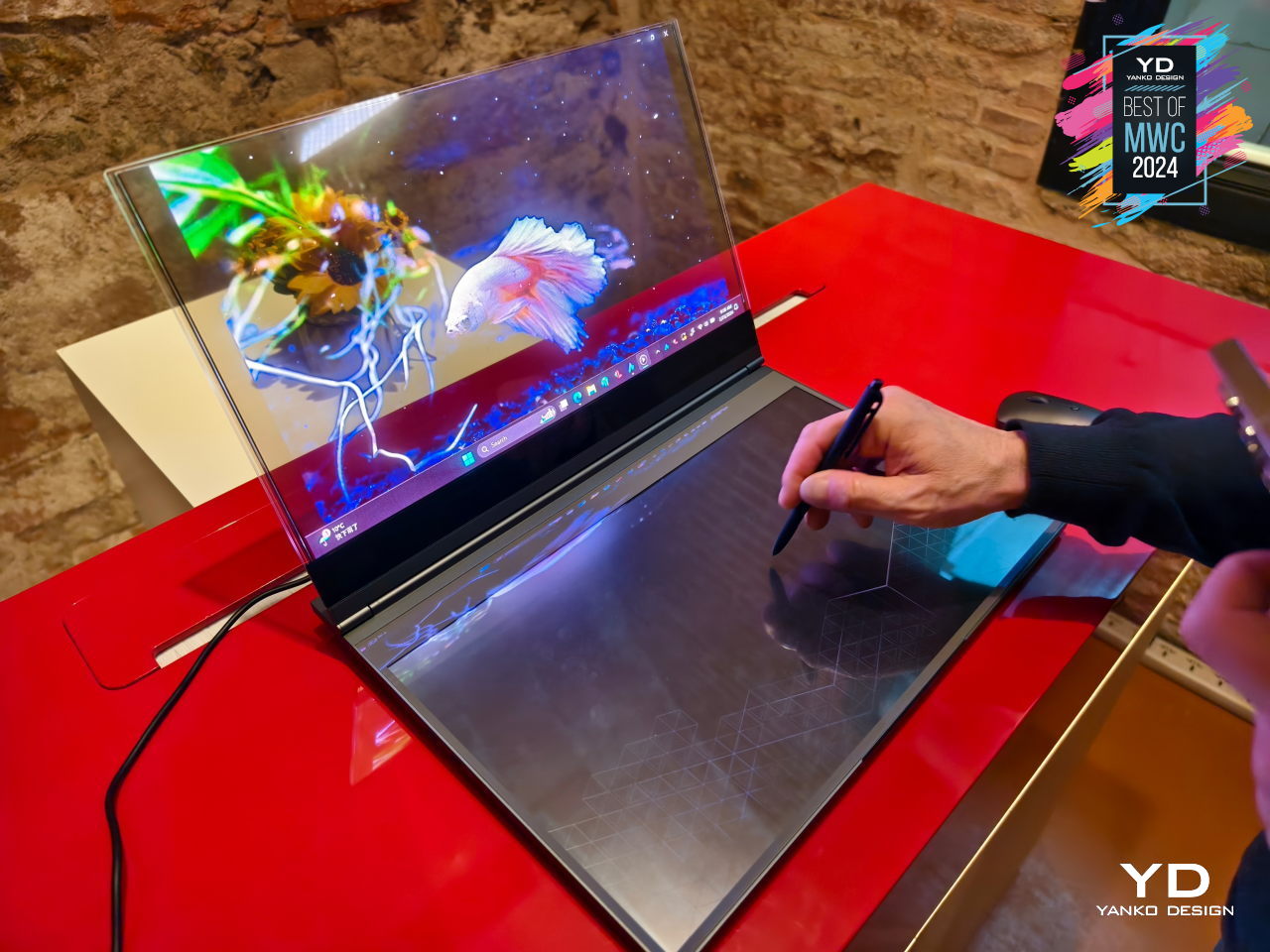
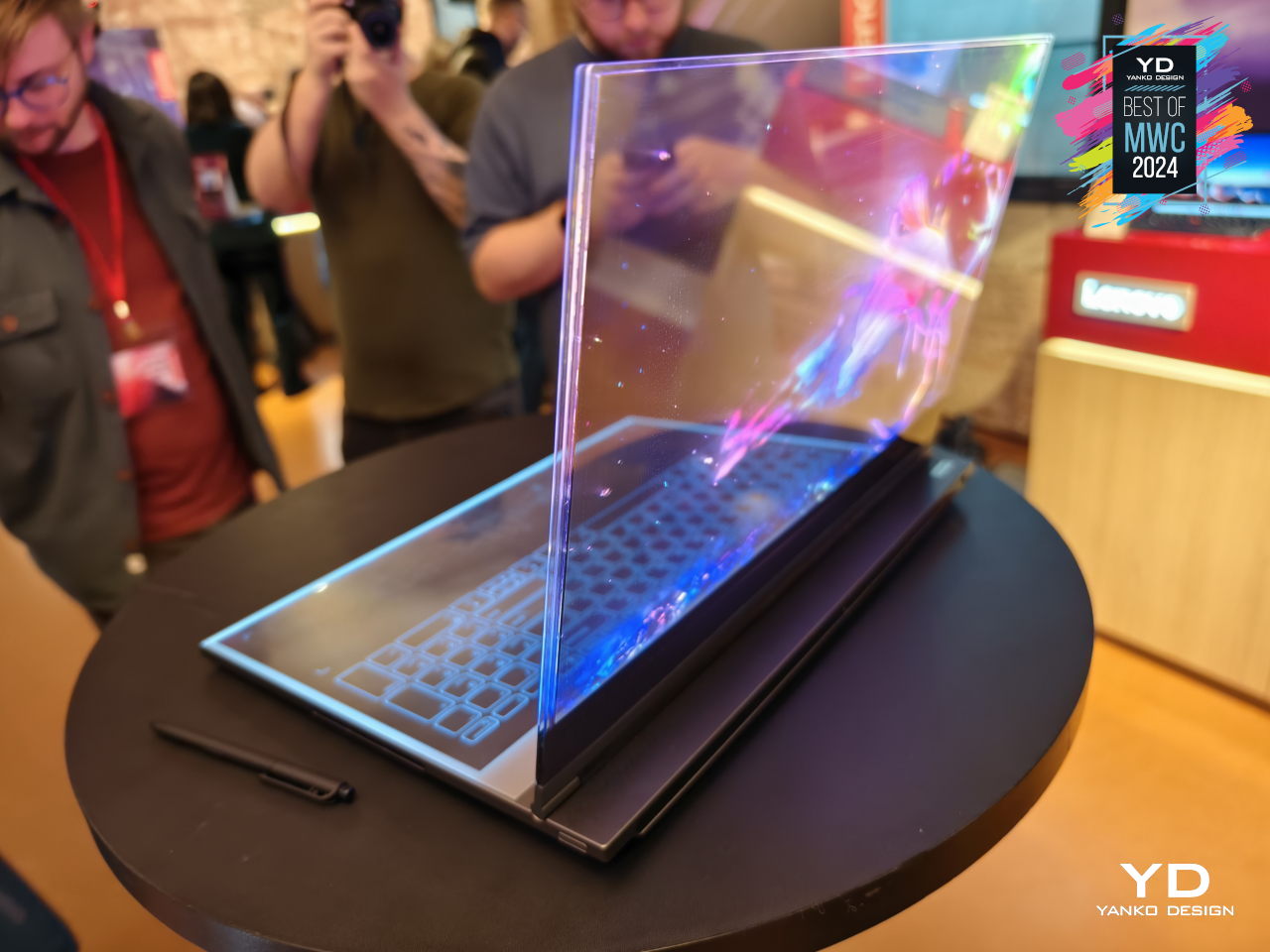
After staying nearly the same for decades, we’re now seeing attempts at redesigning the laptop without completely erasing its familiar form. Dual screens and foldable screens are just two of the latest explorations we’ve seen lately, but they’re hardly the only innovations possible in this space. In fact, Lenovo has just revealed what could even be more ambitious than a foldable or rollable laptop, one that has a transparent display and an all-glass keyboard to match the aesthetic.

Designer: Lenovo
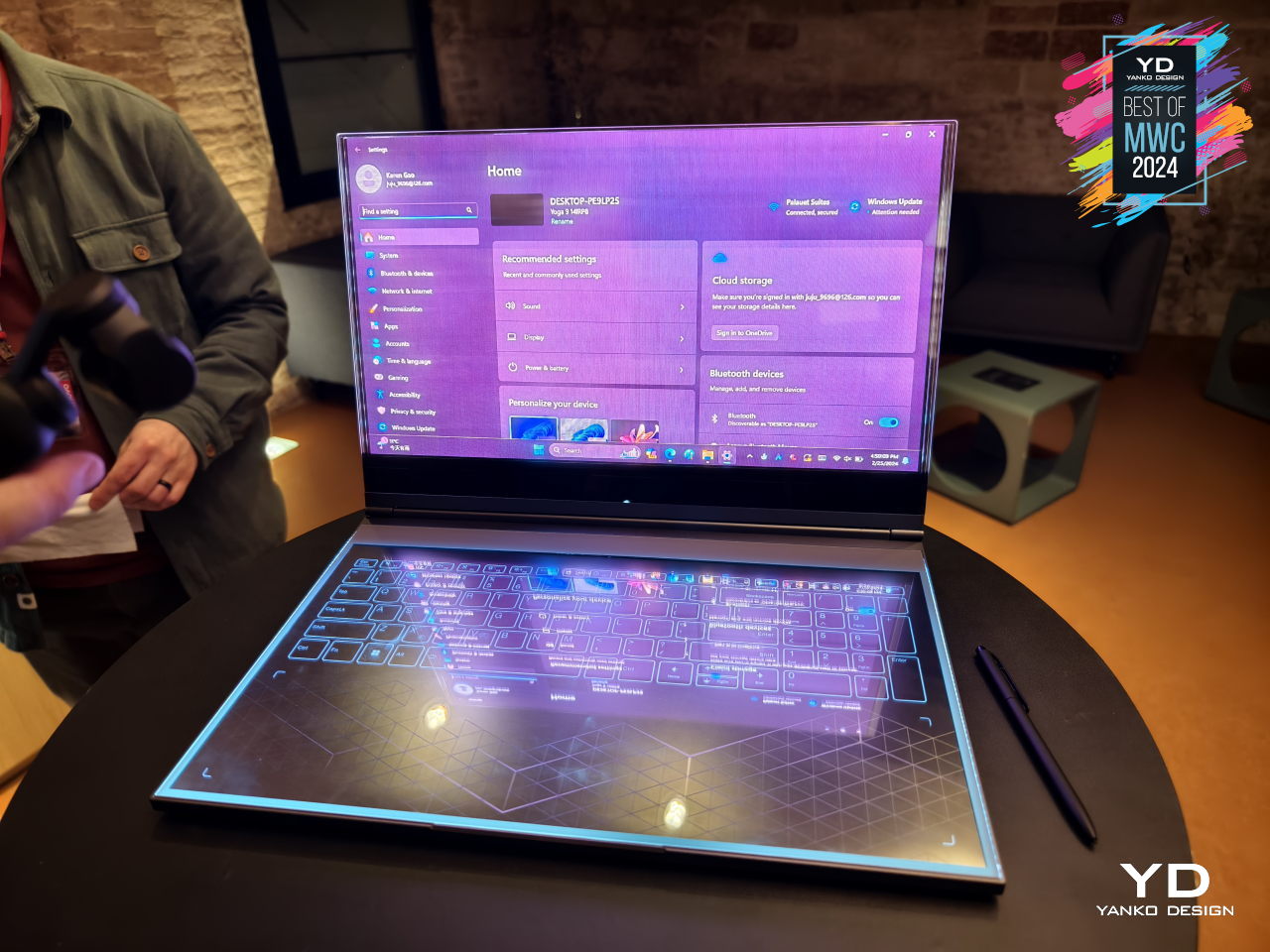
Transparent TVs are starting to appear in the market, bringing a long-time fantasy to life. Lenovo seems to finally be satisfied that these transparent displays have become mature enough to be used on a laptop. Although still just a proof of concept, the ThinkPad Transparent Display Laptops is already very promising and mind-blowing, demonstrating what could be possible in just a few years’ time. It definitely sparks the imagination, looking like a functional prop straight out of a sci-fi movie set, and it probably prefigures the display-centric computers that are waiting for us in the future.

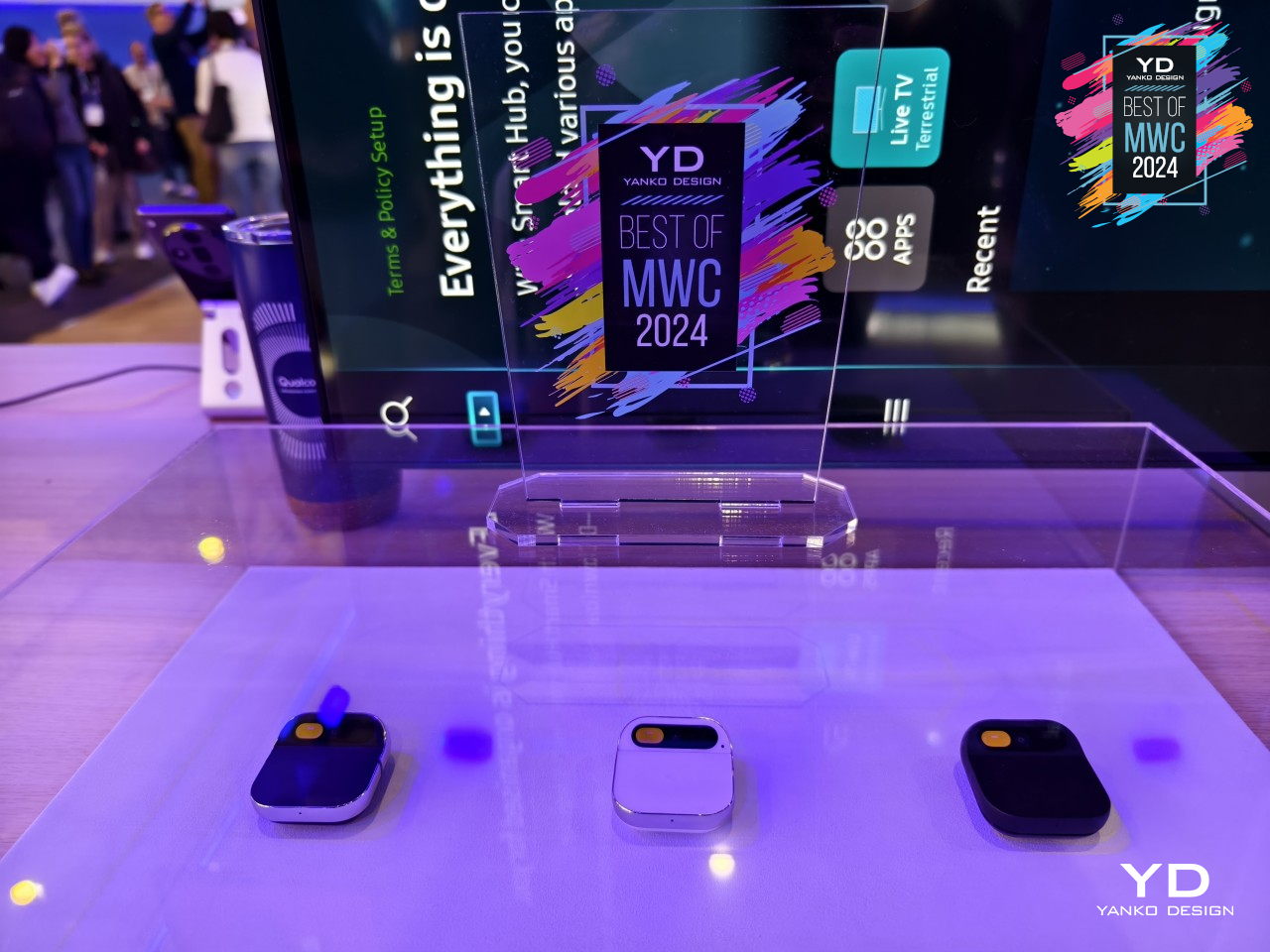
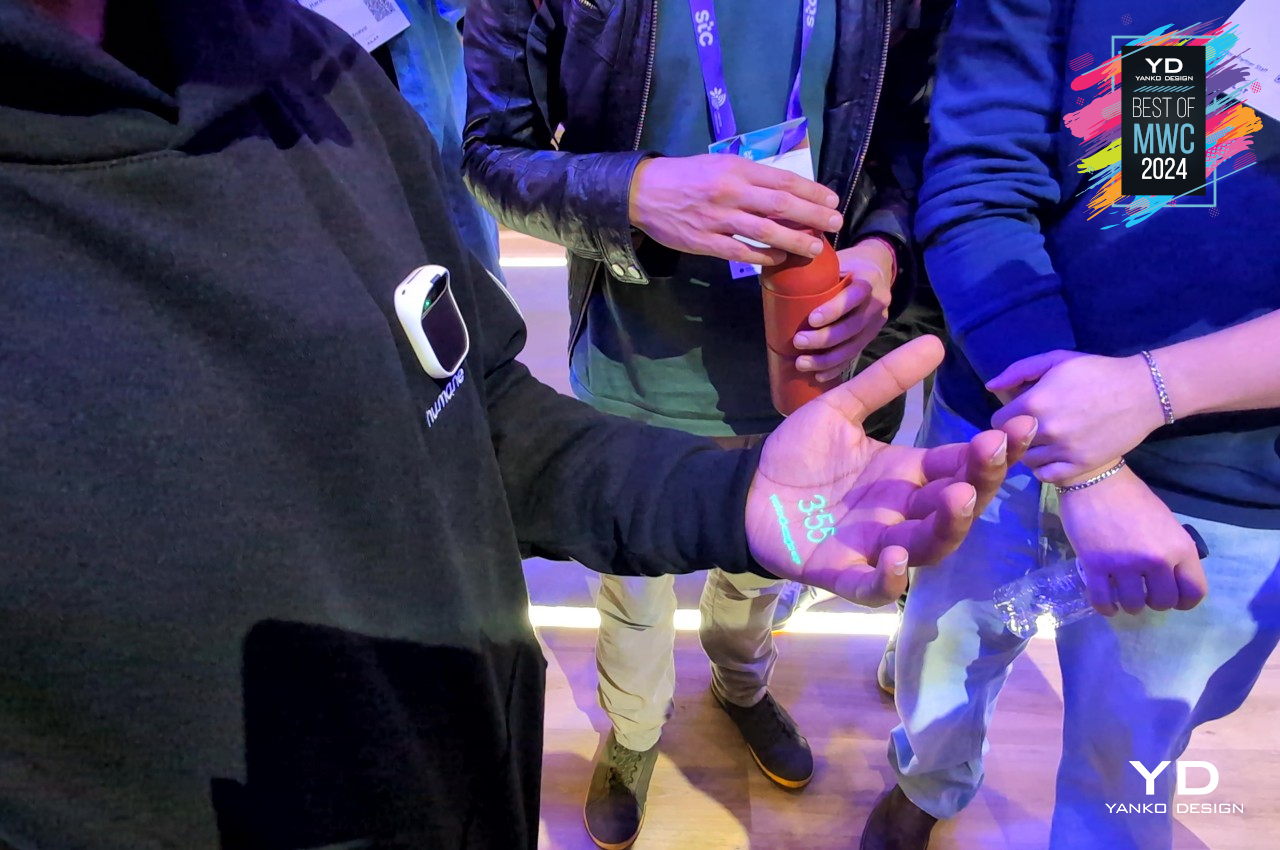
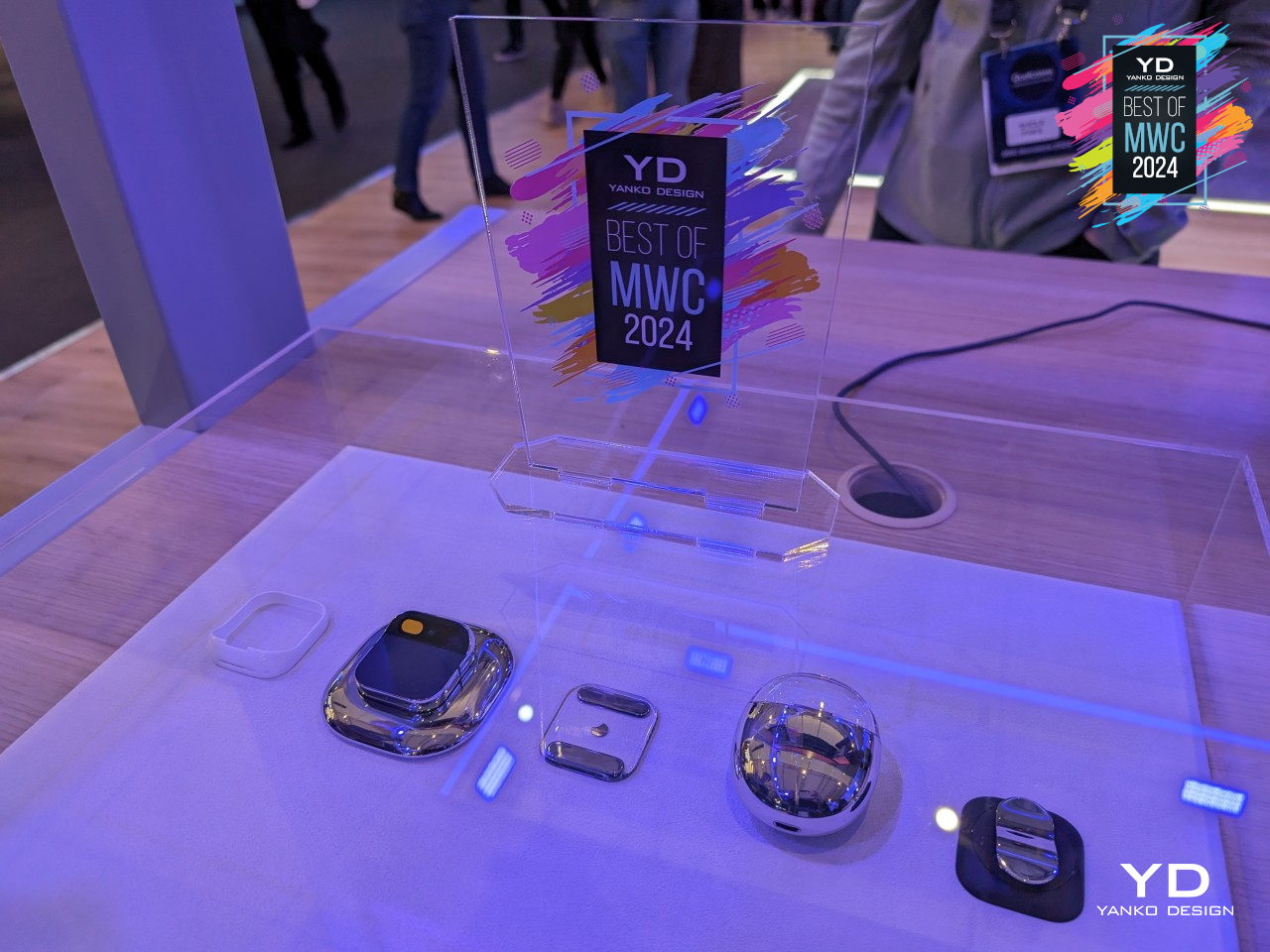
Humane AI Pin
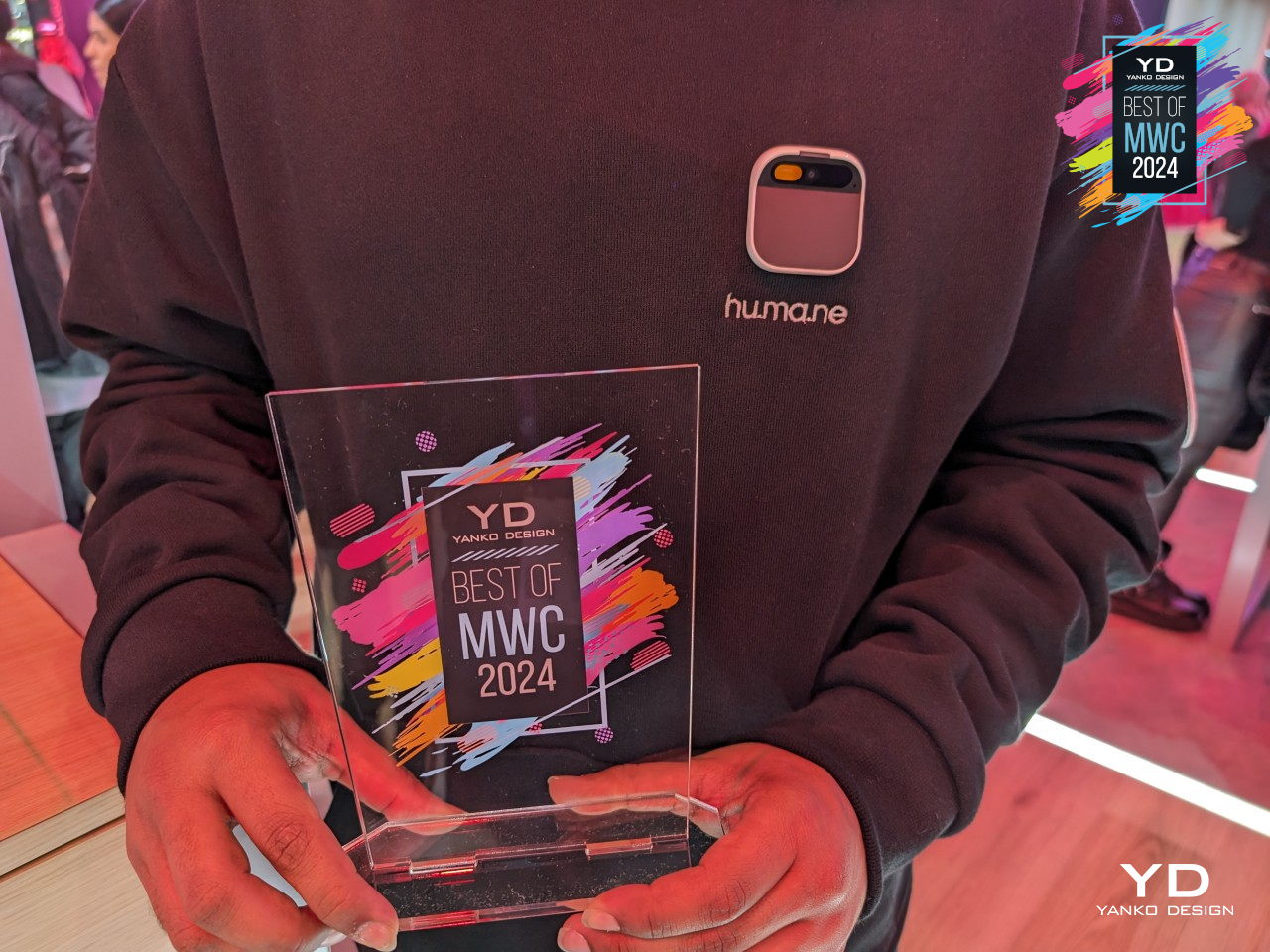
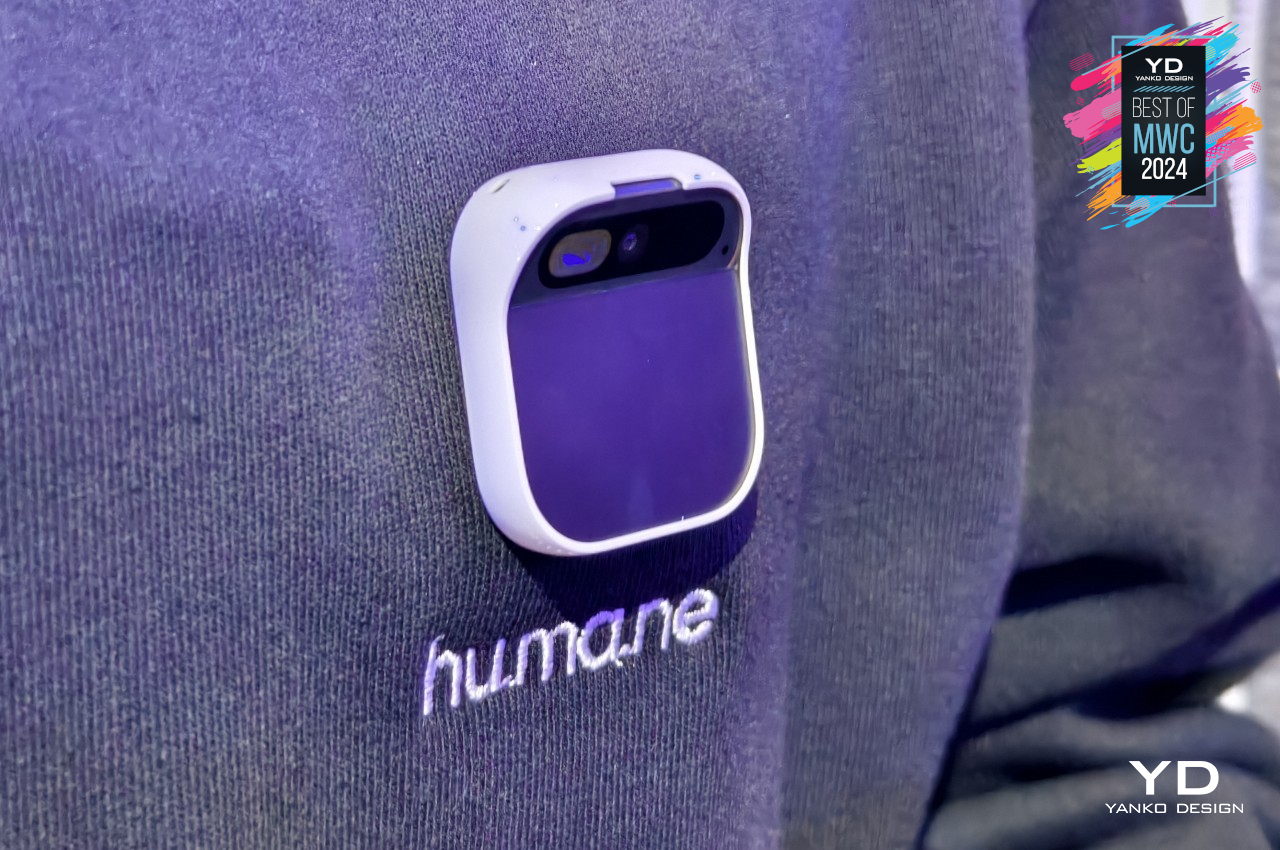
Our smartphones are powerful devices, but they can also be a source of stress, distraction, and a host of other mental and emotional issues. But the world we live in today requires a connected lifestyle, even for some of the most basic actions. The Humane AI Pin is an ambitious design that tries to keep us connected while also removing the middleman that is the smartphone, providing the necessities of modern life without distractions and complicated apps.

Designer: Humane
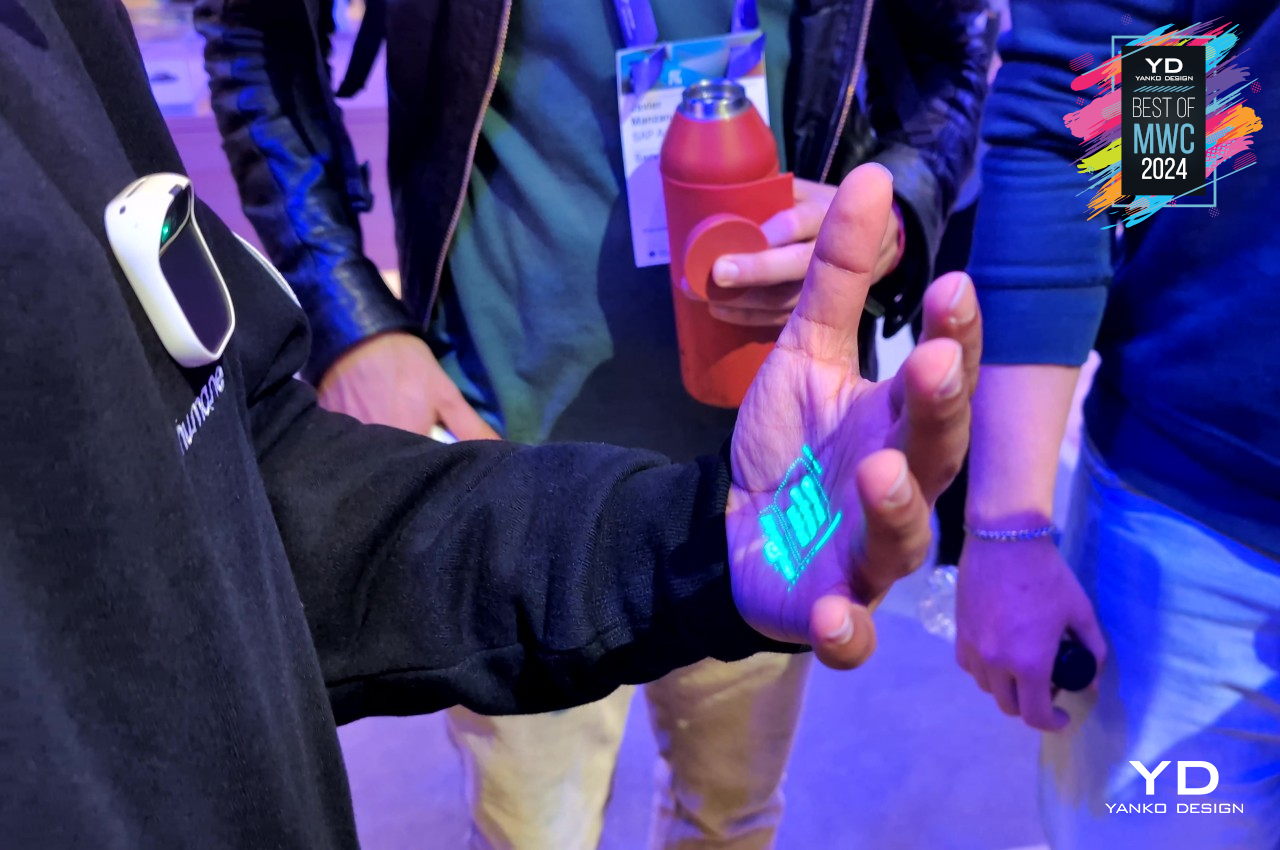
More like a badge than a pin, the Humane AI Pin basically projects a simplified interface on your hand that you can control with gestures. It has a camera that sees the world around you and a cloud-based AI service that interprets it, which includes voice commands and queries for information. It’s like those fancy holographic gadgets you see in sci-fi shows, except it’s already here today and actually quite usable. It demonstrates that you won’t really need a smartphone for most of the things we use a mobile device for, freeing you to be more present in the moment and with other people.

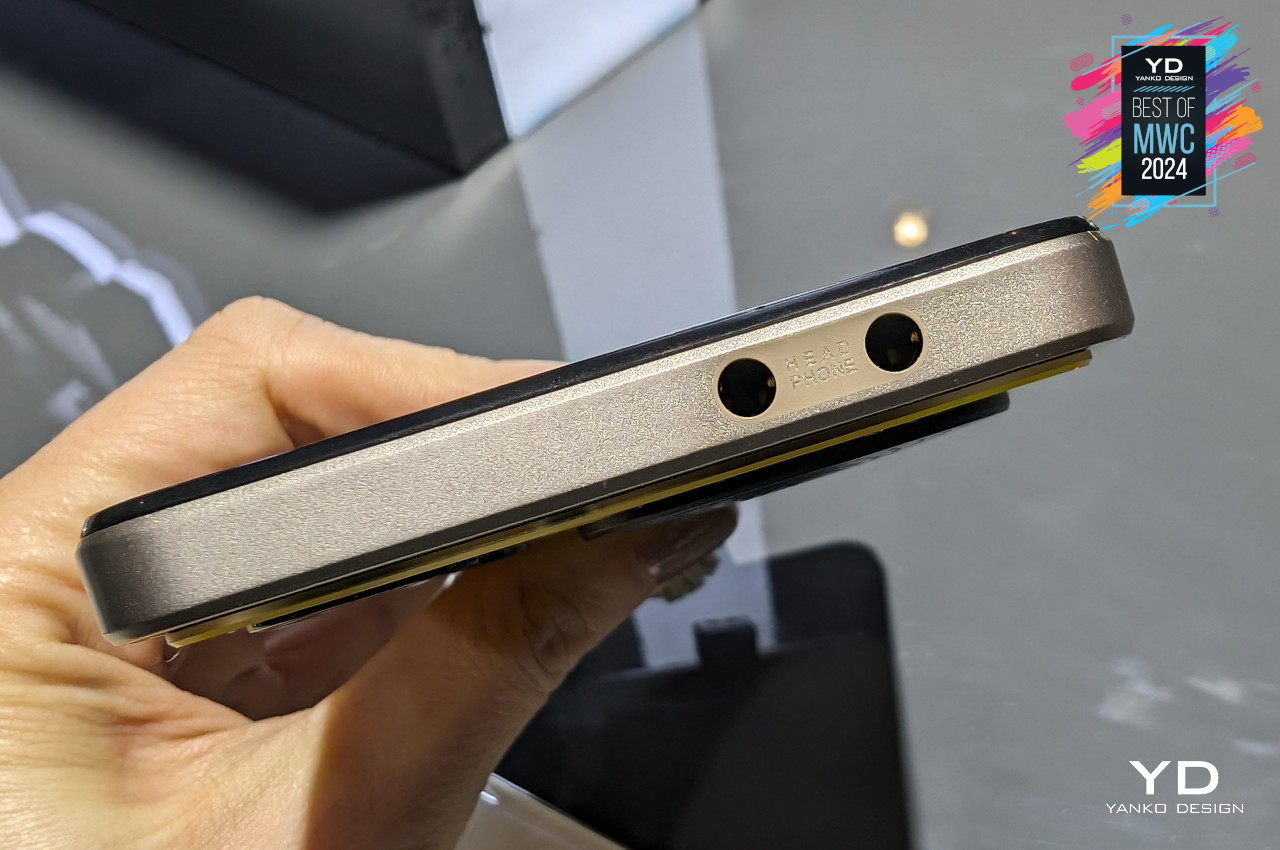
nubia Music Phone
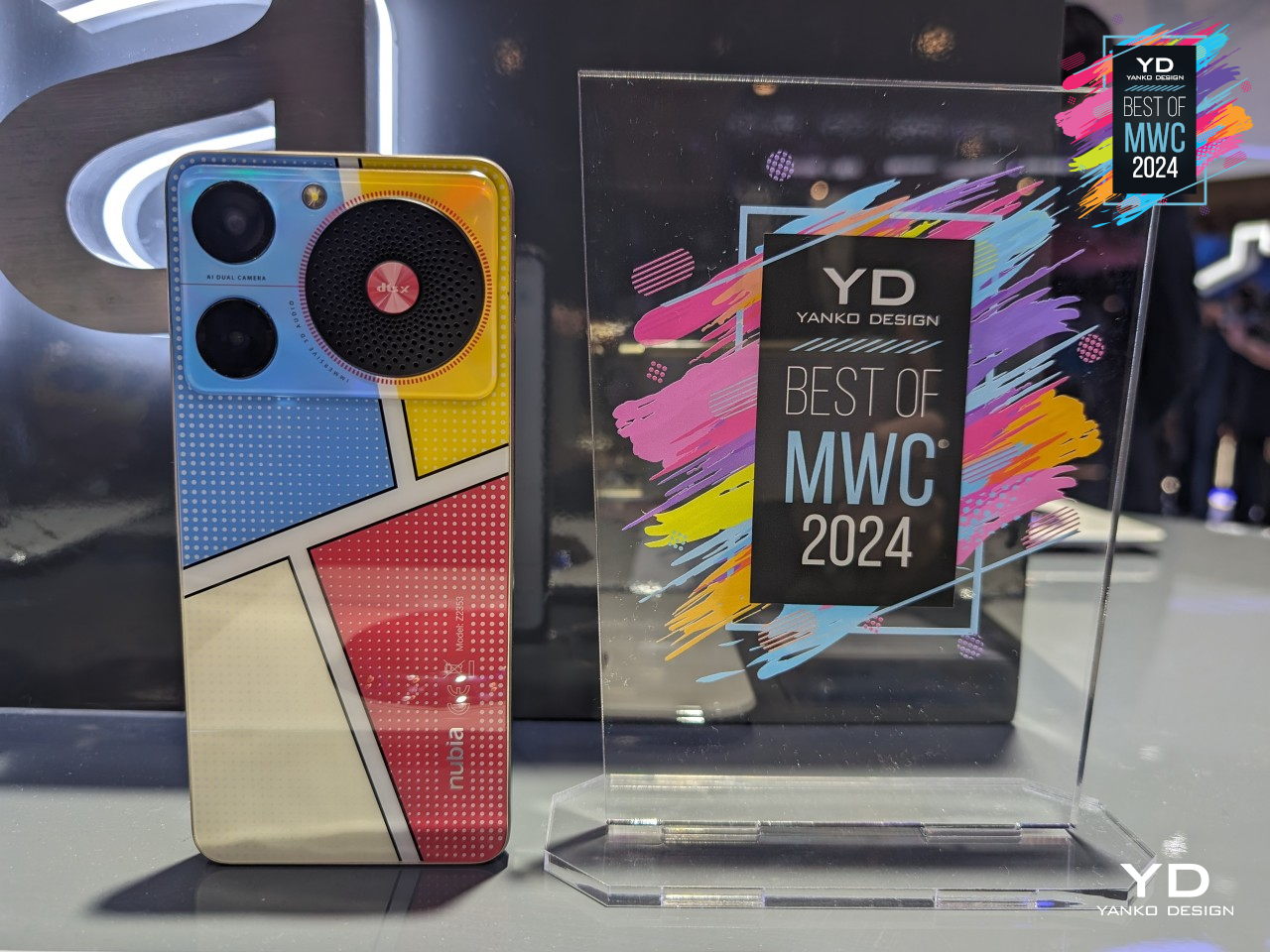
It may have been banished from smartphones, but the headphone jack is still a standard connector in other places, especially in the music industry. Bluetooth headphones and speakers might be improving, but some audiophiles still swear by their wired equipment, especially because of the flexibility they offer when you want to let others enjoy the same tunes you’re listening to. Inspired by the social aspects of listening to music, nubia made a surprising launch of a phone that’s designed to let you share your music easily.

Designer: nubia
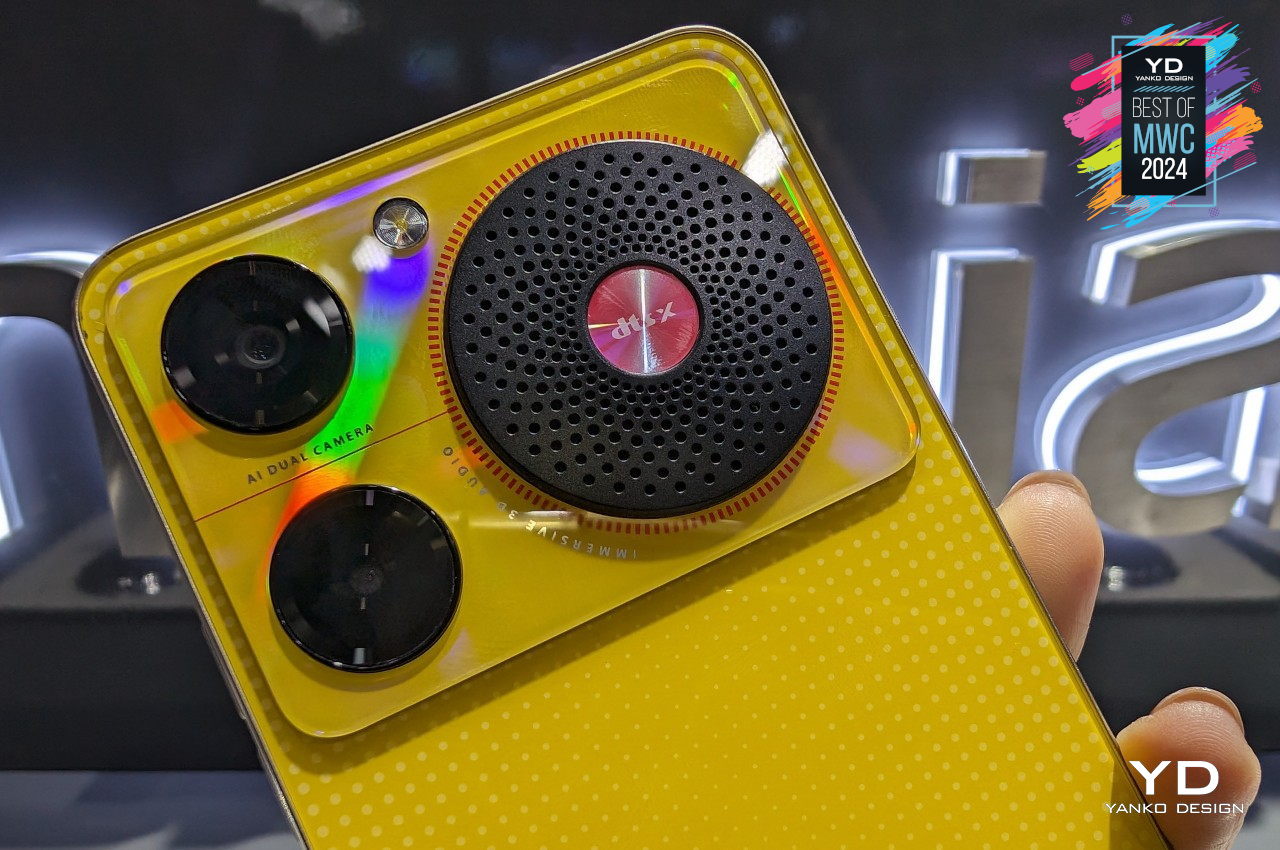
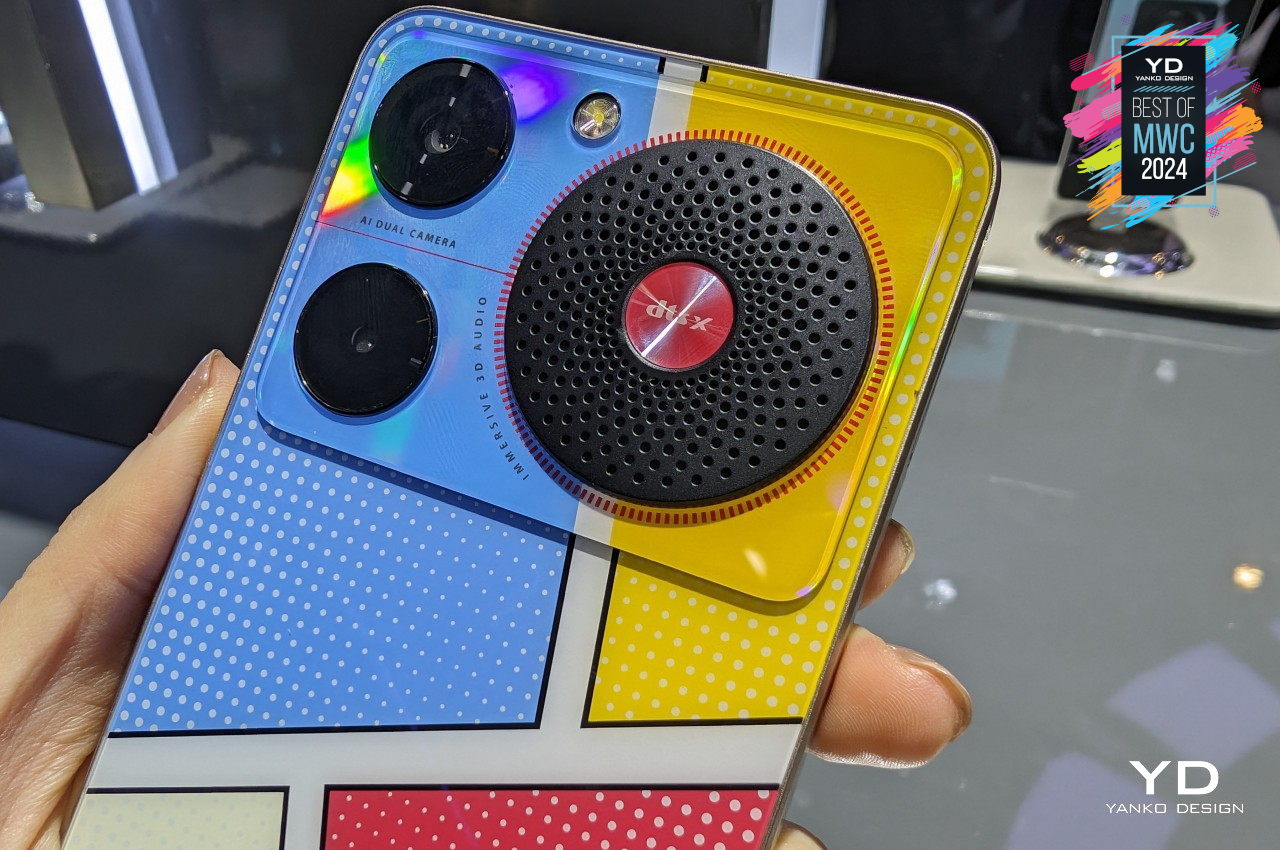
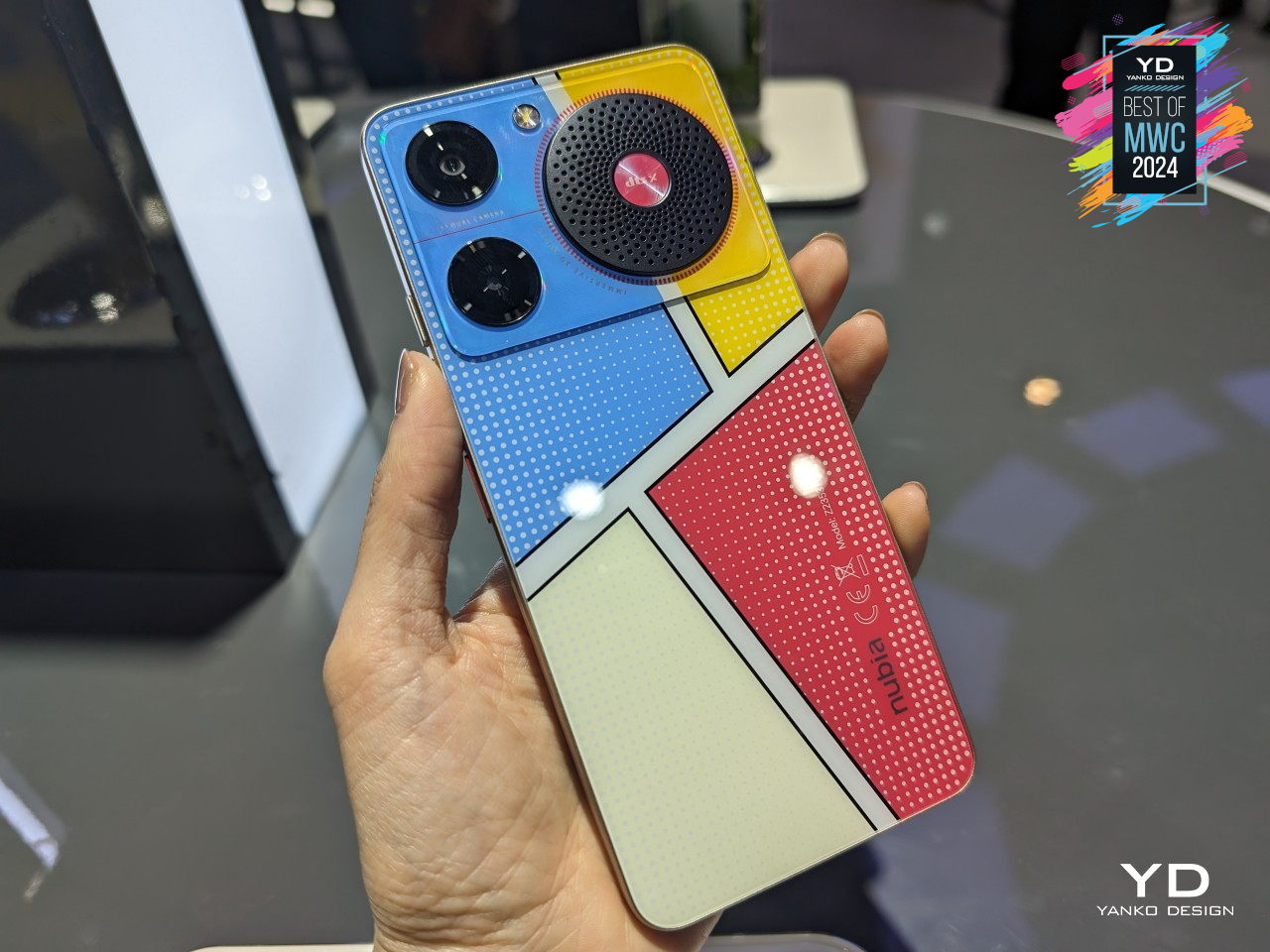
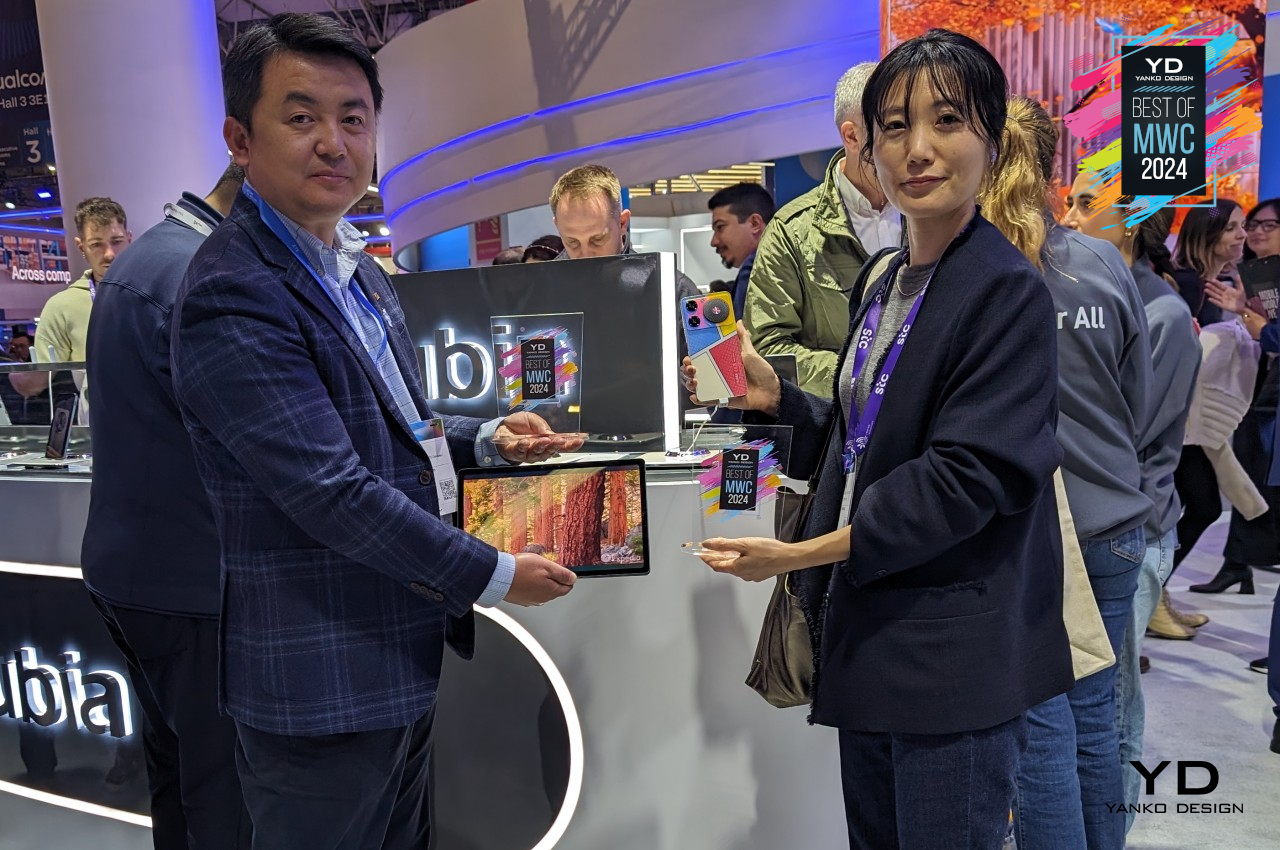
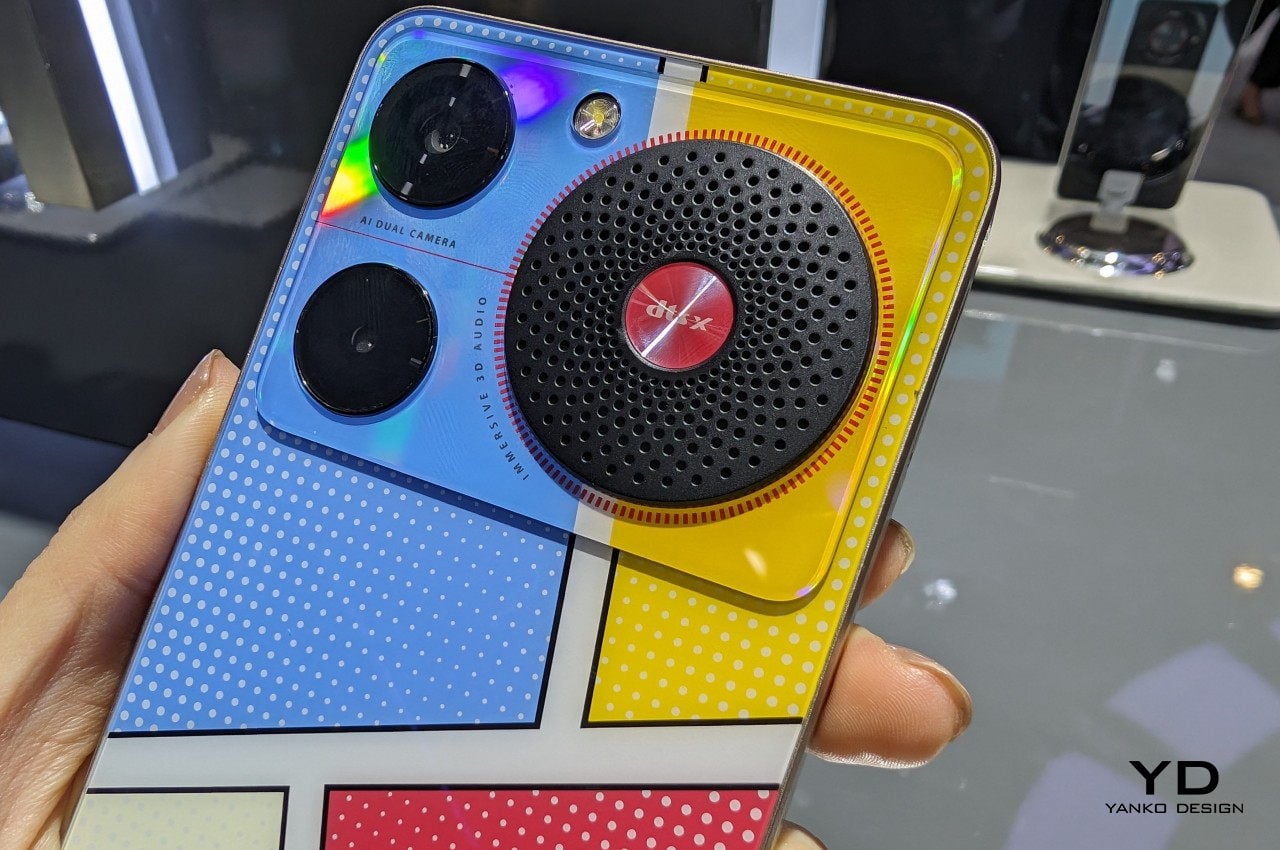
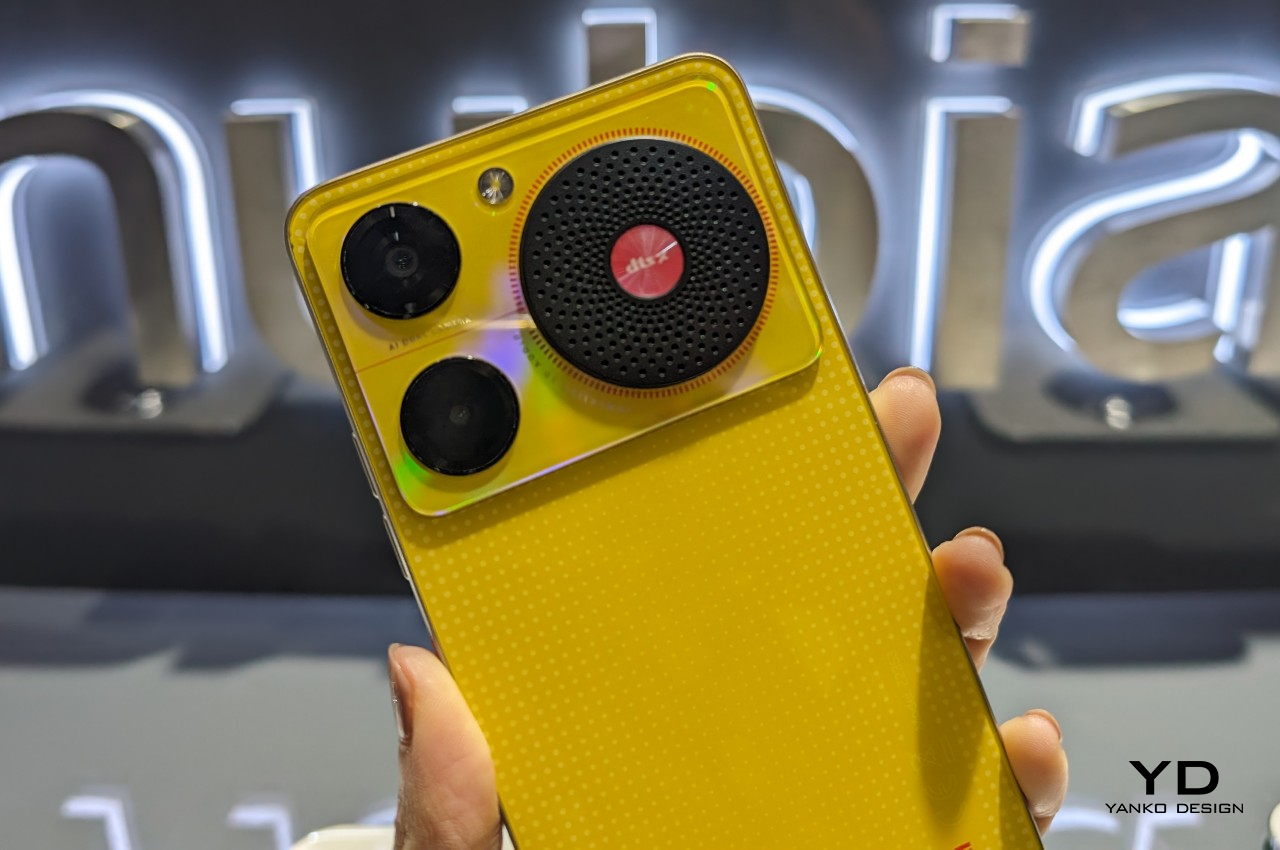
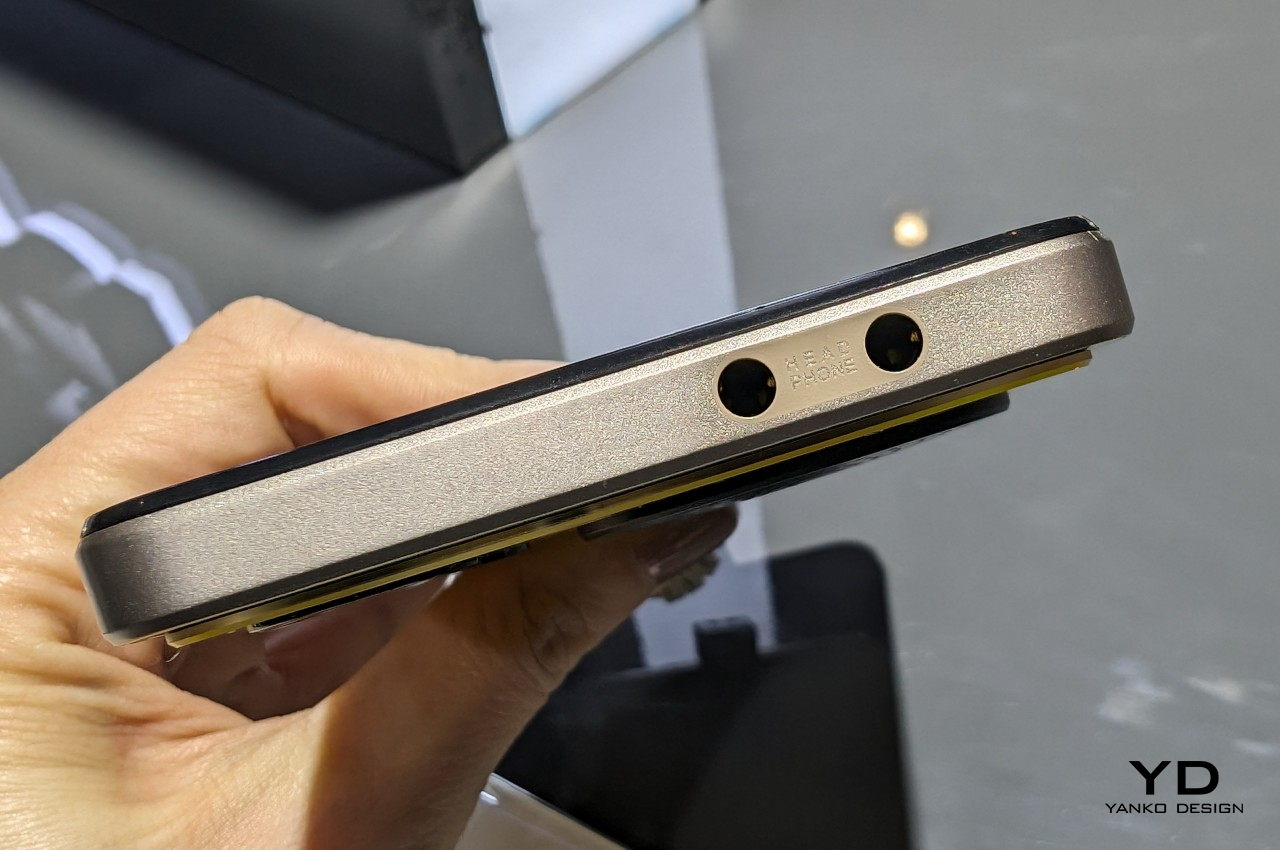
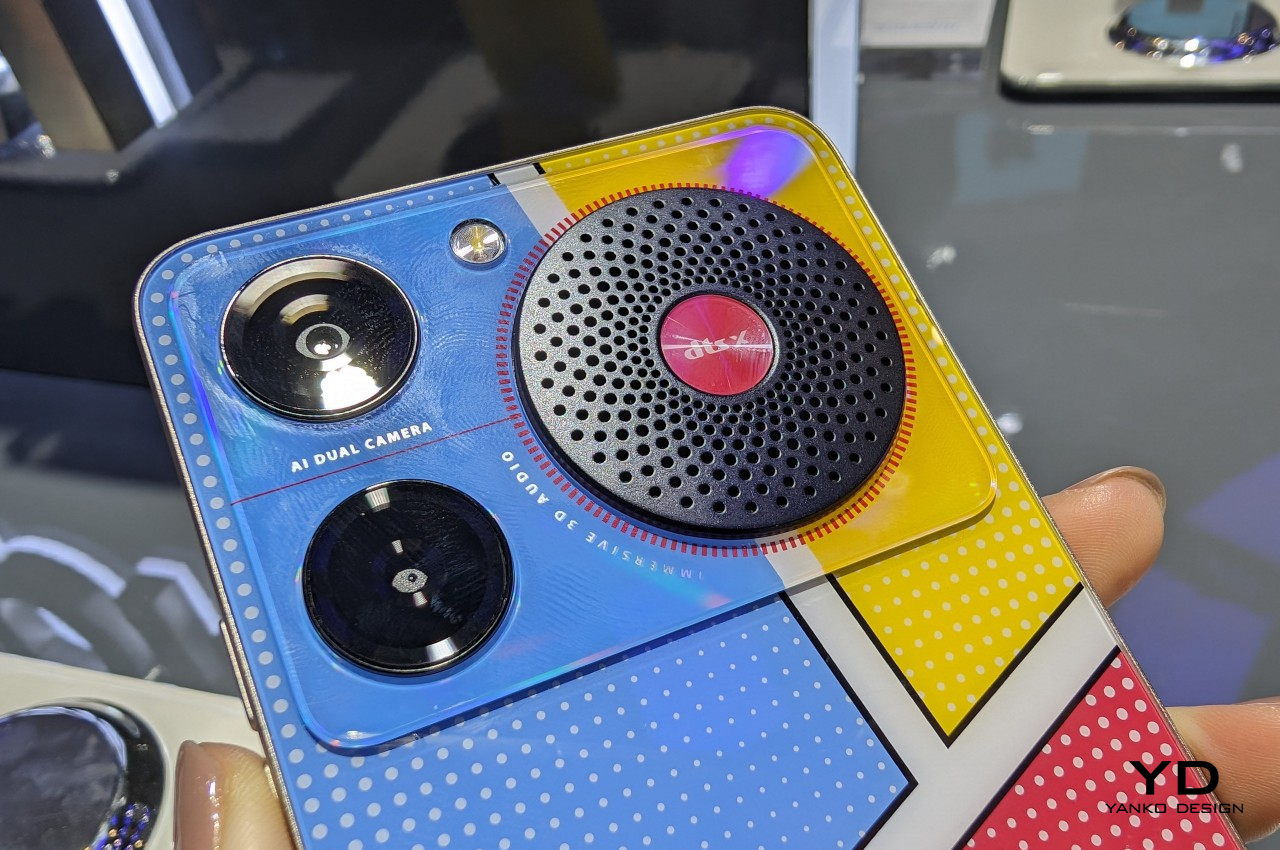
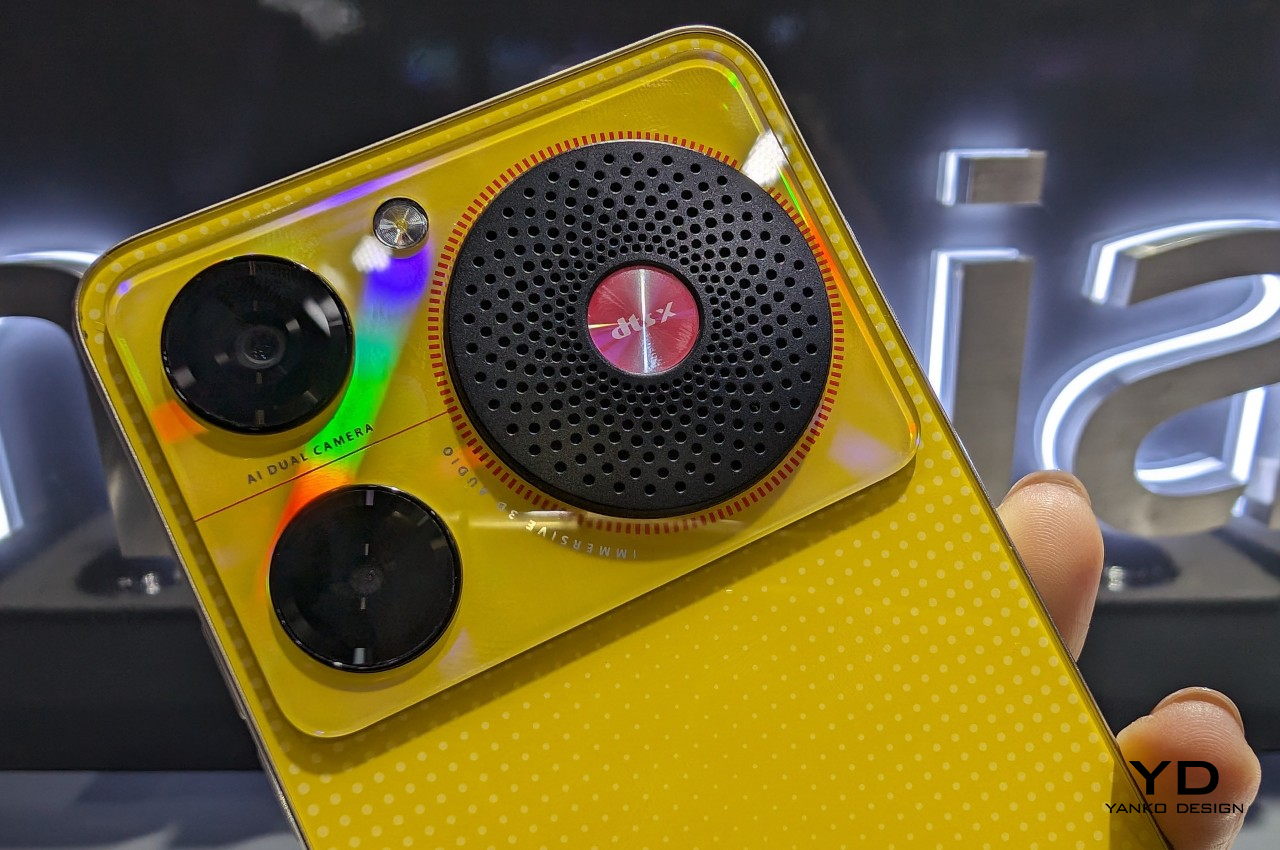
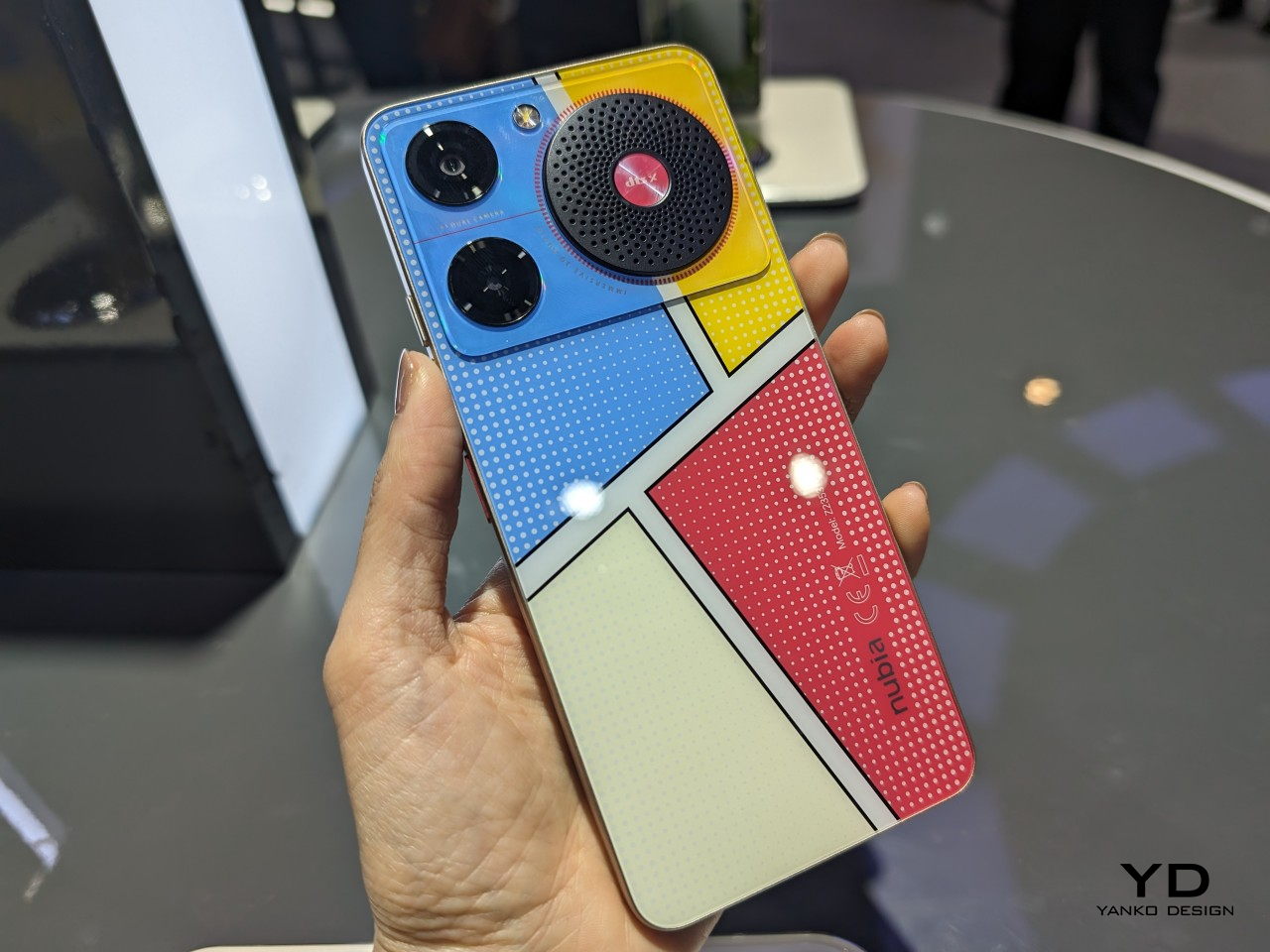
The nubia Music doesn’t just bring back the 3.5mm port, it actually has two of them so that you can connect two headphones or external audio equipment at the same time. But if you want to share your music with the whole room, it also has an ultra-loud speaker on its back for maximum reach. What would normally be an unsightly component is made beautiful by making this speaker and the neighboring cameras resemble the design of an old-school turntable. With its distinctive appearance and its one-of-a-kind features, the nubia Music is clearly designed to cater to a fun-loving crowd that’s always ready and willing to share the things they love, including their passion for music.

nubia Pad 3D II
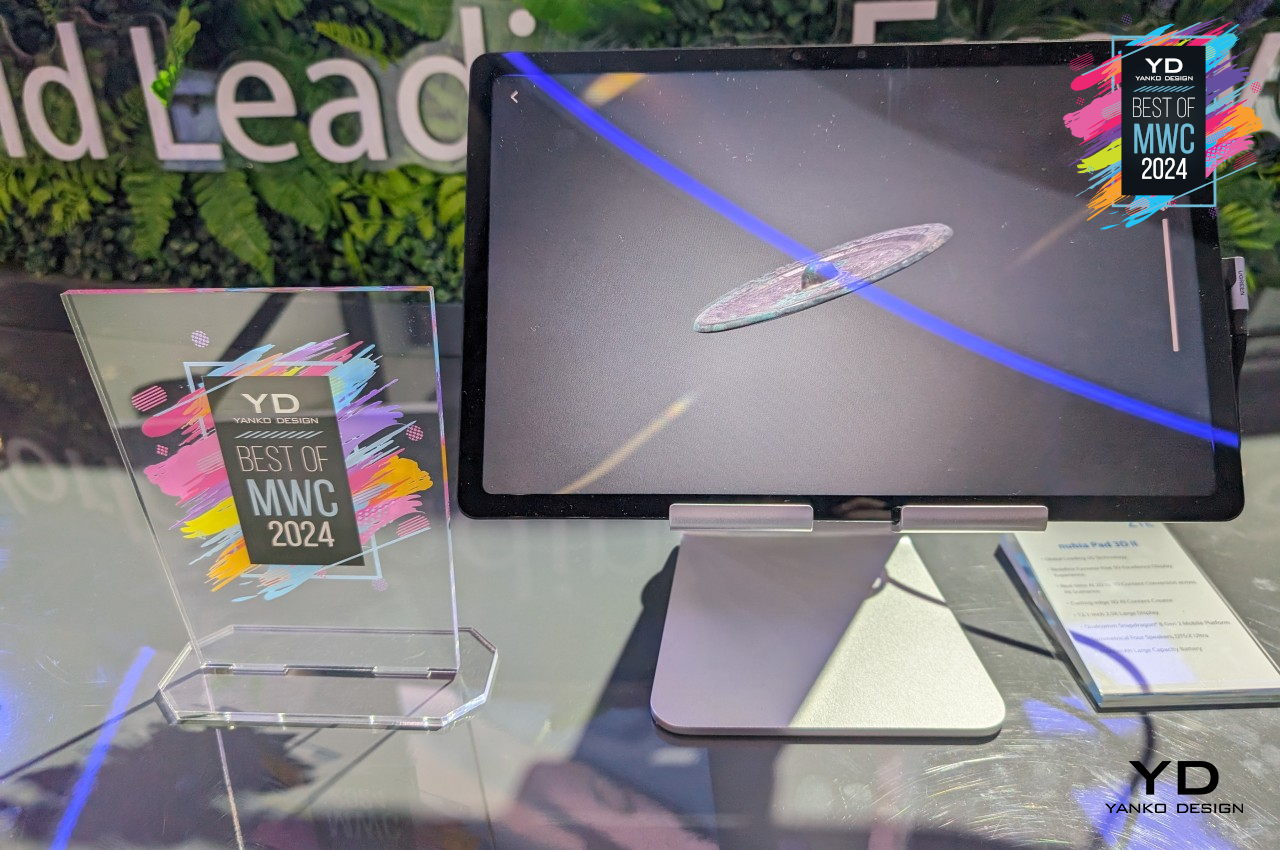
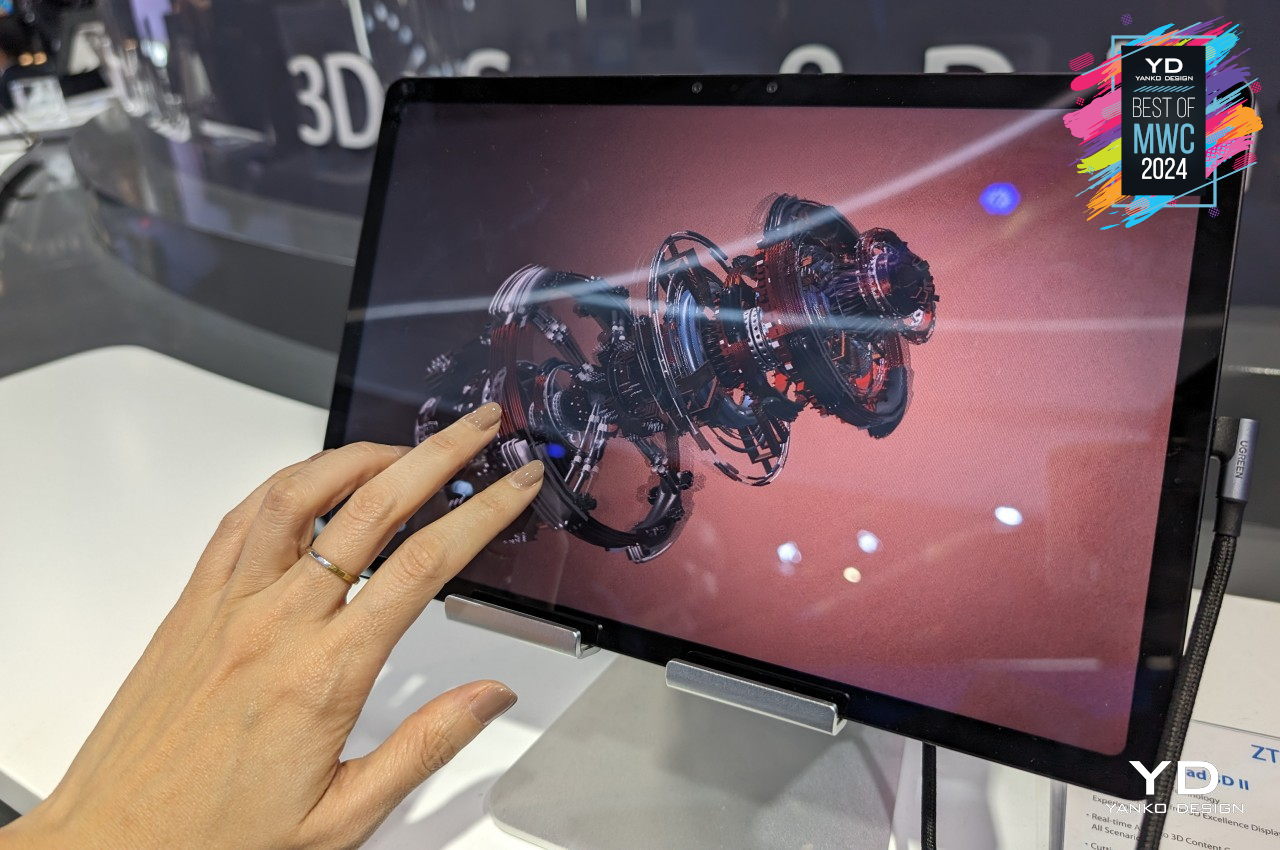
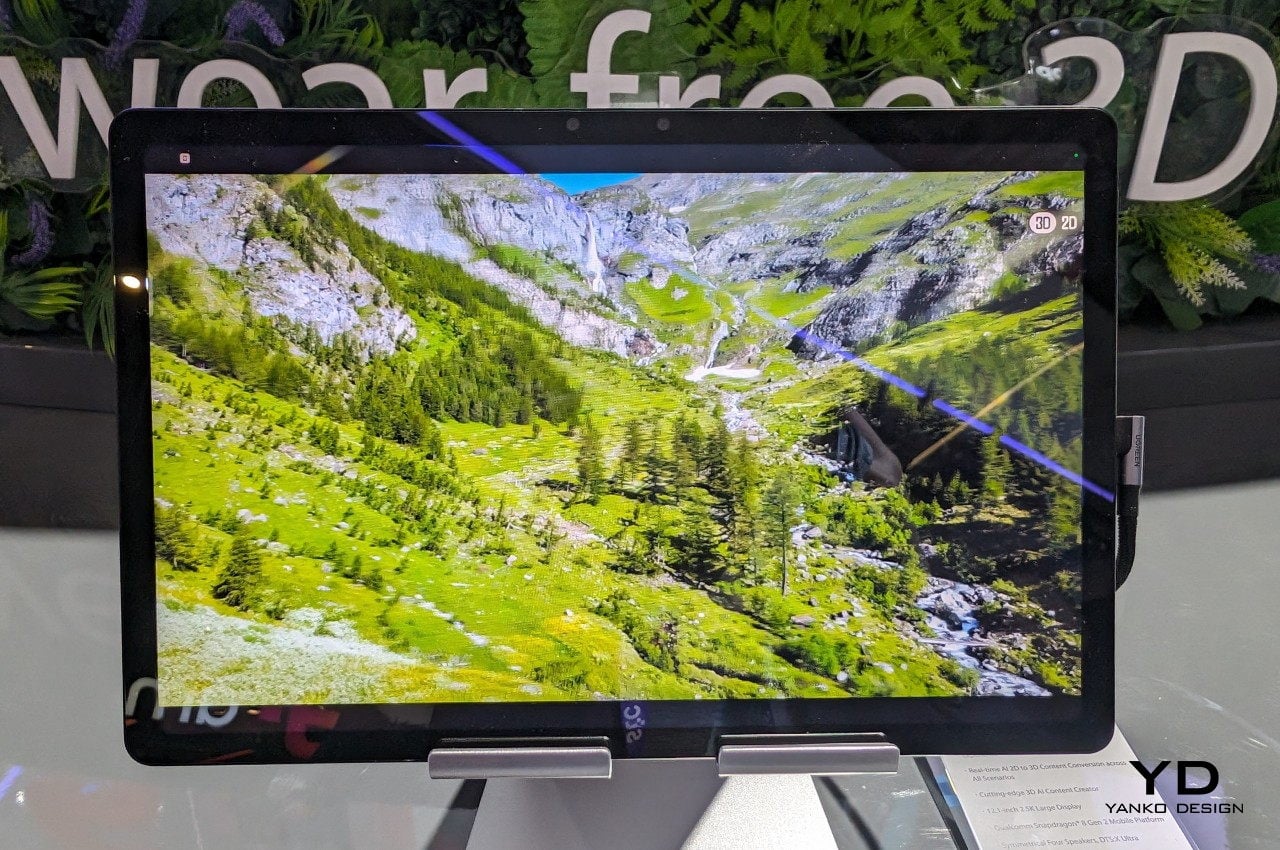
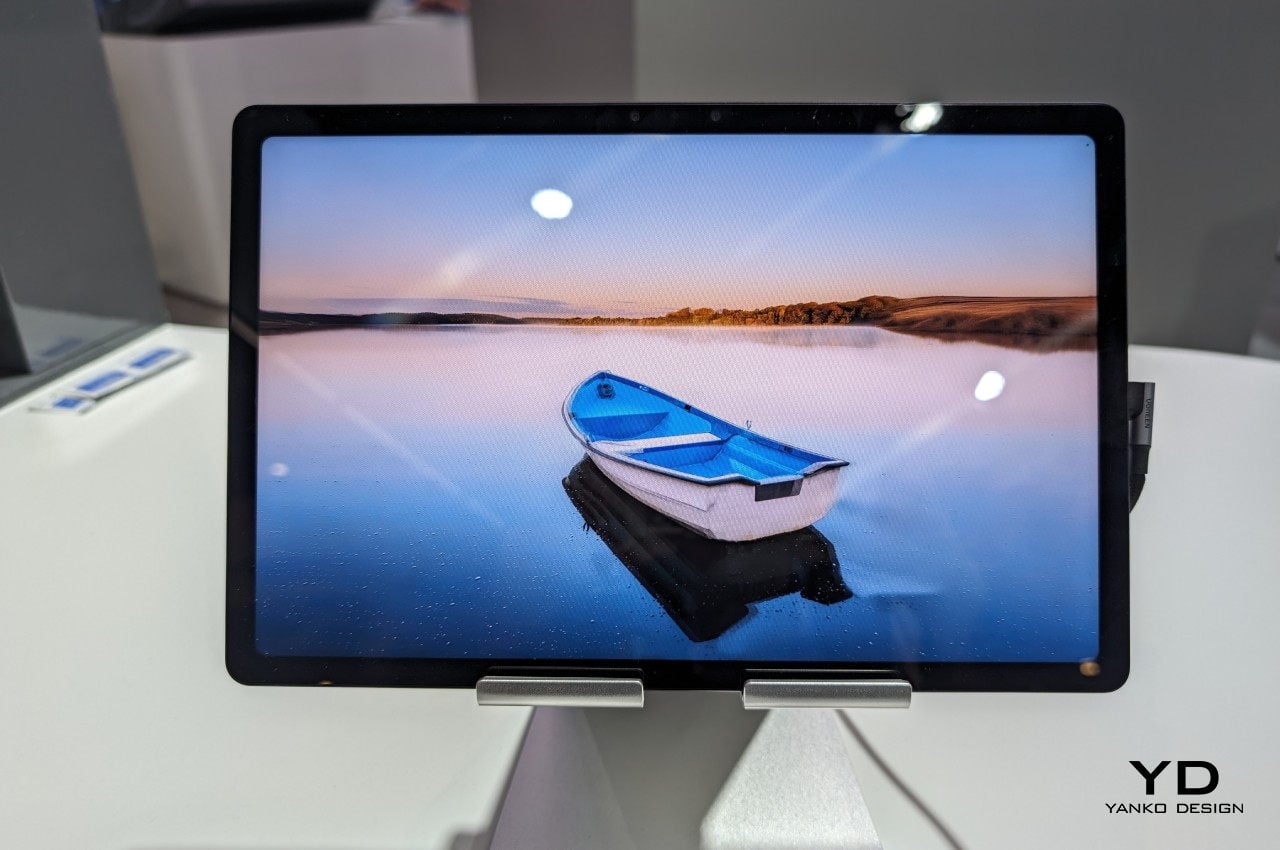
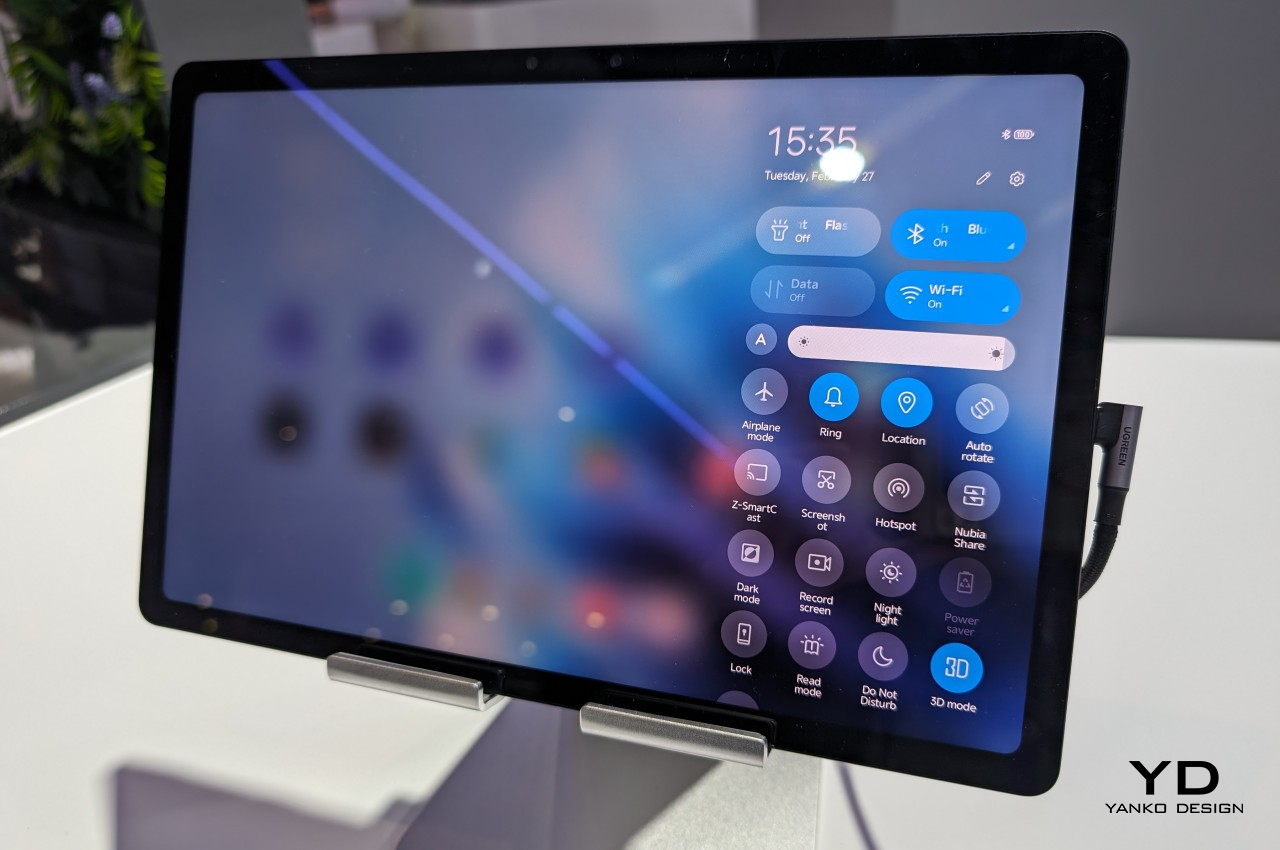
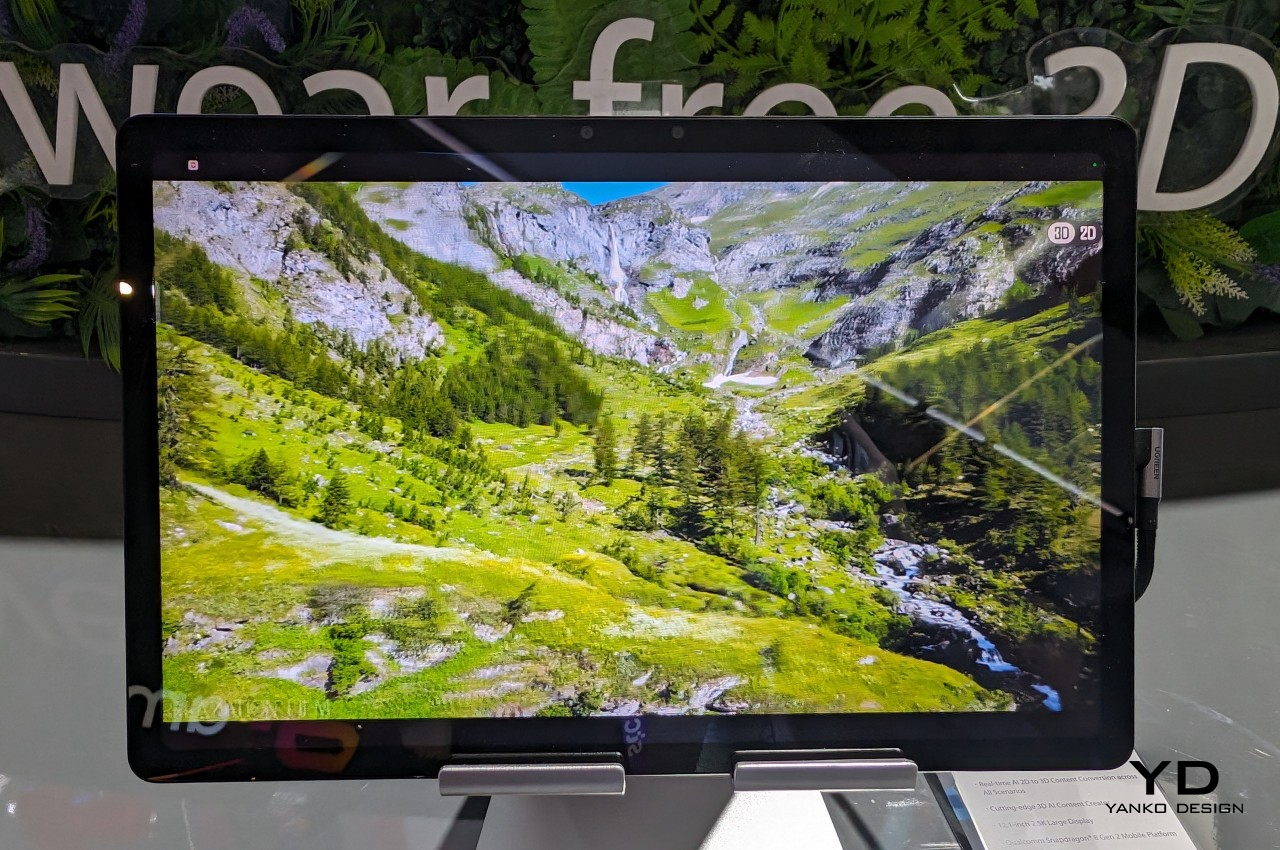
3D is becoming just as pervasive as AI in the tech industry, in no small part thanks to augmented and mixed reality experiences. Unfortunately, these technologies seem to suggest that you need to wear specialized goggles or even headsets just to enjoy these three-dimensional digital objects. The nubia Pad 3D II, however, proves otherwise, and its second iteration improves on the foundations that were laid last year to deliver a tool that can be used for both enjoying as well as creating 3D content without having to wear glasses.

Designer: nubia
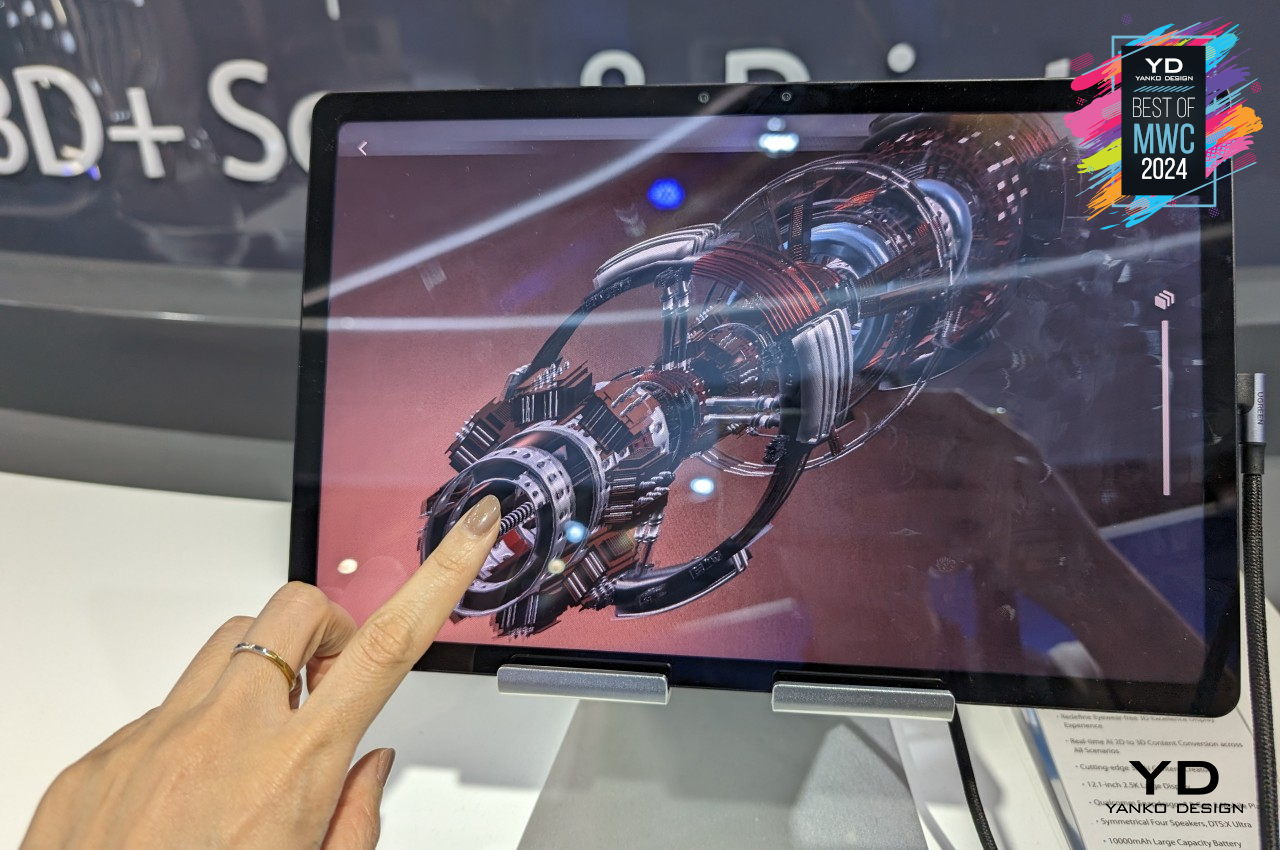
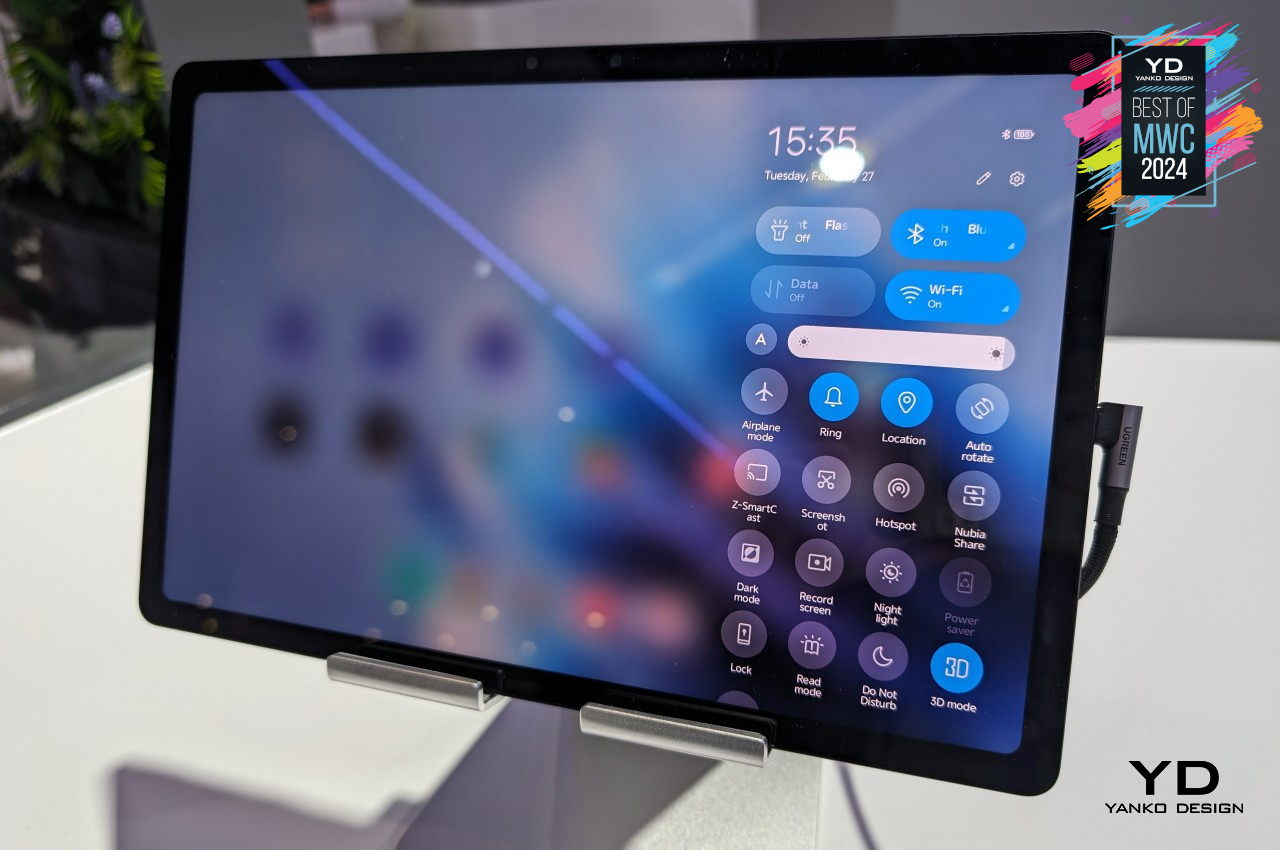
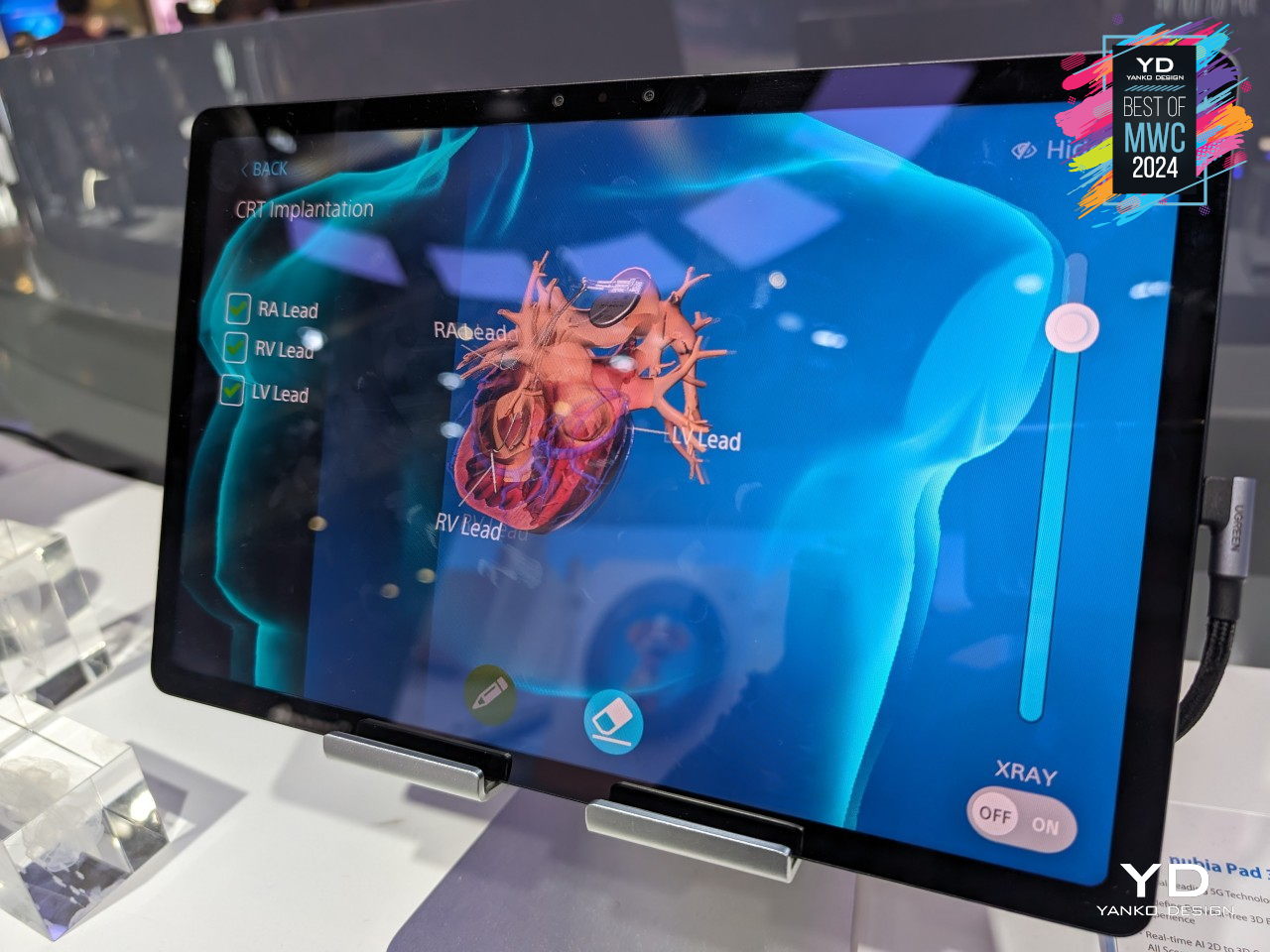
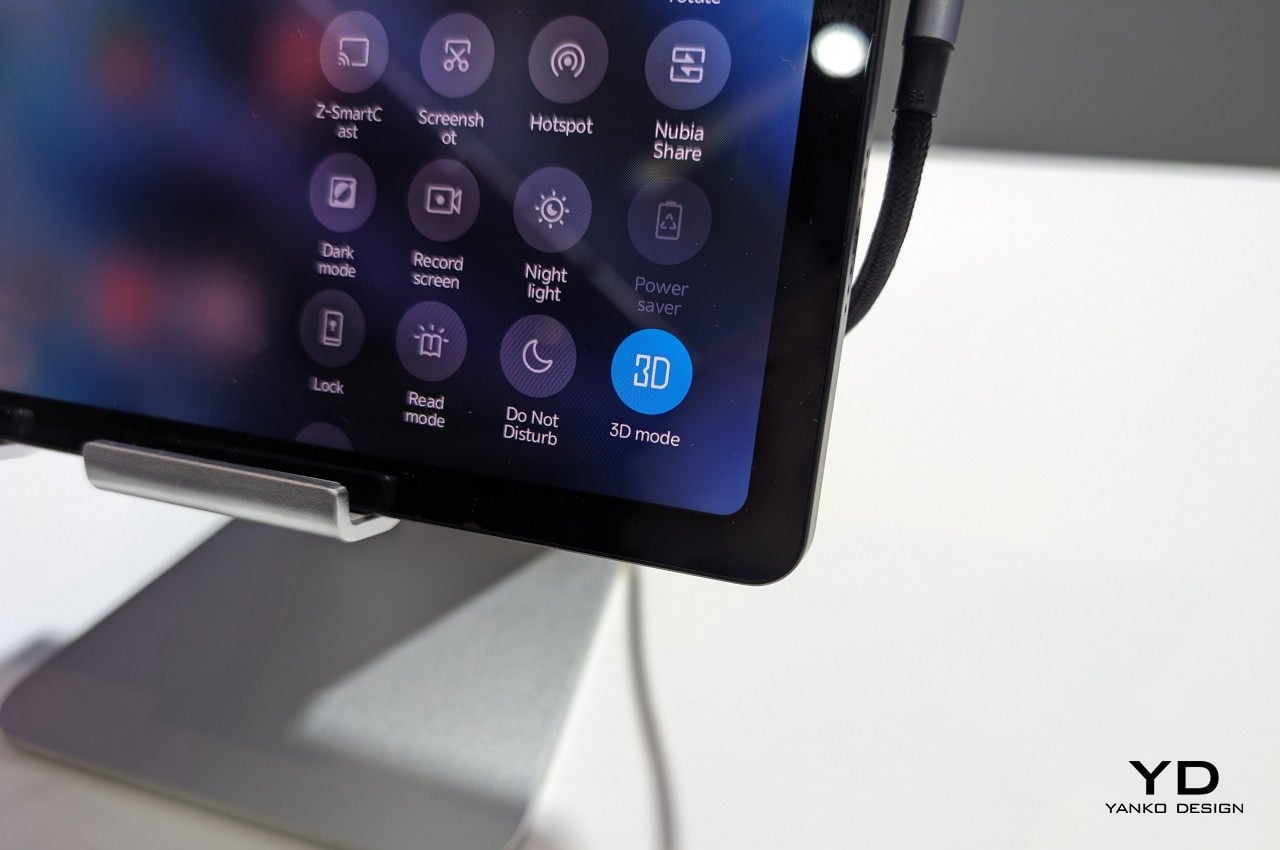
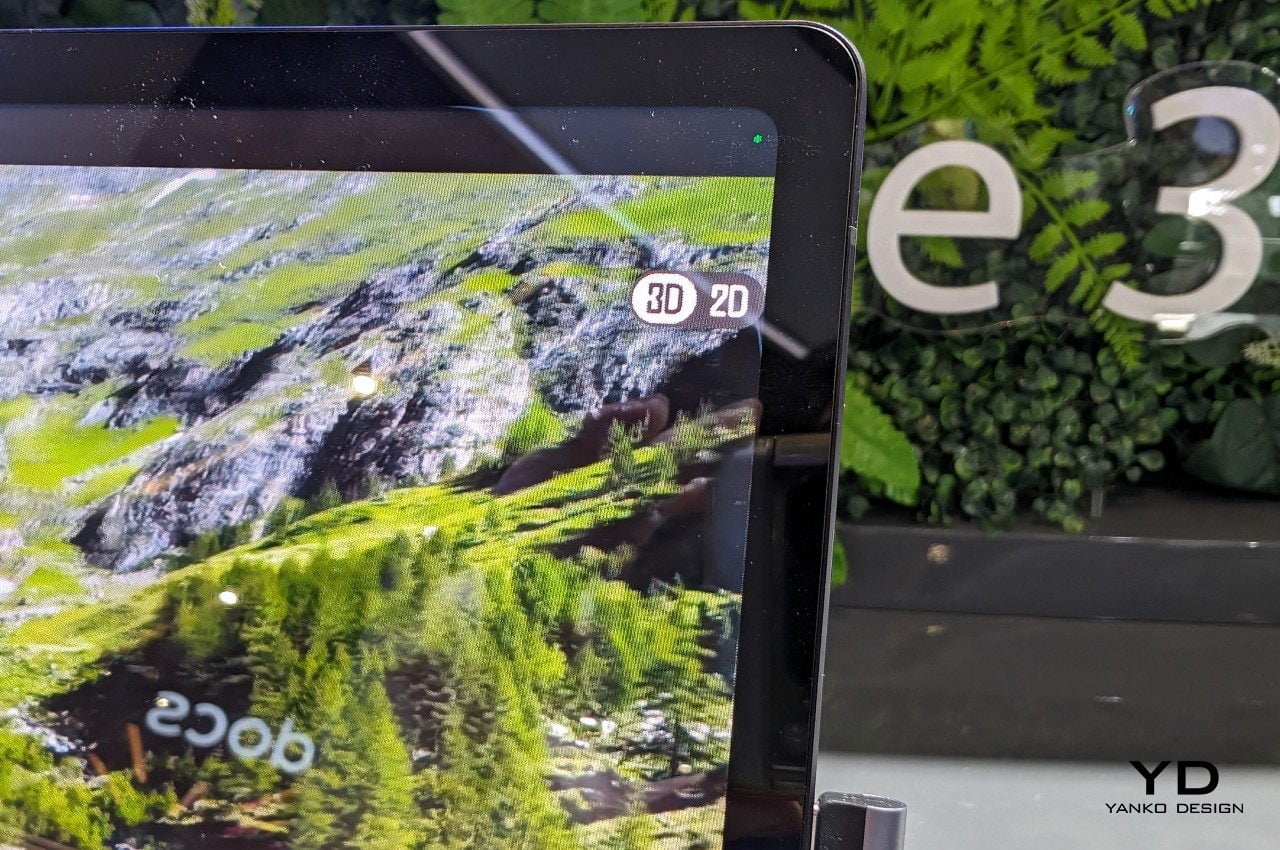
This large 12-inch tablet utilizes eye sensors as well as AI algorithms to detect where your eyes are looking in order to adjust the display’s pixels and create a stereoscopic effect without wearing headsets or visors. It can even convert regular 2D content not made for 3D into 3D, all in real-time, with some AI help, of course. Dual cameras and, again, AI work together to enable users to capture the world around them and convert it into a digital 3D format that can then be used for your creative masterpieces. Whether you just want to watch 3D videos or you want to create the 3D content that goes into them, the nubia Pad 3D II offers a tool that will open up more possibilities without burdening your head.

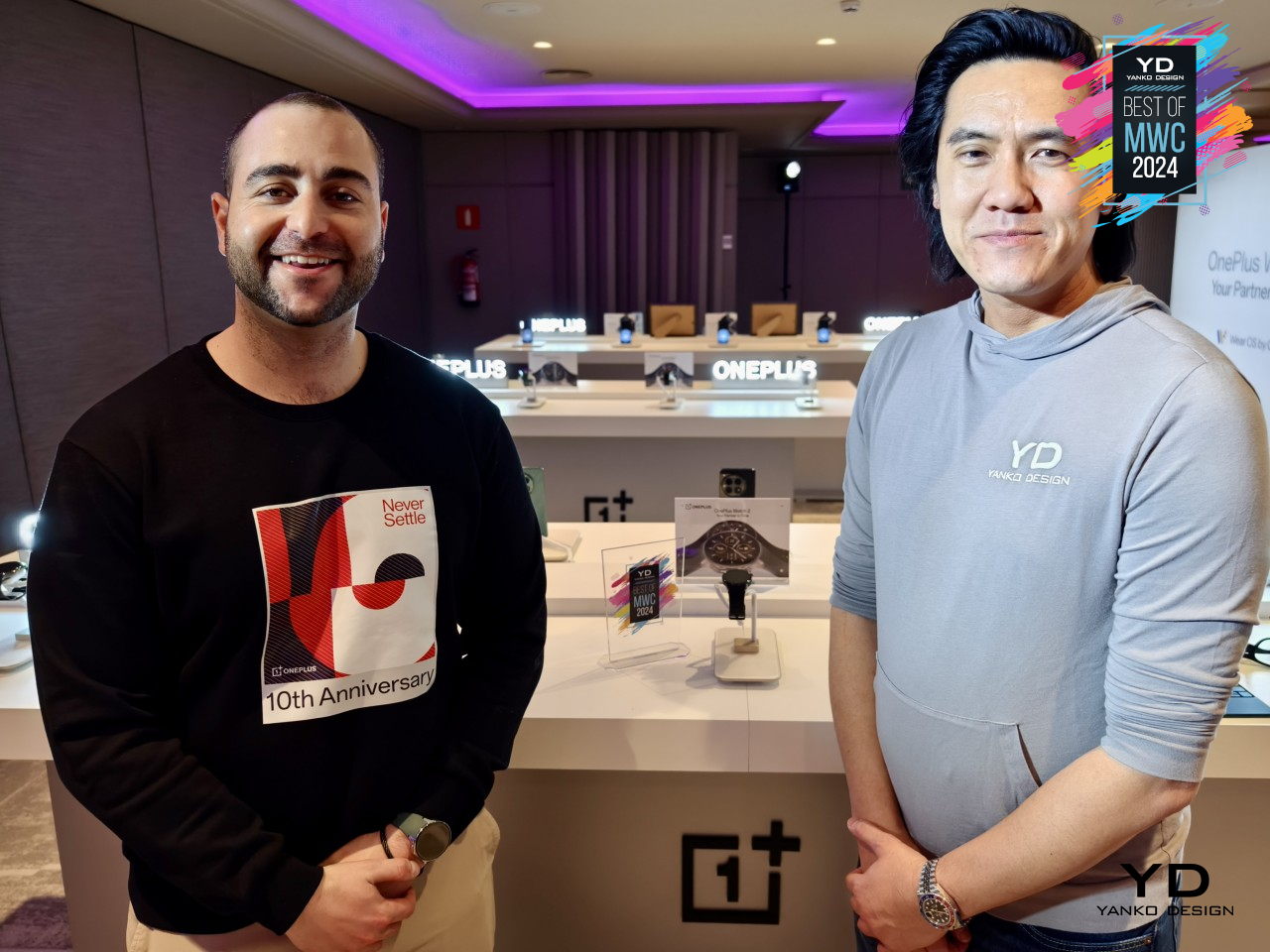
OnePlus Watch 2
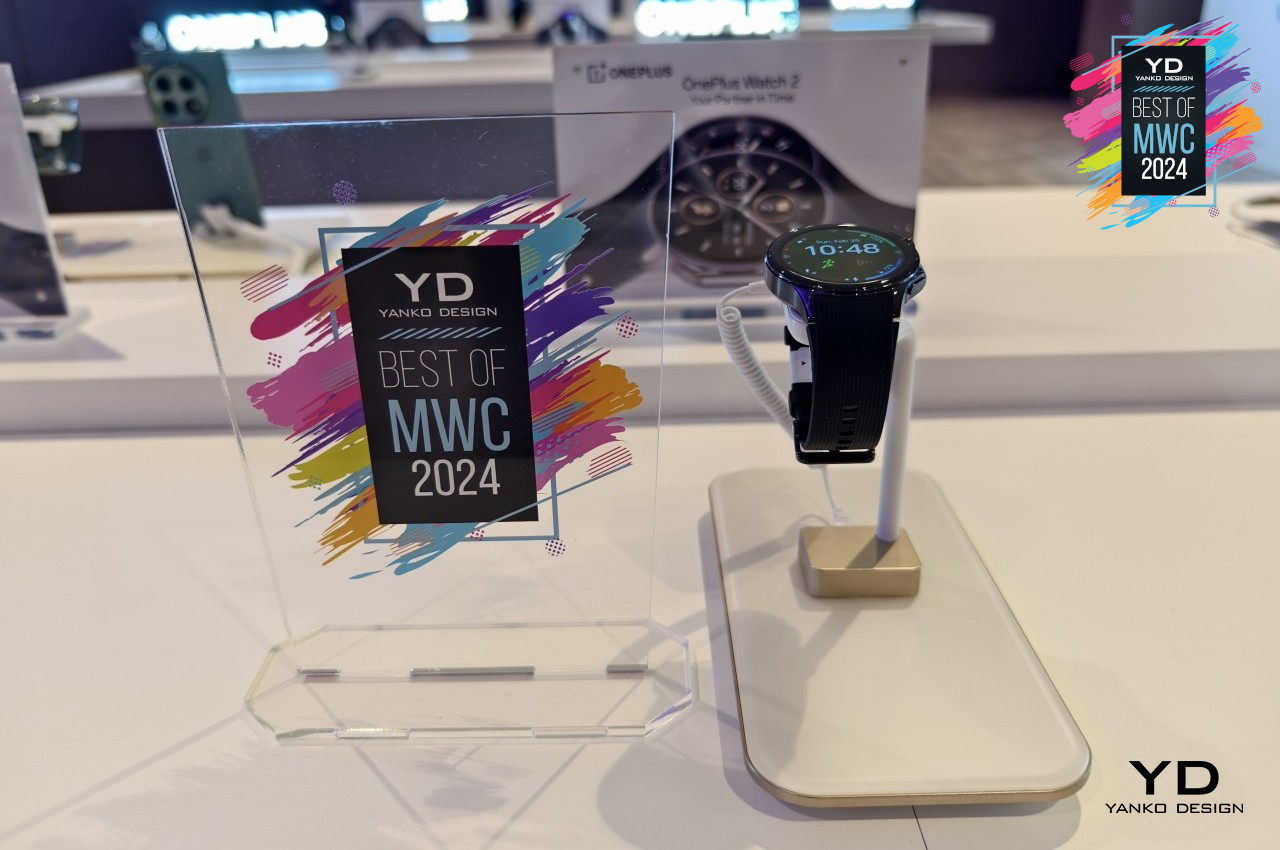
When they first launched, smartwatches and their proponents were ridiculed because of the idea that you’ll need to recharge your phone every night. Things have improved significantly by now, but we’re still talking around two days before you need to put the smartwatch down on its charger. There are indeed some designs that boast two weeks of uptime, but they also run software with more limited functionality to make that happen.

Designer: OnePlus
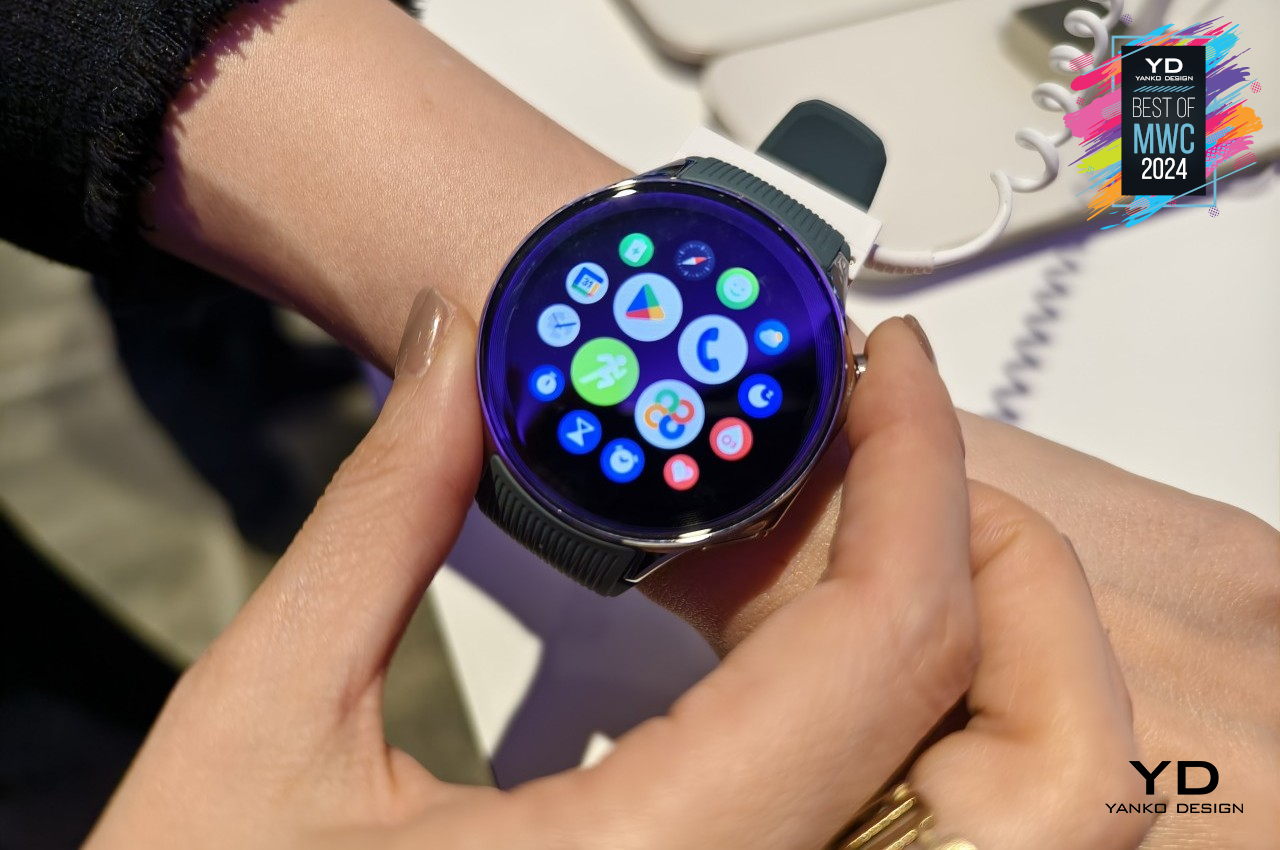
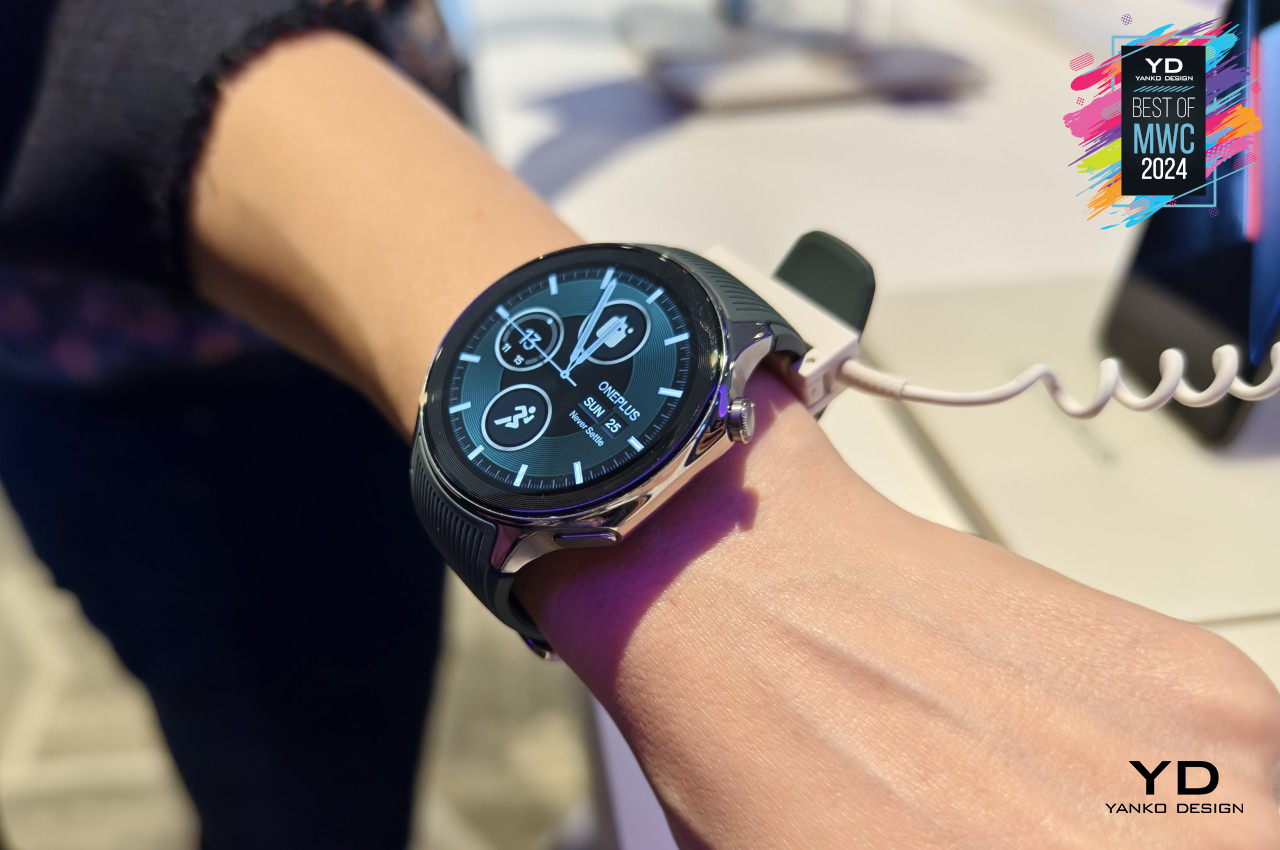
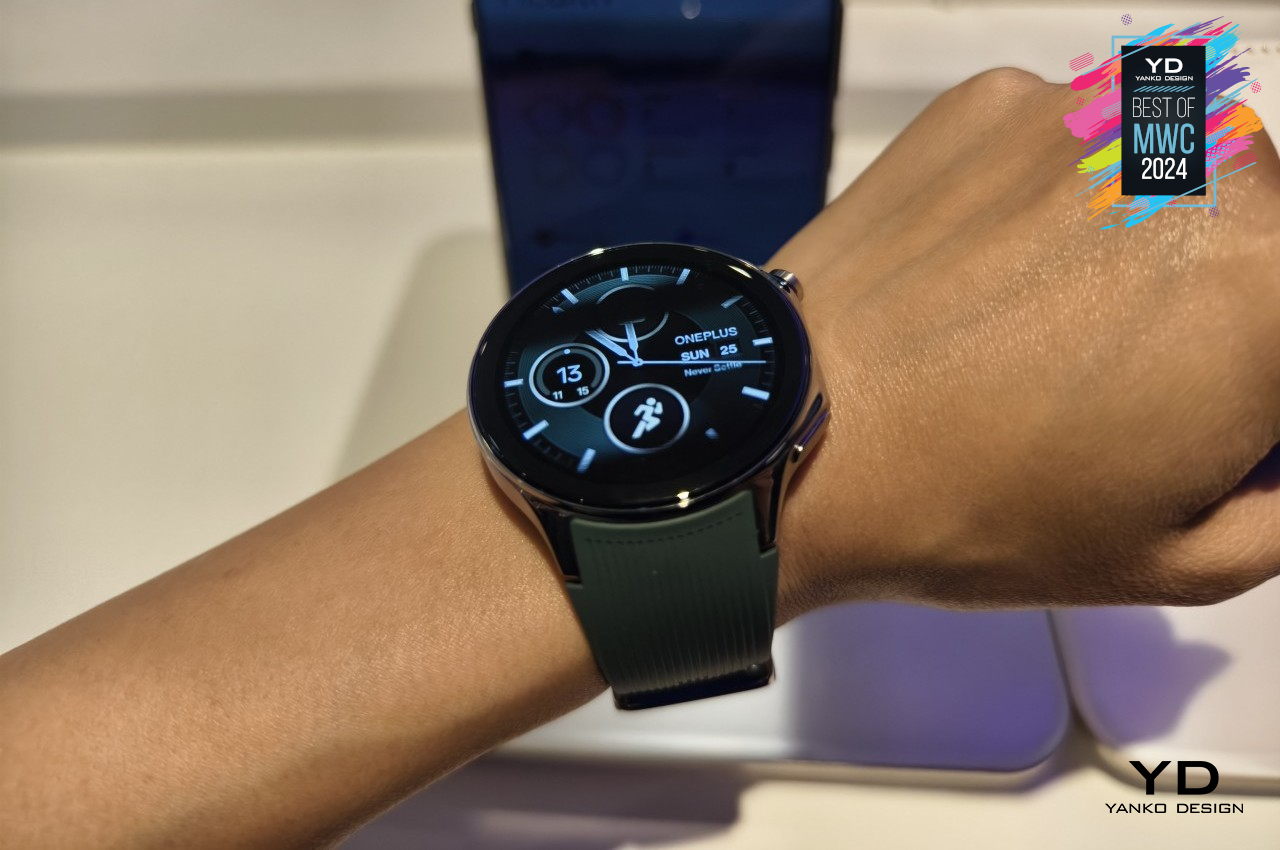
The OnePlus Watch 2 boasts around 100 hours of battery life, which is a little over four days. What makes this figure impressive is that it’s running Google’s Wear OS, which means it has full access to all the apps, integrations, and features that standard smartwatches offer. Plus it manages to remain stylish even with all the power it packs inside.

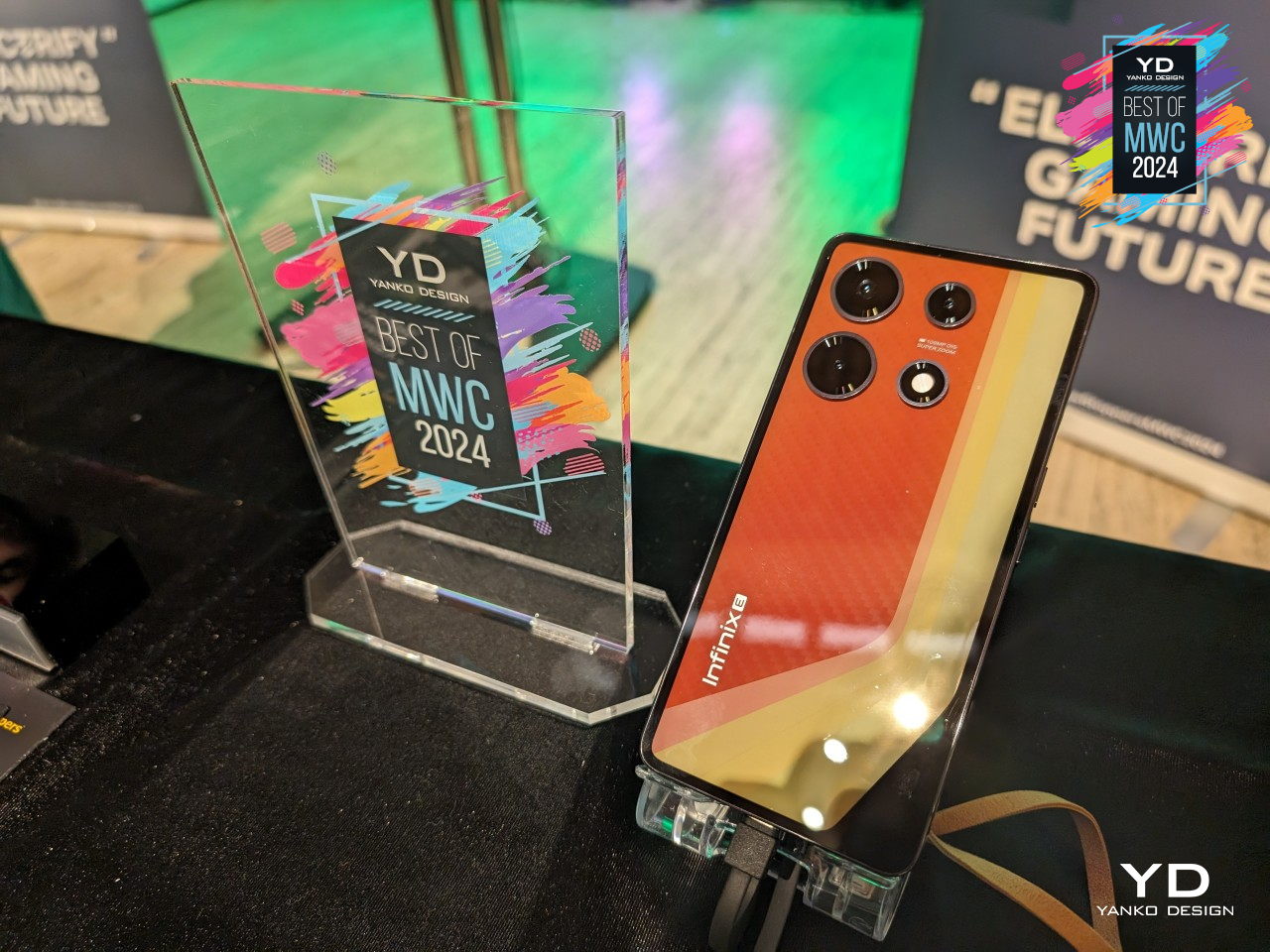
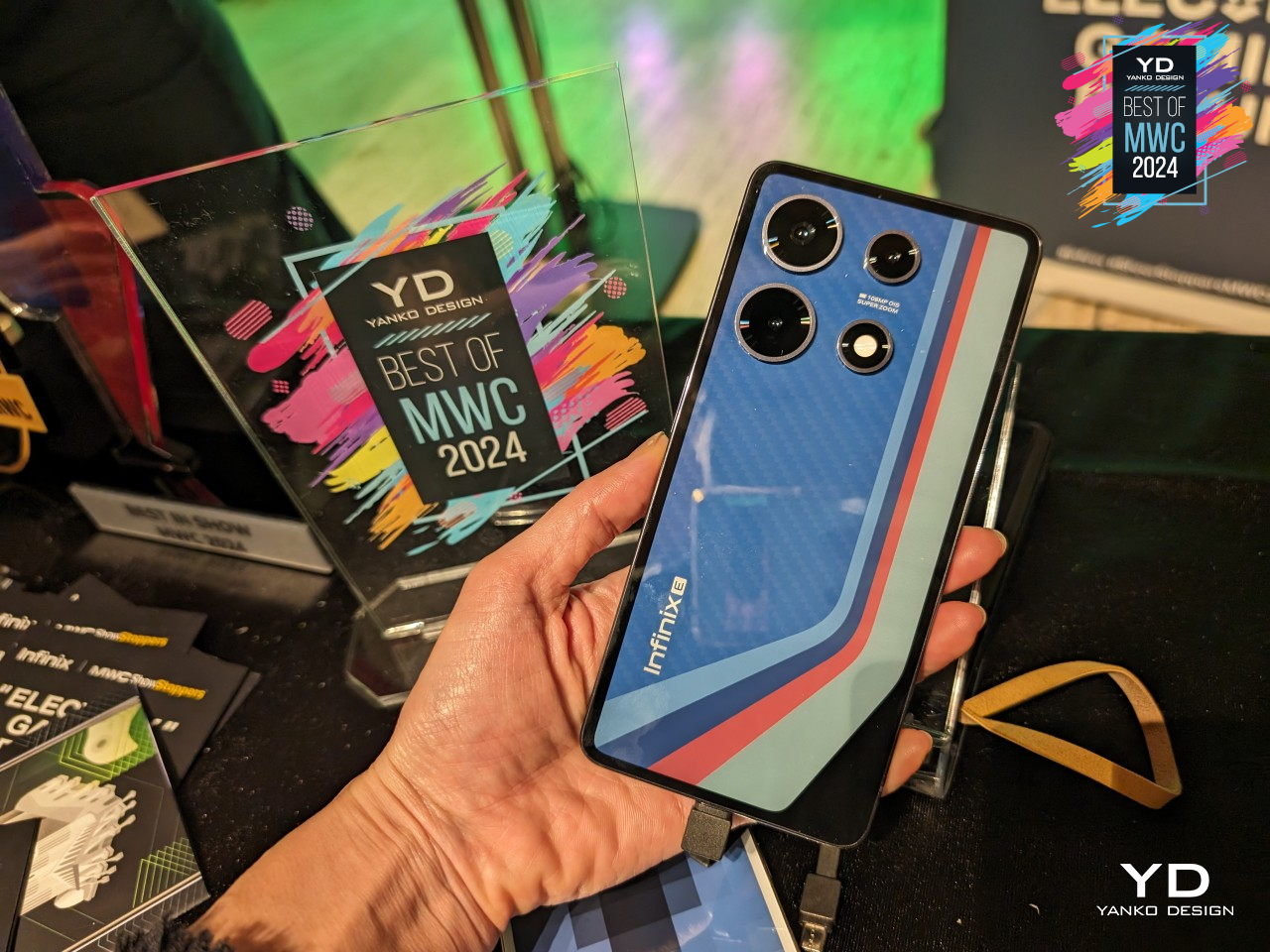
Infinix E-Shift Color Technology
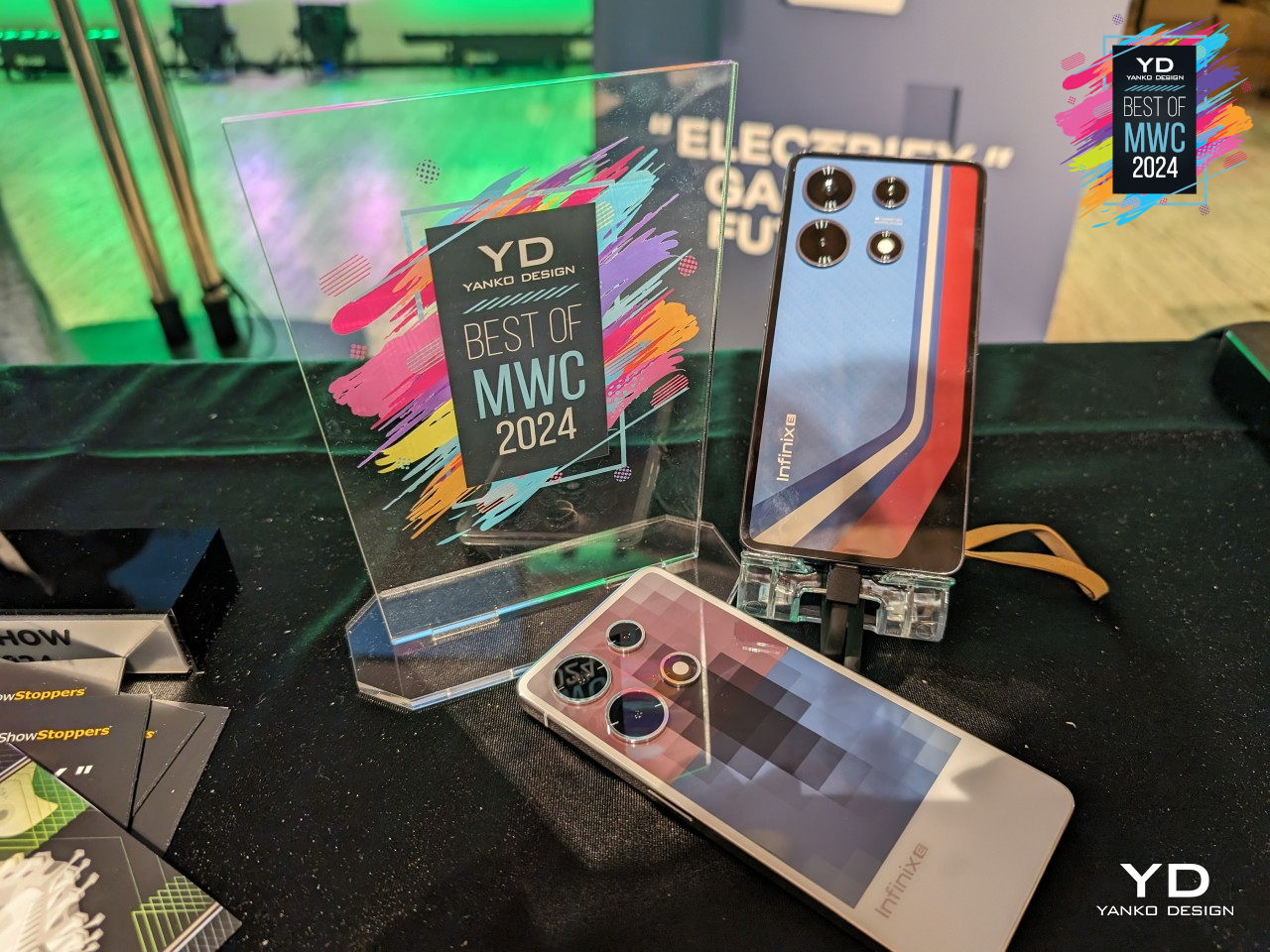
The back of smartphones is the most expressive part of the device, a veritable canvas for displaying the phone’s character as well as the owner’s inclinations. Of course, not everyone has the same aesthetic tastes, but phones are designed to cater to the general public. What if you could design your own phone’s rear cover without having to commit to stickers or even protective cases? It would definitely be a step up from today’s designs, allowing owners to truly express themselves in different ways, even on different days.

Designer: Infinix
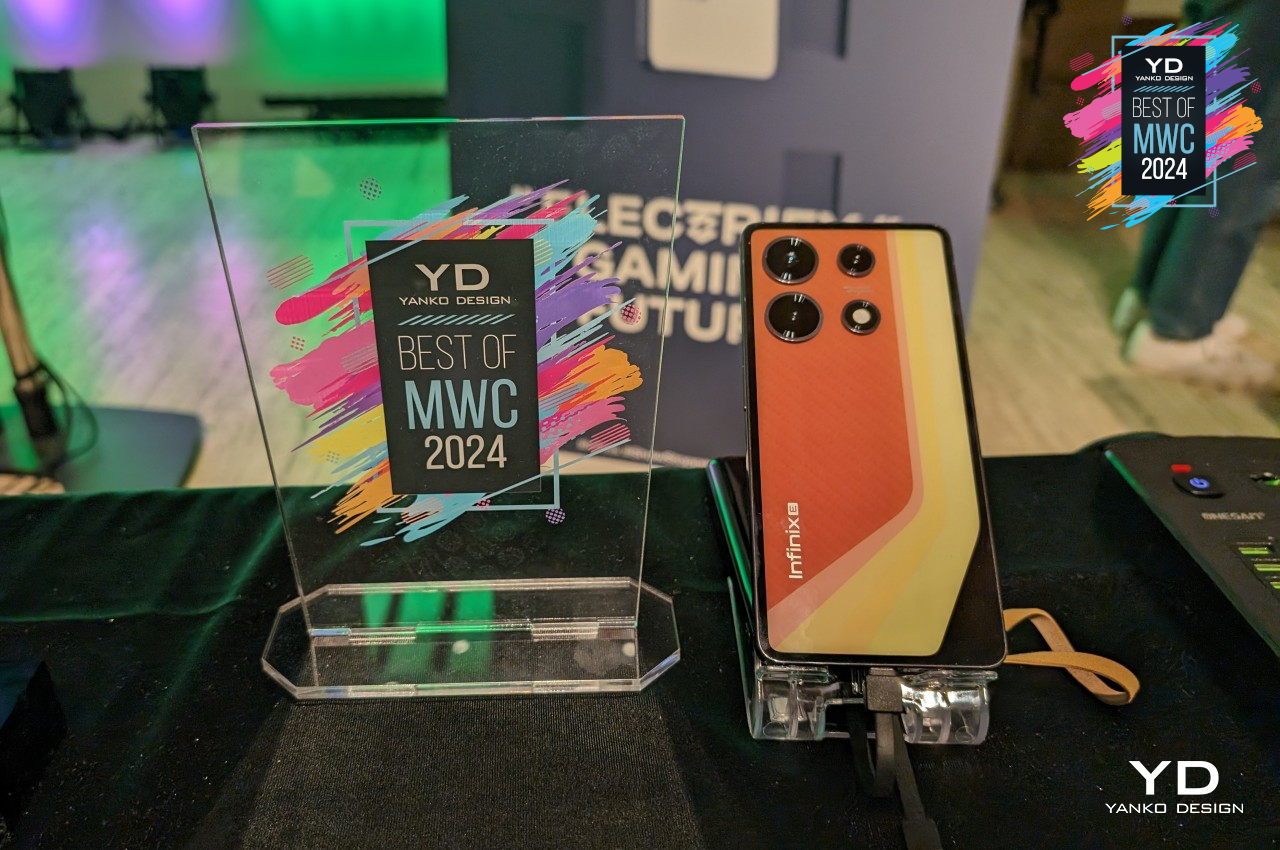
Infinix’s E-Shift Color delivers some of that freedom and flexibility by practically putting a display on the phone’s back. It’s not a regular battery-draining LCD screen, though, and instead leverages E Ink’s Prism display technology to let users select and even create colorful patterns to decorate the back of their phones. Since it’s based on an e-paper display, it doesn’t consume power until you change the design again. Even more interesting, E-Shift Color can actually animate these changes when the phone is plugged in, taking the charging experience to a whole new level.

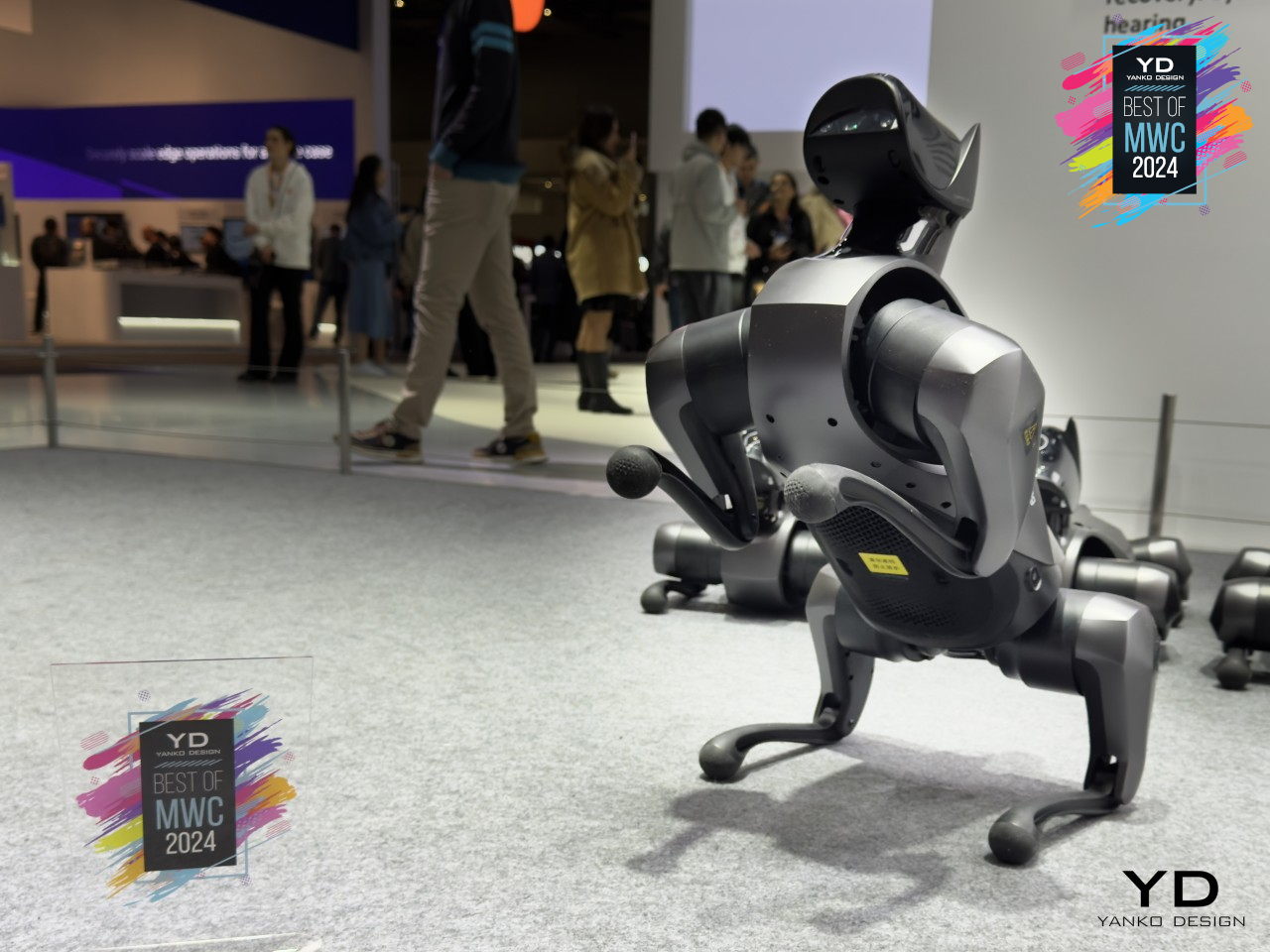
Xiaomi CyberDog 2
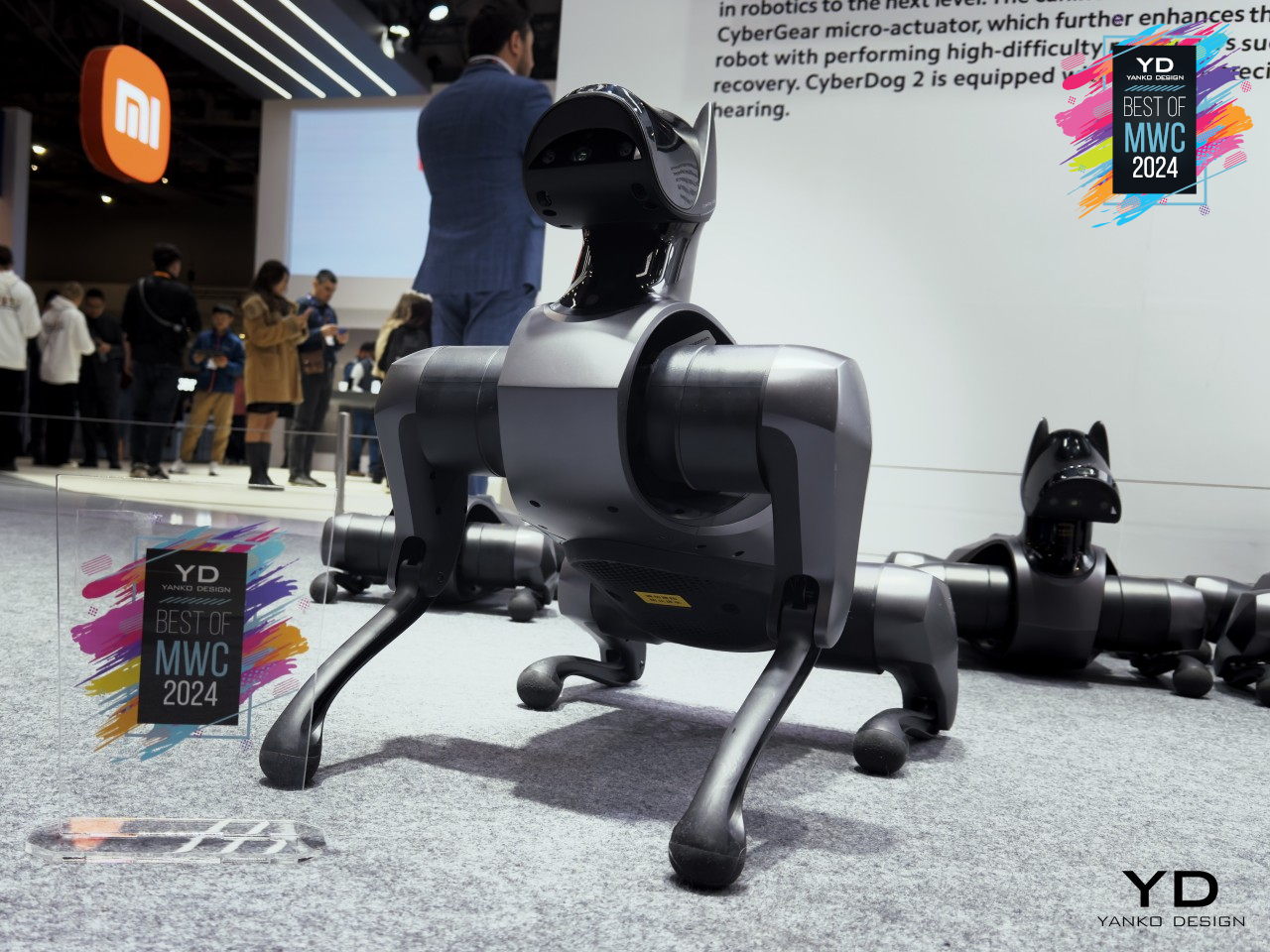
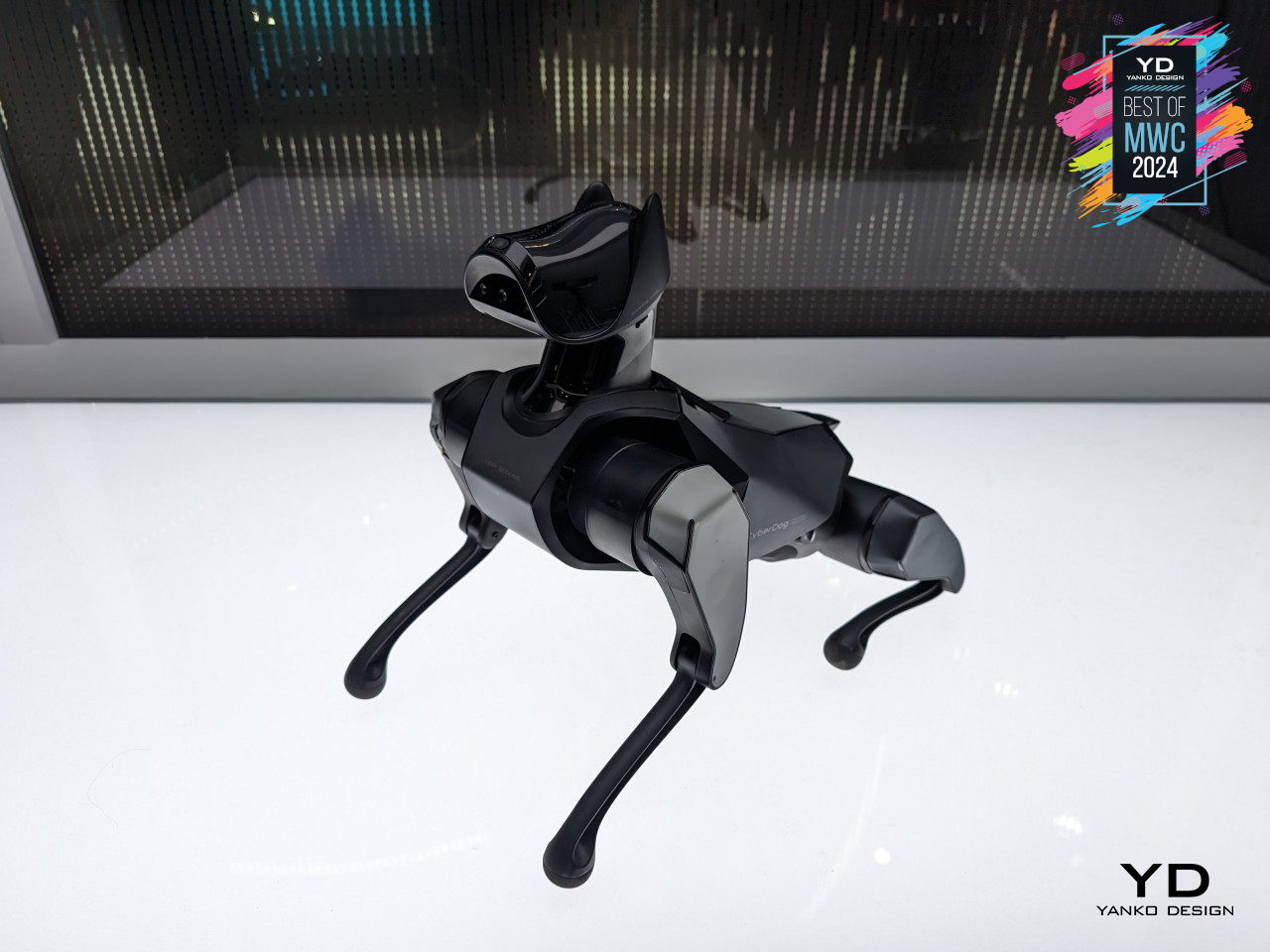
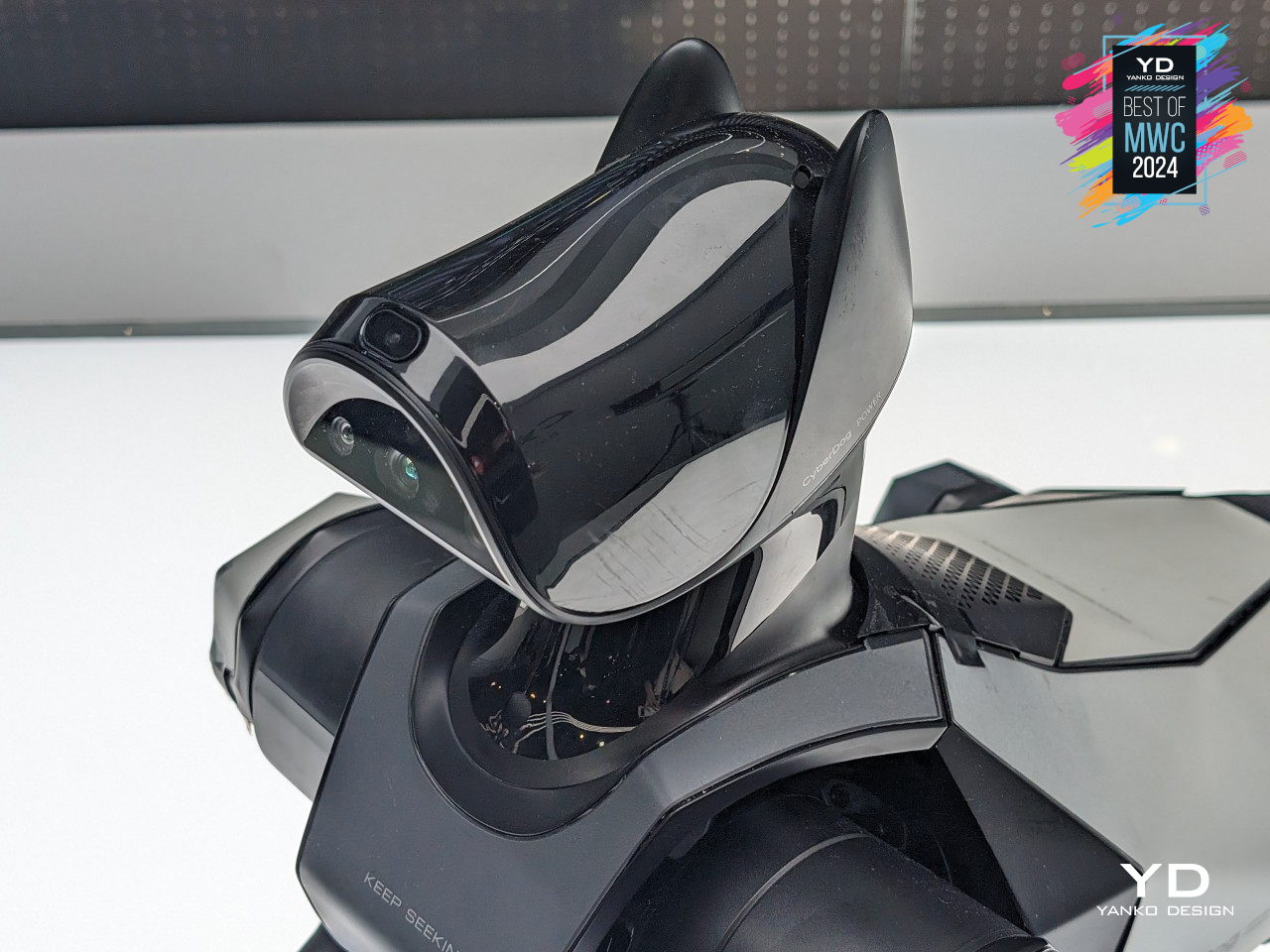
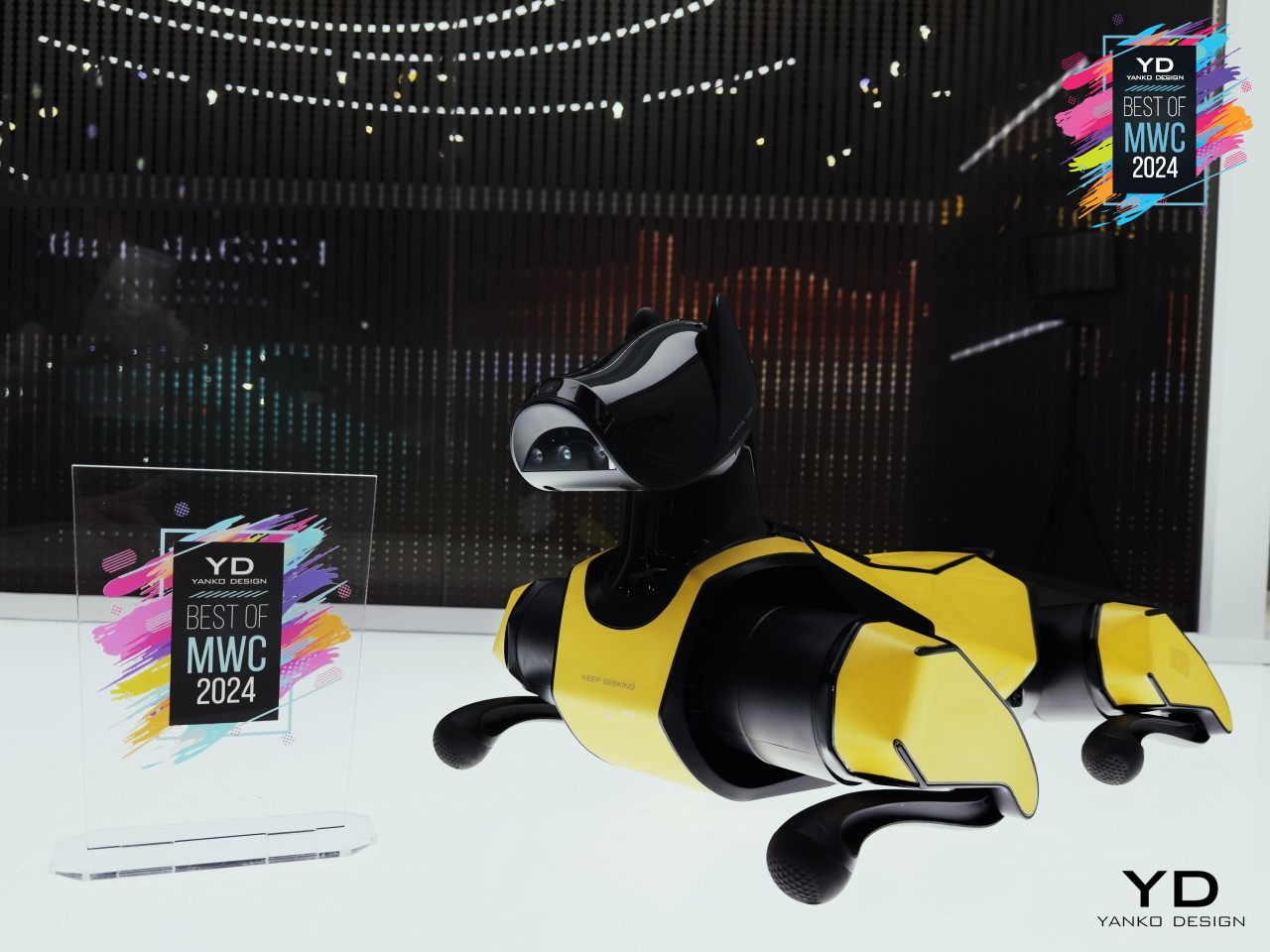
Robot dogs are apparently becoming more popular to the point that smartphone manufacturers and tech companies are making their own commercial mechanical canines. Xiaomi is one of those brands that is dipping its hand (or paw) in this very niche market, and it’s showing off its second-gen design here in Barcelona. Looking like the robotic version of a Doberman with very short ear stumps, the Xiaomi CyberDog 2’s biggest stunt is its agility and flexibility which lets it even do backflips without breaking a sweat, or a circuit, in this case.

Designer: Xiaomi
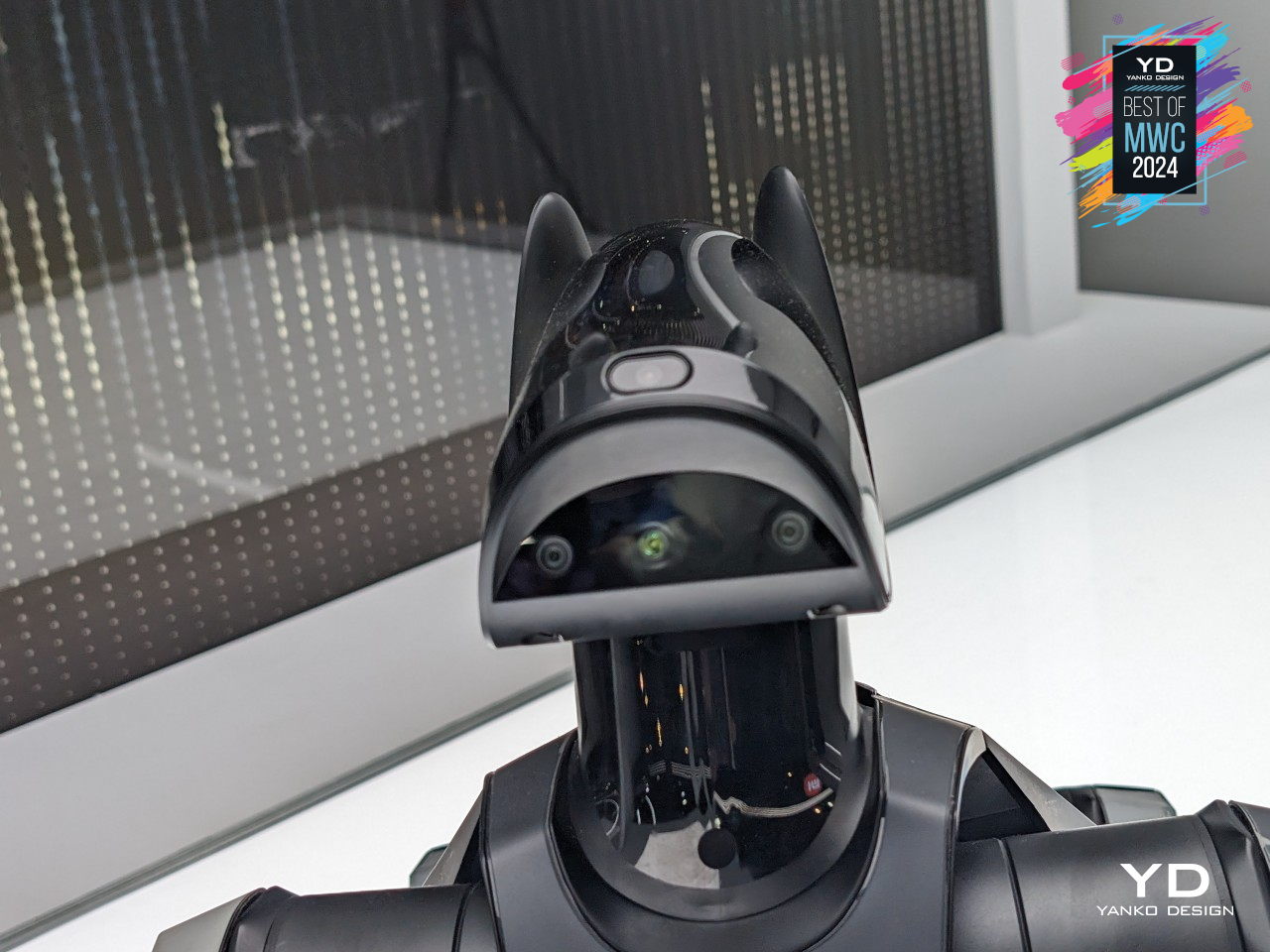
Although it will hardly classify as “cute” like actual dogs, the CyberDog 2 has a distinct look akin to a muscular canine breed thanks to the faceted surface that covers its body and legs. Compared to its headless predecessor, Xiaomi has definitely made strides in making its robot dog actually look like a dog and be more approachable, hopefully even by kids. It’s still questionable what you’d use a $3,000 robot dog for, but the Xiaomi CyberDog 2’s more refined design, improved stability, and expanded functionality make it something worth observing in the months to come.

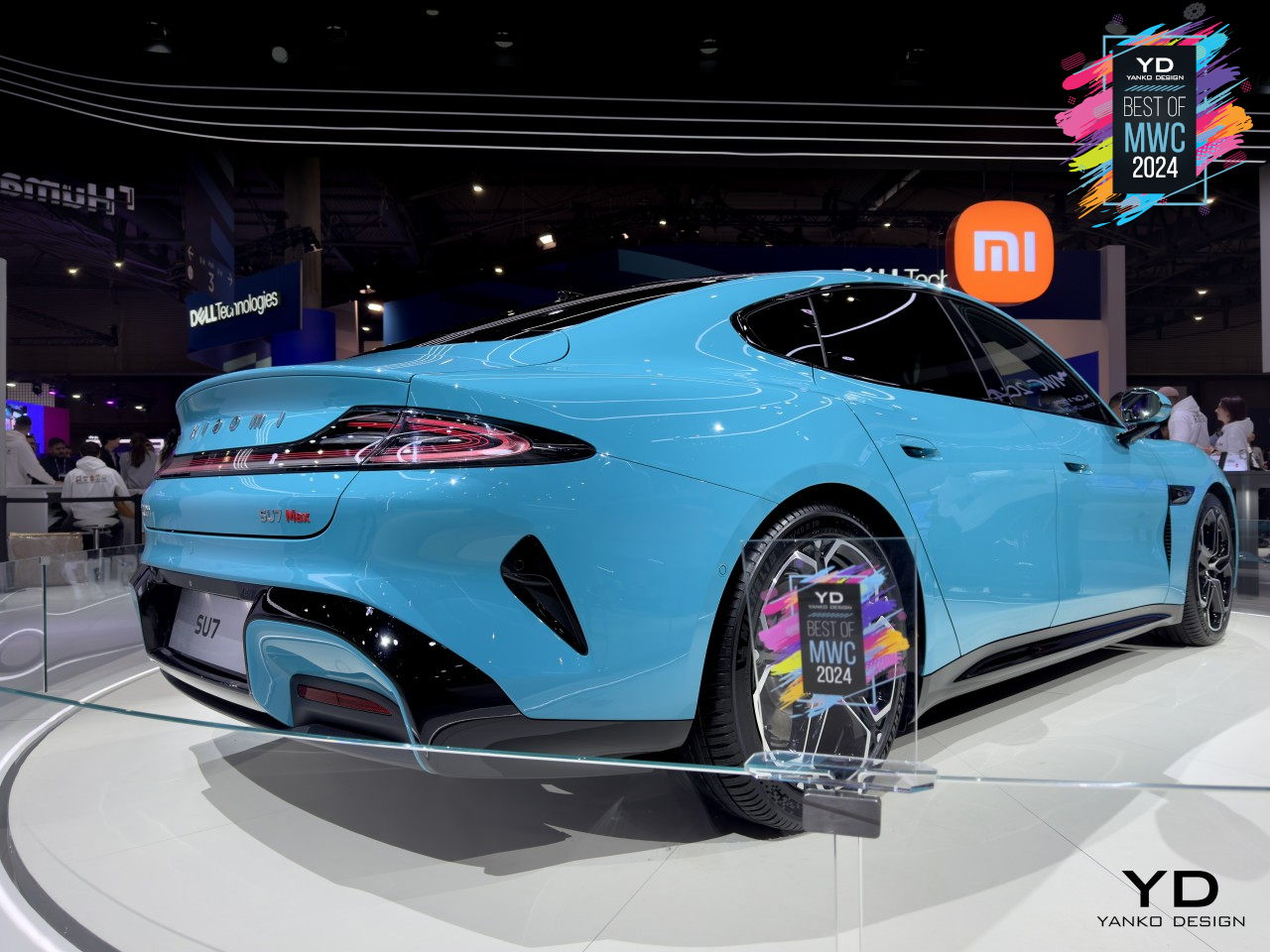
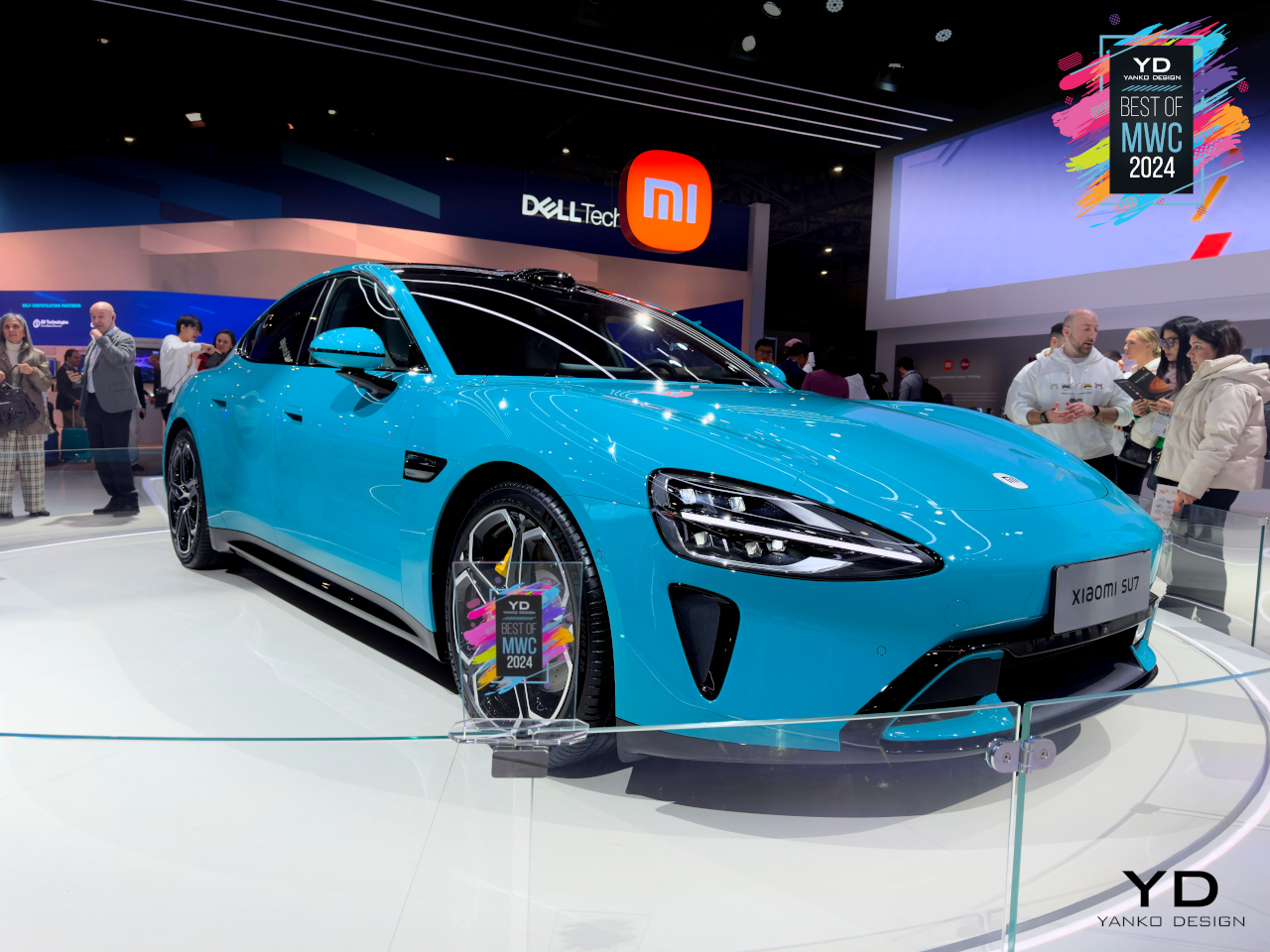
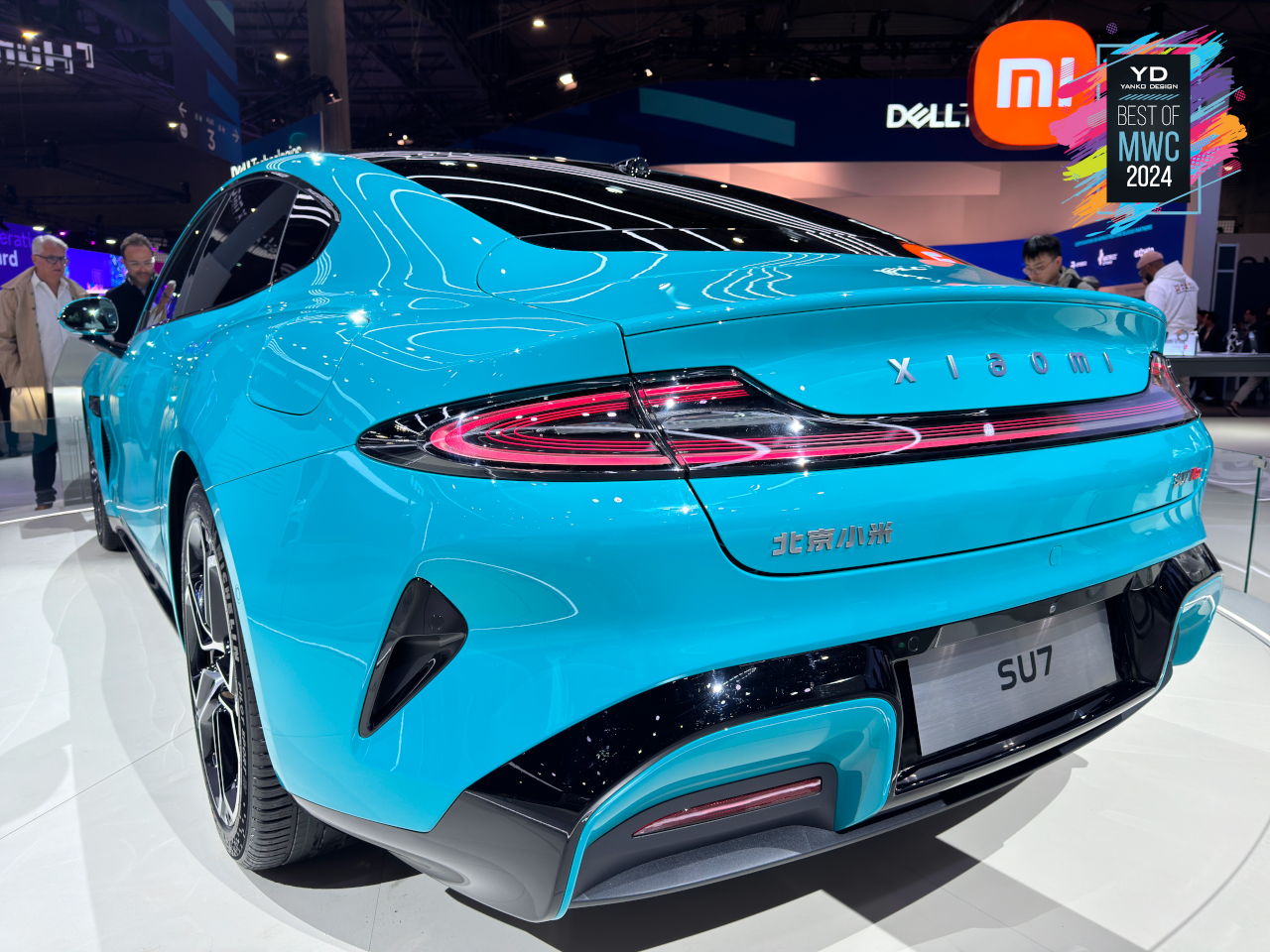
Xiaomi SU7 Electric Car
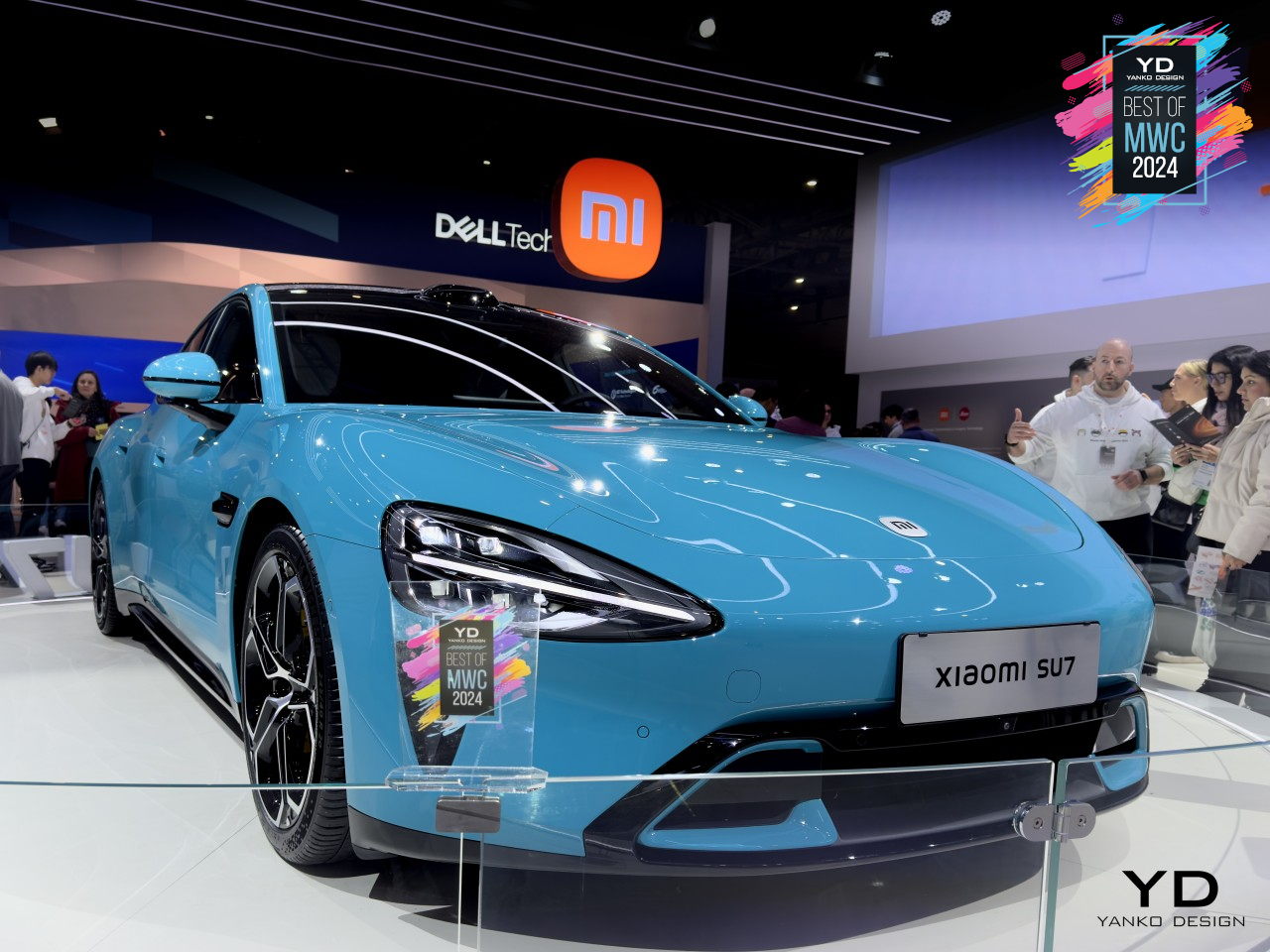
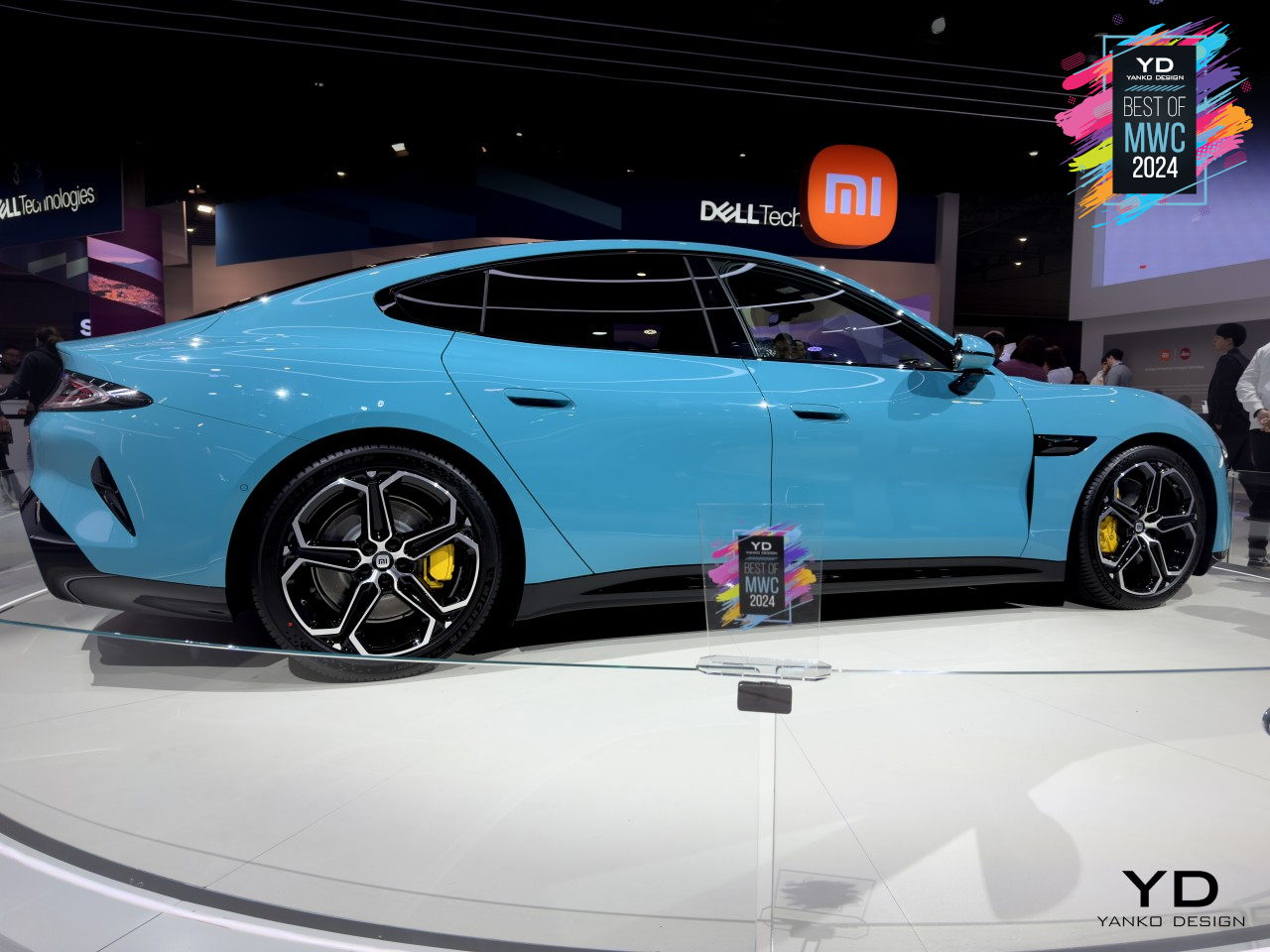
Xiaomi is no longer just a smartphone manufacturer, and nowhere is that more obvious than at MWC 2024 where it unveiled its most ambitious product yet, its first electric vehicle. The brand has been putting out personal mobility devices like e-scooters and e-bikes, and now it is taking its transportation dreams to the highway. Labeled as a “performance sedan,” the Xiaomi SU7 boasts reaching 60 mph speeds in just 2.78 seconds and a range of 497 miles with its 101kWh battery.

Designer: Xiaomi
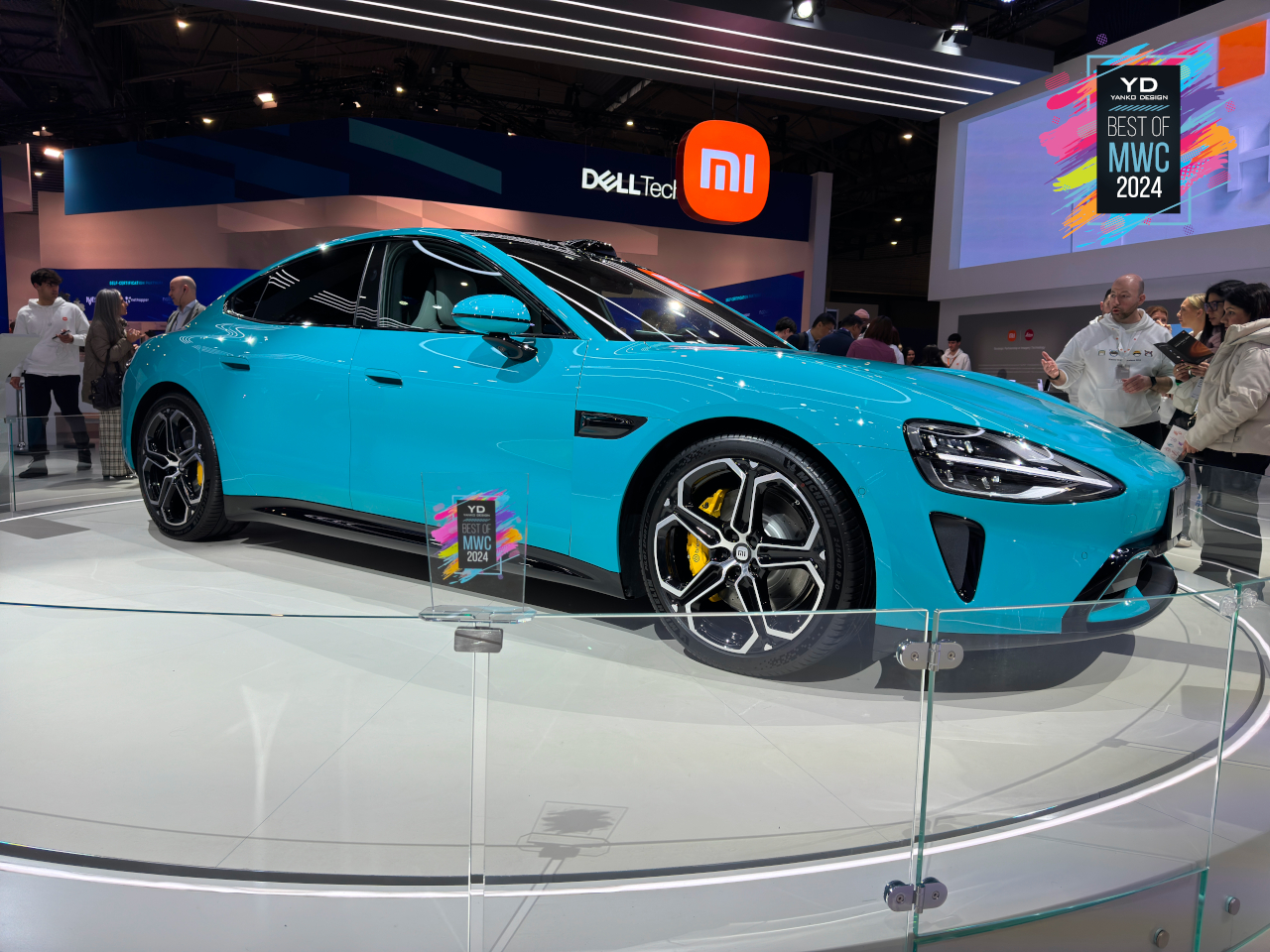
The design of the electric car is quite noteworthy as well, and not just because of its blue paint job. The sleek profile and curves give a sporty character, and its elegant appearance would have you guessing which long-time car manufacturer produced such a beauty. We’ll still have to see how it actually fares on the road or if it will actually roll out to other markets, but Xiaomi definitely got people talking simply by showing off that it can also make cars as well.

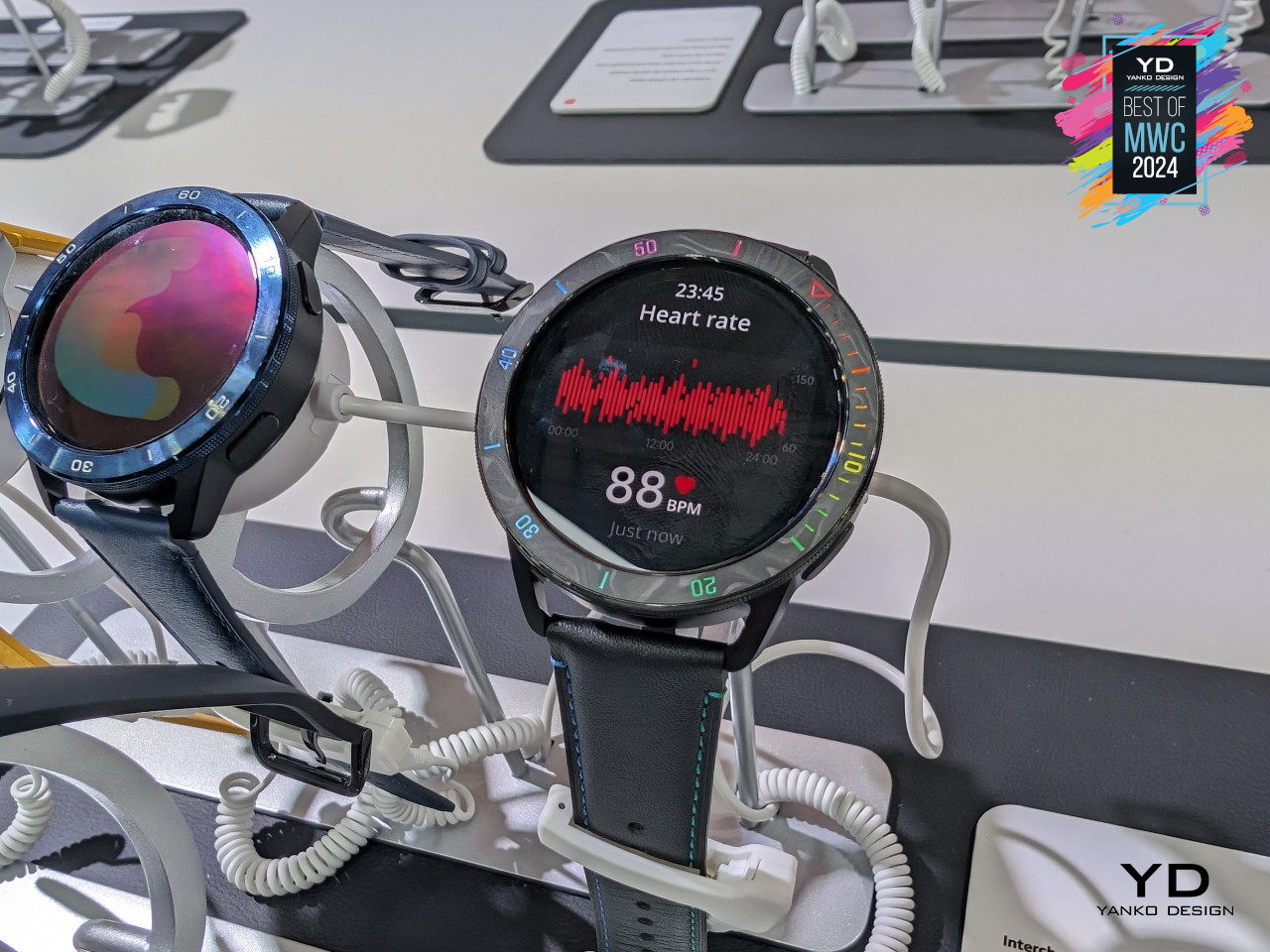
Xiaomi Watch S3
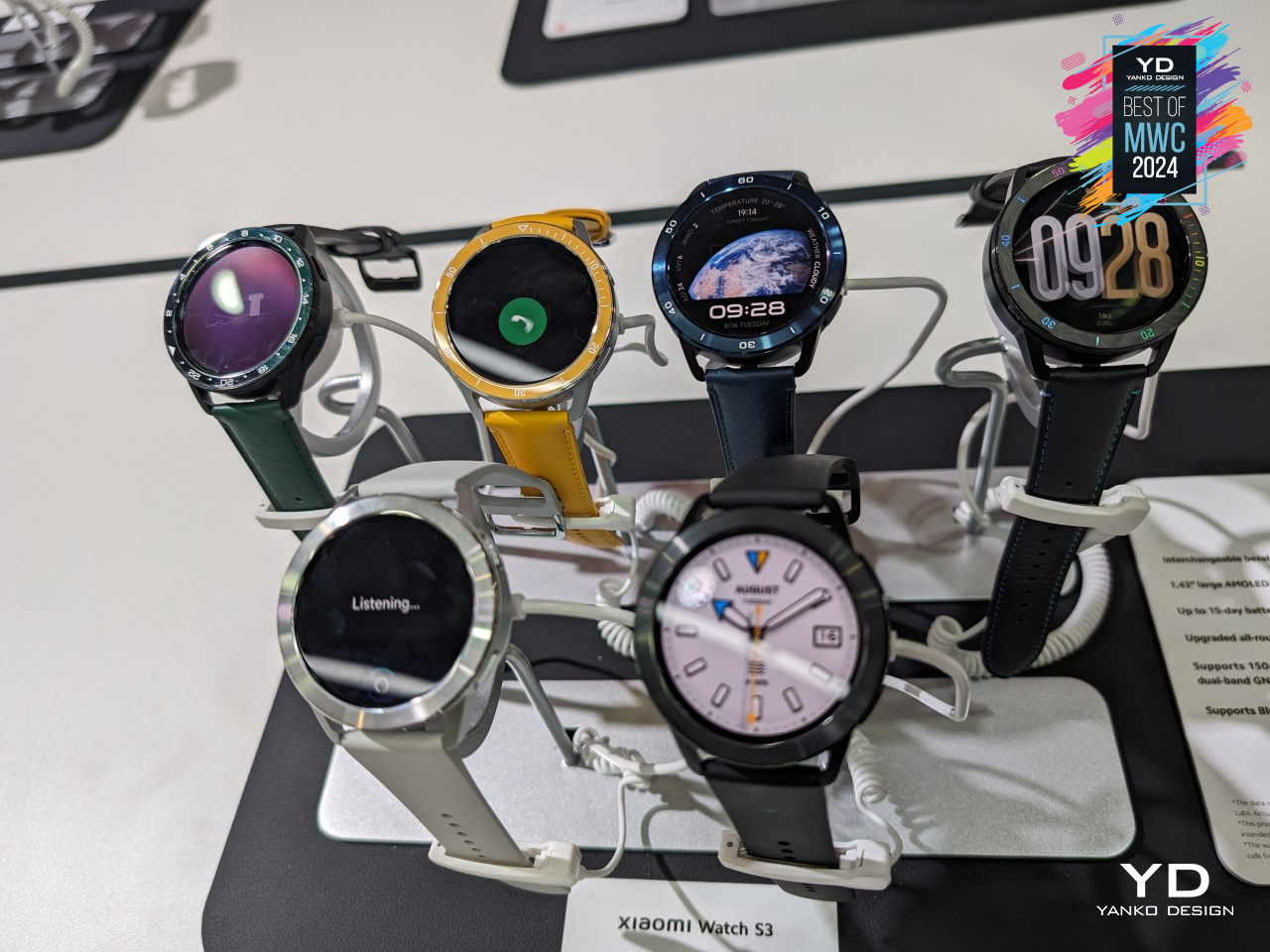
Smartwatches have thankfully outgrown the days when they all looked more like sports watches rather than fashionable timepieces. There’s not a bit of variety in terms of designs, including some that try to mimic the appearance of classic watches and their faces. You can even replace straps, sometimes with standard lugs, to mix and match your style. There is, however, still one classic design element that smartwatches haven’t been able to implement, at least until now.

Designer: Xiaomi
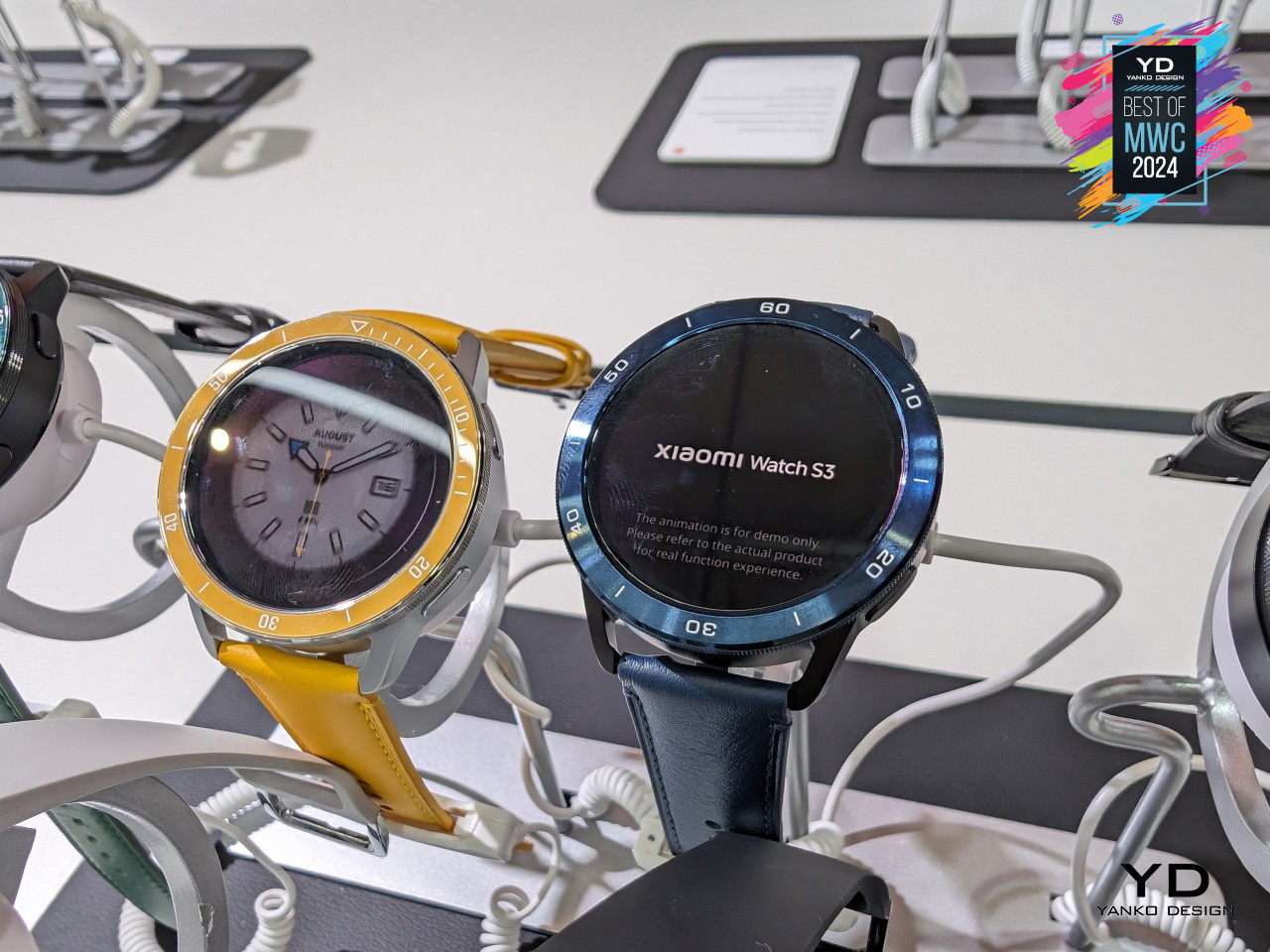
The Xiaomi Watch S3 finally brings interchangeable bezels, letting you easily swap rings to fit your mood and style, even on a daily basis. It might sound like a very trivial feature, but it’s detail like that that gives classic watches their charm. Of course, the Xiaomi Watch S3 will only be compatible with bezels designed by Xiaomi or authorized accessory makers, so hopefully, the idea will catch on and become a standard feature on future smartwatches.

OPPO Air Glass 3
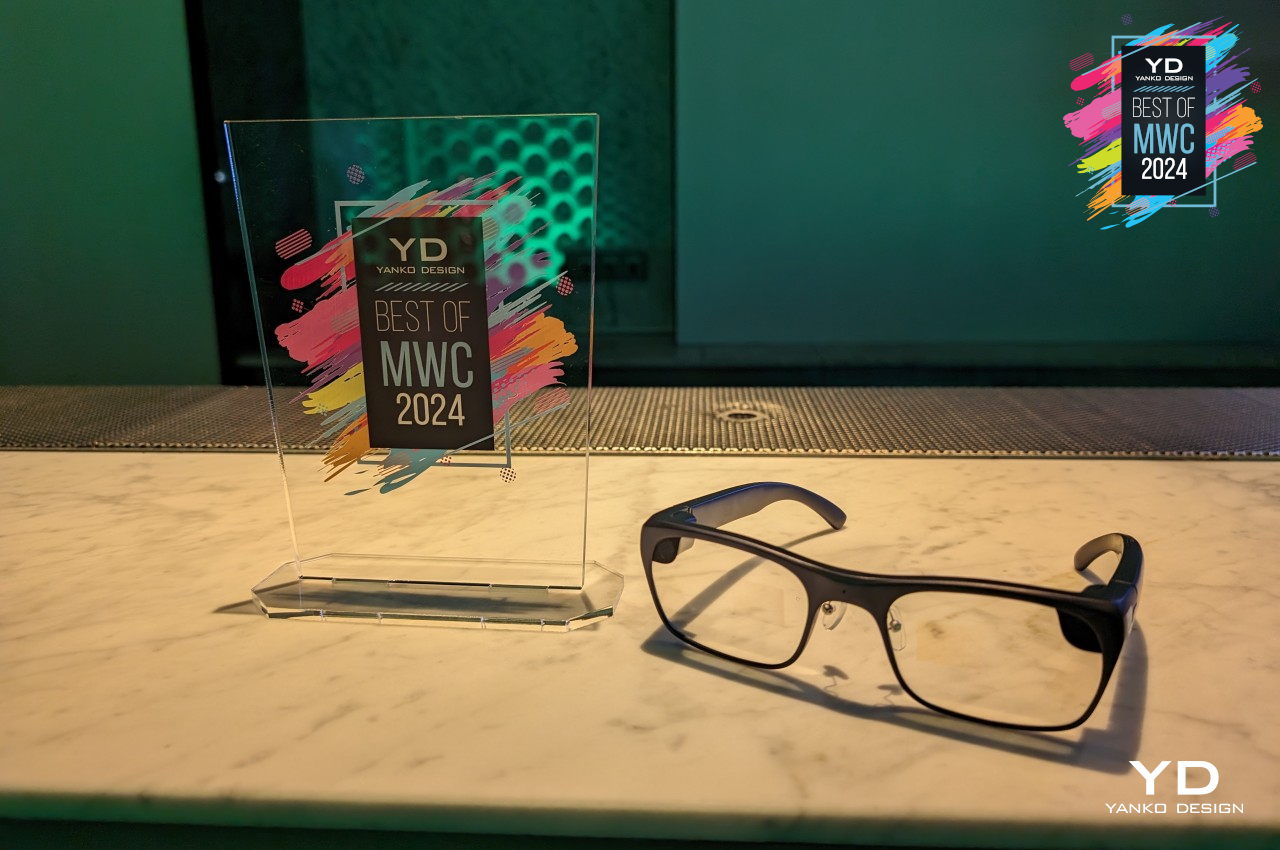
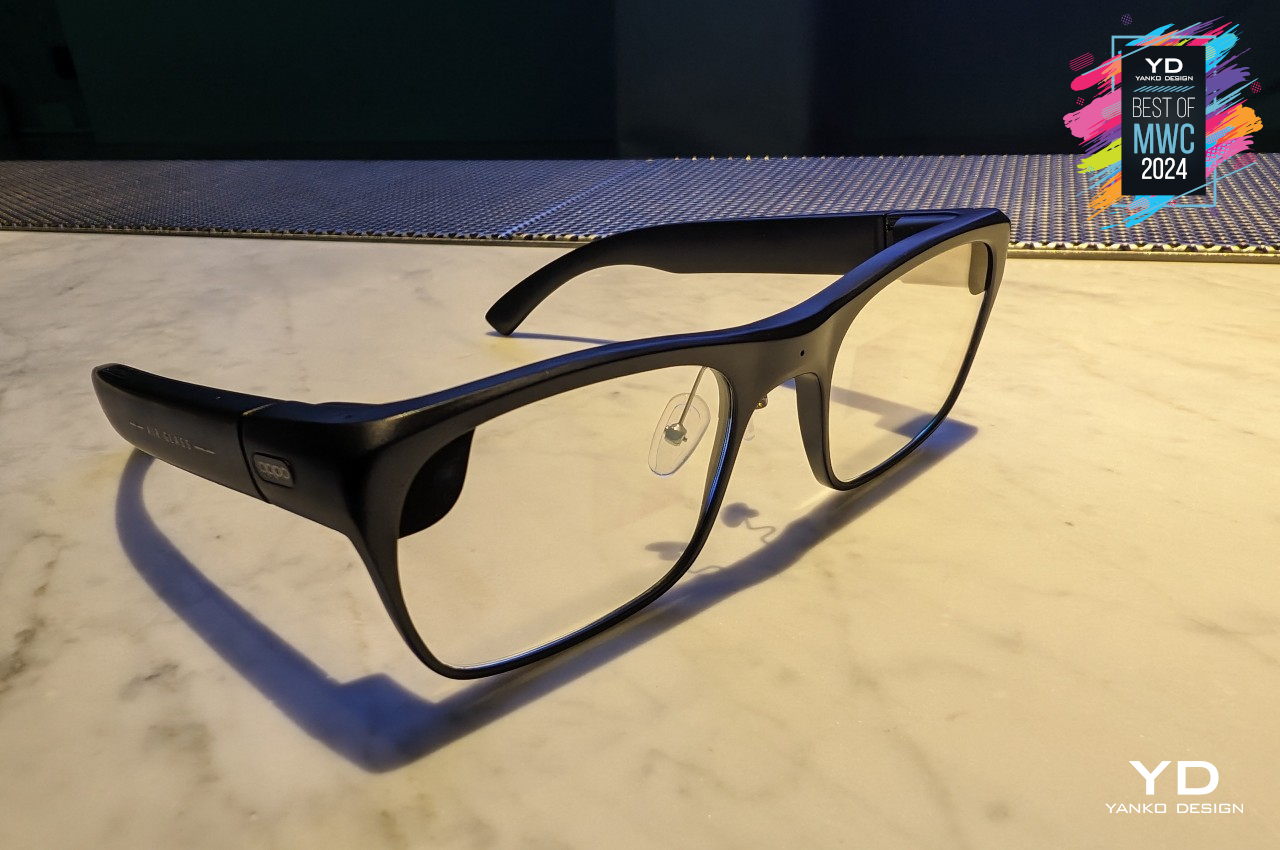
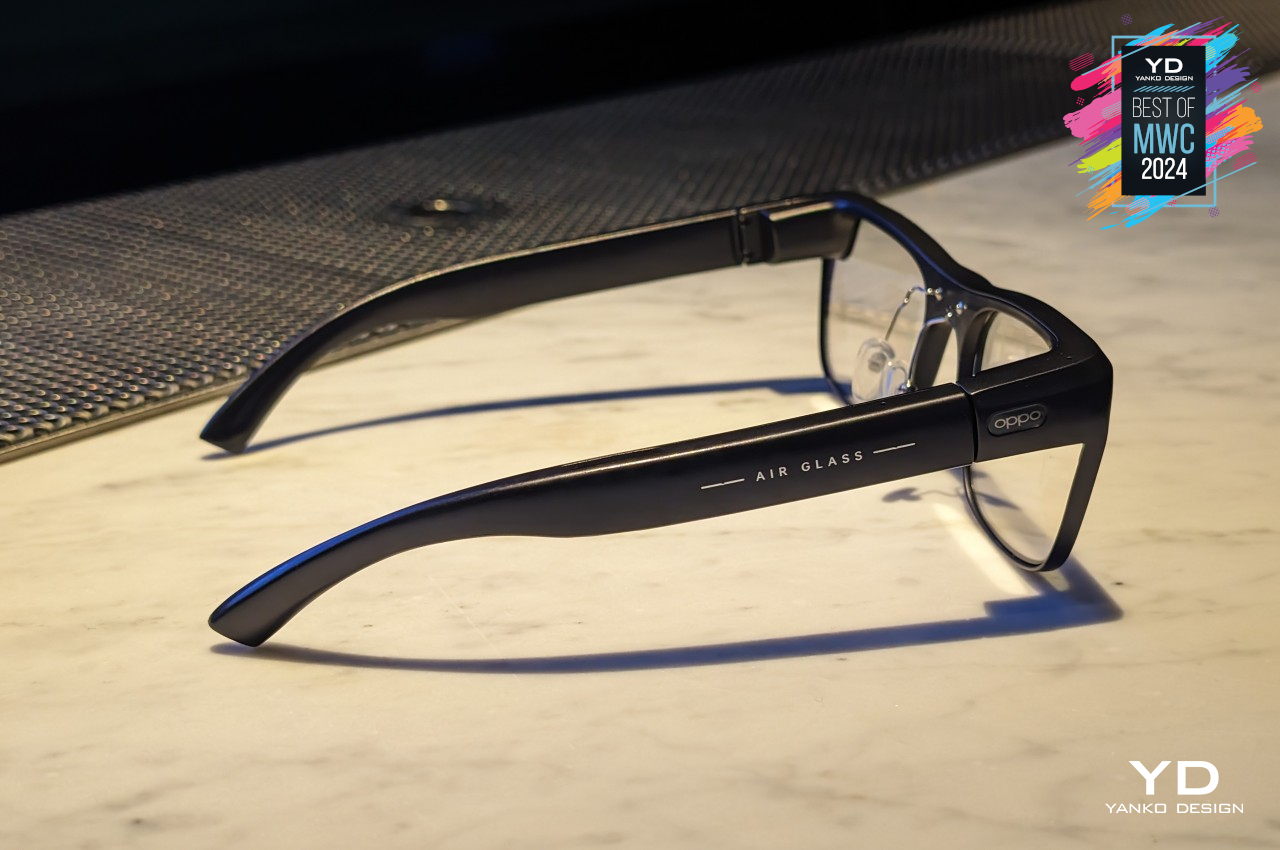
Some might consider the Apple Vision Pro to be overkill even without considering its price tag, and they definitely have a point. You probably don’t want to have your computer screen in front of you all the time, nor would you want to wear a headset while you go about your daily work. You might, however, want to be able to see your tasks and some notifications when you need to without having to fish your phone out of your pocket, which is where the OPPO Air Glass 3 comes in.

Designer: OPPO
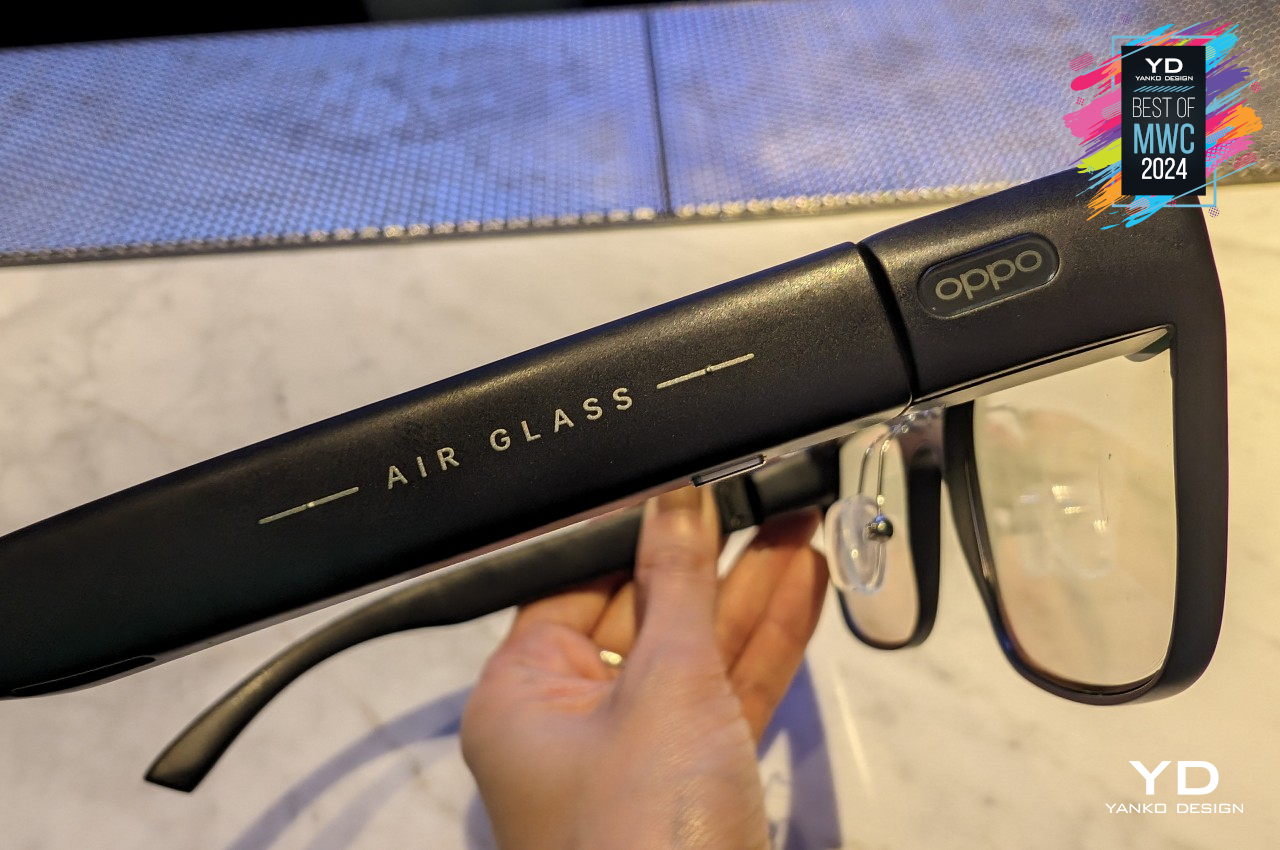
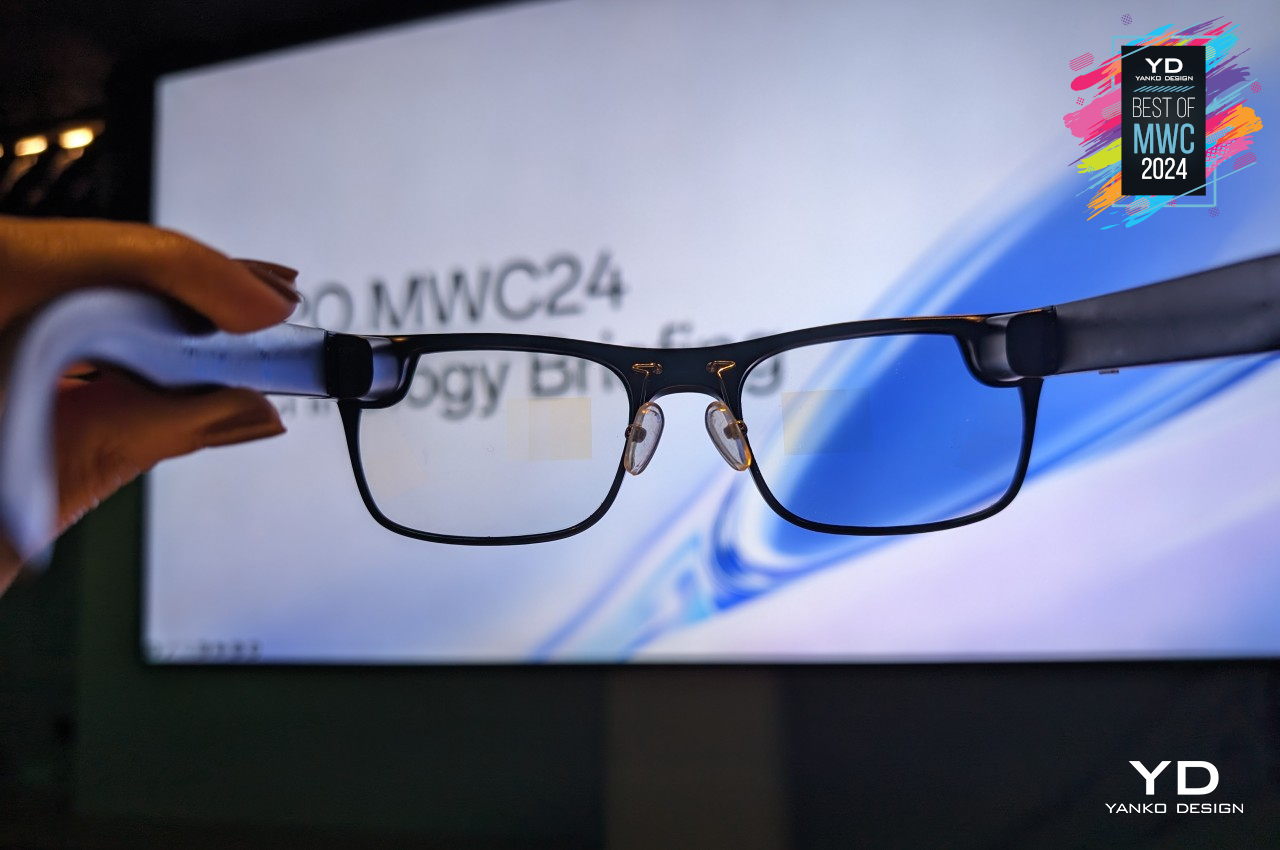
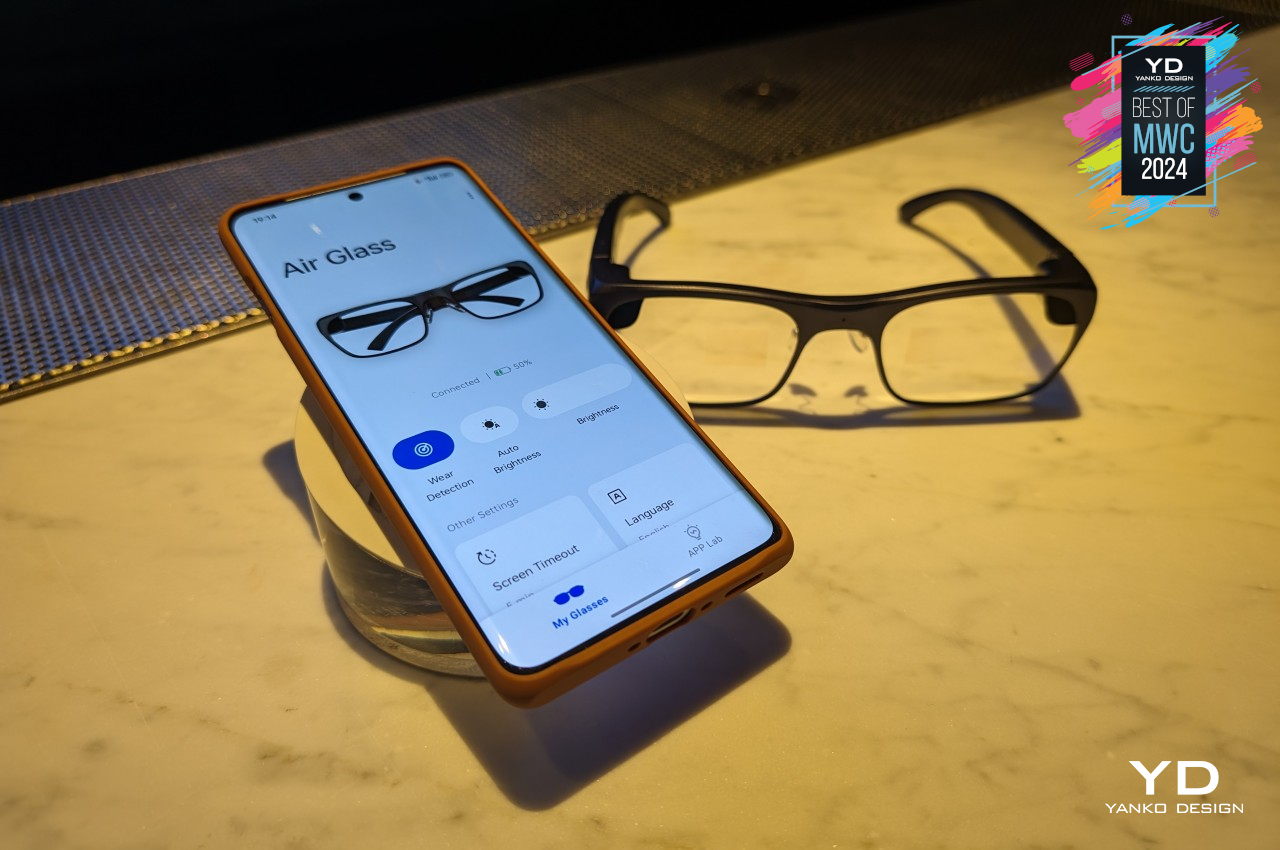
Rather than promoting augmented reality, the OPPO Air Glass 3 espouses “assisted reality,” which is how it describes its focused experience that shows only important information in front of your eyes. It does not use tinted lenses or pixel-dense screens but instead employs a micro projector that displays appointments, todos, notifications, and the like without getting in the way of your vision. The glasses themselves look like normal eyewear, save for the very thick frame, and the improved optics prevent the occurrence of blurred images that would normally be observed in this kind of display.

Samsung Galaxy Ring
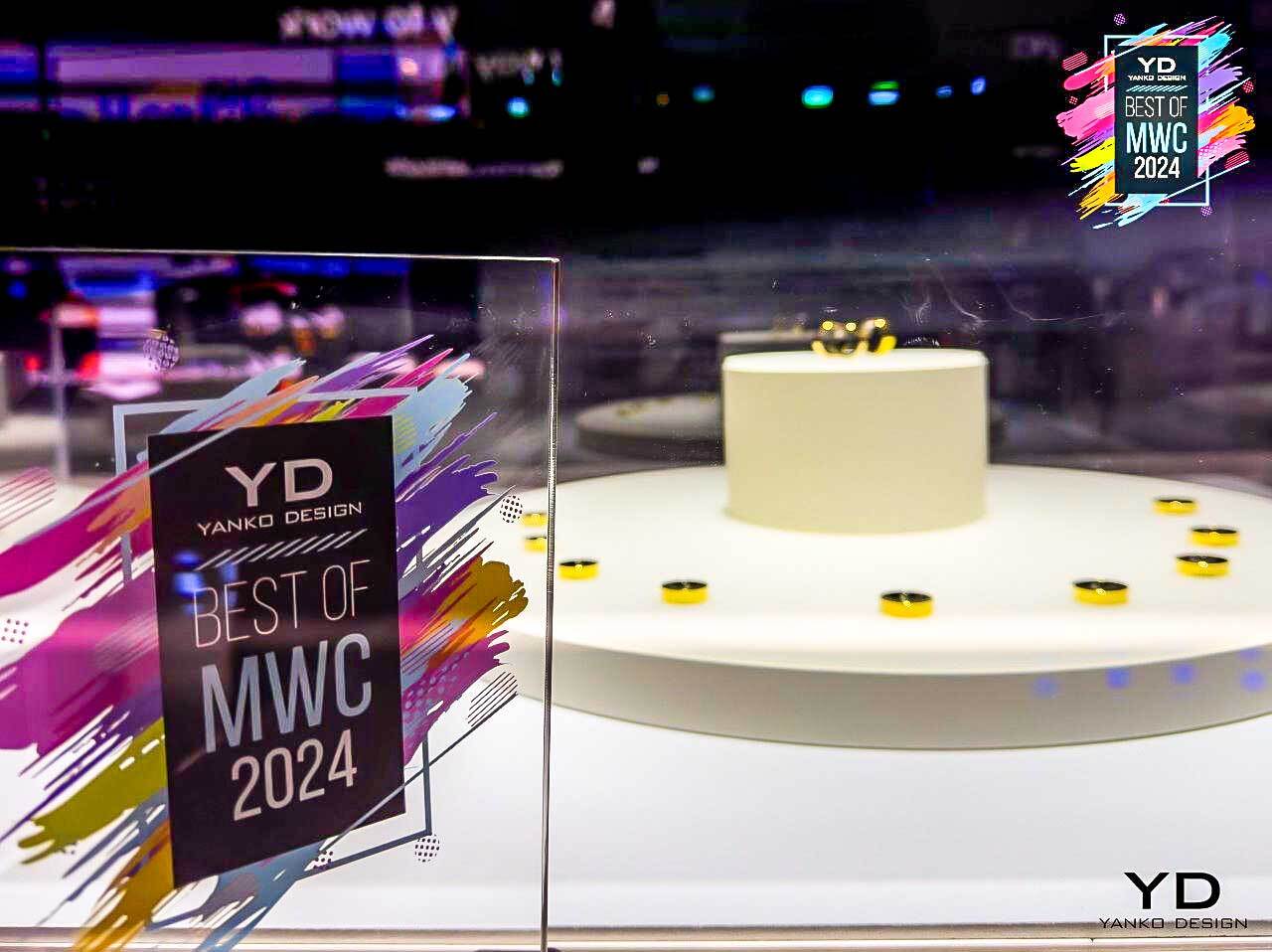
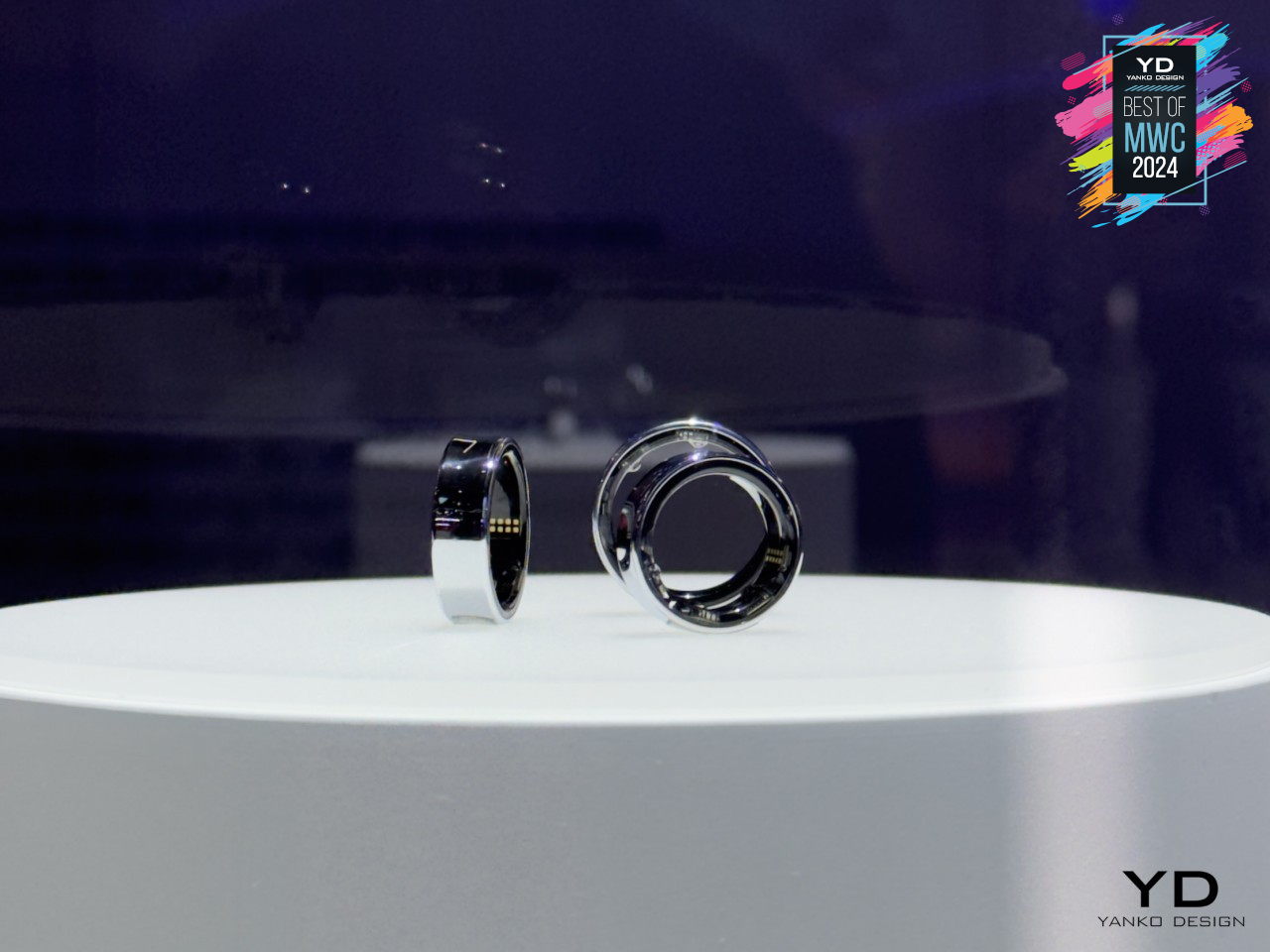
After many leaks, rumors, and wishes, Samsung finally revealed the Galaxy Ring, making it one of if not the first major tech companies to launch this kind of wearable device. By now, there are already smart rings on the market, but the Galaxy Ring has the advantage of having an existing ecosystem of devices and services that revolve around wellness and health. You don’t need to stray far if you want to give up your Wear OS smartwatch for something that’s more elegant and also more discreet.

Designer: Samsung
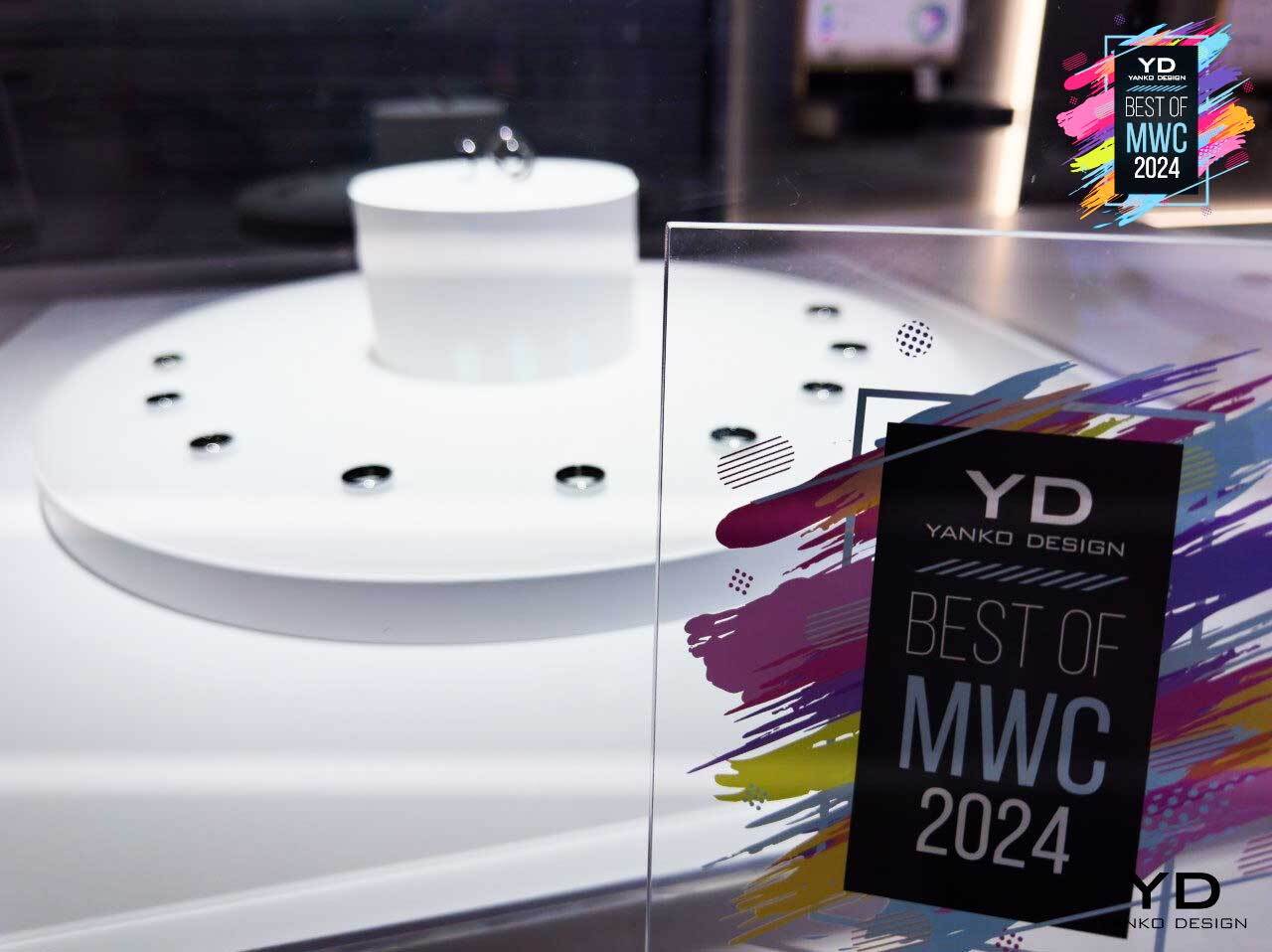
The Galaxy Ring is simple, nondescript, and minimalist, which is actually the whole point of such devices. Rather than the powerful smartwatches that call attention to themselves and become a source of distraction, these smart rings offer the basics of health and activity tracking without burdening your wrist. It will definitely be interesting to see where Samsung will take the Galaxy Ring and if other manufacturers will quickly follow in its footsteps.

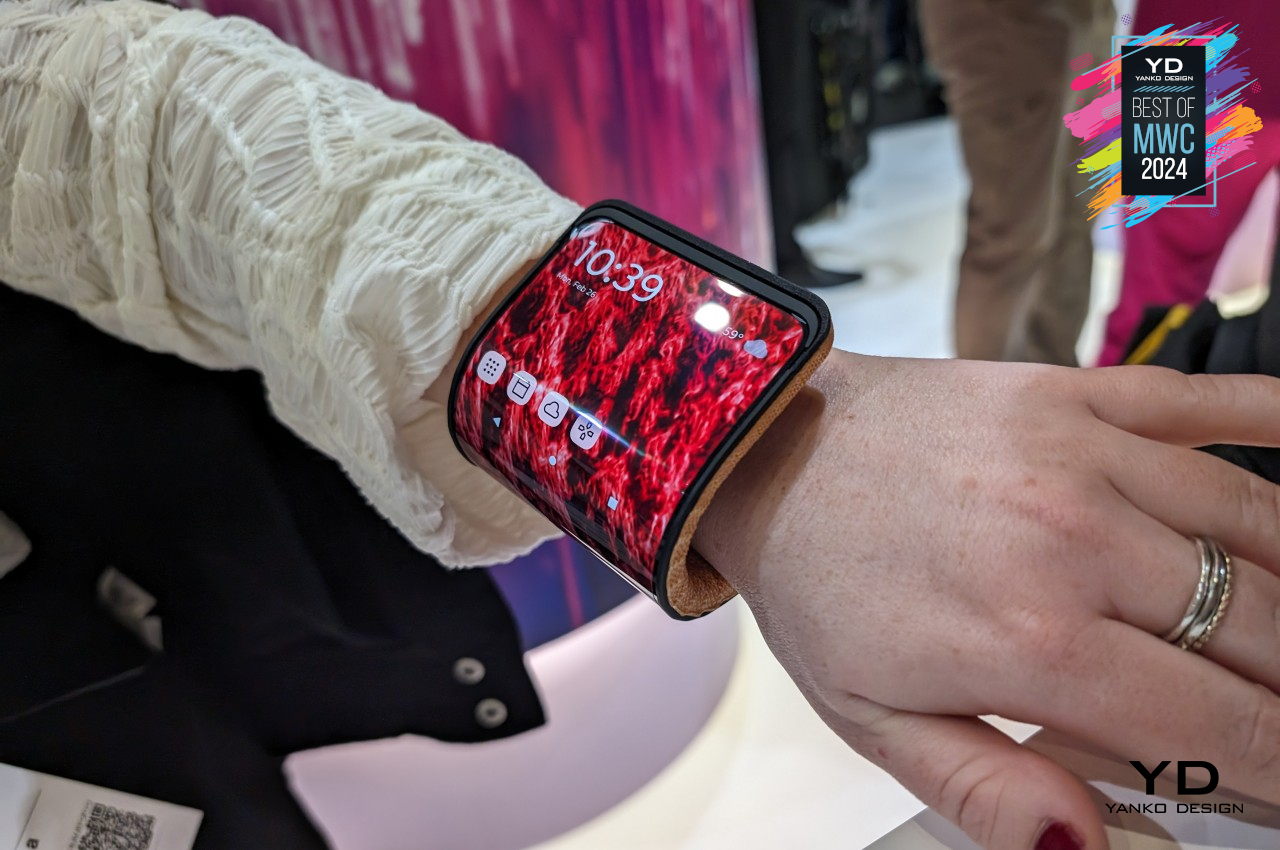
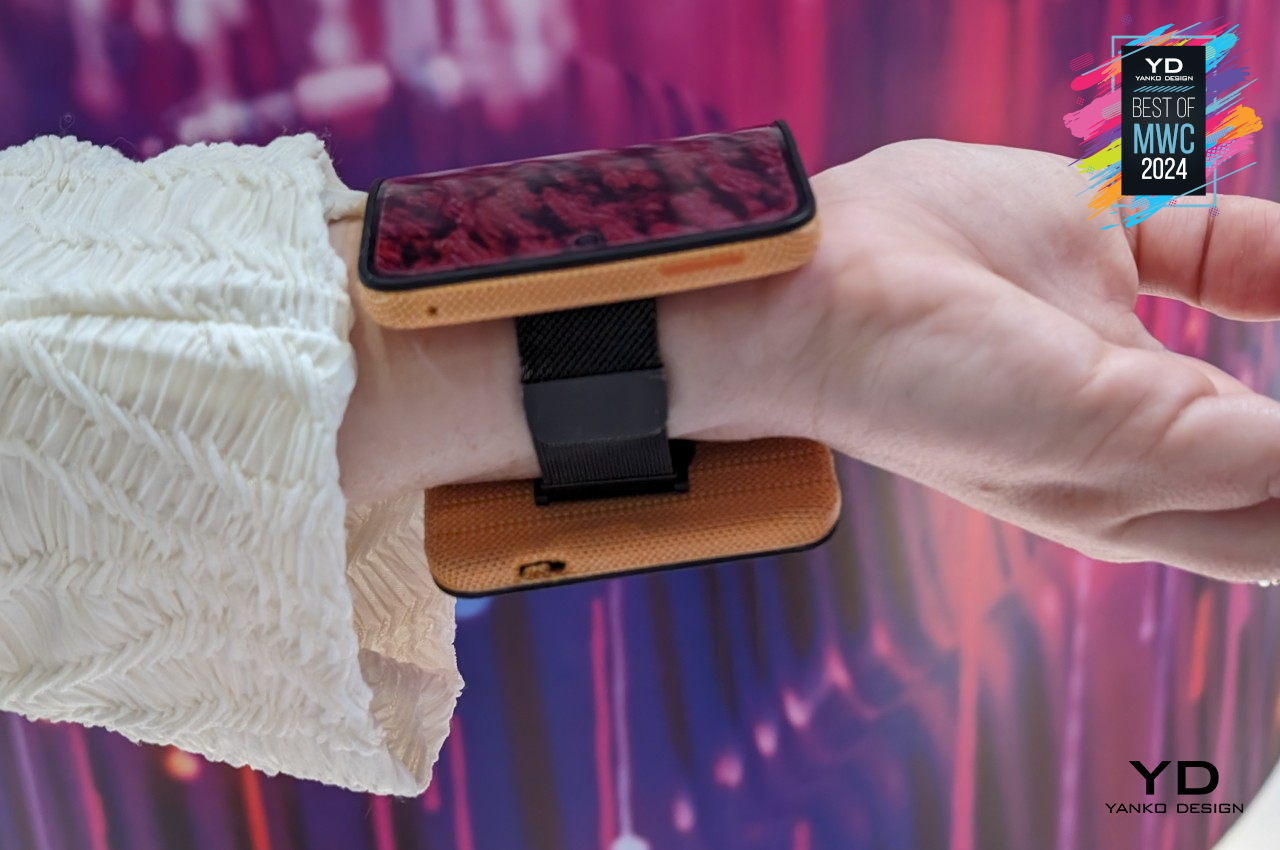
Motorola Adaptable Display Bendable Phone
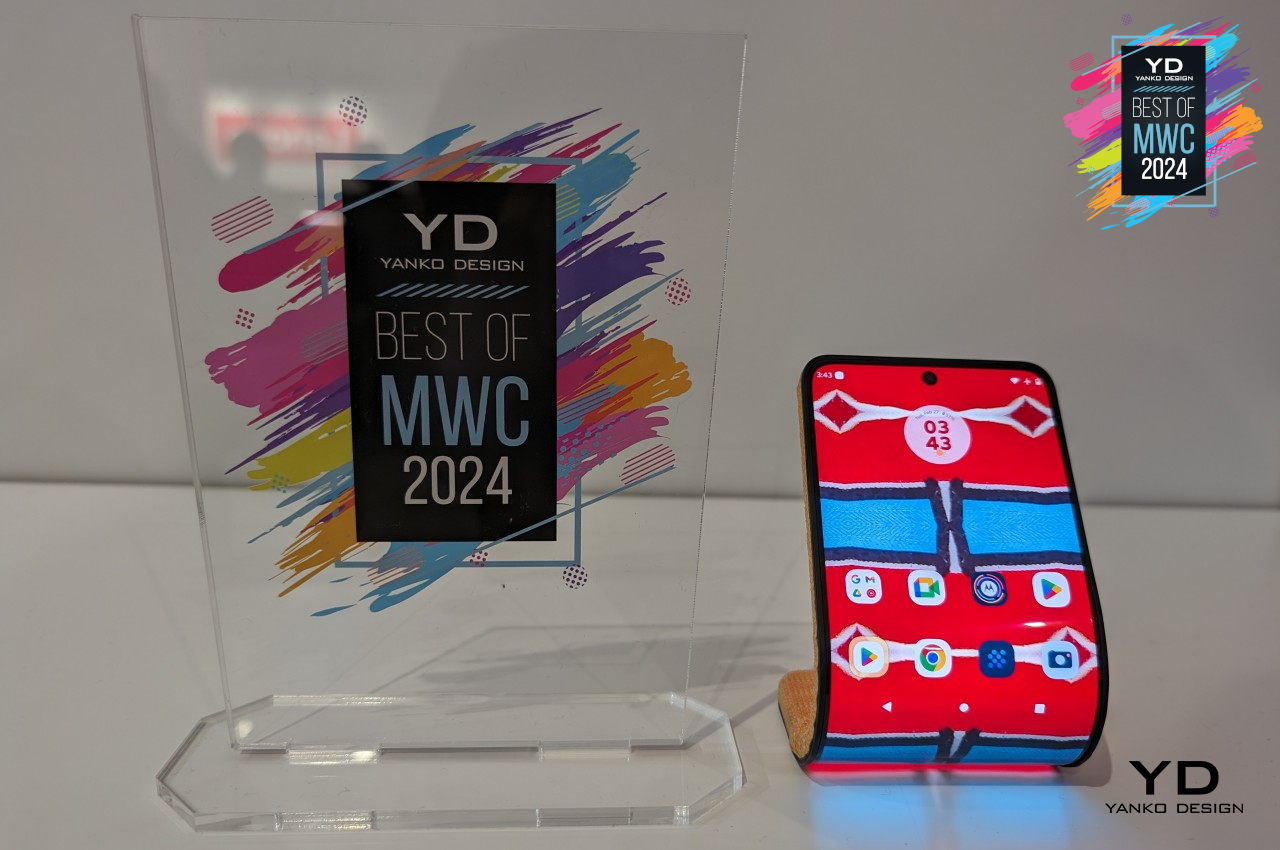
Although foldable phones have become a major focus in the industry, they’re not the only design that can take advantage of flexible screens. Rollable phones have yet to become commercially available, and displays embedded in textiles are still a dream in the fashion industry. Motorola has one such design that really pushes the boundaries of what smartphones might look like in the not-so-distant future.

Designer: Motorola
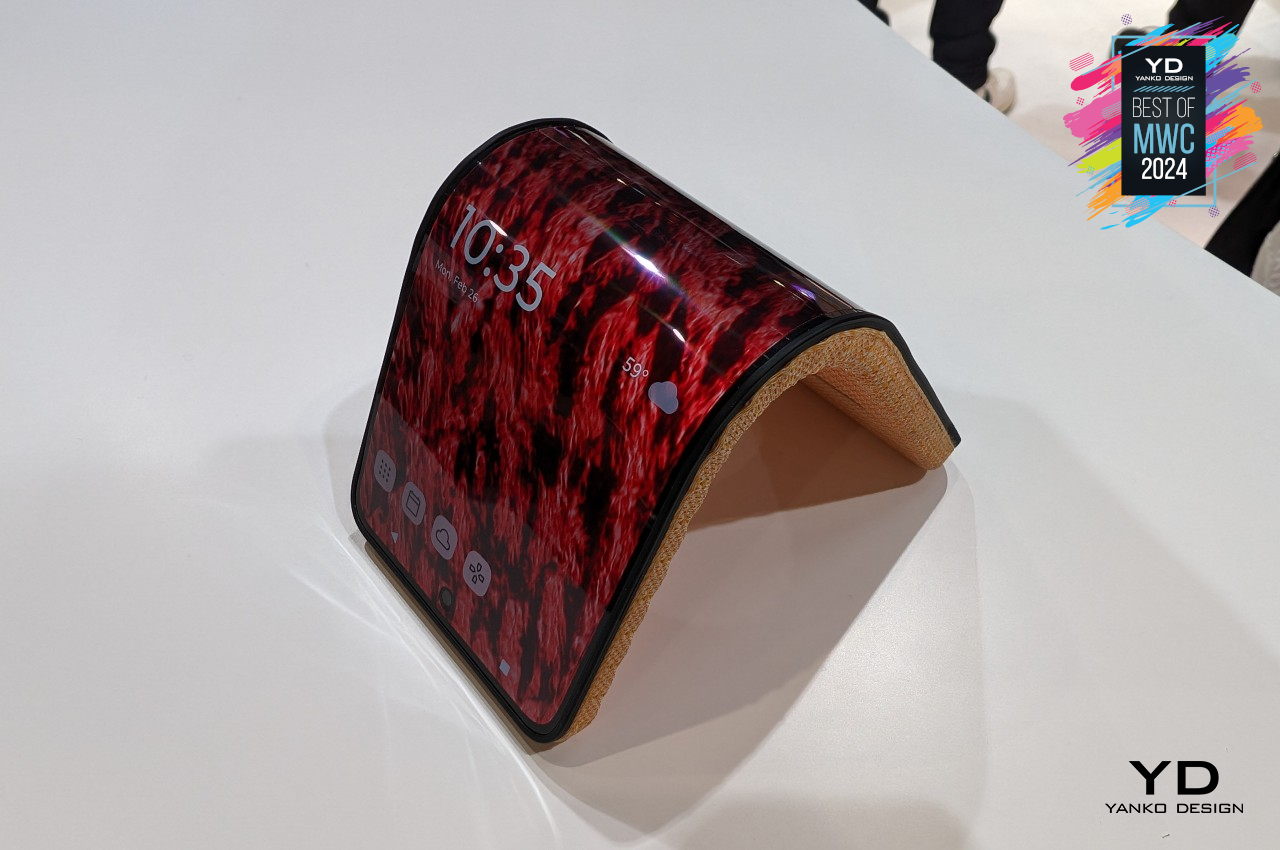
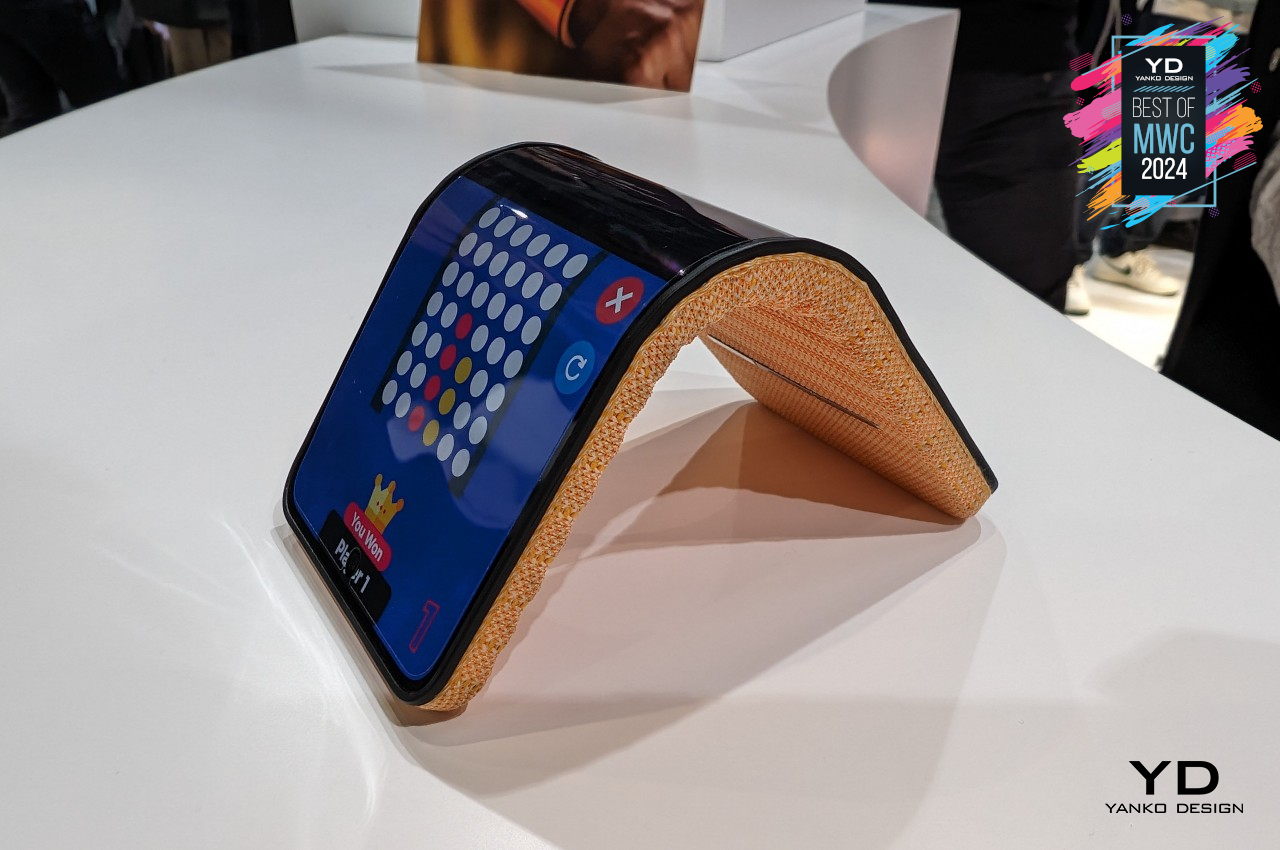
Dubbed the Motorola Adaptable Display, this bendable phone is designed so that it can wrap around your wrist, almost like an open bracelet. Unlike a typical foldable phone that’s just two flat slabs joined with a hinge, the entire phone bends flexes, and bends in this case. Of course, you can’t completely remove all the flat components that make a smartphone tick, but Motorola’s eye-catching bendable phone demonstrates what’s possible with a few more iterations and polish.

The post Best of MWC 2024: The Reality of AI first appeared on Yanko Design.

Holobox hologram-in-a-box could supercharge meetings and presentations

Video meetings are becoming more and more common as time passes, even without travel restrictions. Work arrangements are changing and the world is suddenly a much bigger place, with people spread out all over. Those remote interactions, however, don’t just have the same effect as in-person meetings, especially when you lose certain contexts from body language. It just feels less personal and has less impact, especially if you’ll be using an avatar that looks more like a cartoon than a real representation of yourself. In science fiction, holograms try to bridge the gap between people across planets or even galaxies, but that kind of technology is actually available today in a less flashy but still mind-blowing way.

Designer: Holoconnects

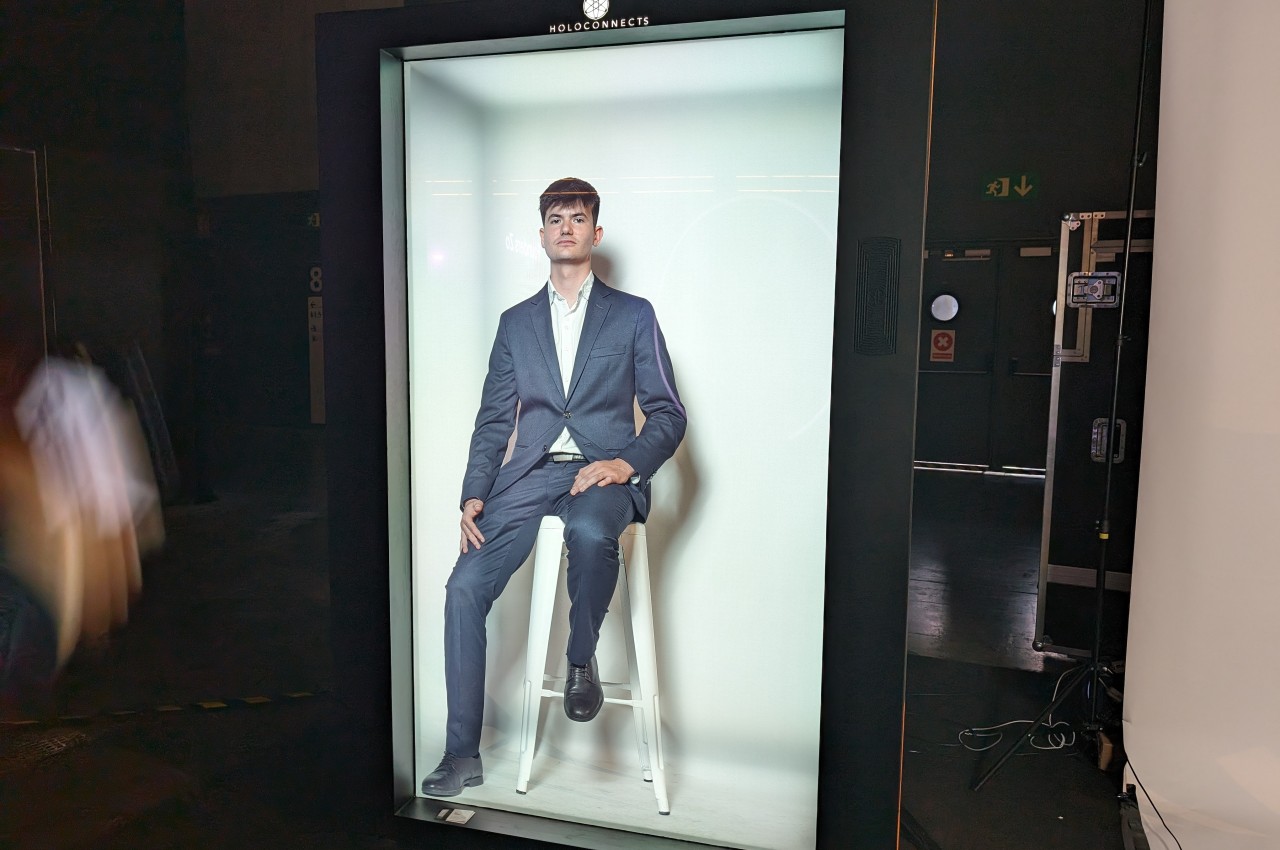
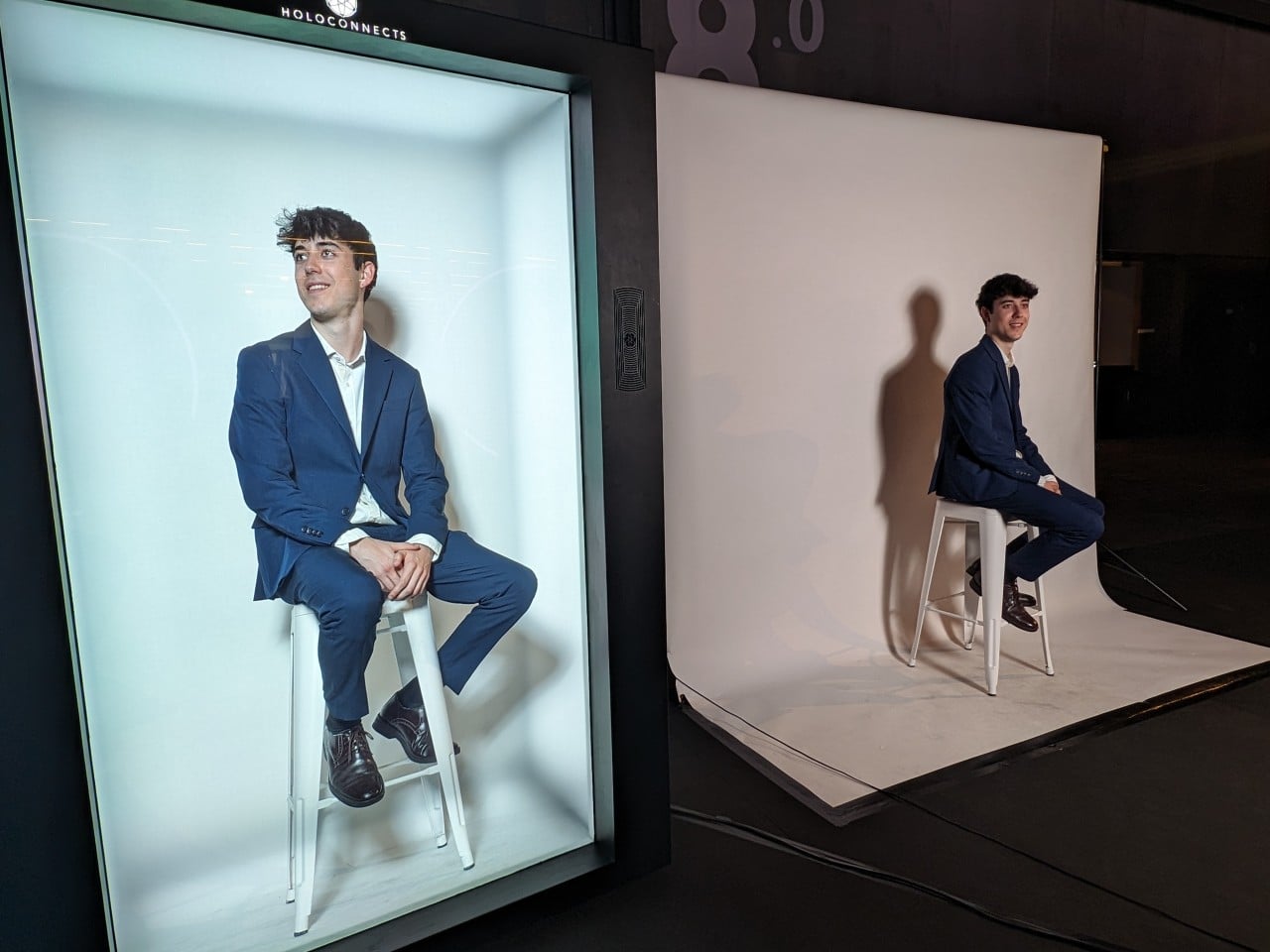
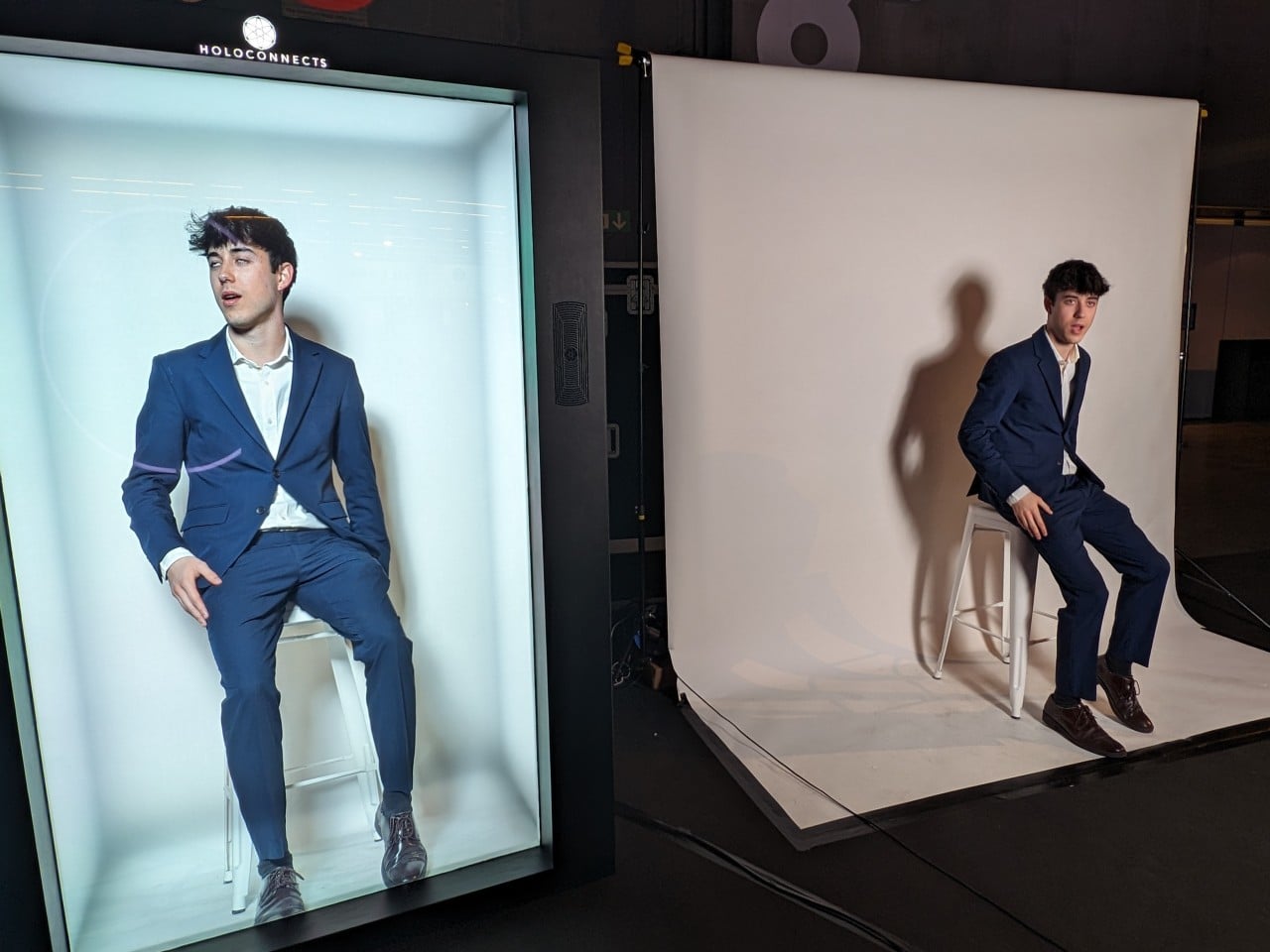
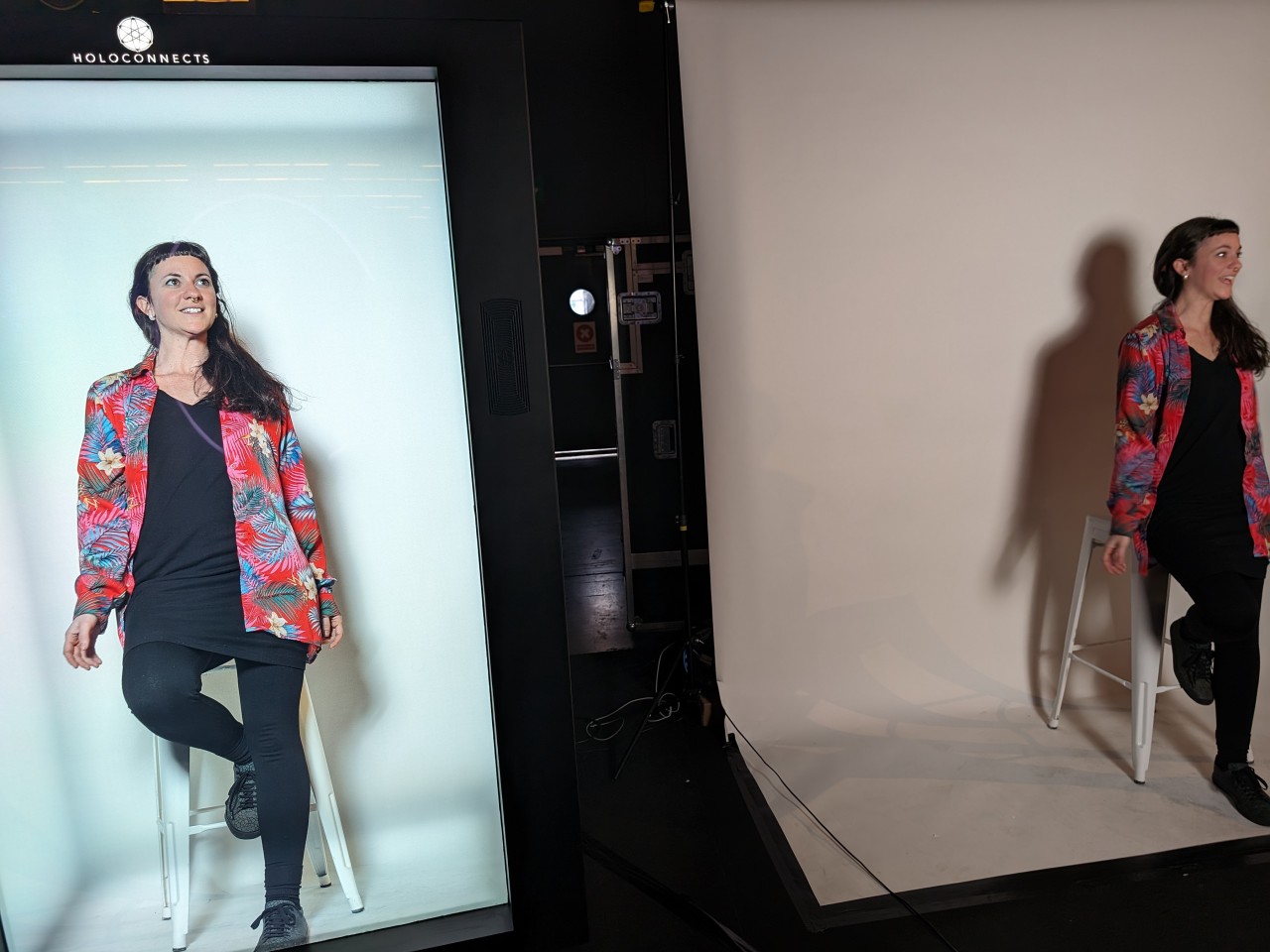
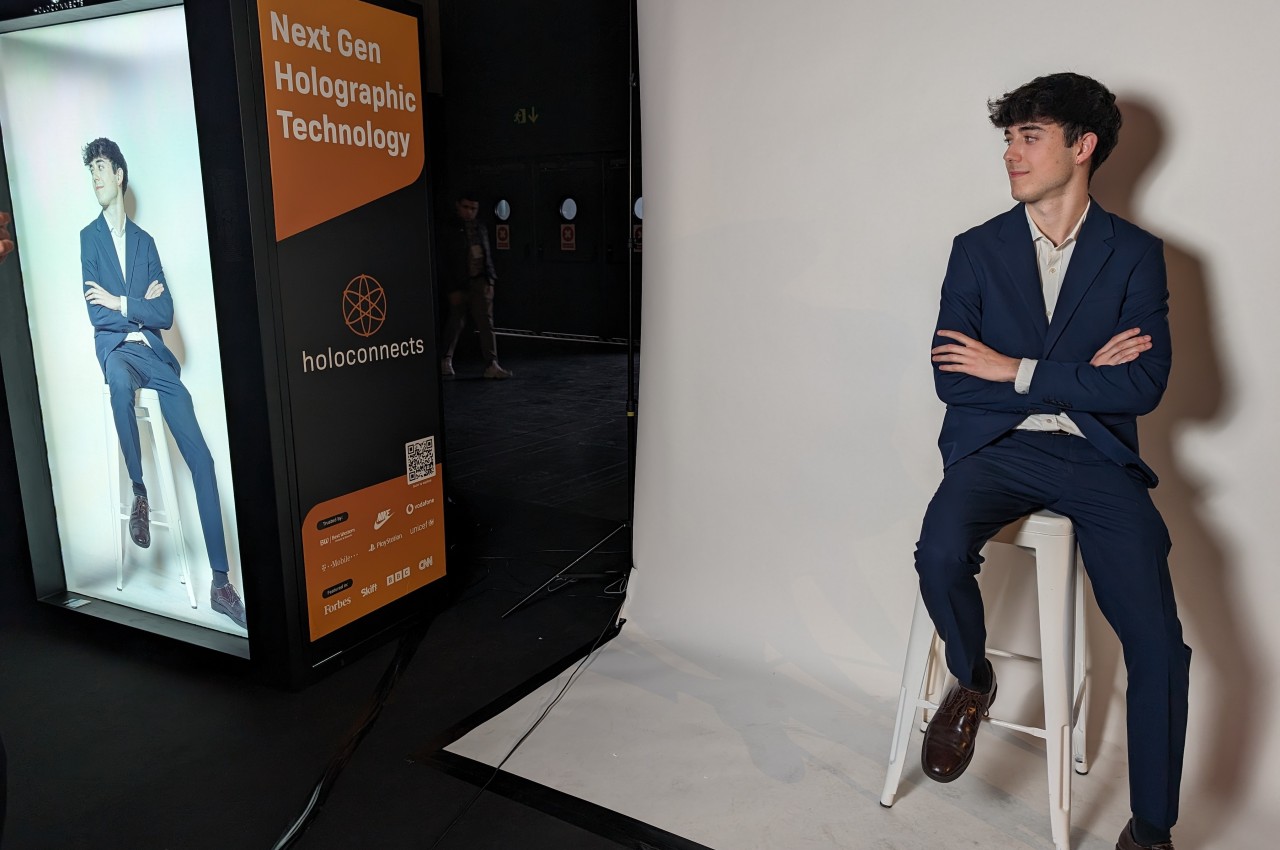
Holograms are nothing new, but it has traditionally been difficult to implement them on a large, human-sized scale. Trying to project floating three-dimensional images of people is still a bit of a pipe dream, but if you’re fine with putting them in a box, then that dream has already become reality with Holoconnects’ Holobox. It is what its name sounds like, a way to have a holographic version of yourself or someone else projected inside a large box.

What makes the Holobox special beyond its amazing image fidelity is its ease of use. It needs only a power source and an Internet connection to operate because everything is built into the box. Of course, that’s only for actually projecting and playing the hologram. You’ll need a different set of equipment for actually capturing the video of a human, whether pre-recorded or in real-time. And it doesn’t even have to be human either since you can project anything that can fit inside the box’s 86-inch display. Actually, you can even connect several boxes together so that it can show a much bigger object, like a car, for example.

But what really is the point of having a life-sized hologram anyway? For one, it offers a new level of remote communication where you can fully see the person in 3D as if they were standing in front of you. It can also give a more personal touch to presentations, training, advertising, and more. Basically, anywhere that your real presence would have an impact, the Holobox can offer a stand-in that is both effective and human. Plus, it looks awesome to boot!

The post Holobox hologram-in-a-box could supercharge meetings and presentations first appeared on Yanko Design.
nubia Pad 3D II at MWC 2024: Glasses-free 3D tablet gets 5G and AI upgrades

With mixed reality and spatial computing becoming trendy again, 3D content is also seeing a rise in interest, both in terms of creation and especially in consumption. Of course, most of the digital content that we see is in flat 2D, and you need to wear specialized glasses to actually experience those objects in a way that tricks your brain into believing it’s actually 3D. Or at least that’s how things have been traditionally. Outside of cinemas, wearing such glasses is not only uncomfortable and awkward, they’re practically unusable as well. That’s where technologies like the new nubia Pad 3D II come in, offering that same enjoyable experience of immersing yourself in 3D content without having to put anything on your face and without blocking the rest of the world.

Designer: Nubia

Instead of relying on a projector and glasses, the nubia Pad 3D II employs a Diffractive Lighthfield Backlighting (DLB) layer underneath the LCD screen to have the same effect of sending a different set of images to each eye. It uses sensors and eye-detection algorithms to adjust those images depending on where we’re actually looking, giving the same effect without having to wear glasses. That was the concept that nubia proved last year, and the nubia Pad 3D II refines that design with much-needed upgrades.

At the top of that list is 5G connectivity, which is pretty much a minimum requirement for any mobile device today. Given the tablet’s potential for content consumption as well as creation on the go, a fast and stable Internet connection is more than just a convenience; it’s a necessity. Other hardware upgrades include an improvement to the special display with 80% better 3D resolution and 100% boost in 3D brightness. It is powered by some of the current mobile technologies available, including a Qualcomm Snapdragon 8 Gen 2, a whopping 10,000 mAh 66W battery, and a 12.1-inch 2.5K screen.

Unsurprisingly, nubia is also pushing the AI upgrades it made to the second-gen eyewear-free 3D tablet. In addition to utilizing AI to properly detect eye position and adjust the 3D display accordingly, it also uses neural networks for its Neovision 3D Anytime, which can convert any 2D content into 3D in real time. That includes not just photos but also videos, streaming media, and even games. AI 3D Collaboration allows owners of ZTE phones or Miracast devices to wirelessly stream content to the tablet for even more sources for videos, images, and more.

The nubia Pad 3D II is more than just a tablet for watching 3D videos, though. Thanks to an AI-enhanced dual-camera system, it can also take photos or record videos in stereoscopic 3D, letting you easily create 3D content that you can then share with others. The tablet also has a role to play even if you’re creating those 3D images on a different device. Simply drag and drop that 3D model from laptop to tablet for a better way to view your creation. With the new and improved nubia Pad 3D II, 3D no longer has to be something you can experience inside a cinema or with glasses on, opening a whole new world of 3D content that you can enjoy anytime, anywhere.

The post nubia Pad 3D II at MWC 2024: Glasses-free 3D tablet gets 5G and AI upgrades first appeared on Yanko Design.
nubia Music phone has two headphone jacks and a large speaker on its back

Once upon a time, music was played to be enjoyed by an audience. While that still happens today, most of the time we have become enclosed in our own little audio bubble thanks to smartphones. Earphones and earbuds keep the music to our ears, and smartphone speakers can’t get too loud without losing the music’s quality and clarity. Even worse, the venerable headphone jack that audiophiles use and love has been banished from mobile devices. In an effort to bring back that social listening experience, nubia is launching what could be its most distinctive smartphone yet, one that is a clear ode to a golden age of music that brings together features and design elements that will let you share your favorite tunes with ease.

Designer: Nubia

There may be no room for a thick 3.5mm port inside extremely thin phones, but what if thinness was never a problem in the first place? Aiming for a different priority, the nubia Music doesn’t just bring back the headphone jack but actually adds an extra one. Yes, there are two headphone jacks on this phone, and it’s a clear indication that this device is meant for listening to music. In fact, it’s designed to let you share that music with another person, a friend or a partner perhaps, provided they also have wired earphones.

There might be times you’ll want or even need to play music that everyone can hear. That’s where the nubia Music’s ultra-loud speaker comes in, promising 600% more volume without the distortion. That’s already a huge improvement over your typical smartphone loudspeaker, but what’s even more interesting about it is the way it’s added to the phone’s design.

As if dual headphone jacks weren’t odd enough, the nubia Music even has that ultra-loud speaker on its back. But rather than just simply slapping it on like what some other rugged phone manufacturer did, nubia opted to add a charming design to this unusual feature. The circular speaker and the two cameras are set opposite each other on a raised rectangle, recreating the appearance of a turntable that music lovers will be able to immediately identify. It’s a very nice touch that should tickle the hearts of audiophiles of all ages.

The entire phone is designed with that vibrant, lively, and youthful character, presenting a device that loves to party as much as you do. With mid-range specs and a price tag that starts at only $149, it is clearly targeting a younger crowd, though any music lover will surely find the nubia Music something worth looking at and, of course, listening to.

The post nubia Music phone has two headphone jacks and a large speaker on its back first appeared on Yanko Design.

D-LINK AQUILA PRO AI is a beautiful Wi-Fi 6 router that looks like an art object

Our Internet needs are becoming more complicated even at home. Multiple devices ranging from smartphones to smart appliances compete for bandwidth, while different services like gaming and streaming demand more data than, say, a smart thermostat. The simplistic routers of yesteryears are no longer sufficient to face the challenges of modern lifestyles, but as these boxes become more sophisticated, their presence also becomes more obnoxious as well. The latest and greatest routers seem to want to be seen as powerful monstrosities rather than helpful tools that make our lives easier. Completely bucking the trend, D-LINK launched its AQUILA PRO AI smart mesh routers that finally look more at home in your home, masquerading as a piece of sculptural art that hides the powerful technology inside its graceful curves.

Designer: D-LINK

Granted, those antennas on your router aren’t just for show, but that doesn’t always mean they need to be visible, especially with today’s technologies. It might simply be a matter of pride that some of these literally black boxes show off the number of spikes they have as if those indicate how much power they actually possess. The result is a design that isn’t just space-inefficient but also unaesthetic to most people.

In contrast, you won’t find sharp points or even sharp edges on the D-LINK AQUILA PRO AI (models M30 and M60). What you will find instead is an elegant object that belies its superior technology, looking more like a piece of decoration rather than a router. Its name and unique shape, whose ends curl up and inward, are inspired by the Aquila constellation and the eagle, a majestic bird that exudes both power and grace. That association goes even beyond the general shape of the device, with feather-like patterns on the router’s ventilation.
The D-LINK AQUILA PRO AI isn’t just all looks, of course, as it also boasts the latest connectivity technologies, especially Wi-Fi 6. And since it’s a mesh router, you can combine multiple units and spread them around your house to get rid of dead zones and ensure fast, stable, and uninterrupted connections. It also comes with the latest privacy and security protections, plus conveniences offered by smart home platforms and mobile app control.
The D-LINK AQUILA PRO AI’s ground-breaking design doesn’t stop there either. It also tries to give back to the planet we live in by making use of PCRs or Post-Consumer Recycled materials for its housing, reducing its negative impact on the environment. This smart mesh router is stunning and beautiful proof that power doesn’t have to look harsh and cold. After all, there is both power and elegance in the form of an eagle taking flight.

The post D-LINK AQUILA PRO AI is a beautiful Wi-Fi 6 router that looks like an art object first appeared on Yanko Design.