Mud, Bamboo, and a Big Idea for Rural Senegal

Every so often, a piece of architecture comes along that makes you question what the job of a building really is. The winning design for the Kaira Looro 2026 competition is one of those rare projects that does exactly that. Created by Greek designers Afroditi Ioannidou and Vladimir Gligorovski, the proposal for a community center in rural Senegal took first prize in one of architecture’s most socially focused competitions, and it deserves more attention than it’s getting.

The Kaira Looro competition, organized by the international non-profit Balouo Salo, is not your typical design brief. Each year, it invites young architects, students, engineers, and designers from around the world to imagine structures for communities in Sub-Saharan Africa that are actually built, or at the very least, seriously considered for construction. This year’s challenge drew entries from over 125 countries, with participants tasked with designing a multifunctional civic space for a rural community in southern Senegal, one that could support educational, cultural, and social life using local materials, self-construction techniques, and low-impact methods. That’s a narrow lane to design within, which is precisely why what Ioannidou and Gligorovski came up with feels so impressive.

Designers: Afroditi Ioannidou, Vladimir Gligorovski
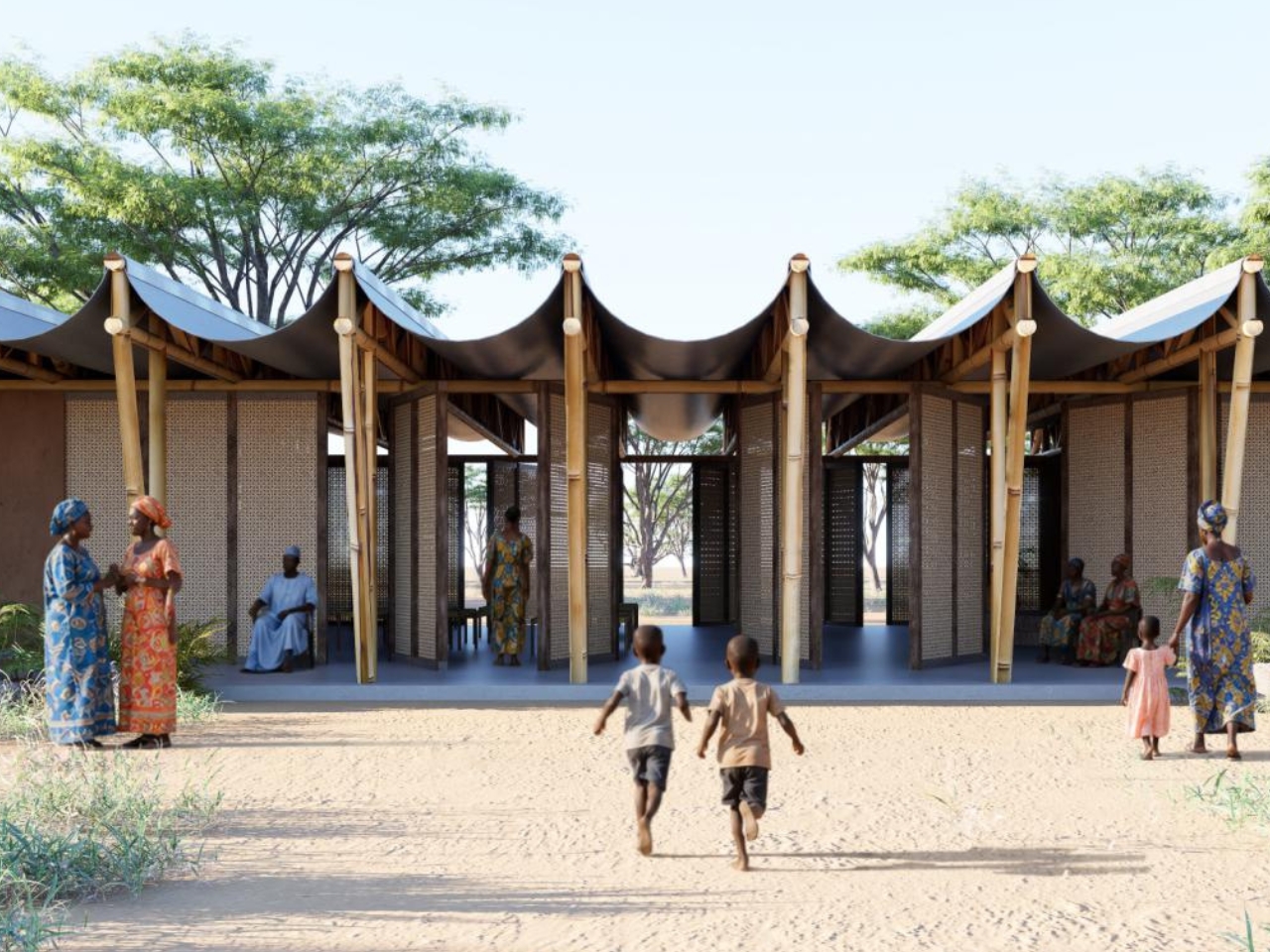
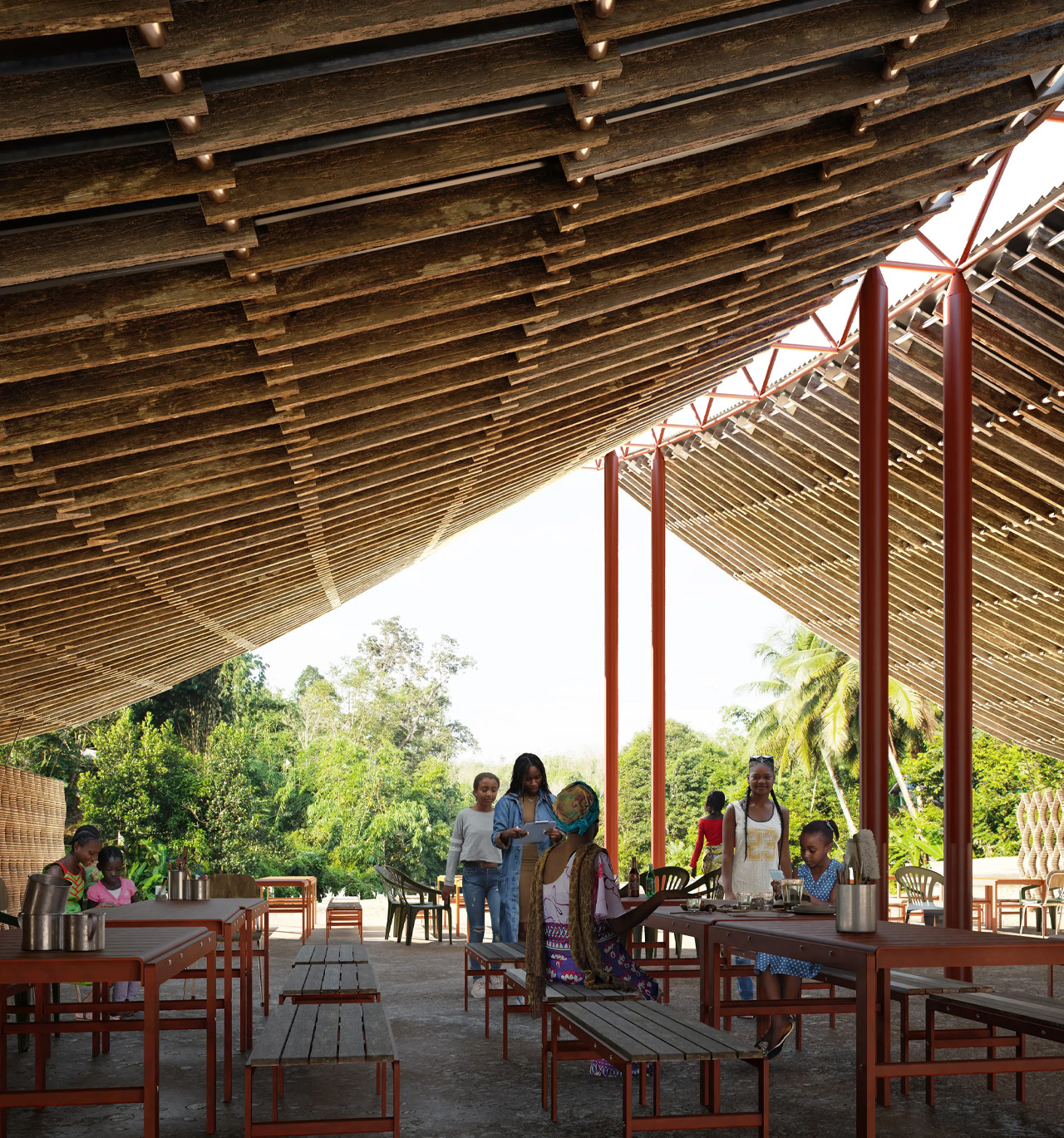
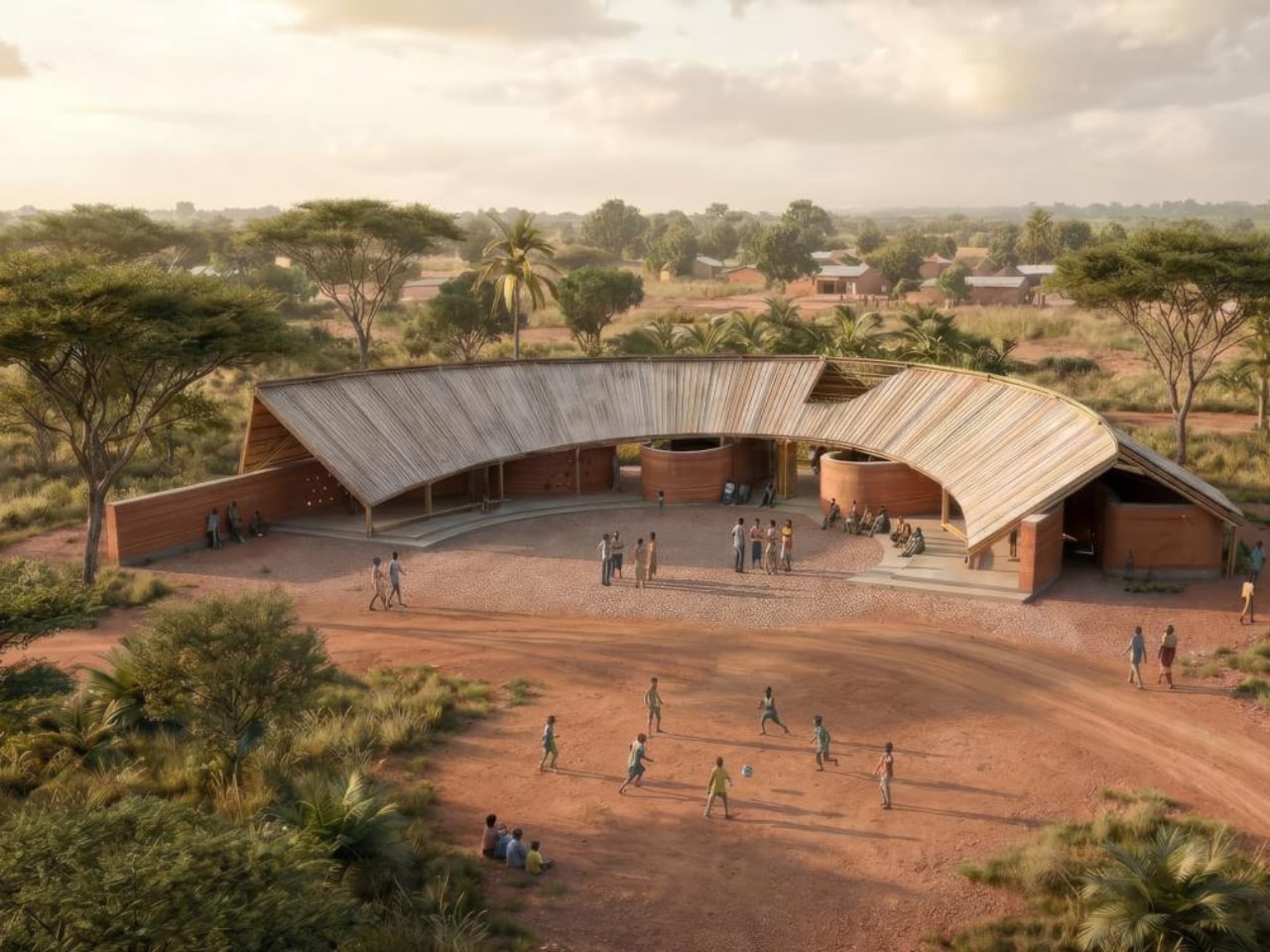
Their starting point wasn’t a sketching pad. It was a centuries-old architectural typology from the Casamance region: the impluvium house. The impluvium is organized around a central open courtyard where rainwater collects, light filters in, and daily life unfolds. Rather than import a foreign design idea, the two designers took that logic and scaled it up to serve a whole village. The result is a community center that feels born from the place rather than placed onto it, a distinction that matters enormously when we talk about design for underserved communities.

The materiality is just as considered. The primary structure uses tapia, a rammed earth technique that draws on red laterite soil dug directly from the site. It’s a building material with deep roots in West African construction, practical, thermally efficient, and locally executable without heavy machinery. Above it, the roof is a bamboo truss system, lightweight and renewable, assembled in a way that allows for natural ventilation and keeps the interior cool in a climate that demands it. Together, the materials tell a cohesive story: this structure was designed to be built by the people who will use it and to age gracefully within the landscape it sits in.
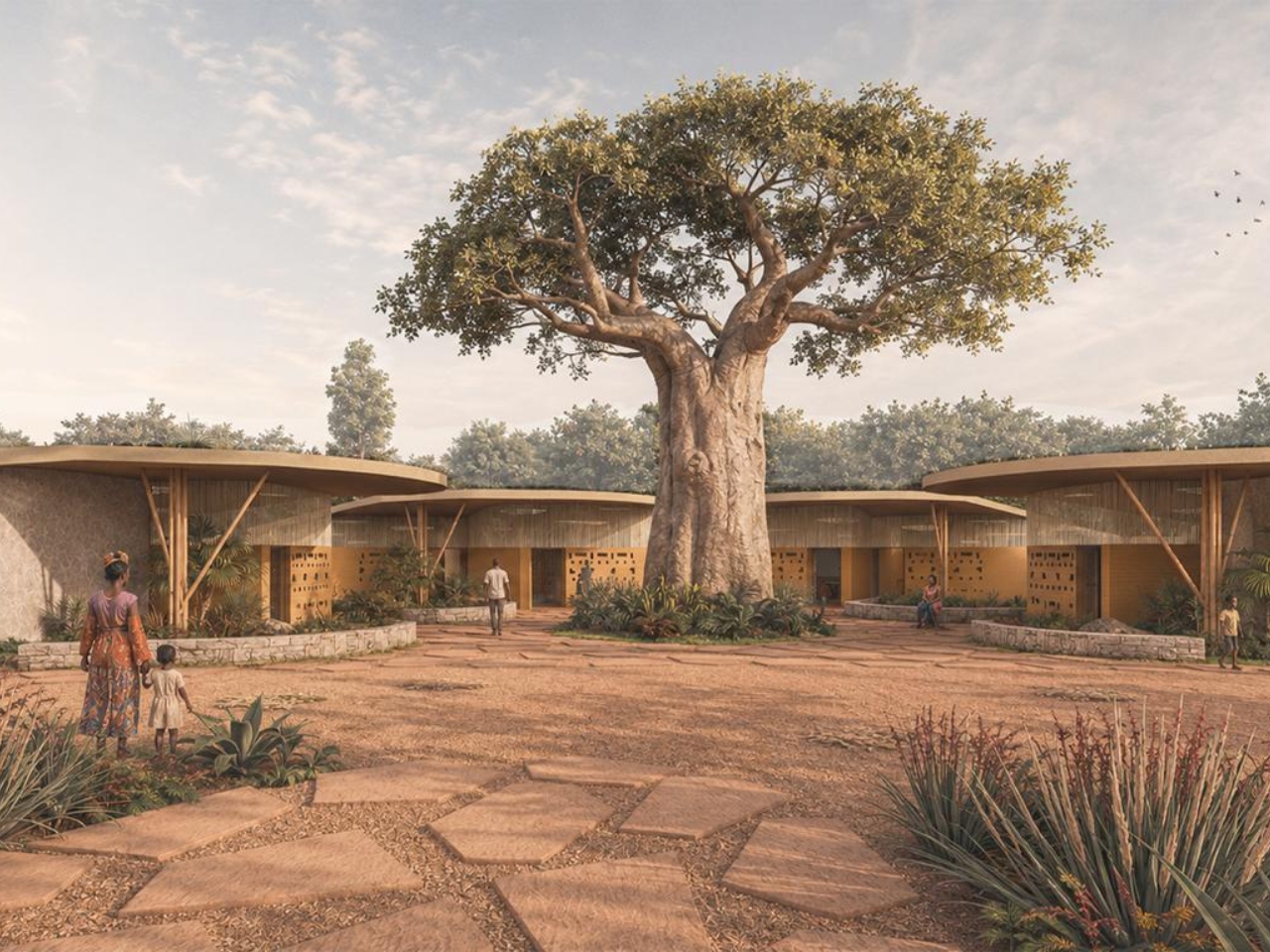
The prize package reflects just how seriously the competition takes its mission. Ioannidou and Gligorovski walked away with €6,000 and an internship at Kengo Kuma & Associates in Tokyo, one of the most formally inventive firms in contemporary architecture. It’s a combination of recognition and opportunity that points to what Kaira Looro does well: it doesn’t just celebrate ideas, it cultivates careers while centering humanitarian impact.

If you’re not already following this competition, it’s worth understanding what sets it apart. Previous winners haven’t just gathered dust on a portfolio page. The Children House, which took top honors in an earlier edition, is now in the final stages of construction as a medical center specializing in childhood malnutrition treatment in rural Senegal. The designs are meant to become real buildings for real people, and that raises the stakes considerably for everyone involved.
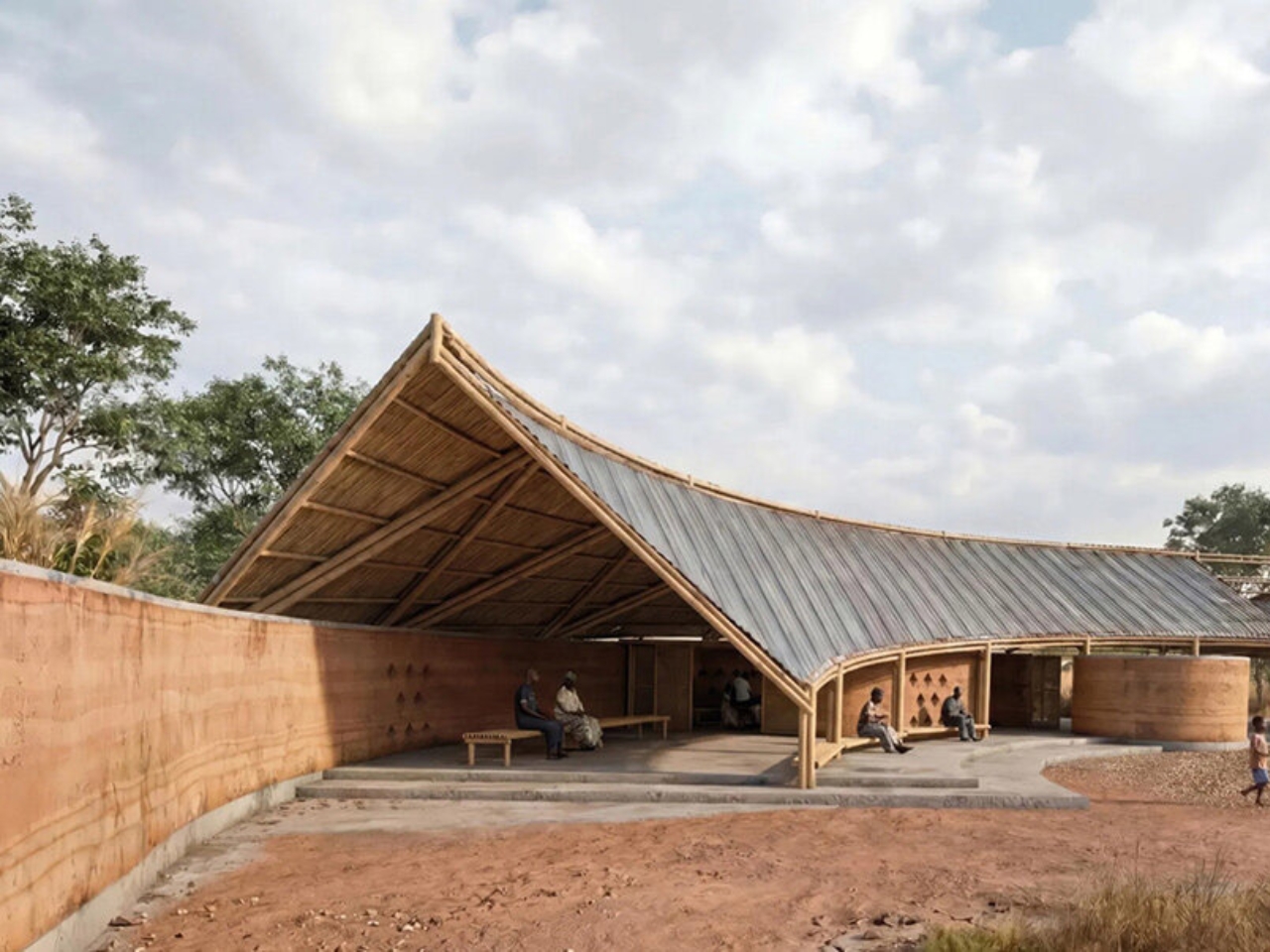
What makes Ioannidou and Gligorovski’s proposal so satisfying isn’t just its elegance on paper. It’s the philosophy underpinning every decision. The building belongs to the village first and to specific programs second. That’s a line straight from their own concept, and I think it should be printed and pinned above the desk of every architecture student right now. Architecture has a long and complicated history of showing up in communities it doesn’t understand, building things that look impressive in renderings but fail to serve the people they were supposedly designed for. This project pushes back against that instinct quietly, without grandstanding. The best design, at its core, listens before it speaks. This community center for rural Senegal does just that.
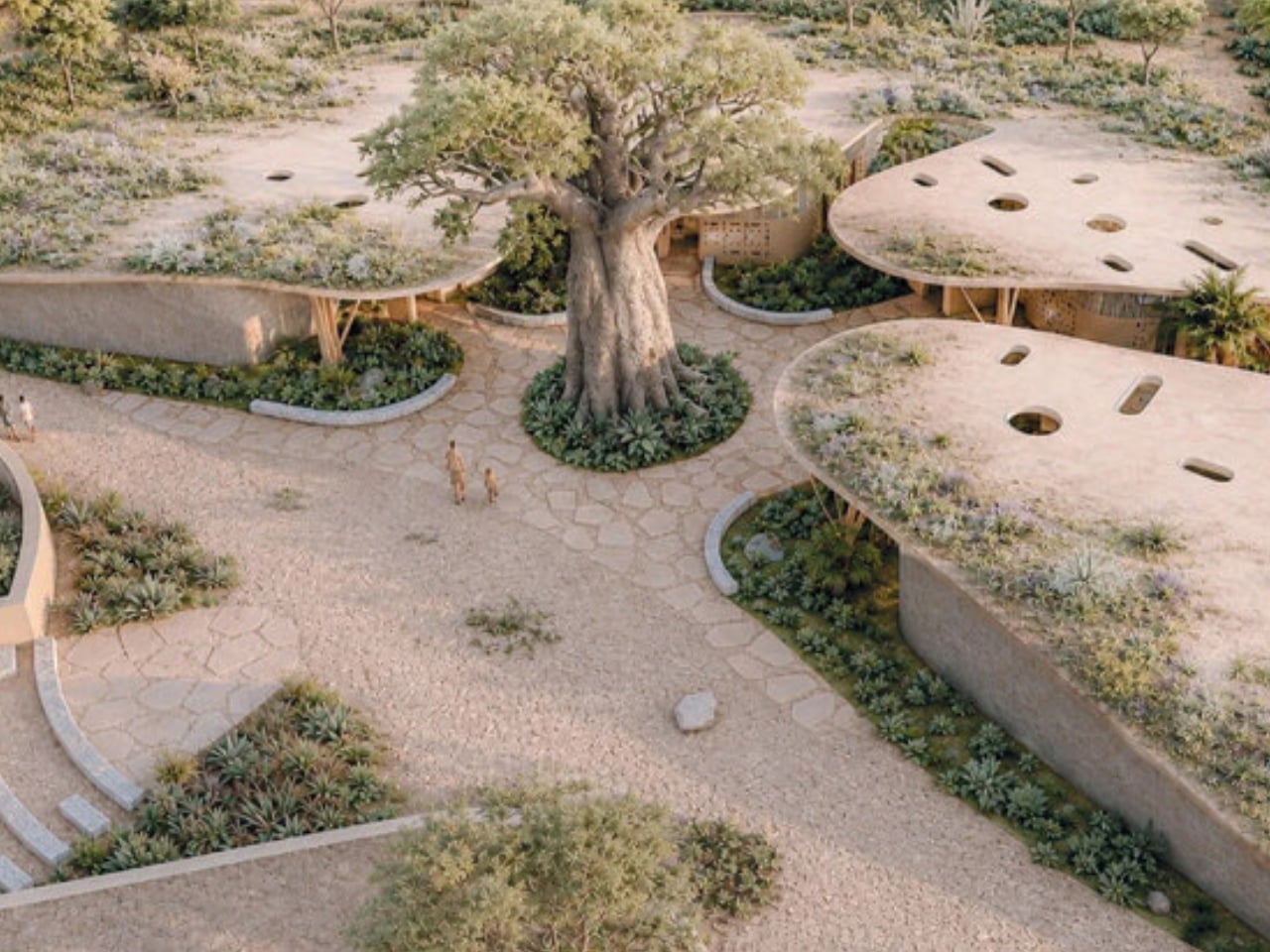
The post Mud, Bamboo, and a Big Idea for Rural Senegal first appeared on Yanko Design.
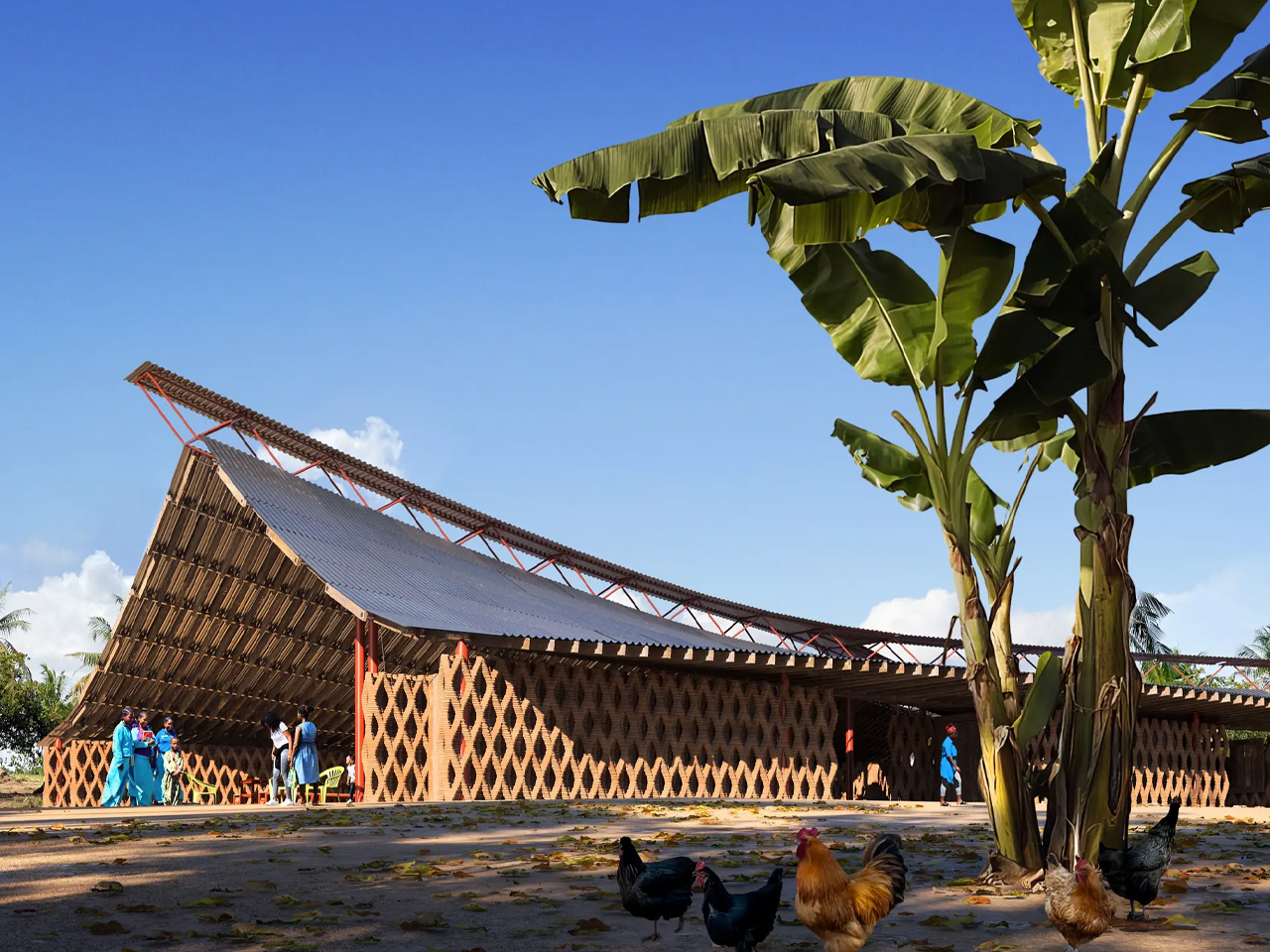
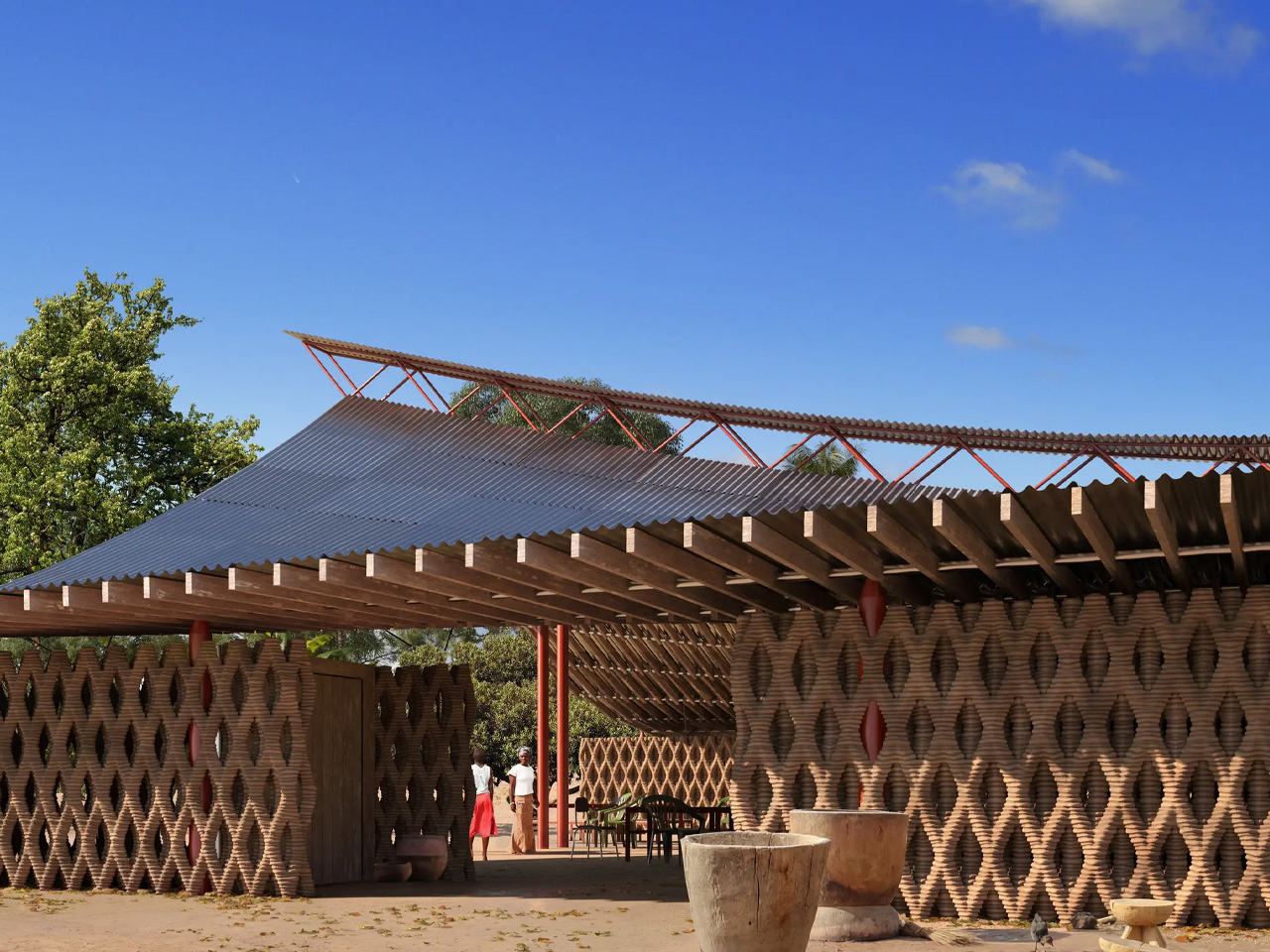
This Community Center In Tanzania Features A Cutting-Edge 3D-Printed Design Made Using Earth

Designed for the Hope Village, this upcoming community center in Tanzania features a mindblowing 3D-printed design. Instead of being constructed from layered concrete like typical 3D-printed projects, the walls will be built using locally sourced soil. Designed by Hassell in collaboration with the Australian-based charity foundation One Heart, the community center is part of an expansive plan to offer housing, childcare, school, and skills training to young girls in Kibaha, eastern Tanzania.

Designer: Hassell x One Heart

“The Hope Village community hall design seeks to create a beautiful, functional, safe, and uplifting environment that provides both hope and education for vulnerable girls,” says Mark Loughnan, Principal, and Head of Design at Hassell. “The hall is a welcoming space that creates an innovative central activity hub connecting with its surrounding environment. The design and building process for the hall aims to engage the community and provide ongoing opportunities for local participation and education throughout construction.”

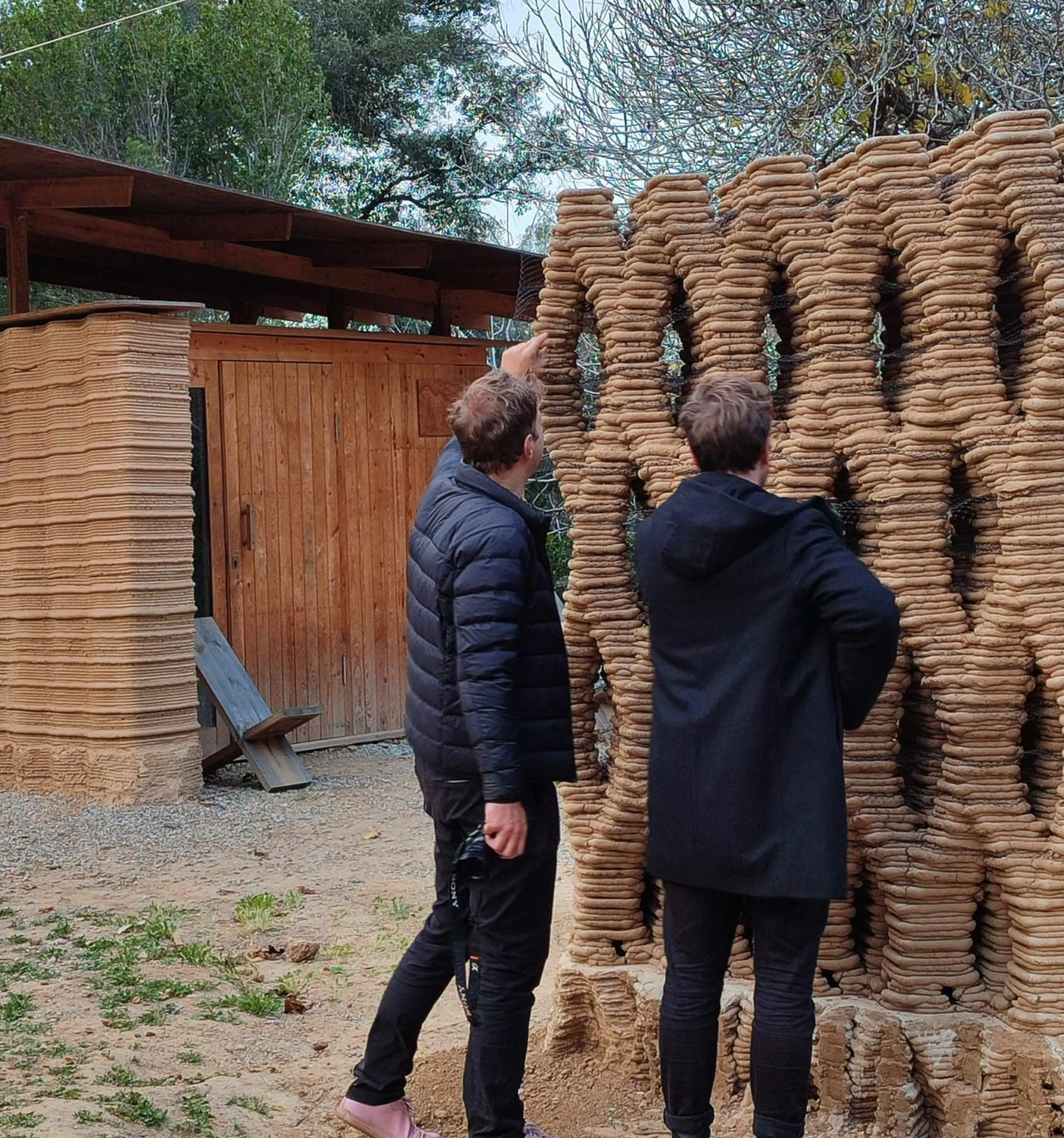
The community center is designed to be pretty complex, and it includes walls that are made using soil sourced within 25 km of the site and a WASP 3D printer. The center will be printed using a clay-based earthen mixture, released from a nozzle in layers. The walls will be reinforced with a thin wire mesh between layers.

As you enter the community center, you are welcomed by a massive open floor plan that perfectly suits the local climate. It includes a limited number of columns to support flexibility. A central steel beam was constructed to be the structural spine of the center, and it supports a roof built from locally sourced timber sections. The roof is equipped with cladding made from readily available corrugated metal sheet panels, which keeps the project budget-friendly. The project also includes the Institute for Advanced Architecture of Catalonia, IAAC, and Clarke Hopkins Clarke.

The post This Community Center In Tanzania Features A Cutting-Edge 3D-Printed Design Made Using Earth first appeared on Yanko Design.
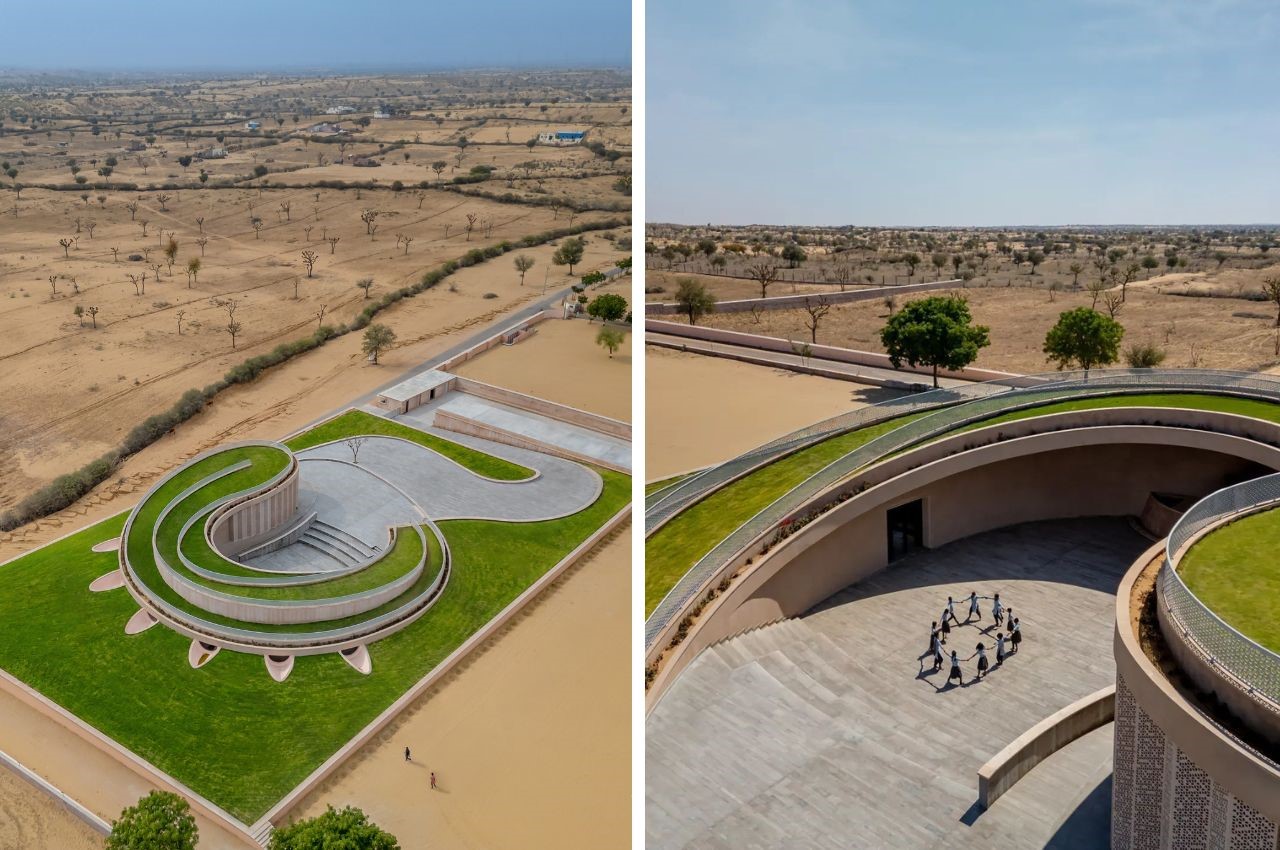
The Nokha Village Community Centre Is A Visionary Architectural Marvel in Rajasthan’s Bikaner District

In the heart of Rajasthan’s Bikaner district lies the village of Nokha, a place where the scorching sun dominates the landscape for the better part of the year. Here, amid a landscape where shade is a precious commodity, a beacon of hope and innovation has emerged: the Nokha Village Community Centre completed in February 2024. Designed by the visionary team at Sanjay Puri Architects, this elliptical marvel stands not only as a testament to architectural ingenuity but also as a symbol of community empowerment and cultural revival.

Designer: Sanjay Puri Architects

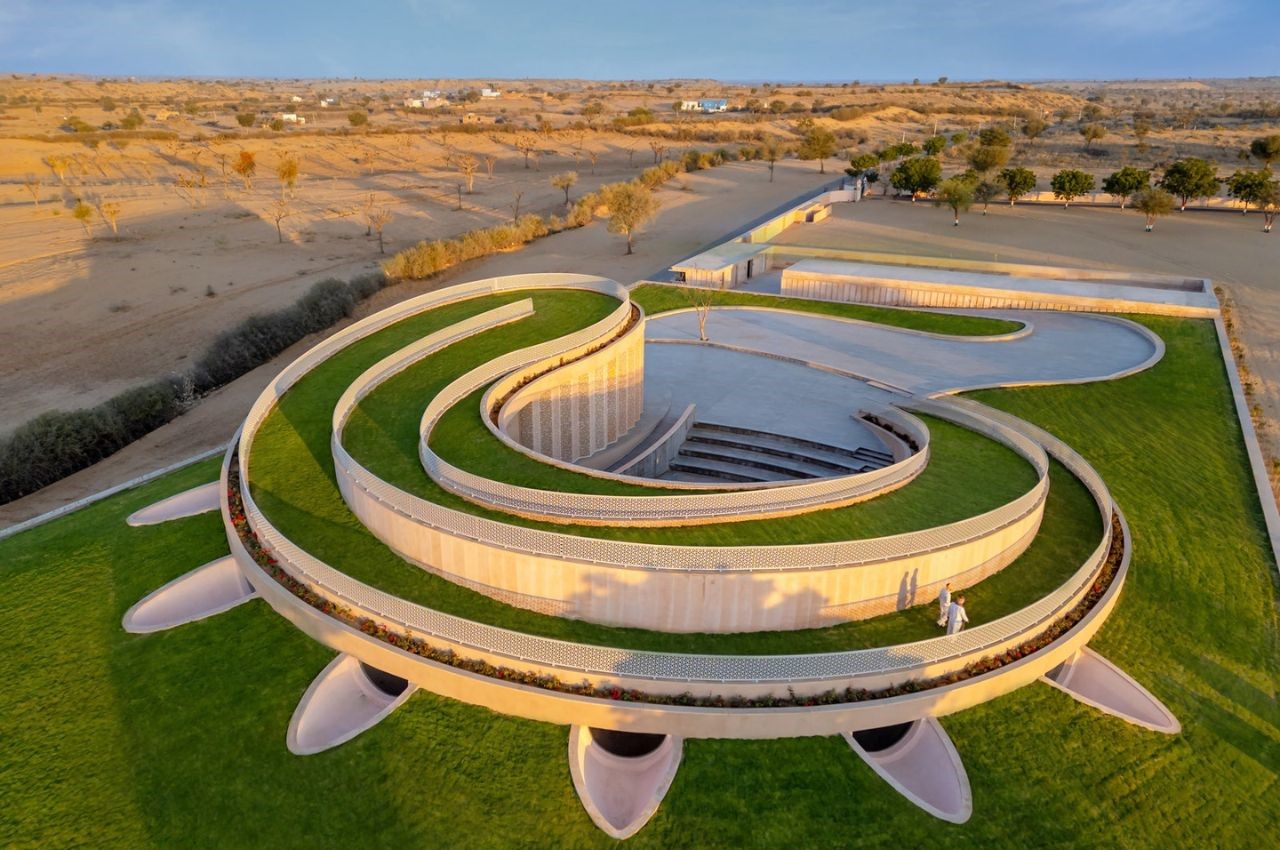
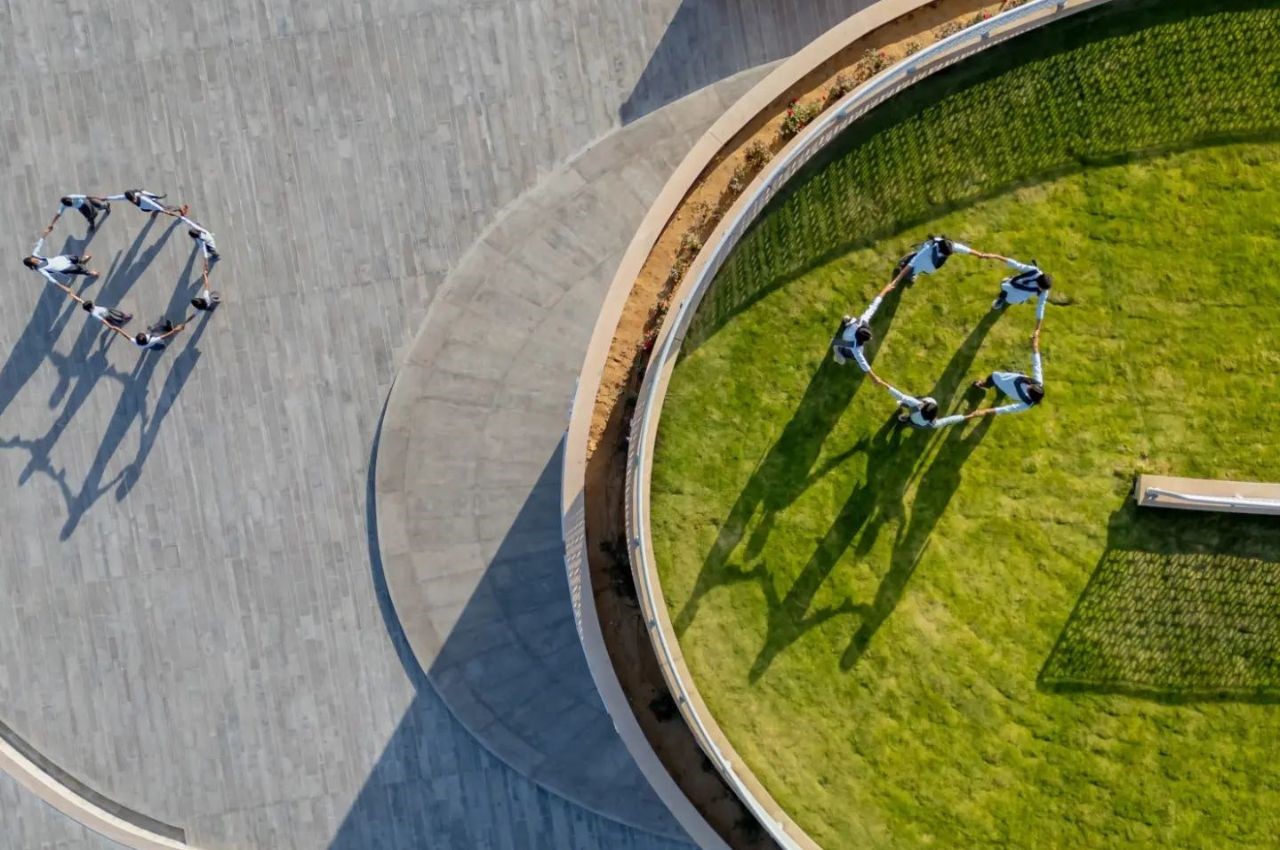
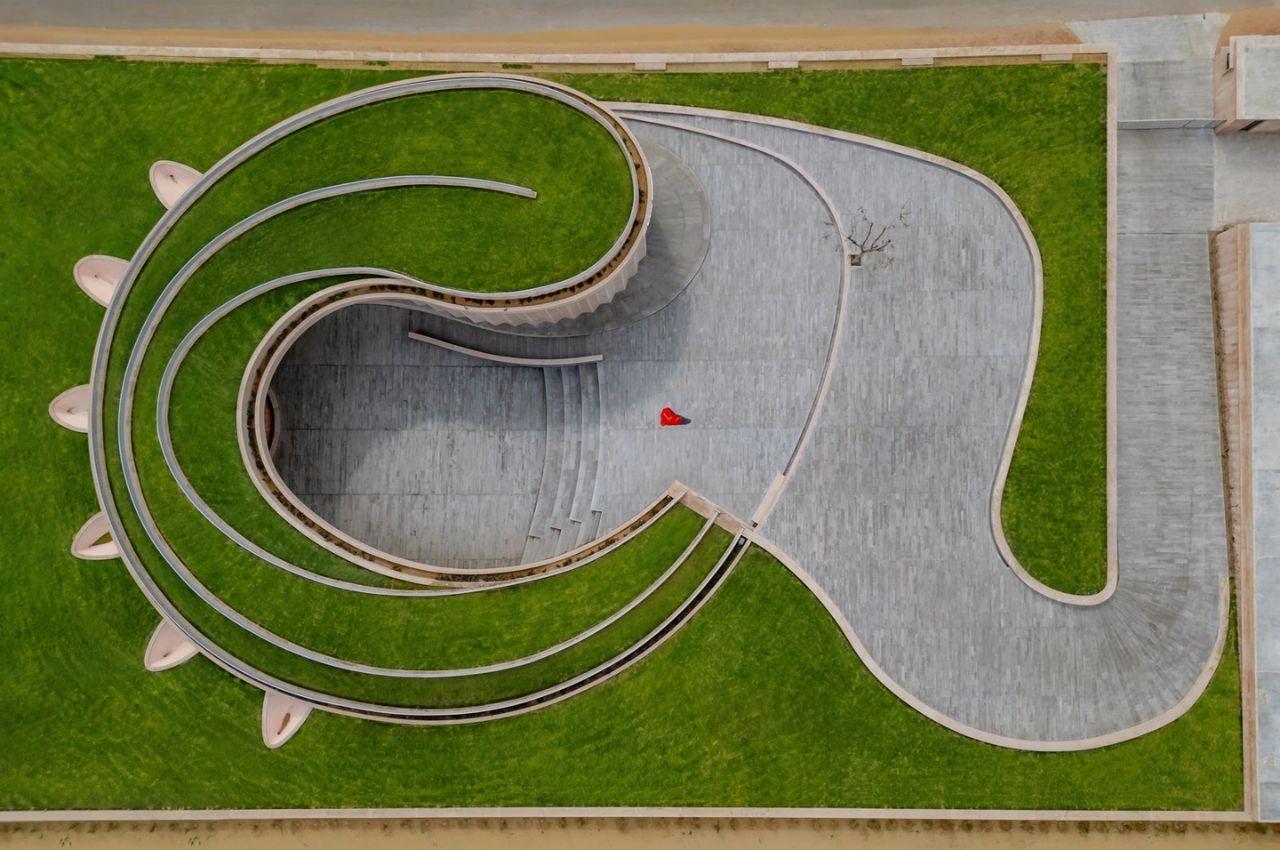
For the residents of Nokha and its 143 neighboring hamlets, the Community Centre represents more than just a building; it’s a lifeline to knowledge, art, and connection. Most government schools in the area lack libraries, leaving students to seek refuge under the nearest tree for their studies. However, with the inauguration of the Community Centre, a new era of learning has dawned. This 9,000 sq. ft. structure, spiraling like a sand dune, offers a sanctuary for education and artistic expression.

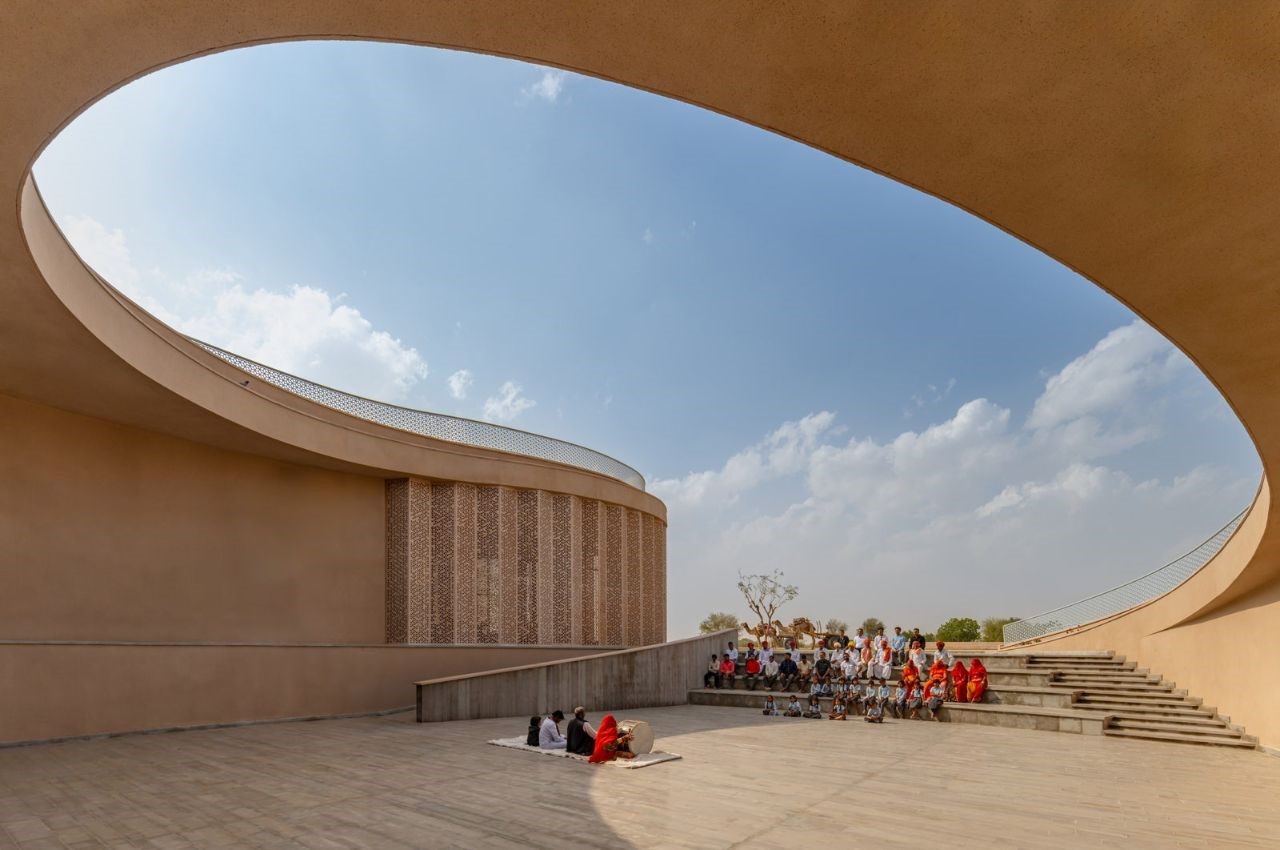
Sanjay Puri and his team are renowned for their avant-garde designs, often characterized by organic forms and abstract shapes. True to form, the Community Centre rises from the desert landscape with a sweeping curvilinear volume, creating an open courtyard that embraces the surrounding environment. Despite its modest footprint, the Centre maximizes usable space, boasting a large auditorium and rooftop gardens that offer panoramic views of the desert vistas.

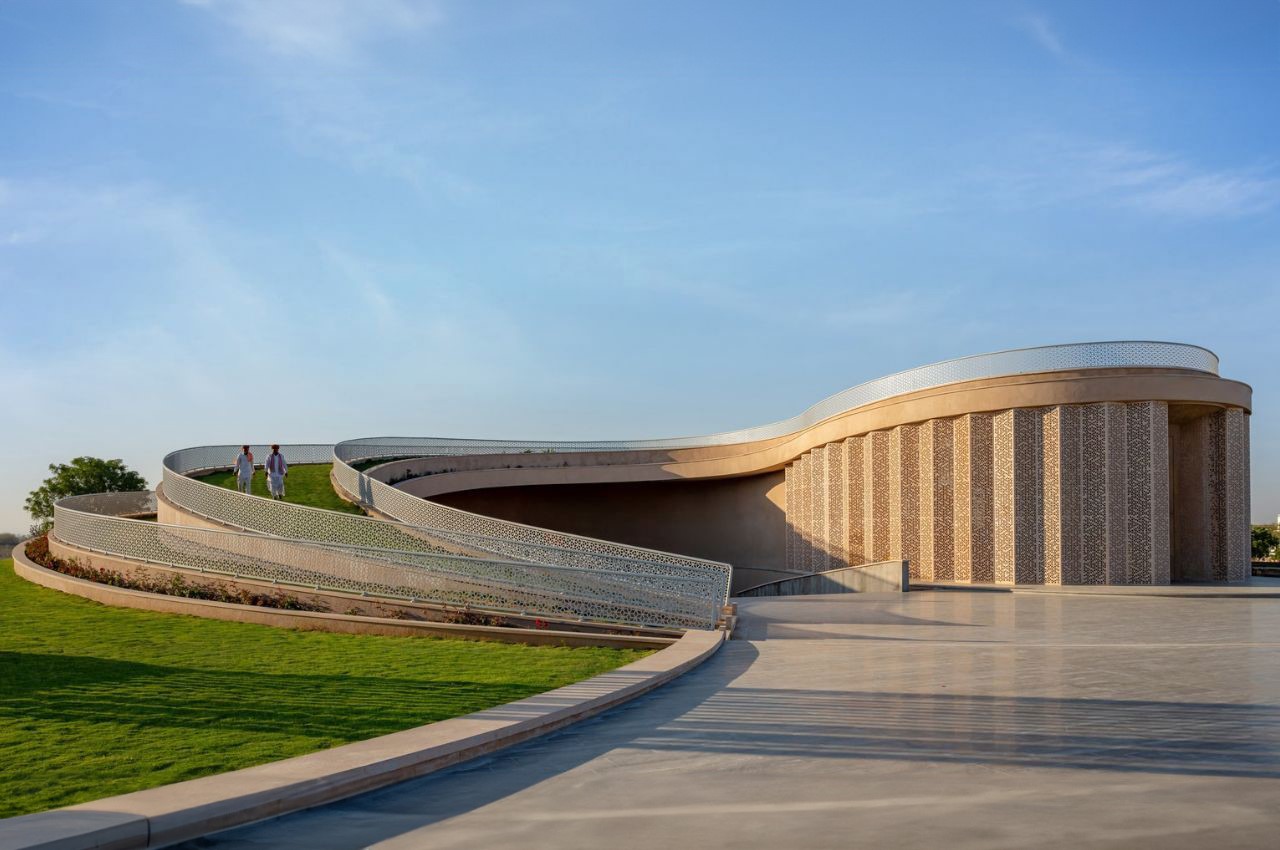
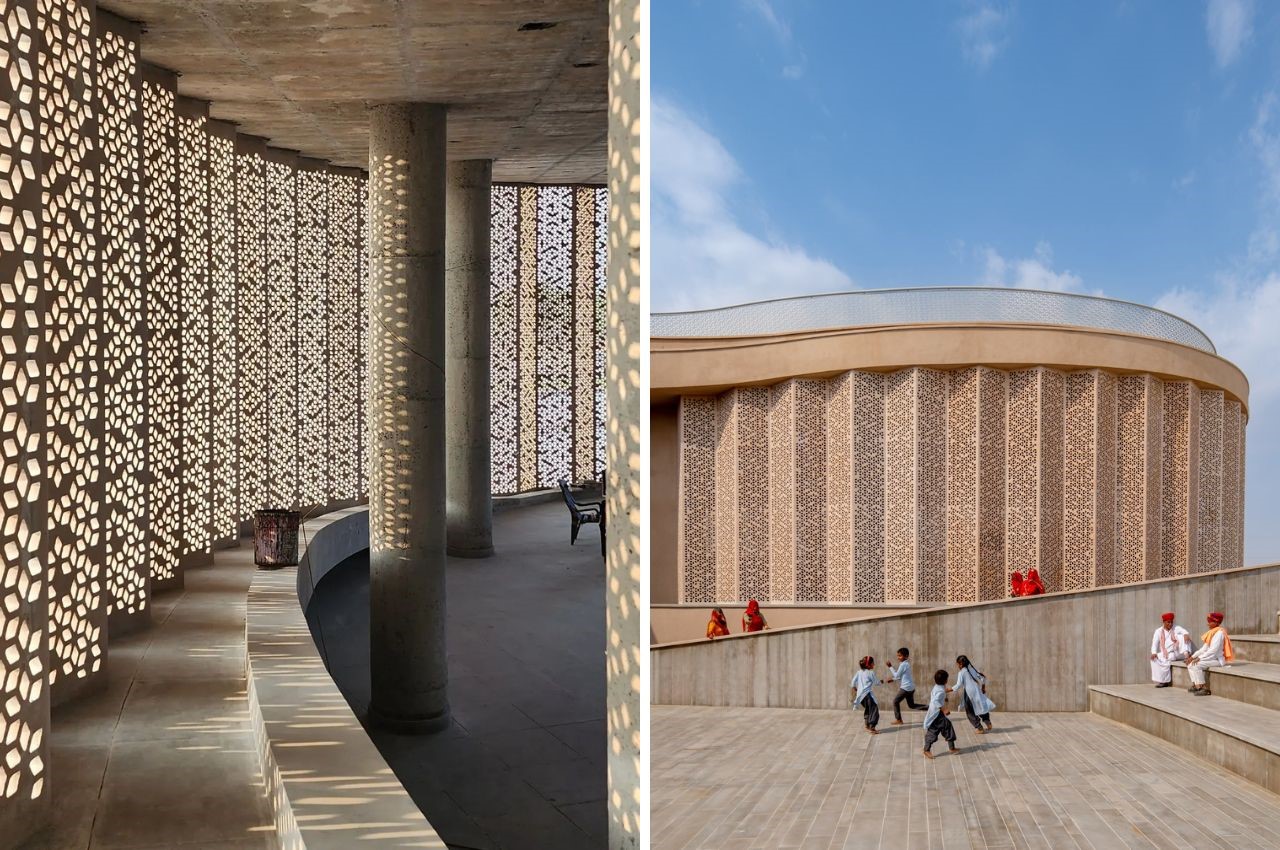
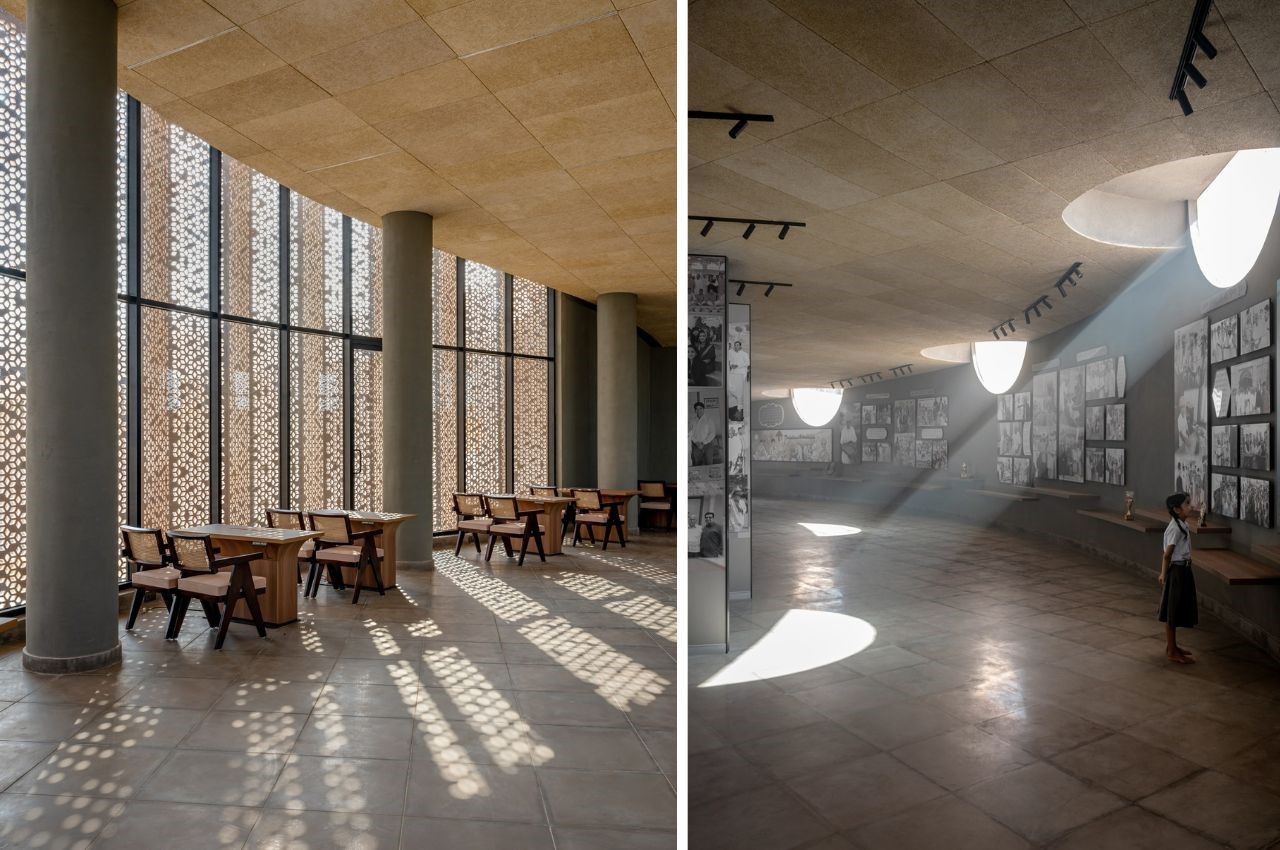
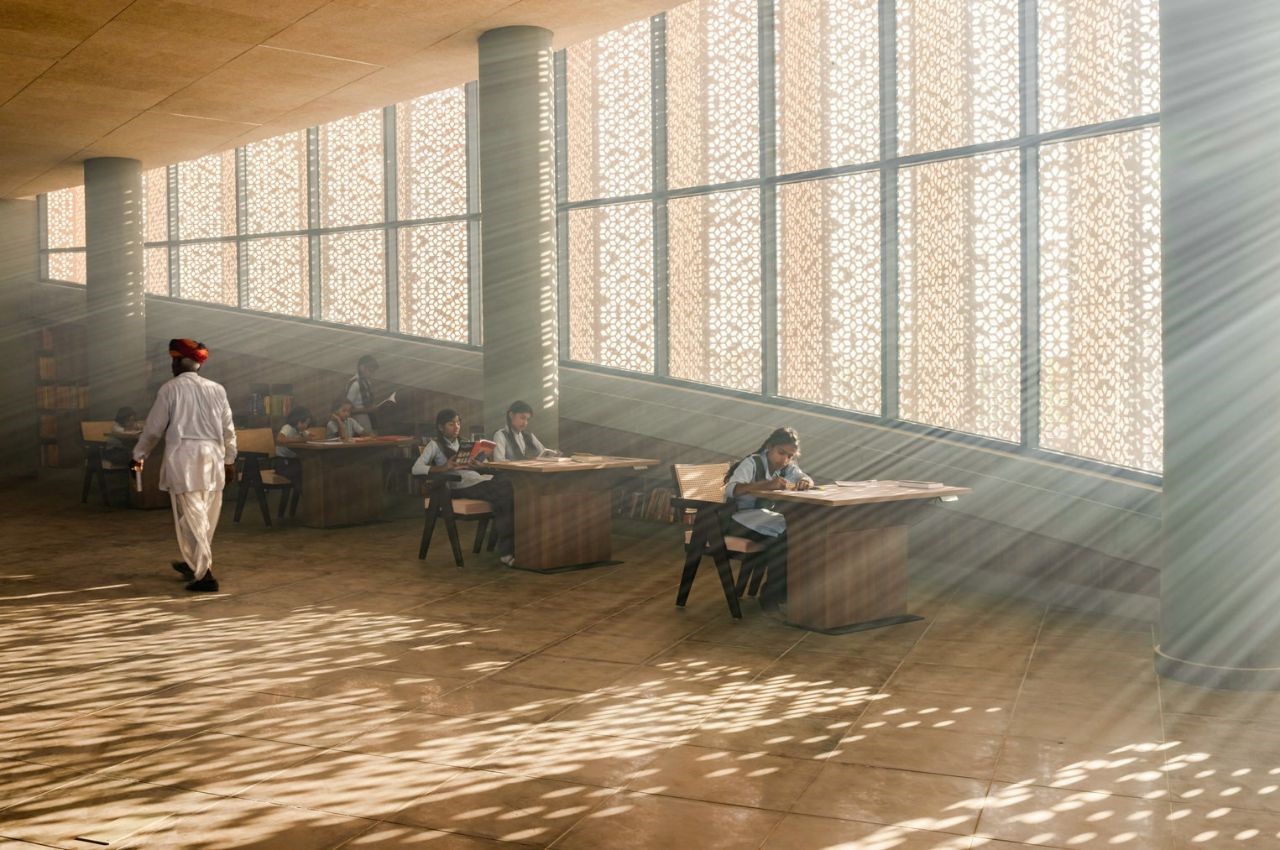
What sets the Nokha Village Community Centre apart is its versatility. Here, anyone can find solace, inspiration, or entertainment. The digital children’s library caters to students from across the region, while the amphitheater hosts lively performances and social gatherings after sundown. Every element of the design, from the egg-shaped library clad in locally sourced sandstone to the intricately patterned jali facade, serves a dual purpose of aesthetics and functionality.

But the true brilliance of the Community Centre lies in its response to the harsh desert climate. Through strategic design elements such as stone screens, north-facing courtyards, jali facades, and grass berms, Sanjay Puri Architects have created a space that remains cool and inviting, even in the blistering heat. By harnessing traditional architectural techniques and modern innovations, the Centre stands as a model of sustainability and environmental stewardship.

Moreover, the Centre’s impact extends far beyond its walls. By fostering a culture of learning and collaboration, it serves as a catalyst for community development and social cohesion. Through initiatives like the Padhe Bharat Badhe Bharat program, the Centre empowers residents to pursue education and lifelong learning, bridging the urban-rural divide one visitor at a time.

The post The Nokha Village Community Centre Is A Visionary Architectural Marvel in Rajasthan’s Bikaner District first appeared on Yanko Design.