A 20-Square-Meter Boulder-Shaped Cabin That Blends Right Into The Pyrenees

High in the Pyrenees, where forests, rock, and weather dictate their own quiet rules, Forestone Cabin appears less like a building and more like a geological event. At just 20 square meters, this experimental wooden dwelling does not announce itself as architecture in the conventional sense. Instead, it feels as though it has always been there, something solid that rolled down the mountain long before anyone thought to give it a name.

Designed and built by the 2025 cohort of the Master’s in Ecological Architecture and Advanced Construction at IAAC – Institute of Advanced Architecture of Catalonia, Forestone Cabin is part of the Bio for Piri initiative, led by Fundació Catalunya La Pedrera and funded by the Biodiversity Foundation through European Next Generation funds. The project champions regenerative forestry and the intelligent use of local timber sourced from Pyrenean forests in Alinyà, Lleida, an ambition that is embedded into every layer of the cabin.

Designer: IAAC – Institute for Advanced Architecture of Catalonia

Installed at MónNatura Sort, the cabin occupies a sloping site near an existing mountain hostel. Designed to host two people, it compresses a sleeping area, workspace, and bathroom into a compact yet carefully calibrated interior. Nothing here is excessive. Every surface, angle, and opening earns its place.

Formally, the cabin takes its cues directly from the landscape. Its faceted geometry, composed of inclined walls and a sloping roof, responds to solar exposure, climatic conditions, and internal program, subtly shaping how the interior is experienced. Ceiling heights shift almost imperceptibly to define zones, while precisely positioned openings frame views of the Pyrenean mountains and allow cross ventilation. At night, operable wooden shutters seal the cabin into complete darkness, eliminating light pollution and supporting the site’s astronomical activities. It is a reminder that sometimes the most sustainable gesture is knowing when to disappear.

The exterior is clad in pine boards with natural edges, charred using the Japanese Yakisugi, or Shou Sugi Ban, technique. Burned by the students themselves, the wood gains resistance to insects, water, mold, and fire, while also carrying symbolic weight. Fire is a constant presence in Pyrenean forest management, and even the name Pyrenees traces back to pyros, the Greek word for fire. Here, charring becomes both protection and narrative.

Inside, Forestone transforms into a fully integrated wooden environment. Custom-designed CLT elements form not only the structure but also the furniture, including beds, seating, storage, and the washbasin counter. All components were fabricated by students at Valldaura Labs. Architecture, structure, and furniture collapse into a single material system, reinforcing a hands-on approach where making is inseparable from thinking.

The material story does not end with timber. During a wool festival in the nearby town of Sort, students collaborated with local farmers to collect sheep’s wool, later transformed into felt with the support of Dutch artist Rian van Dijk. The resulting blankets, rugs, and pillowcases introduce softness and warmth while grounding the project in local agricultural cycles. A stone sourced from the surrounding landscape was hand-carved into a washbasin, turning a found object into a daily ritual.

From the outset, Forestone Cabin was designed as a prototype. Its modular CLT system, dry assembly methods, and reliance on local materials allow it to be adapted, replicated, or dismantled with minimal impact. More than a cabin, it proposes a model for inhabiting forest landscapes responsibly, one that aligns education, craftsmanship, and ecological stewardship.

Opening to guests in January 2026 at MónNatura Pirineu, Forestone Cabin offers visitors more than shelter. It offers a way of thinking about forests not as resources to extract from, but as systems to participate in, carefully, thoughtfully, and with respect.

The post A 20-Square-Meter Boulder-Shaped Cabin That Blends Right Into The Pyrenees first appeared on Yanko Design.
This Costa Rican Home Chooses Air, Rhythm, and Silence Over Walls

Perched high above the Pacific coastline in Bahía Ballena, Costa Rica, Ojo de Nila is a house that feels less like an object placed on land and more like a continuation of it. Designed by Studio Saxe, with interiors by Atelier Sandra Richard, the home was created for a Swiss couple seeking a slower, more elemental way of living shaped by air, light, and landscape rather than mechanical systems and rigid enclosures.

A clear modular logic guides the architecture. A repeating series of structural bays follows the natural contours of the hillside, allowing the house to hover above the forest canopy instead of cutting into it. This decision preserves vegetation and natural water flow beneath the home while giving the structure a lightness that feels respectful of its setting. The modules do not read as repetition in the conventional sense. Instead, they become the framework for movement, rhythm, and flow.

Designer: Studio Saxe and Atelier Sandra Richard

Above these modules, the roof undulates in soft waves, behaving almost like a newly formed landform. Rather than acting as a simple cover, it mirrors the rolling topography of the surrounding hills and establishes a calming visual cadence as one moves through the house. The roofline continuously frames the Pacific Ocean, ensuring that the horizon remains a constant presence, never a backdrop but always an active participant in daily life.

Arrival is defined by elevation and openness. As you enter, there is no dramatic reveal or enclosed threshold. Instead, the house immediately opens itself to the ocean. The absence of enclosure on the ocean-facing side dissolves any clear boundary between inside and outside. Movement through the home is accompanied by the sound of wind through the forest, shifting light, and the distant rhythm of waves below.

The dining area is fully open to the landscape, with no windows or doors separating it from the environment. Meals unfold in direct conversation with climate and view, reinforcing a lifestyle centered on natural comfort. Adjacent to this space, the kitchen sits within the same modular grid. A long island anchors the room, illuminated by three pendant lights, while additional storage is discreetly tucked behind folding doors to maintain visual calm.

The living room balances structure and softness. A solid wood frame sofa grounds the space, layered with neutral cushions and tactile throws that invite rest. Rich timber flooring adds warmth underfoot, tying the interior palette back to the surrounding forest.

The bedroom continues this dialogue with nature through a curved open-air form. The sweeping roof and angled supports frame uninterrupted views of both forest and ocean. A low timber bed and minimal furnishings ensure that attention remains on light, air, and the ever-changing landscape beyond.

In the bathroom, restraint becomes luxury. A floating timber vanity topped with stone sits at the center of the space, while slatted wood and soft curtains filter light and create privacy without full enclosure. The result is a room that feels tactile, quiet, and gently connected to its surroundings.

Outside, the pool extends toward the horizon, visually blending with the sky and ocean. From above, its circular form reads like an eye, like a reflection, inspiring the home’s name. This gesture reinforces the idea of the house as an observer, always in dialogue with the landscape it inhabits. The deck echoes the pool’s curves, creating shaded and open zones shaped by the modular structure and flowing roof.

Ojo de Nila ultimately demonstrates how modular construction can enable expressive architecture without overpowering its context. Through repetition that allows curvature and structure that guides airflow, the house achieves a quiet, deeply considered balance between design and environment, inviting its inhabitants to live with nature rather than against it.

The post This Costa Rican Home Chooses Air, Rhythm, and Silence Over Walls first appeared on Yanko Design.
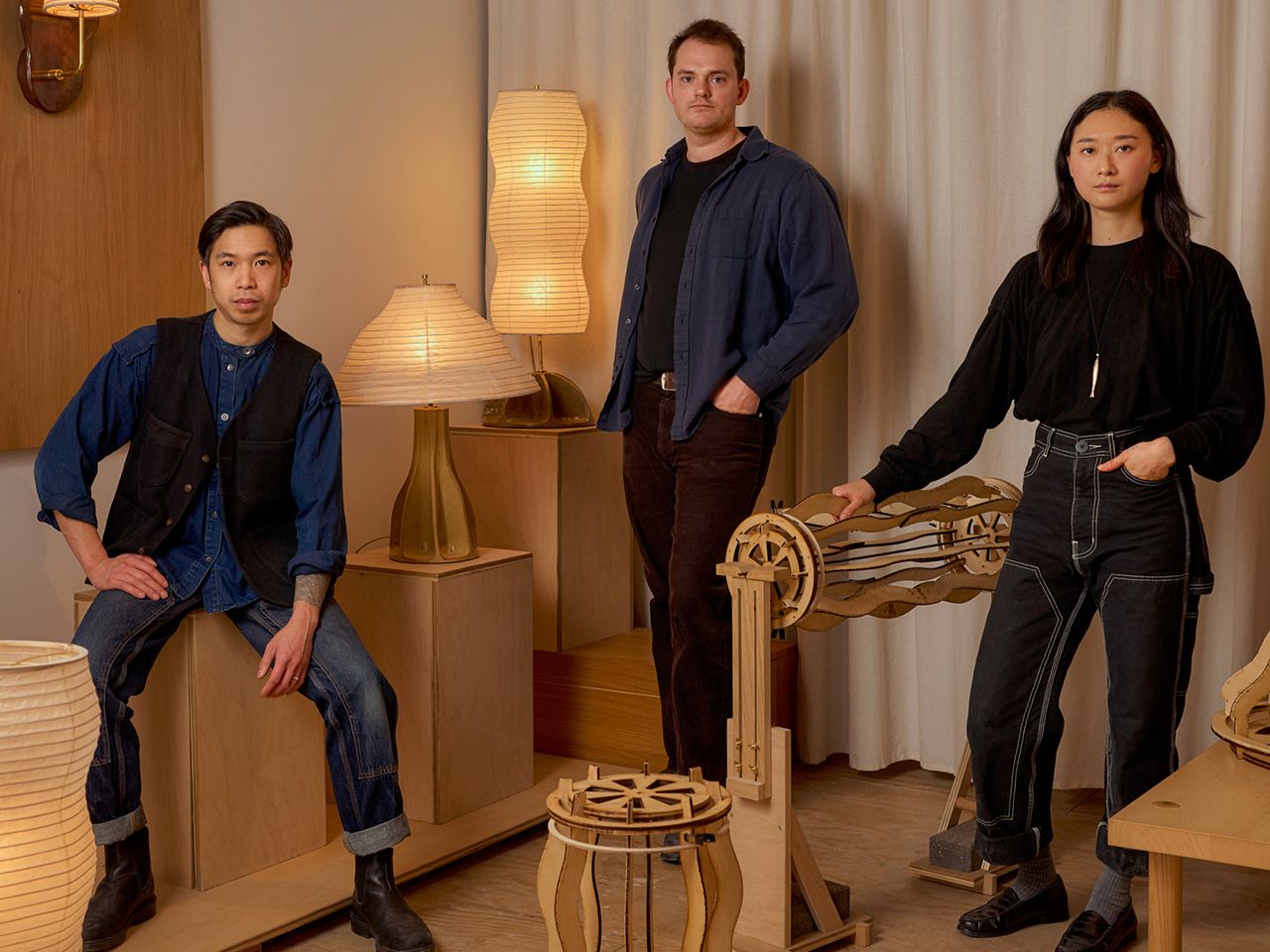
Nader Gammas’ Vessels Turns Light Into a Slow, Living Presence

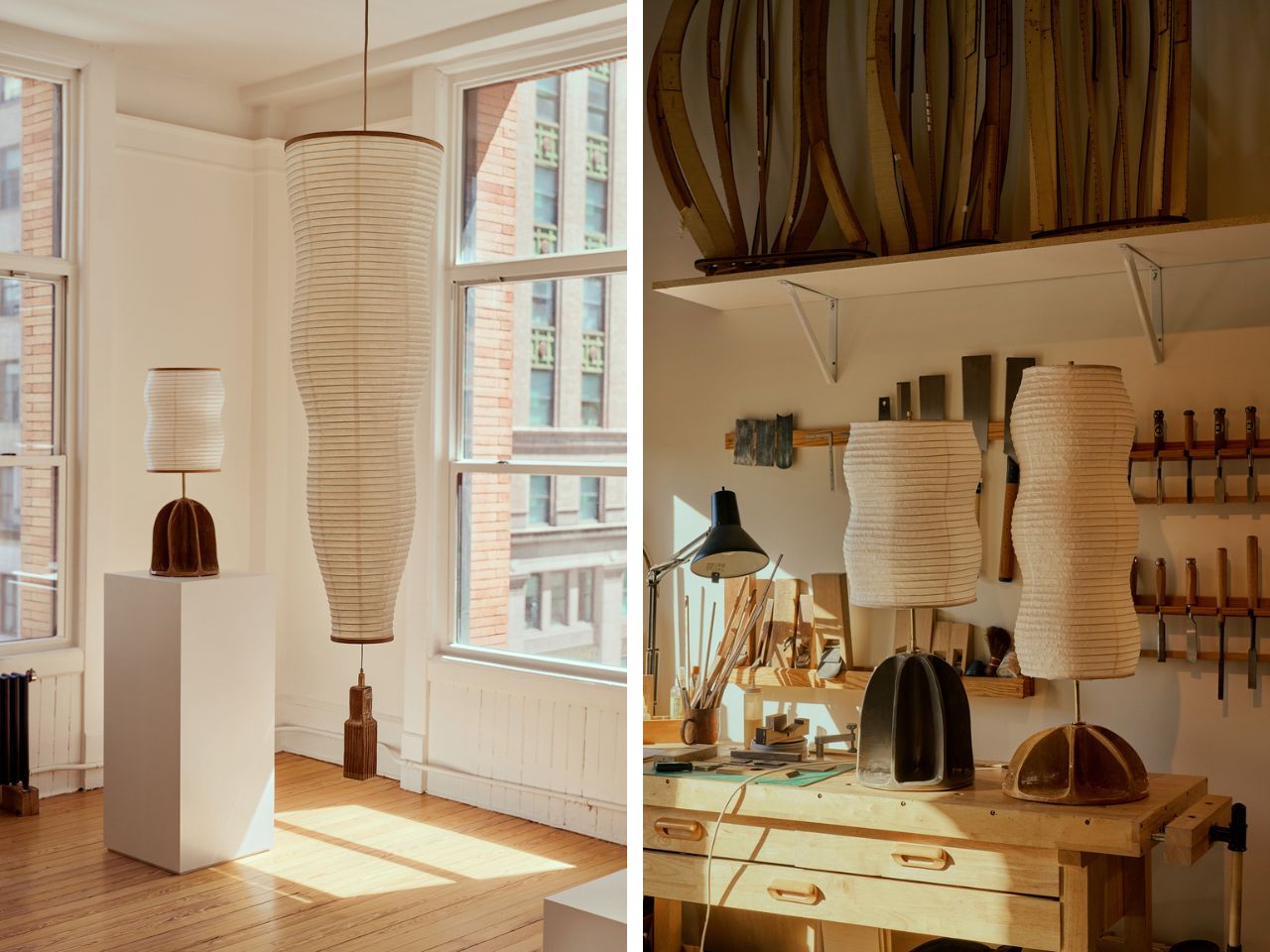
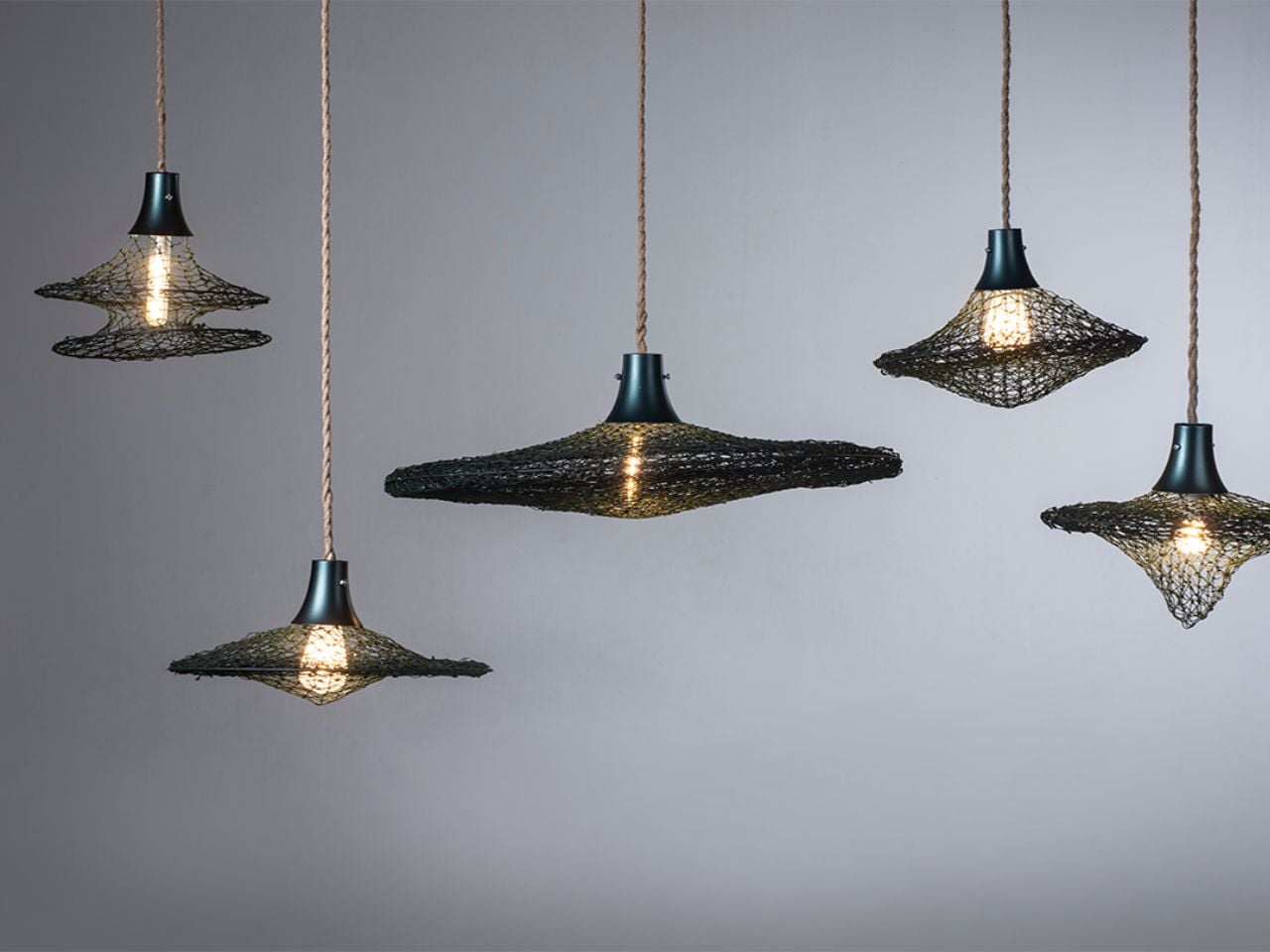
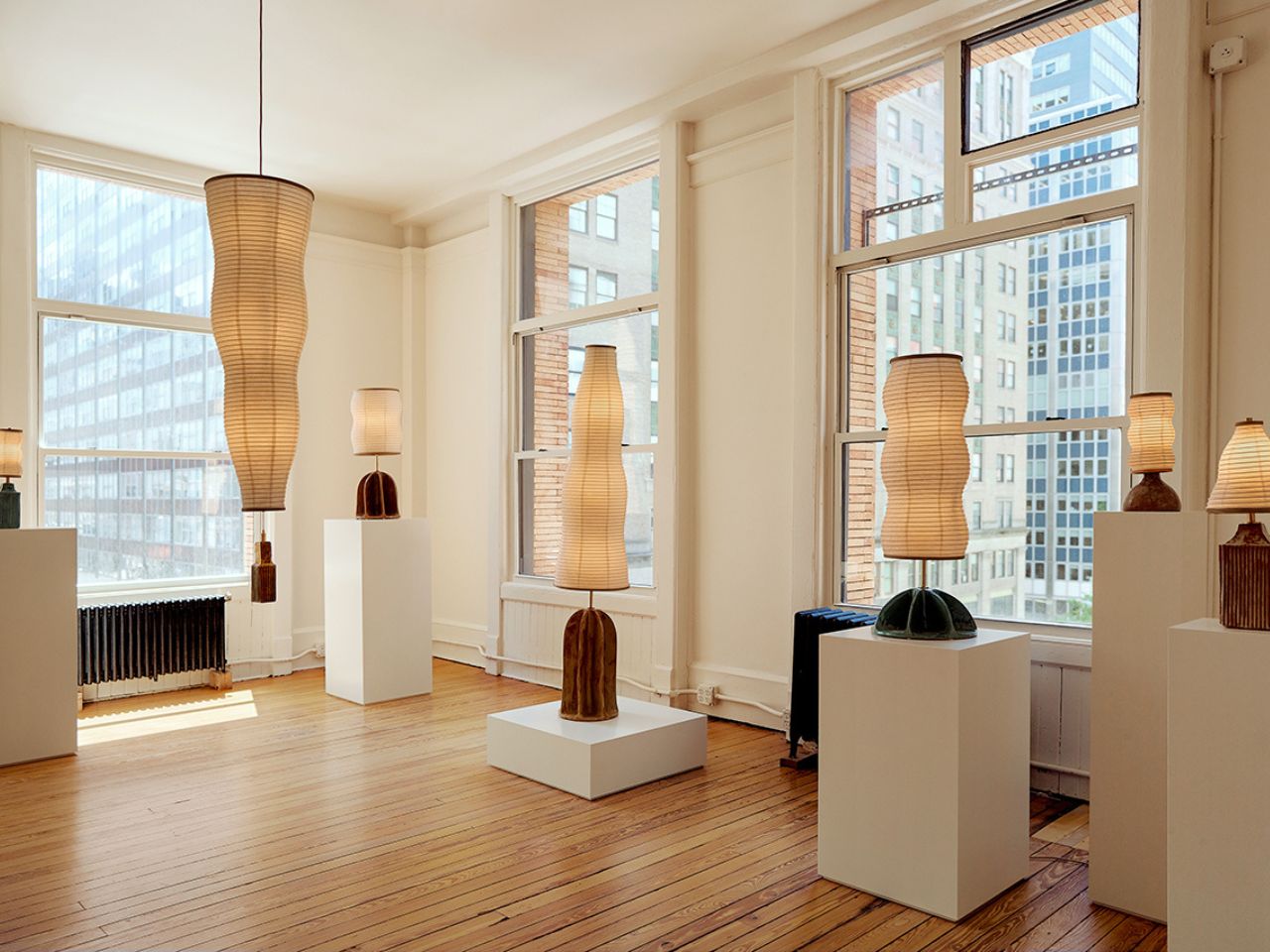
The Vessels collection feels like a quiet confession from Nader Gammas. Known for lighting defined by brutalist strength and architectural discipline, Gammas takes an unexpected turn inward with this series. The sharp certainty that once shaped his work softens here, replaced by forms that feel grown rather than constructed. These lights do not announce themselves. They linger. They unfold slowly, like something discovered rather than designed.

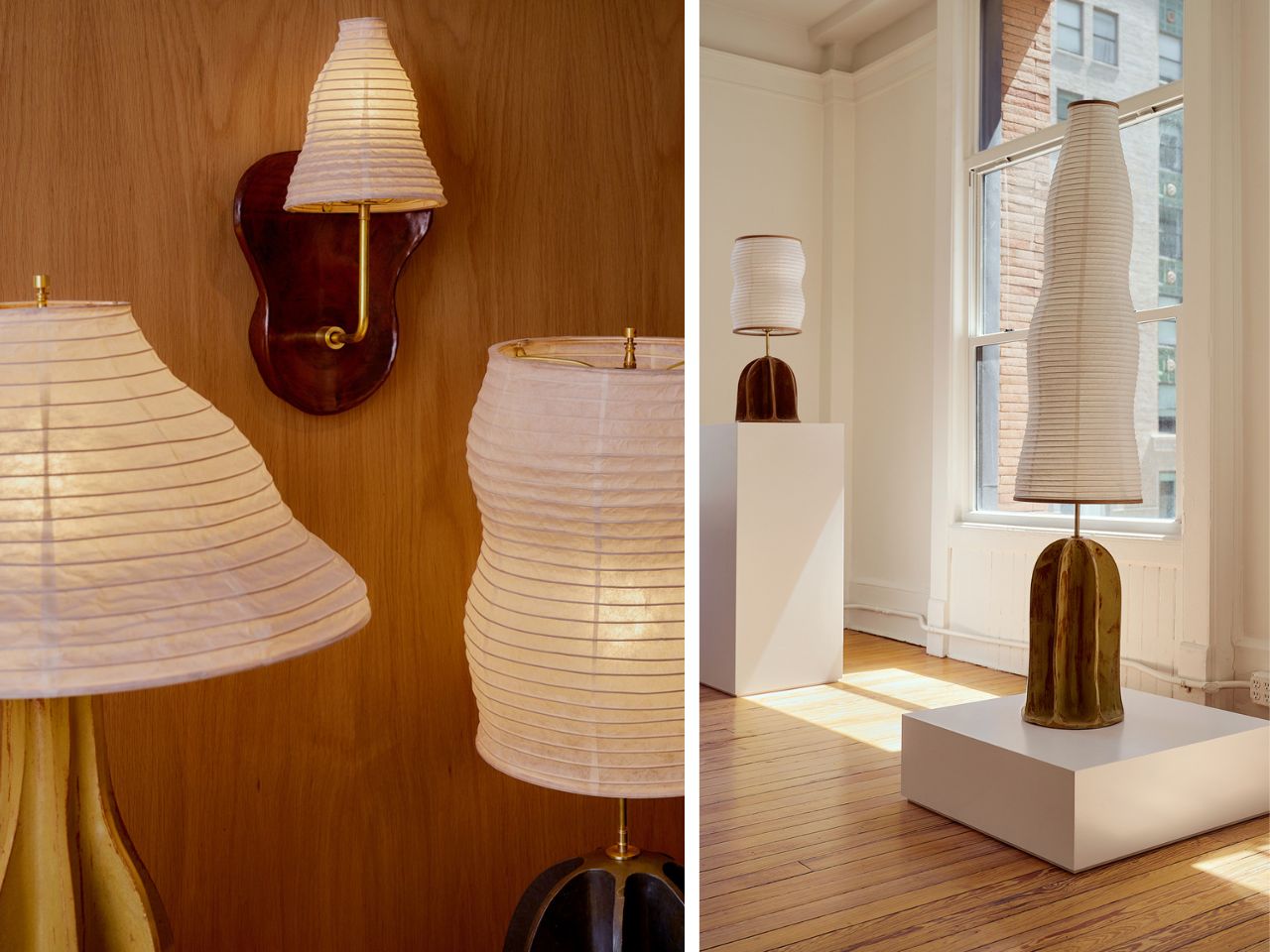
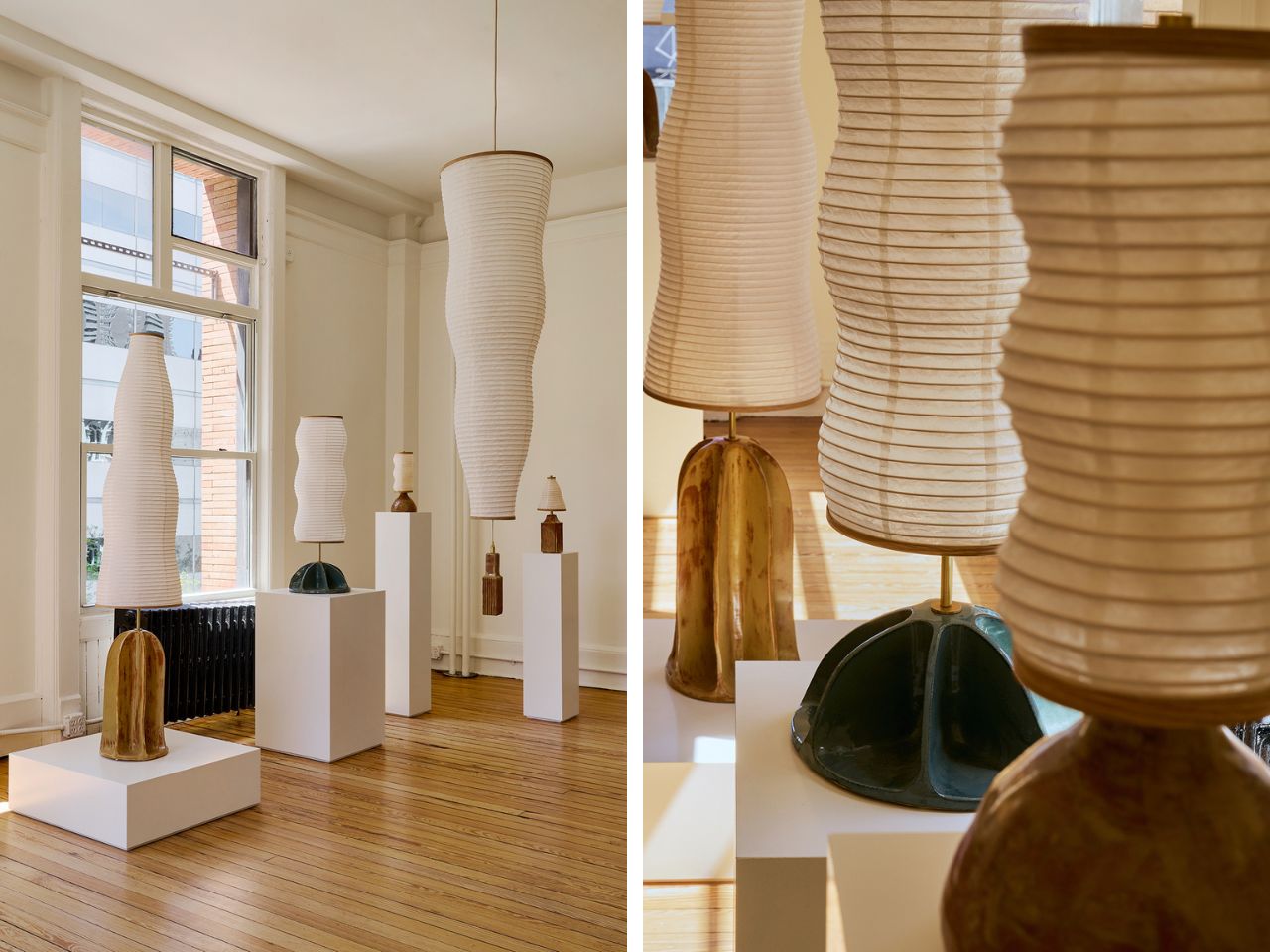
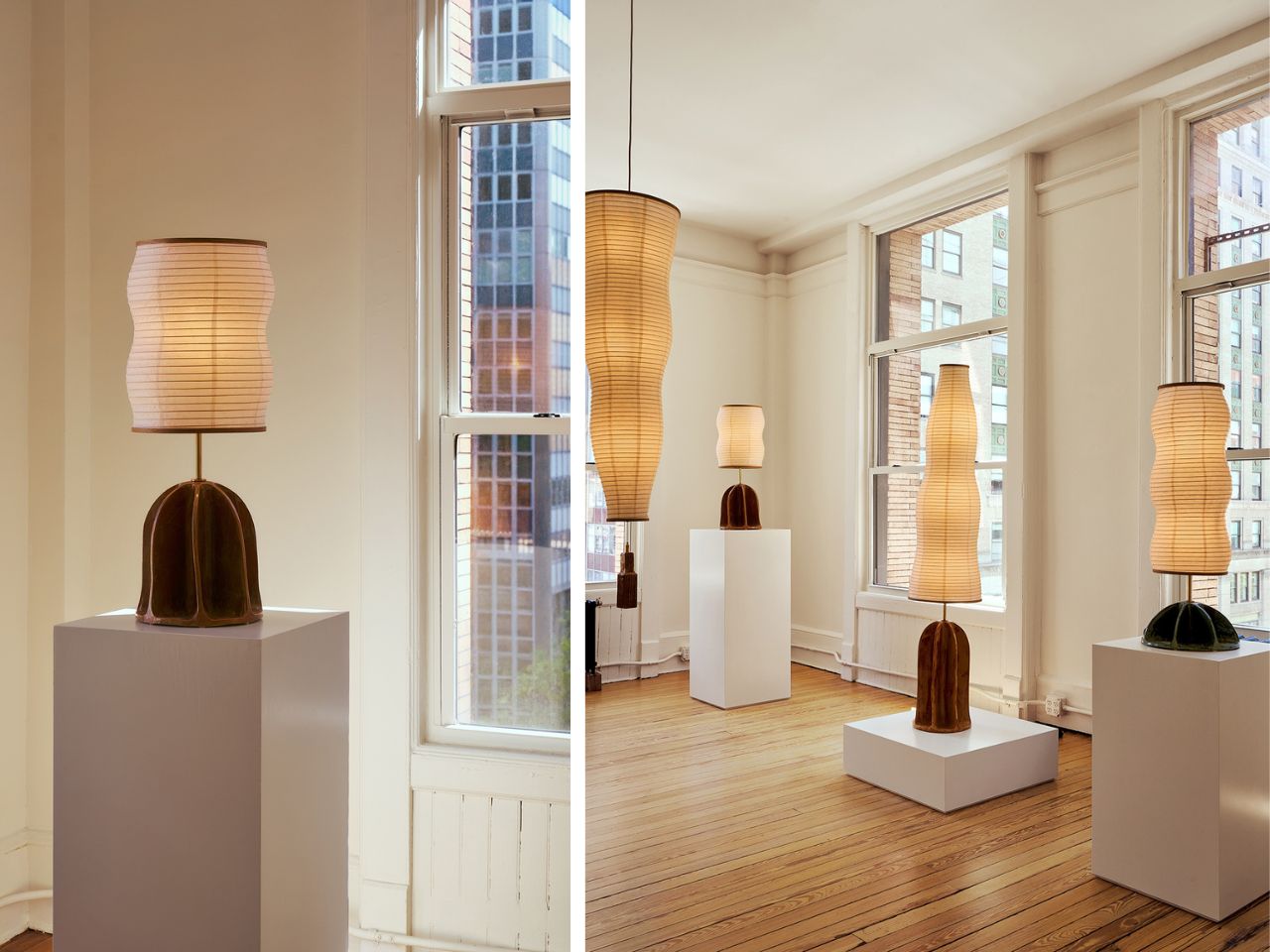
The inspiration comes from cup fungi, a modest yet mesmerizing group of organisms that bloom close to the earth. Their clustered growth patterns and delicately rippled rims become the emotional backbone of the collection. Instead of rigid symmetry, the vessels curve and open organically, as if responding to an internal logic of growth. Light is not forced outward. It is held, filtered, and gently released, echoing the way fungi cradle moisture and air within their fragile structures.

Designer: Nader Gammas

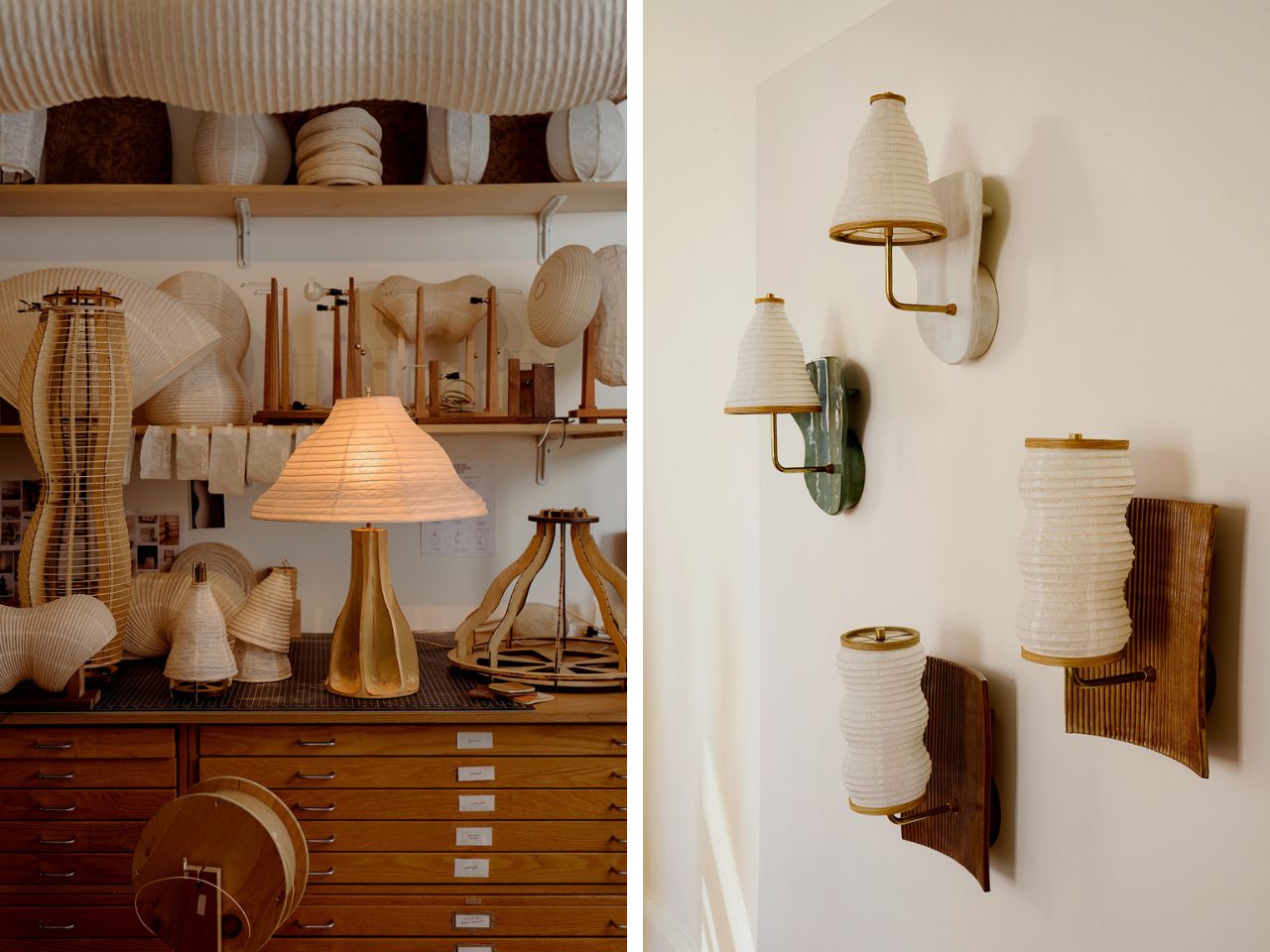
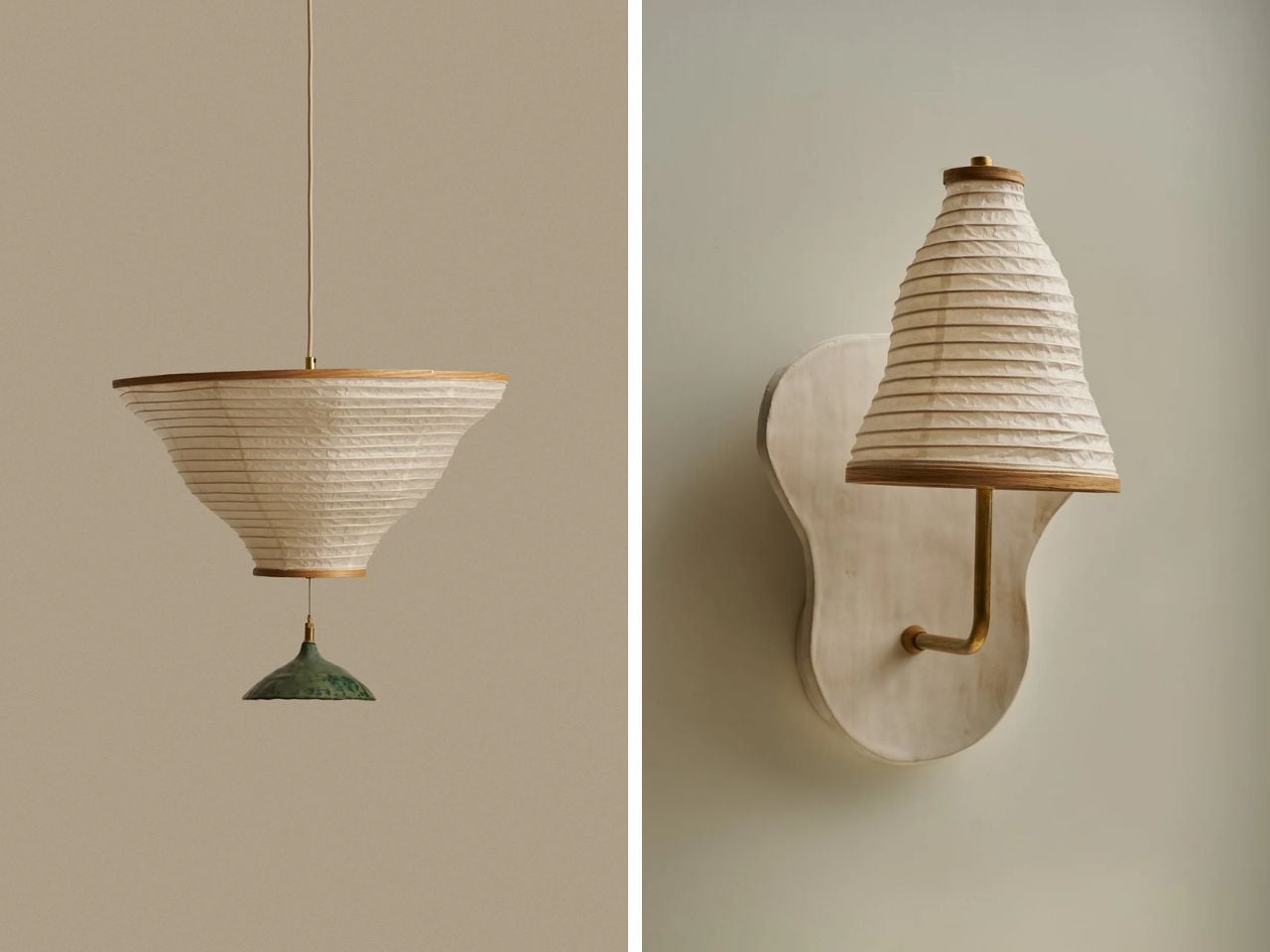
This natural influence marks a clear departure from the heavy brass and assertive geometries that have long defined Gammas’ work. In Vessels, the language shifts toward softness and restraint. Ceramic takes center stage, valued for its warmth and sensitivity to touch. Its surface carries subtle variations in thickness and texture, details that only emerge through hand shaping. Brass remains present, but now it plays a supporting role, adding quiet warmth rather than visual weight.

Each piece is shaped entirely by hand, without molds or replication. This process ensures that every vessel is singular, carrying its own proportions, curves, and imperfections. The result is a collection that feels almost alive. As light passes through the ceramic forms, it creates a slow interplay of glow and shadow, giving the impression that the object itself is breathing. These are not fixtures designed to disappear into a ceiling or wall. They are characters within a space, each with its own presence and mood.

While the aesthetic has softened, the philosophy behind the work remains firmly rooted. Gammas has always believed that lighting is fundamental to how people experience a space emotionally. That belief traces back to his early life growing up in the United States with Syrian roots, where he developed an instinctive understanding of how form and function shape atmosphere. His academic path, from architecture at the University of Jordan to an MFA in Lighting Design at Parsons School of Design, refined that instinct with technical precision.

Today, with exclusive representation by STUDIOTWENTYSEVEN, Gammas stands confidently on the global design stage. Yet Vessels feels deeply personal, almost like a return to intuition. It is a collection that listens more than it declares, allowing nature to guide form and light to guide emotion.

Vessels is a lighting series, but with a meditation on growth, material, and restraint. Through handmade ceramic forms accented with brass, the collection transforms light into something felt rather than seen, shaping spaces with a quiet and lasting intimacy.

The post Nader Gammas’ Vessels Turns Light Into a Slow, Living Presence first appeared on Yanko Design.
Quiet on the Street, Joyful at Heart! An Adelaide Cottage That Reveals Its Playful Soul

From the street, this Adelaide cottage keeps its composure. It presents itself as calm, familiar, and almost reserved, another quiet presence in a suburban streetscape. But crossing the threshold reveals an entirely different energy. Designed by Sans-Arc Studio, this art deco-inspired addition transforms the home into a space that is playful, expressive, and deliberately designed around how its young owners like to live and entertain.

The extension announces itself subtly from the outside. Wrapped in a clean white facade, it avoids loud gestures while still feeling intentional. Deep window reveals lined in black introduce contrast and rhythm, adding a graphic sharpness to the exterior. These recesses are not merely aesthetic; they also shade the interior, reducing glare while allowing light to filter in thoughtfully. The result is an exterior that feels both refined and quietly dramatic, simple in form, but rich in detail.

Designer: Sans-Arc Studio

Inside, curves take over. One of the more understated yet memorable moments is a custom corner bench tucked beside a window. Its curved timber base and slim upholstered cushion are a gentle nod to art deco design language, where form and elegance coexist. More than a stylistic flourish, the bench offers a comfortable place to sit, pause, and look out toward the backyard, an everyday moment elevated through thoughtful design.

At the heart of the addition is the kitchen, conceived not as a secluded workspace but as a social anchor. Hosting is clearly central to how this home functions. The kitchen opens itself to conversation, movement, and connection, allowing the homeowners to cook without stepping away from their guests. A tiled accent wall brings light and texture into the space, catching reflections throughout the day and reinforcing the sense of warmth and character.

Rather than erasing the past, the project carefully weaves old and new together. A long kitchen island extends through the original cottage and into the new addition, doubling as a dining table. This linear element physically and visually stitches the home together. In the extension, the dining area drops slightly below the island, a subtle level change that defines zones without interrupting flow. It is a quiet architectural move that makes the space feel dynamic while remaining cohesive.

Running alongside the dining area is a timber shelving unit designed as both storage and display. Here, the homeowners’ collection of Italian and Czech glassware, books, and German pottery becomes part of the architecture itself. Bright yet restrained colors and sculptural forms animate the space, turning everyday objects into storytelling elements that reinforce the home’s playful aesthetic.

That sense of joy continues into the bathroom. Expanded from its original footprint, the space is wrapped in small square tiles in a vivid blue, instantly energizing the room. A skylight pours natural light from above, while a curved mirror softens the geometry, echoing the rounded forms found throughout the house. The bathroom feels lively, expressive, and deeply personal, a direct reflection of the homeowners’ desire for spaces filled with personality.

An arched doorway off the dining area gently reconnects the new addition to the original cottage. Acting as both a physical passage and a visual cue, it bridges eras while reinforcing the curvy, art deco-inspired language that defines the project. By embracing color, curvature, and the realities of entertaining, Sans-Arc Studio has created a home that feels generous, joyful, and unapologetically fun, proof that quiet exteriors can still hold bold, expressive lives within.

The post Quiet on the Street, Joyful at Heart! An Adelaide Cottage That Reveals Its Playful Soul first appeared on Yanko Design.
HEINZ Put Ketchup on Tap, and Game Day Will Never Be the Same

Abundance defines the modern football watch party. Chips come in oversized bowls, wings arrive by the tray, and drinks are rarely poured one glass at a time. Yet one essential element of the game day ecosystem has remained painfully under-engineered. The ketchup bottle, small, squeezable, and deceptively fragile, has long been the weakest link in an otherwise well-orchestrated snack spread. And during football’s biggest game of the year, that failure is almost inevitable.

This season, HEINZ decided to redesign the ritual!

Designer: HEINZ

Ahead of the Big Game, the brand has introduced the HEINZ KegChup, a stainless steel, 114-ounce keg filled entirely with its unmistakably rich ketchup. The idea borrows directly from beer culture, a space that solved the problem of running out long ago. Football fans understand this instinctively. When something matters to the experience, it is engineered for scale. It is put on tap!

For decades, beer has been treated as the centerpiece of watch parties, designed for endurance across four quarters. Food, however, has quietly taken on an equally important role. The Big Game is now the second-largest food holiday in the US, with the majority of fans watching from home and preparing their own snacks. Fries, sliders, nuggets, and hot dogs are not just menu items. They are structurally dependent on ketchup. Yet the condiment itself has remained confined to packaging designed for moderation rather than momentum.

The HEINZ KegChup flips that logic entirely. Standing 19.5 inches tall and fitted with a tap-style spigot, the keg is unapologetically excessive. It removes the need to squeeze carefully, ration servings, or keep a backup bottle hidden in the fridge. Instead, it allows ketchup to flow freely throughout the game. Pour, dip, repeat. No interruptions. No halftime shortages.

From a design perspective, the KegChup does more than scale volume. It reframes ketchup as infrastructure. The spigot becomes a visual and functional anchor on the snack table, much like a beer tap at a tailgate. The stainless steel body signals durability and seriousness, while the familiar HEINZ branding ensures the object reads as trustworthy rather than novelty. The result is playful, but grounded in real use behavior.

The product also reflects a feedback-driven design approach. After teasing the concept on Instagram last fall, HEINZ saw nearly 1 million views and thousands of fan interactions, effectively validating the idea before it became physical. That momentum has now translated into a limited rollout, with fans able to enter a social giveaway and sign up for exclusive access ahead of a broader limited edition release planned for the start of the 2026 football season.

In a category often focused on new flavors or packaging tweaks, the HEINZ KegChup stands out by redesigning the ritual itself. It acknowledges a simple truth of football culture. Running out of ketchup can feel like a bigger party foul than a dry keg. By putting its most iconic product on tap, HEINZ is not just solving a supply problem. It is designed for the emotional rhythm of game day, from kickoff to the final whistle.

When the clock is ticking, the crowd is hungry, and the stakes are high, the last thing anyone should be worrying about is whether there is enough ketchup left.

The post HEINZ Put Ketchup on Tap, and Game Day Will Never Be the Same first appeared on Yanko Design.
This Fold-Out Office Desk Acknowledges the Furry Friend Under Your Feet

Office design has long focused on the visible: posture, productivity, aesthetics, and efficiency at eye level. But Central Bark, a desk designed by Chrissy Fehan for DARRAN, asks a quieter and more unusual question: what happens in the space beneath the desk?

At its surface, Central Bark looks exactly like what you would expect from a contemporary workplace system. The lines are clean, the proportions restrained, the materials warm yet professional. It belongs comfortably in a modern office without trying to announce itself. And that is precisely the point. The design does not rely on spectacle. Its intelligence lives in the details.

Designer: Chrissy Fehan

Integrated seamlessly into the desk is a built-in pet nook, a sheltered and intentional space designed for a dog to rest while their human works. Importantly, this is not an accessory or a playful add-on. There is no novelty bed clipped on at the last moment, no awkward cushion pushed beneath a workstation. The pet space is conceived as part of the desk from the very beginning and treated with the same seriousness as legroom, surface depth, or cable management.

The thinking behind Central Bark reflects a broader shift in how we understand work environments today. As offices become more flexible and as the line between home and workplace continues to blur, dogs are increasingly present. In creative studios, startups, and hybrid offices, they are already there, curled up under desks, navigating chair legs, occupying borrowed corners. Central Bark does not invent this reality. It is simply designed for it.

What makes the solution compelling is its restraint. There is no attempt to over-engineer the experience or turn pet-friendly design into a visual statement. Instead, the desk quietly absorbs this need into its form, maintaining a professional aesthetic while acknowledging that workspaces are lived-in and shared environments.

There is also a deeper layer of inclusivity embedded in the design. By accommodating dogs in a natural and integrated way, Central Bark supports people who rely on service animals, offering a workspace that adapts without drawing attention. It removes the need for special adjustments or explanations, allowing both human and canine to coexist comfortably within the same footprint.

One of the most thoughtful aspects of the design is the flexibility of the pet nook itself. The bed is not fixed in place. It can slide forward to give a dog more room to stretch or shift during the day, then tuck neatly back into alignment with the desk edge when not needed. This small gesture keeps the workspace visually tidy and spatially efficient, preserving the desk’s clean silhouette while offering adaptability where it matters.

Rather than proposing a radical reimagining of office furniture, Central Bark offers something subtler and arguably more impactful. It reframes good design as responsive design, attentive to how people actually live, work, and bring their whole lives into shared spaces. It is a reminder that inclusivity does not always require bold statements or complex systems. Sometimes, it is as simple as designing for the quiet presence under the desk, the one that is already there, waiting to be acknowledged.

In that sense, Central Bark is not just a desk for people with dogs. It is a case study in empathetic design, showing how small and thoughtful decisions can make workplaces feel more humane, grounded, and real.

The post This Fold-Out Office Desk Acknowledges the Furry Friend Under Your Feet first appeared on Yanko Design.
This MIT Prototype Translates Images Into Fragrances That Your Mind Remembers Better

At a time when memories are increasingly flattened into folders, feeds, and cloud backups, a new experimental device from MIT Media Lab proposes a far more intimate archive: scent. Developed by Cyrus Clarke, the Anemoia Device is a speculative yet functional prototype that translates photographs into bespoke fragrances using generative AI, inviting users not to view memories, but to inhabit them through the body.

The choice of scent as a medium is deliberate. Among the human senses, smell is widely understood to be the most directly linked to memory and emotion, bypassing rational processing and triggering vivid recall almost instantaneously. Unlike images or text, scent has the ability to summon atmosphere, mood, and feeling without explanation, making it a particularly powerful carrier for both personal and imagined memories. The Anemoia Device is built around this sensory potency.

Designer: MIT Media Lab

Referred to as a scent memory machine, the device operates on the metaphor of distillation. Memory is treated as something dense and layered that can be compressed into an essence. Physically, the prototype is organised as a vertical apparatus with three distinct sections. At the top, users insert an analogue photograph, a deliberate design decision that slows interaction and foregrounds tactility in contrast to screen-based memory consumption. The middle section houses an AI-powered computer that analyses the image using a vision language model. At the bottom, a series of pumps connected to fragrance reservoirs mix and release a custom scent.

Importantly, the Anemoia Device is not designed as a fully automated image-to-scent translator. Instead, it positions the user as an active participant in shaping the final outcome. After the photograph is interpreted, users interact with three tactile dials that guide the AI’s understanding. The first establishes a point of view within the photograph, which could be a person or a non-living element such as a tree, bicycle, or piece of fruit. The second situates that subject within a lifecycle. For people, this may mean childhood or old age. For objects, the range moves from raw to in use to decay. The third dial assigns emotional tone, shaping the fragrance through mood rather than literal accuracy.

Conceptually, the project draws on anemoia, a form of nostalgia for a time one has never personally experienced. While the device can theoretically transform any photographic memory into scent, its design places particular emphasis on unlived or inherited memories. Archival photographs, family collections, and fragments of collective history become interpretive starting points rather than records to be faithfully reproduced. This framing allows the system to move fluidly between the universal and the deeply personal.

Early trial sessions illustrate how this interpretive flexibility plays out. In one example, a participant uploaded an archival photograph depicting a couple eating fruit in a garden. By selecting the fruit as the subject, defining its state as in use, and choosing a calm emotional tone, the system generated a scent combining spiced apple, pear, and earthy musk. The participant associated the fragrance with autumn, demonstrating how scent can evoke emotional landscapes rather than literal scenes.

This range is enabled by a scent library of 50 base fragrances, spanning notes such as sandalwood, pine forest, leather, old books, and sand. Each fragrance is dispensed in one-second increments, allowing for countless nuanced combinations. While the system begins with shared cultural associations, user narrative and emotional framing often push the output beyond predictable or clichéd interpretations.

The Anemoia Device builds on Clarke’s longer-standing interest in making memory tangible. Before joining MIT, he founded Grow Your Own Cloud, which explored storing digital data within the DNA of plants. Across this body of work runs a consistent critique of contemporary memory practices, which externalise experience into digital infrastructure that is accessible but largely disembodied.

Looking ahead, the project suggests multiple future directions. The prototype could evolve into a desktop-sized device for personal use, allowing people to print memories at home, or into a remote service that translates mailed or uploaded photographs into scents. While it relies on advanced technology, its ambition is notably restrained. Rather than competing for attention, the Anemoia Device gestures toward a form of computing that encourages slowness, reflection, and sensory presence.

The post This MIT Prototype Translates Images Into Fragrances That Your Mind Remembers Better first appeared on Yanko Design.
This Steppe Visitor Center Treats a Volcano as Landscape, Not Landmark

On the southern edge of the Xilingol Steppe in northern China, architecture does not arrive as an interruption. It emerges as a continuation of the land itself. The Volcano In Visitor Center by PLAT ASIA is embedded within the geological structure of a C-shaped extinct volcano formed nearly 150,000 years ago during the Pleistocene Epoch. Here, design is guided not by monumentality, but by a careful negotiation with time, terrain, and climate, framing architecture as co-growth rather than construction.

Completed in December 2025 as part of the first phase of the Baiyinkulun Steppe and Volcano Tourism Resort, the project occupies a rare and expansive geological context. The Baiyinkulun Steppe and Volcano Area is home to 108 volcanoes and lies approximately 380 kilometers north of Tiananmen Square. The surrounding landscape is a mosaic of ecosystems, including wetlands, forests, lakes, open steppe, sandy land, and seasonal snowfields, where environmental fragility and vast scale exist side by side.

Designer: PLAT ASIA

PLAT ASIA began working in the region in 2021, when early site surveys revealed a large excavated area to the west of the volcanic cone. Exposed for nearly a decade, this disturbed ground had become vulnerable to erosion. Rather than expanding into untouched terrain, the architects deliberately chose to build on this damaged site, using architecture as a stabilizing presence. The visitor center thus becomes part of a broader ecological strategy, limiting further impact while supporting long-term landscape recovery.

Formally, the volcano itself becomes the primary design reference. The architecture follows the existing topography through a continuous curved roof and three circular volumes positioned at different elevations. Together, these elements trace a conical silhouette that echoes the geometry of the volcanic landform. A winding corridor measuring 274 meters connects the volumes into a continuous loop, guiding visitors around the volcanic ash ring. Movement is central to the experience. The project is designed to be walked, circled, and gradually revealed.

As visitors move along the roof corridor, expansive views unfold toward the surrounding steppe, sandy land, lakes, and neighboring volcanoes. In contrast, inward-facing spaces form a crater-like enclosure that houses the program, including visitor services, a cafe, a bookstore, exhibition spaces, administrative offices, and a restaurant. This spatial rhythm shifts between openness and enclosure, mirroring the volcanic landscape itself.

Outdoor spaces are seamlessly integrated into the architectural layout. A visitor service courtyard accommodates temporary events such as art fairs, while an open square between the exhibition and restaurant volumes functions as an outdoor theater. Eco bleachers embedded into the eastern slope provide seating oriented toward both the roof structure and the wider landscape, reinforcing architecture as a viewing framework rather than an isolated object.

Climate plays a defining role in shaping the project. The region experiences a temperate continental climate with strong winds and heavy snowdrifts in winter and spring. Temperatures can drop as low as- 43 degrees Celsius. The building’s curved profile reduces wind pressure and shear forces, while extended roof eaves protect outdoor spaces from snow accumulation and frame expansive views of the steppe. Weather-resistant metal panel cladding improves thermal performance, while glass curtain walls reflect the volcanic terrain and maintain visual continuity between interior and exterior spaces.

Material choices further ground the project in its context. Locally sourced volcanic stone is used across the site to define pathways and public squares through thin stone slabs laid close to the ground. Weathering steel platforms are embedded directly into the terrain, allowing the architecture to age alongside the landscape over time.

Rather than asserting itself as a singular landmark, the Volcano In Visitor Center establishes a spatial framework that responds to geology, climate, and movement. It positions architecture as a restrained extension of the volcanic environment, inviting exploration while preserving a deep and lasting connection between people and the ancient ground beneath their feet.

The post This Steppe Visitor Center Treats a Volcano as Landscape, Not Landmark first appeared on Yanko Design.
Mummy-inspired Paper Towel Holder looks like a Scooby Doo villain brought to your kitchen

Tangled Joe is a paper towel holder that refuses to be just another kitchen accessory. Designed like a charmingly tangled mummy, it brings a strong sense of personality, humor, and visual delight into everyday spaces while still delivering excellent functionality. What could have been a purely utilitarian object instead becomes a character-driven design piece that instantly adds life to a countertop, shelf, or dining area.

The form of Tangled Joe is where the design truly shines. The mummy’s wrapped body flows naturally in circular layers, echoing the way paper towels themselves are rolled around the stand. This thoughtful alignment between form and function makes the design feel cohesive and intentional. Rather than simply holding a roll in place, the mummy appears to actively engage with it, as if it is part of the object’s story. The result is playful, clever, and visually satisfying from every angle.

Designer: PELEG DESIGN

Click Here to Buy Now

Made of durable plastic, Tangled Joe is both sturdy and lightweight, striking a balance that makes it practical for everyday use. One of its most intuitive features is the mummy’s head that extends above the paper towel roll. This detail is not only expressive and fun, but also highly ergonomic. It creates a natural grip point, allowing the stand to be lifted and moved easily with one hand, especially useful during busy moments in the kitchen.

Beyond usability, Tangled Joe adds undeniable character to a space. It fits beautifully into interiors that embrace dark, spooky, or quirky aesthetics, yet it never feels over the top. Instead, it feels playful and confident, making it a great conversation starter. It transforms the act of cleaning up into something a little more enjoyable, reminding users that good design can bring joy into even the smallest routines.

A standout aspect of Tangled Joe is how complete it feels, even without a paper towel roll. When empty, it does not look unfinished or purely functional. Instead, it reads as a sculptural object, almost like a small figurine or design showpiece. This makes it ideal for design-conscious homes where every object is expected to contribute visually, not just practically.

The clean white color further enhances its versatility. While the mummy form introduces a spooky twist, the neutral tone allows Tangled Joe to blend effortlessly into a wide range of interior styles. It works just as well in minimal and modern kitchens as it does in playful, eclectic, or themed spaces, making it easy to style without overpowering its surroundings.

Functionally, Tangled Joe is designed with flexibility in mind. It can accommodate two different sizes of kitchen paper towels instead of being restricted to a single fixed size. It can also hold two toilet rolls at once, expanding its usefulness beyond the kitchen and into bathrooms or studio spaces.

Overall, Tangled Joe is a thoughtful blend of function, humor, and design. It proves that everyday objects do not have to fade into the background. By adding character, adaptability, and ergonomic intelligence, this mummy-inspired paper towel holder turns routine cleanup into a small but delightful design experience.

Click Here to Buy Now

The post Mummy-inspired Paper Towel Holder looks like a Scooby Doo villain brought to your kitchen first appeared on Yanko Design.
This Mindful Seating Platform Turns Sitting Into a Ritual of Stillness and Connection

In contemporary interiors shaped by speed, productivity, and constant stimulation, seating has largely become passive. It is designed to hold the body while the mind drifts elsewhere. OSOLO challenges this condition. It is not a chair in the conventional sense, but a mindful seating platform, a ritual object that reconsiders how we sit, gather, and occupy space.
OSOLO emerges at the meeting point of two ancient cultures: Japanese stillness and Turkish hospitality. Though geographically distant, these traditions share a deep respect for simplicity, spatial awareness, and human connection. OSOLO translates these values into a contemporary design language, offering an alternative to chair-based living rooted in awareness rather than acceleration.

Designer: Gökçe Nafak

At the heart of OSOLO is the Japanese understanding of space. In Japanese spatial philosophy, emptiness is not absence. It is present. It allows rooms to breathe, objects to soften, and the mind to quiet. OSOLO reflects this belief through its low-profile form and restrained geometry. It does not dominate the room or impose visual hierarchy. Instead, it steps back, allowing architecture, light, and human presence to come forward.

This deliberate restraint transforms OSOLO into an object that reveals space rather than fills it. Its presence heightens spatial awareness, encouraging users to slow down and engage more consciously with their environment.

Inspired by the Turkish sedir tradition, OSOLO is inherently communal. Unlike single occupancy seating, it invites people to sit side by side, fostering shared presence rather than isolated comfort. In Turkish culture, seating is a social ritual. Stories are exchanged, time is stretched, and hospitality unfolds without urgency. OSOLO carries this spirit forward, existing not as an isolated object but as a platform for connection.

Hidden storage beneath the seating surface reinterprets the traditional cultural chest, integrating functionality without visual disruption. This discreet feature preserves the purity of the form while acknowledging everyday needs, allowing utility to exist quietly within stillness.

OSOLO is designed specifically for cross-legged, floor-adjoining sitting, offering an alternative to chair postures that often promote spinal compression and passive leaning. The platform supports the body’s natural intelligence by encouraging an aligned spine, open hips, and active posture.

By enabling balanced pelvic alignment, OSOLO reduces lumbar collapse and allows the torso to carry its own weight. The opening of the hip joints enhances mobility and helps release tension in the lower back, benefits often lost in conventional seating.

The platform’s elevation of approximately 20 to 25 centimeters from the floor is carefully calibrated to minimize pressure on the knee joints while maintaining the circulatory advantages associated with floor-level sitting. This height also isolates the body from direct contact with hard flooring, striking a balance between grounding and comfort.

Comfort is achieved through a dual-density foam system engineered for short to mid-duration activities such as meditation, reading, or creative practice. A high-density base layer ensures structural stability and pelvic support, while a softer upper layer distributes weight evenly to reduce localized pressure points. The result is a surface that remains supportive without collapsing, encouraging posture awareness rather than passive relaxation.

Upholstery surfaces are finished in breathable, high-friction textiles that prevent slippage during dynamic sitting positions. Removable covers allow for easy maintenance and long-term use, with materials selected to meet contract-grade durability standards suitable for both residential and semi-public environments.

The optional back support follows a soft contact principle. Rather than functioning as a rigid backrest, it provides gentle lumbar feedback during reading or meditation, supporting posture without encouraging full recline or slouching.

Available in four carefully curated colorways, OSOLO integrates seamlessly into a range of interior contexts while maintaining its minimalist identity. It is not designed to command attention, but to hold space. OSOLO invites a different relationship with furniture, one rooted in presence rather than performance.


The post This Mindful Seating Platform Turns Sitting Into a Ritual of Stillness and Connection first appeared on Yanko Design.