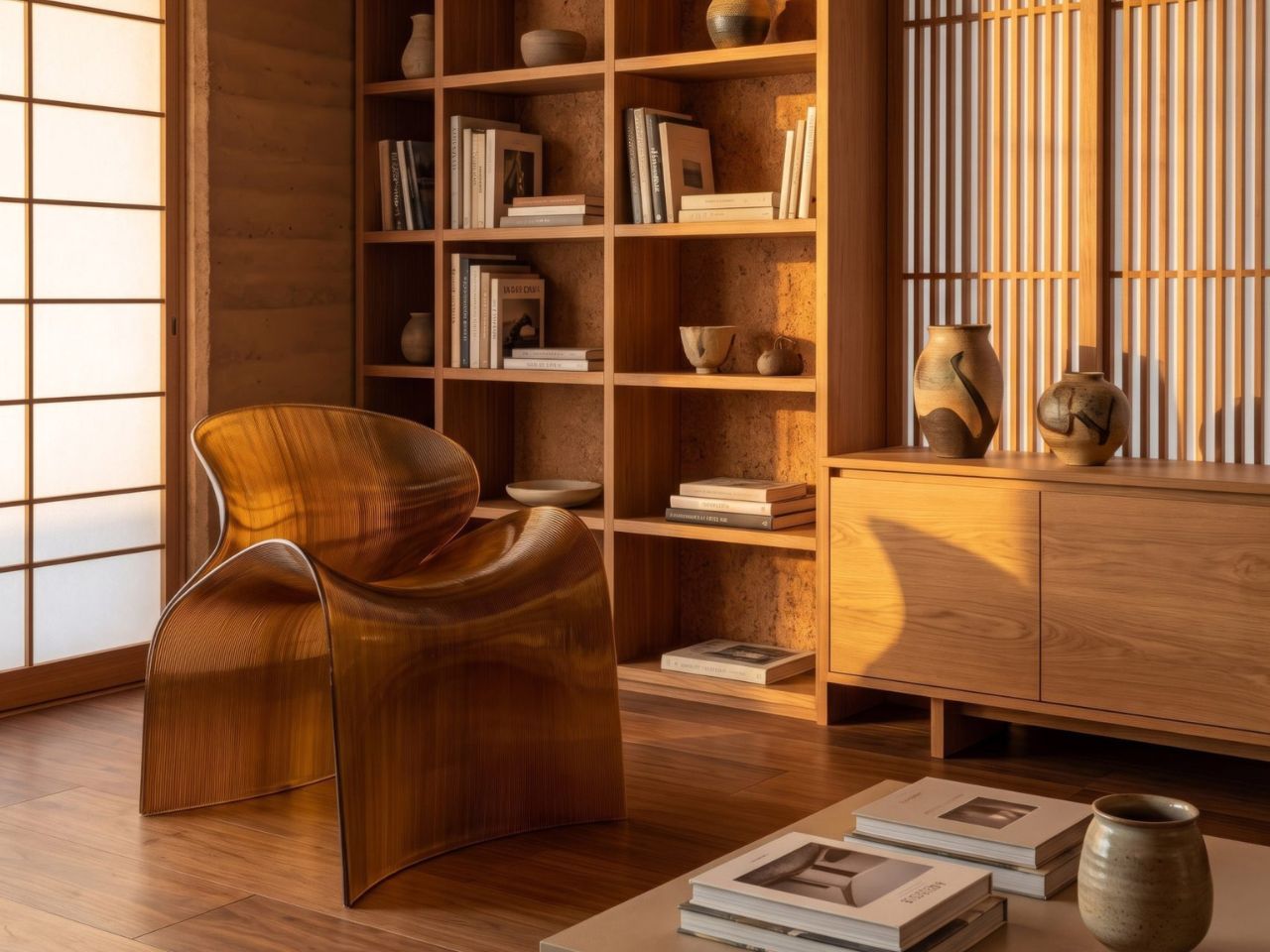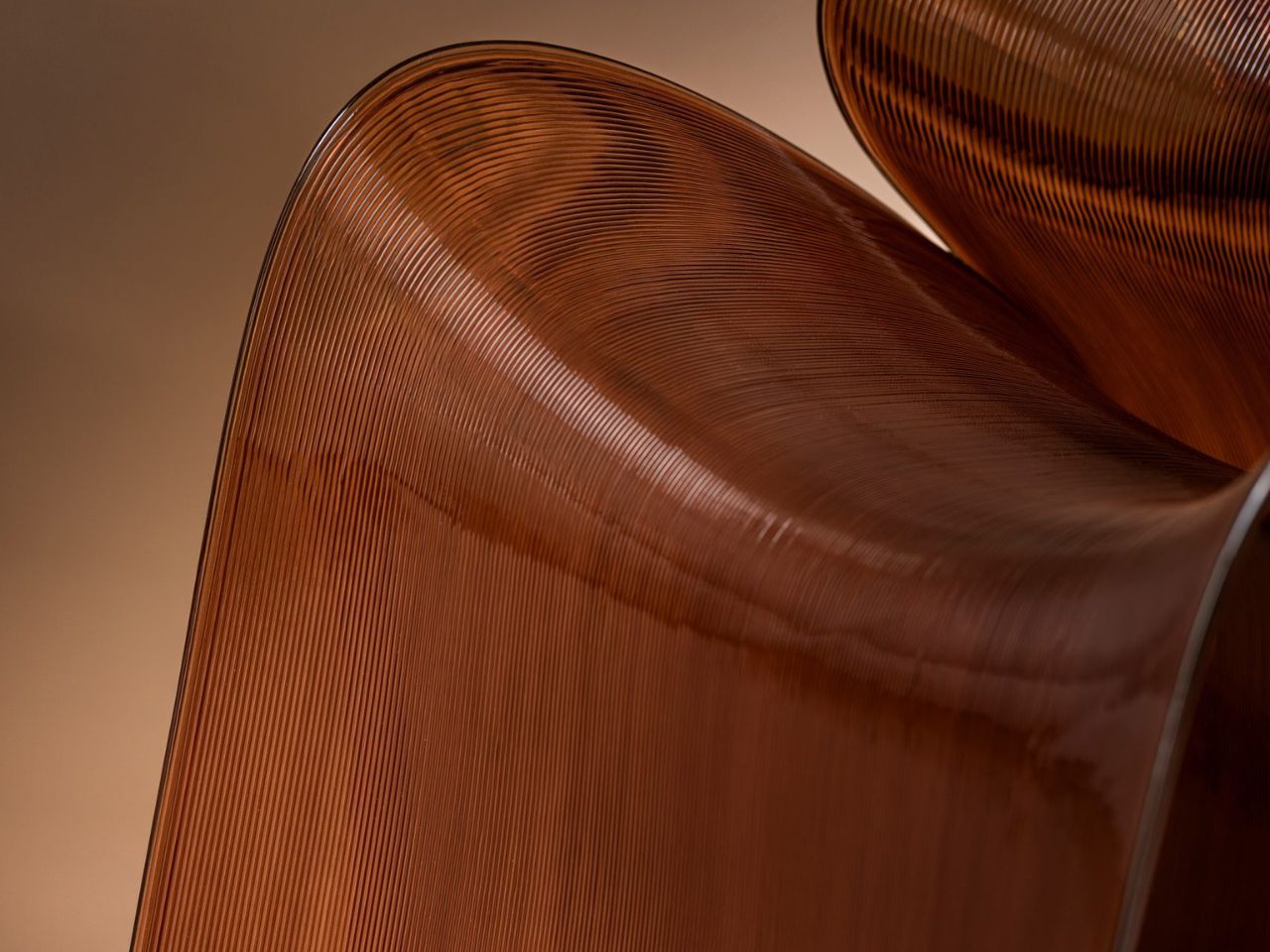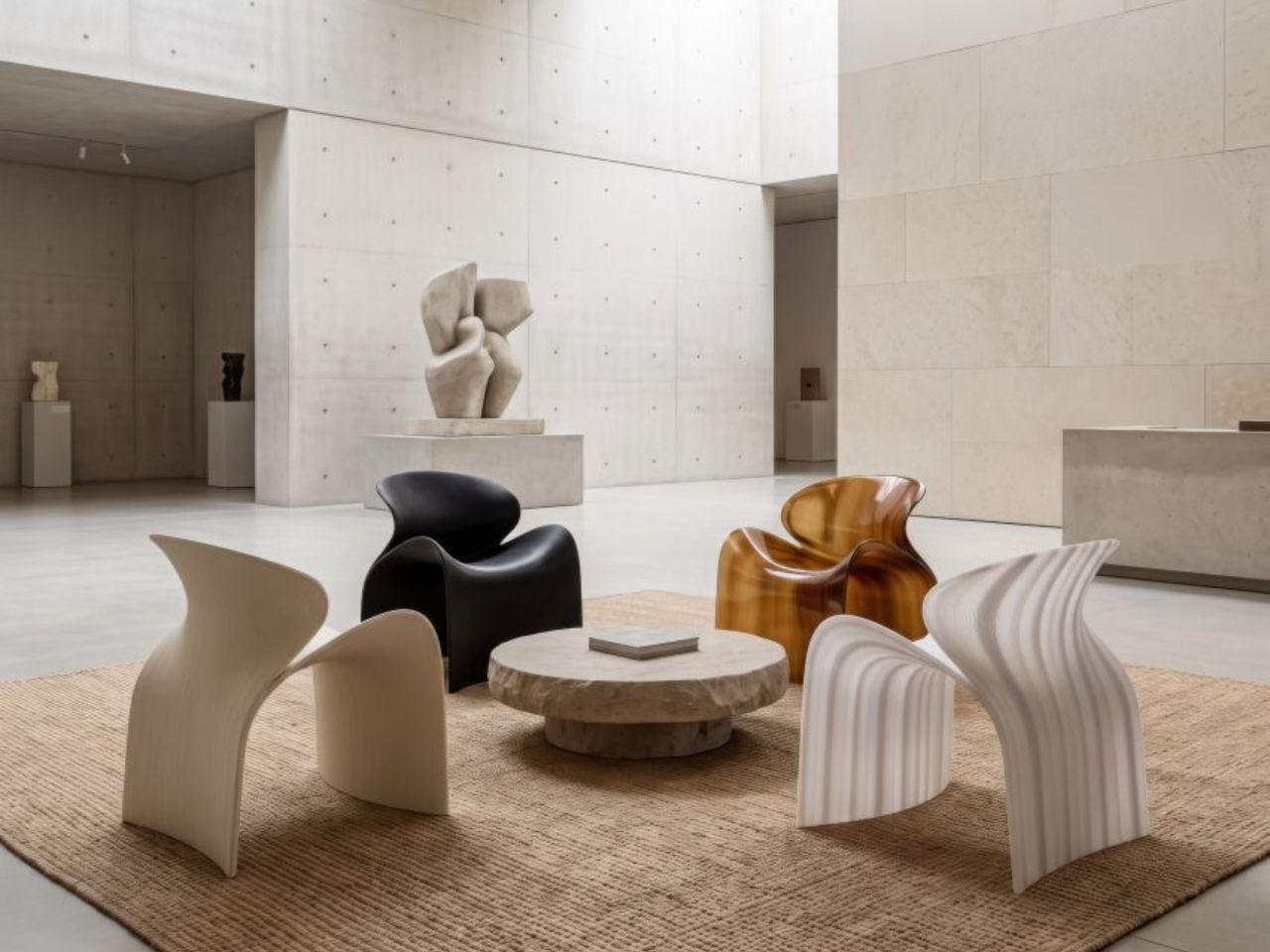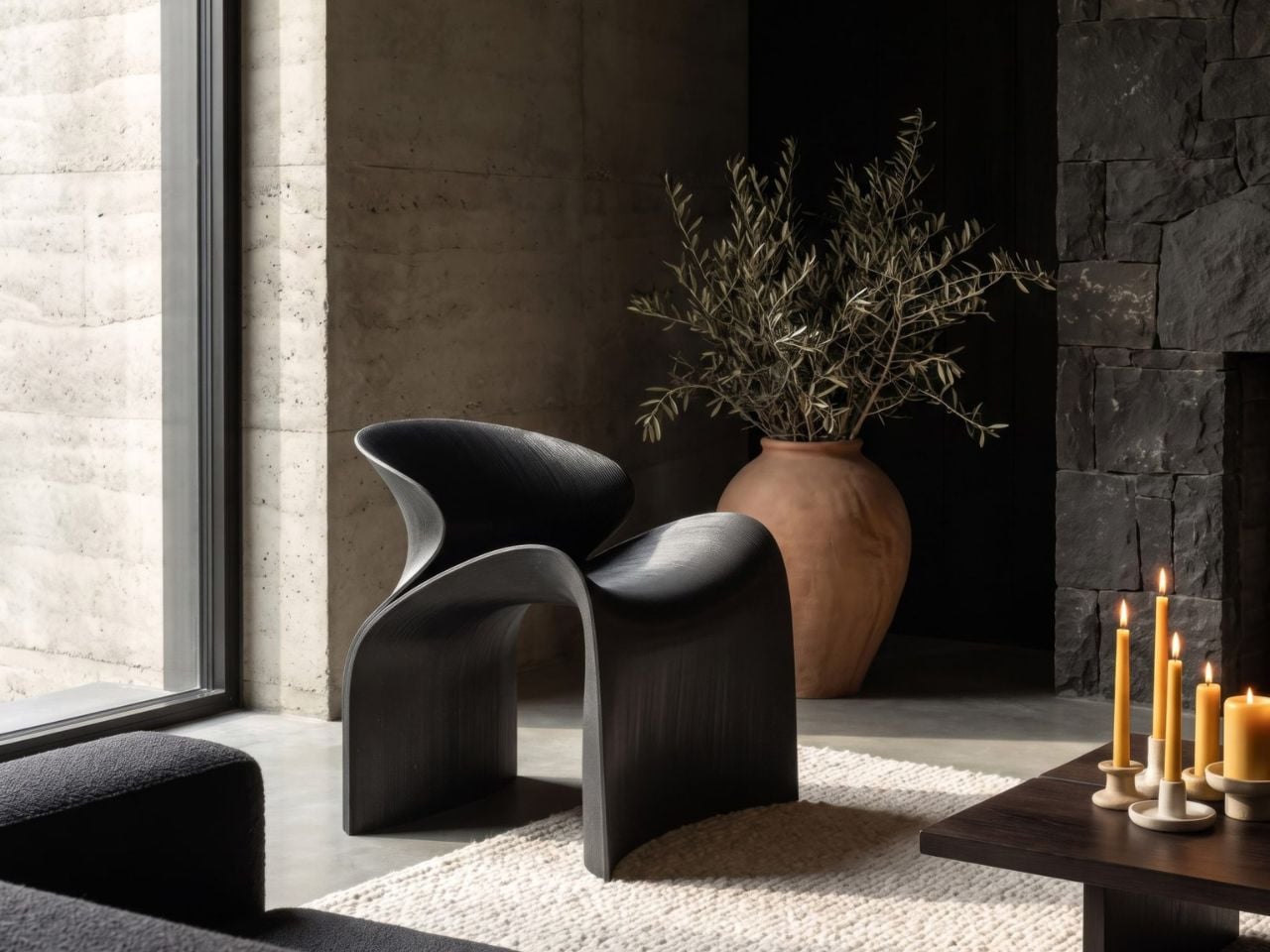
This Wood Chair Appears to Sprout From Grass, Where Art and Nature Converge

In Wood Chair on Grass, 2025, the artist extends the celebrated Wood Chair series into a deeply tactile meditation on nature, artifice, and the human instinct to create comfort out of raw material. This piece, crafted from oil paint, epoxy clay, plywood, wood, and raffia fibers, reveals the artist’s meticulous dialogue between the organic and the handmade, between illusion and touch.

At first glance, the chair presents itself as a modest, almost familiar object, a low-back saddle seat resting calmly atop what seems like a patch of grassy earth. But upon closer inspection, it becomes clear that every element is a constructed illusion. The “grass” is not real, but a latch-hooked rug of dyed and painted raffia fibers. Each strand mimics the play of sunlit blades swaying in a breeze, but they are fixed in place, forever frozen in mid-motion. This deliberate tension between the natural and the artificial is what gives the piece its quiet power.

Designer: Joyce Lin

The seat itself is modeled after pine wood, yet it transcends imitation. Cracks are hand-carved into the surface, each line a gesture of imperfection that makes the chair feel lived-in, almost sentient. The wood grain alternates between matte and satin varnishes, an effect invisible under soft light but revealed dramatically when illuminated directly. This shifting visibility turns the viewer into an active participant, requiring them to move around the piece, to discover it rather than merely observe. It’s a subtle invitation to slow down, to look with intent, to feel the weight of craftsmanship.

The artist’s pride in the bark detail is well-earned. The bark, sculpted with epoxy clay and layered with oil paint, might be their most convincing and three-dimensional work yet. It clings to the seat’s edges like memory to an old tree, giving the illusion that the chair has grown from the ground rather than been placed upon it. There’s a certain poetry in this, an object designed for rest that itself seems to have taken root.

Beyond its technical mastery, Wood Chair on Grass captures the artist’s evolving relationship with materials. The raffia fibers, dyed and painted by hand, bring softness and unpredictability, contrasting the solidity of the wooden frame. The juxtaposition of natural texture with synthetic precision makes the work feel both ancient and contemporary, a bridge between folk craft and fine art.

Ultimately, this piece is an environment condensed into an object. It embodies the artist’s ongoing fascination with how we recreate nature within our own boundaries, how we seek to hold onto fleeting sensations through form and surface. In Wood Chair on Grass, 2025, the familiar becomes extraordinary, and the humble materials of wood and fiber transcend their physicality to evoke the emotional warmth of presence, patience, and place.

The post This Wood Chair Appears to Sprout From Grass, Where Art and Nature Converge first appeared on Yanko Design.
This Bridge-Shaped House Hangs Weightlessly Between Two Forested Hillsides

Amid the dense, monsoon-fed vegetation of Karjat, India, The Bridge House by Wallmakers, under the direction of architect Vinu Daniel, appears as if it were woven into the landscape itself. A natural stream has carved a seven-meter-deep gorge through the terrain, splitting the land into two disconnected parcels. What could have been a limitation became the defining opportunity to create a dwelling that does not conquer the landscape but hovers above it, merging architecture with the act of crossing.

Rather than filling the void, Wallmakers chose to span it, crafting an occupiable bridge that physically and symbolically unites the site. Since no foundations could be placed within the 100-foot spillway, the design evolved into a suspended home anchored delicately by only four footings on either side of the gorge. The result is a structure that appears to levitate, a line of lightness drawn between two fragments of land.

Designer: Wallmakers

Necessity became invention. The form of The Bridge House emerged from the challenge of building across a natural divide without disturbing it. Conceived as a 100-foot-long suspension bridge, the home is composed of four hyperbolic parabolas, mathematical forms that achieve strength through geometric efficiency. Steel tendons and pipes provide tensile stability, while a thatch-and-mud composite forms the compressive shell.

This combination, simultaneously ancient and modern, generates a dialogue between tension and compression, precision and softness. The house becomes both structure and skin, taut like a bowstring yet flexible enough to adapt to the living landscape.

True to Wallmakers’ ethos of contextual minimalism, the house sits lightly upon its site. The thatched surface, arranged in overlapping scales reminiscent of a pangolin’s skin, blends seamlessly with the forest canopy. Beyond aesthetics, this cladding provides thermal insulation, maintaining cool interiors amid Karjat’s humid climate.

The decision to use only four anchoring points ensures that the gorge and its contours remain untouched. The house becomes a visitor, not an intruder, in the ecosystem it occupies.

Every material used in The Bridge House carries intention. The mud plaster coating that envelops the thatch serves as both armor and adhesive: it prevents pests from entering, enhances compressive strength, and eliminates the need for vertical pillars. In doing so, it underscores the project’s central belief that material intelligence can achieve structural innovation without technological excess.

Inside, the design continues its conversation with nature. At the core of the house lies an oculus, an open circle framing the sky. During rainfall, water filters through this void into a central courtyard, transforming the climate into a sensory event. The interplay of light, water, and air activates the interior, making the house respond to every passing hour.

The interiors are minimal yet warm, defined by reclaimed ship-deck wood, jute, and woven mesh screens that modulate light and airflow. Four bedrooms open outward, some toward the treetops, others overlooking the stream, creating a rhythmic dialogue between enclosure and exposure. The transitions are seamless: the line between “inside” and “outside” dissolves into filtered light and moving shadows.

In The Bridge House, Wallmakers once again demonstrate their mastery of building with the land, not on it. The project stands as an exploration of local materials, structural logic, and ecological sensitivity, a philosophy that defines Vinu Daniel’s work across India.

Suspended above the gorge yet rooted in its context, The Bridge House does more than connect two parcels of land. It connects technology with tactility, structure with story, and human presence with the pulse of nature. In doing so, it reimagines architecture not as a static object, but as a living, breathing bridge between worlds.

The post This Bridge-Shaped House Hangs Weightlessly Between Two Forested Hillsides first appeared on Yanko Design.
This Bamboo Pavilion Turns a Beach Car Park Into a Carbon-Negative Community Hub

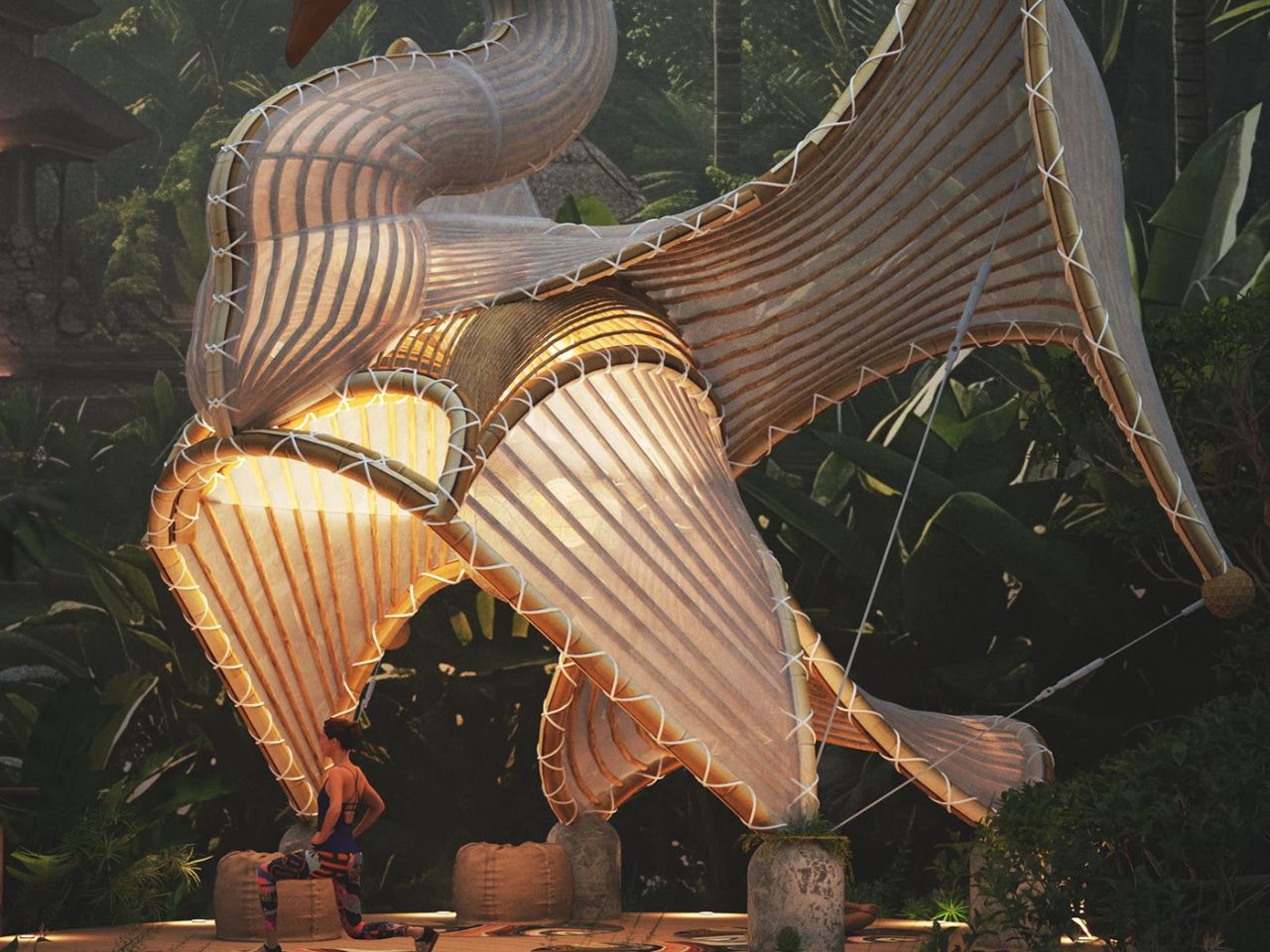
BaleBio, a bamboo pavilion designed by Cave Urban for Bauhaus Earth’s ReBuilt initiative, pioneers a new paradigm of carbon-negative architecture in Bali. Rising gracefully above the sands of Mertasari Beach in Denpasar, the 84-square-meter structure transforms what was once a disused car park into a vibrant communal hub, an open meeting space that merges ecological innovation with social purpose.

In a landscape where coastal development is often driven by tourism and concrete infrastructure, BaleBio offers an alternate vision: a prototype for buildings that store carbon rather than emit it. Drawing inspiration from the Bale Banjar, the traditional Balinese village hall central to community life, the design reinterprets this open and inclusive layout through a contemporary lens of sustainability. It preserves the spirit of collective gathering while integrating the principles of environmental stewardship, positioning itself as both a cultural reinterpretation and a climate-responsive model.

Designer: Cave Urban and Bauhaus Earth

The pavilion’s sweeping barrel-vaulted roof, rising 8.5 meters above the beach, serves as both a visual statement and a functional marvel. Crafted from slender bamboo rafters and clad in pelupuh (flattened bamboo), the canopy promotes natural ventilation and passive cooling. Below this organic form lies a structural frame of laminated petung bamboo, locally sourced, resin-bonded, and compressed to deliver the strength and precision of steel or timber, yet without their heavy carbon cost.

Every element of BaleBio was grown, processed, and assembled within Indonesia, ensuring a circular, local supply chain that minimizes transportation emissions. Traditional joinery techniques blend seamlessly with precision-engineered fittings, while locally sourced volcanic rock, lime plaster, and repurposed terracotta tiles add thermal mass and textural warmth. Together, these materials form a coherent system that fuses bio-based, geo-based, and reused resources into one holistic construction.

A life cycle assessment by Eco Mantra verified BaleBio as carbon-negative from cradle to completion, documenting a 110% reduction in embodied carbon compared to conventional builds. The pavilion saves more than 53 tonnes of CO₂ emissions, the equivalent of planting over 2,400 trees. In measurable terms, its carbon balance stands at –5,907 kilograms of CO₂ equivalent, against a baseline of nearly 60,000 kg, an achievement that moves the project beyond symbolism into empirical proof.

Since its completion, BaleBio has evolved into a gathering space for residents, students, and travelers, reactivating civic participation through design. Its creation involved collaboration with Warmadewa University, local artisans, and community organizations, ensuring it remains grounded in Balinese cultural rhythms even as it experiments with global standards of circular construction.

In 2025, BaleBio’s achievements in material innovation, carbon performance, and social engagement earned it three major honors: the Australian Good Design Award for Social Impact, a commendation from the Built by Nature Prize, and Gold at the German Design Award in the Circular Design and Fair & Exhibition categories.

As part of Bauhaus Earth’s ReBuilt initiative, BaleBio is not merely a pavilion; it is a blueprint for systemic change. It demonstrates that architecture can regenerate rather than deplete, that communities can thrive in structures born of their own landscapes, and that good design in the age of climate urgency must be measured not only by form and function but by its contribution to the planet’s recovery.

The post This Bamboo Pavilion Turns a Beach Car Park Into a Carbon-Negative Community Hub first appeared on Yanko Design.
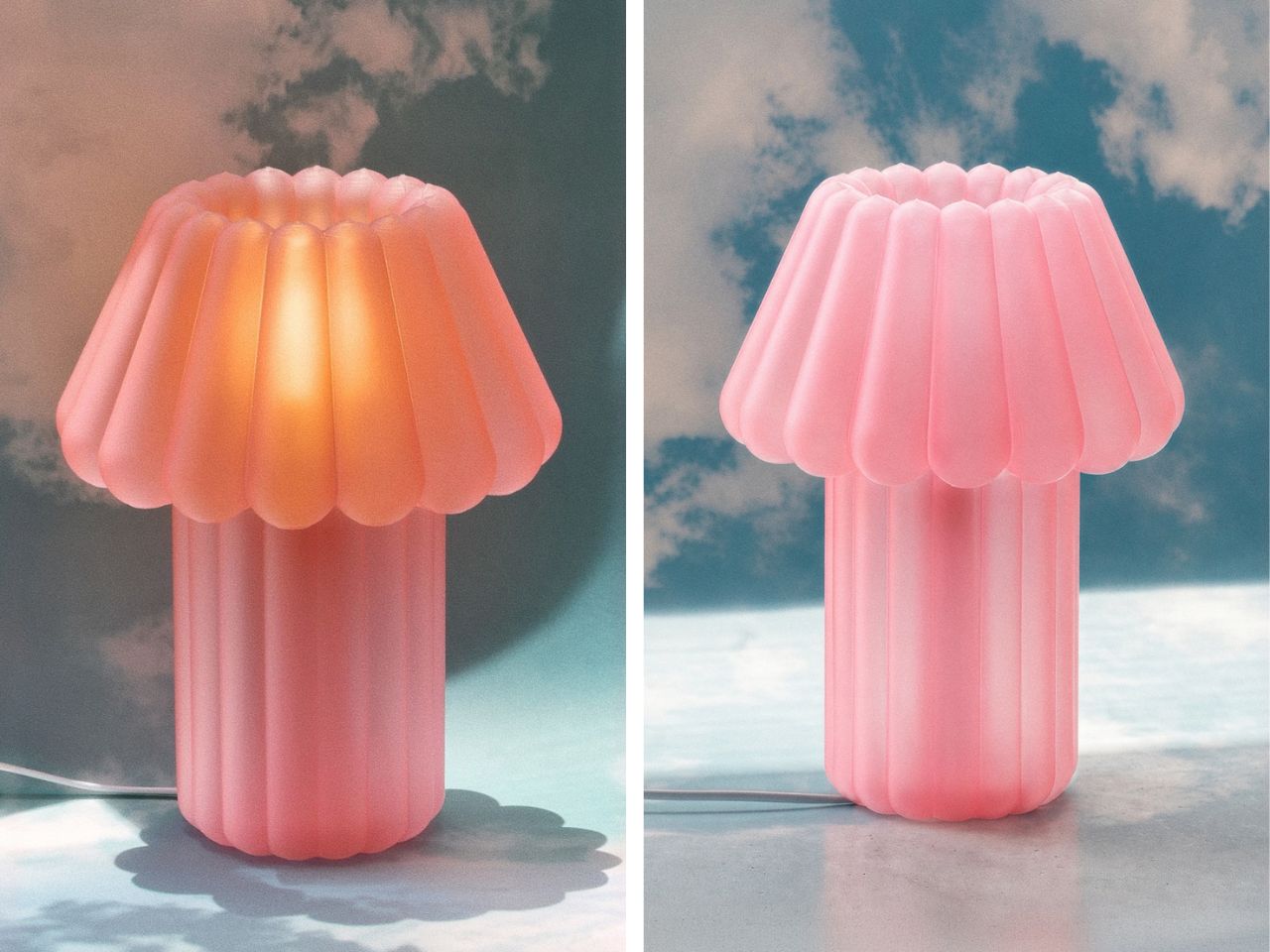
These Transparent Rolling Chairs Turn Your Living Room Into a Moving Color Canvas

Like De Stijl once deconstructed form and space into elemental purity, Color Roller reimagines that legacy through motion and transparency. Using the three primary colors, red, yellow, and blue, this experimental furniture collection plays with the relationship between geometry, light, and interaction. When made transparent, these primary hues transcend their boundaries, merging into endless new shades through layering and rotation. The result is not just furniture, but an evolving chromatic sculpture that invites users to participate in the reconstruction of their environment.

At its core, Color Roller explores how color and form can coexist as active agents in spatial design. Each of the three components, a hexagonal chair, rectangular table, and triangular floor lamp, embodies a minimalist geometry while sharing a dynamic logic of rolling and transformation. Made entirely from transparent acrylic panels that intersect in pairs, these forms create a vivid and flexible composition of color. Depending on light direction and intensity, the furniture transforms, casting overlapping shadows and gradients that turn interiors into interactive canvases.

Designer: Chuheng He

The unique property of Color Roller lies in its capacity to change color combinations through rolling and rearrangement. By simply flipping or rotating the pieces, users can recompose the palette of their space. This transforms the act of furnishing into an act of play and authorship, where each arrangement reflects personal taste, emotion, and atmosphere. The design embraces De Stijl’s philosophy of modularity and freedom, yet it translates those ideas into a tactile, participatory experience.

From a technical standpoint, Color Roller is realized through colored acrylic thermoforming and adhesive bonding. The production process required precise experimentation to ensure both structural integrity and optical clarity. The research began with 1:5 scale models exploring the overlapping behavior of panels under various lighting conditions. Later, 1:1 prototypes were constructed to test materials, weight-bearing capacities, and balance. The hexagonal chair, in particular, underwent extensive trials with acrylic, wood, and aluminum to find a structure that was both light and strong. After iterative testing, the design was optimized, retaining its ethereal appearance while ensuring durability through minimal adhesive use and refined jointing.

The greatest challenge lay in reconciling aesthetics with performance. Early versions of the acrylic chair, though solid and stable, appeared too heavy, compromising the design’s intended transparency. Through reduction and structural optimization, the final outcome achieved both visual lightness and functional strength.

Ultimately, Color Roller aims at being an experiment in perception and participation. By letting color and geometry dance through light, it invites users to rediscover the poetry of everyday space. Each movement reveals a new intersection, a new hue, and a new perspective, transforming ordinary interiors into living expressions of form and color.

The post These Transparent Rolling Chairs Turn Your Living Room Into a Moving Color Canvas first appeared on Yanko Design.
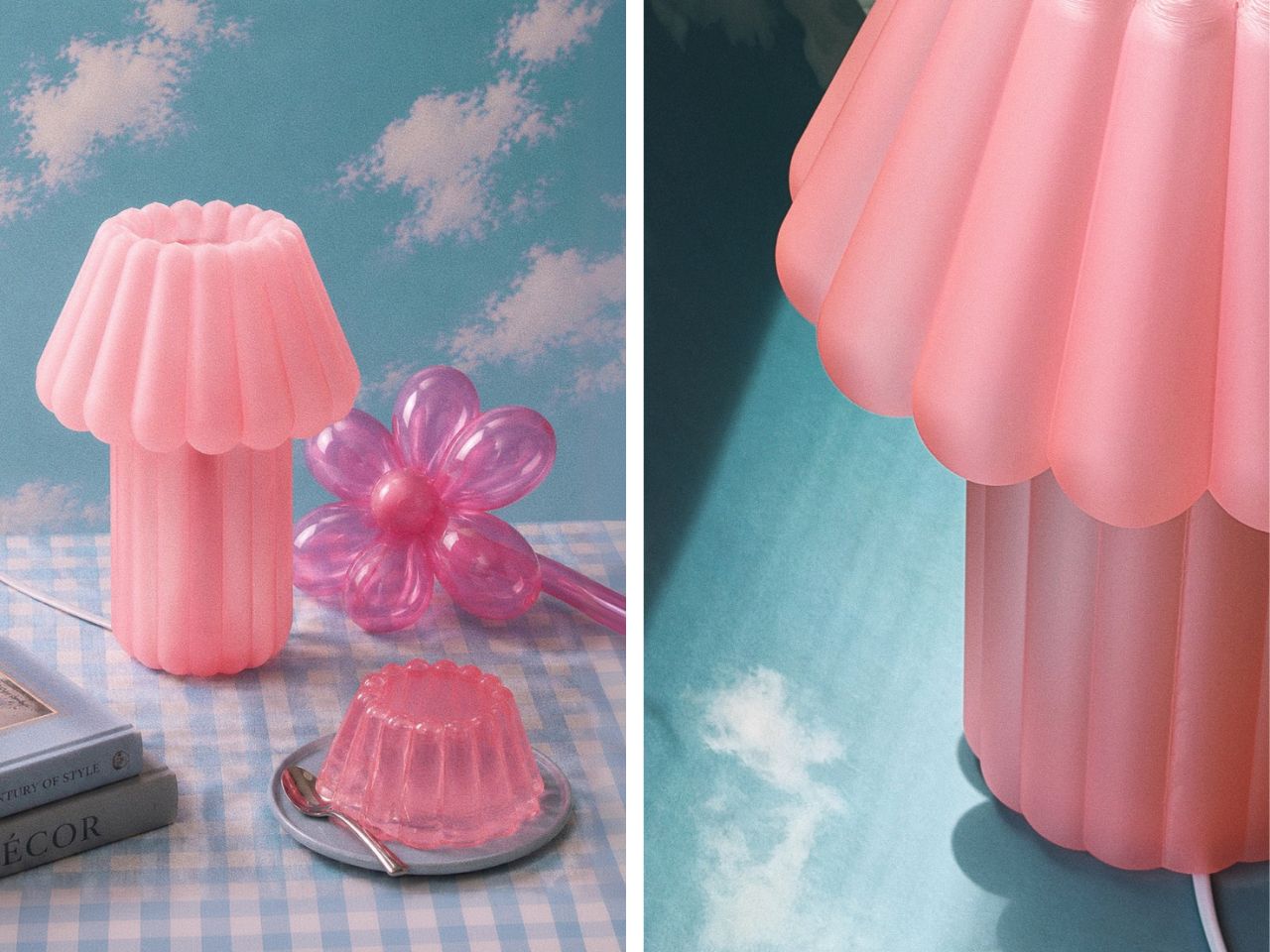
This innovative 2-in-1 faucet system simplifies showering while enhancing your bathroom’s style

‘Omnibath,’ a combination of “Omni” and “bath,” represents a groundbreaking 2-in-1 faucet system that redefines the bathroom experience. The word “Omni” implies all-encompassing, without limits, while “bath” reflects the cleansing process. Together, Omnibath is designed to be an inclusive, accessible solution for people of all ages and abilities. This innovative product not only addresses common issues with conventional faucets but also offers a more intuitive and efficient bathing experience. With Omnibath, the complexity of managing water flow is replaced by simplicity, comfort, and reliability.

Designer: Jeongwoo SEO

The motivation behind Omnibath stems from persistent issues that plague traditional faucets. One of the key problems is the high risk of malfunction, particularly with complex levers that often fail at inconvenient times. In humid, slippery bathroom environments, operating these levers becomes difficult and frustrating. Furthermore, the design of standard faucets is not user-friendly for those with mobility issues, making simple tasks like turning on the water or adjusting the temperature unnecessarily challenging. Omnibath was created to directly address these challenges, providing a faucet system that eliminates these frustrations and is suitable for a wide range of users.

One of Omnibath’s standout features is its intuitive design, making it incredibly user-friendly for everyone. The operation process is streamlined into three easy steps: first, users turn on the water with a simple motion, making it ideal for those who may have difficulty with standard faucets. Next, the pull-and-use mechanism allows users to easily switch between the faucet and shower functions, enhancing convenience. Finally, the jog dial enables precise temperature control, with the temperature visibly displayed for added safety. This design ensures that Omnibath is accessible to people of all abilities, from young children to the elderly.

In terms of aesthetics, Omnibath is as much about visual appeal as it is about functionality. The faucet is crafted with a sandblasted metal finish, providing a soft texture that is comfortable to grip even in wet conditions. Its cool gray color is a timeless and versatile choice, easily fitting into most bathroom decor schemes. The faucet’s shape is also thoughtfully designed, with soft, flowing lines that enhance its modern aesthetic while avoiding harsh edges. This creates a sleek, elegant look that complements its user-friendly features.

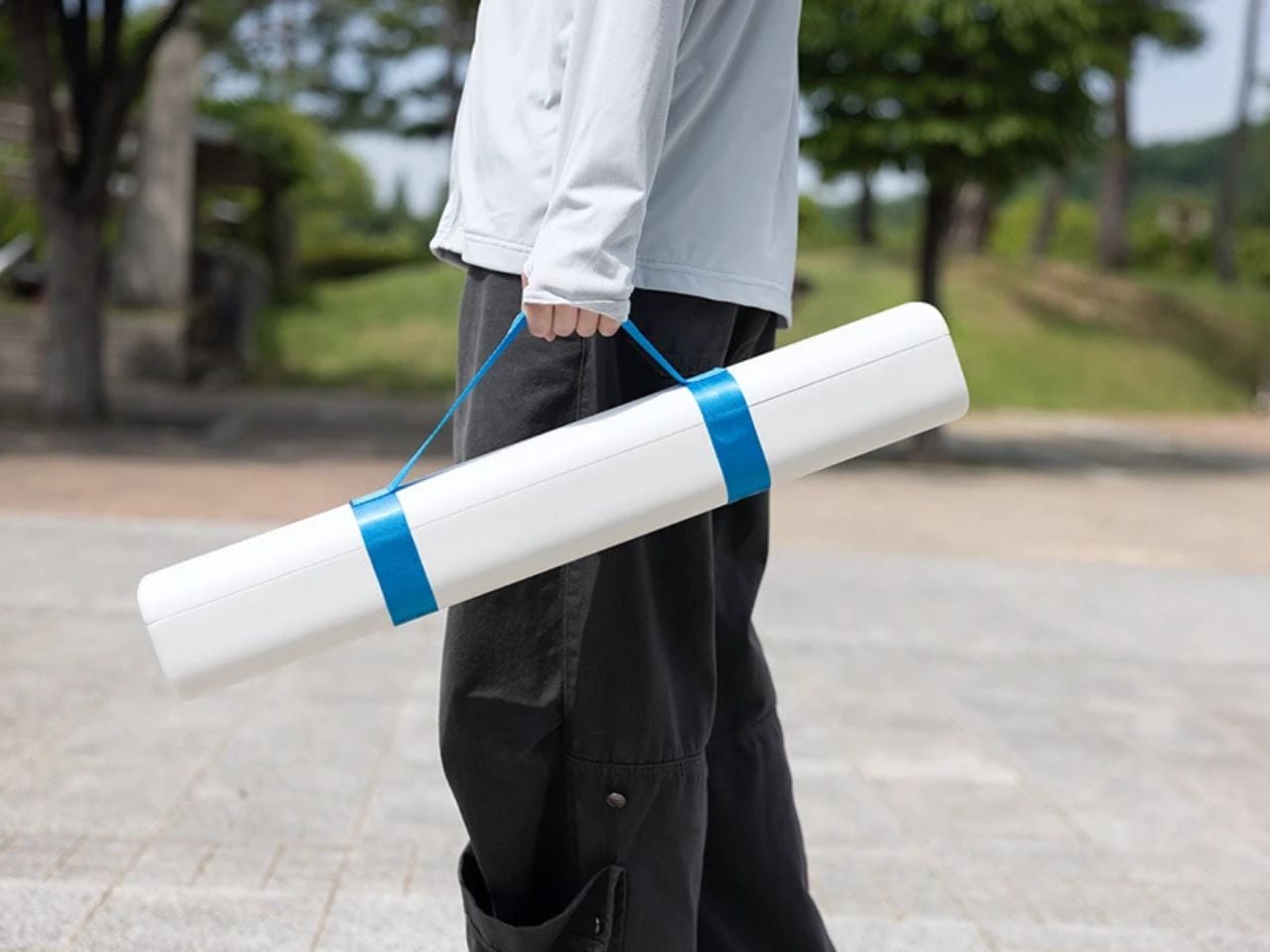
Even the packaging of Omnibath reflects its focus on practicality and ease of use. Inspired by the utility of a toolbox, the packaging is equipped with a hook on top that doubles as a handle, making it easy to carry. This clever design ensures that from the moment of purchase, users are met with convenience and functionality. The packaging not only protects the faucet but also serves as a nod to the product’s blend of form and function.

Omnibath is designed for effortless installation. It adheres to the standard dimensions for one-hole sinks, meaning it can easily replace existing faucets without the need for extensive modifications. The handle is easy to operate, further enhancing its accessibility for those with limited mobility or strength. This combination of thoughtful design and straightforward installation makes Omnibath an attractive option for homeowners looking to upgrade their bathroom fixtures with minimal hassle.

Safety is another core feature of Omnibath. The faucet is equipped with a visible water temperature indicator, reducing the risk of scalding and ensuring a safer bathing experience for all users, particularly children and the elderly. This added layer of protection gives users peace of mind, knowing that they can control and monitor the water temperature with precision.

Omnibath is a cutting-edge faucet system that merges style, functionality, and safety. By addressing the flaws of traditional designs, it offers a more intuitive, accessible, and reliable bathing solution. Whether you’re looking to enhance the aesthetic of your bathroom or need a faucet that’s easier and safer to use, Omnibath delivers on all fronts. Its sleek design, user-friendly features, and thoughtful packaging make it a must-have for any modern home.

The post This innovative 2-in-1 faucet system simplifies showering while enhancing your bathroom’s style first appeared on Yanko Design.
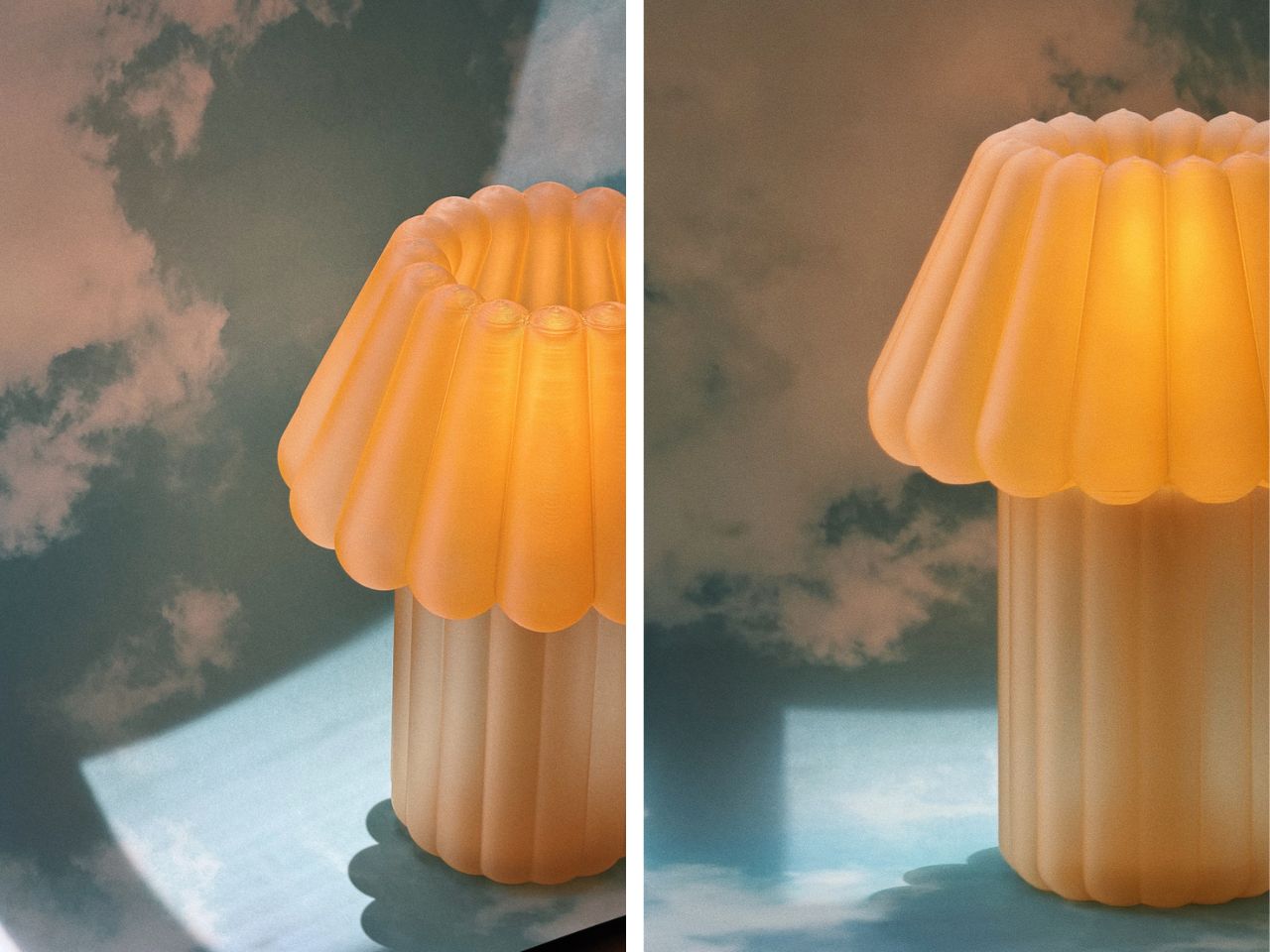
Nature-Inspired Lighting with Smart Features and Volcanic Design Aesthetics

The Magma Ambiance Lamp is a tribute to nature’s raw power, taking inspiration from the magnificent Puu Õõ volcanic cone. With its dynamic yet minimalist design, the lamp encapsulates the essence of an active volcano, allowing users to bring that natural wonder into their homes.

Designer: Zeta ID

The Magma Lamp draws from the striking image of an erupting volcano, with clean, conical lines that reflect the natural geometry of volcanic cones. Its design focuses on simplicity and fluidity, mimicking the flow of molten lava. The lamp’s adjustable lighting settings further enhance this concept, offering an experience akin to the glow of magma, pulsing and radiating from the center outward.

The design process began with a deep dive into geometric exploration, specifically focusing on conical shapes that evoke the majesty of volcanic formations. The goal was to capture a balance between form and function, ensuring that the lamp’s structure would not only serve its lighting purpose but also stand as an artistic piece in any home. Texture and pattern proposals were equally crucial, with radial patterns expanding from the lamp’s core, visually mirroring lava flowing from a volcanic eruption.

The concept of radial patterns became central to the Magma design. By repeating the pattern outward from the center, the lamp visually simulates the flow of molten rock down a volcanic slope, creating a sense of movement and energy.

The first prototype was crucial for refining the lamp’s size, developing an in-house PCB, and testing color and light intensity. While the battery lasted an impressive 18 hours at maximum brightness, the team saw room for improvement. The next iteration aimed to extend battery life and introduced remote intensity control, scheduled on/off options, and synchronization with other Magma lamps to create cohesive lighting atmospheres across different areas of the home.

Building upon its initial success, the Magma lamp underwent a design evolution. The latest version embraces a bolder, more contemporary aesthetic while maintaining its connection to volcanic inspiration. New textures applied along the neck of the lamp simulate the appearance of erupting lava particles, while intensified textures at the base add a sense of movement and dynamism. The placement of the brand’s logo was intentionally unconventional, keeping the lamp free from visible text and maintaining the minimalist aesthetic.

To complement various home interiors, neutral and pastel color options were chosen, ensuring that the Magma lamp could seamlessly integrate into a wide range of settings while still making a bold statement.

The next phase of the Magma Lamp development focuses on integrating smart functionality. The design team plans to introduce mobile app connectivity, allowing users to configure automatic on/off schedules, manually adjust light intensity, and synchronize multiple lamps for a unified experience. Additionally, the battery life will be doubled to provide even greater autonomy, ensuring the lamp can light up your home for extended periods without frequent recharging.

Beyond functionality, the assembly process is also being optimized. The goal is to create a visually clean product with no visible screws or fittings, ensuring that every Magma lamp maintains a polished and elegant appearance.

The Magma Ambiance Lamp is a remarkable blend of natural inspiration and cutting-edge design. It brings the captivating energy of a volcanic eruption into the home, with smart features and a design that elevates any interior space. As it evolves, the Magma promises to continue providing not just light, but a transformative ambiance, creating warm and connected atmospheres that reflect the beauty and power of nature.

The post Nature-Inspired Lighting with Smart Features and Volcanic Design Aesthetics first appeared on Yanko Design.
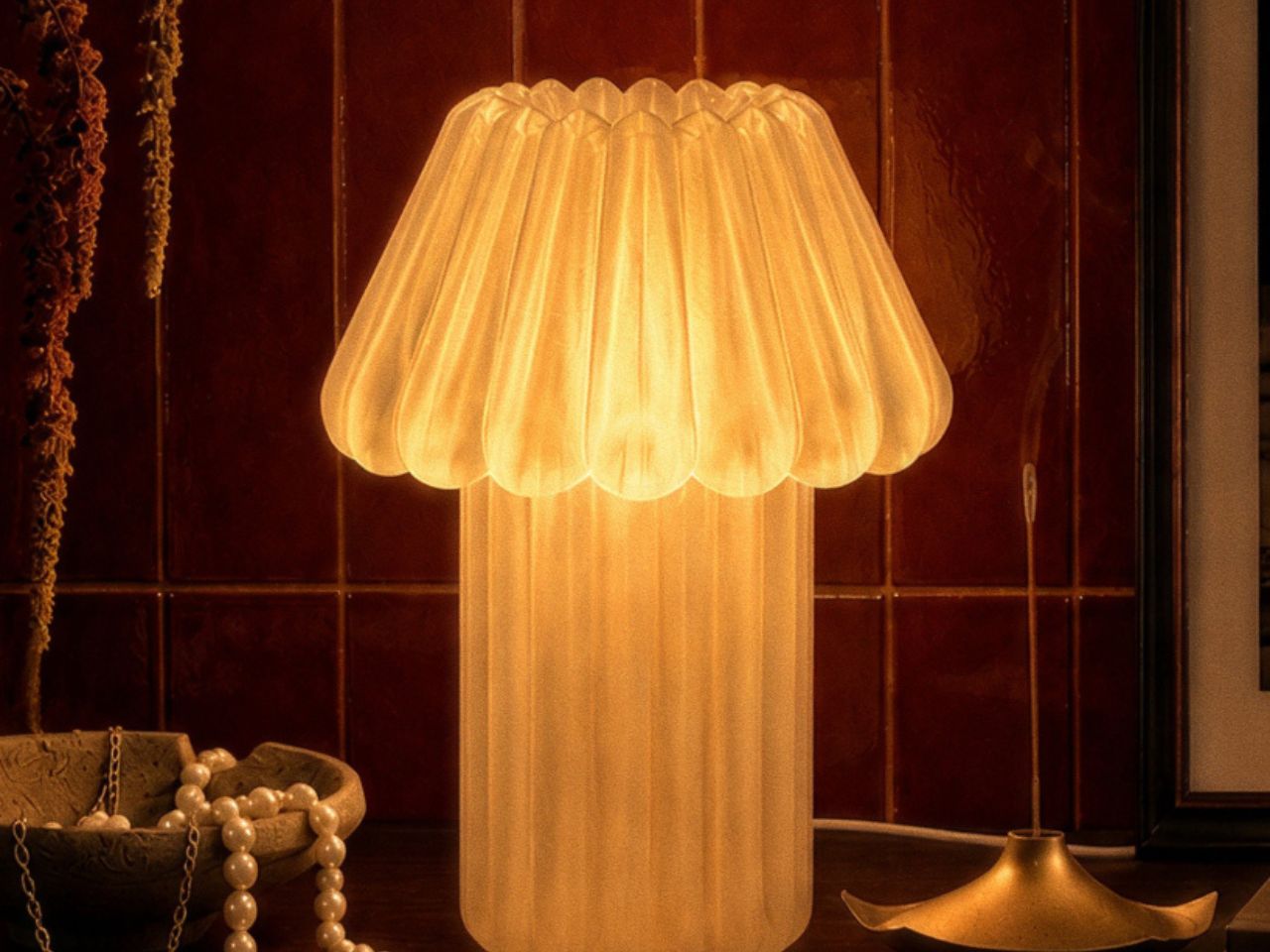
Dopio: The Chair That Fits Into Any Room With Its Simplistic Elegant Charm

In the world of furniture design, where objects often compete to be the center of attention, the Dopio lounge chair takes a different approach. A product born from a philosophy of understated elegance, Dopio embraces simplicity, allowing it to seamlessly blend into any environment without overwhelming the space. Its minimalistic aesthetic serves as a quiet complement, embodying the beauty of subtlety.

Designer: Thibaud ROLLET

Dopio draws its first breath of inspiration from the Iso-lounge chair by renowned designer Jasper Morrison, echoing his famous motto: “Object should never shout.” This sentiment is at the heart of Dopio’s design. Rather than vying to be the focal point, this lounge chair exists to support and enhance the broader indoor composition. It’s not a statement piece that demands attention but a thoughtfully crafted element that helps tie a room together.

Constructed from just three plywood panels and two cushions, Dopio distills furniture design to its essentials. The use of plywood not only contributes to its minimalist appearance but also offers a tactile warmth that suits a variety of interiors. The simple assembly of these materials underscores the elegance of the chair’s design, where less truly becomes more.

One of the most striking aspects of Dopio is its versatility. Its muted aesthetic allows it to complement virtually any interior style, whether modern, minimalist, or traditional. It’s the kind of chair that feels at home in a variety of spaces, from high-end office receptions and hotel lobbies to restaurants and public areas. At home, Dopio’s discreet elegance makes it an ideal addition to lounges, living rooms, or reading nooks. Its clean lines and neutral tones make it adaptable to various settings, effortlessly blending into the environment while subtly enhancing it.

Dopio also offers a unique feature that appeals to pet lovers. The open space at the bottom of the chair creates a cozy nook that pets are sure to adore, making it a favorite spot for them to curl up and relax. This playful touch adds a layer of warmth to the chair’s otherwise sleek design, making it both functional and inviting.

The post Dopio: The Chair That Fits Into Any Room With Its Simplistic Elegant Charm first appeared on Yanko Design.
Nelumbo Restaurant Caters To Your Moods Throughout The Day With Lasting Serene Experiences

Floating serenely on the water like a lotus in full bloom, Nelumbo is not just an architectural marvel, it’s a poetic fusion of nature and design, inviting guests into a dining experience like no other. This innovative floating restaurant takes inspiration from the grace of the lotus flower, seamlessly blending into its aquatic surroundings while offering a multi-level journey of culinary delights. As you step inside, you’re not merely entering a restaurant; you’re embarking on a serene, immersive experience that unites cutting-edge sustainability with nature’s quiet beauty.

Designer: Thilina Liyanage

The core of Nelumbo’s architectural brilliance lies in its commitment to sustainability. The primary structure is crafted from bamboo, a renewable material that reflects the restaurant’s dedication to environmentally conscious design. Bamboo’s natural strength and flexibility make it a perfect choice for this floating marvel, allowing for both durability and elegance.

A canvas roof crowns the building, mimicking the petals of a lotus in full bloom. The roof’s lightweight, weather-resistant properties ensure that the structure remains resilient against the elements, while its organic shape enhances the restaurant’s naturalistic aesthetic. At the heart of this unique structure, a glass dome serves as a skylight for the top-level coffee shop, evoking the sensation of dining in an open-air rooftop café. This thoughtful detail not only adds to the aesthetic appeal but also ensures ample natural light during the day, creating a serene and open atmosphere.

Perhaps the most striking aspect of Nelumbo’s design is how it appears to float effortlessly on water. Its reflection creates a stunning visual effect, blurring the lines between reality and illusion. This architectural illusion makes Nelumbo feel like a part of the aquatic environment, a gentle lotus flower resting on the water’s surface, enhancing the feeling of tranquility and connection with nature.

Nelumbo offers a multi-dimensional culinary experience across three distinct levels, each designed to cater to different moods and times of the day.

Level 1: The Main Restaurant (3000 sqft)
The first level is where the full-service dining experience takes place. With a spacious area of 3000 square feet (279 sqm), it comfortably accommodates up to 85 guests. The ambiance here is refined yet relaxed, perfect for everything from family dinners to special occasions. Large openings offer uninterrupted views of the water, allowing guests to dine in an atmosphere of calm and serenity.

Level 2: The Bar (2500 sqft)
As the sun sets, Nelumbo’s second level comes to life. The 2500-square-foot bar area is the perfect spot for evening cocktails, with a lively yet intimate atmosphere. It can host up to 70 people, making it an ideal place for socializing and unwinding. Whether it’s enjoying a classic drink or sampling creative, handcrafted cocktails, the bar is designed to be a hub for nightlife while still maintaining the restaurant’s tranquil ambiance.

Level 3: The Coffee Shop (1450 sqft)
The top level offers a more laid-back experience, ideal for daytime visitors seeking a calm, reflective space. The 1450-square-foot coffee shop, with seating for up to 40 people, provides a serene spot for enjoying freshly brewed coffee while taking in the surrounding beauty. The glass dome skylight overhead adds to the charm, creating the illusion of an open-air rooftop café, with natural light flooding the space.

As day turns to night, Nelumbo undergoes a mesmerizing transformation. The interior lighting illuminates the structure from within, casting a warm, inviting glow that reflects off the water’s surface. This glow enhances the lotus-like appearance of the restaurant, making it a luminous beacon in its waterfront setting. It’s particularly breathtaking at dusk, when the soft light contrasts with the deepening colors of the evening sky, creating a magical atmosphere that beckons diners from afar.

The design’s interplay with light and water is perhaps one of its most striking features. It creates a visual harmony that ties together the architecture, the natural surroundings, and the overall dining experience, making Nelumbo not only a place to eat but a destination that invites contemplation and admiration. Ultimately, Nelumbo offers more than just food and drink—it offers an unforgettable journey through nature, architecture, and gastronomy, all within the serene setting of a floating lotus on water.

The post Nelumbo Restaurant Caters To Your Moods Throughout The Day With Lasting Serene Experiences first appeared on Yanko Design.
The Eye-Catching Lighting Installation Is A Dazzling Fusion Of Innovation and Minimalism

At the last Euroluce show in Milan, the Liiu lamp by Vantot, edited by Luceplan, captured attention for its striking design. Liiu is a suspended structure with thin conductive wires that support small LED lamps. These lamps are held in place by springs that adjust their height, giving the entire piece a clean, minimalist appearance. It has since been recognized as an iconic piece, praised for its distinctive and innovative design.

Designer: Vantot, edited by Luceplan

Creating an iconic lamp is no small feat in the saturated market, and Liiu has managed to achieve this status by balancing aesthetics with functionality. Its design is both decorative and functional, drawing interest with its unique form and construction. The lamp’s instantly recognizable structure, coupled with its innovative use of conductive materials, sets it apart from more traditional lighting designs.

Vantot, known for its boundary-pushing approach to lighting design, avoids conventional methods in favor of more experimental techniques. The studio’s portfolio reflects this innovative spirit, with each lamp designed around the way light behaves and interacts with its environment, rather than merely focusing on creating a beautiful lampshade. The complexity of lighting design goes beyond what is typically considered in other design objects, requiring careful attention to both the construction and the behavior of light.

Two of Vantot’s other notable designs, the V-V-V and O-O-O lamps, exemplify the studio’s approach. The V-V-V lamp features a thin metal structure suspended by wires that also conduct electricity. This eliminates the need for traditional power cords, creating a sleek and modern design that serves both decorative and functional purposes. Its fishbone-shaped metal frame holds three LED lights, which diffuse light horizontally, making it an art piece as much as a lighting fixture.

On the other hand, the O-O-O lamp provides a different kind of lighting experience. While it uses similar conductive materials, its design is intended to provide subtle, ambient lighting. The glass lampshade directs light vertically, diffusing it gently throughout the room. The modular construction allows for customization in both the size and frequency of the lighting elements, making it adaptable to various spaces and user preferences.

Both lamps, along with Liiu, illustrate how Vantot explores new possibilities in lighting design, leveraging contemporary LED technology. LEDs operate at much lower voltages than traditional lighting, allowing for more creative flexibility in how electricity is conducted through the structure. This opens up new ways of integrating lighting into interior spaces safely, without the need for bulky or dangerous power cords.

The Liiu lamp, in particular, stands out for its elegant simplicity, combining function and form in a seamless design. Vantot’s attention to detail ensures that every element of the lamp, from its height-adjusting springs to the conductive wires, is carefully considered and tested. The studio’s approach to research and development means that each product undergoes extensive testing and refinement before reaching the market, ensuring that both aesthetics and performance are optimized.

In addition to their individual products, Vantot also creates large-scale lighting installations that showcase the full potential of their designs. These installations are often sculptural in nature, blending art with functional lighting in a way that enhances the surrounding environment. The Liiu lamp itself originated as one such installation before being adapted for commercial production.

Vantot’s work highlights the importance of innovation in lighting design, focusing on how light is emitted and managed rather than simply how the lamp looks. With Liiu, V-V-V, O-O-O, and other designs, the studio demonstrates that lighting can be more than just a source of illumination—it can be an emotional and immersive experience, pushing the boundaries of what is possible in contemporary design.

The post The Eye-Catching Lighting Installation Is A Dazzling Fusion Of Innovation and Minimalism first appeared on Yanko Design.
Experience Music in Style with the Hauf Vertical Record Player: A Modern Twist on Vinyl

The vinyl record player, once an iconic symbol of music’s golden age, has evolved into a nostalgic artifact. Yet, in a world where retro trends keep resurfacing, bringing back the record player in an exciting new way would be a perfect blend of past and present. Enter the Hauf Vertical Record Player, a modern twist on this timeless piece of technology that reimagines how we experience both music and design.
Designer: Fatih Demirci

At first glance, the Hauf Vertical Record Player captures attention with its unique vertical orientation. Gone are the days of flat, table-top turntables. Hauf redefines the way we interact with vinyl records by turning this traditional medium into a visual experience. Watching the record spin vertically becomes an engaging spectacle, adding a new dynamic to how we connect with our music. For any audiophile or design enthusiast, it’s a captivating way to merge sound and sight, transforming the act of listening into something both audible and aesthetic.

The design of the Hauf Vertical Record Player is a celebration of vintage charm married with modern minimalism. Its sleek, space-saving form doesn’t just sit in the corner of the room unnoticed. Rather, it becomes a focal point, a piece of functional art. By elevating the record player vertically, Hauf not only maximizes space but also enhances the appeal of vinyl collections, putting them on display like gallery pieces.

A key element of the player’s design is the clever use of materials that blend strength with elegance. The juxtaposition of industrial steel arms and smooth, white textured plastic creates a striking contrast. The steel arms provide an edgy, robust quality that speaks to durability, while the soft, white textured plastic adds a contemporary, clean look. Together, these materials form a balanced composition that complements modern interiors without sacrificing the vintage charm of vinyl culture.

Hauf’s Vertical Record Player reimagines what a record player can be, offering not only a nod to the past but also a futuristic approach to home audio systems. It embodies a fusion of function and form, a perfect centerpiece for music lovers and design aficionados alike. As vinyl continues to make its resurgence in today’s digital age, the Hauf Vertical Record Player stands as a bold reminder that some things never go out of style, they just evolve.

The post Experience Music in Style with the Hauf Vertical Record Player: A Modern Twist on Vinyl first appeared on Yanko Design.