Camera Batteries Go Missing, So This $70 One Tracks Itself

Camera batteries are one of those accessories that photographers never think about until something goes wrong. They’re small enough to vanish into the bottom of a bag or a jacket pocket, common enough to own several of and regularly mix up, and important enough that losing one mid-trip can force an early stop to a shoot. The solution most people reach for is buying more of them, which only increases the number of things to keep track of.

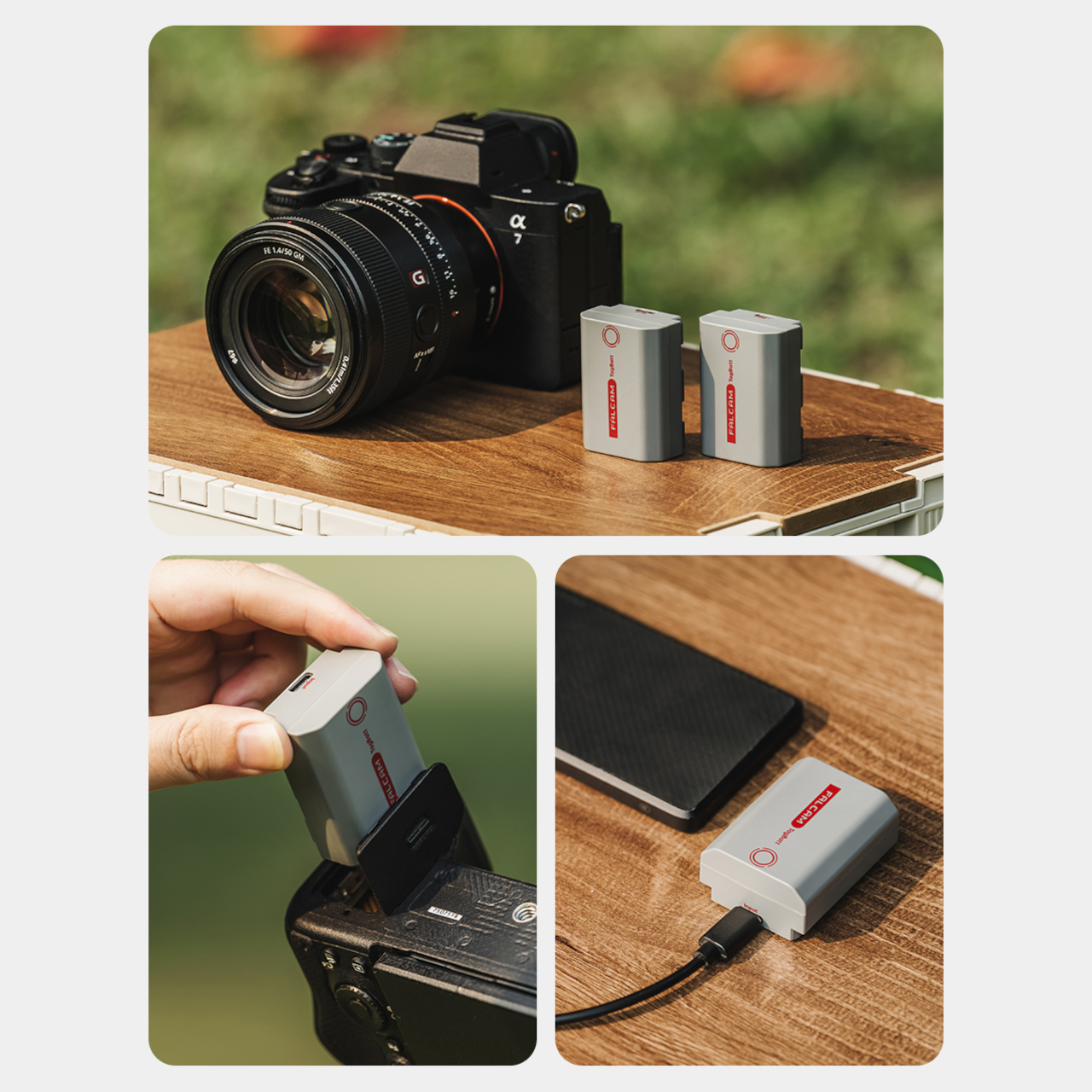
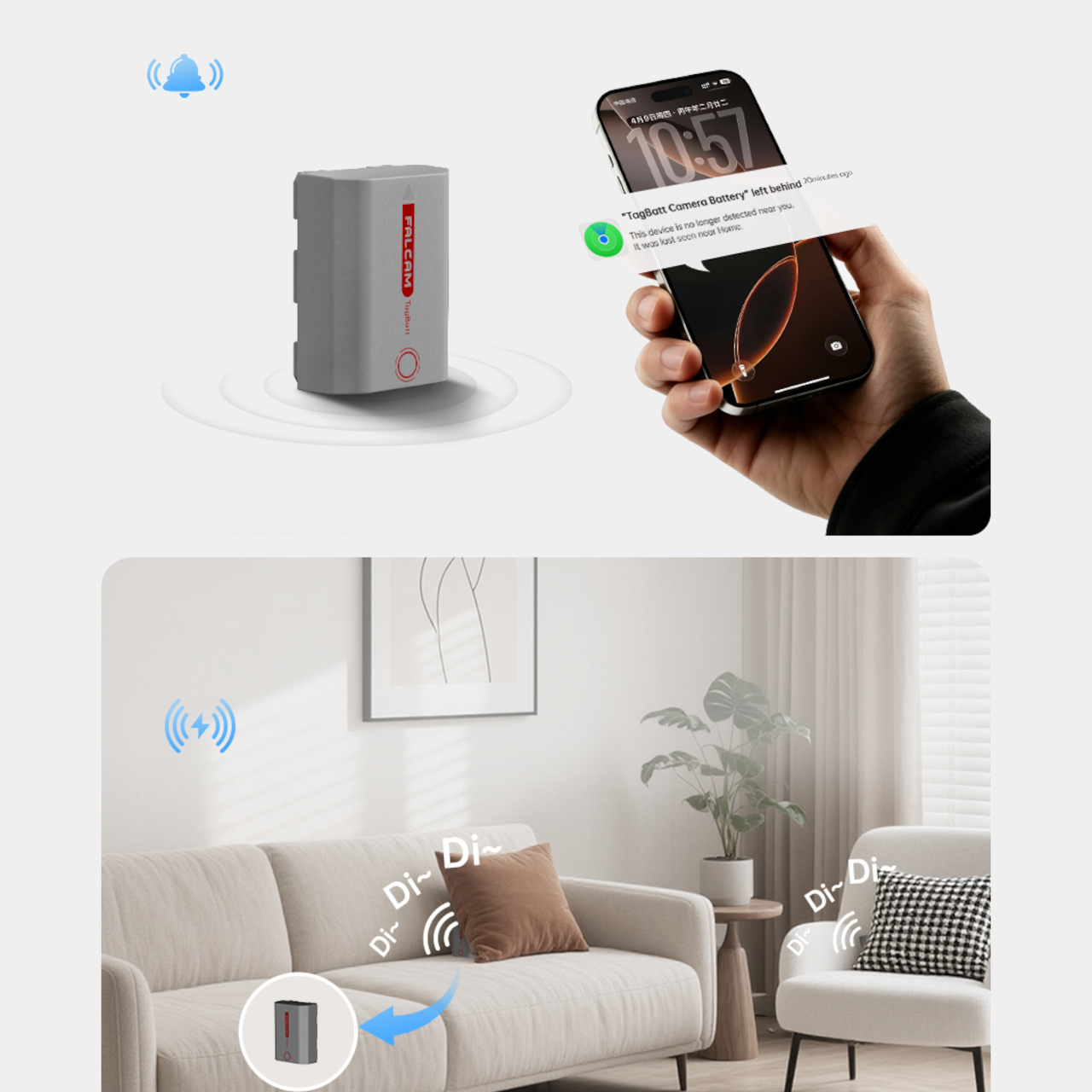
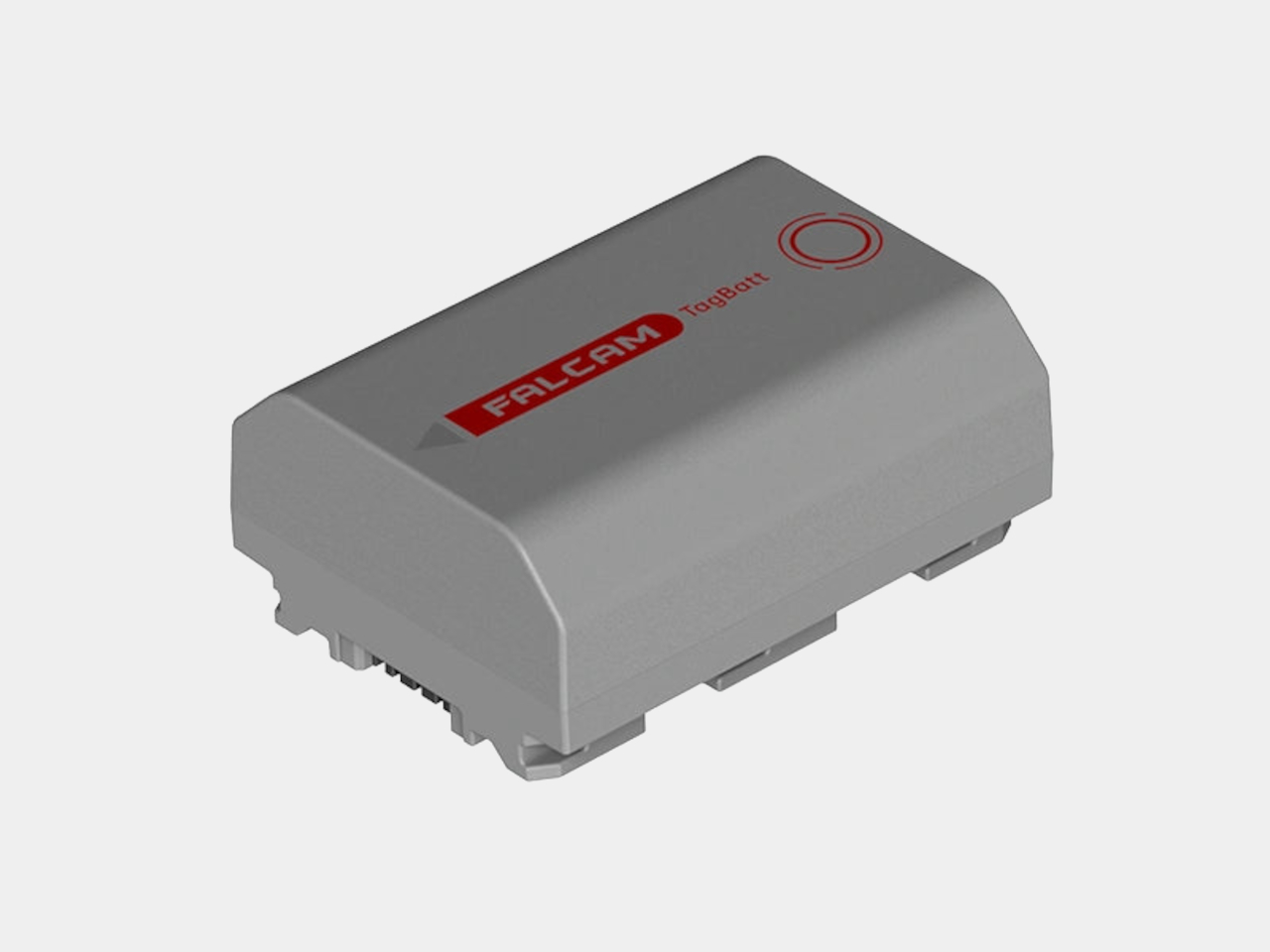
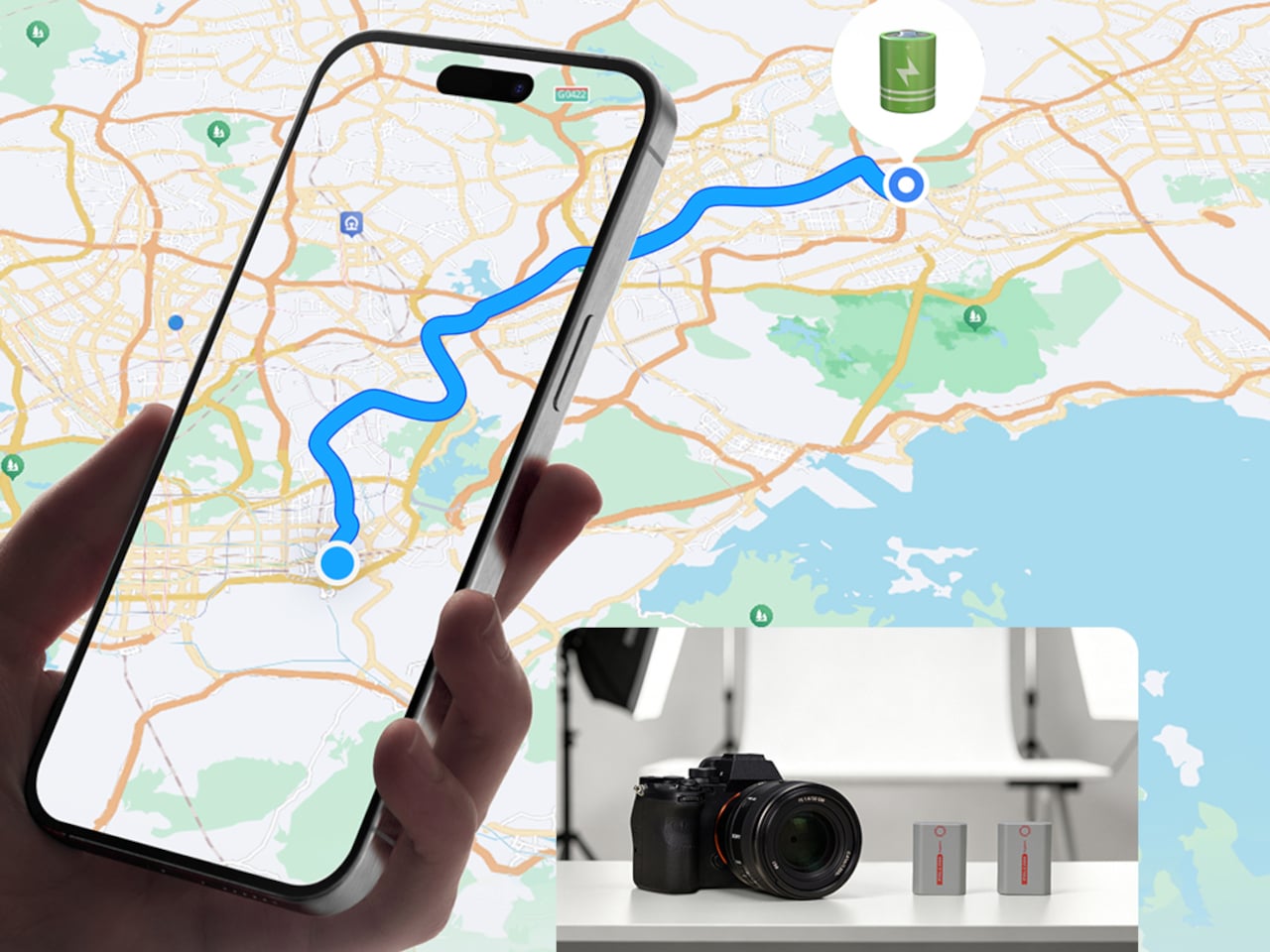
The FALCAM TagBatt addresses the problem from inside the battery itself. Compatible with Sony’s NP-FZ100 form factor, it integrates Apple’s Find My tracking technology directly into the cell, so the battery carries its own location data wherever it goes. If it ends up left behind at a studio, a venue, or the seat pocket of a flight, the Find My app will flag it and show its last known position.

Designer: FALCAM
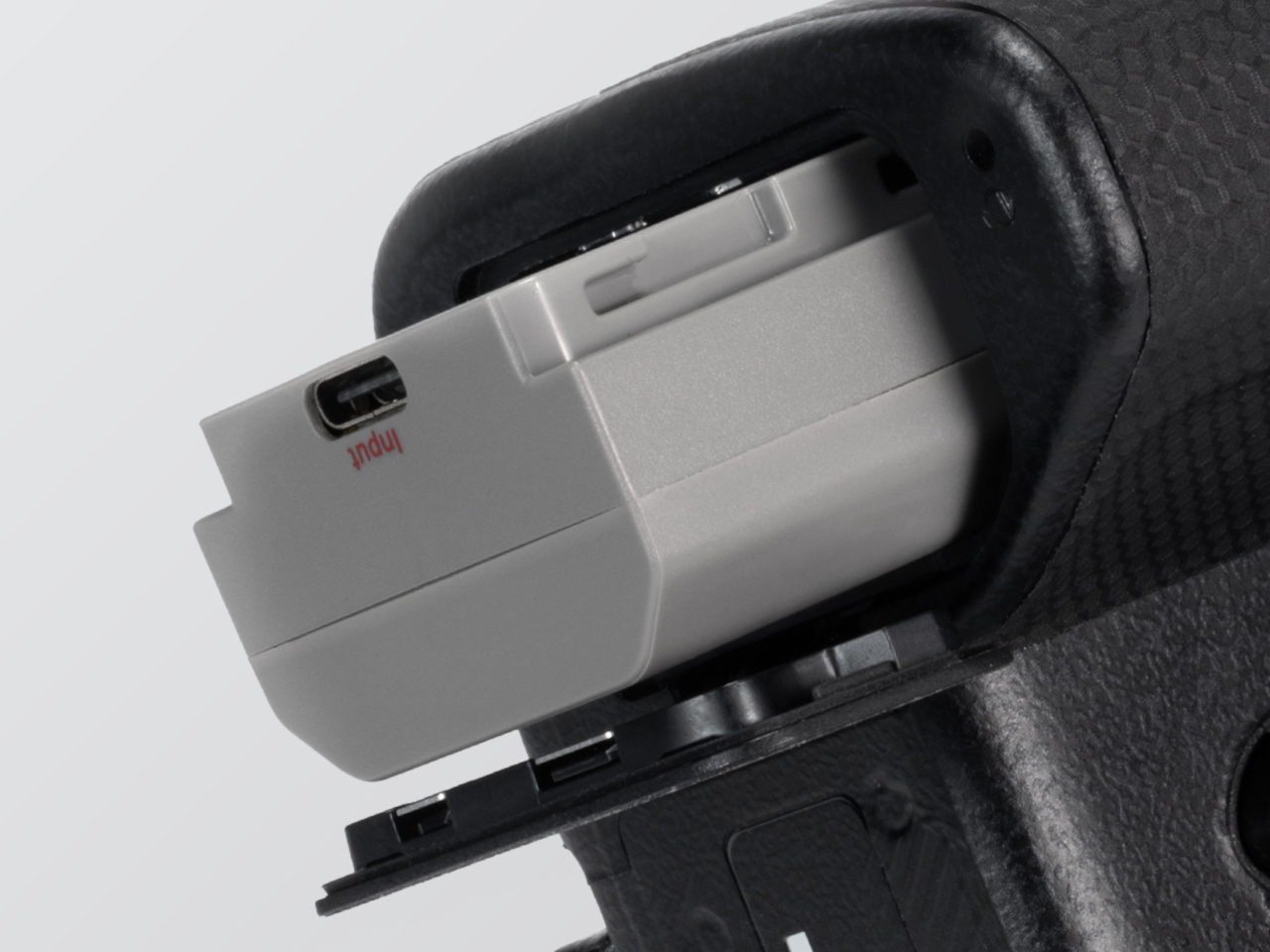
Because the tracker lives inside the battery rather than clipped to a camera strap or screwed into a cage mount, it’s considerably harder to spot. An opportunistic thief who grabs a camera bag and removes any obvious Bluetooth puck from the outside can’t strip out what’s already built into the power source. It’s the kind of discreet integration that external trackers can’t quite replicate, no matter how small they get.
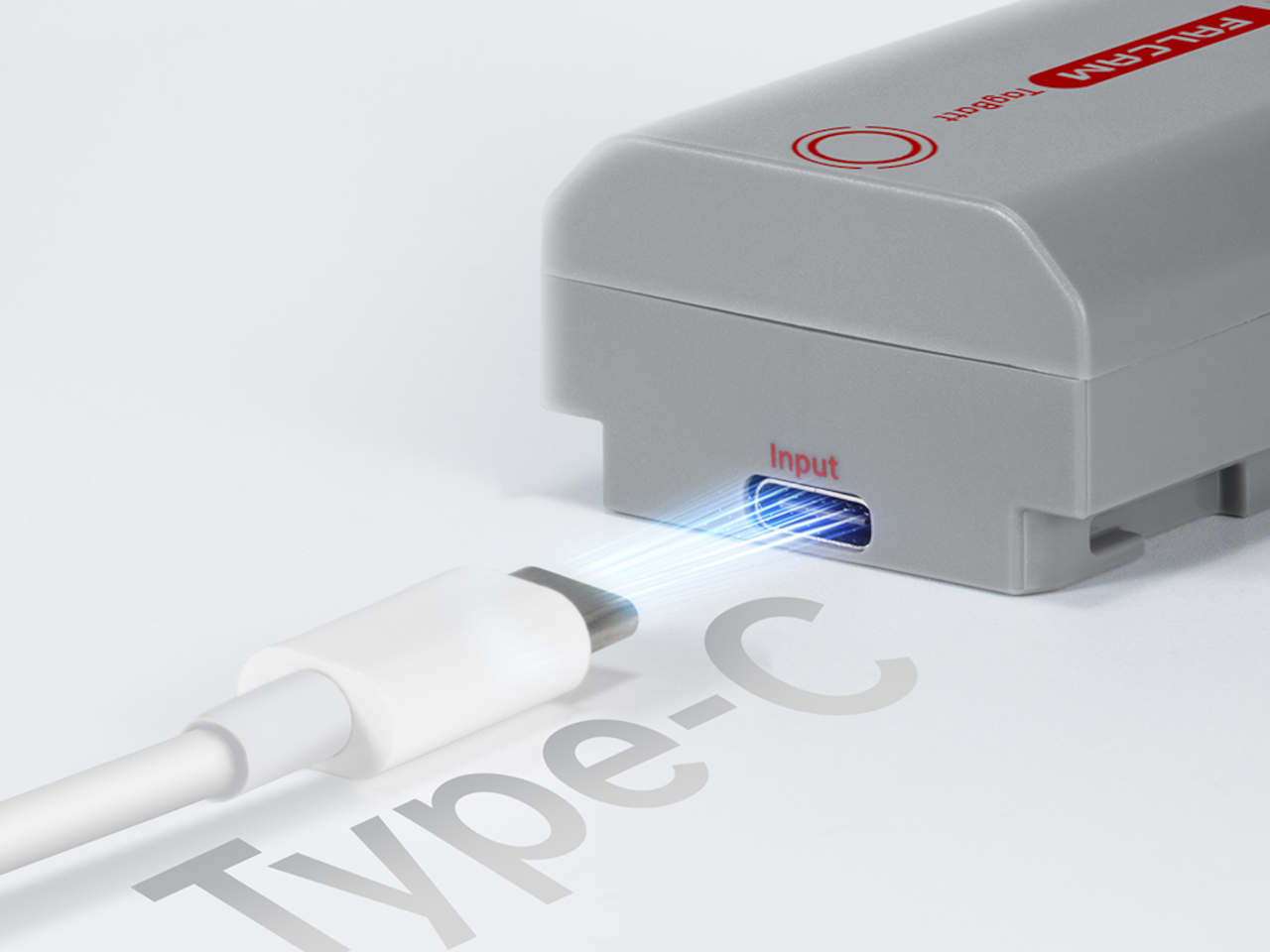
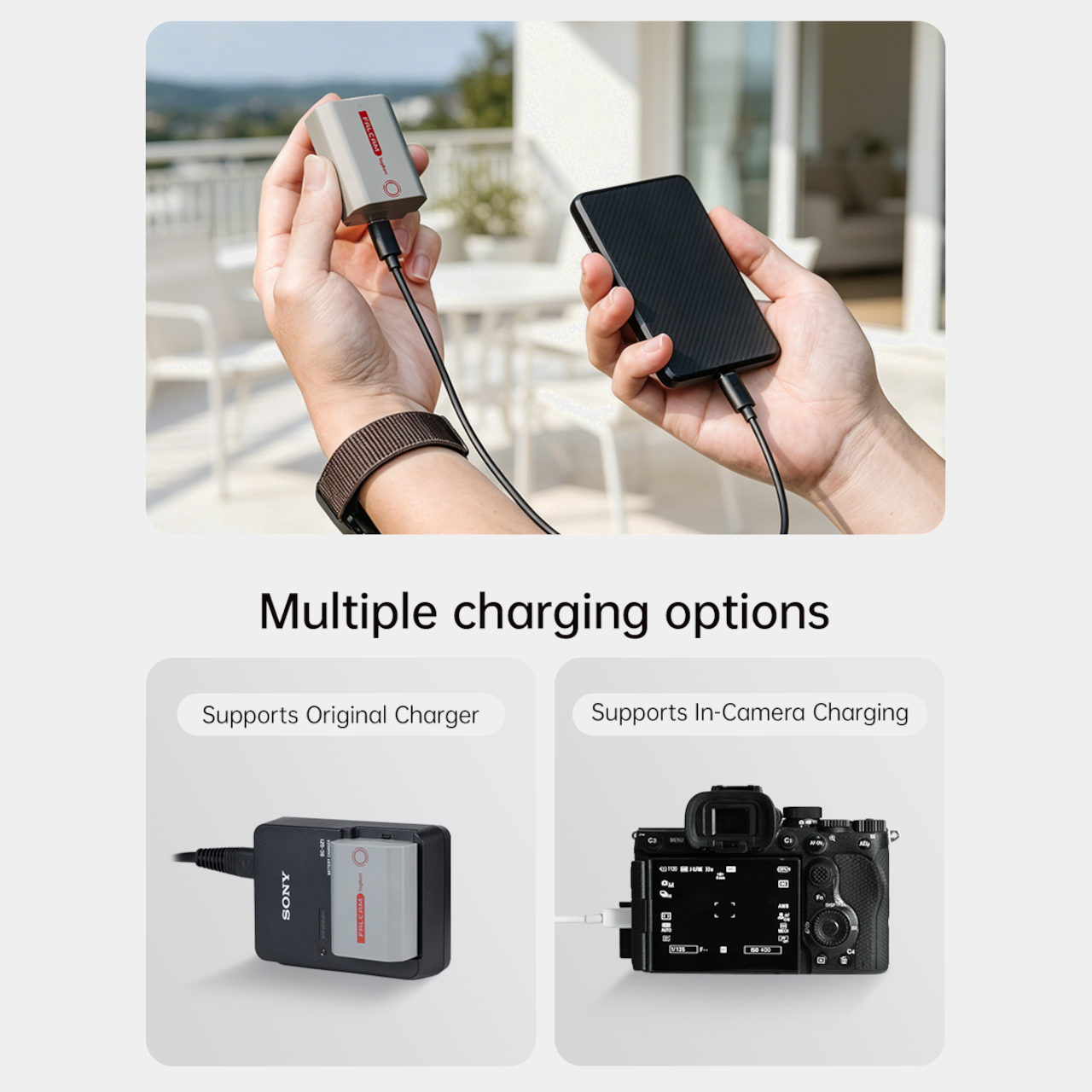
The tracking isn’t the only thing the TagBatt changes about how a camera battery behaves. A built-in USB-C port lets it charge directly from any standard USB-C source, including a power bank or a travel adapter, without needing the dedicated Sony battery charger that typically takes up its own space in a kit bag. Pop it out of the camera, plug it in overnight, and it’s ready in the morning without routing around a charger at all.
Capacity comes in at 2,600mAh against the OEM Sony NP-FZ100’s 2,280mAh, which translates to a modest but real advantage per charge. An advanced decoding chip handles the communication with the camera’s internal systems so the body treats it as it would any genuine battery, with accurate charge-level reporting and none of the “non-genuine battery” warning messages that typically accompany third-party cells.
Compatibility covers a wide sweep of Sony’s current lineup, including the Alpha 7 series through the Alpha 7 V, the Alpha 9 series, the Alpha 6700, the FX3 and FX30, and the ZV-E1, among others. A Canon LP-E6 version is also available now, with Nikon EN-EL15 and Fujifilm NP-W235 versions confirmed to be in development.

At $69.99, the TagBatt costs more than a standard third-party replacement but considerably less than the Sony original, and it comes with two capabilities that the original simply doesn’t offer. For photographers who travel frequently, work in locations where gear occasionally goes astray, or are just tired of carrying a charger they’d rather leave at home, the trade-off makes a fairly straightforward case.
The post Camera Batteries Go Missing, So This $70 One Tracks Itself first appeared on Yanko Design.
Pebblebee trackers can find items with the new Google Find My Device network

Although Bluetooth item trackers existed long before, Apple really took things up a notch with the AirTags. Of course, what made these small discs really valuable wasn’t just their minimalist design but their use of Apple’s crowd-sourced Find My network. This system basically utilized the large number of iOS devices spread throughout the world to pinpoint the tracker’s location accurately and quickly. It was a long time coming, but Google finally launched its own version of that network, unsurprisingly dubbed “Find My Device,” and soon Android phone owners will also be able to locate lost wallets, misplaced remote controls, stolen bags, or any other items with these upcoming “item finders” designed for every need and purpose.

Designer: Pebblebee

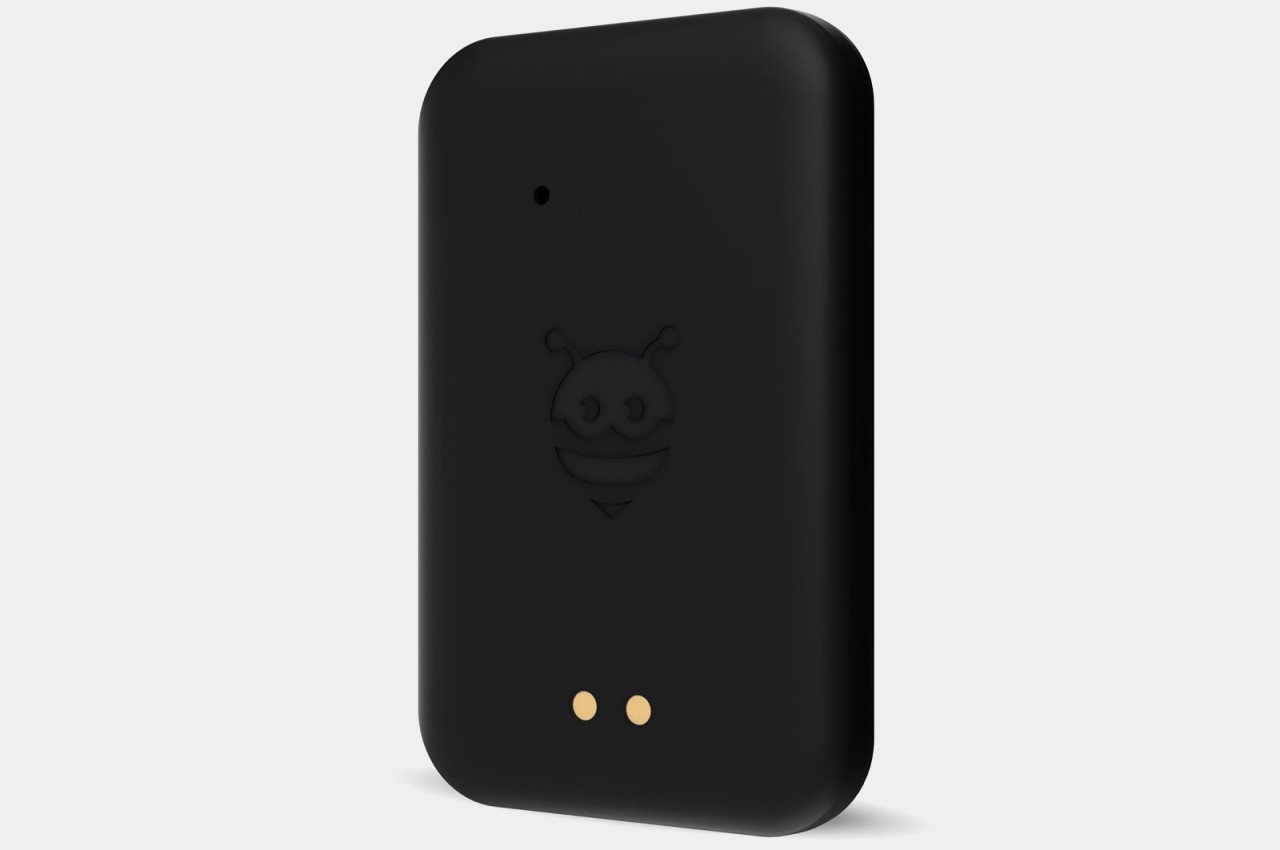
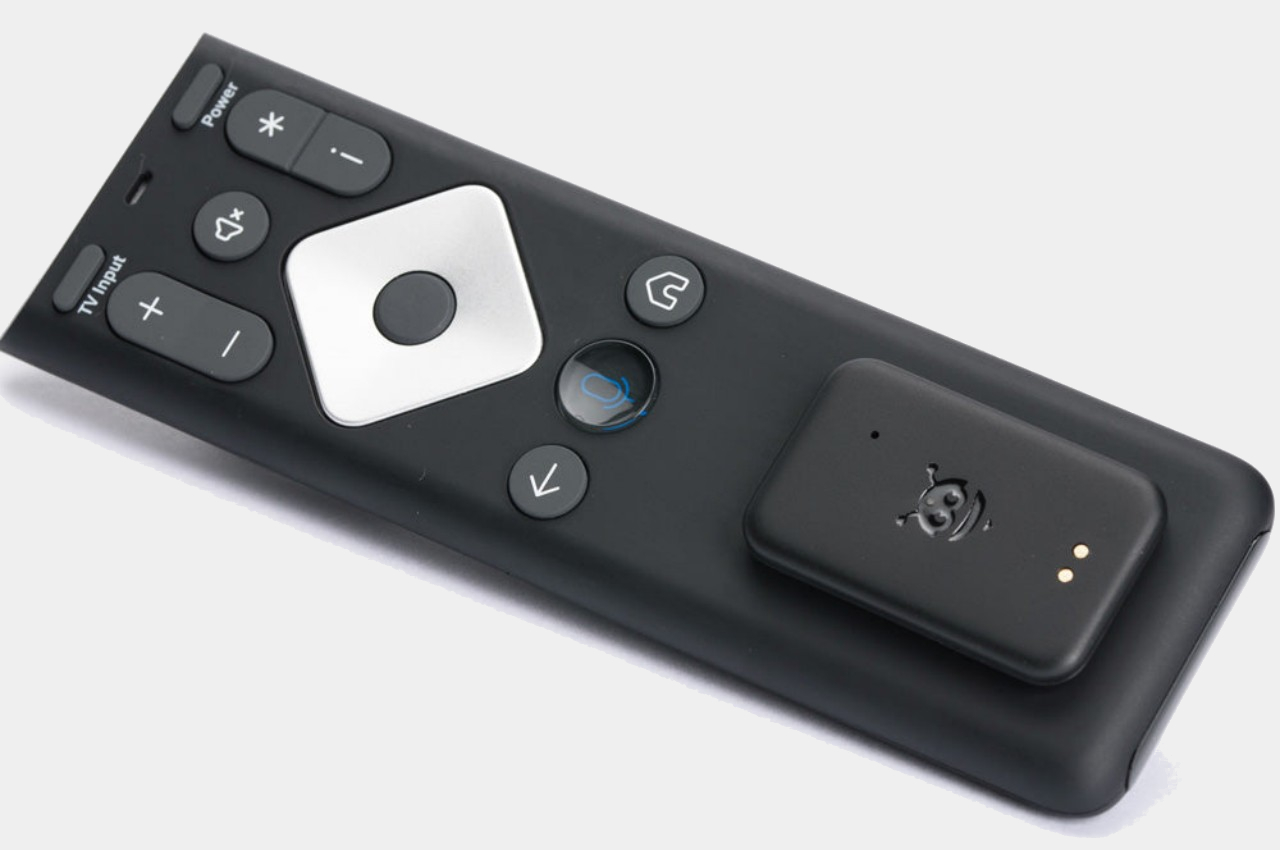
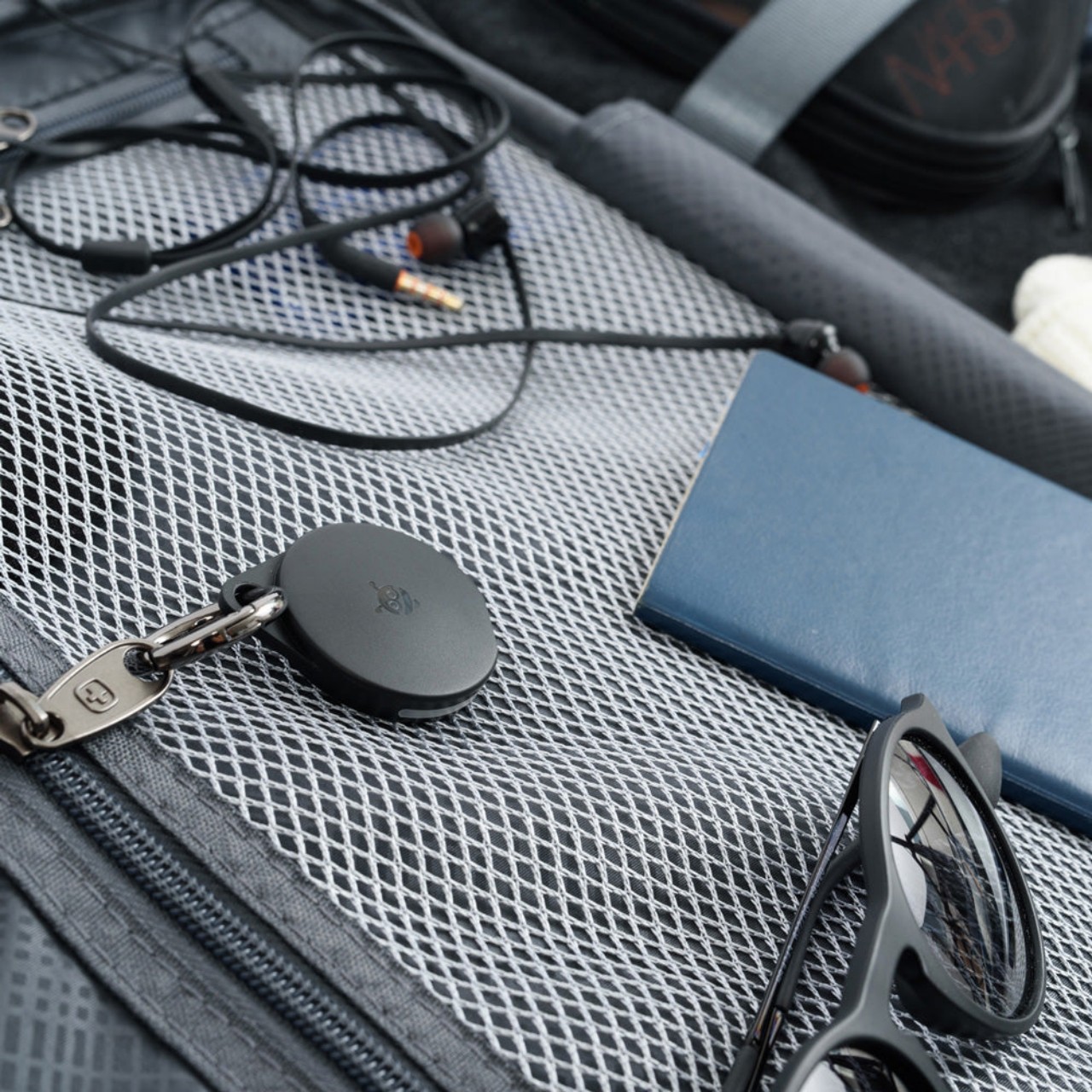
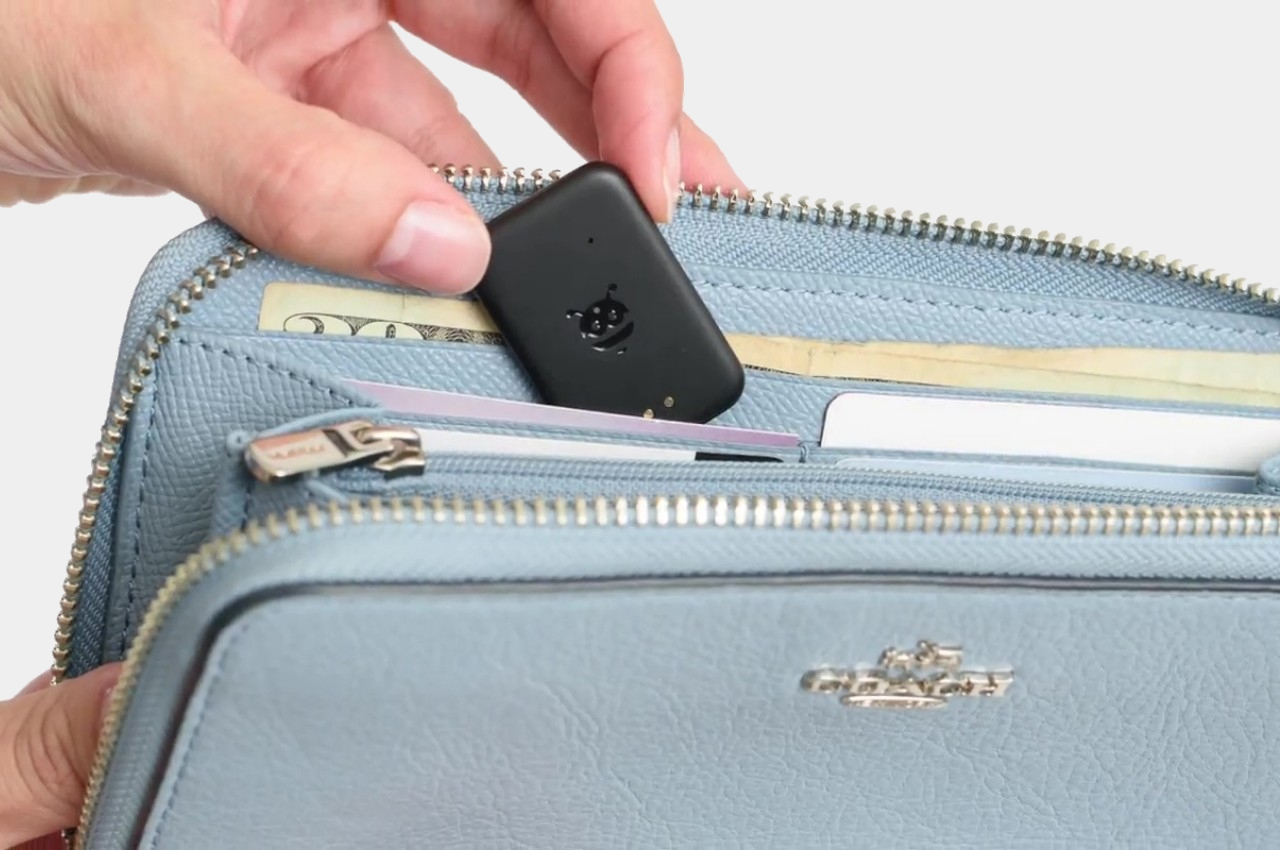
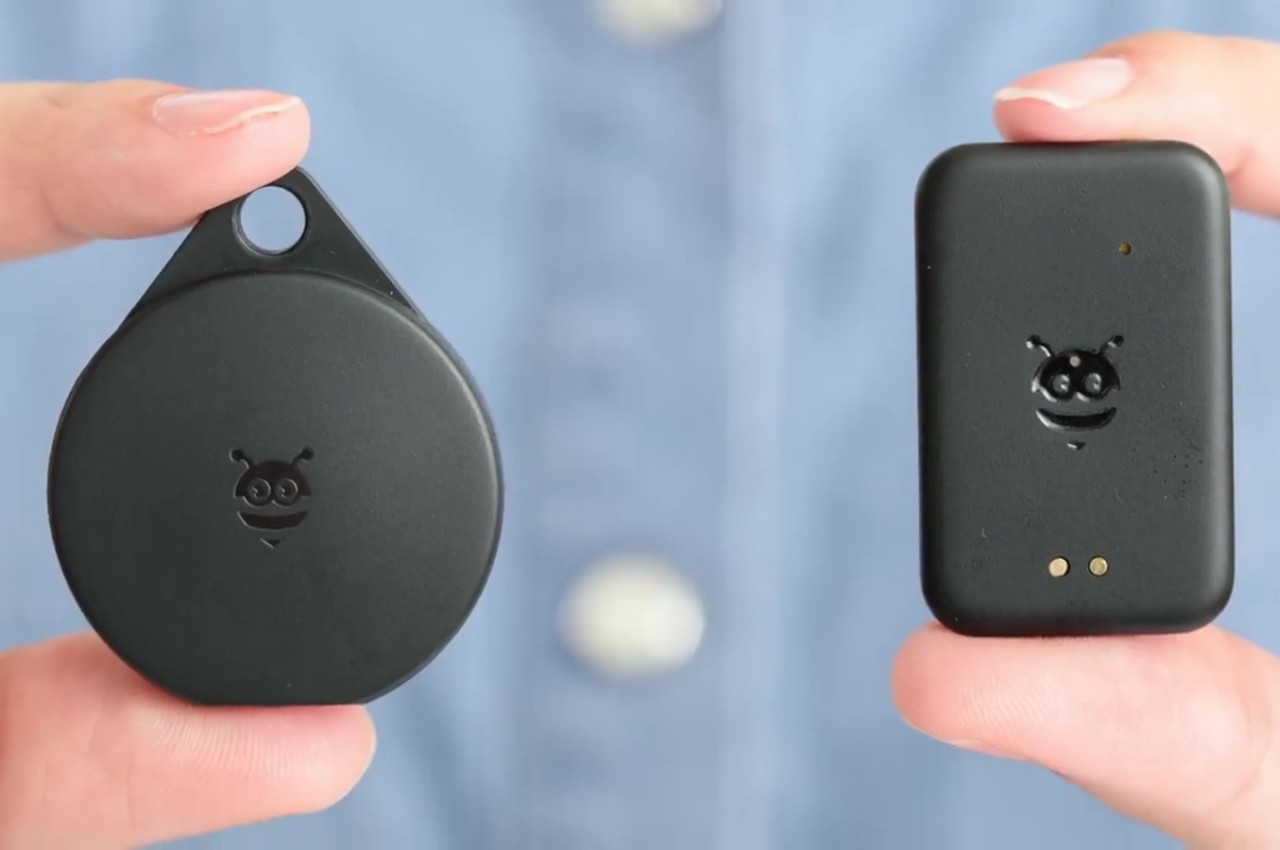
It’s almost a meme about how remote controls tend to get sucked into the black hole that is the living room couch, but having no way to control a TV or entertainment system is no laughing matter. The new Pebblebee Tag for Android makes that problem a thing of the past by letting you stick a thin 40mm x 26mm (1.57in x 1.02in) black rectangle on the remote so that you can easily locate it later, even if it’s buried under cushions and pillows. Given its small size, it’s also trivial to slip this tracker in pockets, bags, and suitcases so that you’ll never accidentally forget them in the coffee shop ever again.

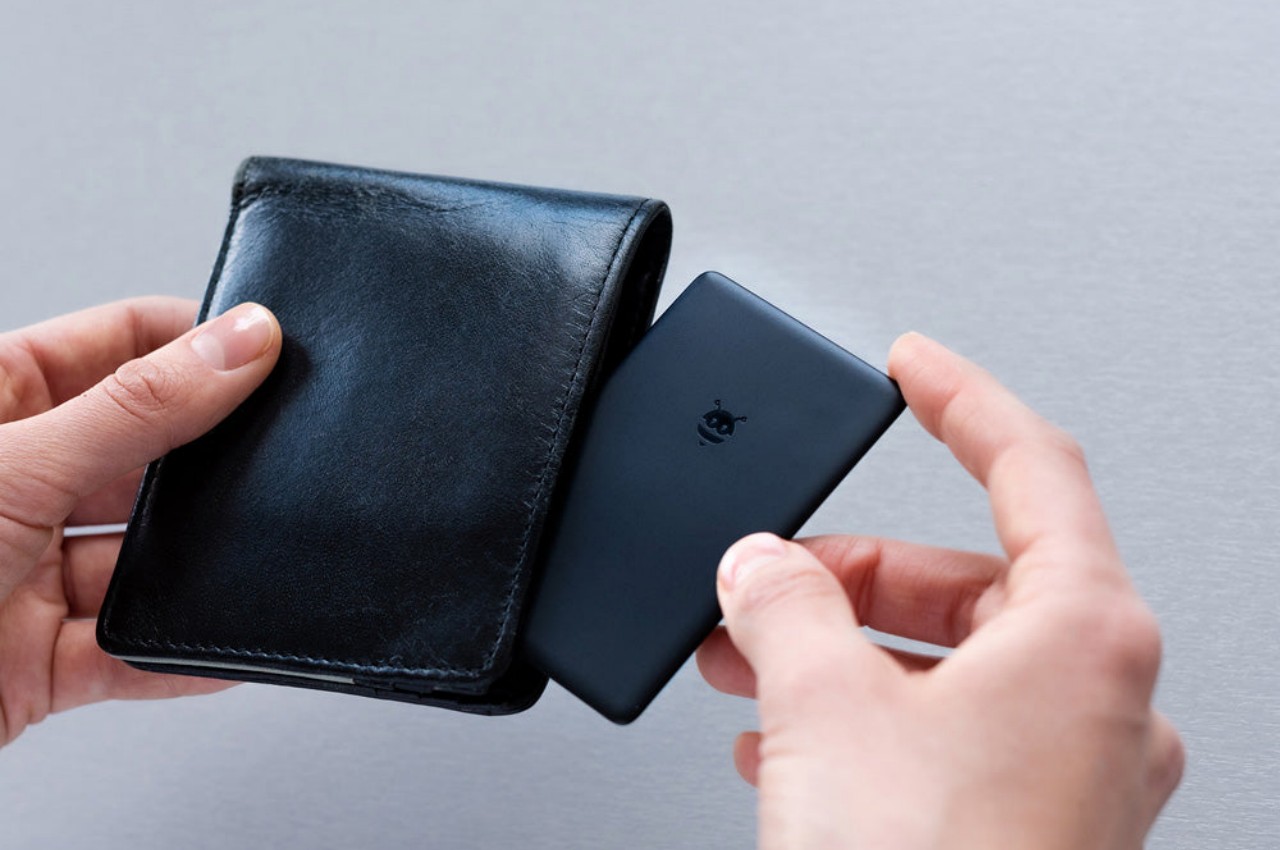
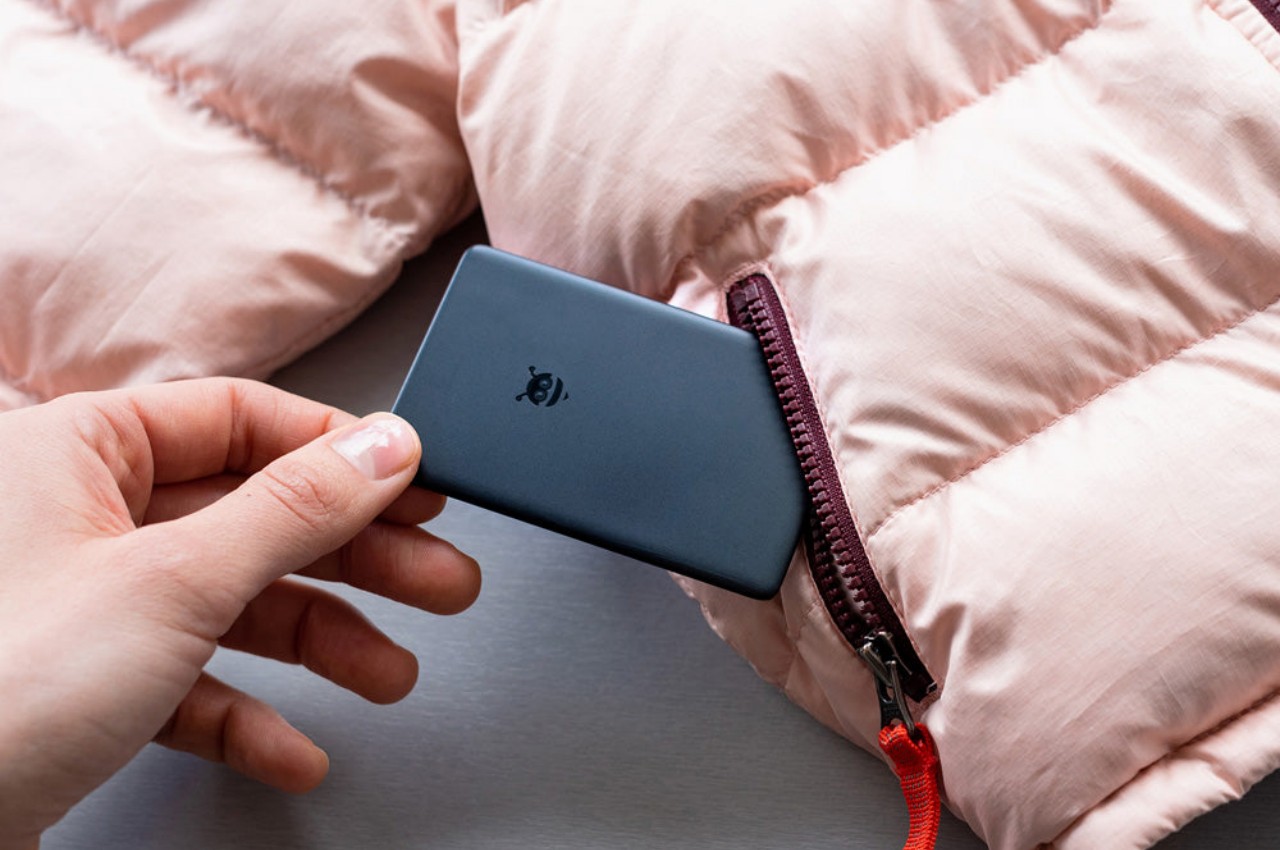
That Tag might be a tad too thick for your wallet, but the Pebblebee Card has you covered on that front. No larger than a credit card, this 2.8mm (0.11in) super-thin tracker promises to save you from the stress and fear of losing one of the most important objects in your life. And just like the Tag, it can be easily used for bags, laptop sleeves, and other slim spaces to give you that same peace of mind.

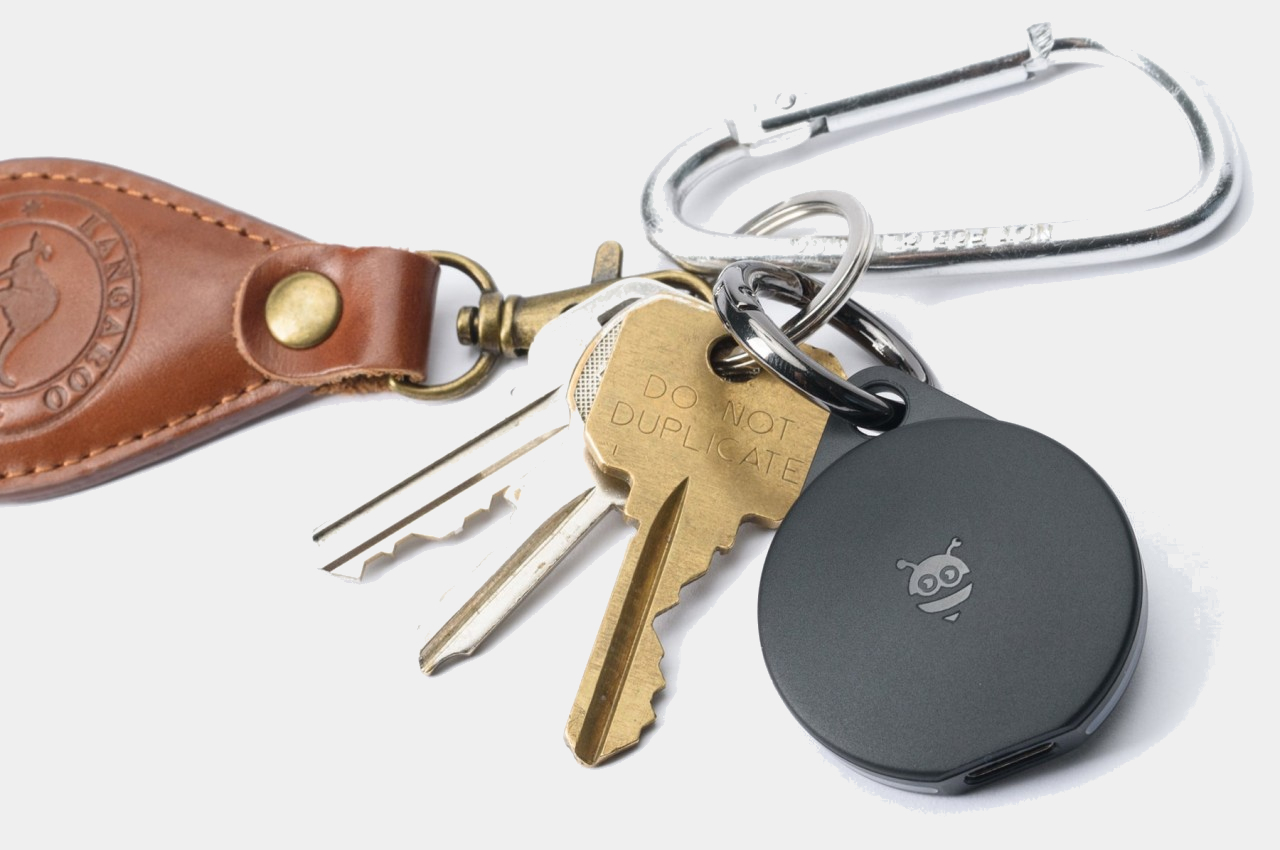
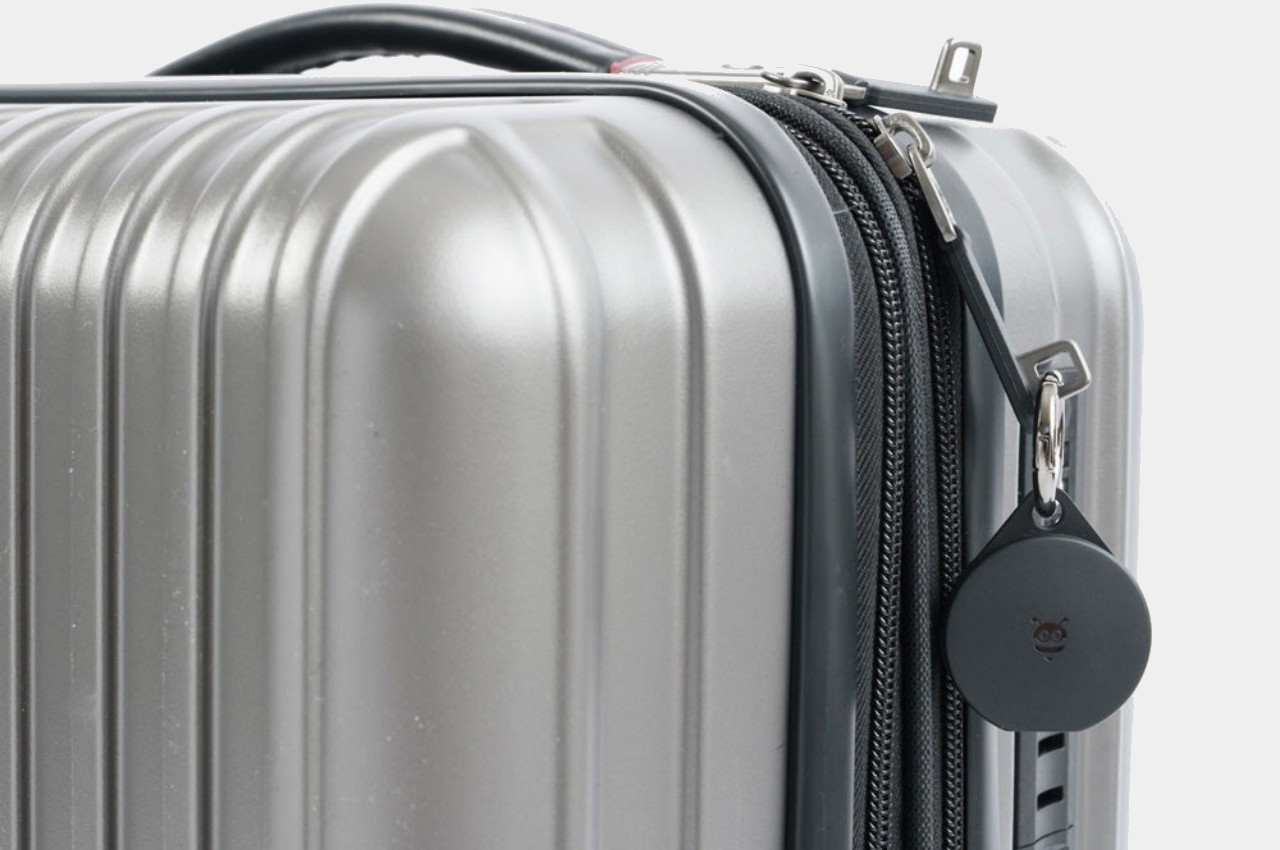
Keys are also often misplaced even at home, turning late mornings into frantic searchers for the small objects that give access to the car or, worse, the door. With a whole that’s perfect for a keyring or carabiner, the Pebblebee Clip makes sure that no item will ever be permanently lost. That includes anything with a hook, a zipper, or a hole that this small circle can attach to without getting in your way, like suitcase zippers or handles, bag straps, and bicycle handlebars.

All three Pebblebee trackers can be charged wirelessly and their batteries can last from 8 to 18 months before you actually need to put it down on the magnetic wireless charger again. With a bright LED and a loud melody, you can easily pinpoint the tracker’s location if it’s nearby, while Google’s new Find My Device network gives you global coverage if it is out of the 300ft Bluetooth range. All trackers are IPX6 water resistant, so you don’t have worry to too much about exposing them to the weather, and their minimalist design makes them fit with almost any object. The trackers also work with Pebblebee’s own mobile app, though they aren’t compatible with Apple’s Find My system.

The post Pebblebee trackers can find items with the new Google Find My Device network first appeared on Yanko Design.